- Yes
- No

HISTORY AND DEVELOPMENT:
Spoiler
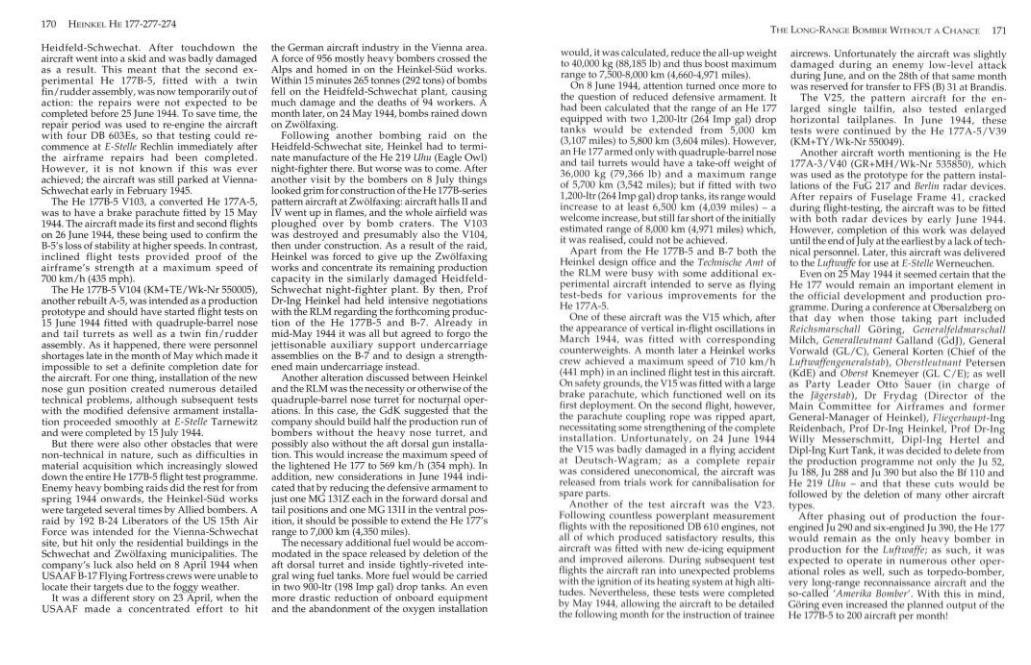
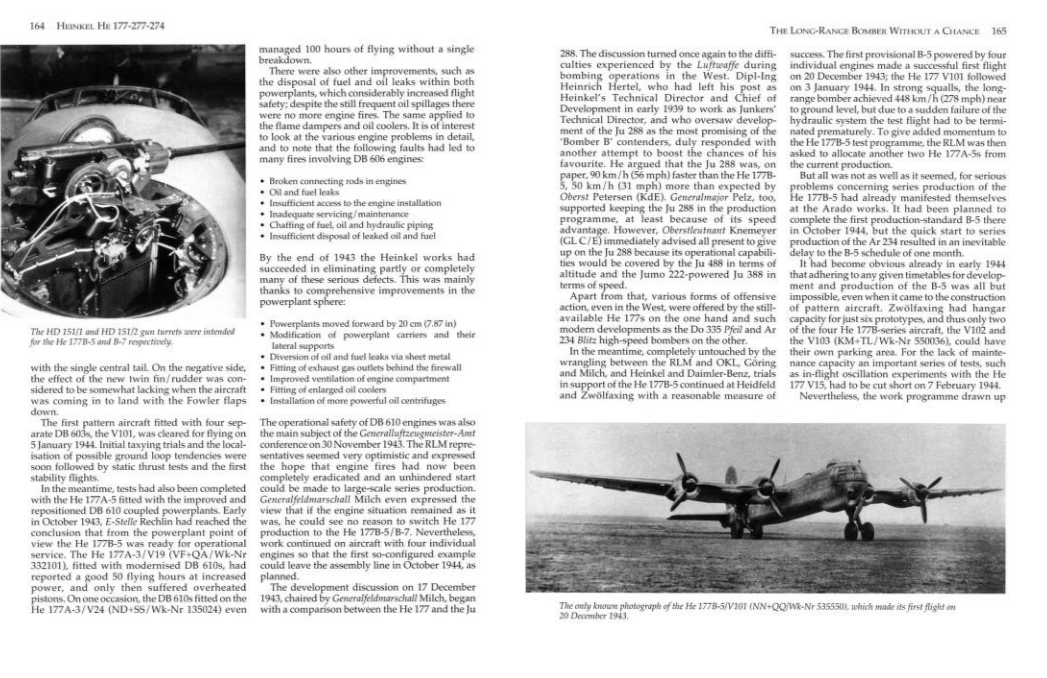
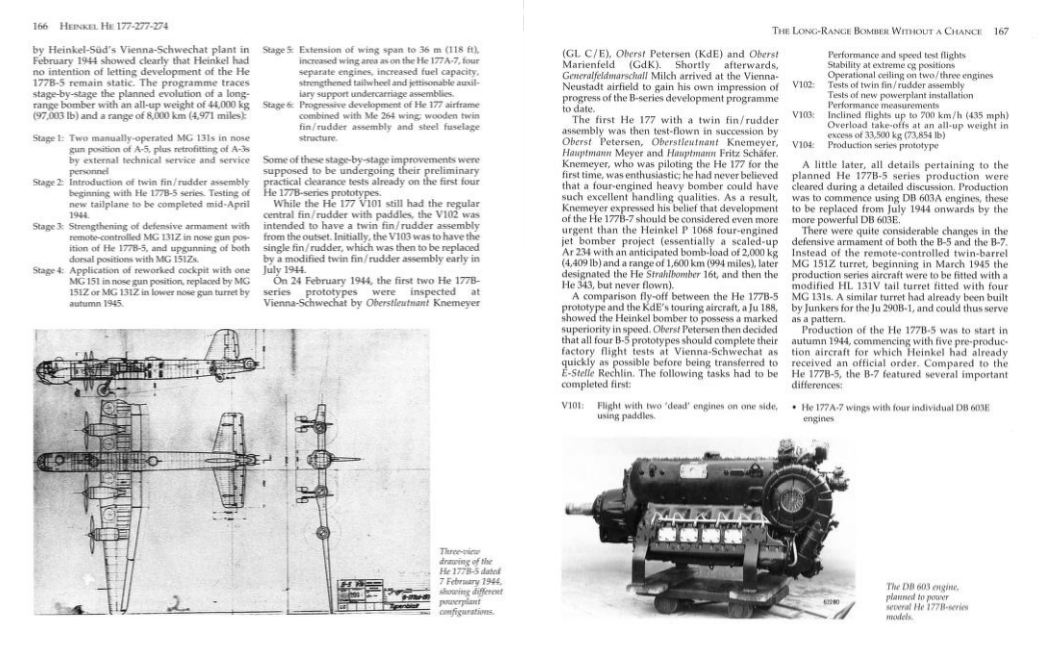
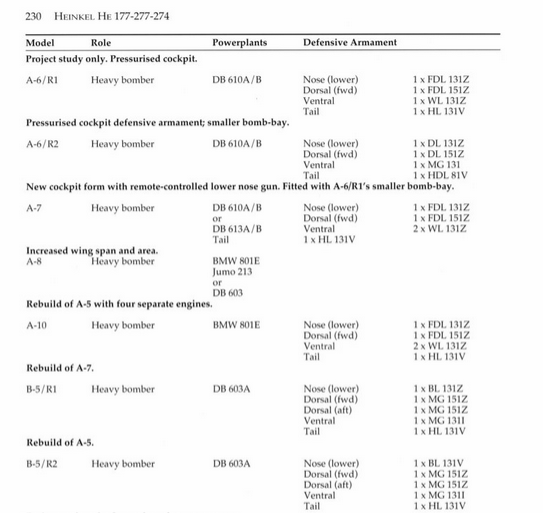
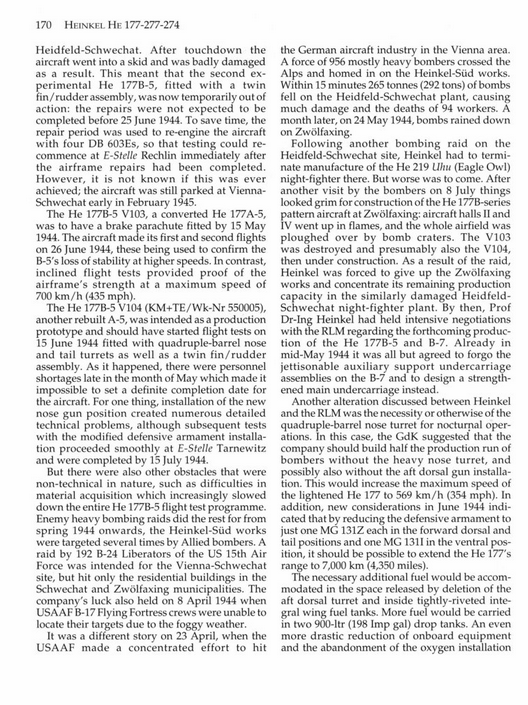
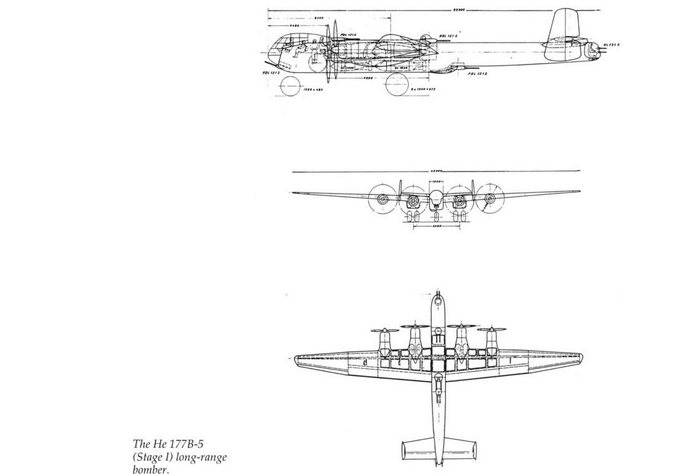
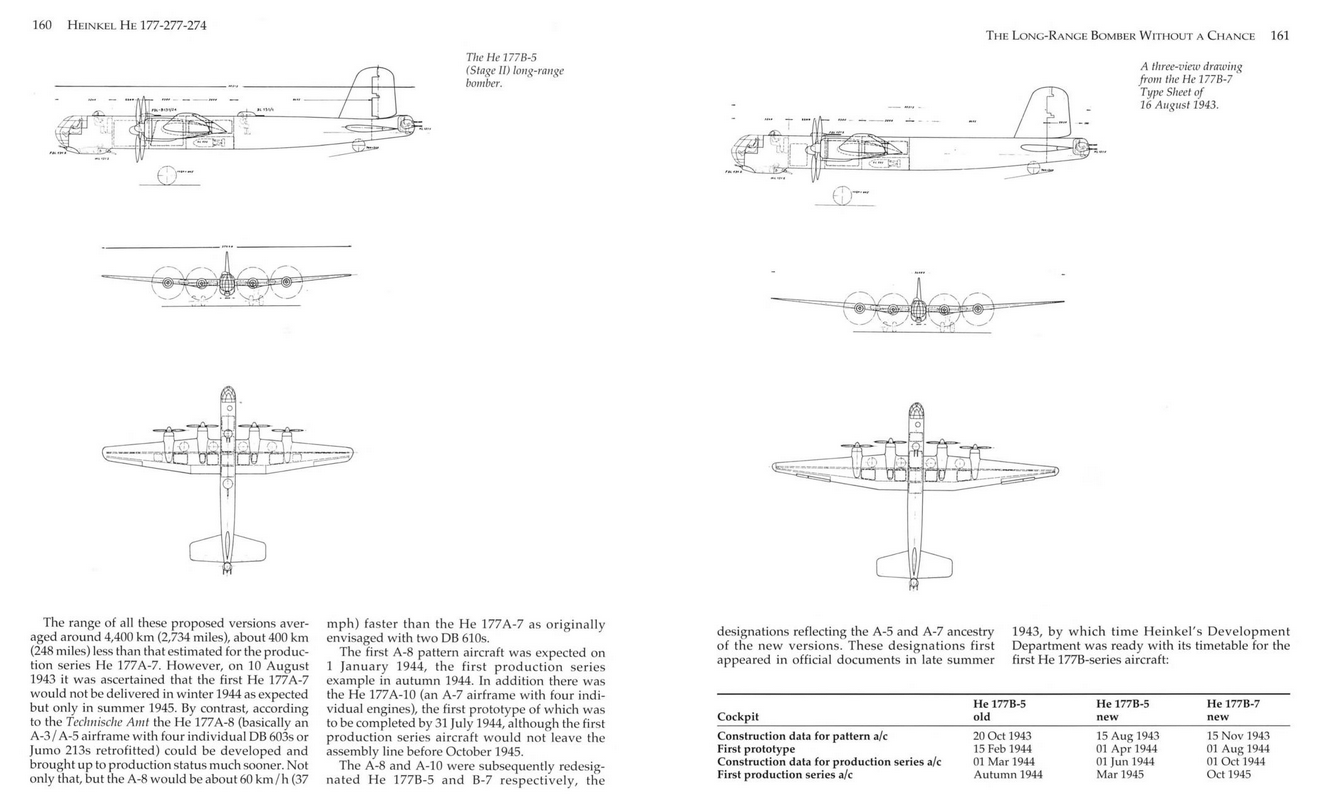
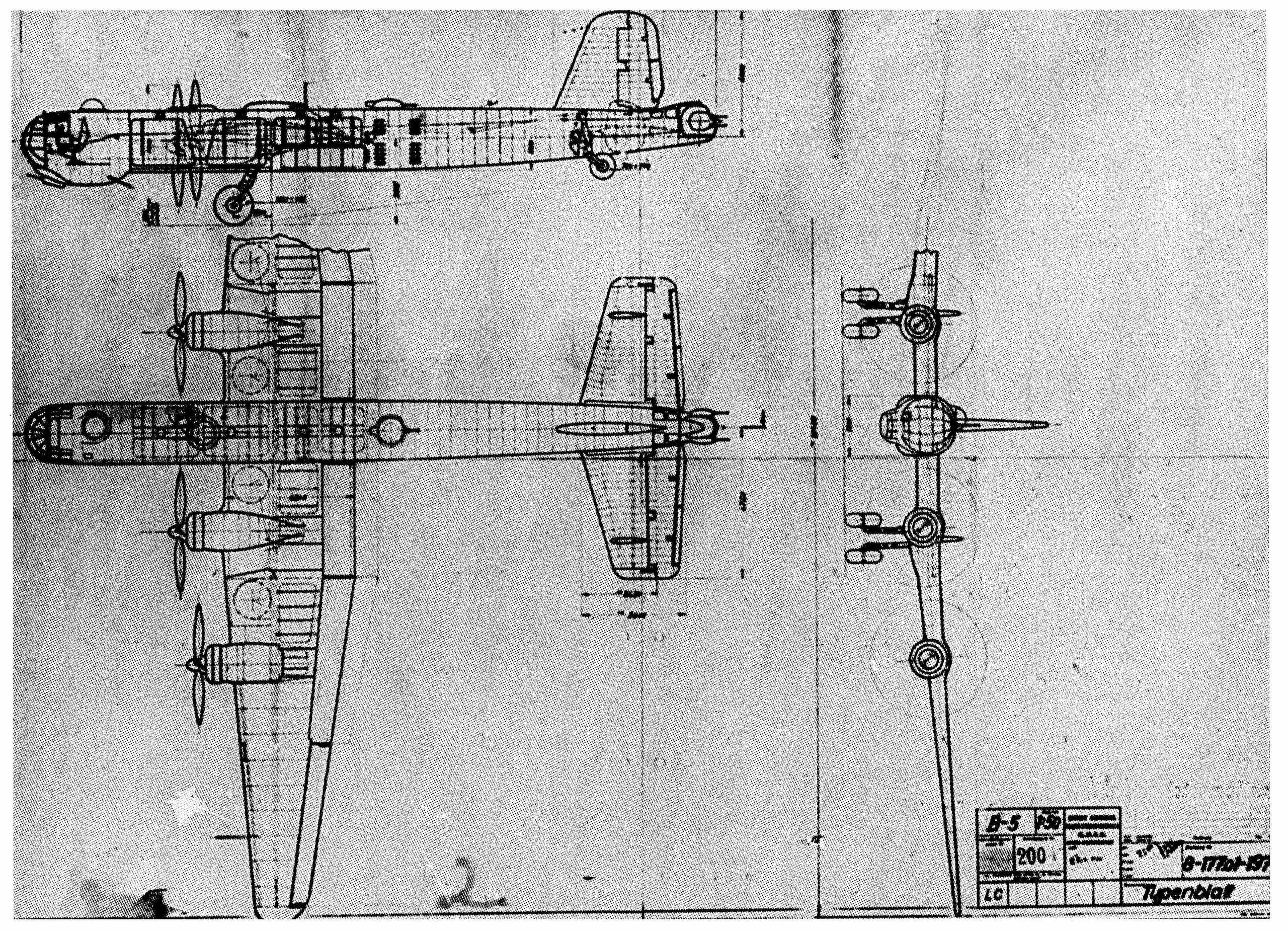
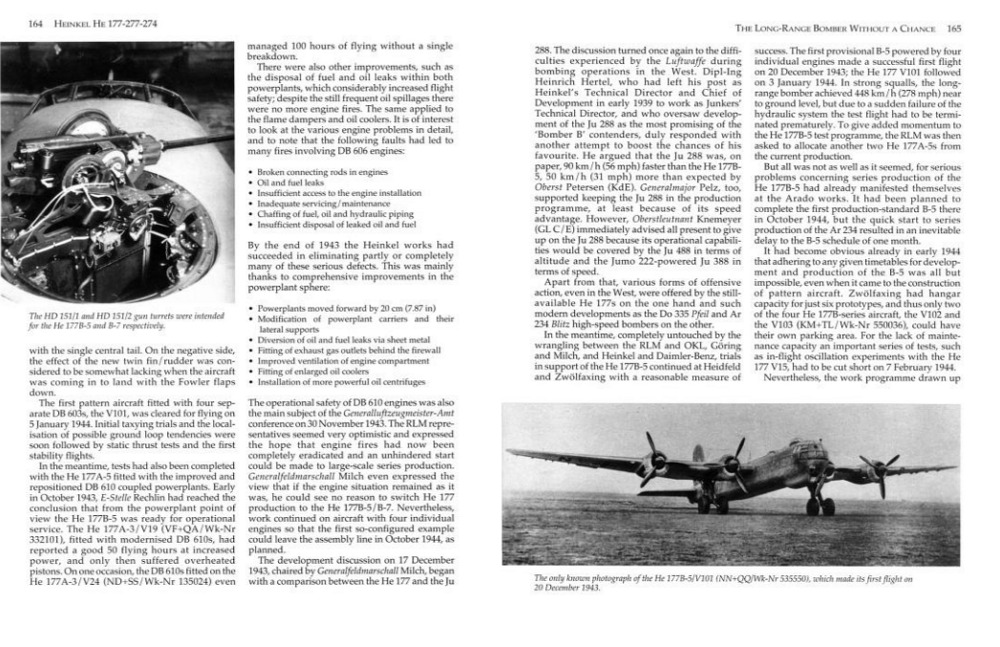
The He 177 B was the later, more developed version of the He 177 heavy bomber, intended to fix the severe problems of the original A-series. Its development began after the A-series showed major issues with its tandem engines and structural integrity, but its progress was hindered by Allied bombing raids on production facilities and Arado’s heavy involvement with its own advanced aircraft. The He 177 B was planned with a four-engine layout, which was more reliable, and saw prototypes begin flight testing in late 1943, but it never entered mass production before the end of the war.
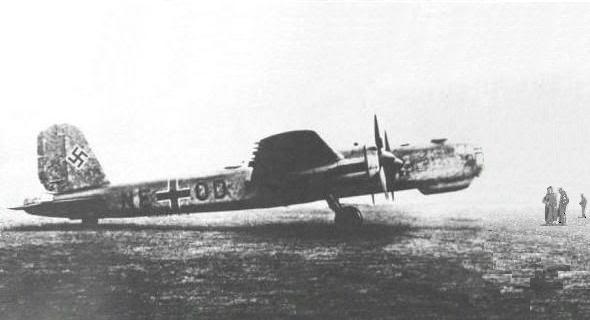
The He 177A was Germany’s only operational heavy bomber but it was crippled by its coupled engine design (two engines bolted together per nacelle).
This caused chronic overheating, fires, and structural stress — earning it the nickname Luftwaffenfeuerzeug”* (Luftwaffe’s lighter).
By 1942, it was clear the A‑series could not fulfill the Luftwaffe’s strategic bomber role
The Redesign: Birth of the B‑Series
Spoiler
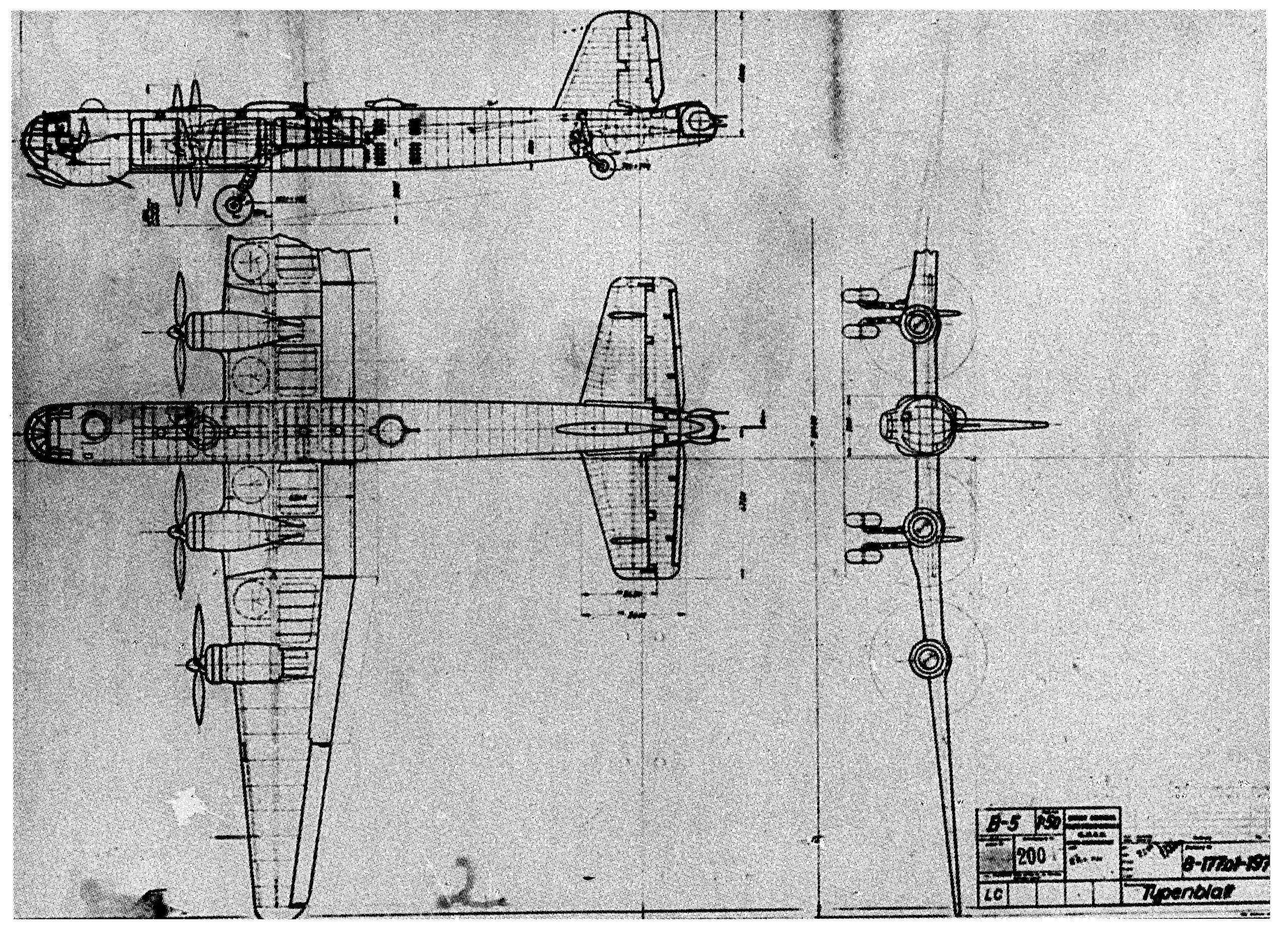
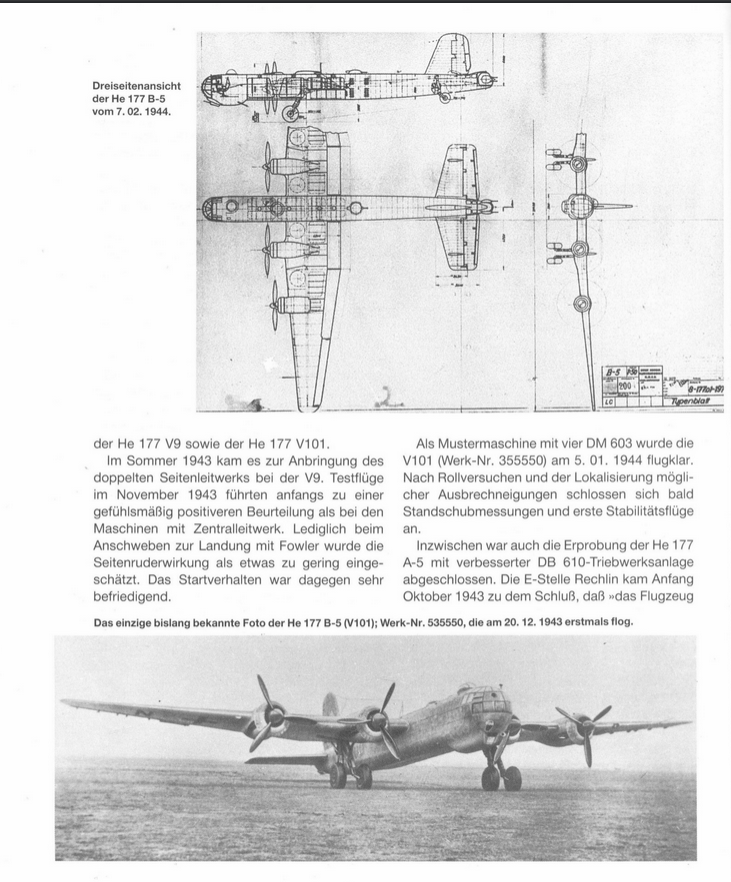
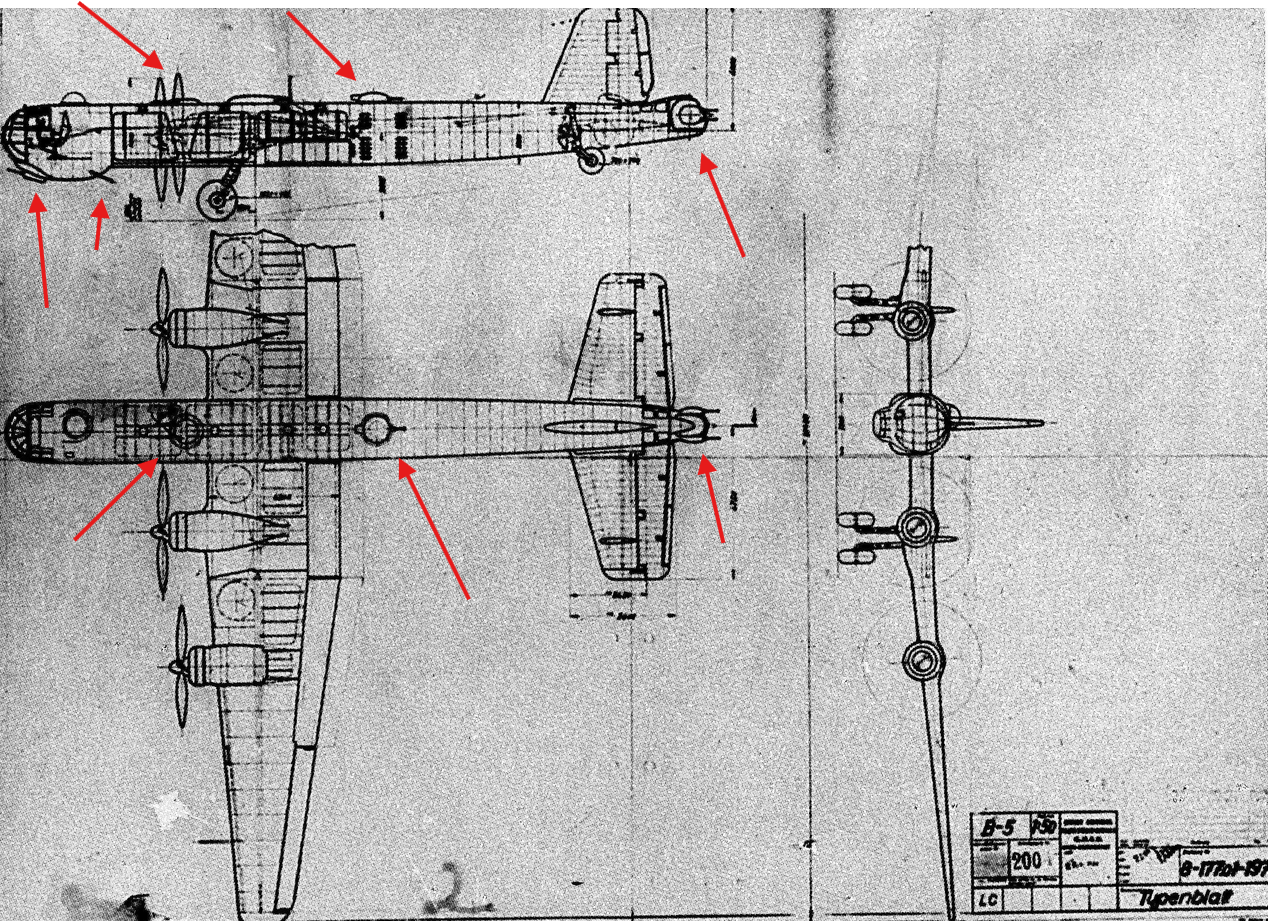
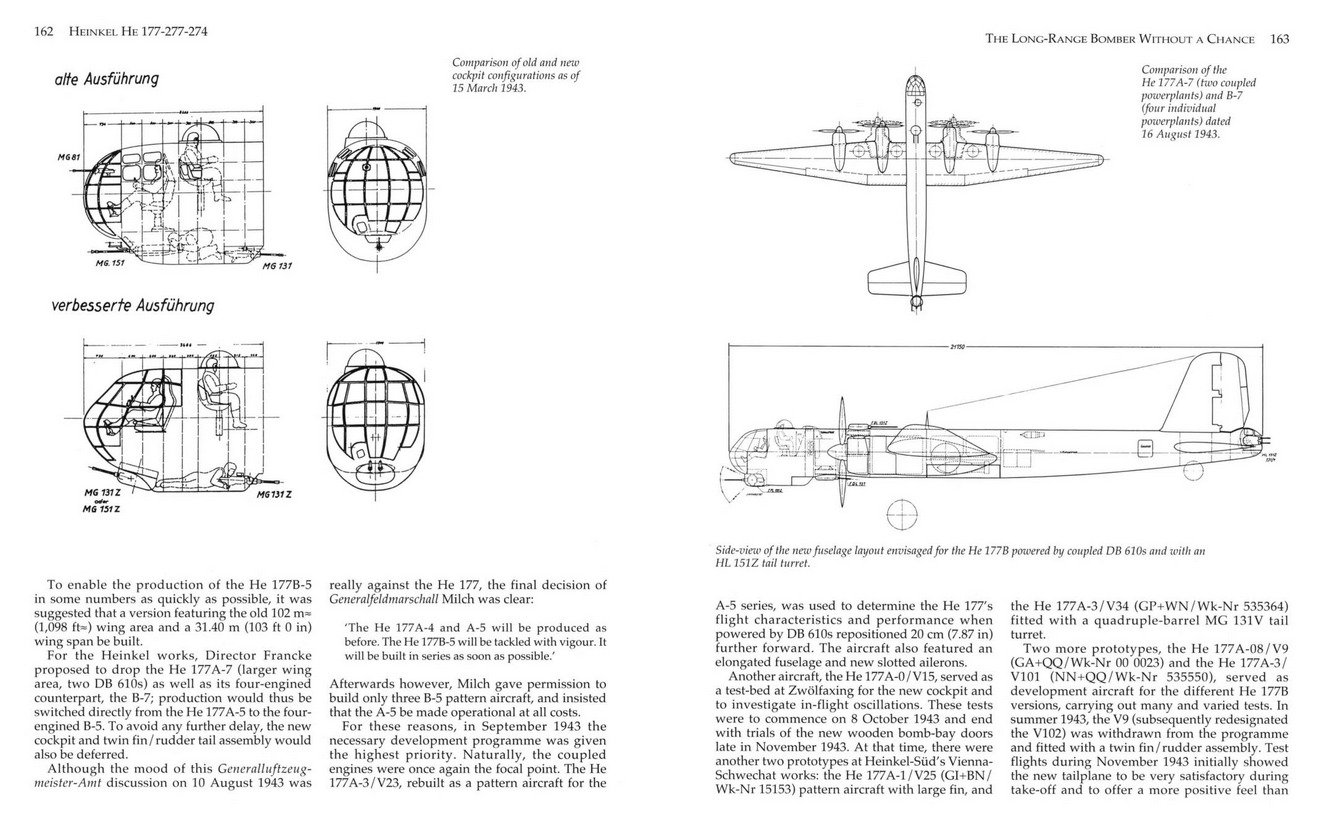
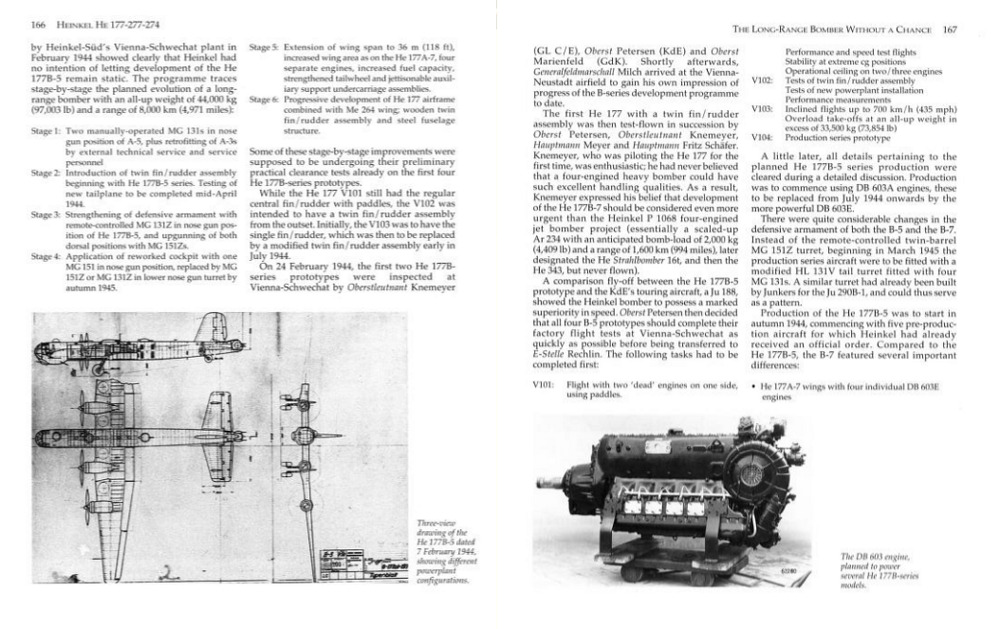
Heinkel proposed a clean redesign: the He 177B, with four separate Daimler‑Benz DB 603 engines in individual nacelles.
This solved the A‑series’ fatal flaw and aligned the aircraft with Allied heavy bombers (B‑17, Lancaster, B‑24).
Structural changes included:
Twin‑fin tail for stability.
Pressurized cockpit for high‑altitude operations.
Enlarged wingspan (~43 m) for greater lift and range.
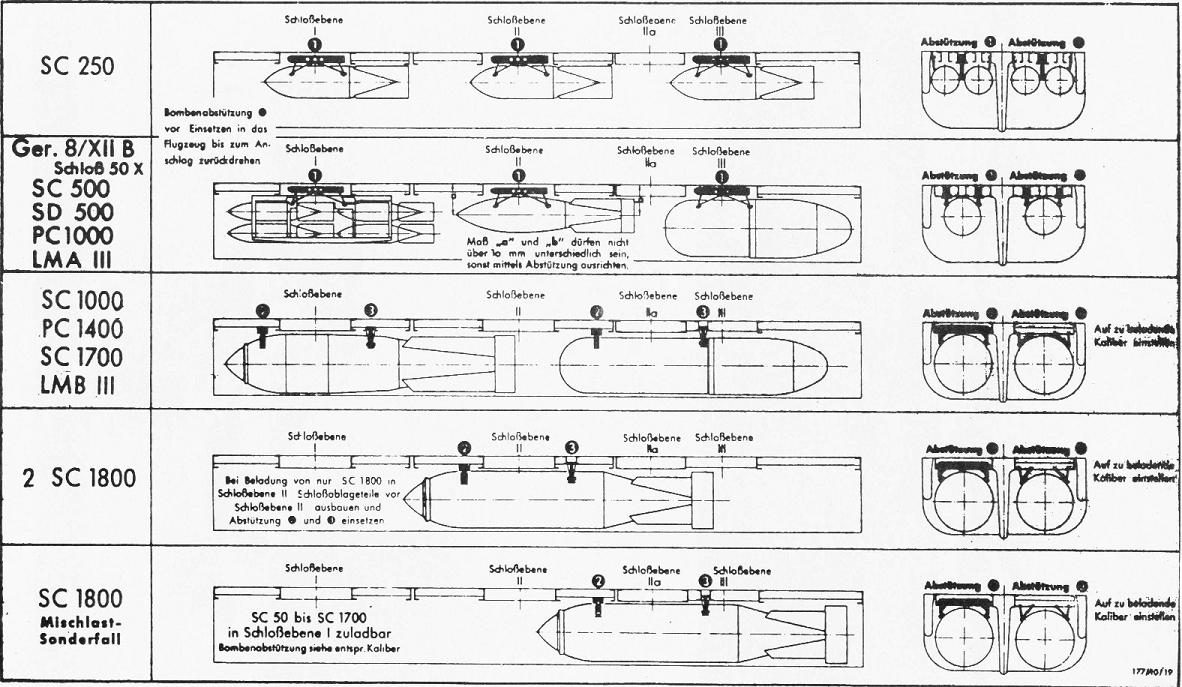
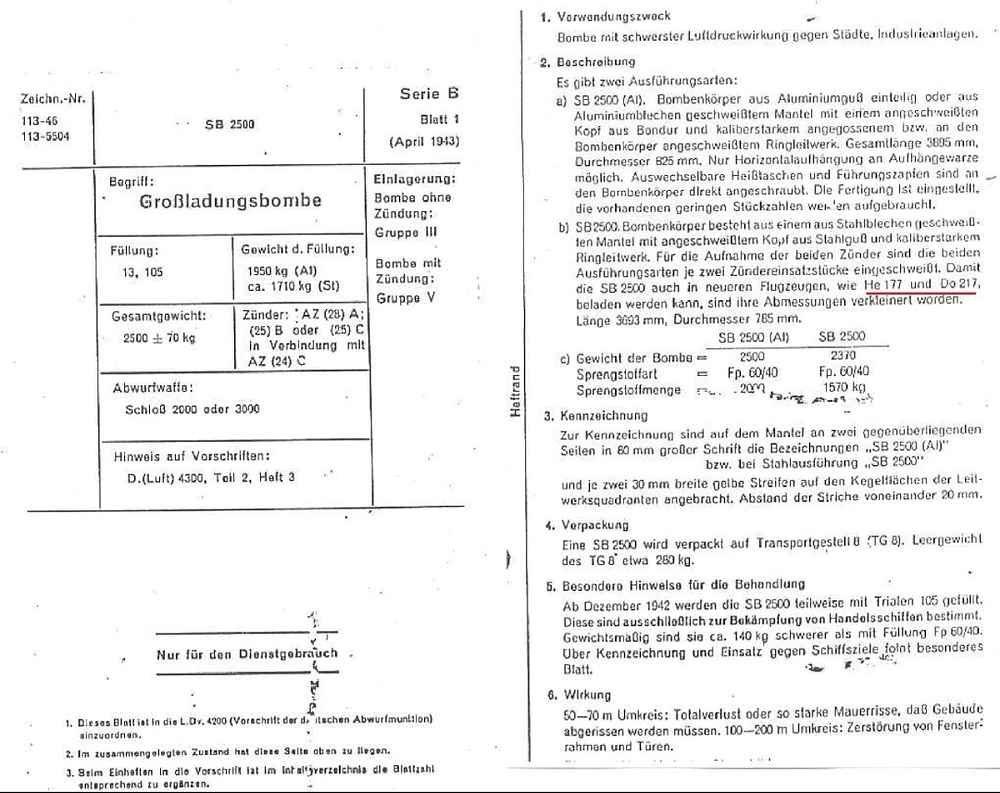
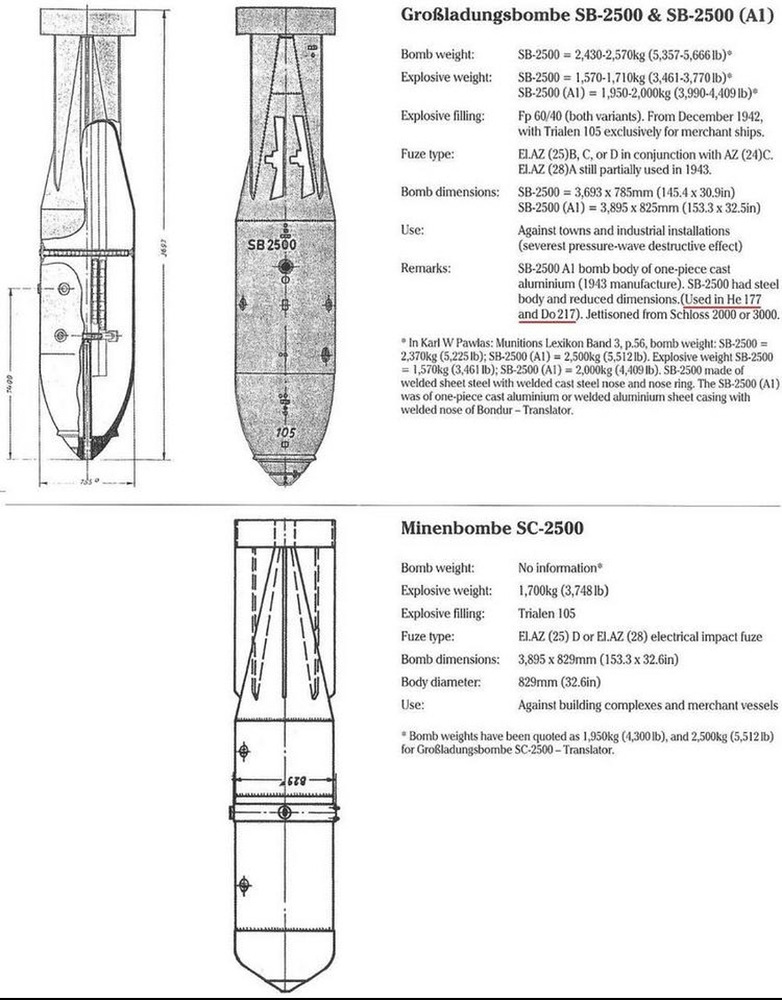
Strengthened bomb bay** for very heavy ordnance
Why It Failed
Spoiler
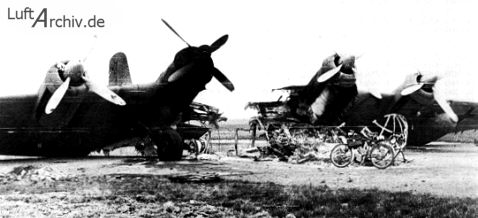
Despite solving the A‑series’ problems, the B‑5 came too late:
By 1944, Germany’s strategic situation was collapsing.
The Luftwaffe shifted resources to fighters (Me 262, Ta 152) and “wonder weapons” (V‑1, V‑2).
Only a handful of B‑series prototypes were completed at Heinkel’s Vienna‑Schwechat plant.
A production order was penciled in for autumn 1944, but never realized.
SPECIFICATIONS
General characteristics:
- Crew: 6-7
- Length: 22.0 m (61 ft 72/2 in)
- Wingspan: 43.0 m 141ft)
- Height: 6.9 m (22 ft 8 in)
- Wing area: 135 m2 (1.450 sq ft)
- Airfoil root: uknow tip: uknown
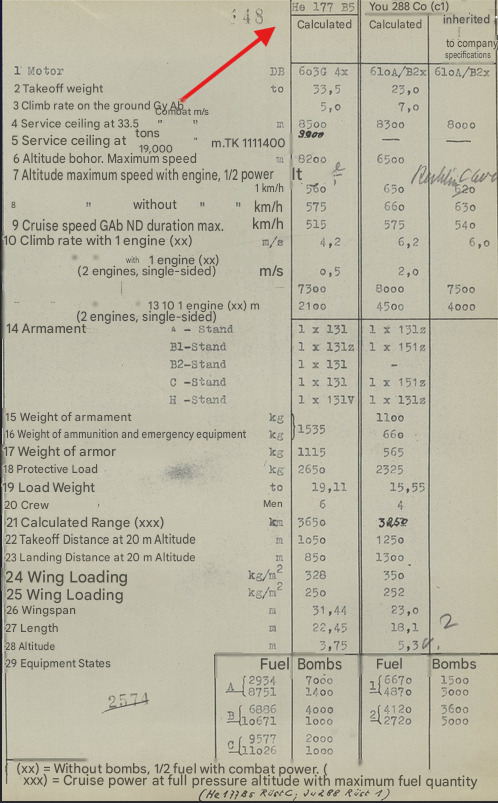
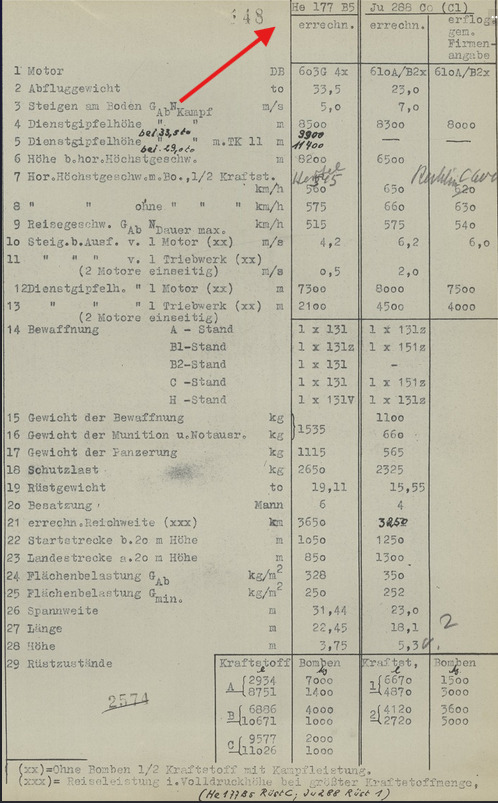
- Empty weight: ~18,000 kg (39,700 lb)
- Maximum loaded weight: 31,000–32,000 kg (≈70,000 lb)
- Powerplant: : 4 × Daimler‑Benz DB 603A liquid‑cooled V‑12 engines, ~1,750 hp each
Performance:
- Maximum speed: 575 km/h (357 mph) at 6,000 m
- Cruise speed: 515 km/h (320 mph)
- Range: 6,000 km (3,700 mi) with 3,600 kg bomb load
- Service ceiling: 10,000 m (32,800 ft)
- Rate of climb: 5 m/s (1,000 ft/min)
PLANNED ARMAMENTS:
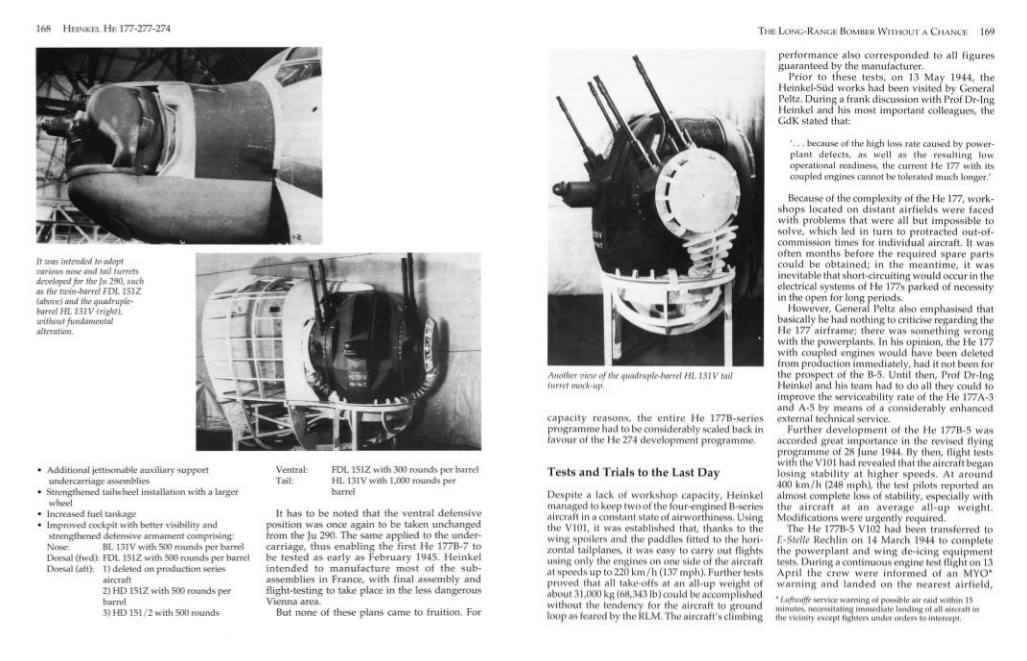
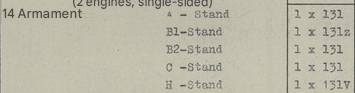
- Nose turret: 1 × MG 151/20 (20 mm cannon)
- Dorsal turret (forward): 2 × MG 151/20 (20 mm cannon)
- Dorsal turret (rear): 2 × MG 151/20 (20 mm cannon)
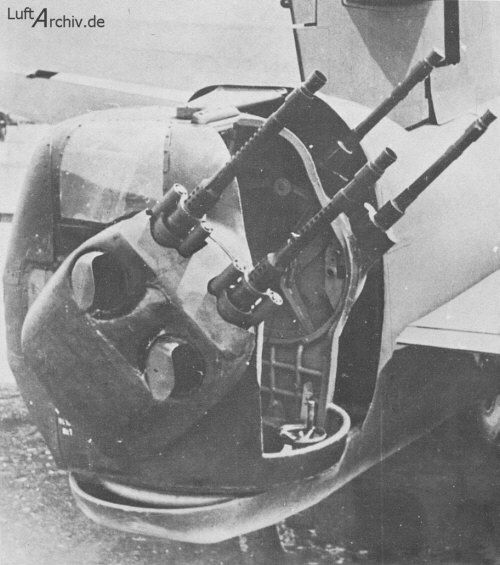
- Tail turret: HL 131 4x MG 131 13-mm heavy MGs
- 500 rounds per gun
- Ventral gondola (B‑Stand): 1 × MG 151/20 (20 mm cannon)
- up to 7,200–7,500 kg (≈16,000 lb) of bombs
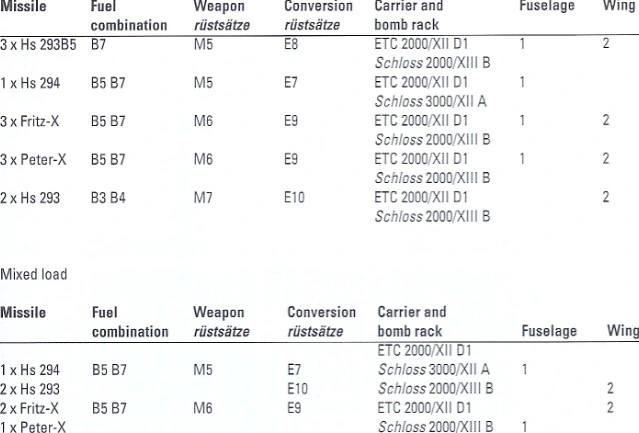
- External racks: provision for Fritz‑X or Hs 293 guided bombs

Credit for @Ghost-King !
Sources:
Spoiler
Heinkel He 177 Greif - Wikipedia
Bundesarchiv (Germany) – Holds surviving Heinkel factory photos of the B‑series prototypes
IBCC Digital Archive – Contains photographs of He 177s in flight and on the ground
Heinkel He 177 · IBCC Digital Archive
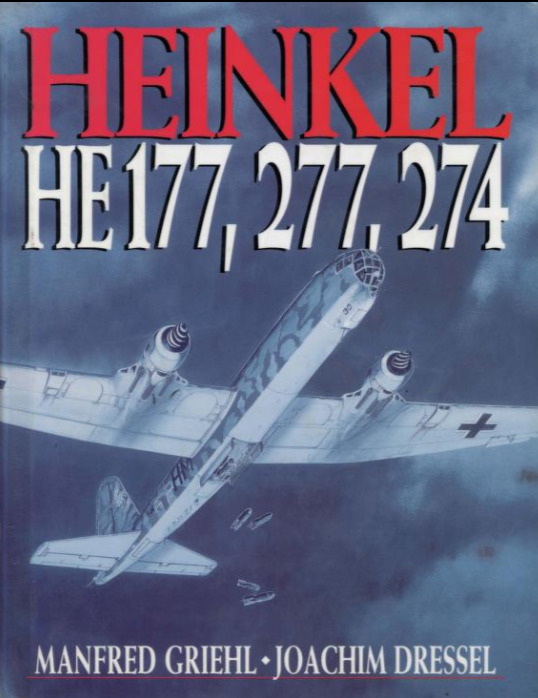
Warbirds Resource Group – Luftwaffe Resource Center* – Provides a concise history of the He 177 program.
Luftwaffe Resource Center - German Luftwaffe (Air Force) from 1935-1945 - A Warbirds Resource Group Site
Thanks for reading !