HM Korvett Freja
- Yes
- No
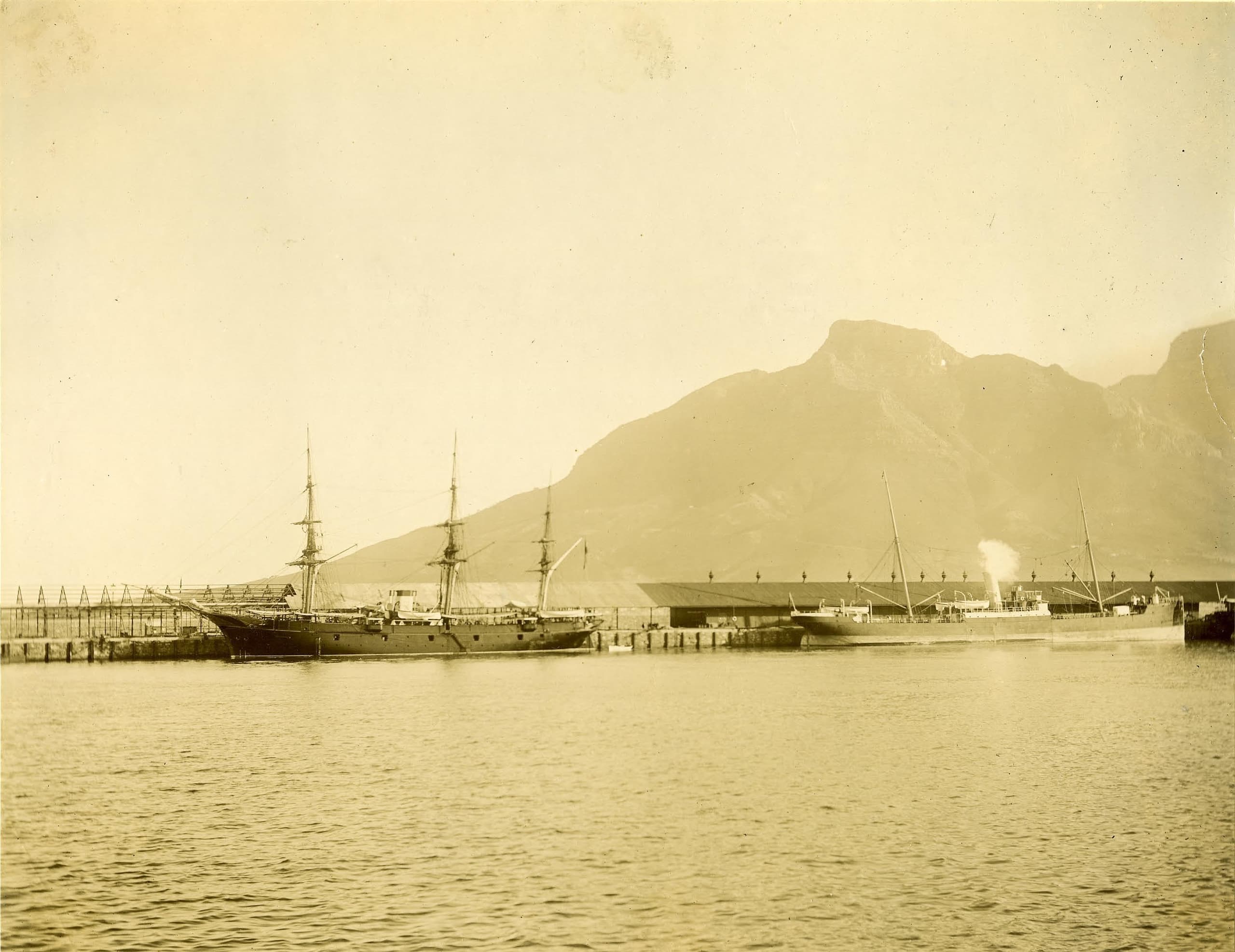
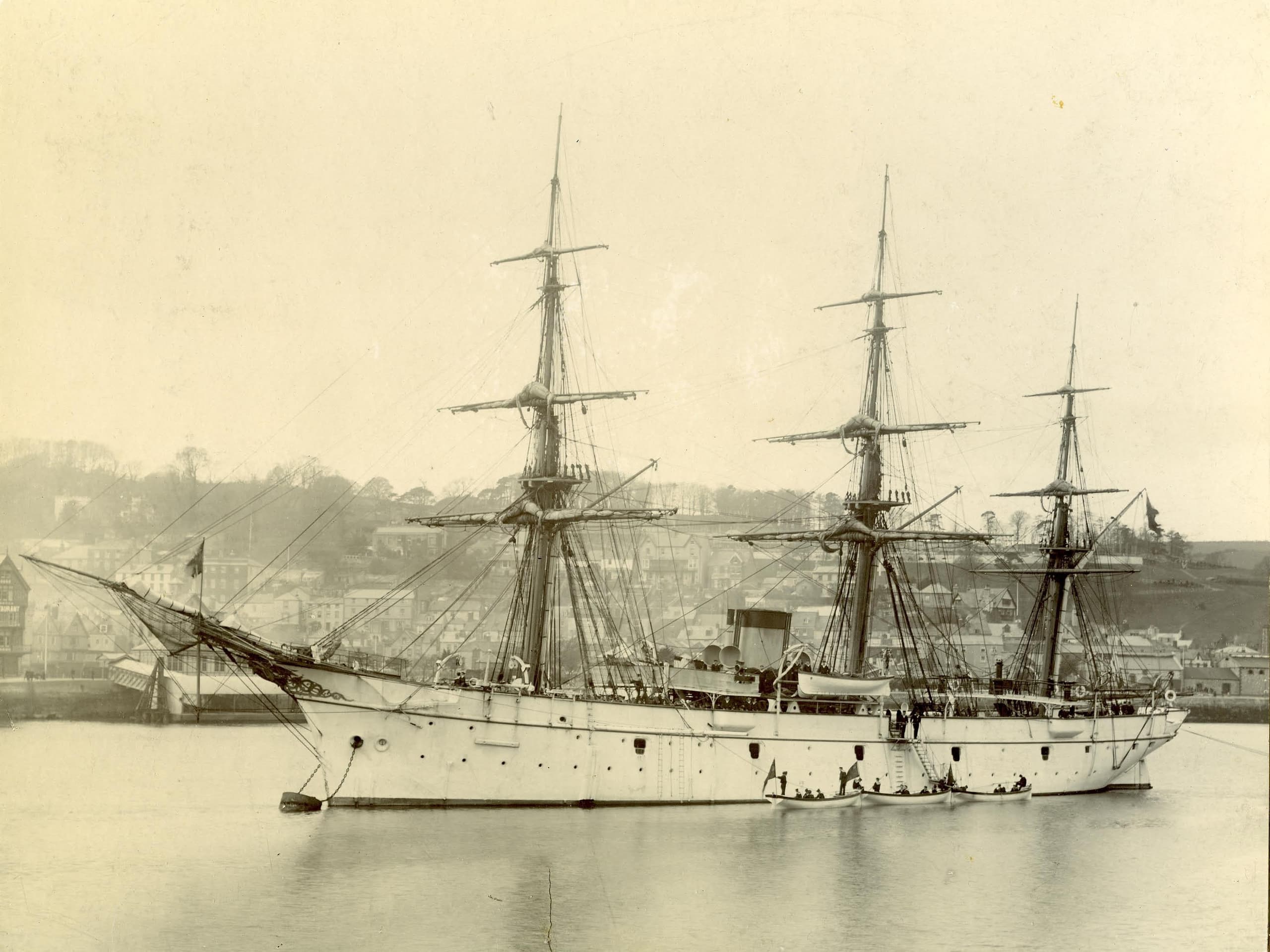
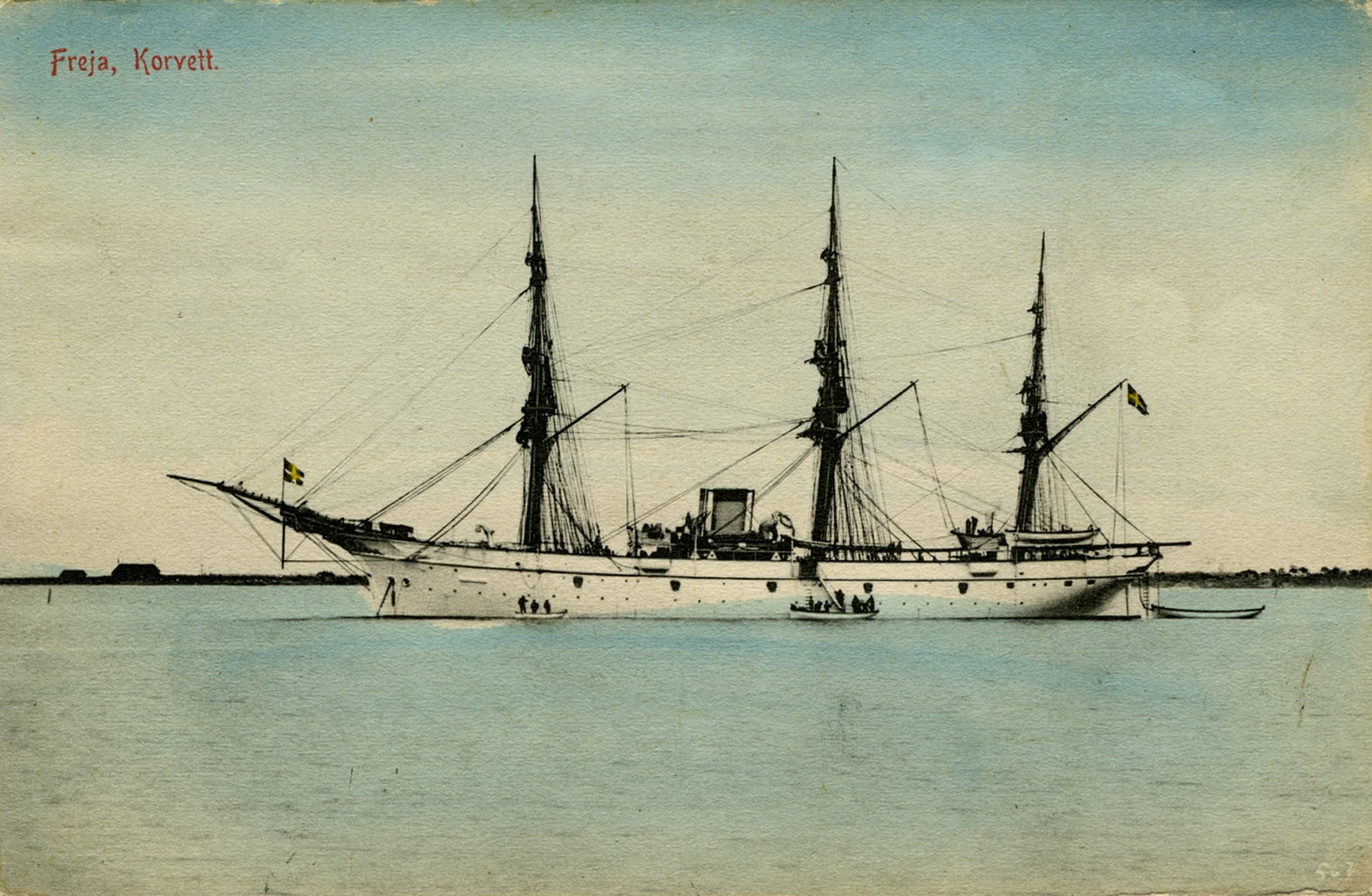
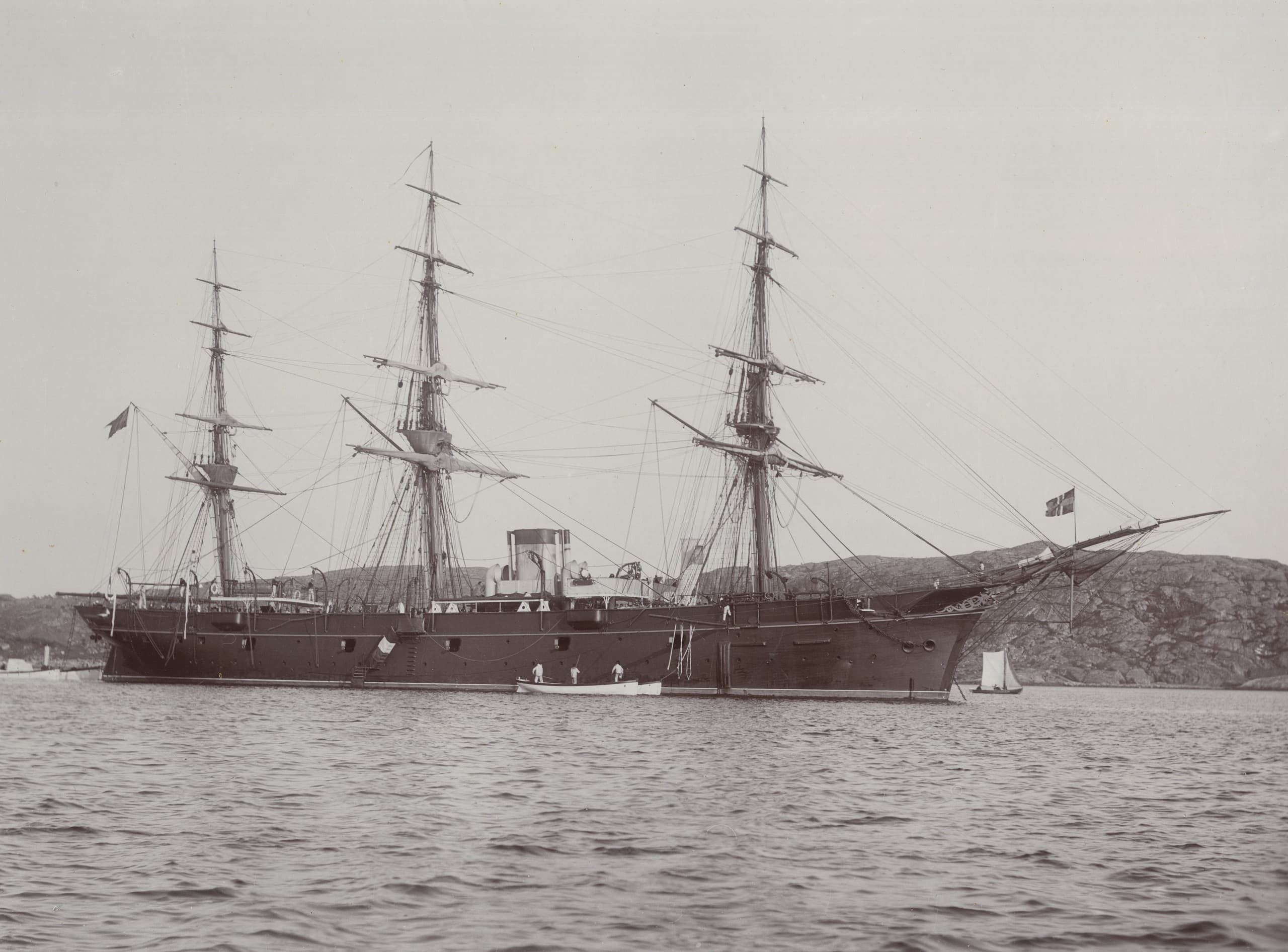
H.M Korvett Freja was a steam corvette serving in the Swedish navy between 1886 and 1936. Launched by Kokums mekaniska verkstad in 1885, H.M Korvett Freja joined the navy in 1886 as the biggest fully steel-hulled ship to serve so far. Despite being a ship made for combat, she spent many of her days in the navy sailing across the world, visiting various continents and countries between 1886 and 1906. In 1907 her design as a combat ship had become obsolete and she was rebuilt as a lodging ship, serving in that role until 1936 where she was put out of service and scrapped in 1943.
History
In the late 1800’s the Swedish navy was looking to expand its fleet due to multiple factors. The naval arms race in the Baltic between Germany and Russia quickly became a concern for Sweden, not just because the Baltic was being filled with modern and powerful battleships, but also because it showed how outdated the Swedish navy was at the time. The most powerful ships were the old monitors of the John Ericsson class and any suggestion on expanding the armored part of the fleet was shot down with the navy wanting to focus on a cheaper alternative, smaller vessels with big guns. As such a push for wooden hulled steam corvettes as well as gunboats armed with large cannons capable of breaking the armor of any modern battleships who wanted to trespass in Swedish waters was made. The result was the 1:st class gunboats as well as the steam corvettes HM Balder and HM Saga. It quickly became apparent that this was not the way forward and the navy would instead need to build battleship equivalents of their own whether they liked it or not, resulting in the armored ships of the Svea class. Despite that realization, the navy wanted to procure another steam corvette at the same time, this time however the corvette would not follow its predecessors wooden hull standard and instead became a steel-hulled and powerful corvette, the result was HM Korvett Freja.
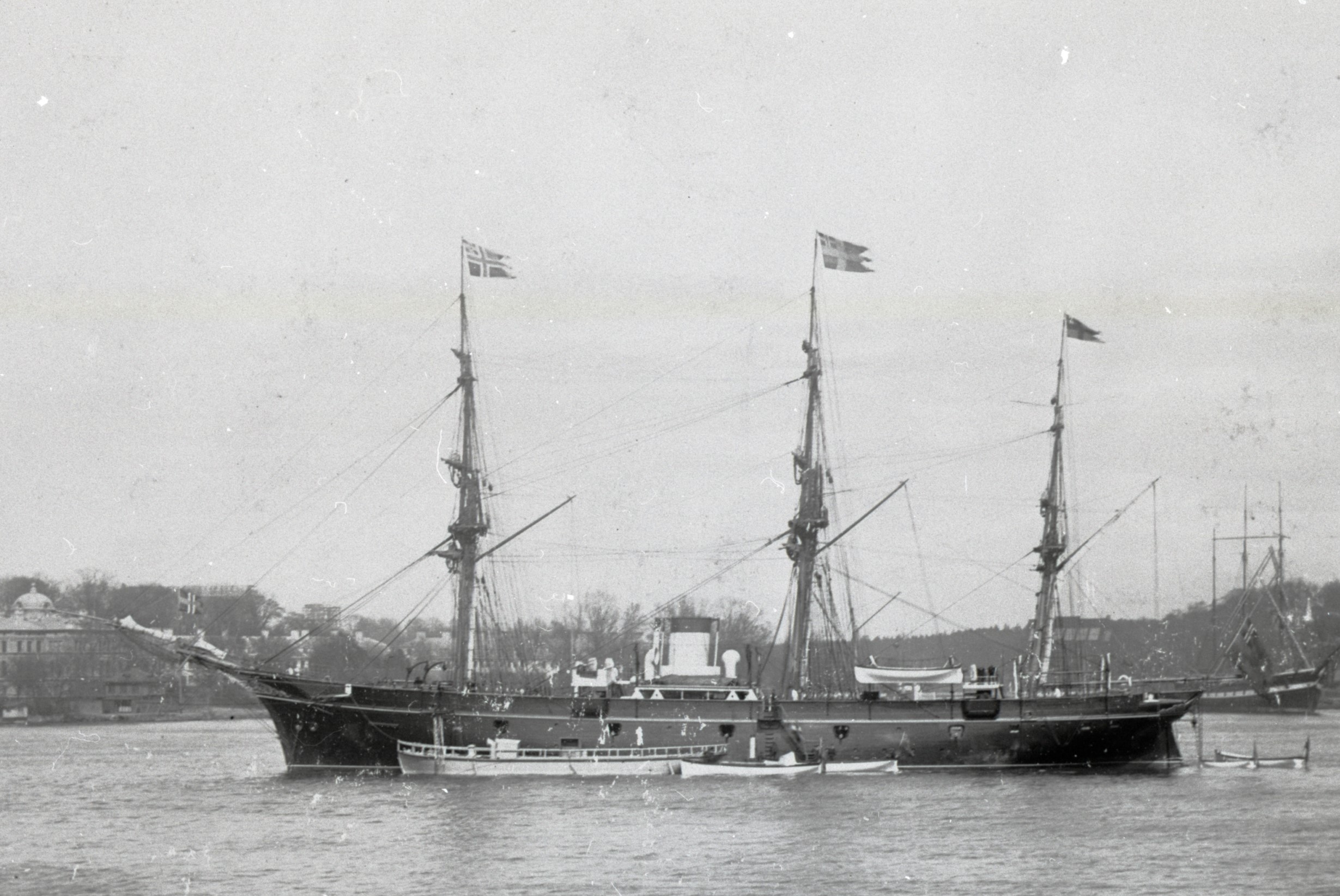
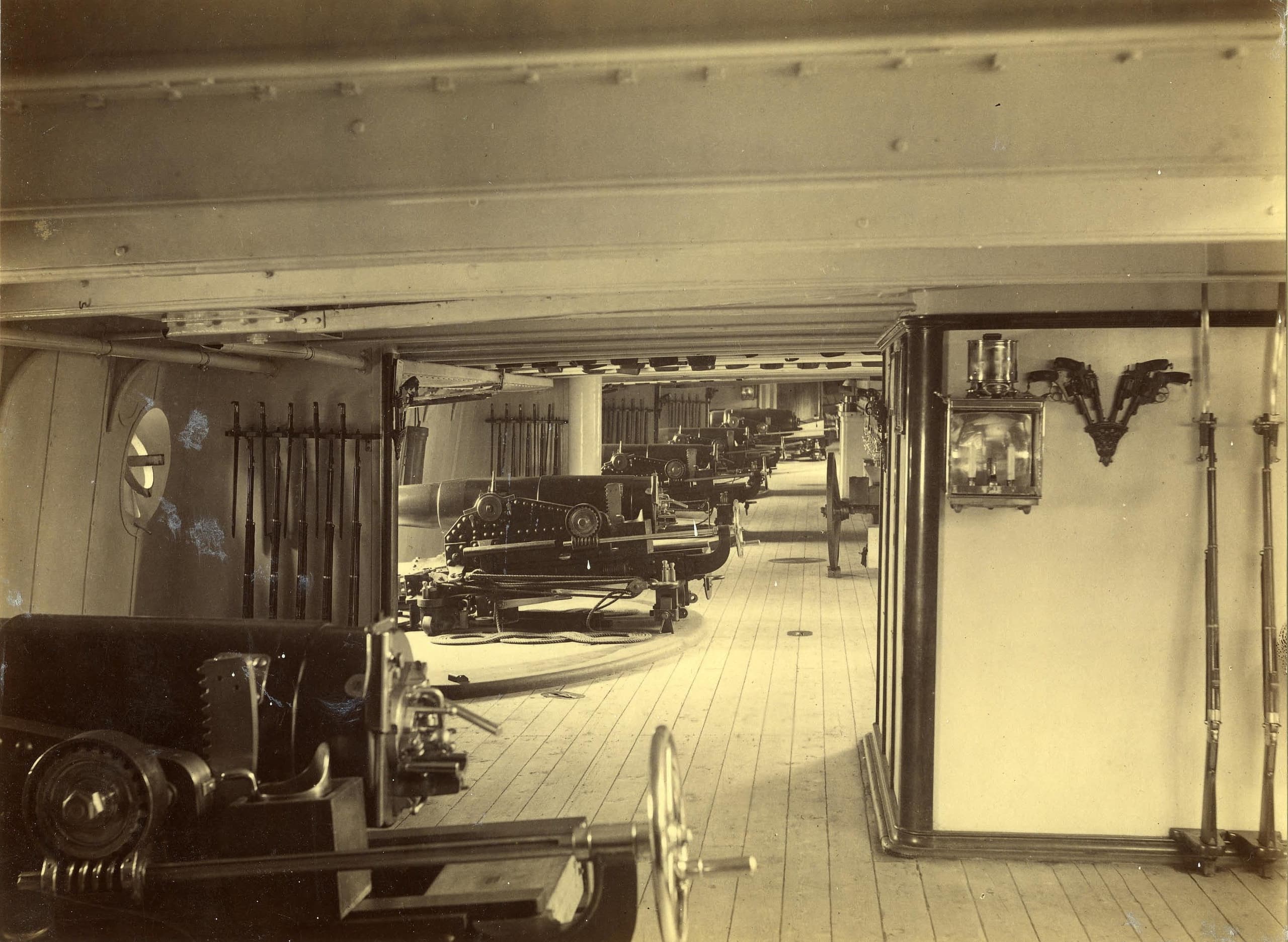
HM Korvett Freja would be built by Kockums Mekaniska Verkstads AB at their shipyard in Malmö and would launch in 1885. Her hull was made entirely out of steel and had a Bergsunds ångmaskin steam engine installed in it producing 1750 horsepower for a propeller behind the rudder. Despite the engine she had three masts on deck for a full sailing rig, this was the preferred mode of transportation as to not cause unnecessary wear and tear to the engine. Her armament was lighter but more modern than her predecessors, having a healthy mix of 152mm cannons as well as 122mm ones. Smaller 65mm and 38.1mm cannons also appeared for duties such as naval landing support and anti-torpedo action. After everything was installed, she would be delivered in 1886 where she would almost immediately depart Swedish waters to travel around Europe and Africa before returning to Sweden once more in 1887. She continued going on trips the following few years, some notable countries visited during this time were France, Egypt, India, Haiti, Italy, Jamaica, Cuba and most exotic of all, Denmark. Things started to change however in 1901 as two of her 15,2 cm cannons were removed. In 1906 her armament was changed once more as her 12mm machine guns were removed along with the 65mm cannons. In 1908 however, her usefulness as a corvette had reached its limit and she was retired from combat service, being converted into a lodging ship in Karlskrona instead.
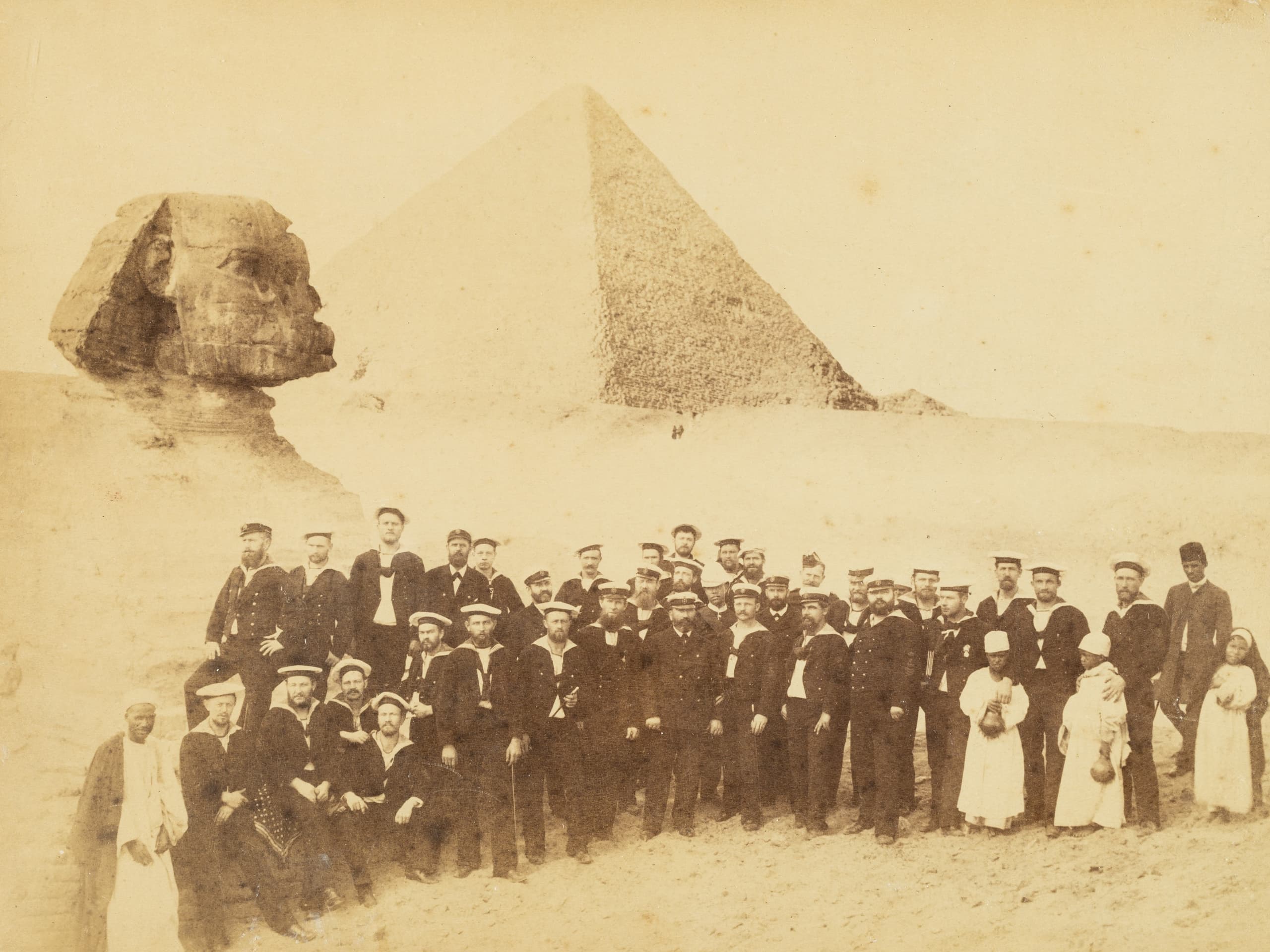
Group photo of when HM Freja went to Egypt.
Staying a lodging ship for the navy for many years, she was finally retired in 1936 and sold for scrap in 1943. Funnily enough, during the scrapping process she sank and couldn’t be fully scrapped until they brought up the old hull in 1978.
Armament and Stats
Length: 65,8 Meters
Width: 12,2 Meters
Draught: 5,79 Meters
Weight: 1998 Tons
Speed with engine power: 11,5 Knots
Crew: 250 Men
Main armament: 4 x 152mm Kan m/1883, two on deck (One forward and one aft) and two in the hull on the cannon deck.
15cm shells:
A 45,4 kg APHE shell, 590g filler, fired at a velocity of 506 m/s.
A 45,4 kg HE shell, 2,5kg filler, fired at a velocity of 506 m/s.
A 45,3 kg Shrapnel shell, fired at a velocity of 506 m/s.
Secondary armament: 8 x 122mm Kan m/1881, four on each side of the cannon deck.
122mm shells:
A 22kg HE shell, 1,1kg filler, fired at a velocity of 500 m/s.
A 22kg Shrapnel shell, fired at a velocity of 500 m/s.
Anti Torpedo weapons; 4 x 38,1mm maskinkanon m/1884, two on each side in their own balconies bulging out from the side of the deck. Could fire around 28 shells per minute.
38,1mm shells:
A 790g AP “Massiv” shell, velocity unfortunately missing.
A 790g HE shell, 33 grams of filler, velocity unfortunately missing.
“Anti-Air” armament: 2 x four-piped 25,4 mm ksp M/77 and 2 x ten-piped 12 mm ksp M/75 machine guns.
She carried 2 x 65mm bevakningskanon m/1886 with her on movable mounts that were meant to be carried off the ship for supporting troop landings.
Sources
680 (Uppfinningarnas bok / V. Metallernas bearbetning, urteknik, lås, vapenteknik)
The Book “Örlogsfartyg: Svenska maskindrivna fartyg under tretungad flagg” (2003), by Gustaf Von Hofsten and Jan Waernberg.