Hello beautiful Germany mains 🙀

Welcome to German main heaven 🍻
This list will have all aircraft variants for germany WWII aircraft that can be added with their rare prototypes and missing armaments like cluster bombs / rockets / guns.
Instead of making new topics about them i put all old info and new to this place.
Will remove old topics after am done.
I keep updating this list and organized as much as possible when i have free time so people who like Germany cool WWII aircraft’s and see and read about them 
Side Note :
Not all can be added some never built i will put (not built ) to one which was never built and put ( can be suggested ) for ones were built and can be added / suggested but later when i have time i need to take of my nails first.
List will be split
Aircraft’s :
Fighters
Bombers
Armaments :
Bombs
Rockets
Guns.
⎯ ⎯ ⎯ ⎯ ⎯ ⎯ ⎯ ⎯ ⎯ ⎯ ⎯ ⎯ ⎯ ⎯ ⎯ ⎯ ⎯ ⎯ ⎯ ⎯ ⎯ ⎯ ⎯ ⎯ ⎯ ⎯ ⎯ ⎯ ⎯ ⎯ ⎯ ⎯ ⎯ ⎯ ⎯ ⎯ ⎯ ⎯ ⎯ ⎯ ⎯ ⎯ ⎯ ⎯ ⎯ ⎯ ⎯ ⎯ ⎯ ⎯ ⎯ ⎯
Aircraft’s list :
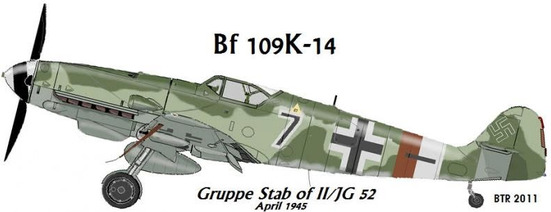
Bf 109
A Series
A-0 - First version of the Bf109, sources disagree on how many were produced (some say 22, others only 19). It had either a Jumo 210A or D engine with two machine guns mounted above the engine. Many were sent to Spain to serve with the Condor Legion. The Bf109As were not built on a serial production line, but individually (like prototypes) and there were slight differences or improvements between aircraft. Most early listings of Bf109 types seem to assign these aircraft to be pre-production aircraft for the B type with the designation “B-0”.
B Series
B-1 - The first serial production version of the Bf109, it had a Jumo 210D (635hp) initially driving a fixed two-bladed propeller. It was designed to take an armament of three MG 17 machine guns, two above the engine and one mounted in the engine, firing through the airscrew. The engine-mounted gun was unreliable and quickly removed from service. Some sources indicate that late production B-1s had an MG 17 machine gun in each wing, which meant the leading edge slats had to be shortened. All sources agree that 341 examples of the B-1 were built.
B-2 - Unofficial designation given to B-1 aircraft fitted with variable pitch propellers. Some had the new propeller fitted on the production line, others had it retrofitted later in service.
C Series
C-1 - Jumo 210G engine (690 hp) with direct fuel injection driving a two-bladed propeller. Armament was increased to four machine guns, two above the engine and two in the wings. The Fug 7 High-Frequency (HF) radio was installed in the factory in this model for the first time, providing air-to-air and air-to-ground communication, albeit only over a very limited range. The Fug 7 and slightly improved Fug 7a would remain the standard radio of the Bf109 until the introduction of the Fug 16 VHF radio in late 1942. The C series also introduced a larger fuel tank to give increased range. Only 58 examples of the C-1 were produced.
C-2 - Some sources say this designation was given to a single C-1 fitted with a fifth gun firing through the propeller hub.
C-3 - Designation given the C airframe fitted with a 20mm MG FF cannon in each wing. Just how many had this configuration is unclear, although the Luftwaffe went to the trouble of producing a maintenance manual for the type. There was no separate production of the C-3; any that were built were either conversions of C-1s or C-1s altered on the production line.
D-Series “Dora”
D-0 - Four pre-production examples of the D series built by the Messerschmitt factory, all other D-1 aircraft were built by other manufacturers.
D-1* - To speed production, the D series reverted to the slightly less powerful, but more readily available, Jumo 210D engine without fuel injection. It had an armament of four machine guns and a two-bladed propeller. 647 examples of the D-1 were built, with some being sold to Switzerland and Hungary (it is not clear if the four D-O aircraft are included in this total). The D-1 saw widespead action in Poland and on the Western Front during the first few months of the war. When the more potent E series Bf109 was introduced, the D series aircraft were allocated to the newly formed "Zerstörer " units that were awaiting the delivery of the Bf110 twin-engined fighter.
D-2 - Some sources say this version had extra armament of an engine-mounted machine gun. Trials only, it never entered production.
D-3 - Again, some sources list this as an experimental version with wing machine guns replaced by MG FF 20mm cannon. Never entered production.
*Most books written about the Bf109, until as recently as the 1990s, listed the Bf109 D as being designed to take the larger, more powerful DB600 engine and that production started with that engine, but that short supply of the DB600 forced a reversion to the Jumo 210D. That proved to be a mistaken narrative.
E-Series “Emil”
E-0 - Pre-production run of 10 aircraft, DB 601A engine (1,150 hp) with fuel injection. Armament of four machine guns, two on top of the engine, two in wings. The DB601 introduced an angular air intake on the port side of the engine with the engine radiators moved to be under the wings with a small oil radiator under the engine. Three-bladed propeller.
E-1 - Full production version, with four machine guns and DB601A engine as standard. 1,073 examples of the E-1 were produced. They were widely used during the Battle of Britain. Some sources says the survivors later had their wing machine guns replaced by cannons and had their engines upgraded to bring them up to E-4 or E-7 standard. Others maintains that they were converted to be able to carry drop tanks and became the E-8, retaining their armament of 4 machine guns.
E-1/B - As E-1 but with provision to carry a bomb beneath the fuselage. 110 conversions were produced.
E-2 - Most modern sources agree no aircraft of this designation were ever built on a proper production line. However, the issue is complicated by it apparently being listed on the inventory of one Luftwaffe unit (II/JG27) in the summer of 1940. One is even reported to have returned to base with damage after tangling with British fighters. Early books on the Bf109 said it was a version with cannons, although the sources disagreed on if it was an engine-mounted cannon or cannons in the wings or both. The most widely shared opinion seems to be that it had both an engine mounted cannon and wing cannons.
E-3 - The armament of the E-3 was two wing-mounted low-velocity MG FF cannons with two machine guns above the engine. The E-3 was the next major production version after the E-1 with some 1,276 being built. A small number were built for export as the E-3a version. Although it saw widespread use against Poland and France, E3 was not reported in combat that often during the Battle of Britain and it is probable that most were fitted with MG FF/M cannons to be upgraded to E4 standard.
E-4 - The E-4 was modified to accept the improved MG FF/M version of the MG FF cannon that fired a thin-walled “mine-shell” with more destructive power. During the production run, the cockpit canopy was changed to a more square design with improved armour protection for the pilot’s head. 561 E-4s were built on production lines, although many E-3s and probably E-1s were upgraded to E-4 standard to swell the numbers available. It was the E-4 that formed the majority of the Luftwaffe’s single-seat fighter strength during the Battle of Britain.
E-4/B - Converted bomber version of the E-4 with provision for a single bomb under the fuselage.
E-4/N - Fitted with the DB601N engine (1,200 hp), giving increased performance at altitude, albeit at the expense of engine life. If given the provision to carry a bomb called the E-4/BN
E-4/trop - Tropical version with a large sand filter on the air intake and a special survival pack (including rifle) in the fuselage. It was used in North Africa. 50 examples were said to have been converted to this configuration.
E-5 - Reconnaissance fighter with cameras but no radio. In operational use, the armament was often reduced to only two fuselage machine guns to save weight and increase speed. DB 601A engine used (1,150 hp). Sources differ on how many were built, some say 29, others only 19.
E-6/N - Same as the E-5 except that the DB601N engine (1,200 hp) was used. One source says 9 were ordered.
E-7 - The E-7 introduced the ability to carry a long-range fuel tank beneath the fuselage, greatly extending the range. The E-7 also had the DB601N engine which had better performance at altitude, with the ability to further increase performance by fitting the GM-1 nitrous oxide boost system. It seems that production of the E-7 started with the standard DB601A engine, with the DB601N and GM-1 system introduced on the production line late in the production run, giving rise to the designations E-7/N for the version with the DB601N and E-7/NZ for the versions with both the DB601N and GM-1 boost. Most sources agree on a figure of 438 E-7s of all types being produced on production lines, but many earlier E-3, E-4 and maybe even E-1 airframes were also converted to this configuration.
E-7/U2 - As the E-7 but with extra armour around the pilot for protection in the ground attack role.
E-8 - The designation given to E-1 aircraft converted to be able to carry a drop tank. Sources disagree on whether they were also upgraded to carry cannons in the wings or retained machine guns. No figures found for the number converted.
E-9 - High-altitude reconnaissance aircraft with camera equipment (the earlier E-5 had been for low-level tactical use). Probably operated with only two machine guns to save weight. Converted from the standard fighter version. No figure found for the number converted.
F-Series “Freidrich”
F-0 - Modified E airframes with DB 601N engine. Ten pre-production aircraft were built. One source says they retained the two MG FF/M wing-mounted cannons of the E series.
F-1 - Full production version.The new F series featured a larger spinner, a retracting tailwheel, no bracing for the tailplane, no wing armament, and extended, rounded wingtips. Armament of two MG 17 machine guns and 20mm MG FF/M hub cannon. The DB601N engine was improved with a new supercharger design to give increased boost for short periods. 208 examples of the F-1 were built. There was a spate of structural failures of the F-1 when it was first introduced into service in October 1940, leading to modifications and strengthening of the airframe being required.
F-2 - Hub cannon replaced by the MG 151 cannon of 15 mm calibre with a higher rate of fire and increased velocity. Fitted with an enlarged sand filter when used in North Africa. 1,384 produced.
F-3 - The F-3 introduced the more powerful DB 601E engine (1,340 hp). It had the earlier, low-velocity MG FF/M cannon firing through the airscrew hub. Only 15 were produced.
F-4 - The F-4 also used the DB601E engine.The MG 151 hub cannon was changed to 20mm calibre but retained its better ballistics. It could also carry the field conversion kit of two additional cannon beneath the wings. A new, larger design of supercharger air intake was introduced during the F-4 production run. Tropicalized versions were also produced. 1,841 produced.
F-4/B - Fighter bomber version capable of carrying up to a 500 kg (1,102 lb) bomb.
F-4/R1 - Built with “gondola” fairings under each wing to carry an additional two 20mm MG151/20 cannons.
F-4/R2 - Tactical, low-level recce version of the F-4 with no radio.
F4/R3 - High-altitude recce version of the F-4 with no radio. It had provision for normal armament but would likely have often flown missions with some, or all, of the armament removed to increase speed and range.
F4/R6 - Built with provision to carry a drop tank or bomb.
F-4/Z - High-altitude fighter with GM-1 nitrous oxide boost.
F-5 - Tactical reconnaissance fighter version with only two fuselage machine guns for armament. Some sources say “a few” were converted to this configuration, but most maintain that only one was built.
F-6 - As the F-5 except for the camera equipment fitted. Again, some sources say only “a few” were built, but other sources say only a single prototype.
G-Series “Gustav”
G-0 - Designed to take the more powerful DB605 engine the G-0 pre-production aircraft had to make do with the DB601E engine. 12 built.
G-1 - DB605A engine (1,475 hp) and cabin pressurisation. Armament of one MG 151 20 mm cannon and two 7.9 mm MG 17 machine guns. The bullet-proof front windscreen was made integral with the cockpit, rather than an exterior add-on.167 G-1s were built; the last 80 (some sources say 50) off the production line apparently had the GM 1 nitrous oxide boost system fitted and the pilot’s armour removed and other equipment deleted to save weight for high-altitude interception duties, in which form they were known as the G-1/R2 (one source says they were G-1/R1, with the /R2 designation used for a reconnaissance version).
G-1/trop - In the 1950s, articles by ex-Luftwaffe bomber pilot and post-war illustrator, Gert W Heumann, claimed that some G-1 aircraft were sent to North Africa and suffered overheating of the engine-mounted MG 151 cannon, making it prone to failure. To boost the armament back to an acceptable level, he says the two fuselage-mounted 7.9 mm MG 17 machine guns were replaced by 13mm MG 131 machine guns, which had the “beule” humps over their breech blocks. If this is true, it would make it the first mark of the Bf109 to carry these heavy machine guns. However, no modern references list such a modification (it’s not even clear if any G-1s fought in North Africa). Usually, the G-5 is listed as the first mark of Bf109 to be designed to carry the 13mm machine gun, although it was probably the G-6 that first saw action with them.
G-2 - Cabin pressurisation equipment and GM-1 boost removed. 1,587 built.
G-2/R1 - Fighter bomber version, able to carry a fuel tank under each wing and a 500 Kg bomb under the fuselage, the ground clearance needed to be provided by a jettisonable wheel mounted beneath the rear fuselage. Sources differ on how many were converted to this variant, some sources saying only one prototype was built.
G-2/R2 - High-altitude reconnaissance fighter version of the G2 with GM-1 boost. Known to have been produced, but not how many.
G-2/R3 - Project for a long-range fighter version of the G2 able to carry a drop tank under each wing. Not known if this was actually produced.
G-2/trop - Designation given to G-2s equipped for use in North Africa, the Mediterranean and Southern Russia.
G-3 - First introduced in March 1943, The G-3 pressurised fighter developed in parallel with the unpressurised G-4 (which entered service four months before the G-3) and shared the Fug 16 VHF radio, non-retracting tailwheel and blisters over the wing to accommodate the larger mainwheels. 50 G-3s were produced.
G-4 - Unpressurised fighter introduced into service in the Autumn of 1942. The old Fug 7a HF radio was replaced by the VHF Fug 16 radio, at last giving the Luftwaffe fighter arm the longer range and better reception of a VHF radio (something RAF Fighter Command had enjoyed since late 1940). It also had a more sophisticated variant of the RAF’s “Pip-Squeak” triangulation aid. 1,242 examples of the G-4 were produced. The increase in weight prompted the fitting of larger wheels for the undercarriage. This meant that blisters had to be put into the top of the wing to accommodate the larger main wheels and the tailwheel had to be made non-retracting again. It spawned a host of conversions.
G-4/R2 - High-altitude reconnaissance aircraft with Rb 50/30 camera.
G-4/R3 - Long-range, high-altitude reconnaissance aircraft, again with the Rb 50/30 camera.
G-4/R4 - Another high-altitude reconnaissance aircraft able to take the heavier Rb 73/30 camera.
G4/R5 - Yet another high-altitude reconnaissance aircraft, this time with fittings to take either the Rb 50/30 or the Rb 73/30 cameras.
G-4/trop - Tropical version for use in North Africa, the Mediterranean and Southern Russia.
G4/U3 - Low-level tactical reconnaissance fighter.
G4 y - Fitted with the heavier Fug 16Z radio and associated aerials. This had the facility to act as a “beacon” with a range of over 200 miles. It required an additional “whip” aerial under the port wing. The Fug 16Z transmissions would enable German ground controllers to keep track of where their fighters were. The later Fug 16ZY set enhanced this with the ability to measure both direction and range and seems to have been associated with a small direction finding (DF) loop on top of the fuselage. Only one “command” aircraft in a formation would be equipped with the set.
Again, it is not known how many of these different conversions were carried out.
G-5 - High altitude fighter with pressurised cockpit. Armament of two 13mm MG 131 machine guns and one 20mm MG151/20 20 mm cannon. The larger machine guns required blisters over their breeches. The DB605A engine fitted with the high-altitude GM 1 system using nitrous oxide (laughing gas) to boost power to 1,800 hp for short periods. A new higher fin was introduced to counter engine swing on take-off and landing, this was made of wood to save on the use of scarce aluminium. A stronger tailwheel was also fitted. The G-5 was developed in parallel with the unpressurised G-6 and entered service in September of 1943, 7 months after the G-6. 475 G-5s were built.
G-5/AS - Fitted with the DB605AS engine with the enlarged supercharger of the bigger DB603 engine for enhanced performance at altitude. It seems few (if any) were built as new, being converted from existing G-5s. All conversions seemed to have included an Erla hood canopy, a higher wooden rudder and a sleeker “Type 110” engine cowling without blisters. Estimates of the number of G-5/AS airframes converted go from as low as 19, up to as many as 176 depending on sources.
G-5 y - Another conversion with the Fug 16Z or ZY radio with beacon facility. Only a few such conversions were done.
G-6 - Most numerous of 109 marks with perhaps over 12,000 produced, the G-6 appeared with various models of the DB605 engine. Developed in parallel with the pressurised G-5, it first saw service in February 1943, a full 7 months before the G-5. The armament was two 13mm machine guns (requiring blisters over the breeches) and a 20mm MG151/20 cannon. It shared the non-retracting tailwheel and blisters over the wings of the previous G-4 and G-5 versions. Various field and factory modifications could be fitted. A standard metal tail was fitted initially but the wooden tail was later adopted. Many later G-6s had the GM 50 water/methanol boost system fitted to increase performance at low and medium altitudes for short periods.
G-6/AS - Fitted with the DB605AS engine with larger supercharger for better performance at altitude. All seemed to have included an Erla hood canopy, a higher wooden rudder and a sleeker “Type 110” engine cowling without blisters. One source indicates that 226 were built “as new” with another 460 converted from standard G-6s.
G-6/R1 - Bomber version able to carry a bombload of 250 kg.
G-6/R2 - Most sources say this was built to carry two WGr 210 21cm tube-launched rockets, one under each wing, however, a couple of sources say it was a conversion into a reconnaissance aircraft carrying cameras.
G-6/R3 - Long-range reconnaissance aircraft with drop tank and cameras.
G-6/R4 - Heavy, anti-bomber fighter with an armament of two MG 131 machine guns and a 20mm MG151/20 engine-mounted cannon with two big MK108 30mm cannons in underwing gondolas. Listed by some authors as a production version, but it does match up with the “RIV” Rüstsätze designation for underwing 30mm cannon.
G-6/R6 - Heavy, anti-bomber fighter with an armament of two MG 131 machine guns and a 20mm MG151/20 engine-mounted cannon with another two MG151/20 20mm cannons in underwing gondolas. Listed by some authors as a production version, but it does match up with the “RVI” Rüstsätze designation for underwing 20mm cannon.
G-6/R7 Listed by some writers as a production version, more likely to be a “Rüstsätze” field conversion. It carried a small direction finding (DF) loop above the fuselage for the ZVG 16 “Peilrufanlage” navigation aid addition to the Fug 16 radio.
G-6/trop - Designation given to G-6s equipped for use in North Africa, the Mediterranean and Southern Russia.
G-6/U4 - Cannon firing through the airscrew hub was upgraded to the more powerful 30mm MK108.
G-6 U4N - Night fighter with Naxos Z homing receiver and exhaust shielding. Carried two underwing 20mm cannon in gondolas as standard.
G-6 y - Another “command fighter” conversion with the Fug 16Z or FugZY radio equipment.
G-7 - Some sources say this designation was reserved for a project for a “refined” version of the G-6 that never materialised. It may be that this replaced by the G-10.
G-8 - Tactical reconnaissance fighter version of the G-6, it used the metal tail assembly. It had provision for an armament of two heavy calibre machine guns and a cannon firing through the airscrew hub, but most missions would have been flown with no, or reduced, armament fitted. Different sources give widely different figures for the numbers produced, from as few as 167 up to as many as 906 (the lower figure may be those built as new, the higher figure may include G-6s converted to G-8s later).
G-10 -DB 605D engine with MW-50 engine boost. Armament of one 20mm cannon and two 13 mm machine guns. The G-10 had the wooden tail unit and the improved cockpit canopy sometimes known as the “Galland Hood” after Adolf Galland, the German Ace and General of Fighters, but more correctly called the “Erla” cockpit (after the factory that introduced it). The nose contours were streamlined by the use of the “Type 110” cowling panels without blisters. It was operational from November 1944, some 5 months after the G-14 variant. About 2,600 examples of the G-10 were produced.
G-10/AS - Yet another version with the DB605AS engine with the larger supercharger. Some 100 were produced.
G-10/R2 - Medium to high-altitude photo reconnaissance aircraft.
G-10/R3 - Built to take a large drop tank (or maybe this was just the “Rüstsätze” field conversion) .
G-10/R5 - Built with the two underwing 20mm MG151/20 cannon gondolas.
G-10/R6 - Built for flying in bad weather or at night with a “partial” autopilot function controlling the rudder and the Fug 125 “Hermine” homing receiver.
G10/R7 - Built to take the underwing tube-mounted 21cm WGr rockets.
G-10/U4 - Cannon firing through airscrew hub upgraded to 30mm Mk108.
G-12 - Two-seat trainer version converted from various marks of the G series.
G-14 - The G-14 was closely based on the G-6 and reached the front-line in July 1944, some months before the G-10. It had an MW 50 water-boost injection system as standard to improve performance at low and medium altitudes (a few G-14s intended for training units were not fitted with the MW 50 system). It carried the smaller calibre 20 mm MG 151 hub cannon together with the two 13mm machine guns, usually with the two blisters over the gun breeches. It could be fitted with either underwing cannon or rockets and could carry a bomb. The cockpit canopy could be of the “Erla Hood” type but some were fitted with the earlier heavily-framed canopy. At least one G-14 was modified to mount a 20mm cannon in the rear fuselage firing upwards in a “Schrage Musik” installation meant for night attacks on British bombers. Estimates of G-14 production range from 5,500 to 6,500. The type spawned some of the usual conversions.
G-14/AS - With the DB605AS engine with enlarged supercharger. It had a streamlined nose cowling without gun blisters.Over 1,000 were produced.
G-14/R3 - Able to carry a 300 litre drop tank (or maybe this was just the “Rüstsätze” field conversion).
G-14/R6 - Another conversion built for flying in bad weather or at night with a “partial” autopilot function controlling the rudder and the Fug 125 “Hermine” homing receiver.
G-14/U4 - Hub cannon replaced by a 30mm MK108/30.
G-14y - Fitted with FugZ or FugZY radio equipment to act as a “command fighter”.
G-16 - Reported by some sources to be a ground attack aircraft with extra armour protection. Most sources say it was never produced but the type is said to be mentioned in the records of a couple of Luftwaffe units.
H Series (high altitude fighter)
The H series was an attempt to produce a high-altitude fighter. One disputed source claims the first airframe to be experimented with was a 109G fitted with a DB628 high-altitude engine. It had the nose extended and the wing moved forward, an extended centre section with the wheels moved outwards and enlarged tail-surfaces.
H-0 - Pre-production version modified from F series airframes. Wing span was increased by 6ft 6ins by adding a section to the wing root. The tailplane was increased in span and had to be braced to the fuselage. The DB 601 engine was used.
H-1 - Production version with DB605 engine with the GM 1 power boost system. The armament was one cannon and two machine guns, although it was hoped to fit an additional two machine guns in the wings. Only a small number were produced, with testing showing wing flutter issues, the Luftwaffe favouring the Focke-Wulf Ta 152H design. At least one H-1 was used for high-altitude reconnaissance missions.
H-2 - A proposed high-altitude fighter with a Jumo 213E engine (1,750 hp) and armament of three MK 108 30 mm cannons and two MG 151 15mm cannons, the latter mounted on top of the engine in place of the machine guns. Never produced.
H-5 - Another proposed high-altitude fighter, this time using the DB605L engine (1,700 hp), which had a two-stage mechanical supercharger. Never produced.
J - Designation reserved for aircraft to be produced in Spain.
K Series "Kurfürst "
K-4 -The K series was outwardly similar to the late production G series, but there were substantial internal differences with more use of wood in non-structural components and changes in the cockpit and equipment layout. The K series reintroduced a fully retracting tailwheel but this was sometimes fixed in the down position. Small panels to fully cover the wheels when retracted in flight were fitted. All the K series seem to have been fitted with the “type 110” cowling without gun blisters. The engine was a DB605DB/DC with MW 50 water/methanol injection. The armament was an MK108 30mm hub cannon and two 15mm MG151 cannons on top of the engine. All the K series used the Erla cockpit canopy and the wooden tail. The full range of “Rustsatz” kits for additional armament could be fitted and the underwing gondolas with MG151/20 cannons seems to have been commonly fitted. About 1,700 examples of the K-4 were produced.
K-4/AS - Listed in one source as using the DB605AS engine with larger supercharger, but only used on the first few aircraft off the production line as the DB605DB/DC would have given even better performance. Other sources do not mention such a version.
K-4/R2 - Tactical reconnaissance aircraft with Rb 50/30 camera in the rear fuselage. Produced but may never have been used operationally.
K-4/R6 - All-weather fighter and night fighter with autopilot and the Fug 125 “Hermine” homing receiver.
K-6 - The armament was increased; the hub cannon was MK 108 30mm and two additional MK 108 30mm cannons were mounted inside the wings with an alternate armament of 20mm MG151/20 cannons in the wings if required. Over-the-engine armament reverted to two 13mm machine guns. One prototype is known to have been produced and documents hint at several more being tested but the type never saw service.
K-8 - Projected version with the DB605L two-stage engine and an armament of three MK 108 30mm cannons, one mounted in the engine and the other two mounted internally in the wings. No machine guns were carried. Seems to have never been built, not even as a prototype.
K-14 - Possibly the last production version Bf109 to have entered service, the K-14 was said to be powered by the two-stage DB605L (1,700 hp) driving a four-bladed propeller and carry an armament of a single 30mm hub cannon and two 13 mm machine guns. Two are reported to have been operational briefly at the end of the war, although this is disputed and many sources say the K-14 was never produced.
L - Projected fighter using the Jumo 213E engine with a redesigned, broader, fuselage and modified wing. Never produced.
R - Fictitious designation of the Me 209 world speed record holder to make it appear that the Luftwaffe had fighter aircraft capable of 469 mph.
S - To improve handling at low speed for take-off and landing it was proposed to feed air from an intake under the fuselage to outlets at the flaps and ailerons, a system known as “blown flaps”. Also, it did away with the wing radiators by using an evaporating cooling system. The S series was to have used these systems and work on the prototype (V24) was well advanced when the factory involved (in occupied France) was captured.
T Series (Carrier Fighter)
T-0 - The T series was to have been Germany’s aircraft carrier fighter. (T stood for Traeger, German for carrier) with increased wingspan. The T-0 designation never actually officially existed but the designation is usually associated with the various prototypes used to develop the extended wing (modified B, C and E airframes). The extended wingspan allowed the resulting T series to take off and land in shorter distances. As an additional aid to shortening the landing run, spoilers, like those used on glider sailplanes, were installed on top of the wing.
T-1 - Full production version based on the E series, built from the outset as carrier aircraft by the firm of Feiseler, the T-1 featured catapult spools, arrestor hooks and spoiler air brakes on top of the wing. The undercarriage was also strengthened to withstand carrier landings. The wings did not fold but like all marks of Bf109, they could be easily removed altogether while the fuselage was still supported on the wheels. 70 examples were ordered, but only 7 were completed before the German aircraft carrier Graf Zeppelin project was cancelled.
T-2 - When the Graf Zeppelin was cancelled the remaining 63 aircraft were completed without carrier equipment (catapult spools and arrestor hooks) but retained the extended wingspan. Some, or all, of the T-1 aircraft, may have been altered to T-2 standard. They were used from the short airfield on the island of Düne near the German fortress island of Heligoland and later transferred to operate from short airstrips in Norway.
TL - A project to combine as many parts of the Bf109 as possible with the new jet engine technology to produce a cheaper, more easily produced alternative (or backup) to the Me262. It mated an Me 155 rear fuselage with a Bf109 cockpit to a pointed nose containing armament and straight wings mounting jet engines beneath them. Never built.
V - Designation given to all prototypes in the 109 series. Each of the major series would be proceeded by one or more prototypes that would have tested out the technical and structural advances. These prototypes would usually be all-new aircraft. Then pre-production airframes would have been built usually using airframes of the earlier models as a starting point ( i.e. E-0, F-0 and G-0). This would ensure the smooth introduction of each new series into production. The Germans were notable for producing many more prototype and test aircraft than was the practice in the Allied powers.
X - Designation given to a single prototype of the Bf109 fitted with the BMW801 radial engine (as used on FW190). An earlier prototype Bf109 (the V21) had been fitted with an American Pratt & Whitney R-1830 Twin Wasp radial engine.
Z - The Zwilling (twin) project was another attempt to make use of the easily produced 109 by combining two 109 fuselages and outer wings with a new wing section and tailplane joining the two halves together. This may seem strange but the American post-war F-82, which combined two Mustang fighter airframes in the same way, was outstandingly successful. The Zwilling would have been used as a heavy bomber destroyer or fast bomber. Only one pilot was needed, one of the cockpits being deleted.
Z-1 - Original design based on mating two 109F airframes. Armament of five 30mm cannons and 1,100 lbs of bombs. None produced.
Z-2 - Projected bomber version with only two 30mm cannons and a bombload of 4,400 lbs. None produced.
Z-3 - Same as the Z-1 but with Jumo 213 engines. One prototype was built, but it never flew.
Z-4 - Same as the Z-2 bomber but with Jumo 213 engines. Never produced.
List can be found here
List of Bf109 Versions
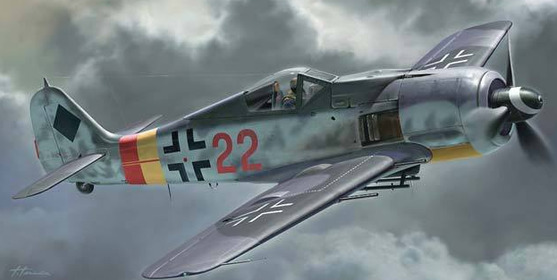
Fw 190 A / F
Fw 190 A-series (standard radial-engine fighter)
Fighter Variants
- A-0 (pre-production)
- A-1
- A-2
- A-3
- A-4
- A-5
- A-6
- A-7
- A-8 (most-produced version)
- A-9
- A-10 (projected/development model)
Fw 190 High-Altitude Prototypes"
- Fw 190 B-series (turbocharged BMW 801)
- Fw 190 C-series (DB 603-powered high-altitude prototypes)
Fw 190 Ground-Attack Series
Fw 190 F-series
- F-1
- F-2
- F-3
- F-4
- F-5
- F-6
- F-7
- F-8
- F-9
Fw 190 Long Range Fighter Bomber Series
Fw 190 G-series
- G-1
- G-2
- G-3
- G-4
- G-5
- G-8 (some references omit intermediate production models)
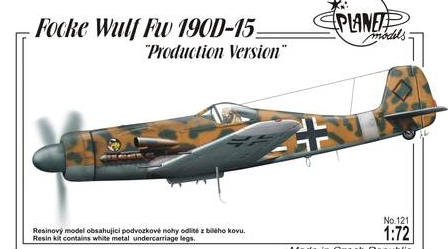
Fw 190 D Long-Nose "Dora" Series
- D-0 (prototype) Not in game
- D-1 ( not in game )
- D-2 ( not in game )
- D-9 ( in game )
- D-10 not built ???
- D-11 ( suggested )
- D-12 (In game)
- D-12 one rare prototype with EB engine ?
- D-13 E1 engine (in game )
- D-13 With Jumo F1 engine
- D-14 ( two prototypes built and tested ) (Suggested)
- D-15 this one is hard to prove if it was built but many report claims it was build and tested with DB 603 EB engine which out perform DB 603 La / E engines
Book image :

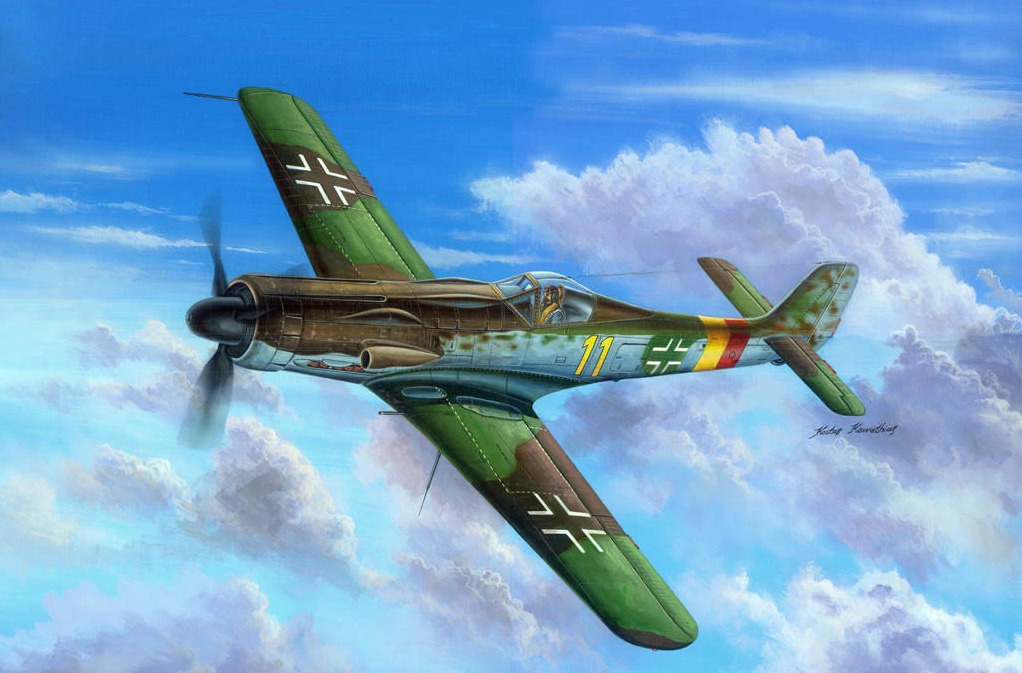
Ta 152
TA 152 FAMILY
A-Series
Ta 152 A-0
Ta 152 A-1
B-Series
Ta 152 B-1
Ta 152 B-2
Ta 152 B-5
C-Series
Ta 152 C-0
Ta 152 C-1
Ta 152 C-2
Ta 152 C-3
E-Series
Ta 152 E-0
Ta 152 E-1
Ta 152 E-2
H-Series
Ta 152 H-0
Ta 152 H-1
Ta 152 H-10
Ta 152 H-11
Prototype Aircraft
Ta 152 V1
Ta 152 V2
Ta 152 V3
Ta 152 V4
Ta 152 V5
Ta 152 V6
Ta 152 V7
Ta 152 V8
Ta 152 V9
Ta 152 V10
Ta 152 V11
Ta 152 V12
Ta 152 V13
Ta 152 V14
Ta 152 V15
Ta 152 V16
Ta 152 V17
Ta 152 V18
Ta 152 V19
Ta 152 V20
Ta 152 V21
Ta 152 V22
Ta 152 V23
Ta 152 V24
Ta 152 V25
Ta 152 V26
Ta 152 V27
Ta 152 V28
Ta 152 V29
Ta 152 V30
Ta 152 V31
Ta 152 V32
Ta 152 V33
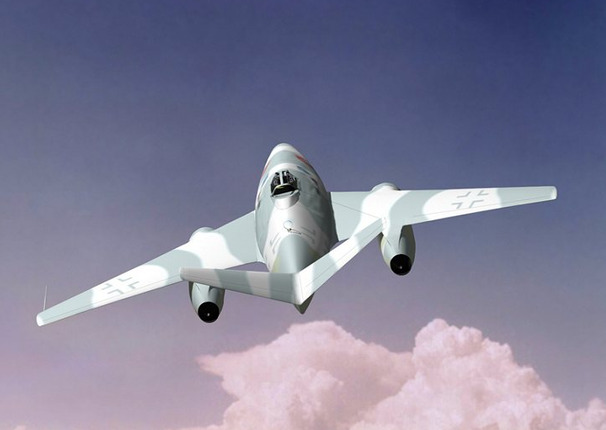
Me 262
MESSERSCHMITT 🐌🐌 Me 262
Prototype Series
Me 262 V1
Me 262 V2
Me 262 V3
Me 262 V4
Me 262 V5
Me 262 V6
Me 262 V7
Me 262 V8
Me 262 V9
Me 262 V10
Me 262 V11
Me 262 V12
Fighter Series (A)
Me 262 A-0
Me 262 A-1a ( in game )
Me 262 A-1a/U1 ( in game )
Me 262 A-1a/U2
Me 262 A-1a/U3
Me 262 A-1a/U4 ( in game )
Me 262 A-1a/U5
Me 262 A-1a/R1
Me 262 A-1a/R2
Me 262 A-1a/R3
Me 262 A-2a ( in game )
Me 262 A-2a/U1
Me 262 A-2a/U2
Trainer Series
Me 262 B-1a
Me 262 B-1a/U1
Me 262 B-2a
Advanced / Night Fighter Series
Me 262 C-1a ( in game )
Me 262 C-2b ( in game )
Me 262 C-3 ( suggest in the old forum )
Reconnaissance Series
Me 262 A-1a/U3
Me 262 A-5a
Projected Heavy Fighter / All-Weather Variants
Me 262 B-1a/U1
Me 262 B-2a
Me 262 HG I ( suggested )
Me 262 HG II ( suggested )
Me 262 HG III ( Can’t be added never built )
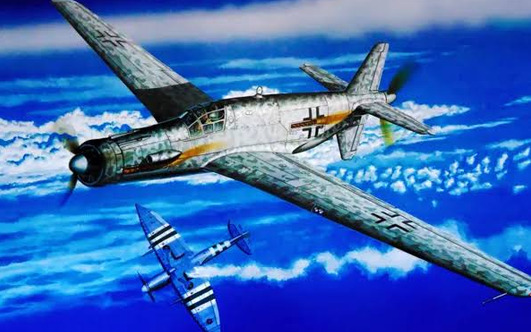
Do 335
DORNIER Do 335 🙀
Prototype Series
Do 335 V1
Do 335 V2
Do 335 V3
Do 335 V4
Do 335 V5
Do 335 V6
Do 335 V7
Do 335 V8
Do 335 V9
Do 335 V10
Do 335 V11
Do 335 V12
Do 335 V13
Do 335 V14
Do 335 V15
Do 335 V16
Do 335 V17
Do 335 V18
Do 335 V19
Do 335 V20
Do 335 V21
Do 335 V22
Do 335 V23
Do 335 V24
Do 335 V25
Do 335 V26
Do 335 V27
Do 335 V28
Do 335 V29
Do 335 V30
Do 335 V31
Do 335 V32
Single-Seat Fighter Series (A)
Do 335 A-0 ( in game )
Do 335 A-1 ( in game )
Do 335 A-2
Do 335 A-4
Do 335 A-6
Do 335 A-10
Do 335 A-12
Two-Seat Heavy Fighter / Trainer Series (B)
Do 335 B-1
Do 335 B-2 ( in game )
Do 335 B-3
Do 335 B-4
Do 335 B-5
Do 335 B-6
Do 335 B-7
Do 335 B-8
Projected Variants
Do 335 P-1
Do 335 P-2
Do 435 (advanced development) Claims that aircraft was seen in airfield
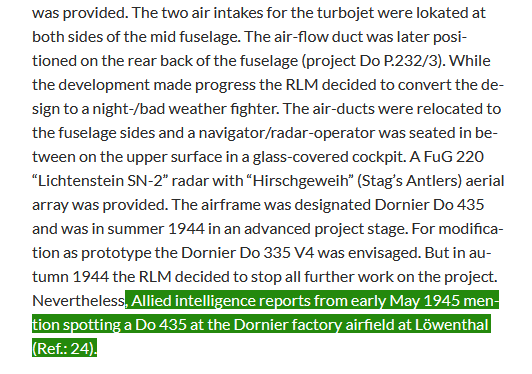
Night Fighter Proposals
Do 335 A-6
Do 335 B-2 ( in game )
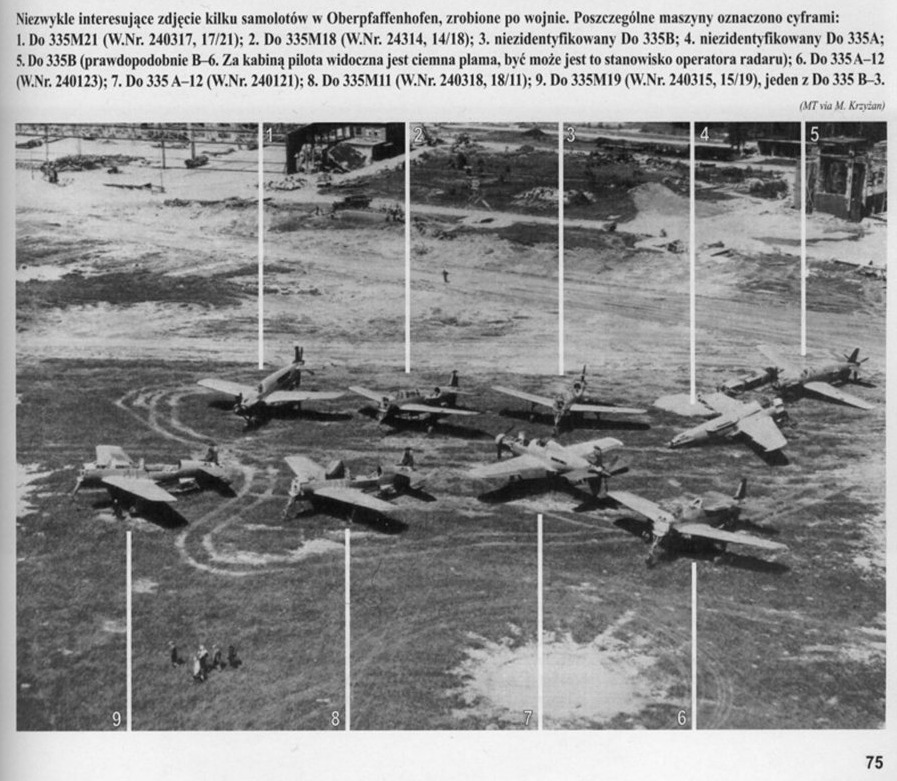
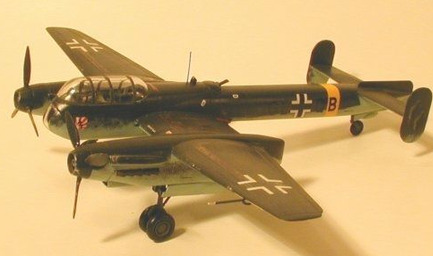
A Extra rare image
Ar 440
ARADO Ar 440
Prototype Series
Ar 440 V1
Ar 440 V2
Ar 440 V3
Ar 440 V4
Planned Production Series
Ar 440 A-0 (Suggested)
Ar 440 A-1
Projected Variants
Ar 440 Fighter
Ar 440 Fighter-Bomber
Ar 440 Reconnaissance Aircraft
Ar 440 Night Fighter
Ar 440 Heavy Fighter
⎯ ⎯ ⎯ ⎯ ⎯ ⎯ ⎯ ⎯ ⎯ ⎯ ⎯ ⎯ ⎯ ⎯ ⎯ ⎯ ⎯ ⎯ ⎯ ⎯ ⎯ ⎯ ⎯ ⎯ ⎯ ⎯ ⎯ ⎯ ⎯ ⎯ ⎯ ⎯ ⎯ ⎯ ⎯ ⎯ ⎯ ⎯ ⎯ ⎯ ⎯ ⎯ ⎯ ⎯ ⎯ ⎯ ⎯ ⎯ ⎯ ⎯ ⎯ ⎯
Bombers list :
Bombers / variants :
He 111
He 177
Me 264
Ju 390
Ju 287
⎯ ⎯ ⎯ ⎯ ⎯ ⎯ ⎯ ⎯ ⎯ ⎯ ⎯ ⎯ ⎯ ⎯ ⎯ ⎯ ⎯ ⎯ ⎯ ⎯ ⎯ ⎯ ⎯ ⎯ ⎯ ⎯ ⎯ ⎯ ⎯ ⎯ ⎯ ⎯ ⎯ ⎯ ⎯ ⎯ ⎯ ⎯ ⎯ ⎯ ⎯ ⎯ ⎯ ⎯ ⎯ ⎯ ⎯ ⎯ ⎯ ⎯ ⎯ ⎯
Armaments list :