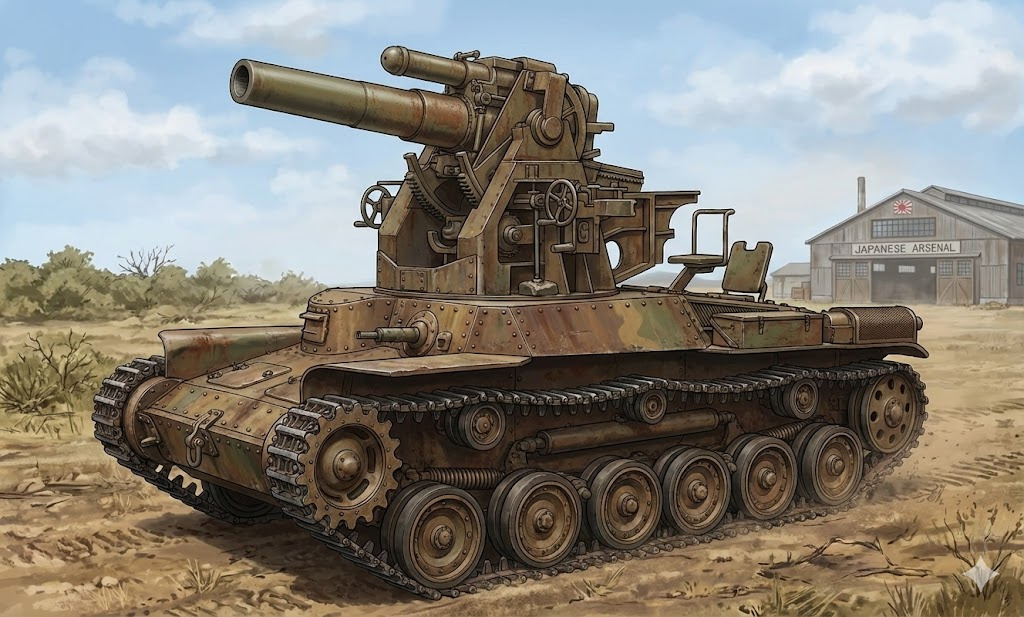
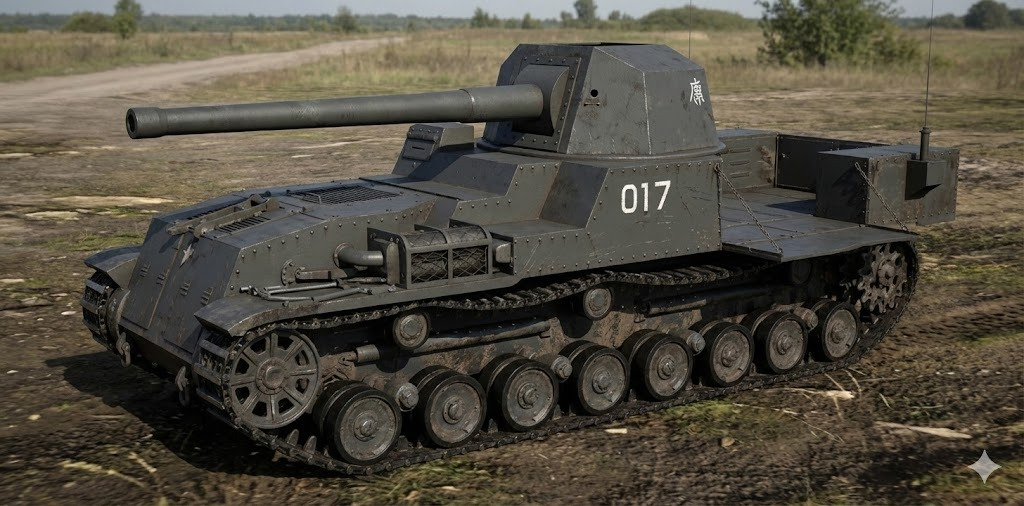
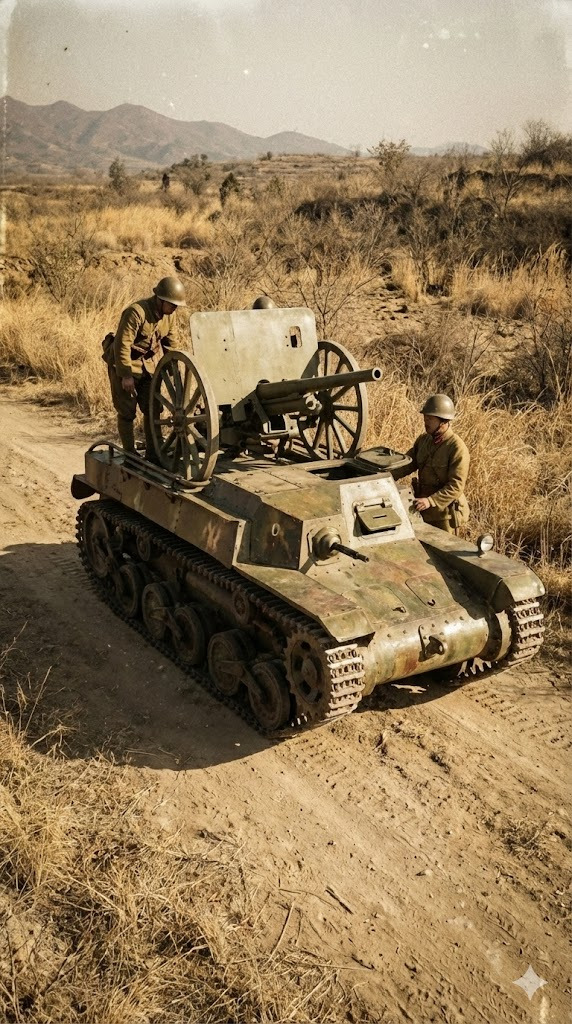
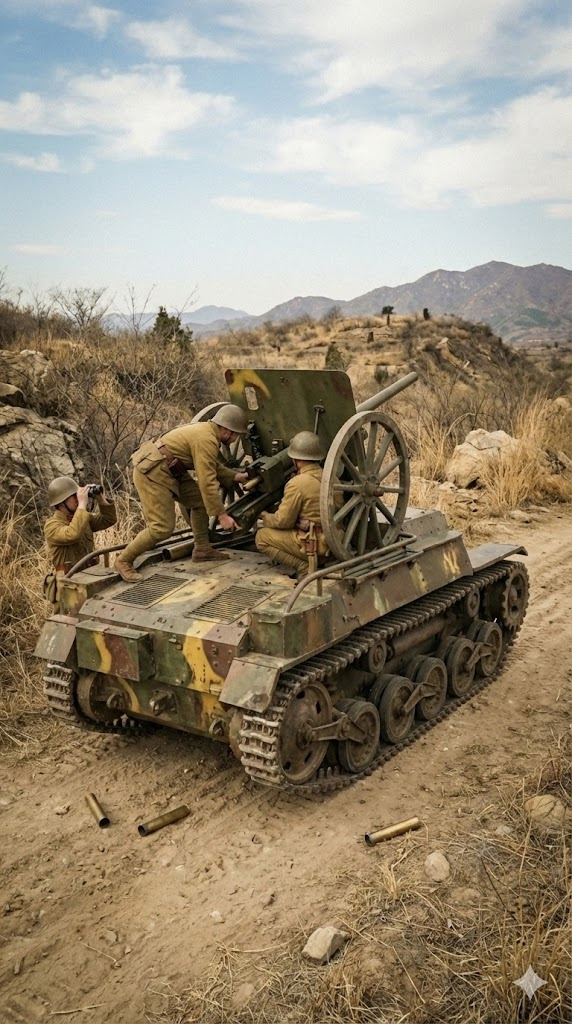
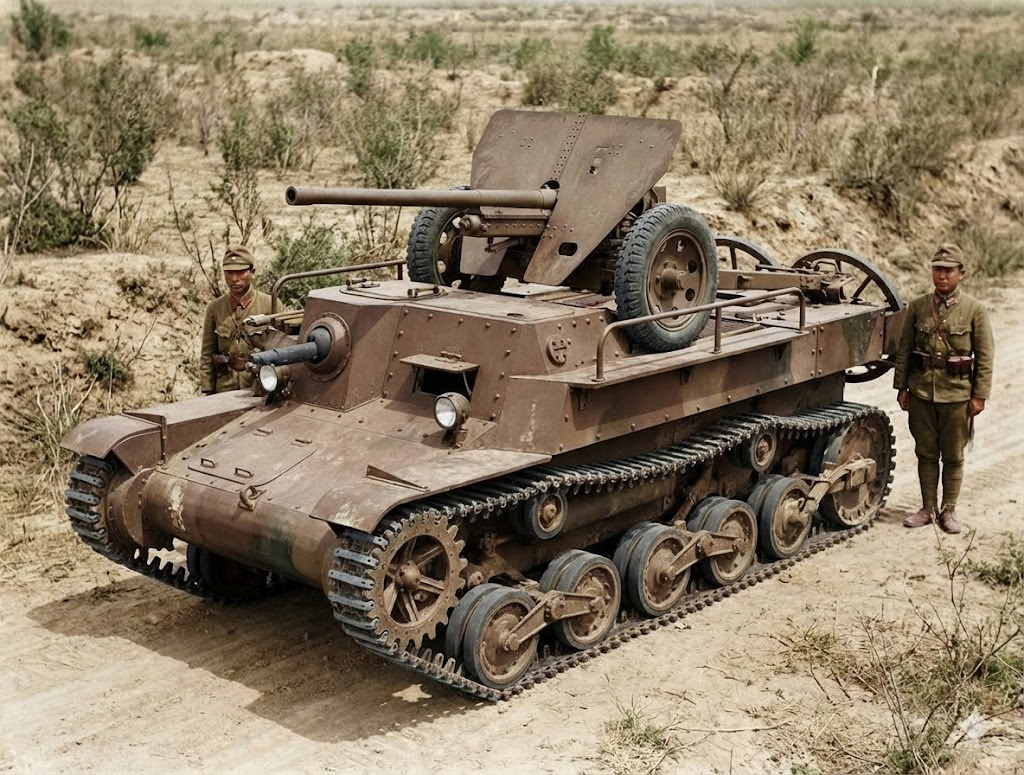
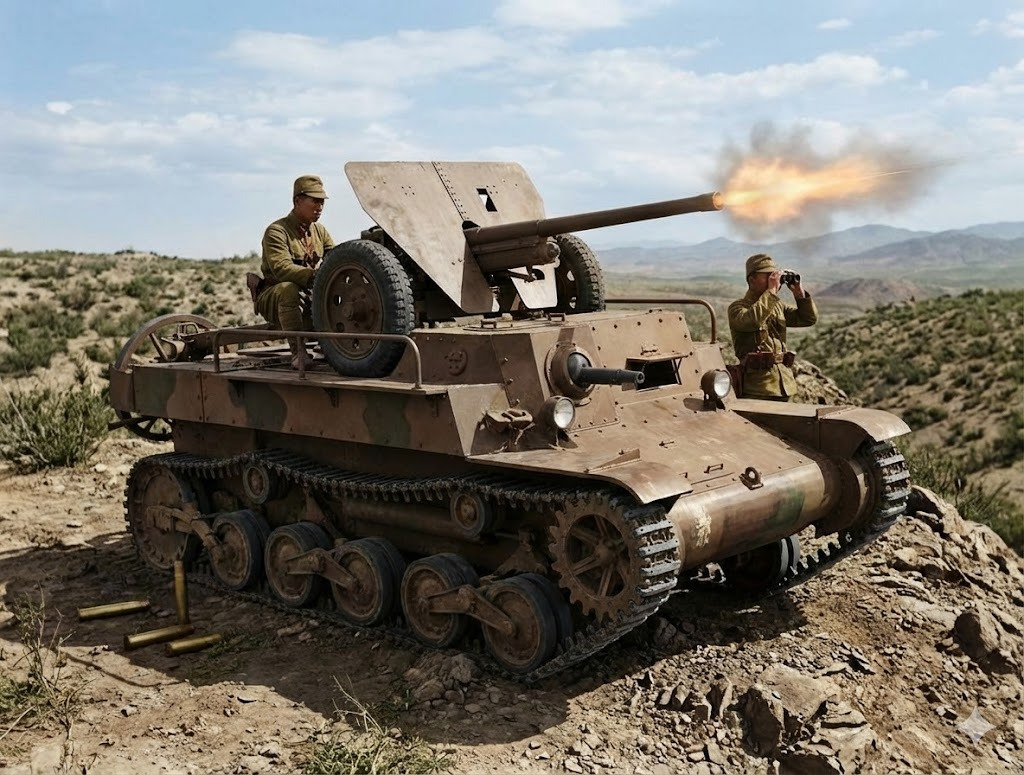
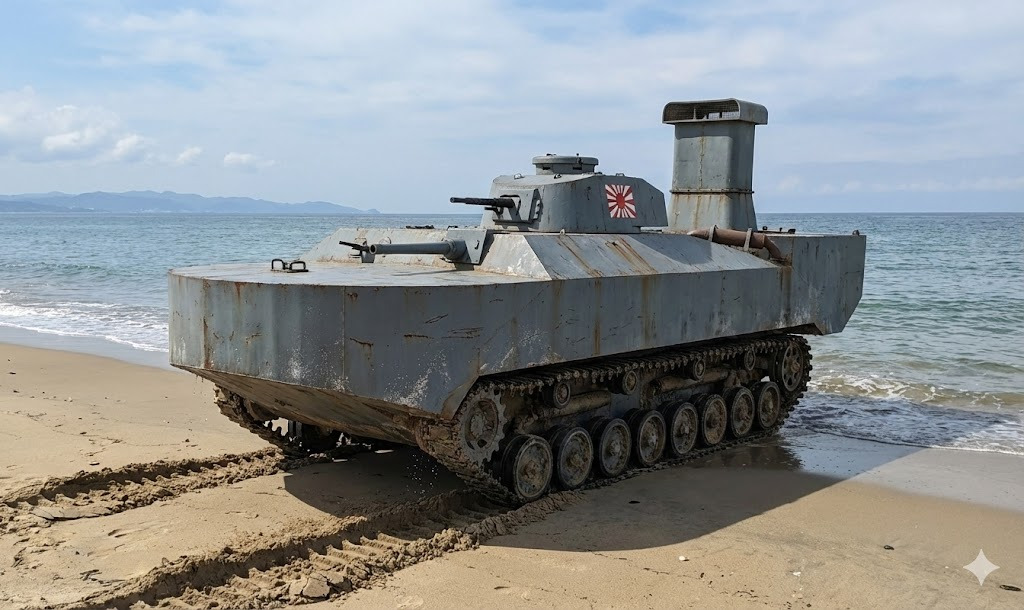
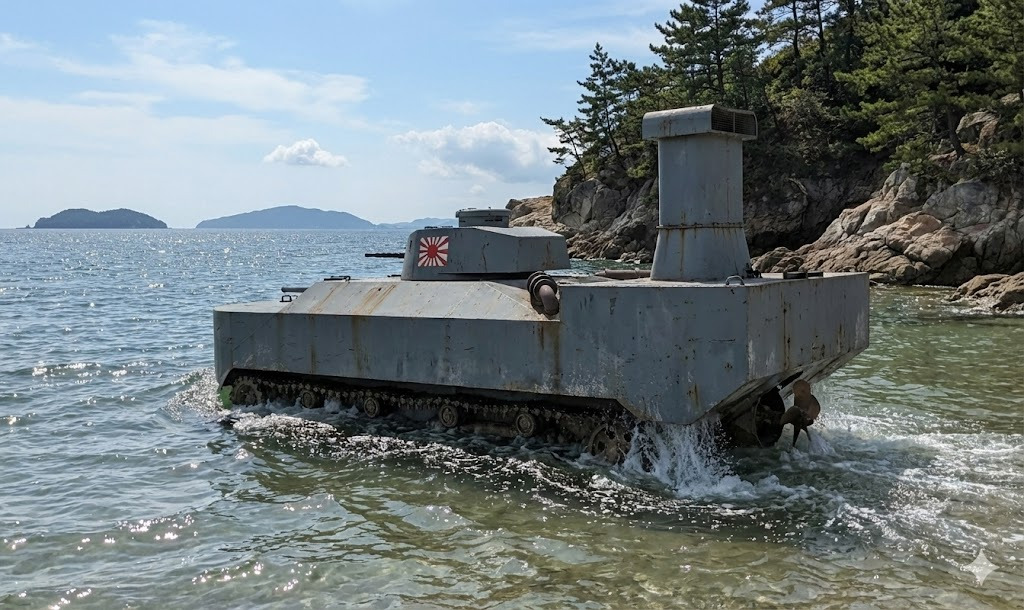
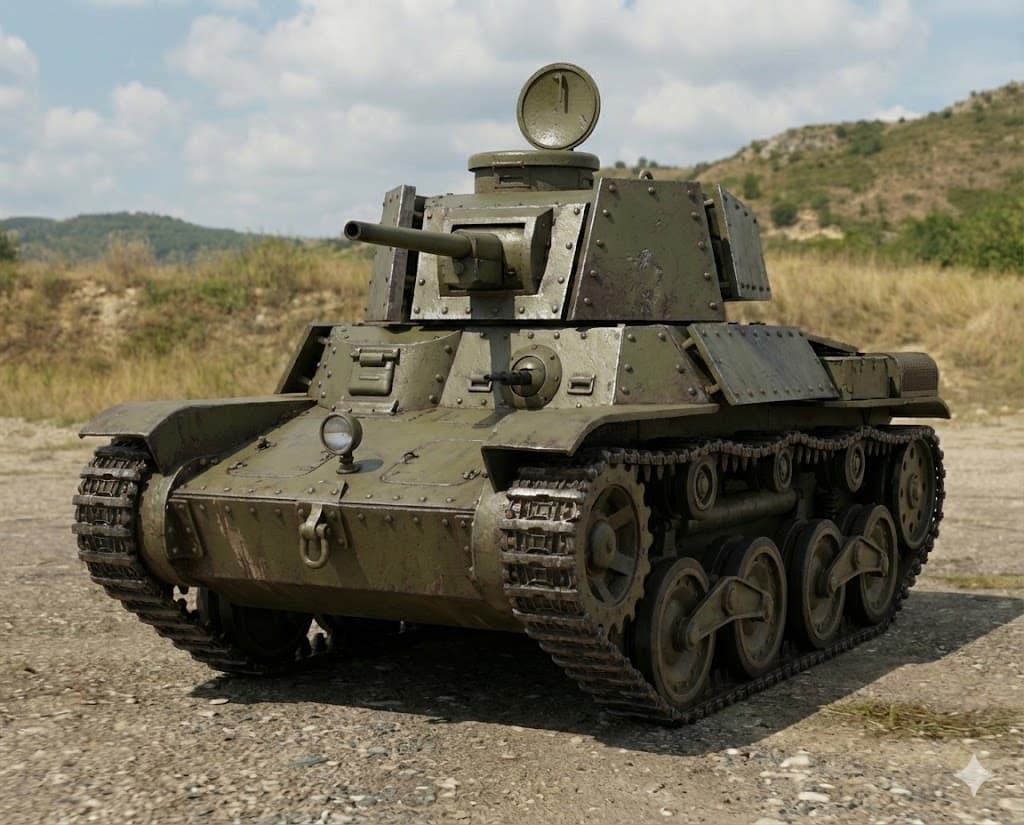
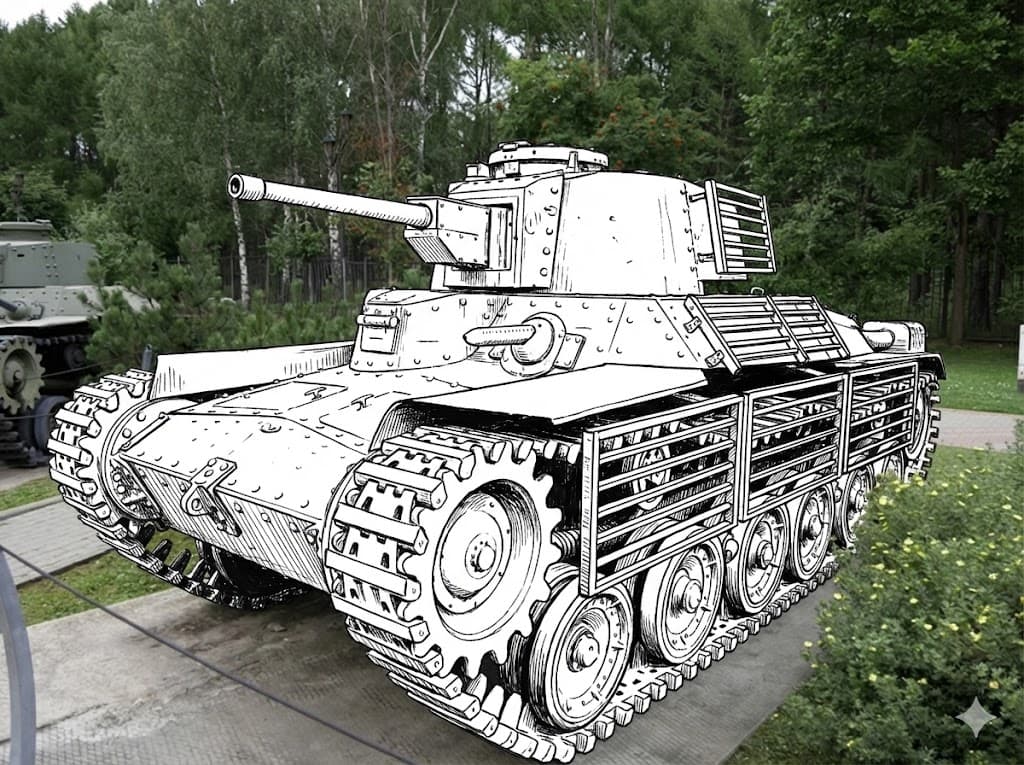
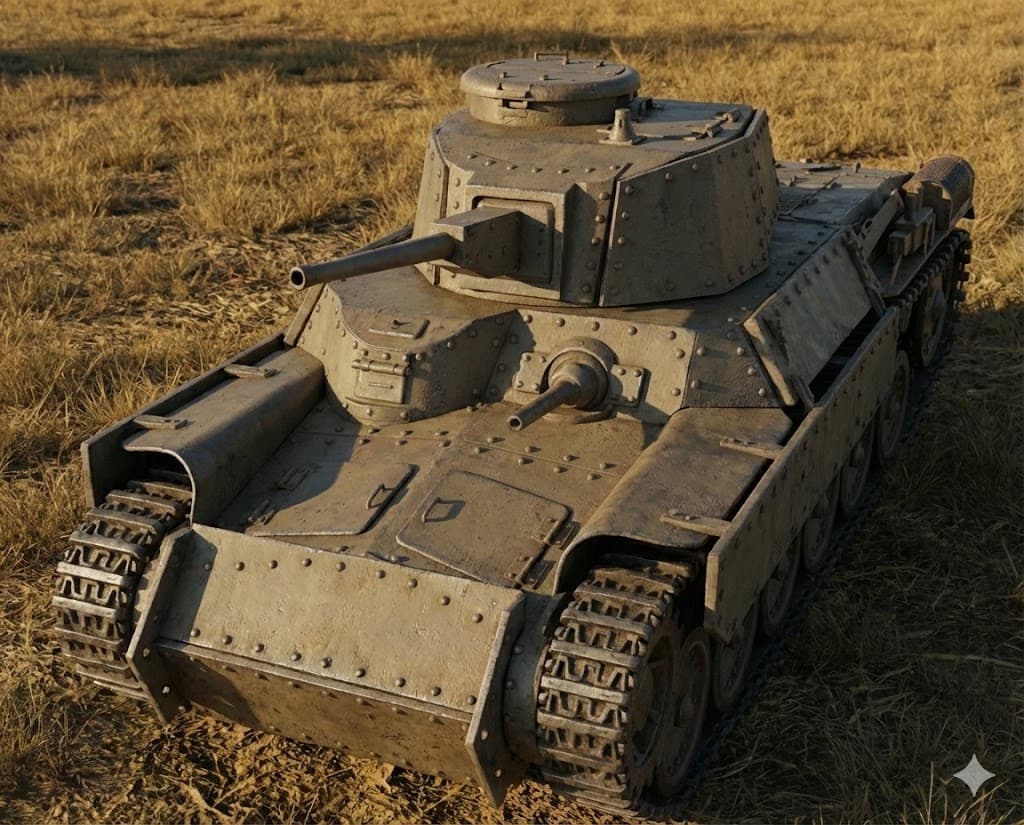
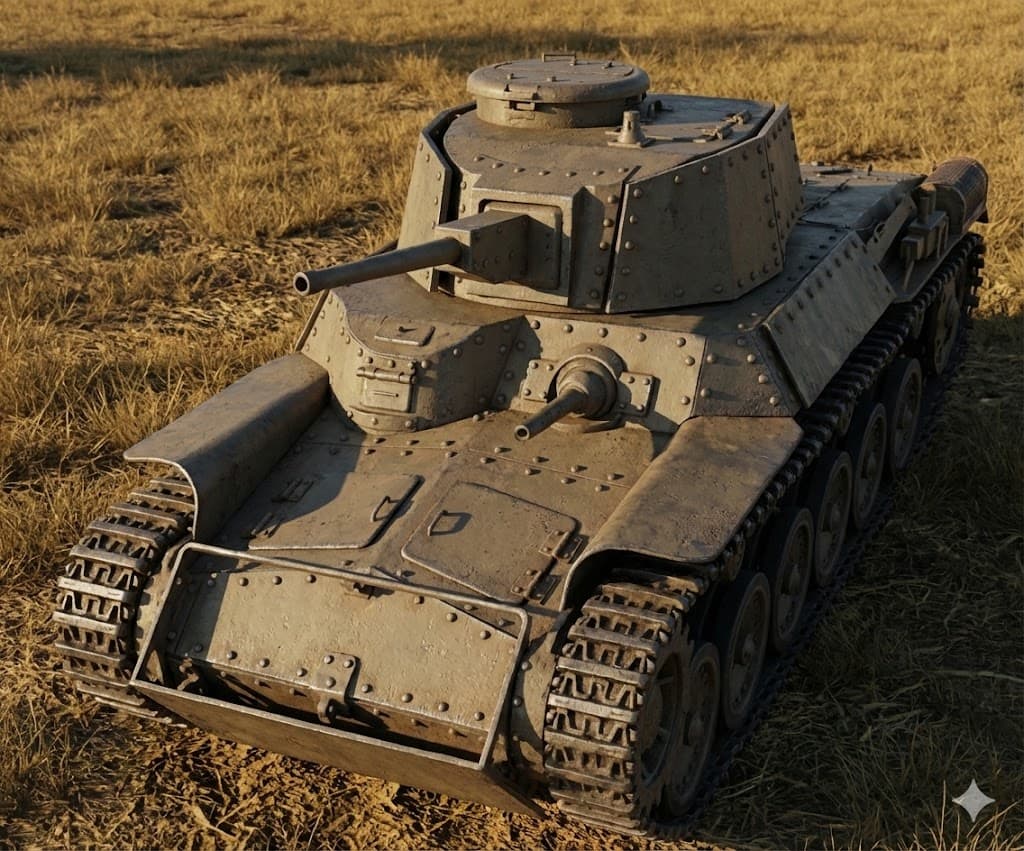
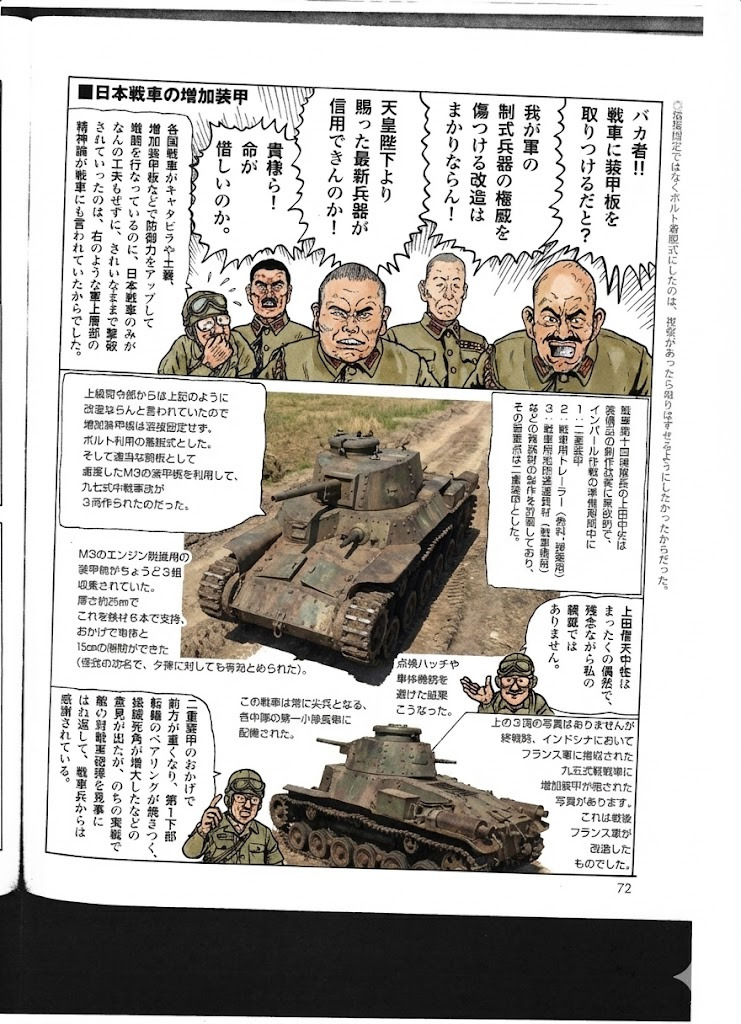
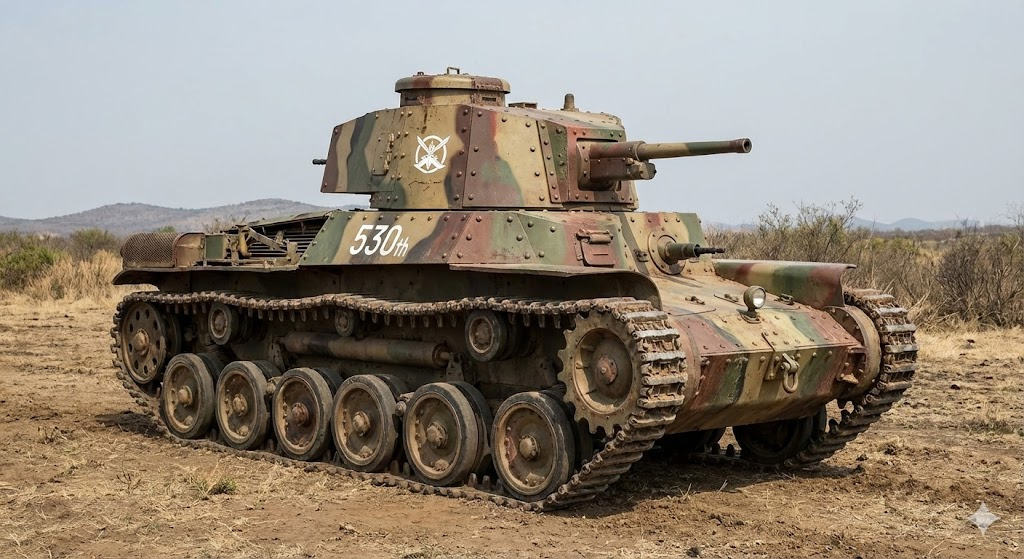
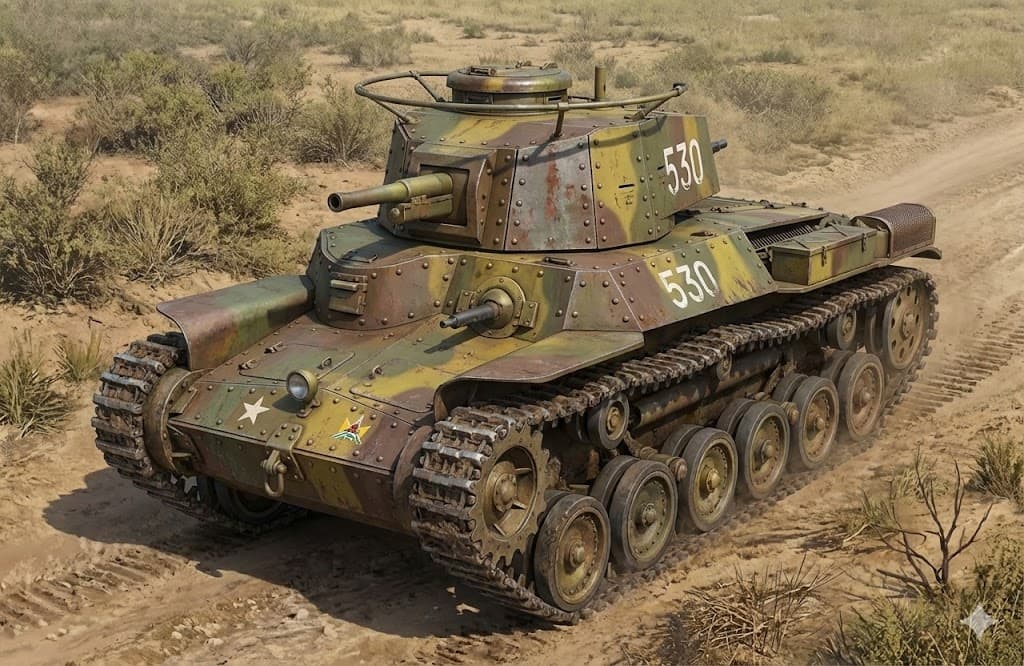
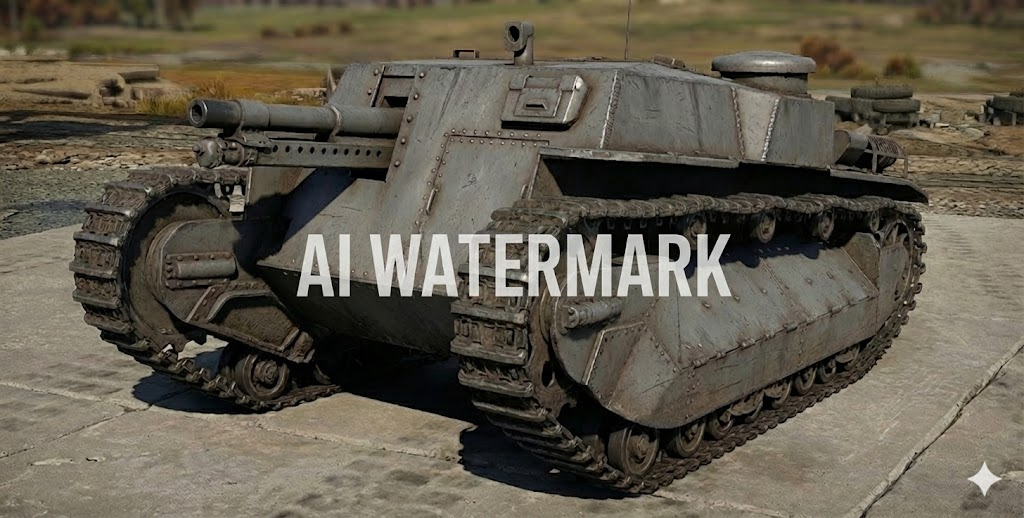
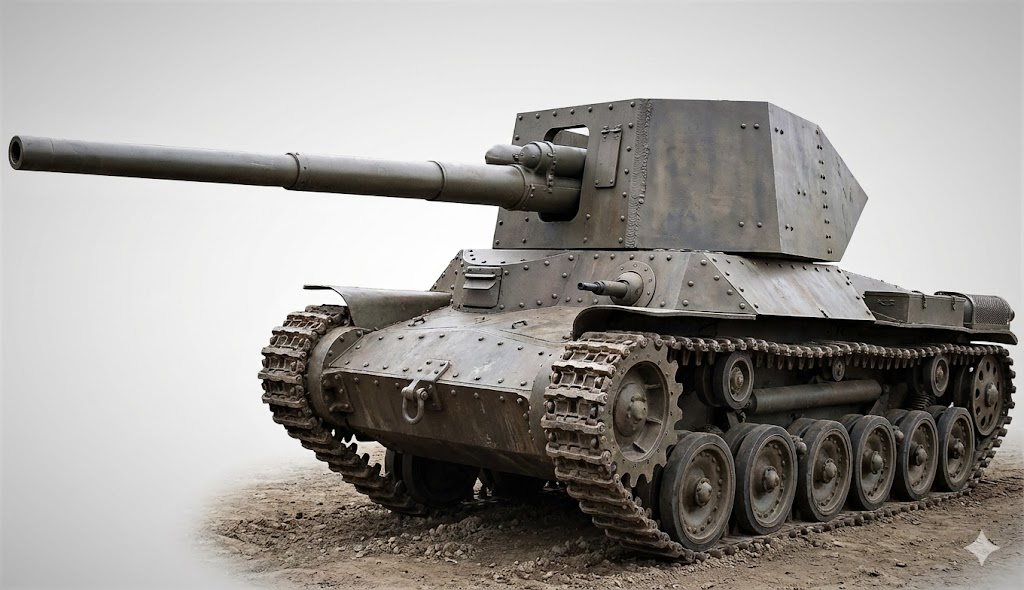
Just label them as AI but don’t use them as proof of something just as what they would look like in the hanger. Since I like doing event crossovers it I am thinking if it would make my sales pitches better
The Kai would be better for us now, but at least we’ve some numbers for base SAM-4 missile - still going to be hard to get more on it, that can be used for reporting.
Nice work, but I’d like to point this out because there seems to be some misunderstanding about this design. I suppose it was made with the specifications used during the O-I (Mi-To)’s mobility trials in mind, but in reality, the O-I never had such an armament layout.
The last mobility test of the O-I in August 1943 was conducted without both the secondary turrets and the main turret. During the trial, the O-I’s total weight of 97.981 t consisted of: 発動機關係 (engine-related) 5.000 t, 傳動装置關係 (transmission-related) 10.151 t, 操縦装置關係 (control-system-related) 1.530 t, 車体關係 (chassis-related) 43.720 t, and 懸架装置關係 (suspension-related) 37.580 t. No turret weight is listed. Additionally, in the parts list prepared when Mitsubishi transported the vehicle to the Sagami Arsenal for testing, the main and secondary turrets are also not listed.
As a side note, Mitsubishi received 90 turret drawings (secondary + main) on May 28, 1942, but they could not build any of them because Sagami Arsenal, citing material shortages, did not provide the materials. Mitsubishi’s last record regarding turret construction is a note dated February 13, 1943, stating that the Technical Bureau requested them to “submit the preferred order of steel materials for the turrets.” Since later documents mention only matters related to the vehicle’s transportation, it is highly likely that turret construction had not even begun by the time the vehicle underwent testing.
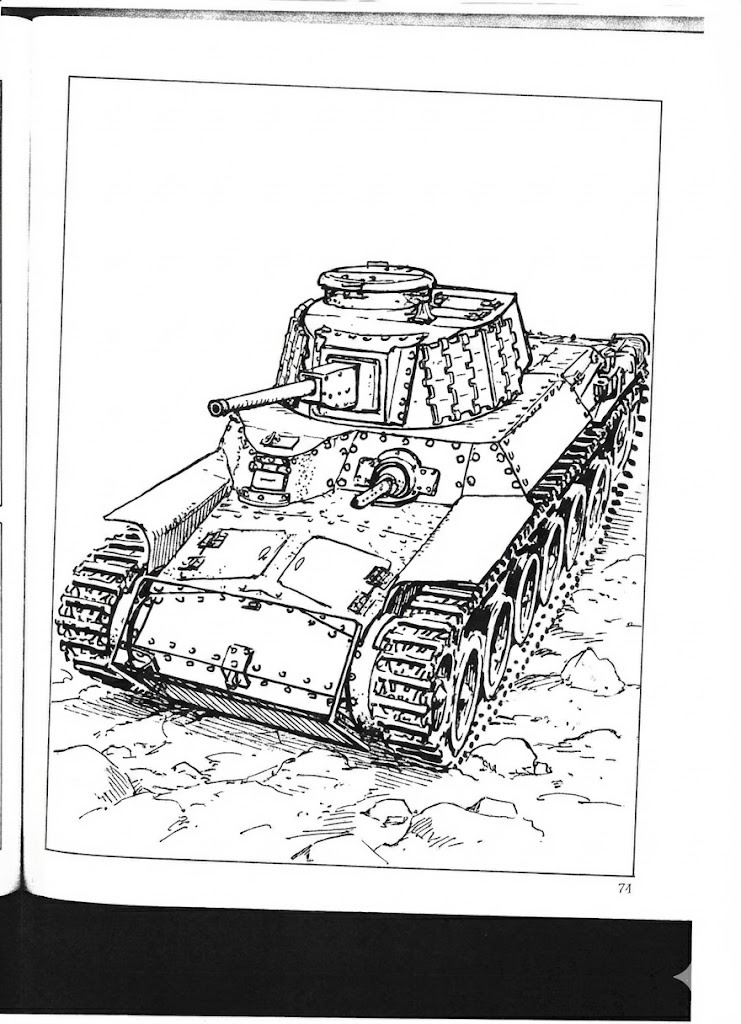
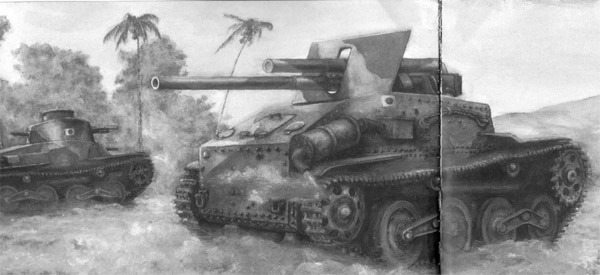
This illustration is from page 5 of 帝国陸海軍の戦闘用車両 (Combat Vehicles of the Imperial Japanese Army and Navy, 1996).
It’s just a fictional drawing where the author imagined an I-Go fitted with a Type 38 field gun. In the text, the author goes on about why it would’ve been difficult for the Japanese Army to produce something like this, along with some complaints about the Army’s limitations at the time.
The other illustration shows an Ha-Go with an 11th Year Type AA gun, and that one is also completely made up with no real basis. The book includes other similar imaginary concepts too, like a Type 94 TK with a 47 mm gun, or a Chi-Ha mounting a 127 mm AA gun.
dam that sucks the chi ha one looked plausible its just the chi ha long gun as a casemate.
are these fakes or not built? been trying to find any info but they are conflicting.
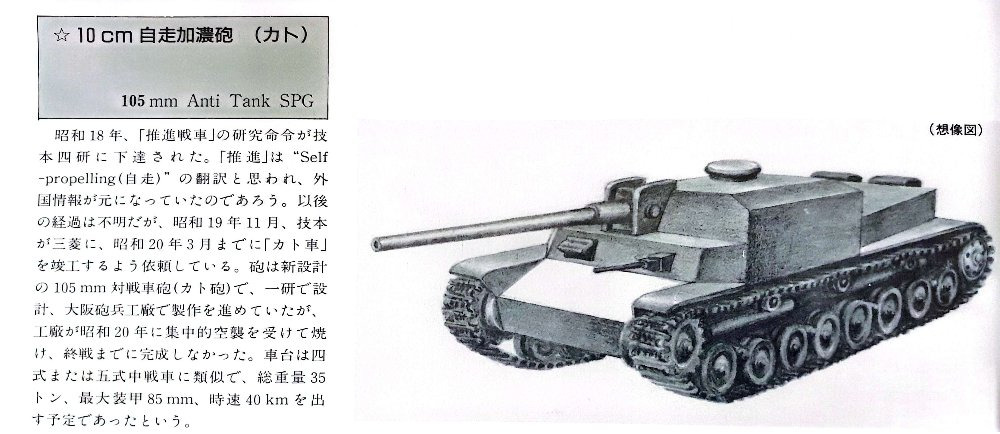
Type 2 “Ka-To” or hiro-sha? or is it a miss identified it with the one we have in game?
ho ri? idk i forgot
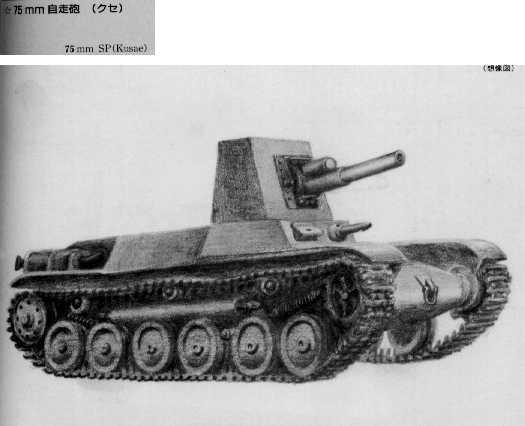
ku-se
Type 5 Ho-Chi 150-mm self-propelled gun
120 exp tank (i think?)
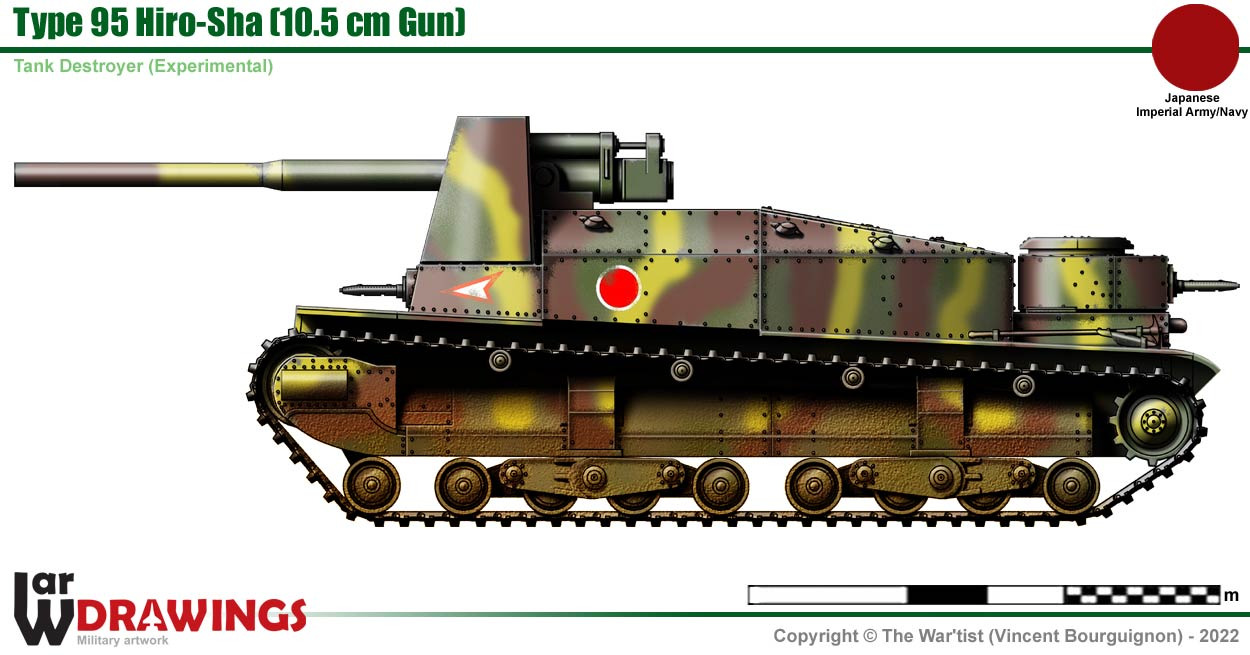
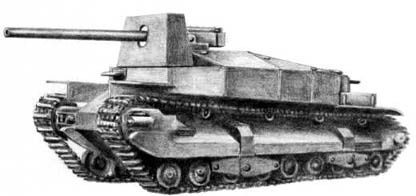
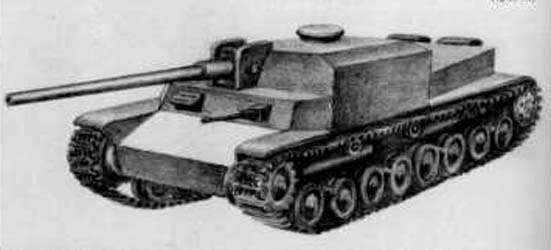
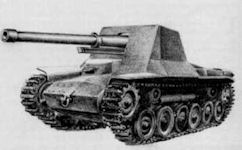
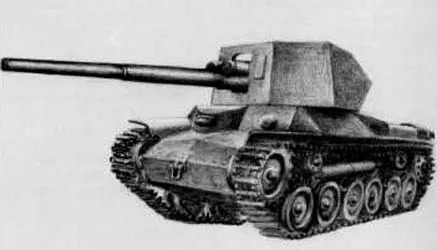
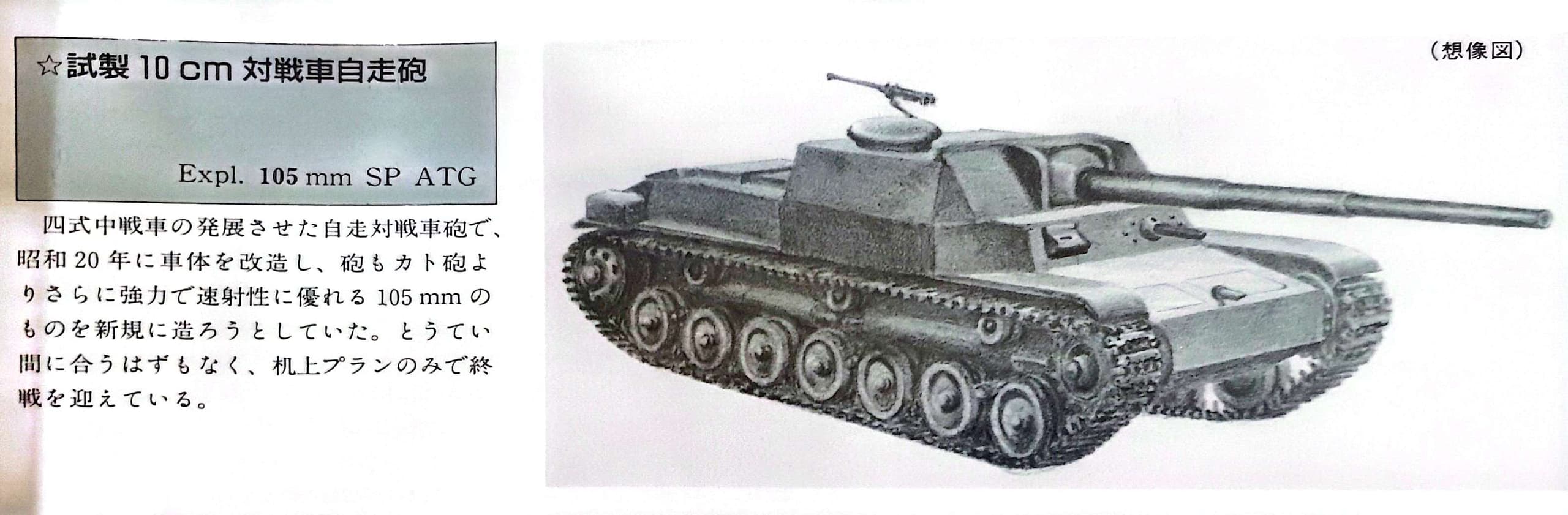
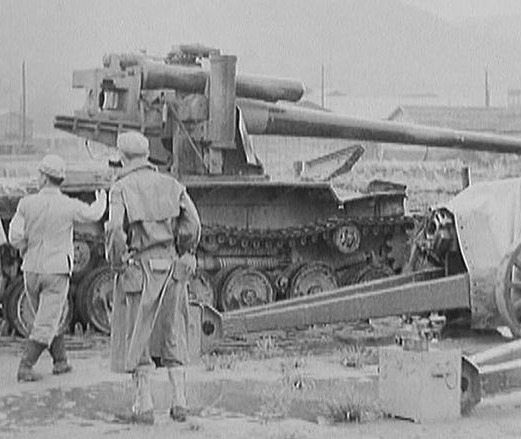
As far as I know, the name “Hi-Ro sha” doesn’t actually exist. I’m pretty sure it came from someone confusing it with Ji-Ro sha. This vehicle is a redrawn illustration of the experimental 10 cm SPG that appears briefly in 日本の戦車 (1978). At the time, people thought it mounted a 10 cm gun, but when real photos surfaced around 2016, it turned out to be a 12 cm gun instead. So yeah, it’s basically the same thing as the one in the game. But it looks like there’s still some disagreement among Japanese tank researchers on that point.
Japanese Tanks, p. 144
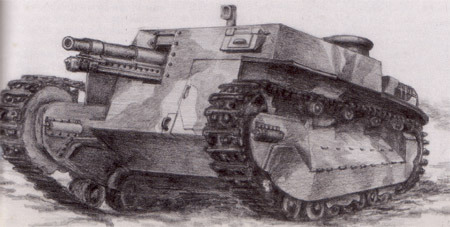
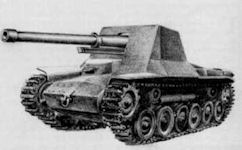
Both drawings depict the Ka-To, but they’re very inaccurate. Before the Ka-To’s blueprint was found in 2001, the whole thing was a mystery. Back then, people assumed it was something similar to the Ho-Ri: around 35 tons with a 550 hp engine. The first picture is basically an old guess based on that idea. The second drawing is labeled “試製十糎対戦車自走砲 (Experimental 10 cm SP ATG),” which is actually the Ka-To’s real designation, but because of the earlier mix-ups, that wasn’t known at the time. So the same vehicle ended up being drawn as two different ones, and because almost no design info was known back then, the results look like a mess from today’s perspective.
Combat Vehicles of the Imperial Japanese Army and Navy, pp. 176–177 (Most of the explanations are wrong, so don’t trust them.)
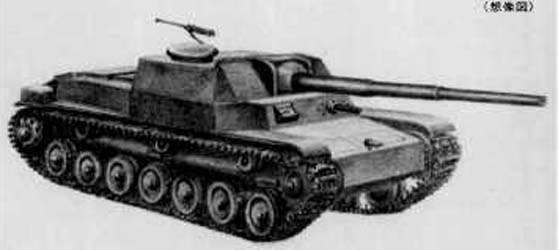
This one is also just a speculative drawing, so it’s not accurate either. According to Hino’s records, the Ku-Se was lower in height than the Ke-Ho and had four return rollers on each side.
You’re right. It’s just a guesswork drawing from before the real photo was discovered.
It was built. We are simply not entirely sure what it looked like.
In fact, development on the Ku-Se progressed more smoothly than on the original Ke-Ho. The gun was completed in March 1944, and by May it had been mounted on the chassis for testing. Practical trials were conducted at the Tank School, but the project was terminated in August.
There are no photos of the vehicle itself, but the gun’s blueprints and photographs are known.
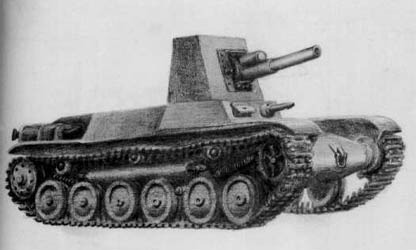
As for the Ho-Chi, there is very little I can say. The gun was a modified Type 96 howitzer with a shortened recoil system, and it was completed right before the end of the war. It was test-fired at the Otsugawa range without being mounted on a chassis. As for the chassis, it is unclear what the design looked like or even whether it was ever completed.