I see,
I wonder what Gaijin’s source on it was.
Because this looking further into it is far (as in it is worse) from the realistic probable performance of that missile.
1 Like
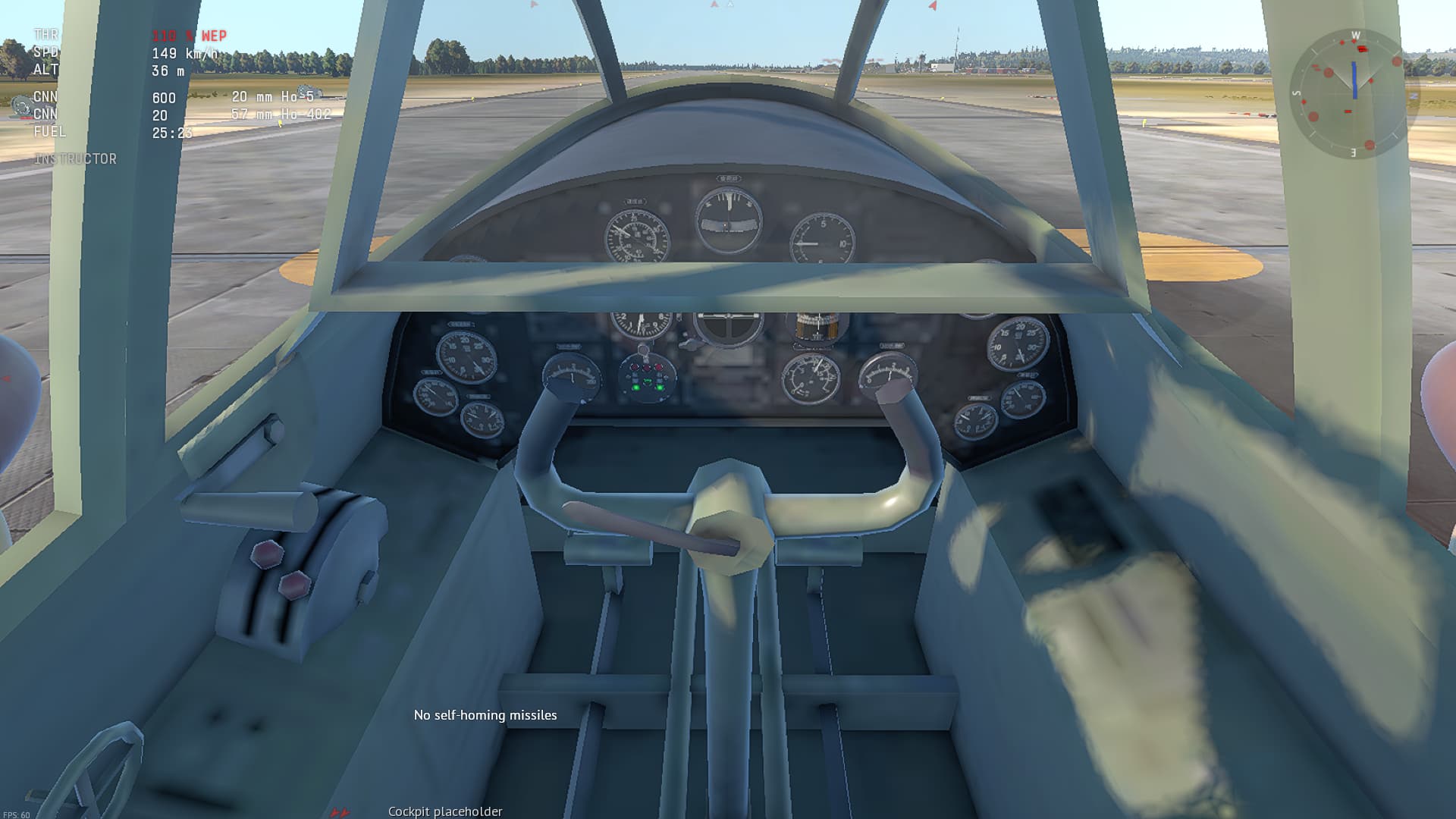
As far as I know, reports regarding ballistic computers and air-to-ground guided weaponry have been ignored.
wow… Hope they will implement missing weaponry. Now it feels like worthless vehicle to play
Source: Trust me bro
Gaijins have no money to model one new plane, 70 dollars vehicles is too cheap to make positive income(sorry for my english, my native language is ukrainian)
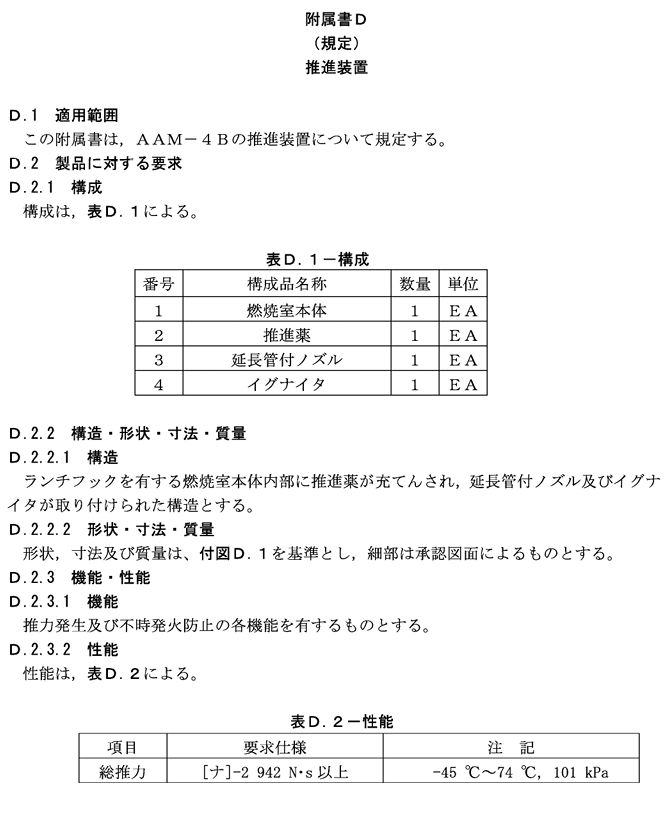
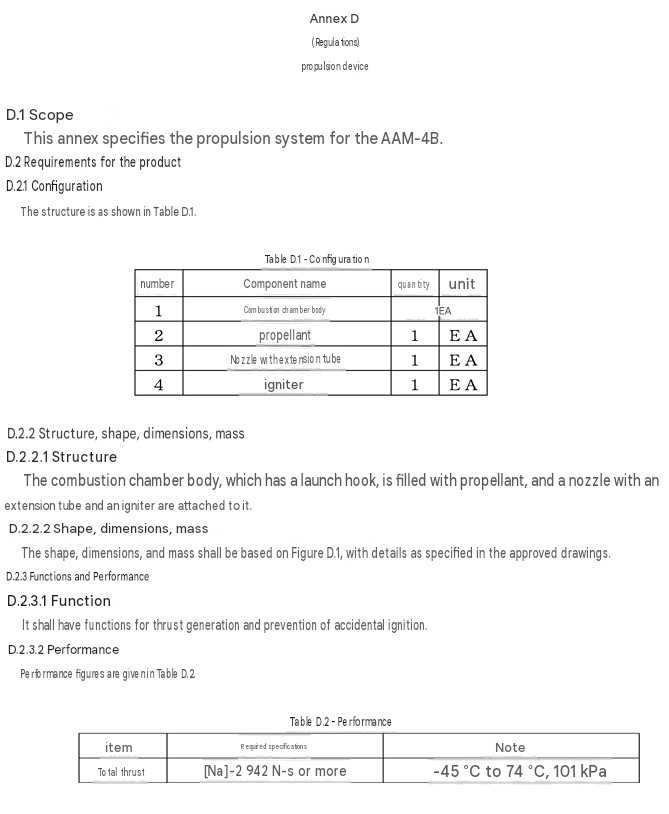
Some info I have in regards to the AAM-4/AAM-4B
Spoiler
Performance
*Its flight speed is Mach 4~5, though undisclosed, but it is estimated to have a range of about 100 km.
The previous AIM-7 Sparrow had issues such as the launch mother aircraft continuously guiding the target until it hit, during which time the mother aircraft could not perform evasive maneuvers. However, with the AAM-4, after the mother aircraft guides the missile to a certain distance from launch, it can autonomously track the enemy aircraft in a “fire-and-shoot” mode, allowing the launch mother to immediately evade the missile upon release, thereby improving its survivability.
The warhead is equipped with a directional fragmentation warhead, which detonates in the direction of the enemy aircraft and disperses fragments in a concentrated manner, increasing the chance of fatal damage to the enemy.
An improved AAM-4B (Type 99 air-to-air guided missile) is also deployed, and for the first time in the world among air-to-air missiles, it adopts an active phased array/AESA seeker, with a new signal processing system. It also supports launches from rail launchers, making it possible to mount it on F-2 fighter jets.*
Comparison with AIM-120
*The improved AAM-4B is evaluated to have performance equal to or greater than the latest C-7 model at the time of adoption, compared to the AIM-120 Amraam, which was the catalyst for development. This comparison was made by comparing AAM-4B test data with data obtained by the Flight Training Unit (now the Flight Training Group) when the 125 AIM-120B/C-5 missiles introduced for evaluation purposes were mounted on F-15DJs and fired all their rounds at target drones.
Furthermore, the introduction of frequency hopping introduced technology that interfered with enemy RWRs from detecting their own aircraft lock-on and missile launches. However, for this reason, the AAM-4B operator must be equipped with a J/ARG-1 command transmitter on the mother aircraft, separate from the radar.
On the other hand, for aircraft like the F-15J that can be operated by AIM-7, the AIM-120 can be operated simply by multi-displaying the fire control program and weapons panel. Furthermore, since the AAM-4 is designed to fit the size of the AIM-7, it is said to be thicker and larger than the smaller AIM-120, making it difficult to mount on the Air Self-Defense Force’s F-35 stealth fighter. This is because the F-35 houses its own weapons inside, making it difficult to install large missiles. Furthermore, since the U.S. government eventually approved the export of AIM-120s, the Air Self-Defense Force’s F-35s are now operating with AIM-120s.
However, the AAM-4’s large size is partly due to its heavy warhead weight, making its warhead nearly twice as heavy as the AIM-120, making it capable of reliably striking large cruise missiles.*
*It is a medium-range air-to-air missile developed by the Japan Air Self-Defense Force as the successor to the Sparrow, commonly known as the AAM-4.
At the time of development, there were concerns that AMRAAM would only be supplied to NATO member countries, and there was a desire to domestically produce all its weapons, so research and development began relatively early.
The guidance method uses inertial guidance via built-in gyro and command guidance via data link from the launch mother, while terminal guidance uses active radar guidance with the carrier’s own radar. Mid-range guidance can also be handed over to wingmen.
Thanks to the realization of LOAL (Lock-On After Firing) and the increased burn time enabled by dual thrust rocket motors (which change combustion patterns in two stages), the range has increased to about twice that of the Sparrow, and the active radar fuse and directional warhead have significantly improved the kill rate.
In launch tests, it achieved extremely high accuracy, such as shooting down four target drones simultaneously and shooting down an ASM-2 that was essentially a cruise missile. Various other tests were conducted, all of which reportedly demonstrated high accuracy.
Although the procurement price is still on the higher side, the extensive use of civilian parts still results in a lower price than the license-produced AIM-7 Sparrow.
The AAM-4 is an active radar homing type launch missile like the AMRAAM, but the AMRAAM is designed to be compact, lightweight, and versatile, with a lower warhead weight and the ability to use Sidewinder launchers. In contrast, the AAM-4, primarily intended to replace the Sparrow, prioritizes accuracy and power by considering the ability to shoot down cruise missiles. Its size is also equivalent to that of a Sparrow. Even within the same medium-range air-to-air missile, differences in requirements between the U.S. military and the Japan Air Self-Defense Force became apparent.
Unlike AMRAAM, which transmits command guidance signals to radar waves, it requires a new command transmitter (J/ARG-1), so modifications to install it on the aircraft are underway. As of the end of fiscal year 2013, about 50 F-15Js had been modernized and upgraded to operate the AAM-4, and the budget for upgrades for 28 F-2s had been secured, with upgrades progressing sequentially.
From fiscal 2002 to fiscal 2008, development of the improved Type 99 air-to-air missile (Kai), commonly known as AAM-4(B), was carried out.
The main improvements include the radar being replaced with an active phased array radar, and the increased transmission output improves detection capability, extends range, and significantly enhances the ability to counter small targets such as cruise missiles. The independent guidance distance has been improved to 1.4 times that of the previous model, and the standoff range (distance at which the launch mother can depart) has also been improved by 1.2 times. Additionally, the structure of pulse Doppler radar made it easy to lose track of targets, but the new signal processing system has greatly improved this issue. Additionally, ECCM capabilities have been improved, enhancing reliability. Mass production began in fiscal year 2010, and deployment is currently underway.*
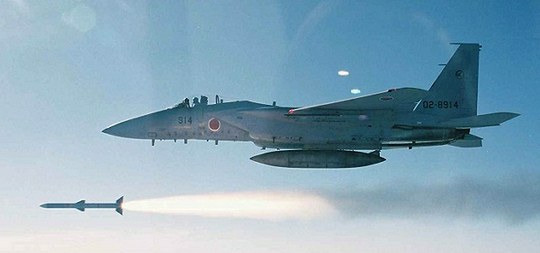
F-15J firing an AAM-4 missile
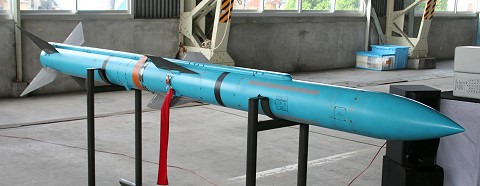
AAM-4
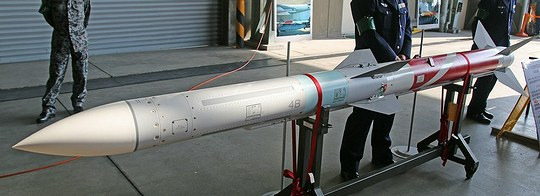
AAM-4B
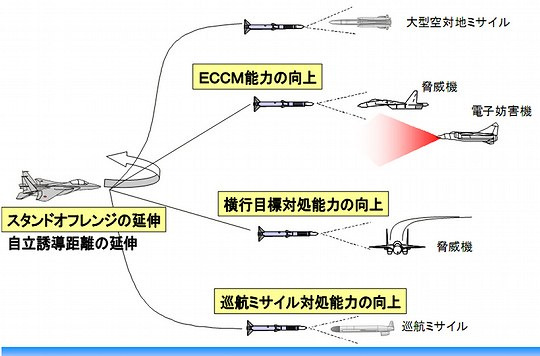
see the fourth image of an Overview of the AAM-4(B)
Manufacturing    Mitsubishi Electric
full length    3.66m
full width    0.77m
diameter    20.3cm
Weight    222kg
Induction method    Intermediate guidance: Inertial + data link
Final guidance: Active radar
Maximum Range (Estimate)    About 100km
flight speed    Mach 4~5
unit price    Approximately 65 million yen```
Source: 99式空対空誘導弾(B)CPS-U13200-4
Also some other sources regarding the AAM-4/AAM-4(B)
JPA 1997236400-000000.pdf
Type 99 Air-to-Air Guided Missile (Modified) Summary.pdf
Type 99 Air-to-Air Guided Missile (Modified) Evaluation report.pdf
Type 99 Air-to-Air Guided Missile (Modified) Reference.pdf
3 Likes
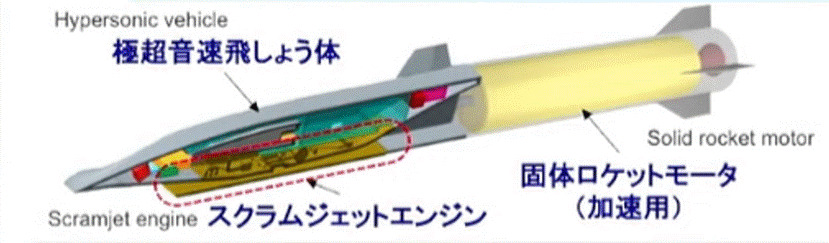
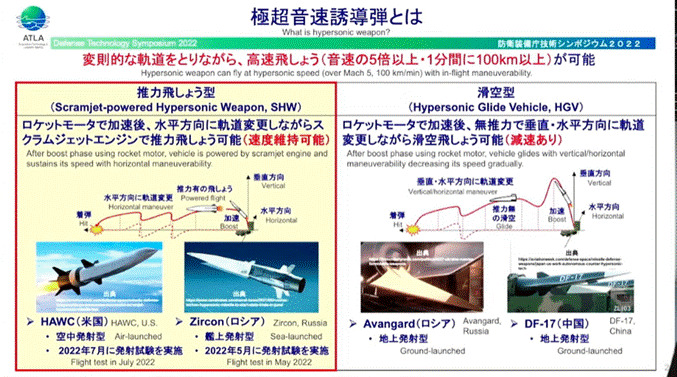
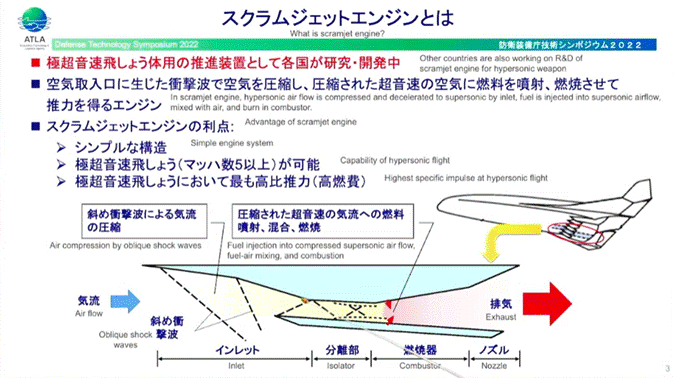
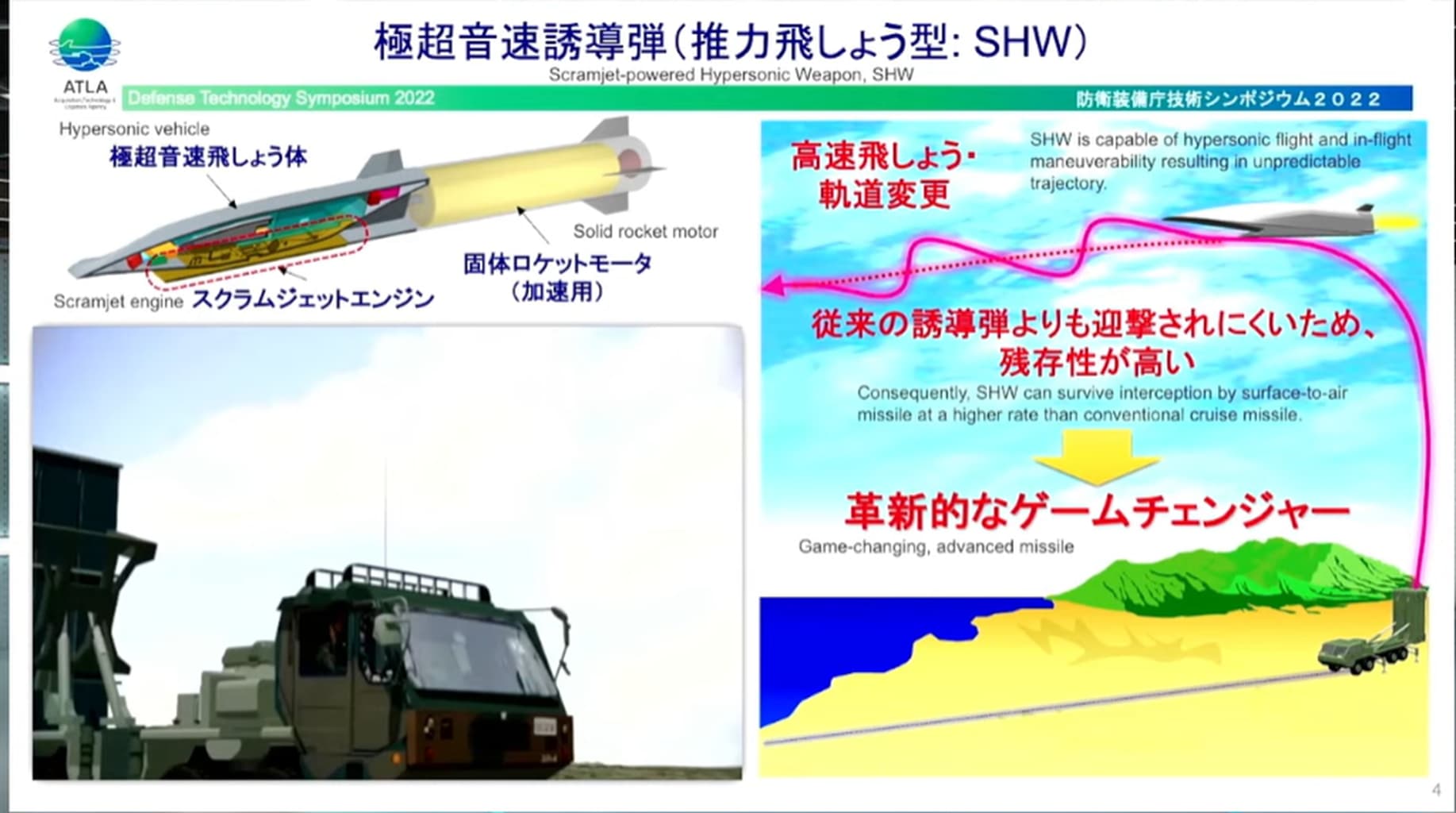
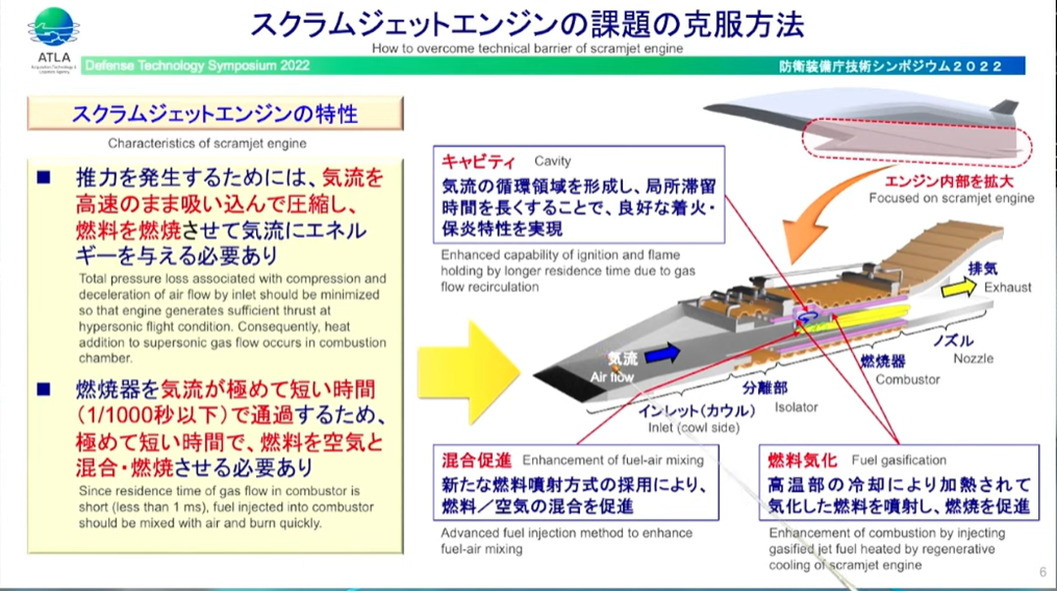
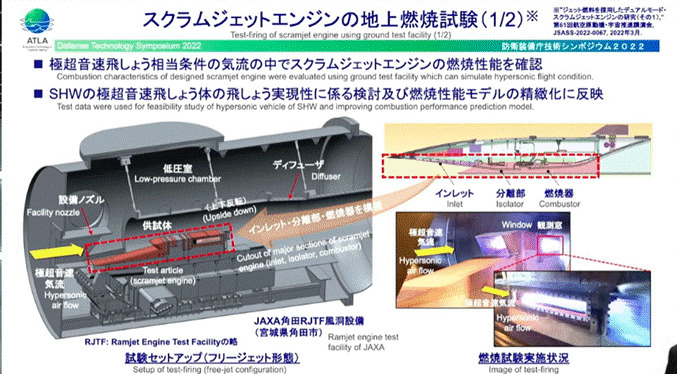
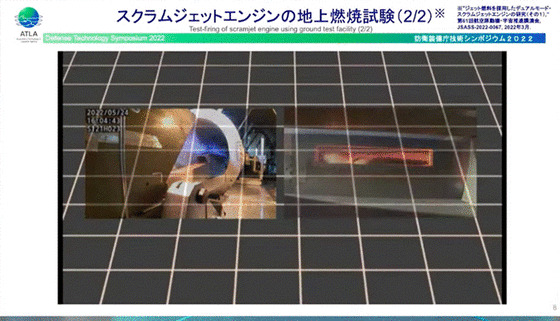
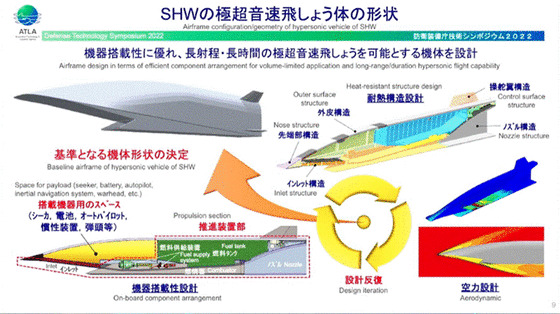
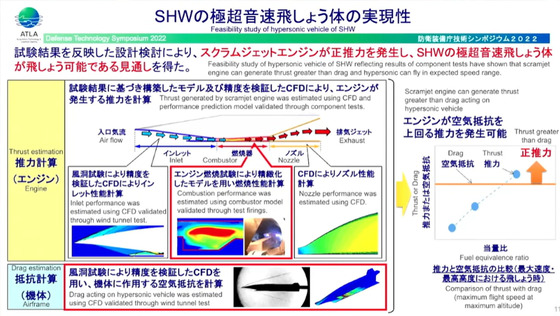
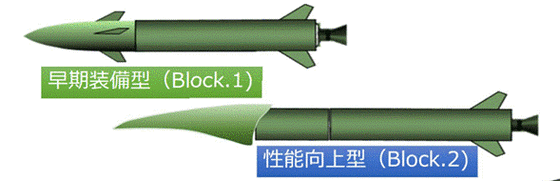
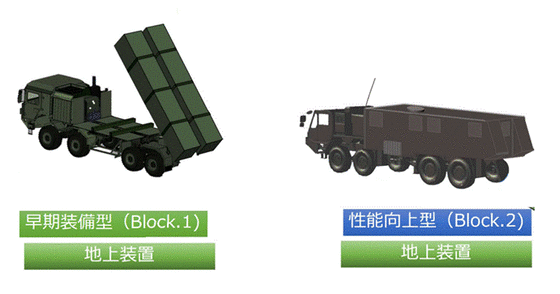
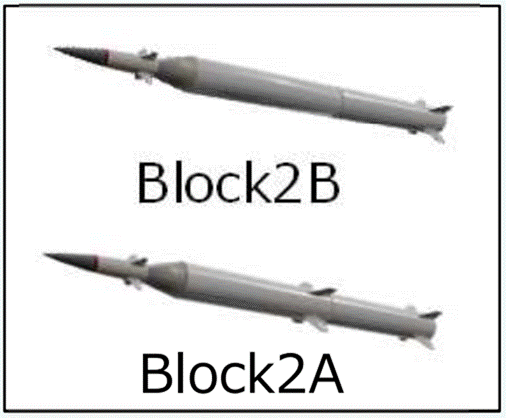

The Japanese missiles in WT may look like Japan’s own missiles, but their performance specifications are actually based on American missiles, so unless Gaijin changes that mindset, they will never become truly Japanese missiles.
1 Like
If the ki-109 is a side grade from the ki-67, where did the bullet proof glass go?
idk but knowing how imperial japan aircraft design goes, they probably removed it for being too heavy once they decided to use it as an interceptor
2t gun
Right, but the aircraft could carry around 3000kg
And there’s no bomb bay or defense arguments
The location of the weight is also important; the center of gravity had to be adjusted to accommodate a 2-ton gun in the bow.
They probably bullshitted it.

3 Likes
Bug reports that I prepared:
The Nakajima G5N1 has incorrect propellers
Ability to ability to customize payload for late Mitsubishi A6M.
7 Likes
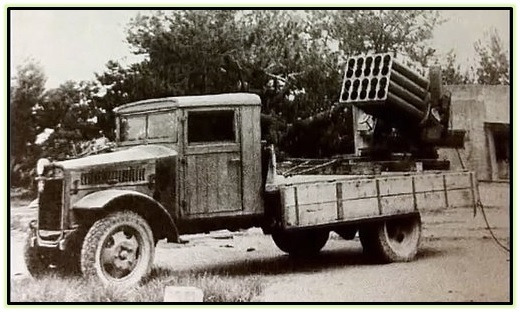
rocket truck?
6 Likes
Somehow the new AMV BMP-3 blog has turned into O-I discourse