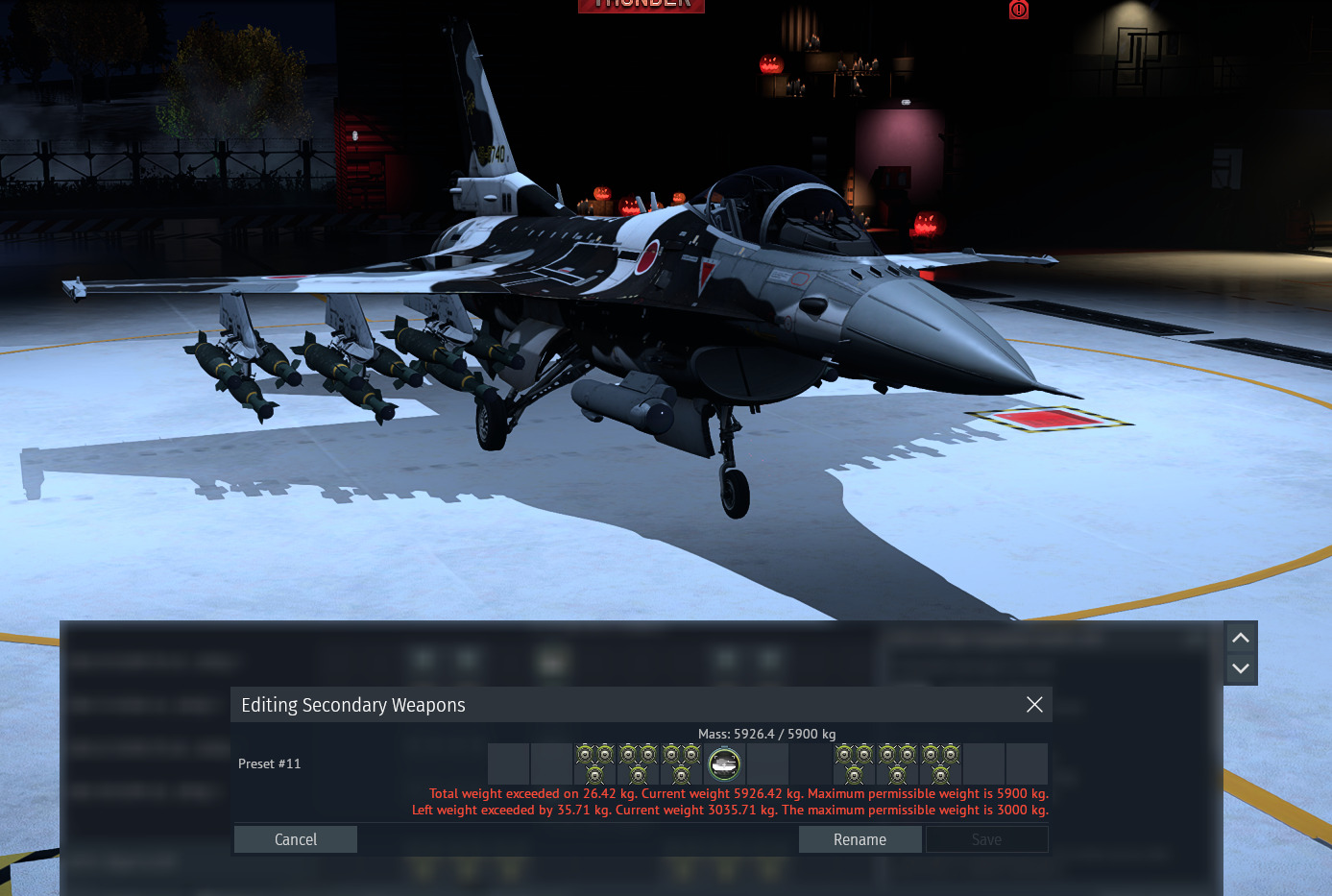
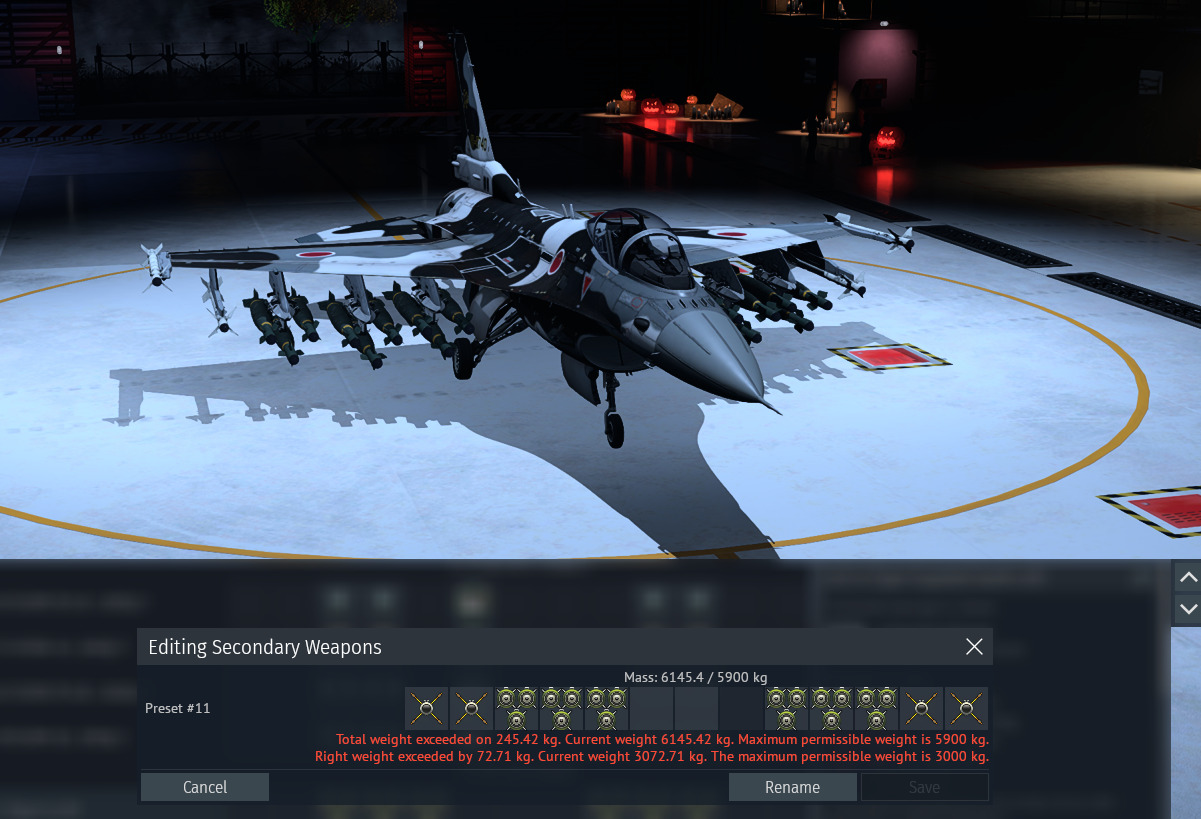
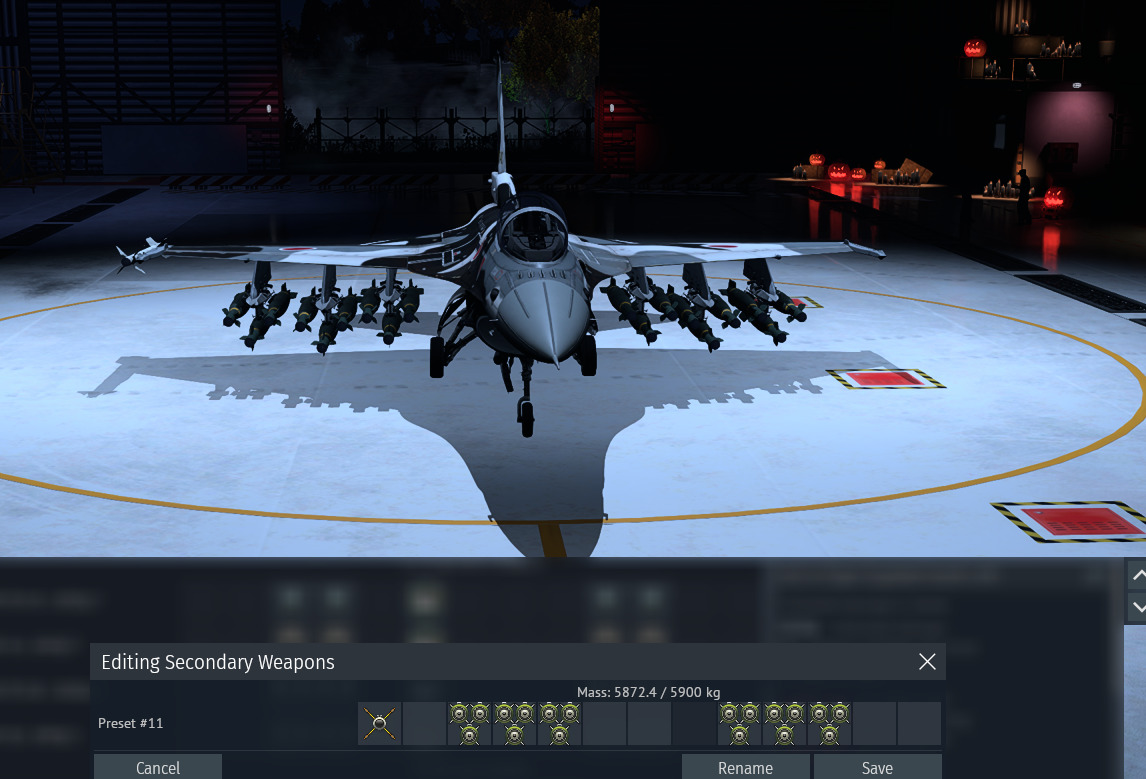
a response from an acquaintance of mine who has extensive information on this matter
"Once activated, the seeker head begins scanning sectors in a spiral pattern, starting from the center. In other words, the closer the bomb is released to the intended target, the more accurate its target acquisition will be. Simply put: if you don’t want to kill an ally, don’t drop a bomb on them. The GCS-1 is intended more for in-flight course correction of a bomb—compensating for errors in the ballistic computer and the movement of the target, than for indiscriminate, area-wide bombardment.
Furthermore, the GCS-1 system is designed to avoid locking onto targets that have already been destroyed; documentation indicates that its onboard processor identifies targets exhibiting abnormally high, large-area thermal signatures (such as vehicles set ablaze or exploded due to a ruptured fuel tank or the detonation of onboard munitions), and assigns them a lower priority.
Generaly, it is indeed that impossible to manually designate a specific target for the bomb. The GCS-1 system was developed to be platform-independent: any aircraft capable of carrying an Mk.82 or JM117 bomb can technicaly employ the GCS-1 without requiring any structural modifications to the airframe."
Even ignoring that making an IR based weapon filter by target size is insane, that means it can’t even hit most of the landing craft it was meant to be used against