- Yes
- No

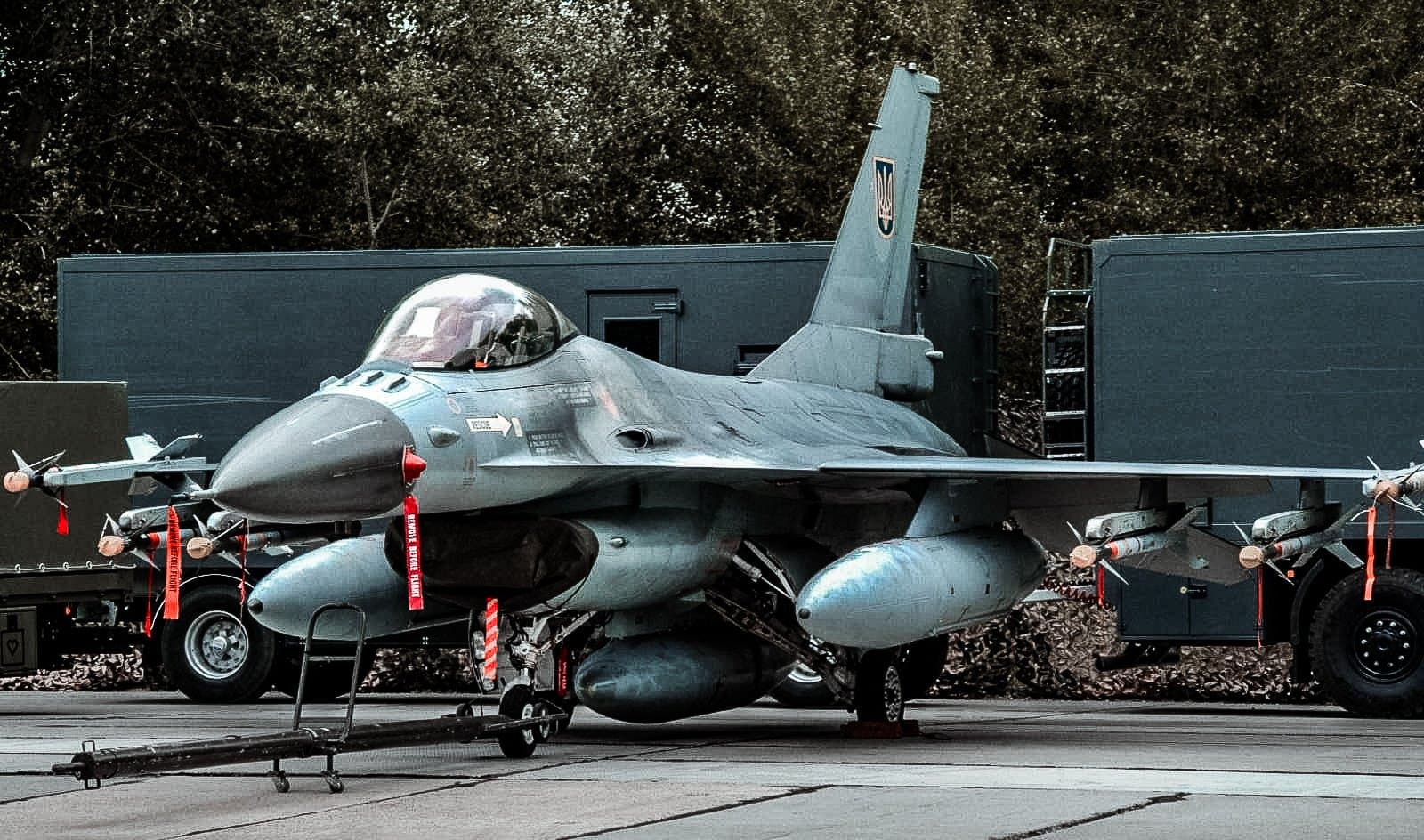
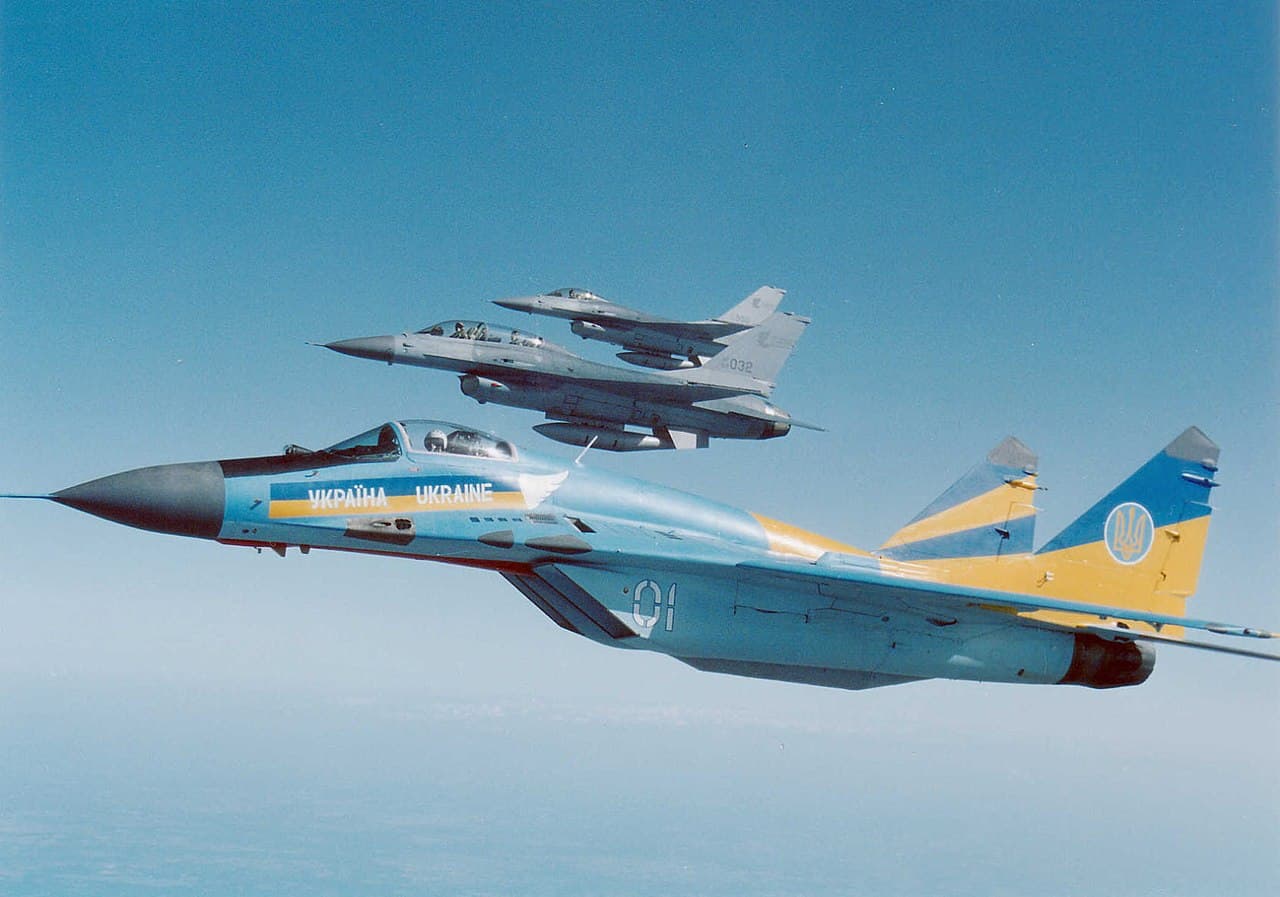
- BASIC DESCRIPTION -F-16AM Block 20 MLU - also referred simply as F-16AM, is the Mid-Life Update (MLU) variant of the F-16A. Developed in partnership of The Netherlands, Belgium, Denmark, and Norway (the EPAF nations), with the US in the 1990s to modernize their aging early-1980s F-16 fleets. Driven by economic and political constraints, the MLU program served as a cost-effective alternative to purchasing next-generation fighters, completely overhauling the aircraft’s avionics and extending its service life into the 2020s.
ㅤFollowing the 2022 Russian invasion, early on in the war, Ukraine requested Western aircraft, but initially faced reluctance from its allies. As the war entered its second year, the US and European nations reconsidered their stance, as they saw the success of the counteroffensives through 2022-2023 and the immense lobbying efforts by Ukraine to secure these jets.
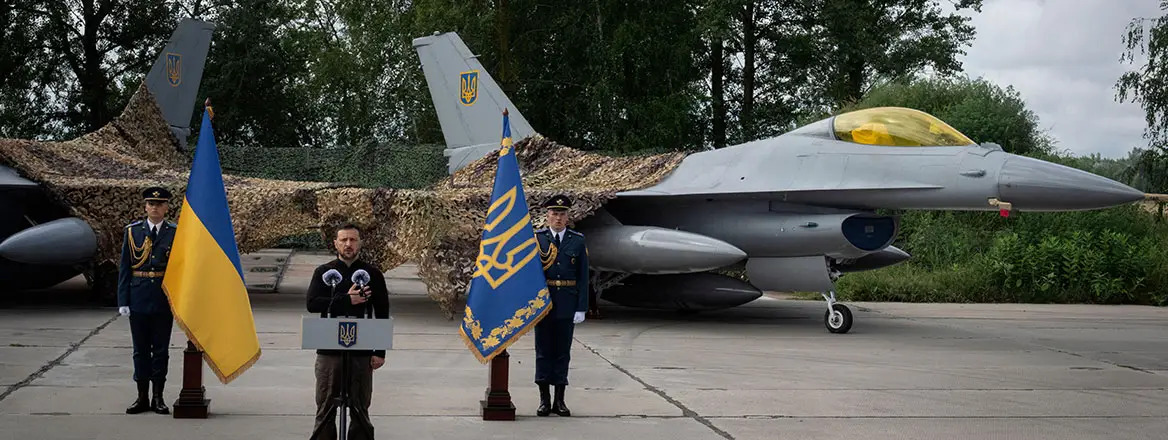
ㅤOn July 11, 2023, these same founding nations of MLU program formed an “Aviation Coalition” to donate their retiring F-16AMs to Ukraine. After immense diplomatic efforts and the establishment of international pilot training pipelines, Ukraine received its first Western fighters in late-July 2024. To date, Ukraine has received at least 37 aircraft. While a few have been lost to combat attrition, pending deliveries are expected to bring the total fleet to over 70 units. These F-16s are actively deployed for air defense and frontline strike missions, notably achieving a historic first air-to-air kill against a Russian Su-35 jet in July 2026.ㅤWhile officially designated under the single umbrella of F-16AM Block 20 MLU, Ukraine actually operates two distinct sub-variants with minor structural differences based on their origin. Further specifics regarding their differences can be found in the MORE IN DETAIL section.
Spoiler
Part 1: F-16AM OriginsㅤThe F-16 Fighting Falcon is one of the most iconic fighter jets ever produced in the world. Designed as an air superiority day fighter, it evolved into a successful all-weather multirole aircraft with over 4,600 built since 1976. Once it was selected by the United States, a partnership was formed between the United States Air Force (USAF) and the European Participating Air Forces (EPAF) who had a similar need for a lightweight fighter.
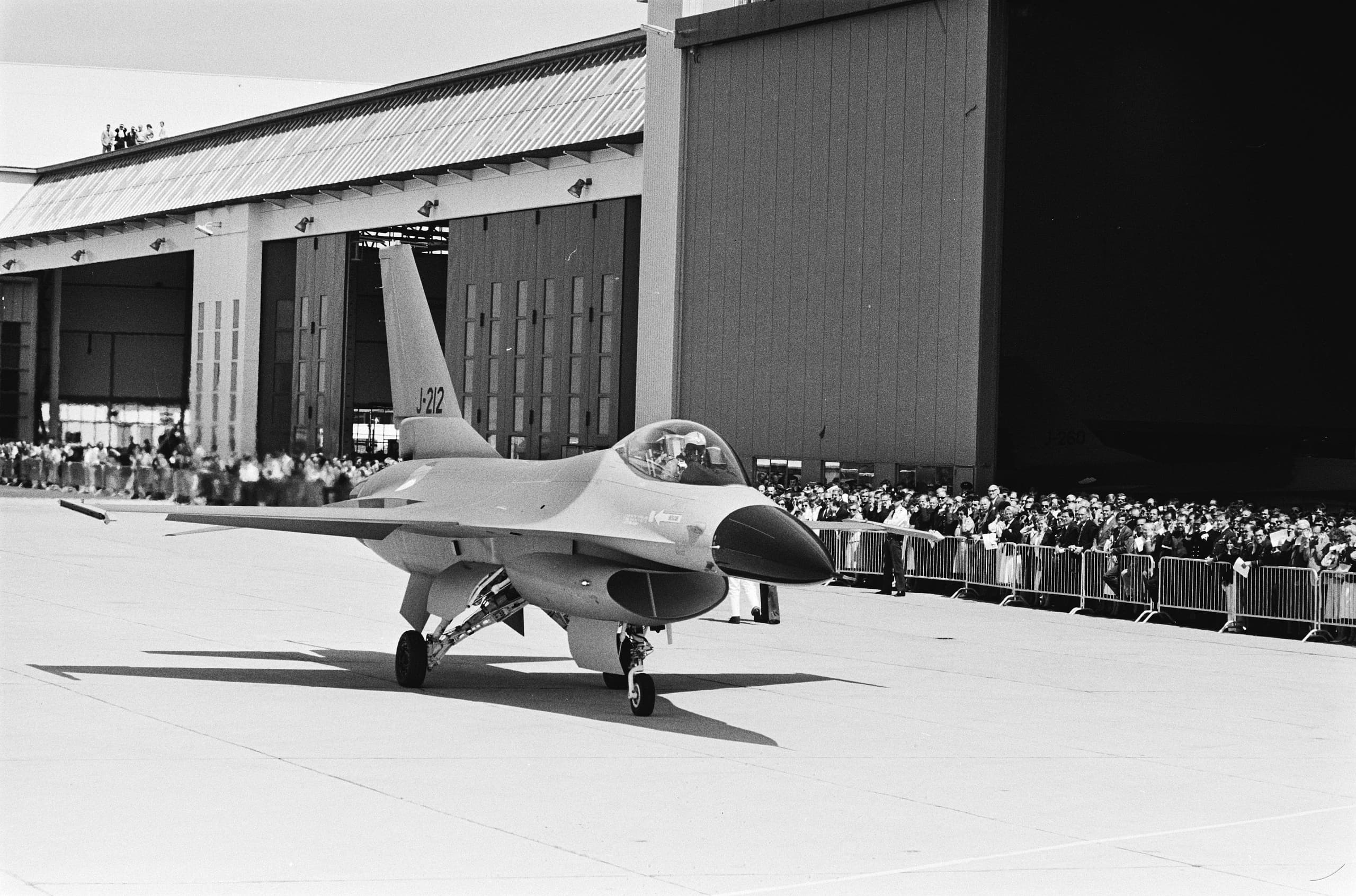
The first F-16 Block 1 in the Royal Netherlands Air Force, J-212ㅤFour such nations chose to join the development effort, becoming involved in production and sub-contracting work. The four European partners are Belgium, Denmark, the Netherlands, and Norway. These nations were the first ones to receive the F-16 outside of the US, with Belgium and the Netherlands in 1979, followed by Denmark and Norway in 1980. The aircraft were produced in Europe rather than in the US, with the Dutch and Norwegian aircraft produced at the Fokker plant, and the Belgian and Danish aircraft at SABCA.
ㅤInitially, it was expected that the aircraft would be replaced by a successor in 1999, but due to several economic and political constraints, such plans were ultimately canceled. Facing such realities, the European F-16 fleets needed to maintain the same level of operational capabilities and operational effectiveness over the next ten to twenty years (well into the 2020s-2030s) in a world of ever-increasing technology. Therefore, this led the four original EPAF nations, in partnership with the US, to create an extensive modernization program that would later become known as the Mid-Life Update (MLU). The project began with a two-year feasibility study in 1989, entered formal development in May 1991, and saw its first fully upgraded airframes roll out by the early 2000s.
Part 2: Initial Hesitance to the First DeliveriesㅤOn February 24th, 2022, Russia started its full-fledged invasion of Ukraine, hoping to capture the capital of Ukraine, Kyiv, within just three days. No one believed in Ukraine’s survival. But despite all odds, Ukrainians held out, the whole nation united and fought back against the aggressors. Ukrainian pilots flew out in their old Soviet jets to strike Russian columns, defying expectations and taking significant losses, but they never stopped fighting even at a huge disadvantage.
Ukrainian MiG-29MU1 taking off from Mykolaiv airfield seconds before the runway is shelledㅤOperating with outdated Soviet-era airframes, Ukrainian pilots faced immense difficulties fighting on a modern battlefield. The lack of precision ground-strike capabilities, coupled with outdated radars and air-to-air missiles, prompted Ukraine to seek Western fighters. Early on in the war, Ukraine requested Western aircraft but initially faced reluctance from its allies. NATO partners feared that supplying advanced Western fighters could escalate the conflict into a direct NATO-Russia confrontation.
ㅤFormer Warsaw Pact nations, most notably Poland and Slovakia, were the first to step in throughout 2022 and 2023 with deliveries of MiG-29s and Su-25s. While these deliveries replaced combat losses, the Soviet-era airframes remained vulnerable to modern Russian air defenses. Although by that time many of these Soviet-era airframes were gradually adapted to carry Western air-to-ground weapons, which greatly improved their effectiveness, it was still not enough, as these platforms remained fundamentally outdated and lacking in modern capabilities.
ㅤAs the war entered its second year, the US and European nations reconsidered their stance, seeing the resilience of Ukrainian pilots and the success of counteroffensives on the Kyiv, Sumy, Kharkiv, and Kherson fronts. Ultimately, the global lobbying effort for F-16s succeeded.
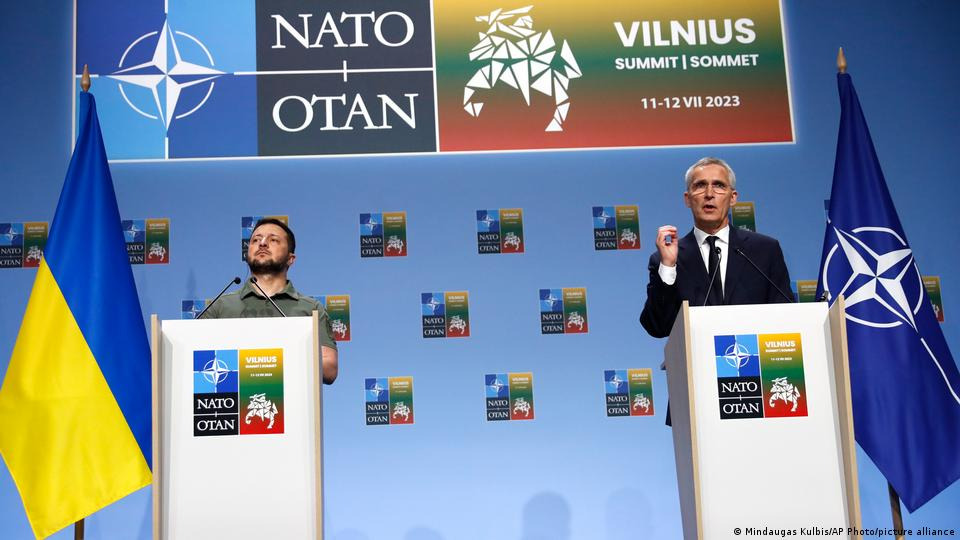
NATO Vilnius Summit, July 11, 2023ㅤOn July 11, 2023, at the NATO Vilnius Summit, an international “Aviation Coalition” was formed, led by the Netherlands and Denmark alongside Belgium, Norway, and others. The coalition pledged dozens of their retiring F-16AMs (as these nations transitioned to F-35s). Shortly after, France joined the broader aviation effort by pledging its Mirage 2000-5Fs.
ㅤThe physical transition began taking shape in 2024. On July 31, 2024, Bloomberg reported that the first F-16s had arrived on Ukrainian soil, officially confirmed by President Zelensky on August 4, 2024.
Official announcement of F-16 arrival to Ukraine, August 4, 2024Part 3: Combat Successes, First Losses, and Future OpportunitiesㅤUpon entering the fight in August 2024, Ukrainian F-16 pilots faced a steep learning curve. The tactics taught to them abroad were designed for Western wars with total air superiority did not entirely fit the brutal, heavily contested skies of Ukraine. Ukrainian pilots had to rapidly adapt and invent new tactics to safely operate near the frontlines while avoiding long-range Russian air defenses and high-altitude patrols of Su-35s and MiG-31s.
ㅤDespite these constraints, the F-16AMs quickly proved their worth as highly lethal multirole platforms. Operating the upgraded AN/APG-66(V)2 radars and AIM-120 AMRAAMs, the F-16s pushed Russian aviation further back from the frontlines, disrupting their glide-bombing campaigns. Notably, in July 2026, the F-16 scored a historic Beyond-Visual-Range (BVR) kill against a Russian Su-35, proving that the MLU airframes could go toe-to-toe with Russia’s premier 4.5-generation fighters.
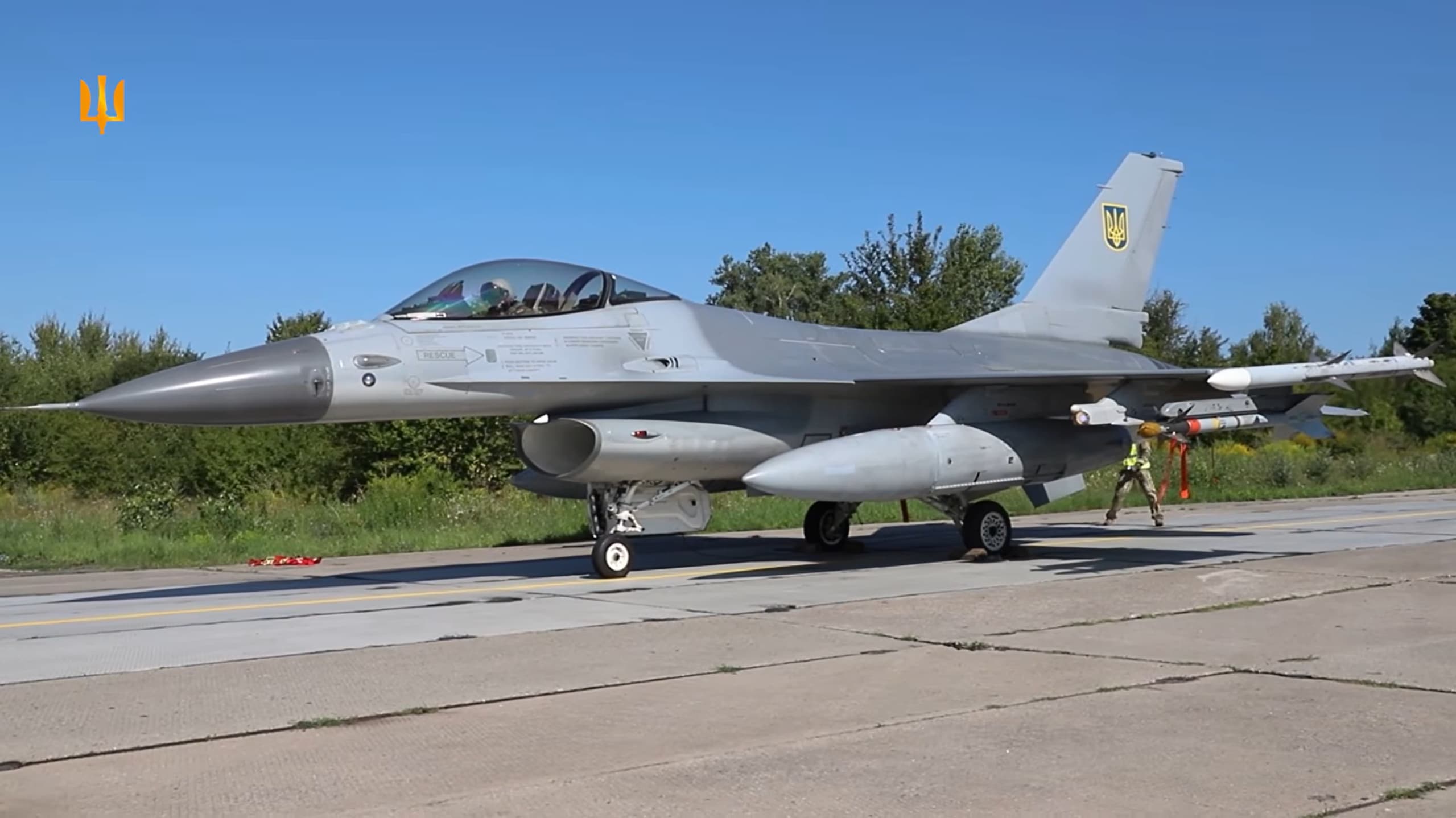
Danish-donated F-16AM in the Ukrainian skiesㅤIn the air defense role, the F-16 proved to be an impeccable shield. Utilizing AIM-9 Sidewinders and their internal 20mm Vulcan cannons, Ukrainian pilots have highly efficiently intercepted Russian cruise missiles and Shahed drones. In some exceptional cases, single pilots have shot down up to six cruise missiles or seven drones in a single sortie. Cumulatively, the F-16 fleet is credited with destroying well over 1,000 aerial targets and delivering more than 1,600 precision ground strikes.
ㅤHowever, operating in the most dangerous airspace in the world has come with inevitable tragedies. In late August 2024, during one of the most massive Russian missile and drone barrages of the war, Ukraine suffered the loss of its first F-16 and one of its most prominent pilots, Lt. Col. Oleksiy Mes (callsign “Moonfish”). The tragic loss highlighted the extreme risks Ukrainian pilots take daily, operating under constant threat of long-range air-to-air missiles and the persistent danger of Russian ballistic strikes on their home airfields.
ㅤLooking to the future, the Ukrainian F-16 program continues to expand. As more trained pilots return from Western flight schools and new batches of aircraft arrive throughout 2025 and 2026, the Ukrainian Air Force is scaling up from scattered defensive flights to fully integrated squadron-level operations. With pending deliveries from the European partners expected to bring the total fleet of F-16s to over 70 units.

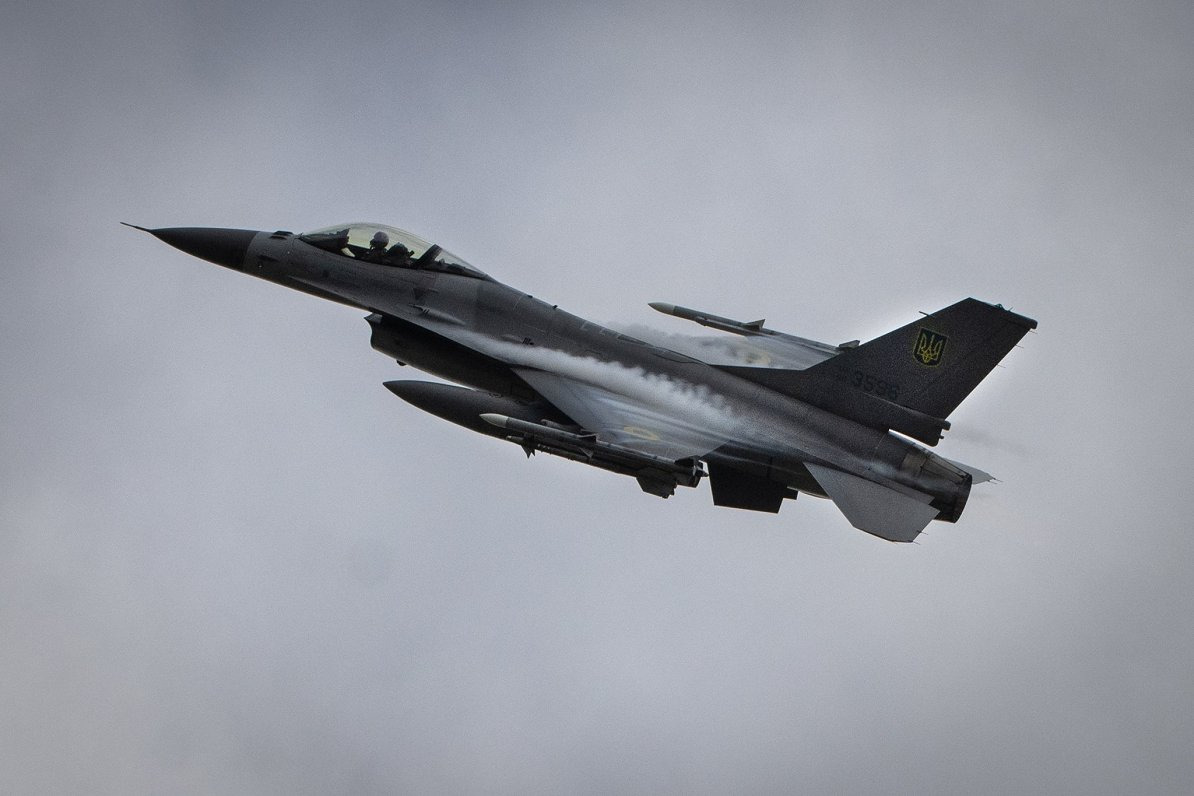
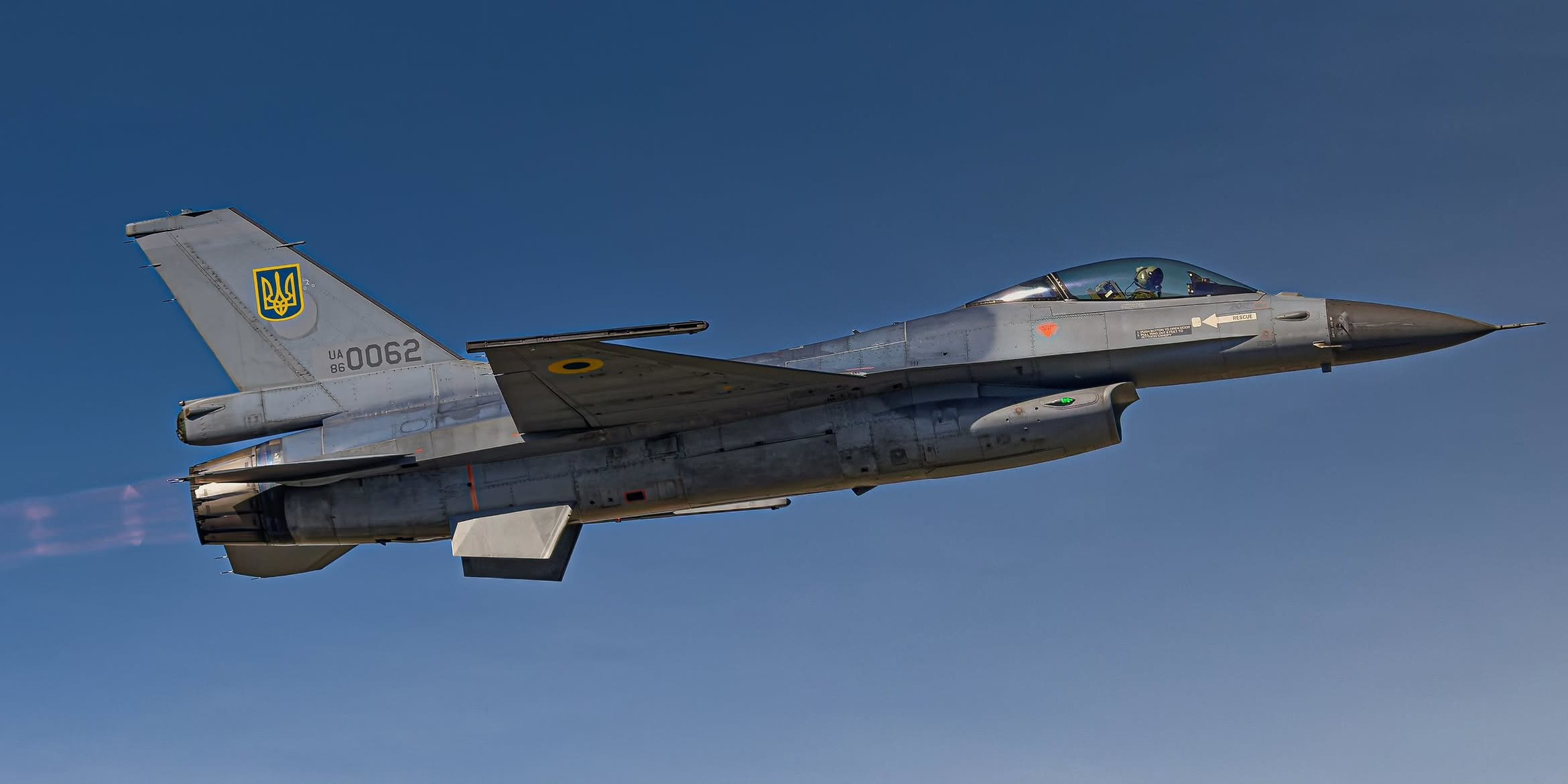
As mentioned previously, the Ukrainian Air Force operates two sub-variants under the single F-16AM Block 20 MLU umbrella: the Danish and the Dutch models. While their avionics are largely identical, they have a few distinct physical features that set them apart:
- Drag Chute: The Dutch F-16AM (NL) features an extended, box-like tailcone at the base of the vertical stabilizer that houses a braking parachute. In contrast, the Danish F-16AM retains the standard, shorter USAF-style tailcone without a drag chute.
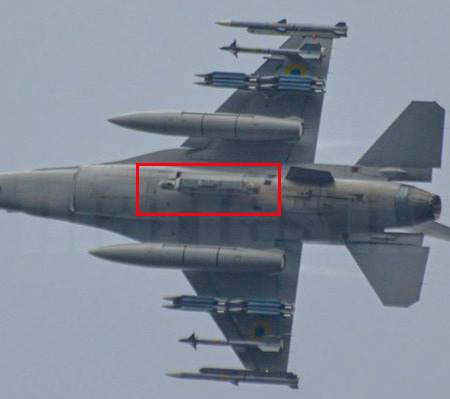
- Searchlight: The Danish F-16AM (DK) are uniquely equipped with an identification spotlight on the port (left) side of the nose, just beneath the IFF antennas. This was originally installed to help Danish pilots visually identify intercepted Soviet aircraft during dark winter months and polar night conditions. The Dutch F-16AMs lack this nose light.
- F-16AM (NL) - Dutch origin, has a drag chute
- F-16AM (DK) - Danish origin, doesn’t have a drag chute
- I voted no

the visual differences between the two sub-variants are pointed out.
ㅤAside from these minor differences, both aircraft share identical avionics, radar capabilities, flight performance, and armaments. The aircraft delivered to Ukraine by Denmark and the Netherlands feature the latest European Tape M6.5 standard.
ㅤTherefore, In Ukrainian service, the F-16AM did not receive any unique upgrades, as these airframes already incorporate capability to carry advanced air-to-air and air-to-ground ordnance that were supplied throughout the war.
ㅤFurthermore, their existing integration with specialized pods featuring state-of-the-art MAWS, jamming, and additional chaff/flare countermeasures makes them an ideal platform for the Ukrainian theater.
Spoiler
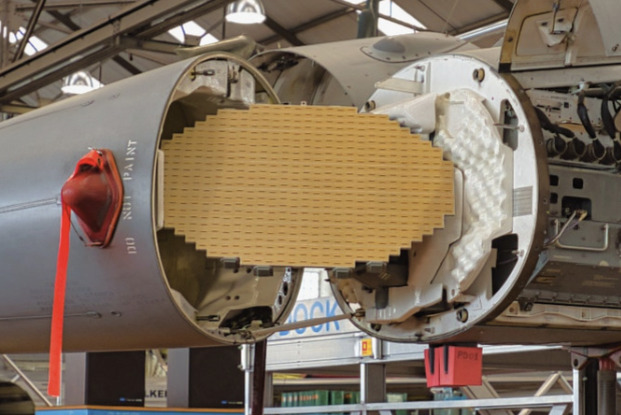
- Westinghouse AN/APG-66(V)2 Radar: an X-band solid-state medium-range (up to 150 km) pulse-Doppler planar array radar. The MLU utilized the modified V2 version, which incorporates a completely new signal data processor. This allows a track-while-scan mode for up to ten targets as well as a six-on-six AIM-120 AMRAAM capability. Other features include a 25% improvement in detection and tracking range, an enhanced Doppler Beam Sharpening mode (DBS), enhanced air-to-ground and ground mapping modes, medium-resolution DNS, enhanced ECCM, and color display compatibility.
AN/APG-66(V)2 Radar behind F-16AM nose cover
MMC: The most important item of the Mid-Life Update package is the Texas Instruments Modular Mission Computer (MMC), which is key to providing new capabilities such as advanced sensors and weapons, an improved pilot-vehicle interface, and pilot aiding.
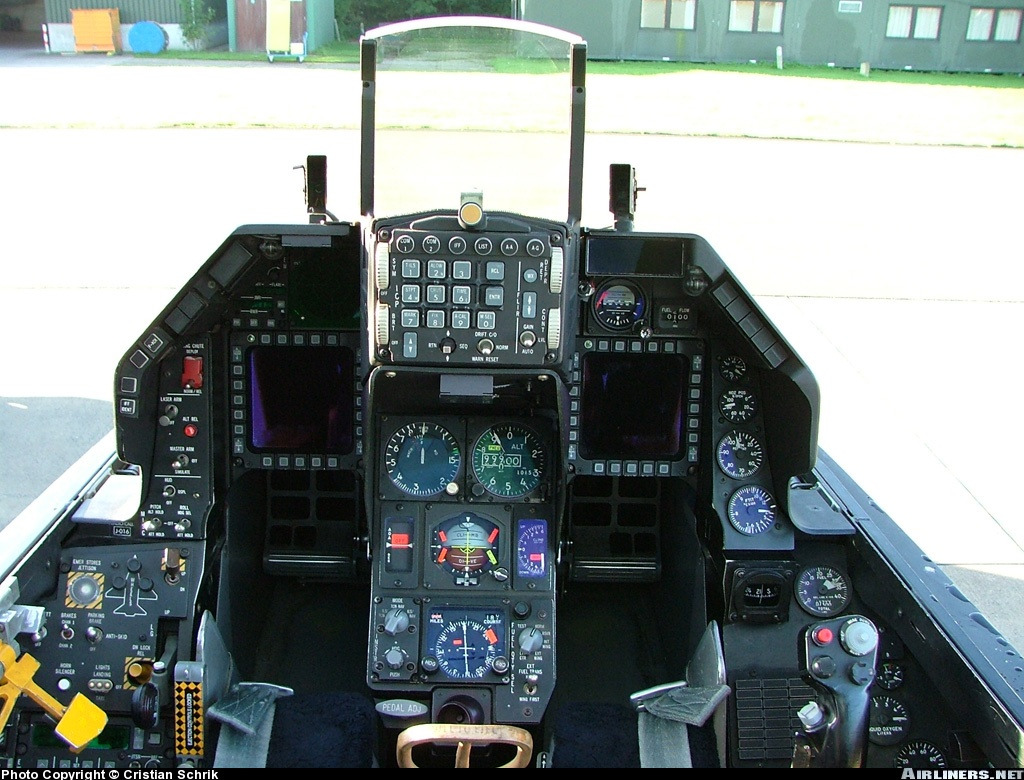
Glass Cockpit: Powered by the new Modular Mission Computer (MMC), the cockpit was updated with two digital color displays (CMFDs) and a wider Head-Up Display (HUD) for better situational awareness.
Cockpit of a Dutch Fokker-produced F-16AM
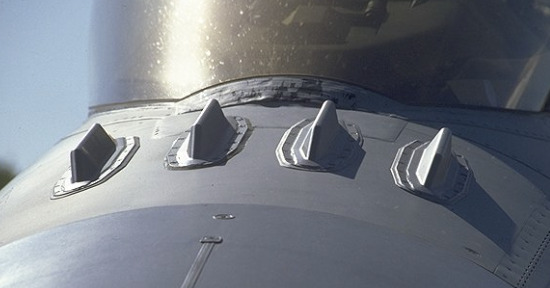
- IFF system: The Advanced Identification Friend-or-Foe system (AIFF) with increased range performance (100 Nm) operates via four so called “bird-slicers” antennas mounted on the upper forward fuselage in front of the canopy. It supports BVR weapons delivery in excess of radar/missile limits and enhances situational awareness.
IFF “bird-slicers” antennas
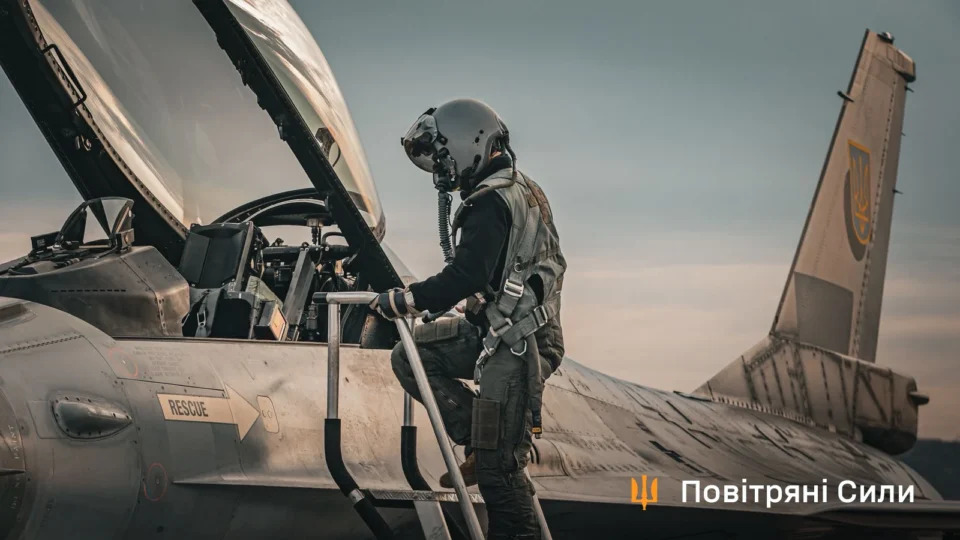
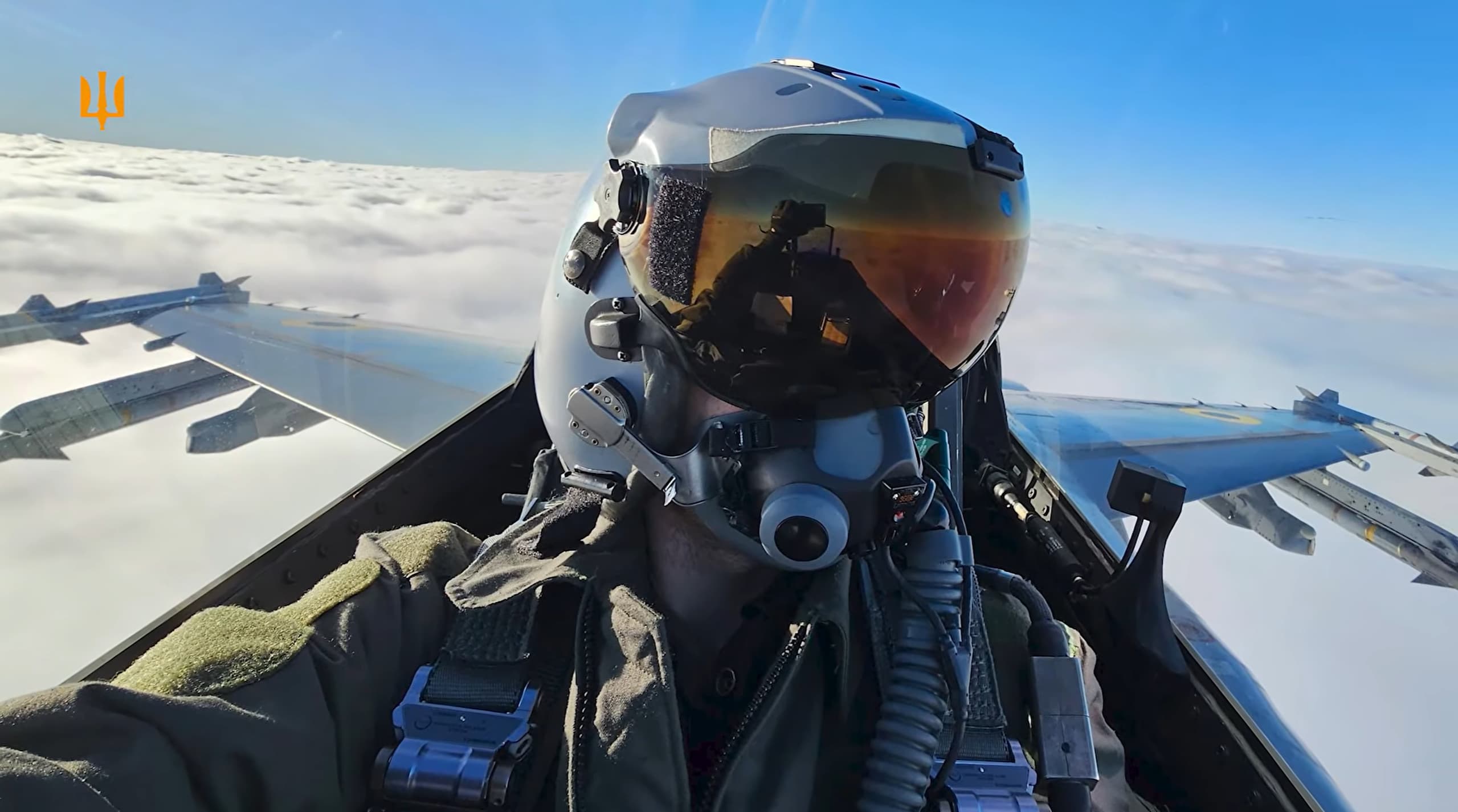
- JHMCS Helmet: With the later tapes of the MLU program, the aircraft also provides integration with the Joint Helmet Mounted Cueing System (JHMCS), that includes: Helmet Mounted Displays (HMD), and Night Vision Goggles (NVG) and a capability of a “Look-And-Shoot”, allowing the pilot to aim advanced missiles simply by turning their head and looking at the target.
Ukrainian pilot with JHMCS helmet
Spoiler
Internal Guns1x 20mm M61A1 Vulcan cannon: internal rotary cannon with 512 rounds.
Air-to-Air
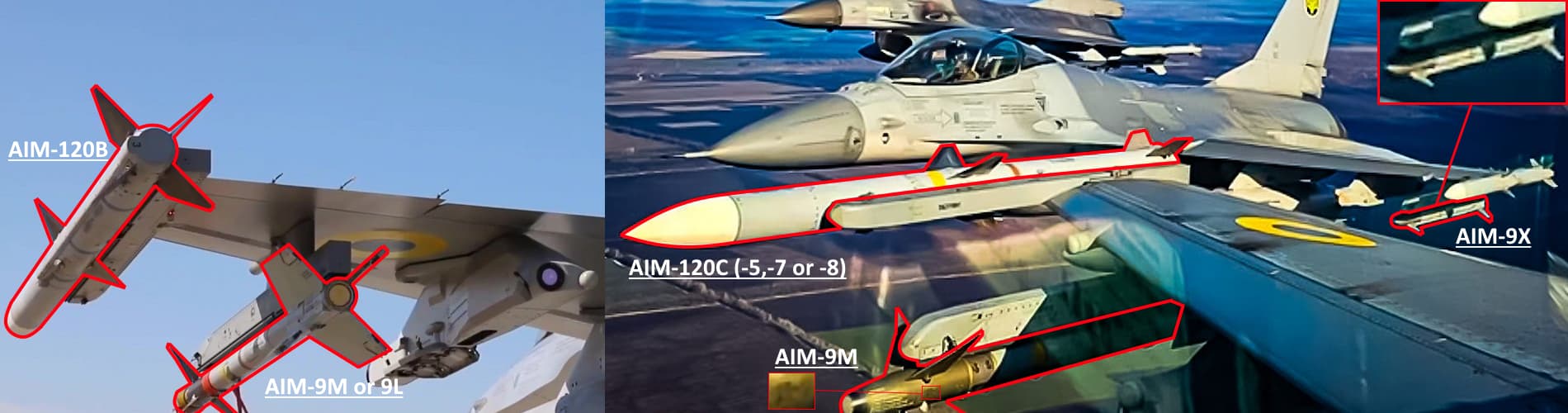
(AIM-9L/M/X, AIM-120B/C-5/C-7/C-8)Spoiler
AIM-9 Sidewinder: Fox 2, infrared-homing (IR) short-range missiles.
AIM-9L: All-aspect IR missile, featuring an argon-cooled seeker and an active optical proximity fuze, effective up to 18 km.
AIM-9M: All-aspect IR missile, featuring enhanced flare resistance (IRCCM) and a reduced-smoke motor to conceal the launch point, effective up to 18 km.
AIM-9X Block II: Imaging infrared (IIR) missile featuring thrust-vectoring agility, extreme high off-boresight (HOBS) targeting, and Lock-On After Launch (LOAL) capabilities via datalink, effective beyond 30 km.
AIM-120 AMRAAM: Fox 3, beyond-visual-range (BVR) active radar homing (ARH) missiles.
AIM-120B: All-aspect ARH missile, featuring a reprogrammable electronics and improved digital signal processing over the original baseline model (120A), with a range of roughly 50-70 km.
AIM-120C-5: All-aspect ARH missile, featuring a clipped control surfaces, a larger rocket motor for improved kinematics, and enhanced electronic counter-countermeasures (ECCM), with a range up to 105 km.
AIM-120C-7: All-aspect ARH missile, featuring a compressed guidance electronics allowing for increased propellant volume, offering significantly improved jamming resistance and a range exceeding 120 km.
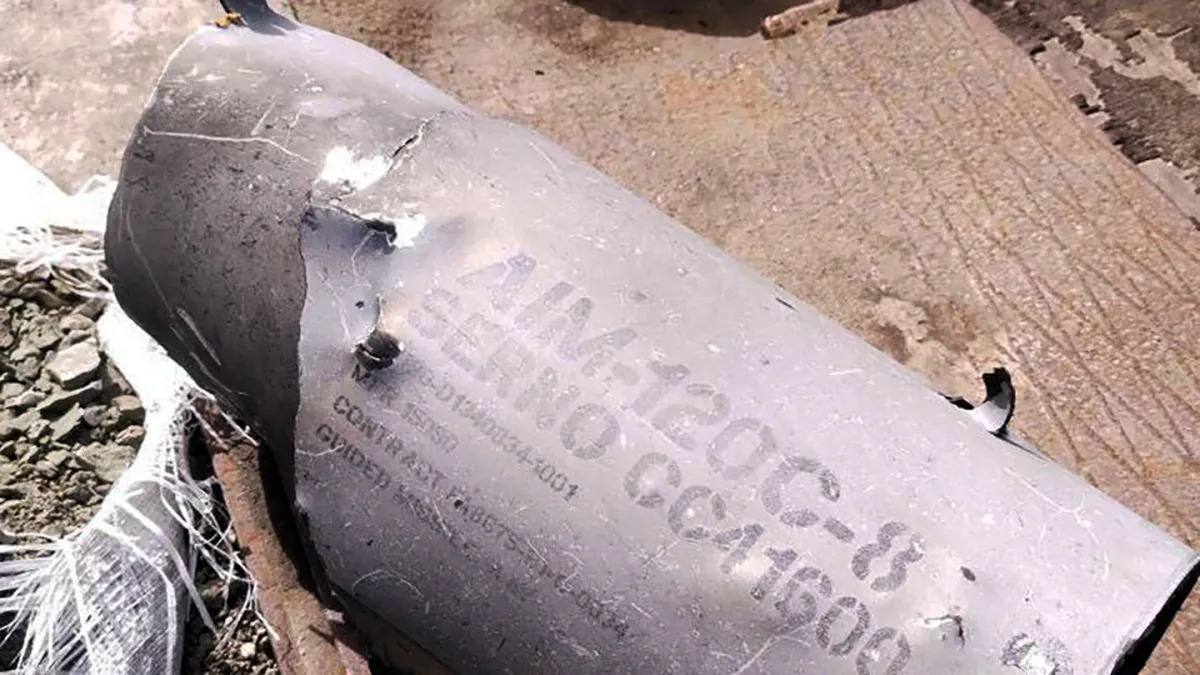
AIM-120C-8: The export equivalent of the advanced AIM-120D, featuring a two-way datalink, GPS-aided navigation for precise mid-course guidance, and a drastically extended range of over 160 km.
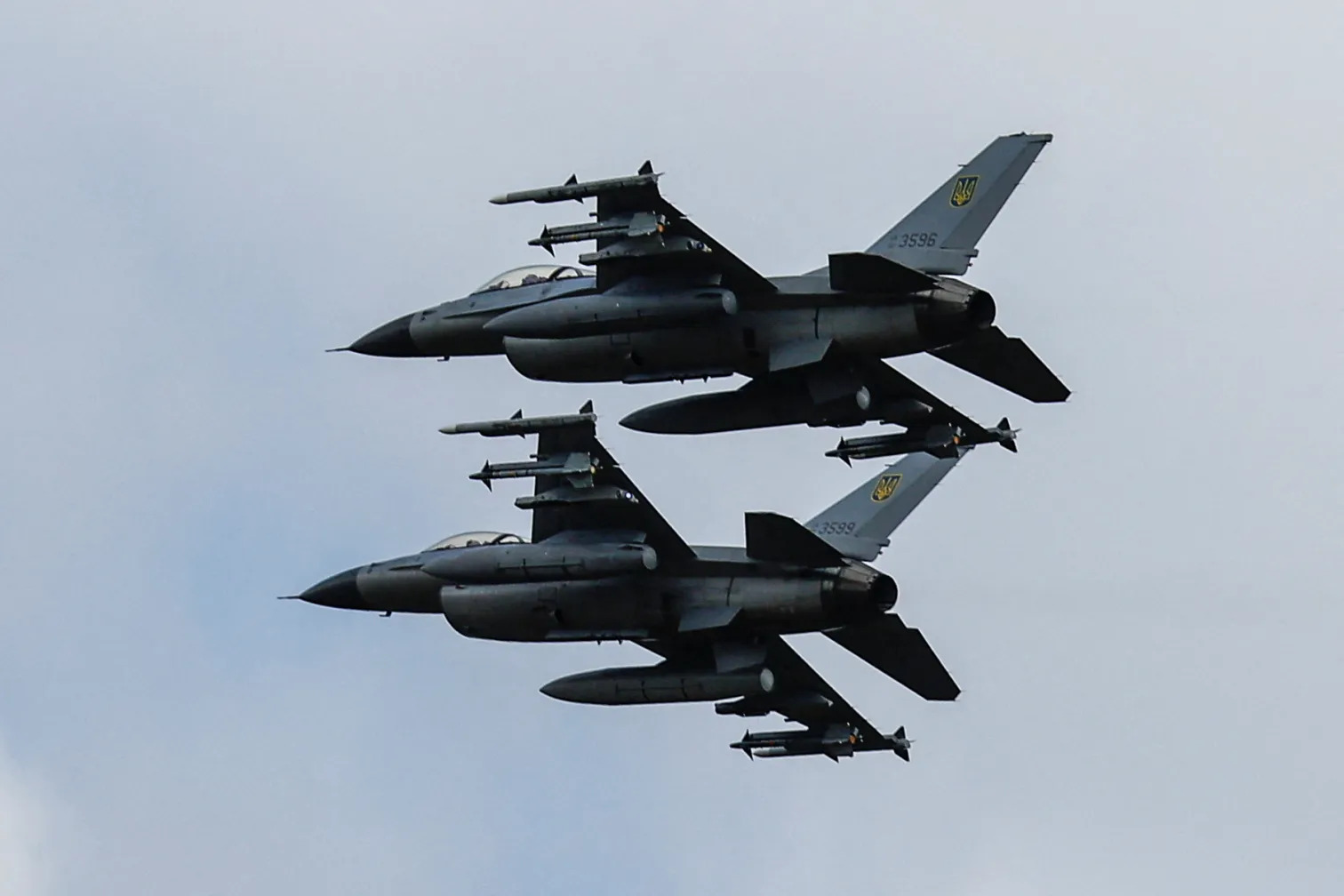
Examples of air-to-air loadouts of F-16AMs in Ukraine
The wreckage of an AIM-120C-8 missile, apparently found in the aftermath of a Russian air attack on Dnipro
Air-to-Ground
(SBD, JDAM-ER, APKWS II, SNIPER pod)Spoiler
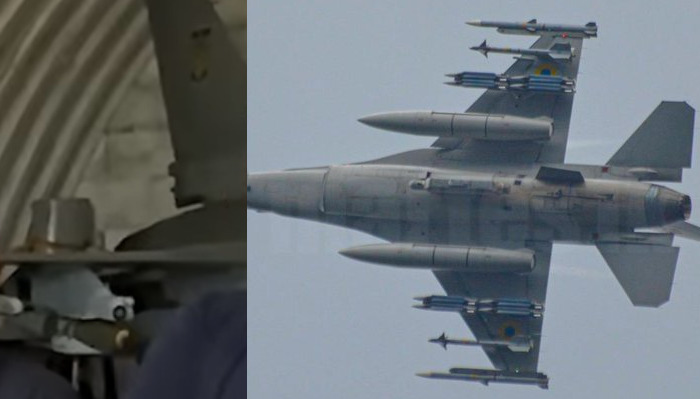
GBU-39/B (SDB I): Precision-guided 110 kg glide bomb featuring GPS/INS navigation and deployable wings for a stand-off range exceeding 110 km. The aircraft can carry up to four bombs per pylon, maximizing the number of precision strikes per sortie.
GBU-62 JDAM-ER: Extended-range precision-guided 230 kg bomb featuring a GPS/INS guidance kit and a deployable wing module attached to a standard general-purpose Mk.82 warhead allowing stand-off distance of over 70 km.
Picture 1: Rare picture of JDAM-ER on F-16AM; Picture 2: A more common loadout of 8x GBU-39, alogside 2x AIM-9M/L and 2x AIM-120C
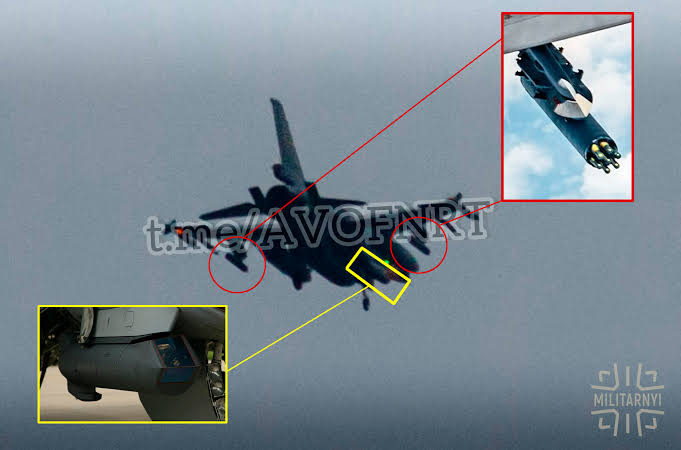
AGR-20A (APKWS II M151): Laser-guided 70mm (2.75-inch) rocket combining a semi-active laser seeker with an M151 high-explosive warhead, which can also be equipped with a proximity fuze. Paired with the SNIPER targeting pod, it serves as a precision weapon for hunting down Russian Class 2 (weighing between 150 kg and 600 kg) and Class 3 (weighing over 600 kg) drones, loitering munitions, and lightly armored ground targets.
SNIPER Targeting Pod: High-resolution electro-optical/infrared (EO/IR) targeting pod providing advanced target identification, autonomous tracking, and laser designation.
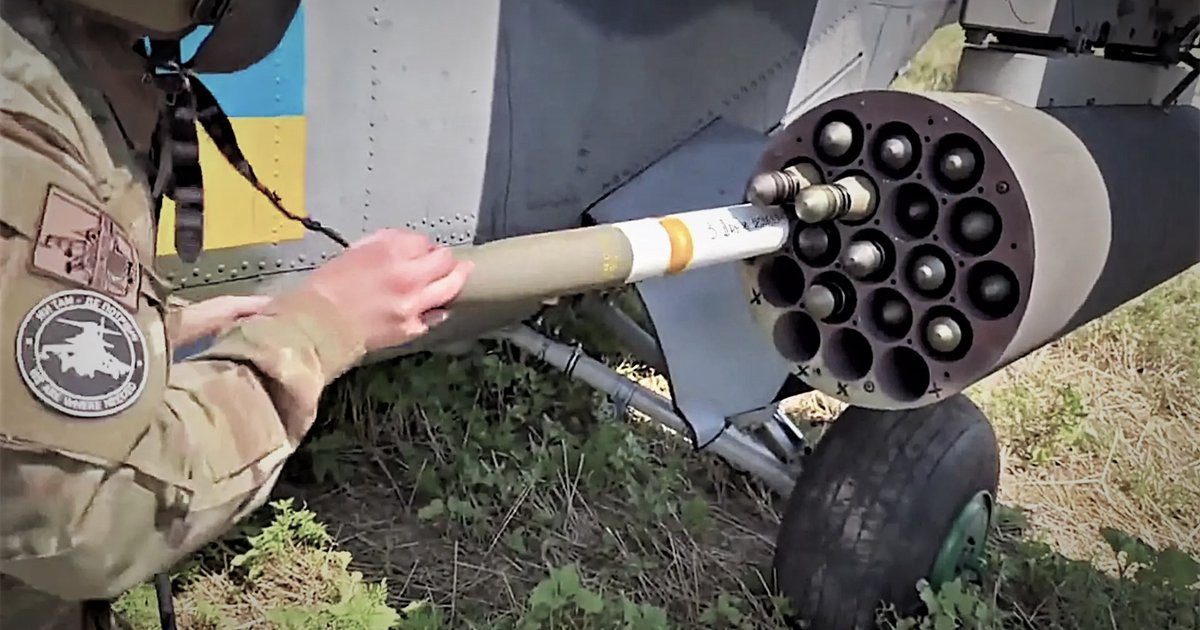
SNIPER targeting pod used in pair with two APKWS II pods (14x guided M151 rockets)It is important to note that Ukrainian F-16s do not utilize any type of unguided armaments (i.e., “dumb” bombs and rockets) in combat. However, the aircraft is fully compatible with unguided ordnance that Ukraine has received throughout the war, such as the Hydra 70 rocket pods.
Hydra 70 pod utilized on Mi-8 and Mi-17 helicopters. While compatible with the F-16s, they are not deployed in practice
Protection-suite Equipment
(ECIPS+, PIDS+ FUM, AN/ALQ-131)Spoiler
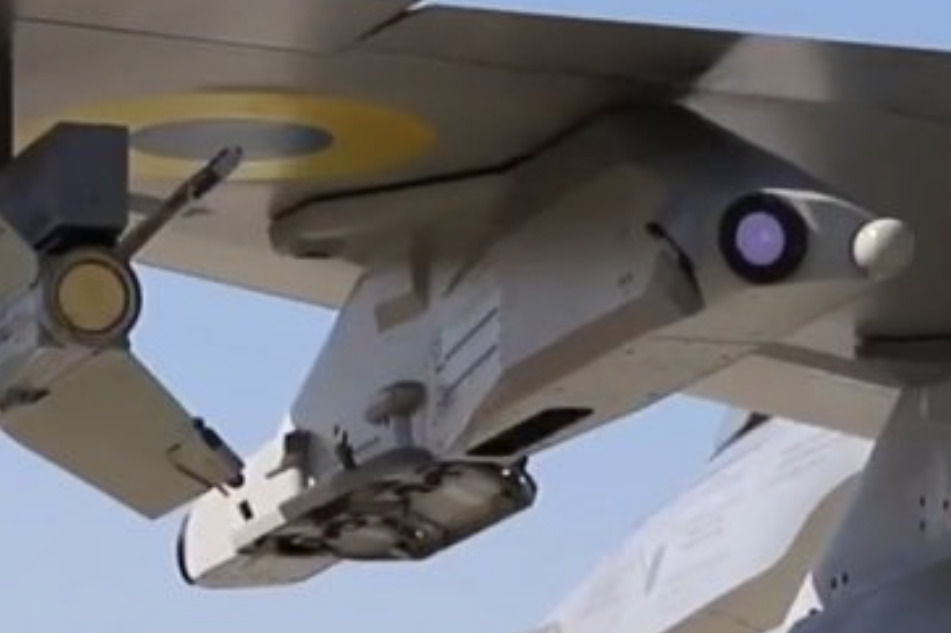
- Terma ECIPS+ (Electronic Combat Integrated Pylon System Plus): A specialized pylon equipped on wing stations 3 and 7 that incorporates an advanced Missile Approach Warning System (MAWS) and electronic countermeasures (ECM) jamming. Because it is a pylon and not a pod, it allows for the installation of additional armaments beneath it, such as GBU-39, JDAM-ER, or APKWS II launchers. The only downside is that it cannot carry air-to-air armaments.
ECIPS+ pod from up-close
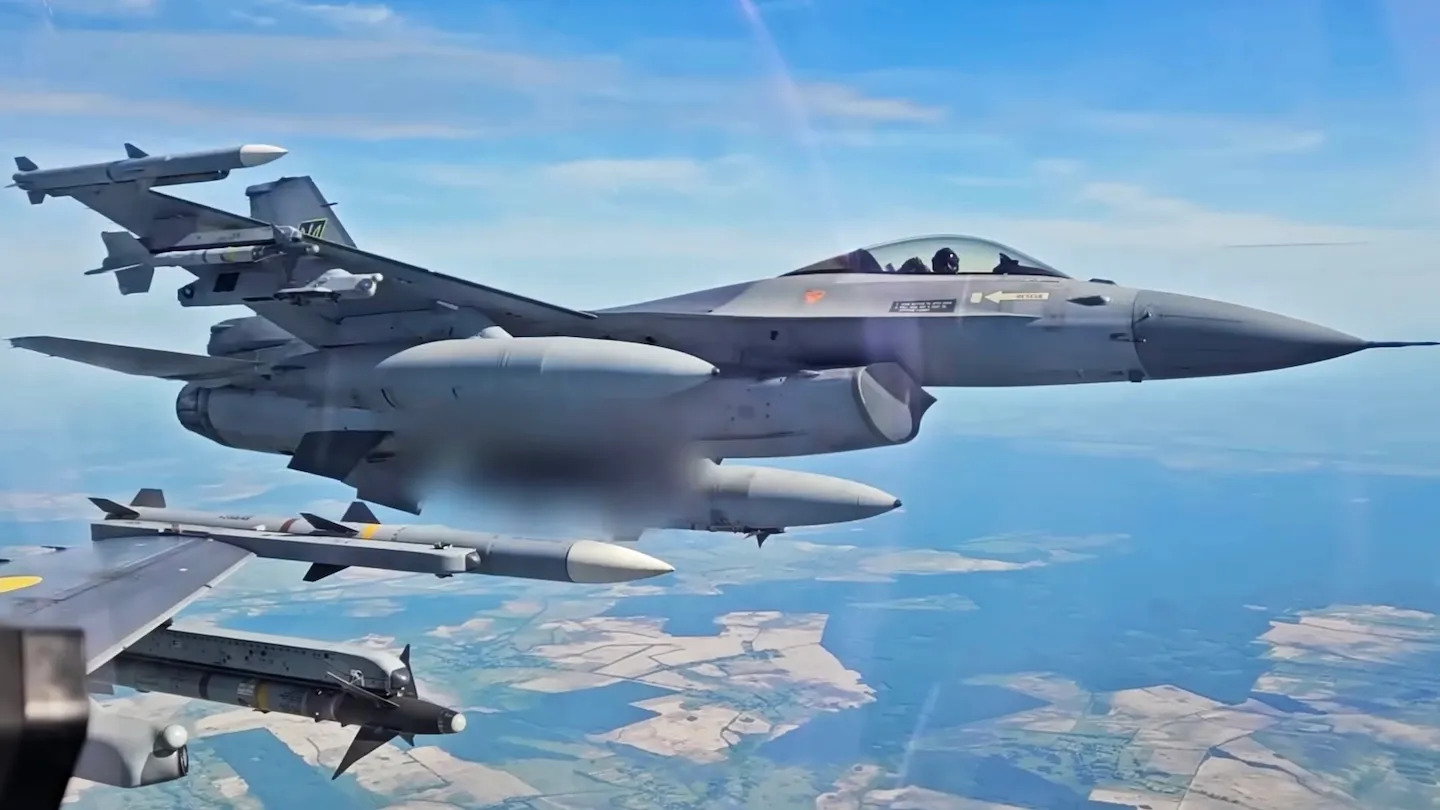
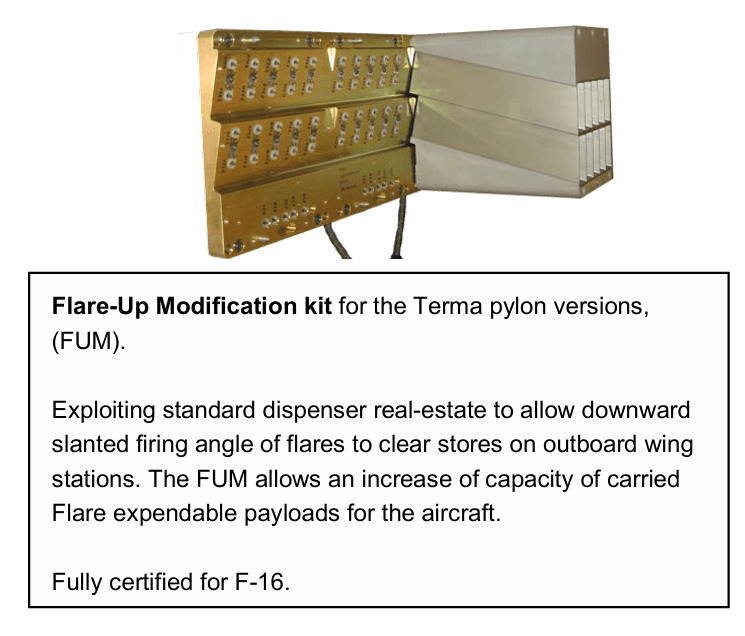
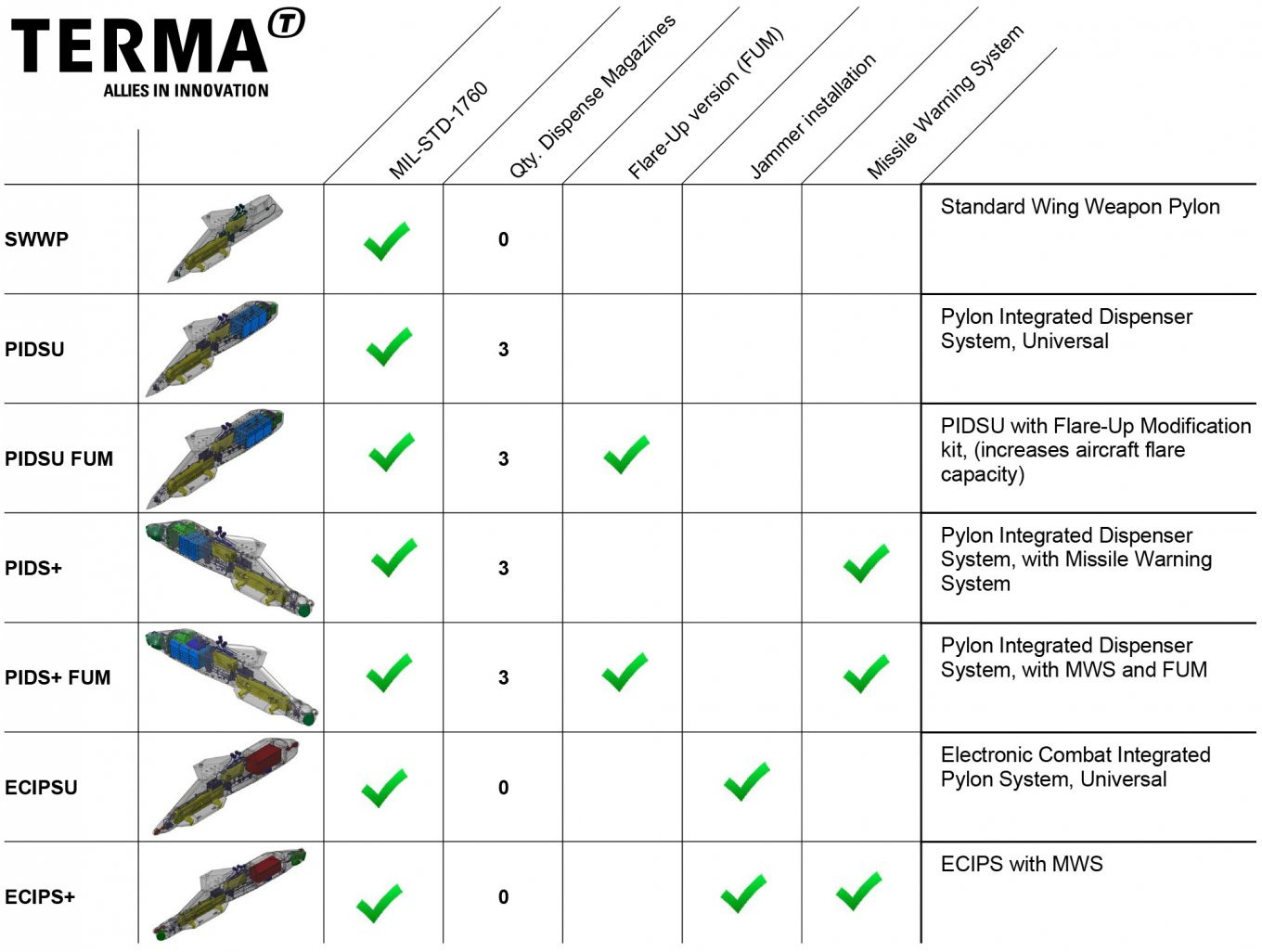
- Terma PIDS+ FUM (Pylon Integrated Dispensing System Plus - Flare-Up Modification): A specialized pylon equipped on wing stations 3 and 7 that incorporates an advanced Missile Approach Warning System (MAWS) and additional chaff/flare countermeasure dispensers. The Flare-Up Modification kit fixes an important flaw found in the original PIDS pylon: originally, its CM dispensers pointed directly to the sides, making it impossible to mount anything on wing stations 2 and 8. The FUM version utilizes a standard dispenser housing with the chaff/flares firing slanted downwards. This was made possible by reducing the number of flares per housing from 30 pieces to 20, reorienting them into a downward-firing position, and thereby allowing for additional armaments on the outer wing stations (2 and 8). The number of CM dispensers per pylon varies between two and three units, enabling it to carry a total of up to 40 or 60 chaff/flare cartridges per pylon. Just like the ECIPS+ pylon, it allows for the installation of additional armaments beneath it, with the exception of air-to-air missiles.
Ukrainian F-16AMs with PIDS+ FUM pods, we know it’s a FUM version as it does not interfere with mounting of AIM-9M/L on outer wing stations.
Example of how FUM kit looks like
Terma’s catalog showcasing the differences between their pylon solutions
- Westinghouse AN/ALQ-131: A medium-range electronic countermeasures (ECM) jammer pod. It is installed on the aircraft’s underbelly centerline, where a drop tank is usually mounted.
F-16AM with AN/ALQ-131


General Info:
- Name: F-16AM Block 20 MLU Fighting Falcon
- Origin: USA / EPAF nations
- Manufacturer: General Dynamics (nowadays Lockheed Martin) / assembled at Fokker and SABCA.
- Year: 2024
- Class: Multirole Fighter
- Crew: 1
Dimensions:
- Wingspan: 9,99 m
- Length: 15,02 m
- Height: 5,09 m
- Wing area: 27,87 m²
- Weight
- Empty weight: 7,387 kg
- Max. Takeoff weight: 17,010 kg
Engine + Performance:
- Engine type: 1× Pratt & Whitney F100-PW-220E
- Thrust
- Max, Intermediate: 64.9 kN
- Max, With afterburner: 105.7 kN
- Maximum speed: 2,173 km/h at altitude 12,192 m
- Range: 3,862 km (with drop tanks)
- Max. rate of climb: 315 m/s
- Service ceiling: 16,764 m
- Max. operating overload: ~ +13G / -7G
Subsystems:
- Radar: Westinghouse AN/APG-66(V)2
- Ballistic Computer: CCIP, EEGS, CCRP, SPI and LDR.
- HMD: ✓
- RWR: ✓ (AN/ALR-56M)
- NVD: ✓
- Thermal imager: ✓
- Chaff/Flare dispensers: 2x internal cartridge dispenser modules (up to 60 small-caliber chaff, or 30 large caliber flares or a combination of 30/15), with more available with installation of PIDS+ FUM pylon (up to 40 or 60 chaff/flare charges per pylon, making it an addition of max. 80 or 120 charges).
Armaments:
-
Guns: 1 × 20 mm M61A1 Vulcan cannon (512 rounds)
-
Combat Load: 9 hardpoints (2 wingtip, 6 underwing, 1 under fuselage + 2 non-pylon stations for reconnaissance pods), 6,895 kg max weight.
-
Suspended Armament:
-
Air-to-Air:
- AIM-9L
- AIM-9M
- AIM-9X
- AIM-120B
- AIM-120C-5
- AIM-120C-7
- AIM-120C-8
-
Air-to-Ground - Unguided:
none, but compatible with Hydra 70 rocket pods that are used on helicopters. -
Air-to-Ground - Guided:
- GBU-39/B (SDB I) guided bomb
- GBU-62 JDAM-ER guided bomb
- AGR-20A (APKWS II M151) guided rockets
-
Other:
- SNIPER targeting pod
- Drop tank (370 gal./1,400 liters.)
- Drop tank (300 gal./1,135 liters.)
- PIDS+ FUM (pylon with MAWS + 40/60 chaff flares)
- ECIPS+ (pylon with MAWS + ECM)
- AN/ALQ-131 (ECM pod)
-
-
Loadout possibilities (as they could look like in WT):
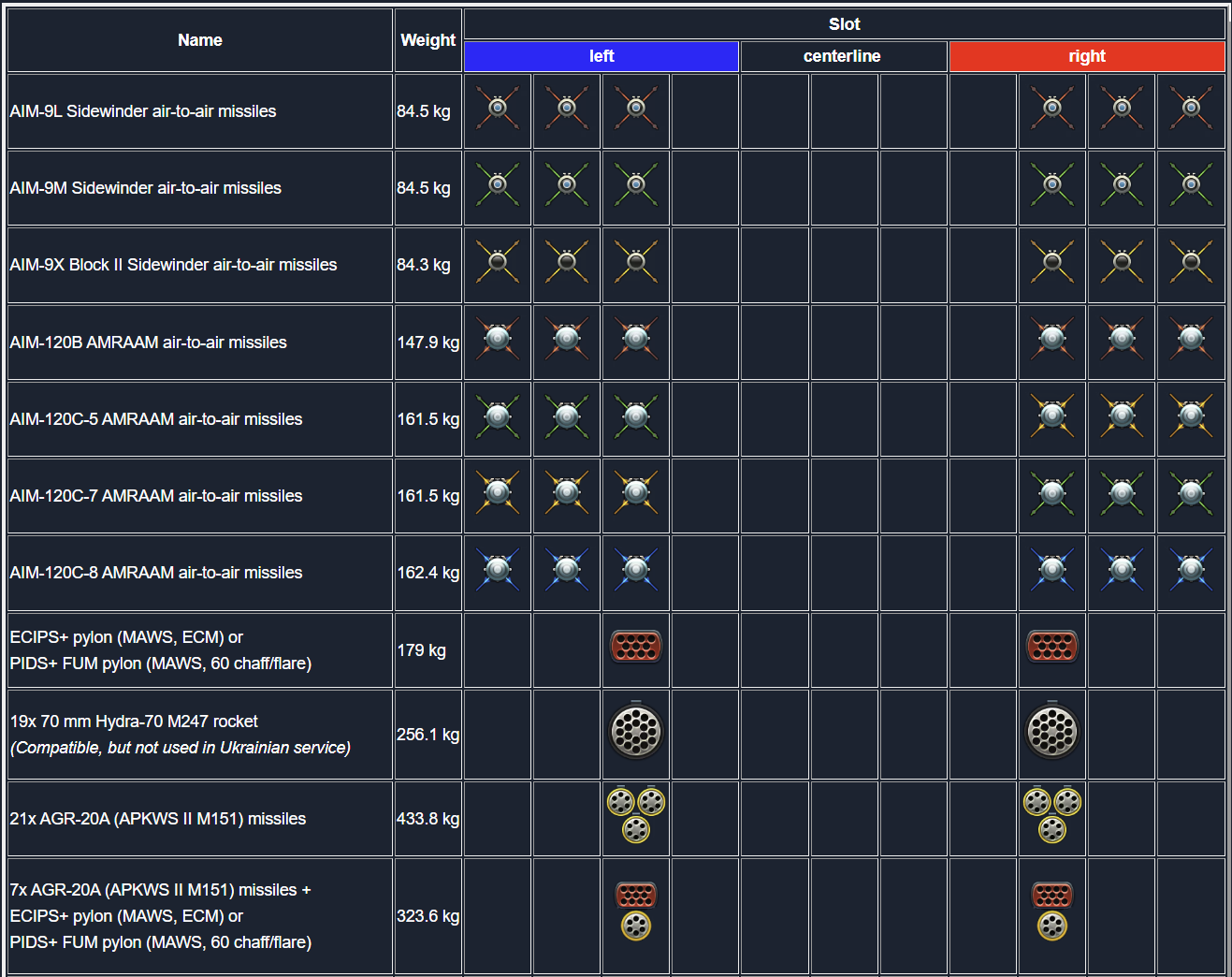
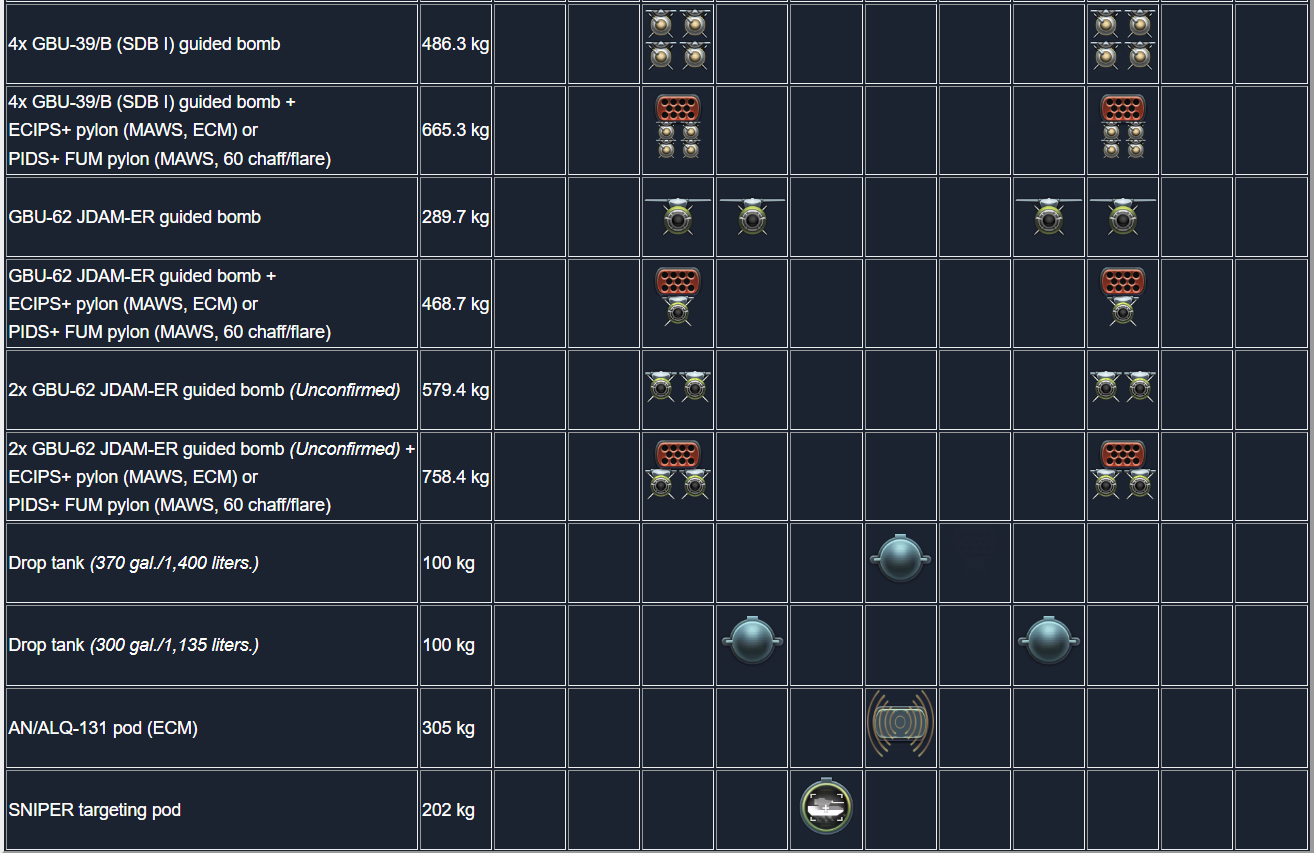
Image Gallery:
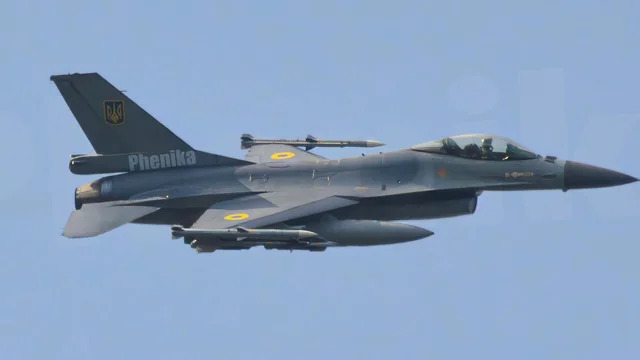
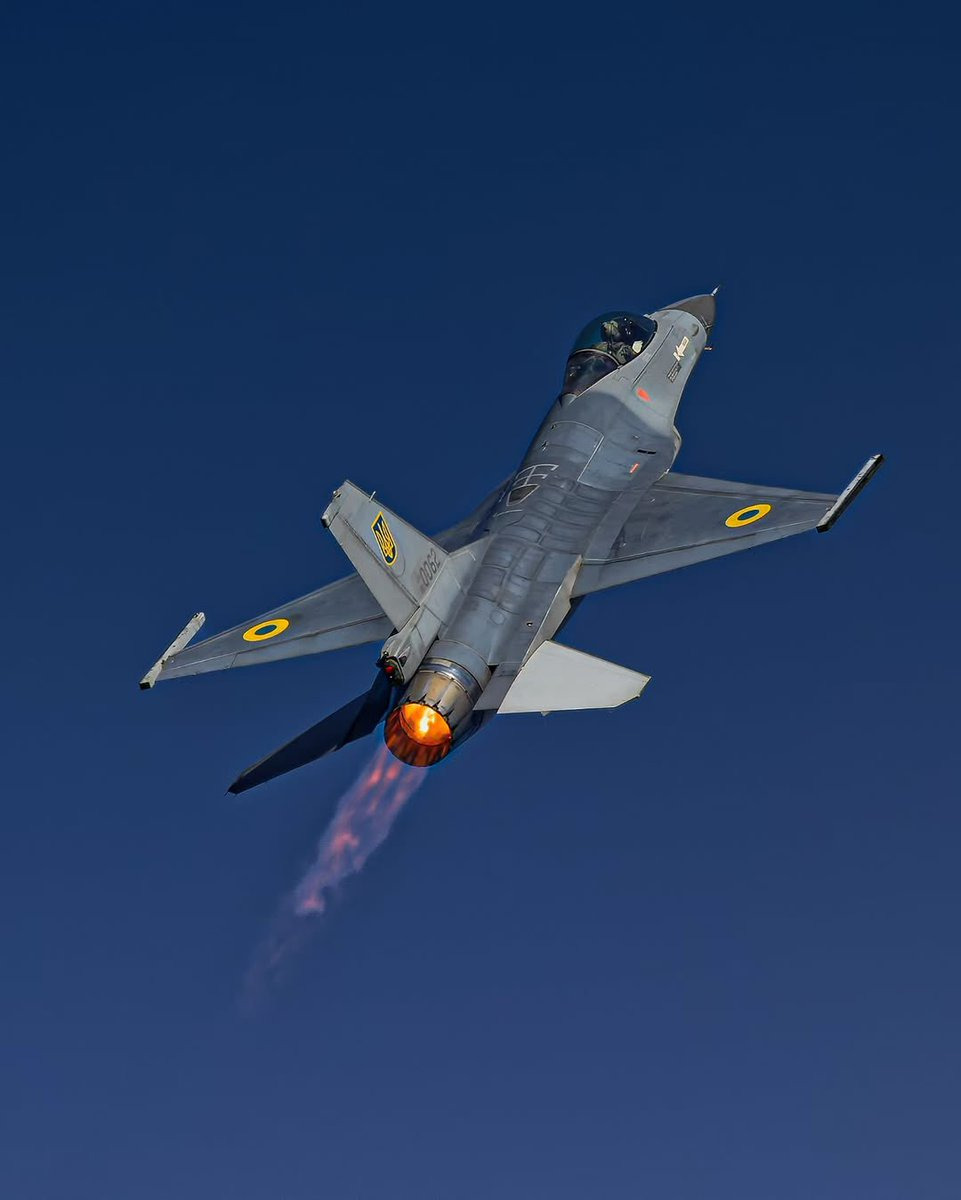
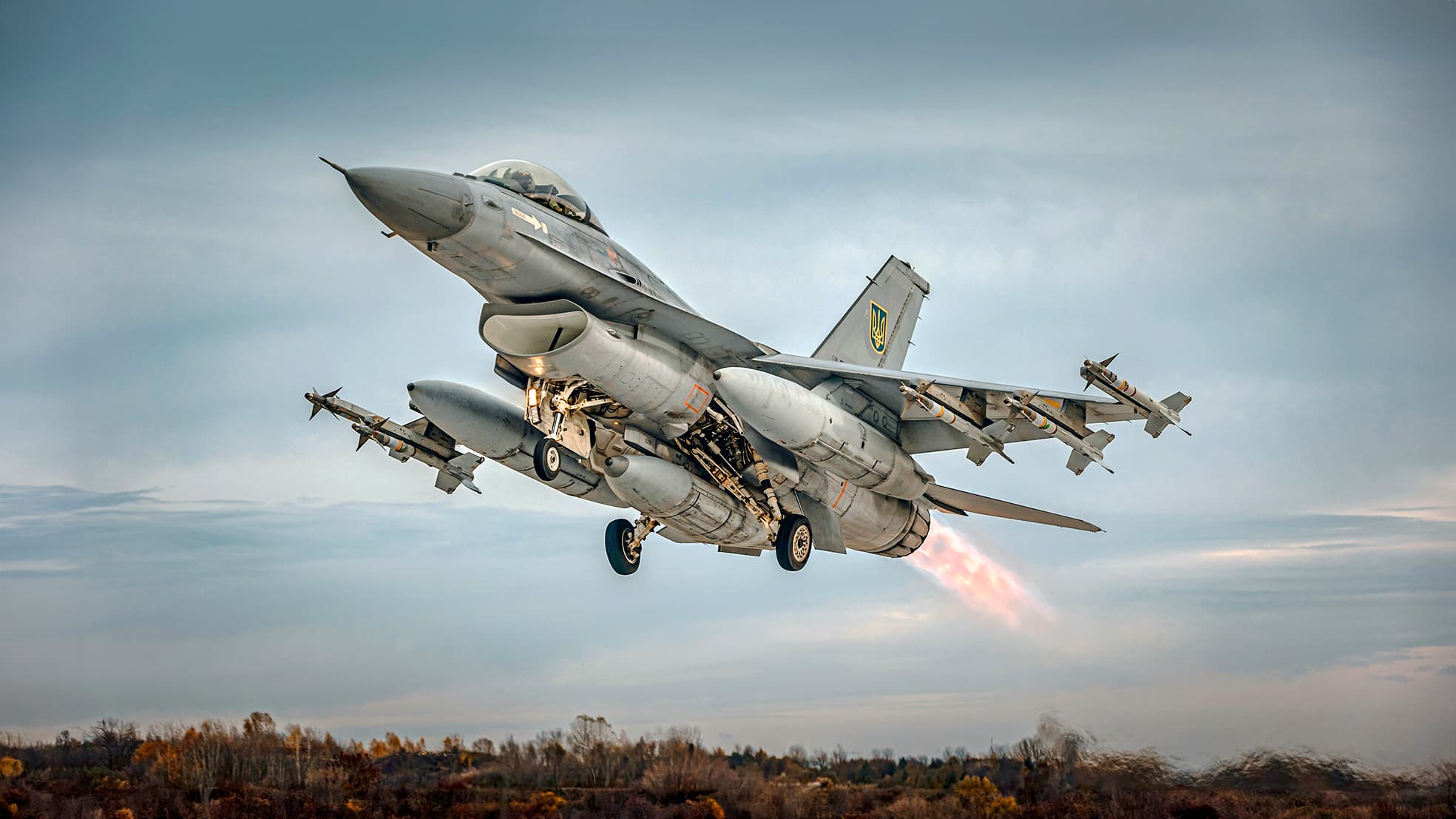
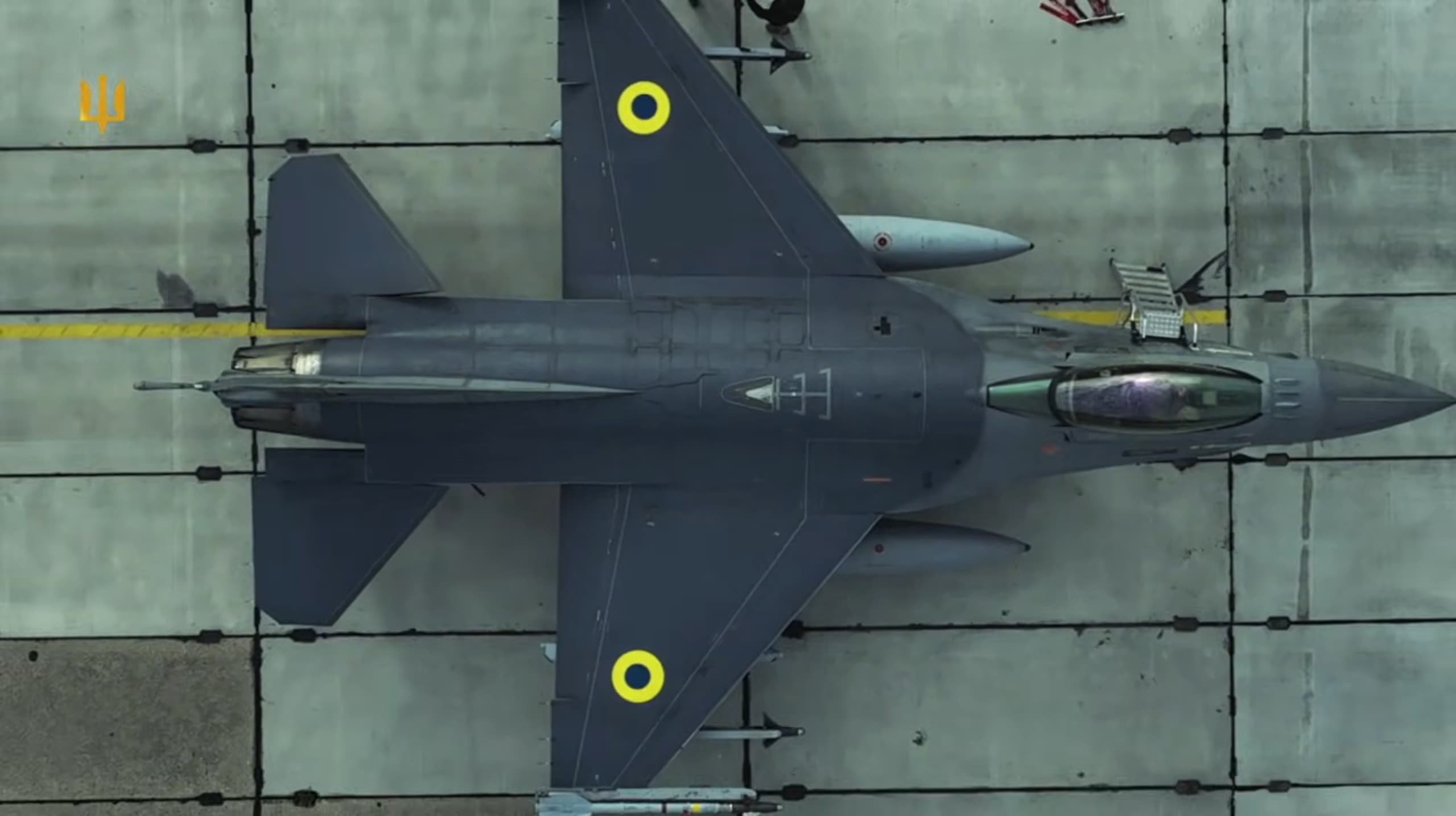
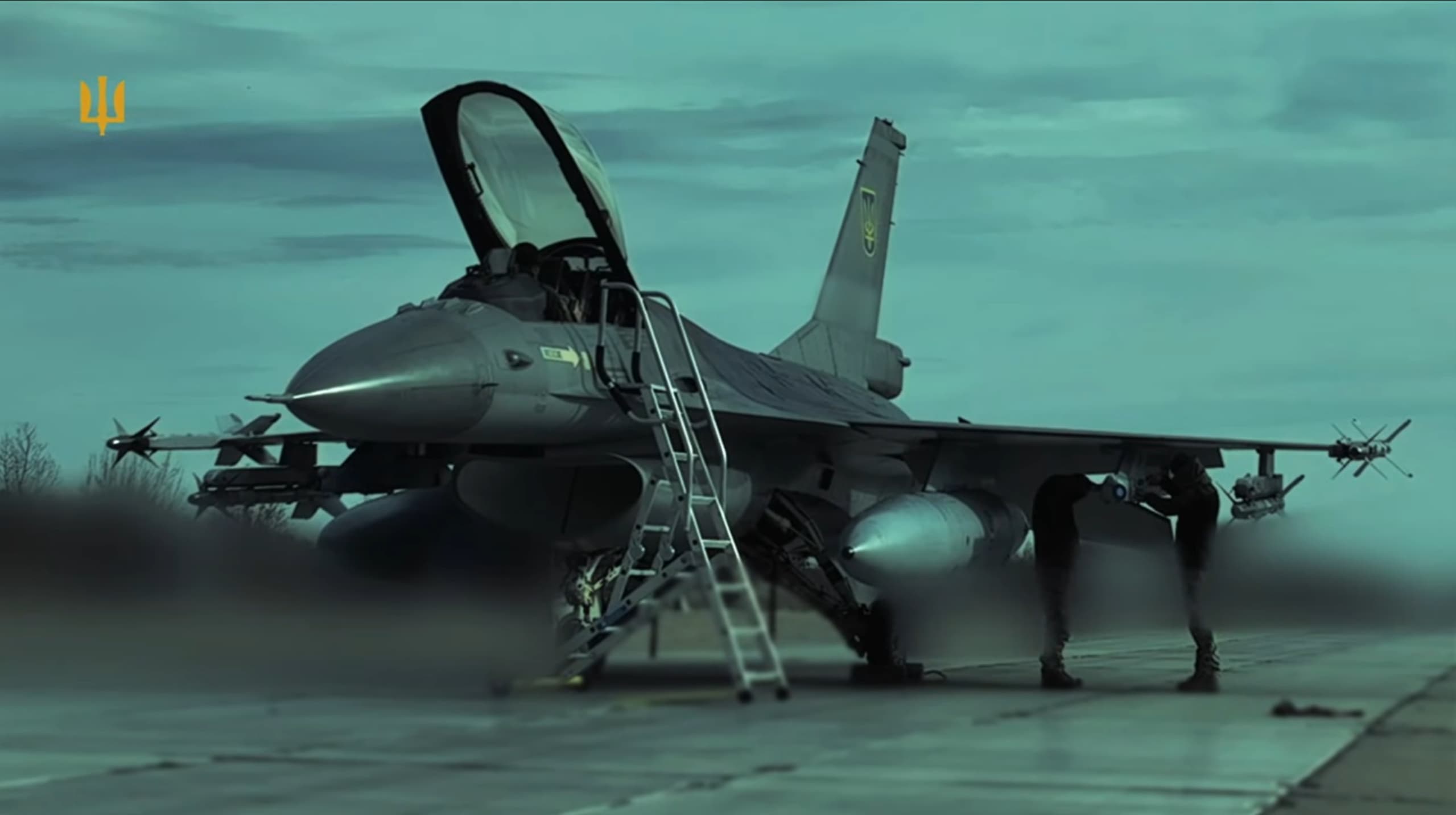
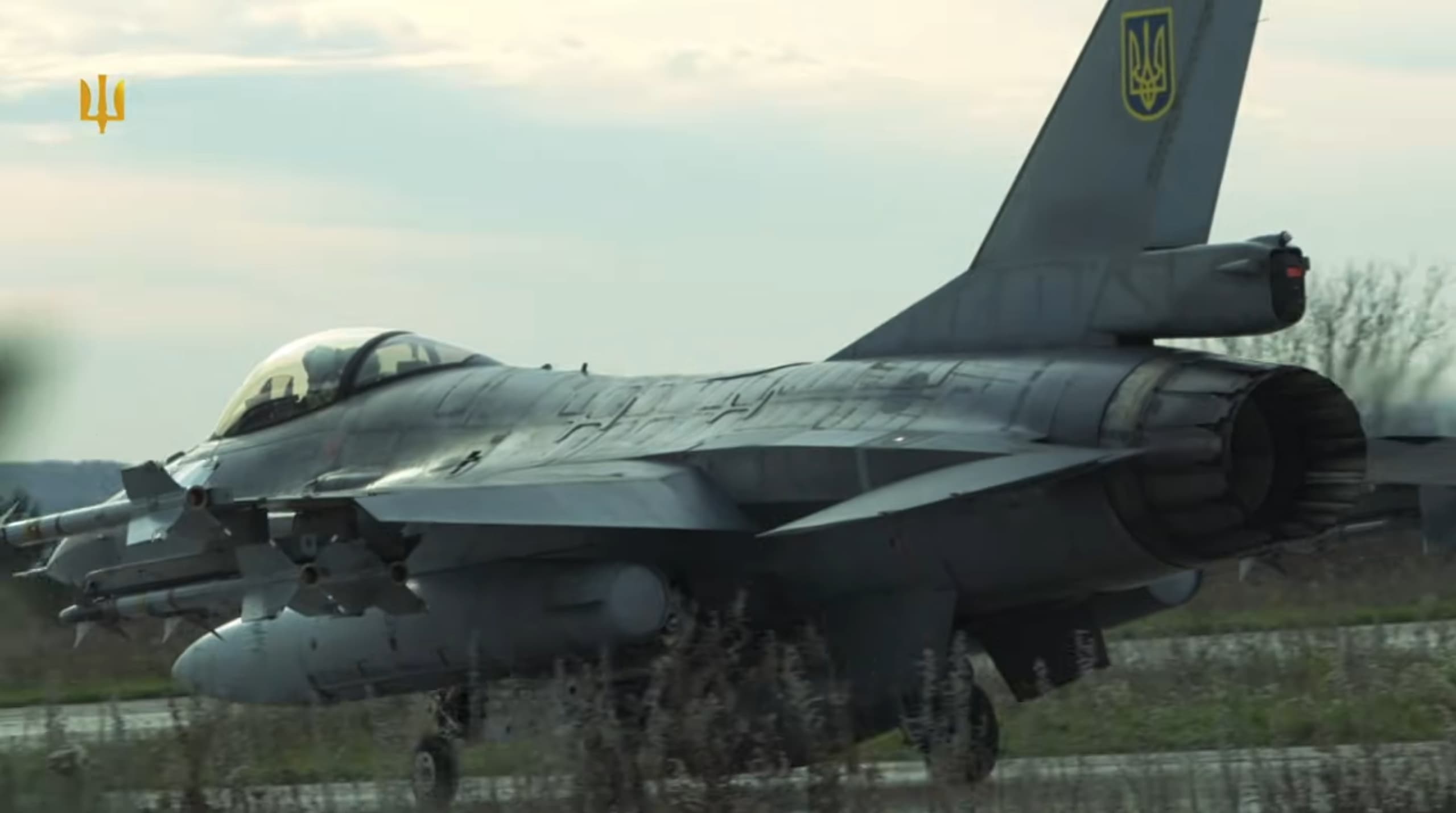
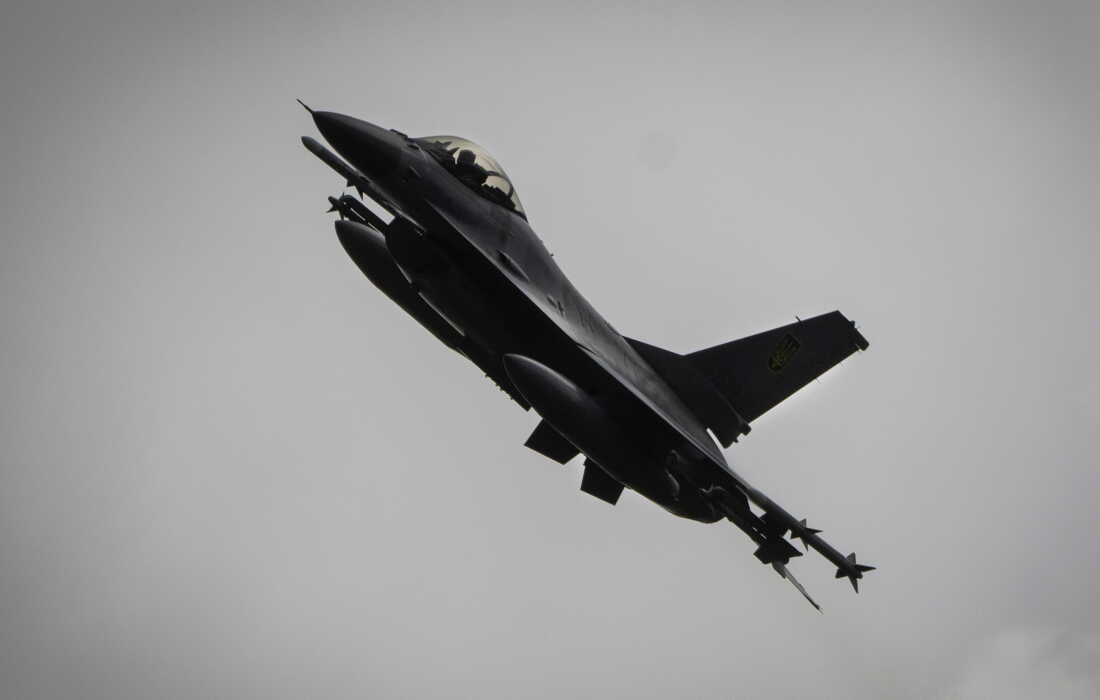
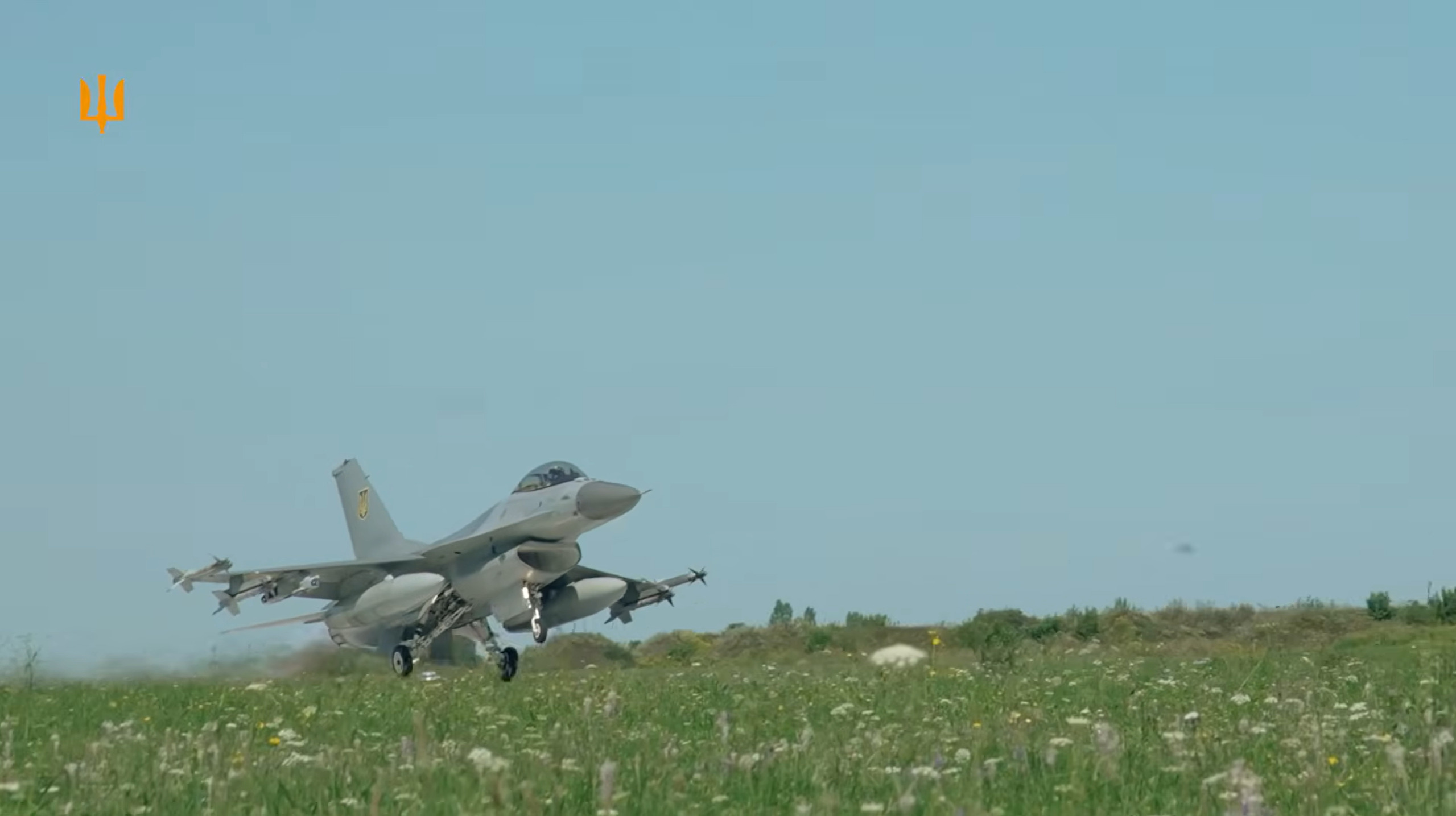


Sources:
Spoiler
https://www.f-16.net/aircraft-database/view_airframes_bysearch/route/view_airframes_bysearch/key/PS%20ZSU/actype/F-16
Ukraine - Povitryani syly Zbroynykh syl Ukrayiny - Ukrainian Air Force - PS ZSU - F-16.net
https://www.f-16.net/f-16_versions_article2.html
Danish Terma Reveals Details on Special Pylons for Ukrainian F-16s | Defense Express
Finally Official: F-16s in Ukraine – What's Behind the Strange Pylon and Golden Light? | Defense Express
Ukrainian F-16 Loadout: Bombs For russians and the Purpose of AN/ALQ-131 ECM Pod | Defense Express
General Dynamics F-16 Fighting Falcon variants - Wikipedia
https://www.bloomberg.com/news/articles/2024-07-31/ukraine-gets-first-delivery-of-f-16-fighter-jets-after-long-wait
Зеленський презентував винищувачі F-16 в українському небі
Ukraine's New F-16s From the Netherlands: What's Different From Danish Version | Defense Express
The Last Viper Commander: Dutch Squadron Boss On Today’s Retirement Of The F-16
https://www.key.aero/article/ukrainian-air-force-f-16-scores-first-russian-fighter-shoot-down
AN/APG-66 - Wikipedia
https://militarnyi.com/en/news/f-16-pilot-shares-stunning-first-person-view-of-ukraine-from-the-cockpit/
https://medium.com/@Forensic-Archive/the-f-16-kill-that-changed-everything-ukraines-historic-su-35-shootdown-deep-in-russia-ce520c89b72c
https://www.key.aero/article/amraams-over-ukraine
Arming Ukrainian Fighters With AIM-120 Missiles Is A Complex Proposition
https://militarnyi.com/en/news/ukrainian-air-force-begins-using-new-aim-9x-block-ii-missiles/
Evidence Of Ukraine Using AIM-120C-8 Missiles Emerges
Ukrainian F-16s Had Only A Handful Of Sidewinder Missiles Available: Report
Ukraine to get more laser-guided munitions to kill drones | DefenseScoop
Ukrainian F-16 Pilot’s Account Of The Challenges Of The Air War
Terma to enhance electronic warfare capabilities of Argentina’s F-16s - Aviacionline
General Dynamics F-16AM Fighting Falcon : General Dynamics
videos:
https://youtu.be/a4E-D4NfFSk
https://youtu.be/yfS1jrZIFqE
https://youtu.be/kwbTB45flFk
Final Words:
The F-16AM in Ukrainian service is no different from other F-16AMs. I am suggesting it not as a unique standalone aircraft, but rather as another option for the future implementation of Ukrainian vehicles in War Thunder. It would play just like the existing Dutch and Belgian F-16AMs. As for the placement of the vehicle in BR brackets, it depends on what armaments developers choose to give it: if limited to the AIM-9L/M and AIM-120B, it could stay around 13.7 (Air RB); but if given more modern weaponry like the AIM-120C-5/-7 and C-8 (which is equivalent to the AIM-120D), alongside the AIM-9X Block II, the BR would jump up to 14.3–14.7 (Air RB), if not higher. As for Ground RB, it could sit around 12.7–13.0, depending on the available armaments.
Thank you for reading my suggestion to the end! If there are any errors, let me know and I’ll fix them.
Regards,
Merkko.