- Yes
- No
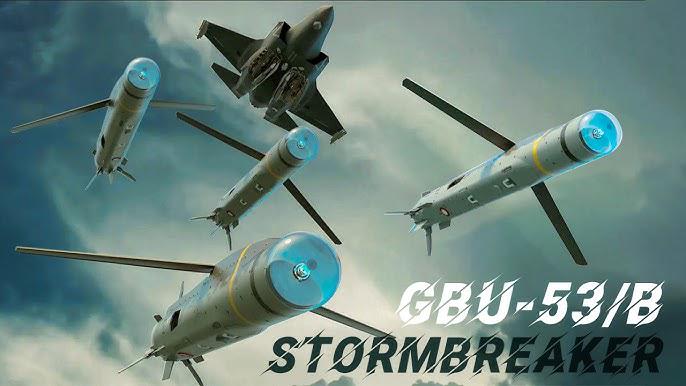
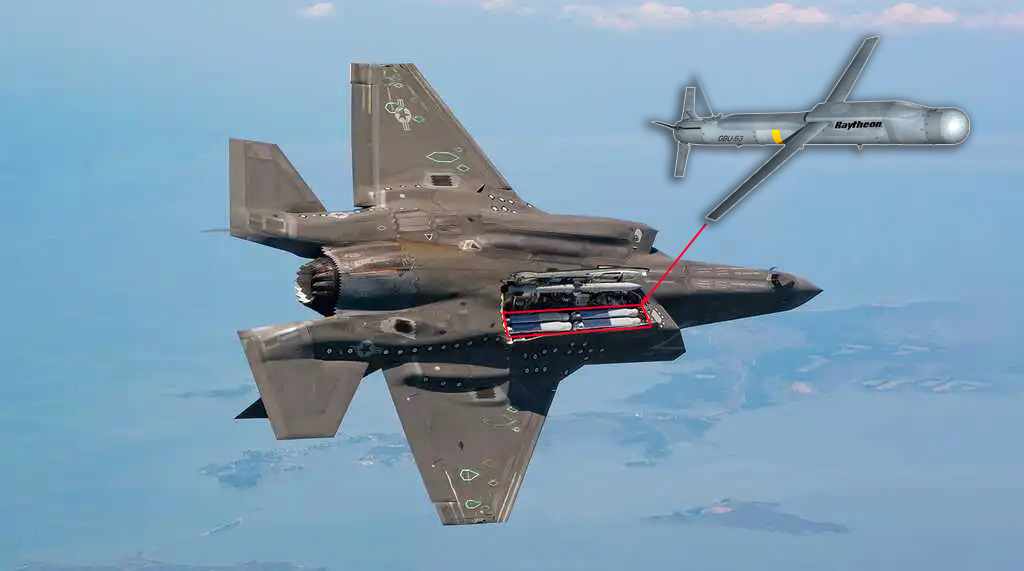
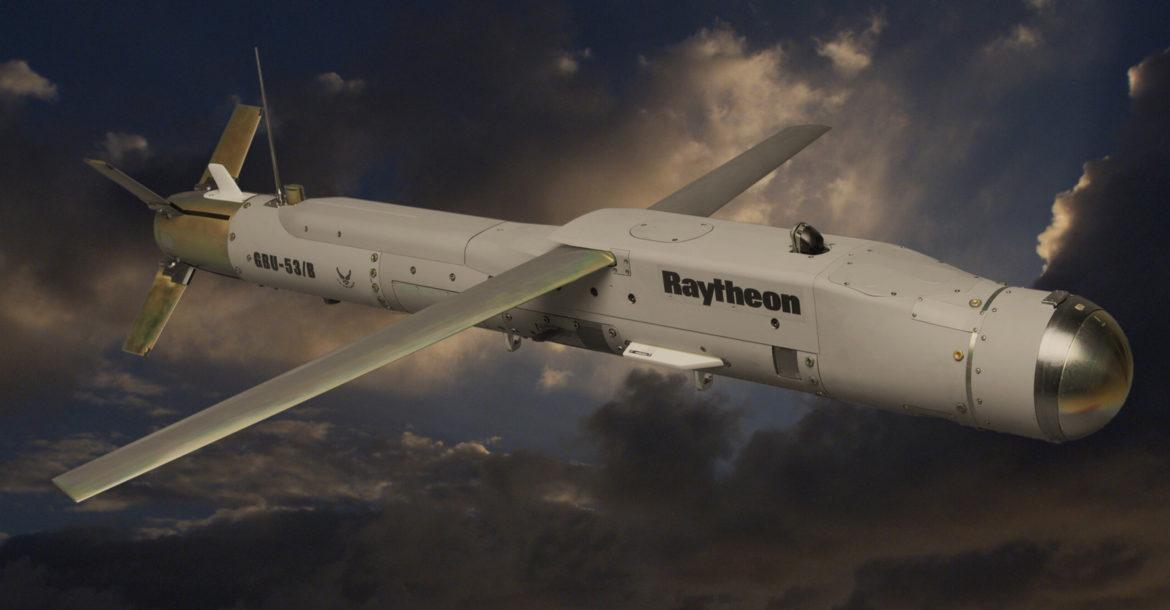
History
In the early 2000s, the U.S. Air Force identified a need for a next-generation precision guided weapon capable of engaging both stationary and moving targets in all weather conditions. Existing weapons such as the GBU-39 Small Diameter Bomb (SDB I) provided high accuracy against fixed targets but lacked the ability to reliably engage moving targets without continuous laser designation.
In 2006, the U.S. Air Force initiated the Small Diameter Bomb II (SDB II) program. The goal was to develop a compact, long-range, Fnf air-to-ground weapon with an advanced multi-mode seeker. Raytheon was awarded the development contract, and the weapon was later designated GBU-53/B StormBreaker.
After a prolonged development and testing phase focused on seeker fusion, networking, and adverse weather performance, the GBU-53/B achieved Initial Operational Capability with the U.S. Air Force in 2020. As of 2024, StormBreaker is operational with the U.S. Air Force and U.S. Navy and is planned to fully replace earlier laser-guided weapons for many strike roles.
Design
Airframe
The GBU-53/B StormBreaker is a compact, unpowered glide bomb designed to fit within internal weapon bays while maintaining extended stand-off range. The bomb features folding wings that deploy after release, significantly increasing lift and glide efficiency.
The airframe is optimized for low drag and reduced radar signature. Despite being significantly lighter than legacy 500 lb class bombs, StormBreaker achieves comparable operational effectiveness through precision guidance and optimized warhead design. As an unpowered glide weapon, it relies entirely on launch altitude and speed for range.
Warhead
StormBreaker is equipped with a multi-effects warhead designed to defeat a wide range of targets including armored vehicles, soft targets, and fortified structures.
The warhead combines a shaped charge for armor penetration with blast and fragmentation effects. This allows the GBU-53/B to engage main battle tanks, light armored vehicles, and high-value surface targets using a single munition. The design prioritizes lethality while minimizing collateral damage compared to larger conventional bombs.
Guidance
The GBU-53/B uses a tri-mode seeker combining imaging infrared, mmw radar, Semi-active laser, and GPS aided inertial navigation. These sensors are fused to allow autonomous target acquisition and tracking in all weather conditions, including rain, smoke, dust, and battlefield obscurants.
The weapon supports Fnf operation and is capable of engaging moving targets without external designation after release. Two-way datalink functionality allows limited in-flight target updates and retargeting prior to terminal phase.
Variants
GBU-53/B: Baseline production variant featuring tri-mode seeker and multi-effects warhead.
Platforms
F-15E
F-16C
F/A-18E
F-35A/B/C (In the future)
F-22A (In the future)
Compatibility note
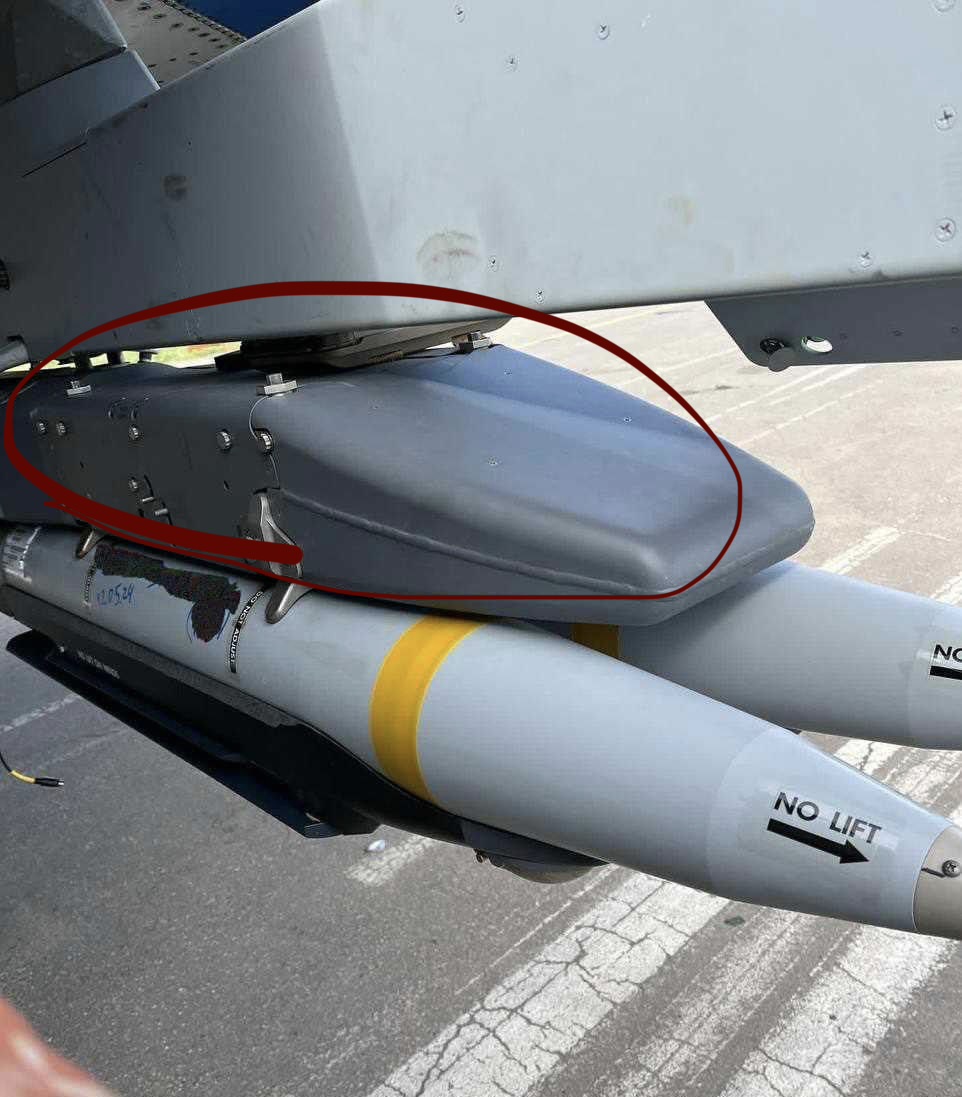
The GBU-53/B StormBreaker uses the exact same BRU-61/A miniature munitions carriage rack as the already implemented GBU-39/B Small Diameter Bomb I. This means every aircraft currently capable of carrying the GBU-39 can also mount the StormBreaker without any new pylons or modifications.
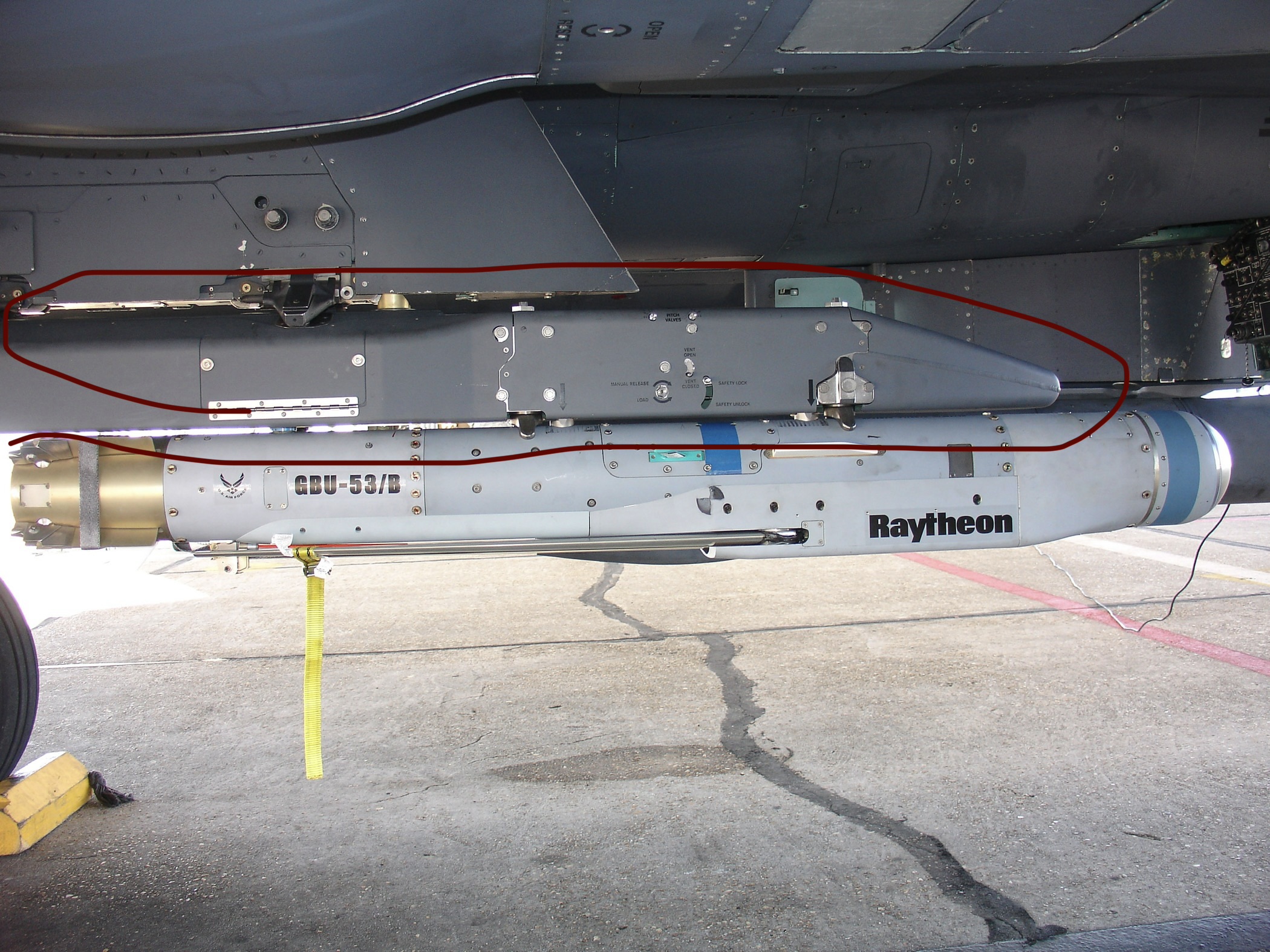
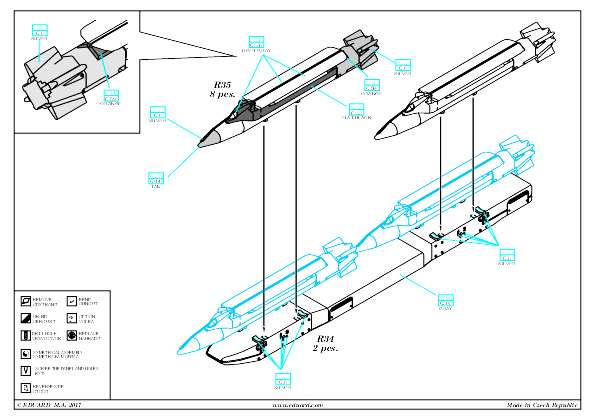
Specifications
Length: ~69 in (1.75 m)
Diameter: ~7 in (18 cm)
Wingspan (deployed): ~60 in (1.52 m)
Weight: ~204 lb (93 kg)
Warhead:
• 105 lb (48 kg) HEAT-F
• Blast
• Fragmentation
• AFX-757 Explosive Fill
• Selectable Fuze (Impact / Proximity / Delay)
Guidance:
• IIR
• MMW
• SAL
• GPS/INS
Range:
• Stationary / fixed targets: Up to 60 nautical miles ~ 111km
• Moving targets: Up to 40 nautical miles ~ 74km
Launch envelope:
• High subsonic to supersonic release
• Compatible with internal and external carriage
• All weather, day and night capability
Sources:
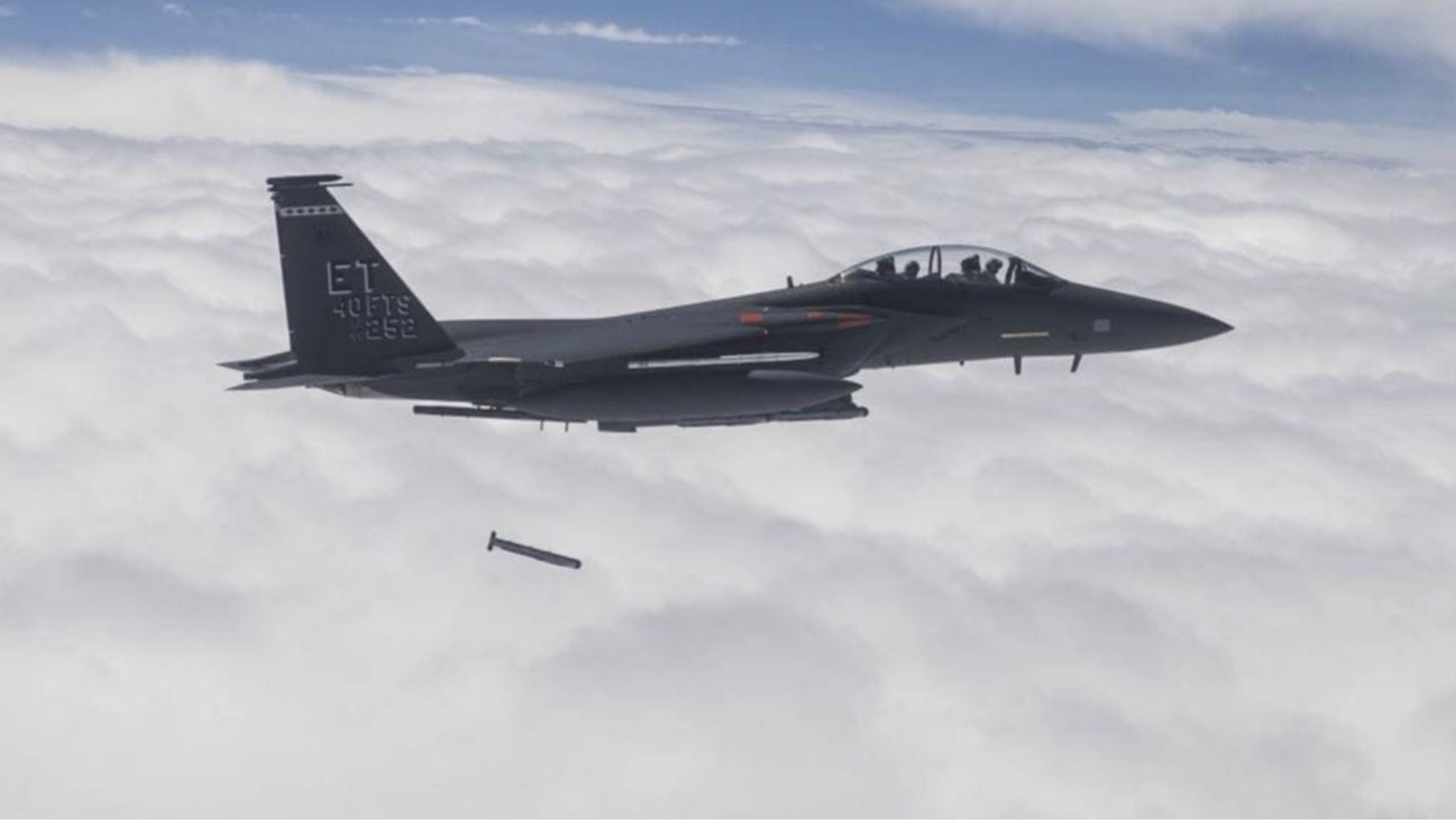
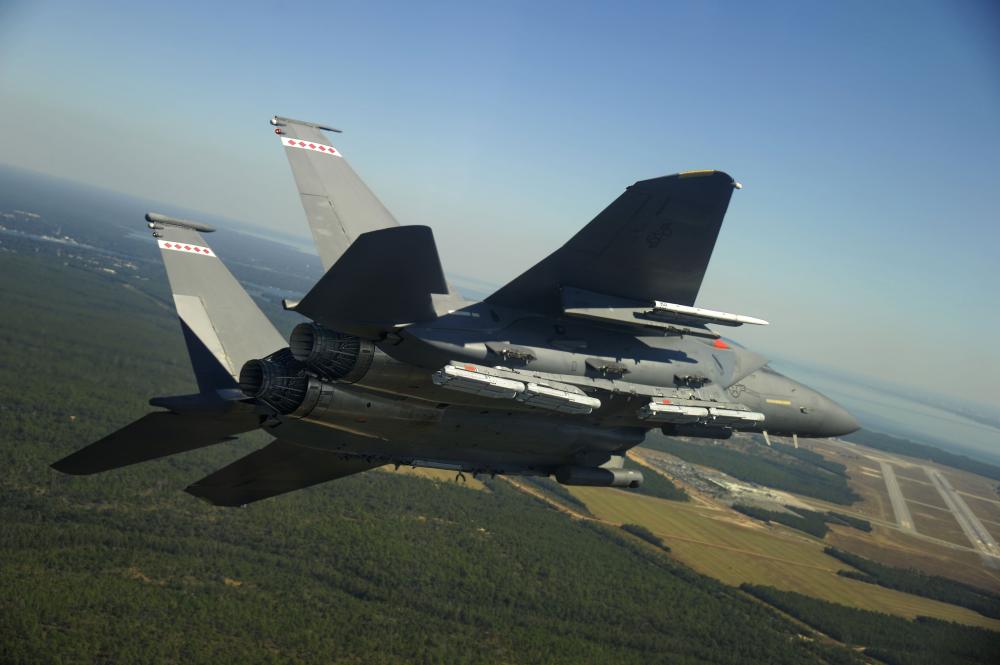
GBU-53/B fitted on F-15E:
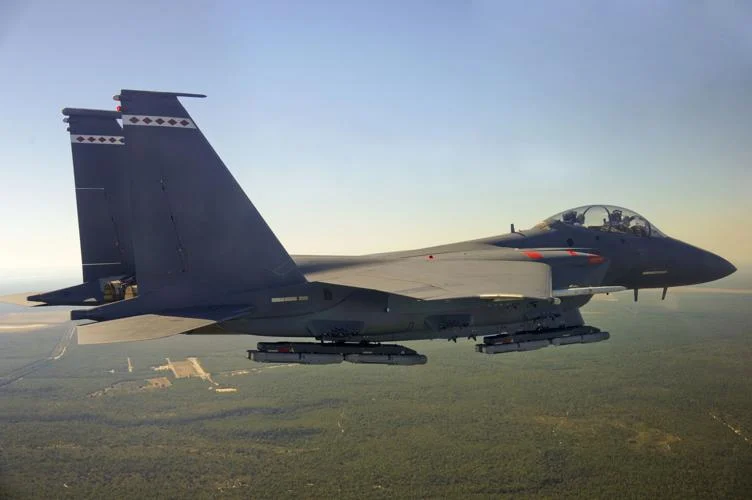
GBU-53/B fitted on F-16D Block 50:
Spoiler
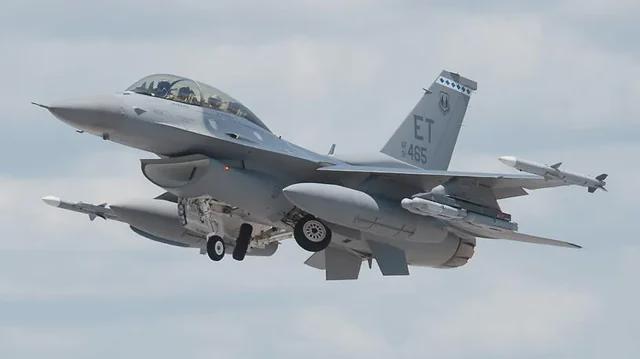
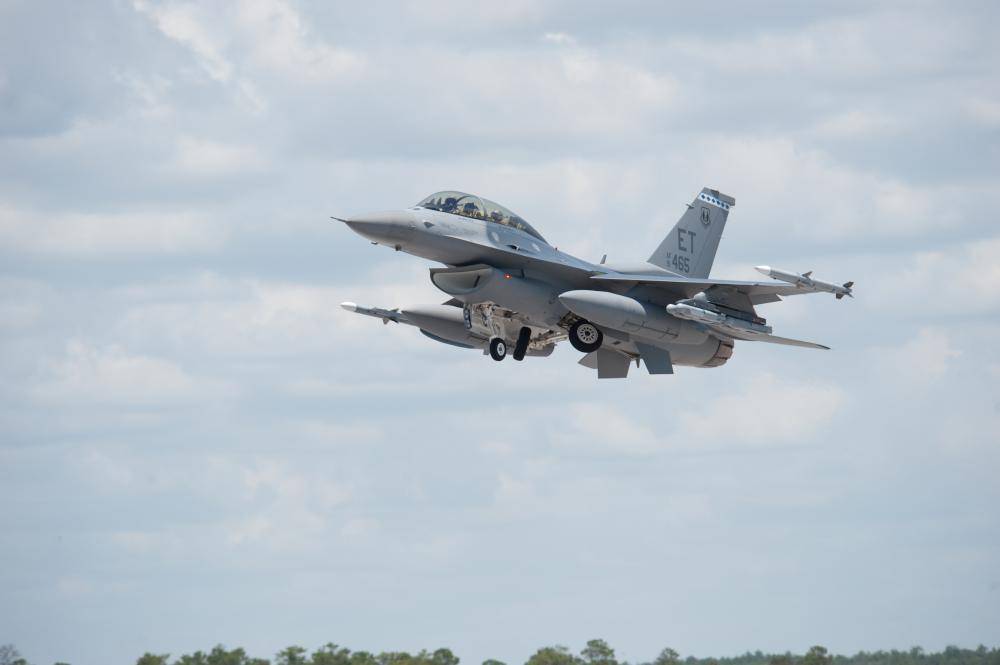
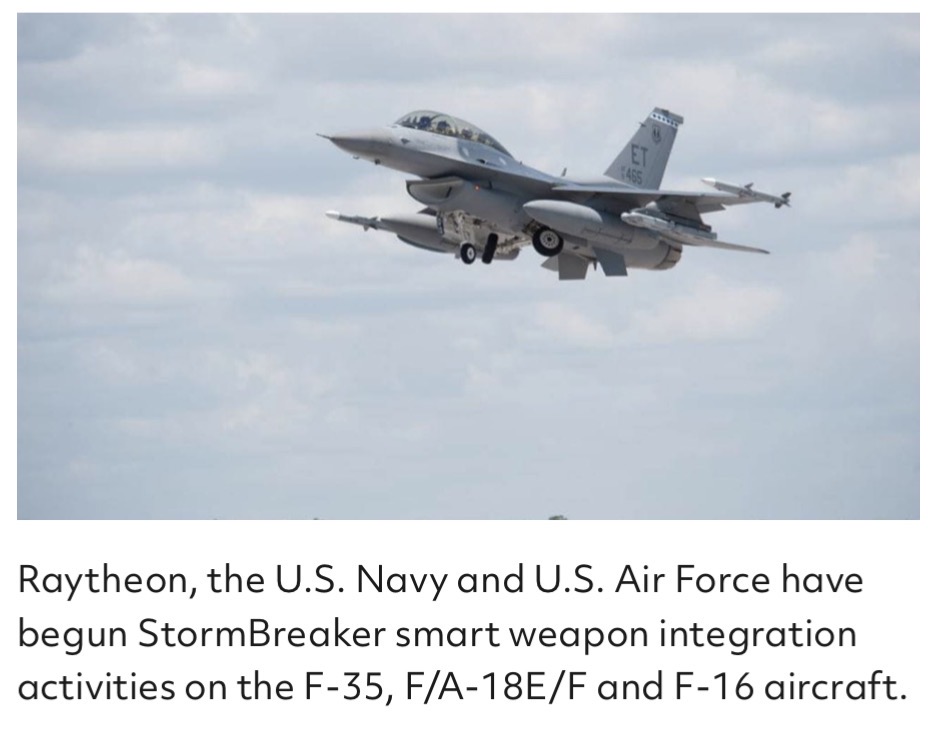
(85th Test and evaluation squadron, Eglin Air Force Base. Florida)
Posted on Raytheon’s (RTX) official website
StormBreaker Smart Weapon | Raytheon
Raytheon (RTX) promotional video: https://youtu.be/C8LoRO5UHoQ?is=r_CKoAmLMMgUEdIN
F/A-18E Super Hornet dropping GBU-53/B: https://youtu.be/x5OEJA-nXFM?is=z4tUEg-VZuL4Jh0t
F-35B fitted with GBU-53/B’s:

More info and stat confirmation from OEM Manual:
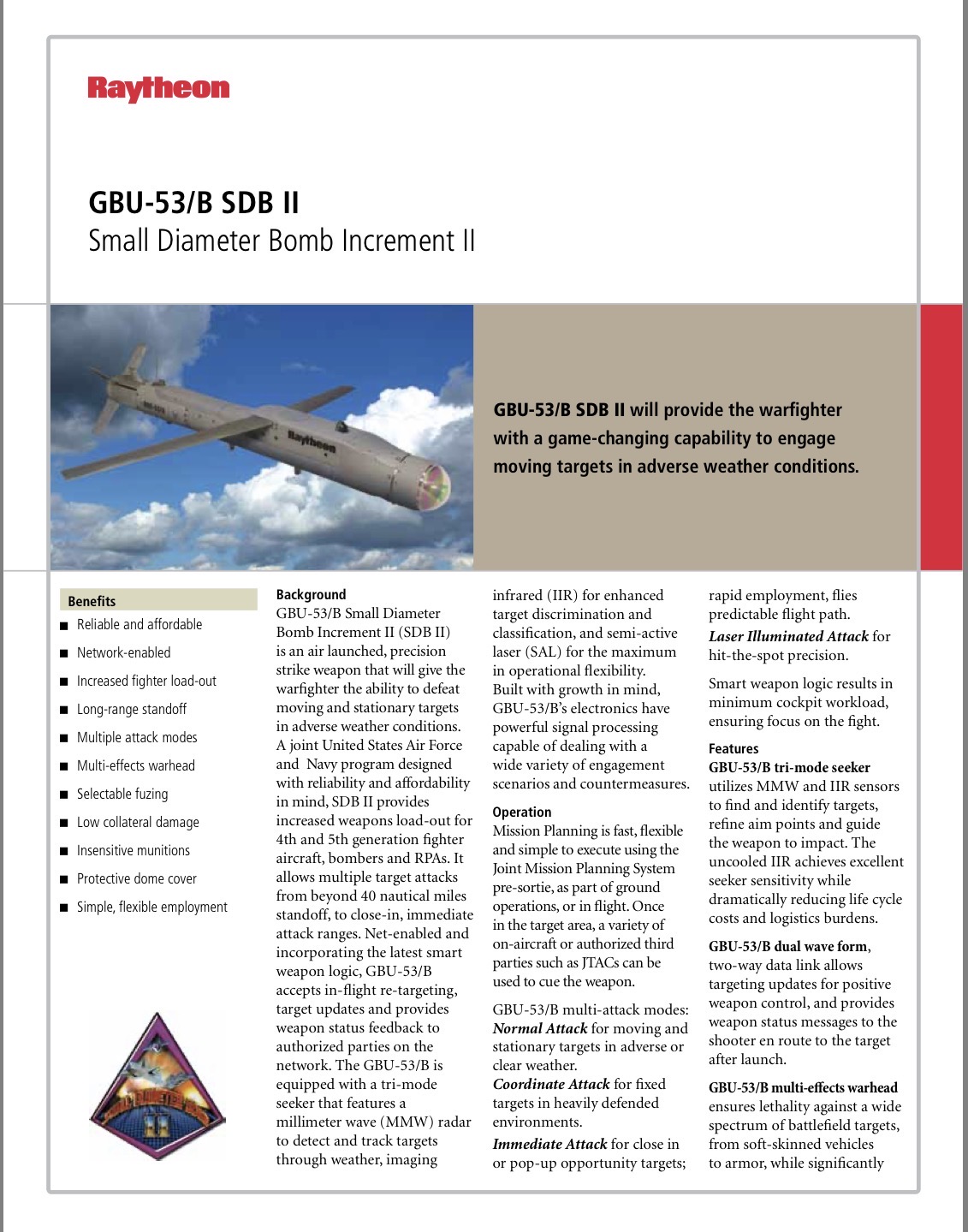
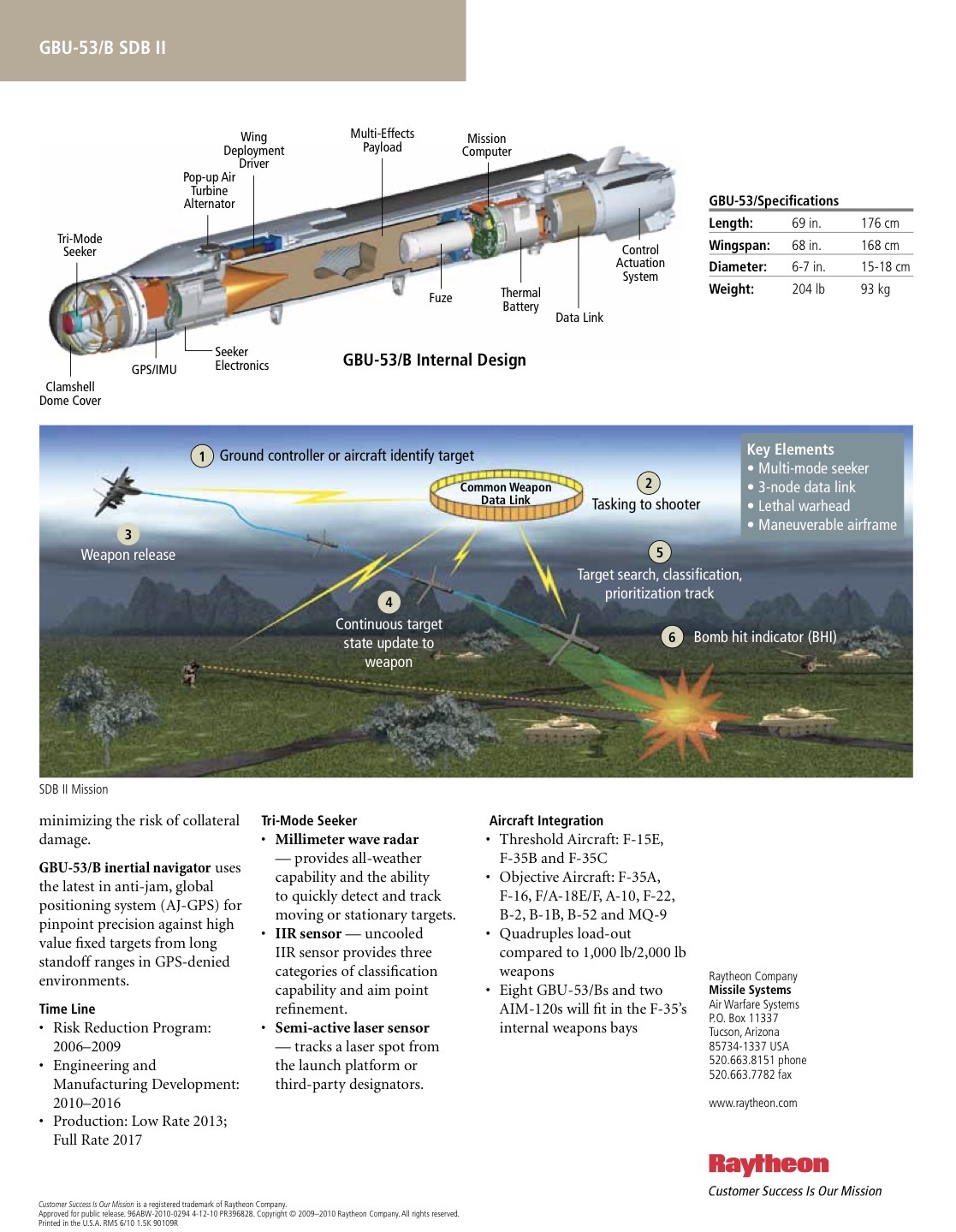
Link to oem manual:
Thank you for reading my suggestion! I’d love to hear what you think, please leave a comment before you leave :)