- Yes
- No
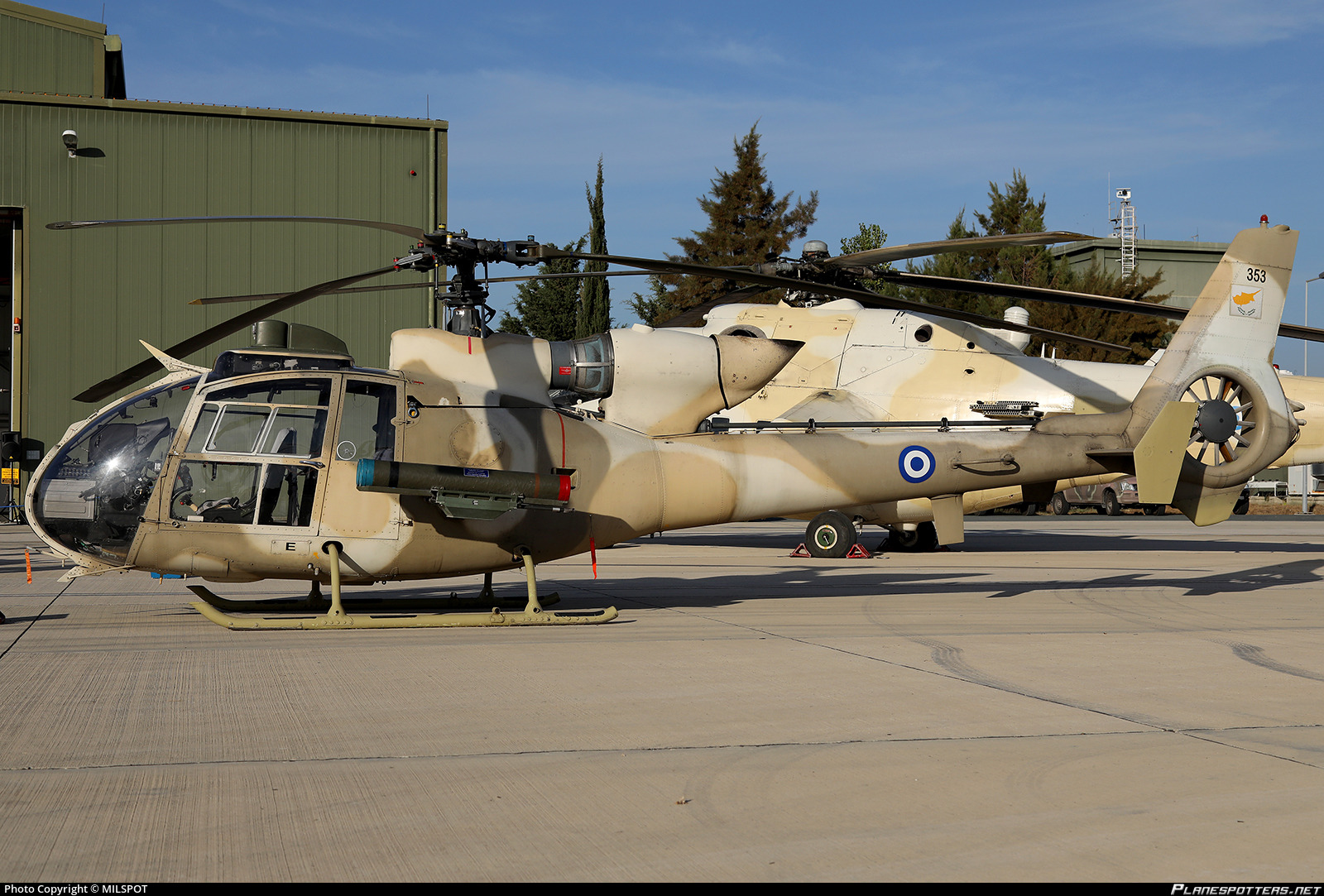
The Aérospatiale Gazelle (SA 340/341/342) is a lightweight, five-seat, single-engine utility and attack helicopter developed in France.It is notable for pioneering features like the fenestron (ducted fan tail rotor) and for its agility, speed, and versatility in both military and civilian roles.
Development began in the mid-1960s under Sud Aviation (later Aérospatiale) to replace aging Alouette II and III helicopters for the French Army. The goal was a faster, more modern light observation and liaison platform, with the design enlarged for broader appeal and export potential.
- The prototype SA 340 first flew on April 7, 1967, piloted by Jean Boulet at Marignane, France. It initially used a conventional tail rotor from the Alouette II and components from earlier designs, paired with a new semi-rigid main rotor (influenced by the MBB Bo 105).
- The second prototype adopted the distinctive fenestron shrouded tail rotor in 1968, which improved safety (especially on the ground), reduced noise, and enhanced handling. This became a signature feature.
- A Franco-British agreement in February 1967 led to collaboration with Westland Helicopters (UK), tying the Gazelle into a broader program that also included the Puma and Lynx. Westland produced many units for British forces.
- Pre-production SA 341 models followed, with the first production Gazelle flying on August 6, 1971. It entered service around 1973.
The Gazelle set speed records early on (e.g., ~307 km/h over 3 km and ~292–294 km/h over 100 km in 1967/1971), highlighting its sleek design and performance as one of the fastest light helicopters of its era.
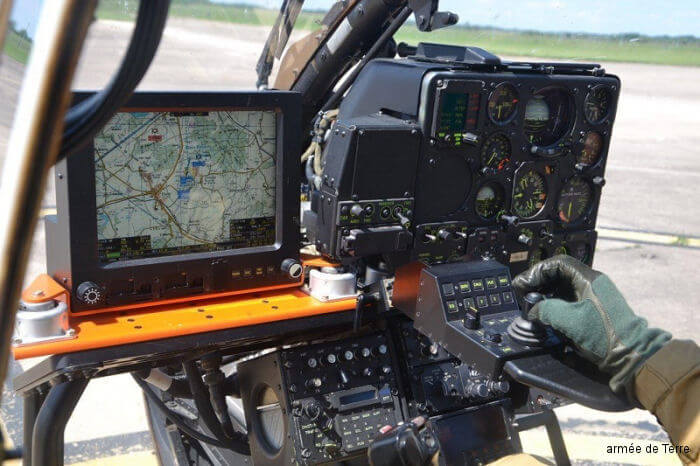
Production ran from 1967 to 1996, with approximately 1,700–1,775 units built. Manufacturing occurred in France (Aérospatiale), the UK (Westland, ~262 units), and under license in Yugoslavia (SOKO) and Egypt (ABHCO). Key technological advances included the fenestron, composite rotor blades, and it was the first helicopter certified for single-pilot IFR (instrument flight rules) operations.
Legacy
The Gazelle bridged the gap between early piston helicopters like the Alouette and more modern attack helicopters. Its innovations influenced later designs (e.g., fenestron on other Eurocopter/Airbus models). While production ended decades ago, many examples remain operational worldwide in military and civil roles due to their maintainability and performance. It continues to serve as a capable light scout/attack platform where heavier assets are not needed.
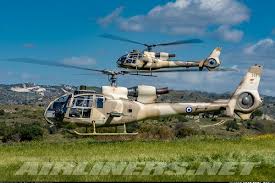
The introduction of the Aérospatiale Gazelle helicopter marked a significant milestone in the modernization of the Cyprus Air Command, part of the Cypriot National Guard. Acquired in the late 1980s, these French-built aircraft represented one of the island nation’s earliest efforts to develop a dedicated rotary-wing capability beyond basic utility and transport roles. Their story reflects Cyprus’s broader defense priorities in a geopolitically sensitive environment, emphasizing agility, reconnaissance, and integration into a small but professional air arm.
Cyprus’s aviation history traces back to independence in 1960, initially focused on light aircraft for search and rescue, transport, and civil support tasks. Until the late 1980s, many operations used civilian registrations. The push for a more structured military air component gained momentum in the mid-1980s amid regional security concerns.
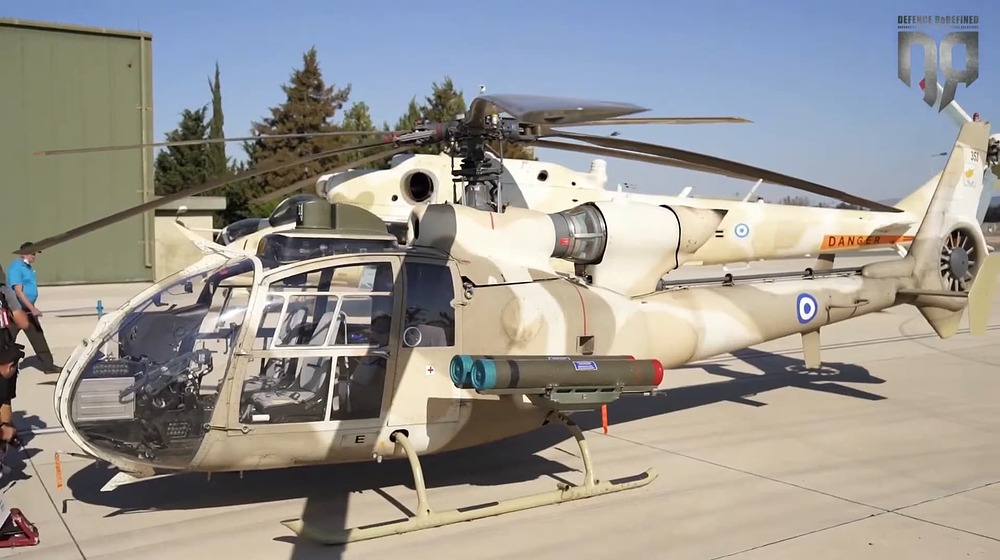
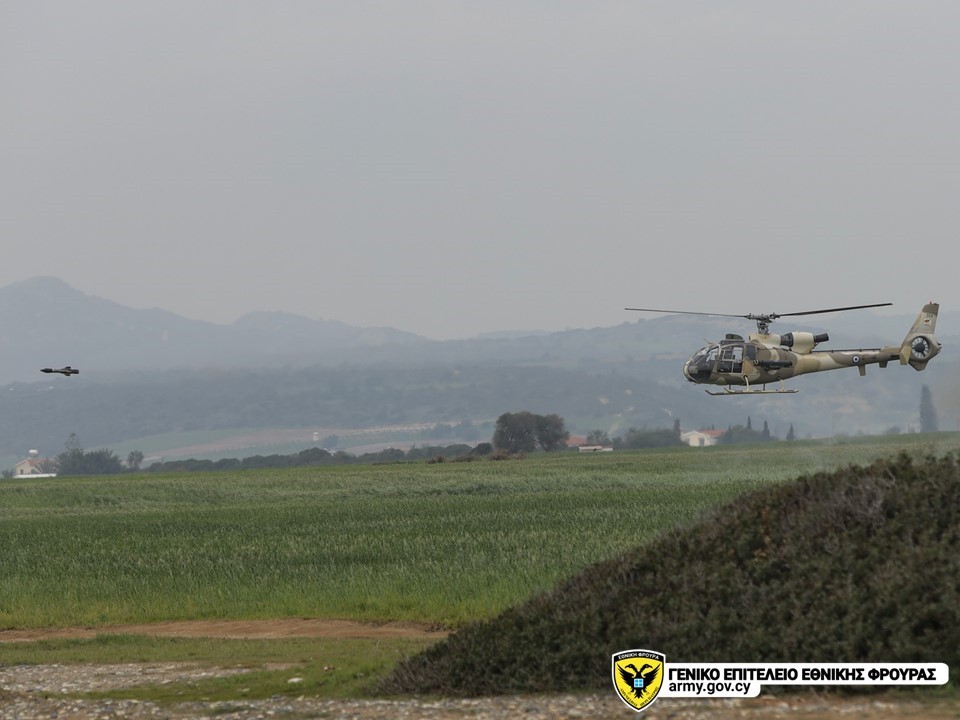
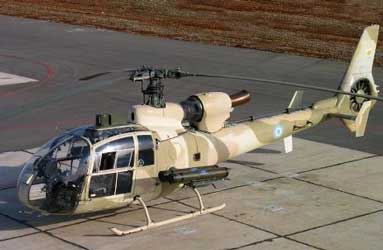
In June 1987, the Cyprus National Guard placed an order for six SA 342L Gazelles (export variant, sometimes designated SA 342L1). Deliveries commenced in January 1988, with the helicopters entering service that year. This acquisition was part of a larger French-sourced package that strengthened the National Guard’s overall capabilities. The aircraft received serial numbers 351 through 356 and were assigned to early helicopter units.
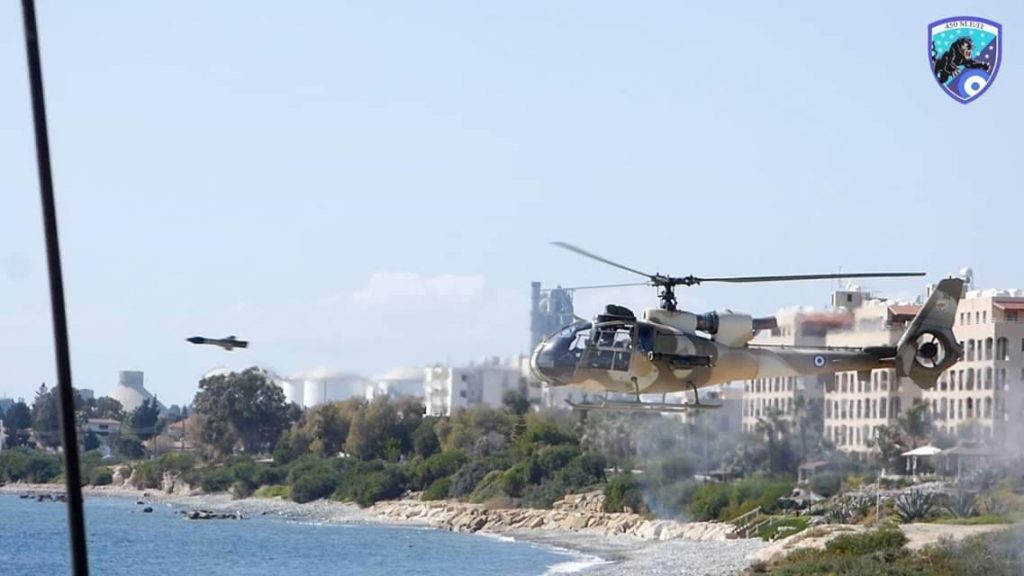
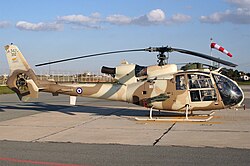
Upon arrival, the Gazelles were painted in a three-tone desert camouflage scheme (light and dark sand with olive tones), paired with low-visibility national markings, including a Cyprus flag fin flash and Hellenic-inspired roundels. This livery aligned with the island’s terrain and reflected close military ties with Greece. The Gazelles quickly became a core asset, operating primarily from Lakatamia (near Nicosia) in their initial years. They formed the backbone of the Cyprus Air Force’s lighter helicopter fleet during a period when the service was transitioning to more overtly military operations and markings.
Throughout the 1990s and 2000s, the Gazelles supported a range of non-combat roles, including reconnaissance, observation, liaison, and training. Their compact size and performance characteristics made them well-suited for operations in Cyprus’s varied landscape, from coastal areas to more rugged inland regions. They complemented other early acquisitions, such as Bell 206 utility helicopters.
Operational Evolution and Organizational Changes
By the early 2000s, organizational reforms consolidated Cyprus’s helicopter assets. In 2010, following the closure of the Lakatamia base and the disbandment of the dedicated 449 Helicopter Squadron, the remaining Gazelles transferred to the 450th Helicopter Squadron (450 ME/P) at Andreas Papandreou Air Base near Paphos. This move integrated them with heavier Russian-origin Mi-35P Hind helicopters under a single combat-oriented unit (established in 2001). Within the squadron, the Gazelles operated in the first platoon (“Scorpion”), fostering close tactical cooperation with the Hinds in the second platoon (“Panther”). This pairing allowed for mixed formations, leveraging the Gazelle’s strengths in forward scouting and observation.
Pilots and crews gained extensive experience on the type, with training often aligned with Hellenic Air Force practices due to longstanding bilateral ties. The Gazelles contributed to routine patrols, currency flights, medical evacuation support, and joint exercises, helping maintain readiness without leaving Cypriot territory for overseas deployments.
Current Status and Transition to New Generations
Of the original six aircraft, not all remained fully operational over time. One (serial 351) appears to have been withdrawn relatively early, likely for spares or technical training. By the 2010s and into the 2020s, four Gazelles were reported as active (commonly serials 352–355), with at least one other (356) in reduced or non-operational status. The fleet underwent a significant overhaul around 2014, with work reportedly completed in France (Valence-Chabeuil) by Aerotec Group to extend service life.
Maintenance and sustainment of these 1980s-vintage helicopters presented ongoing challenges typical of legacy platforms, including parts availability and the need for periodic upgrades. Despite this, the Gazelles demonstrated reliability in the Cypriot context, operating effectively alongside more modern types like the AgustaWestland AW139 for search and rescue. Their presence helped bridge gaps in the Air Command’s capabilities during a period of fleet diversification.
As of the mid-2020s, the Gazelles continue in limited service within the 450 Squadron, representing a living link to Cyprus’s late-20th-century defense buildup. However, they are increasingly viewed as legacy assets. The arrival of Airbus H145M multi-role helicopters (first deliveries in 2025, with more planned) signals a major shift. These newer aircraft are intended to replace older heavy types like the Mi-35P and will gradually assume many roles currently filled by the Gazelles, offering improved performance, modern avionics, and greater versatility.
Plans discussed in prior years (such as 2017 proposals for additional Gazelles with enhanced night and all-weather features) did not fully materialize, as priorities moved toward broader fleet renewal. There remains the possibility of selling or retiring the remaining Gazelles as the H145M fleet matures, potentially closing this chapter in Cypriot aviation history.
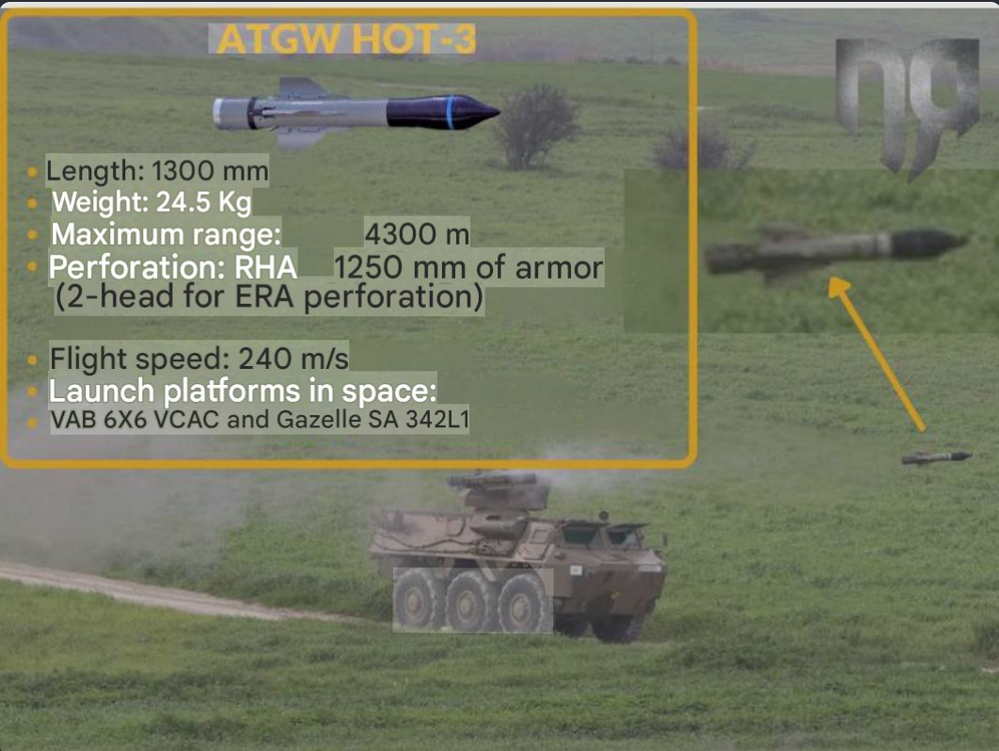
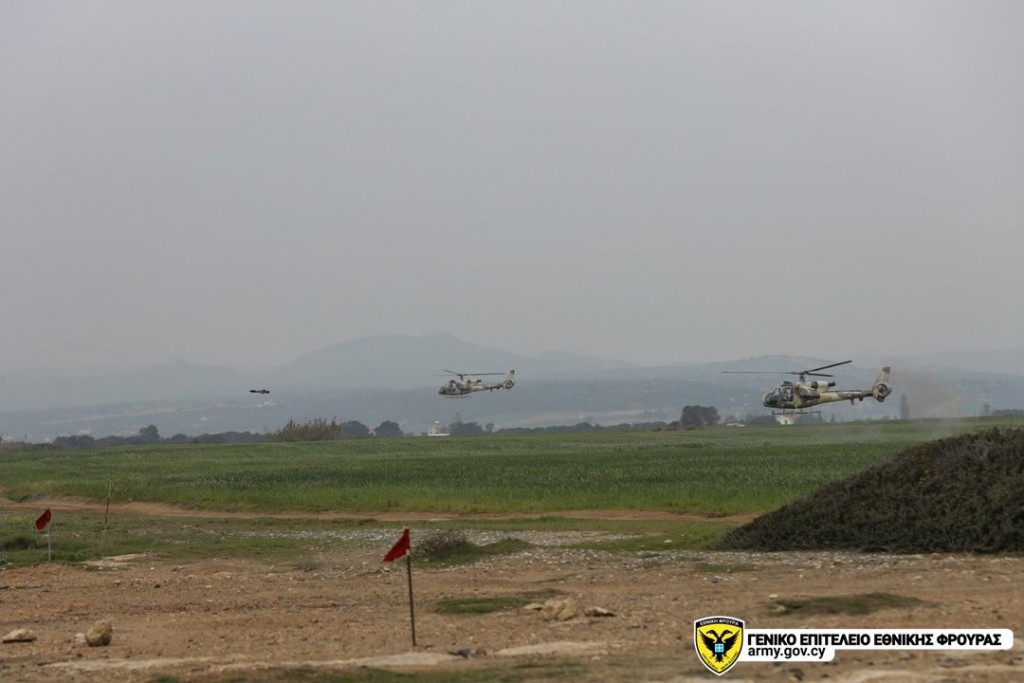
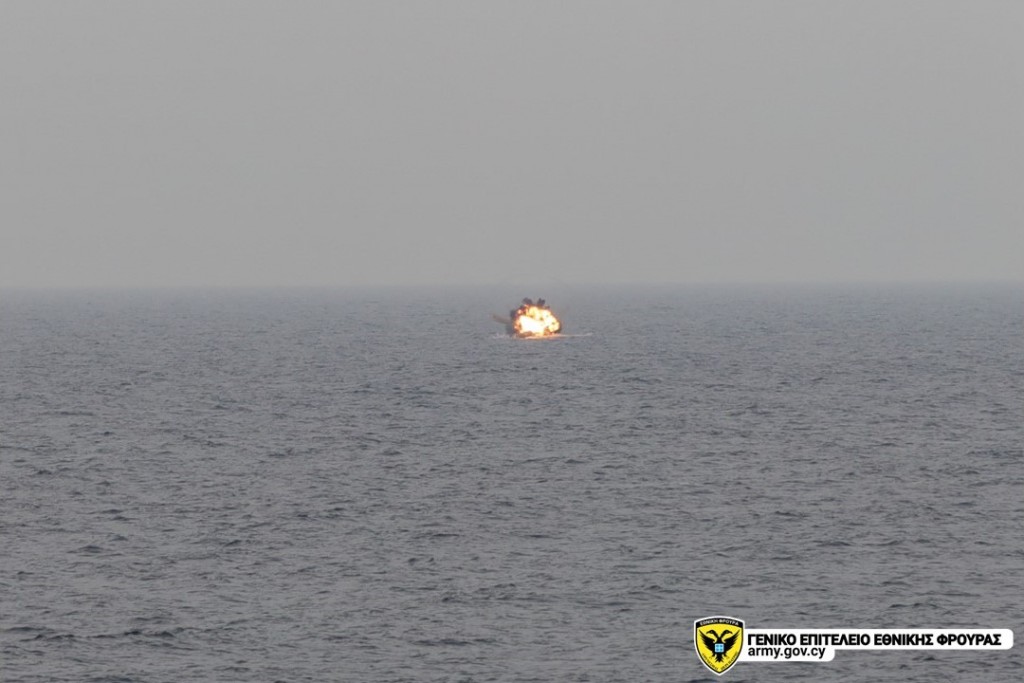
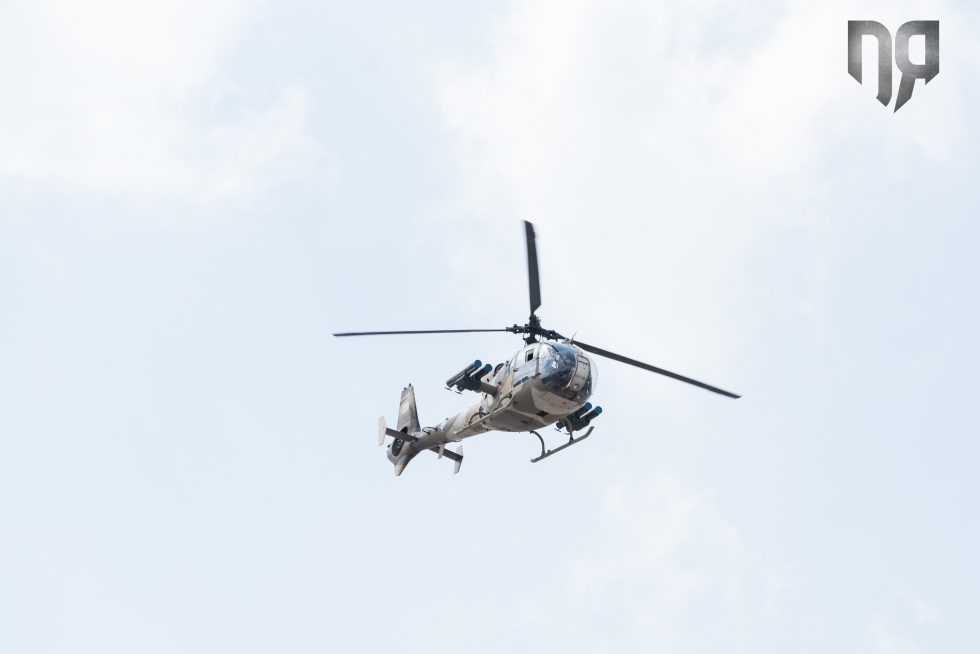
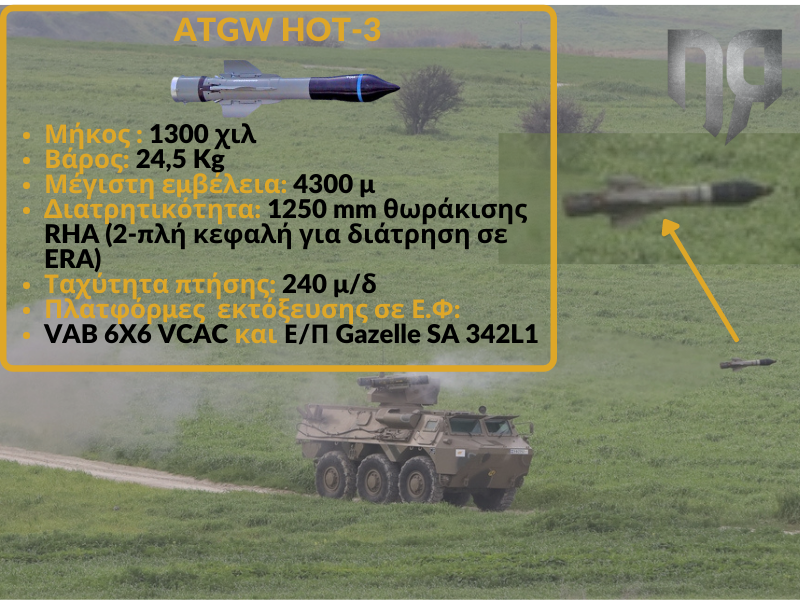
The Gazelle SA 342L can carry up to 4 HOT-3 missiles, and no other type of armament is available
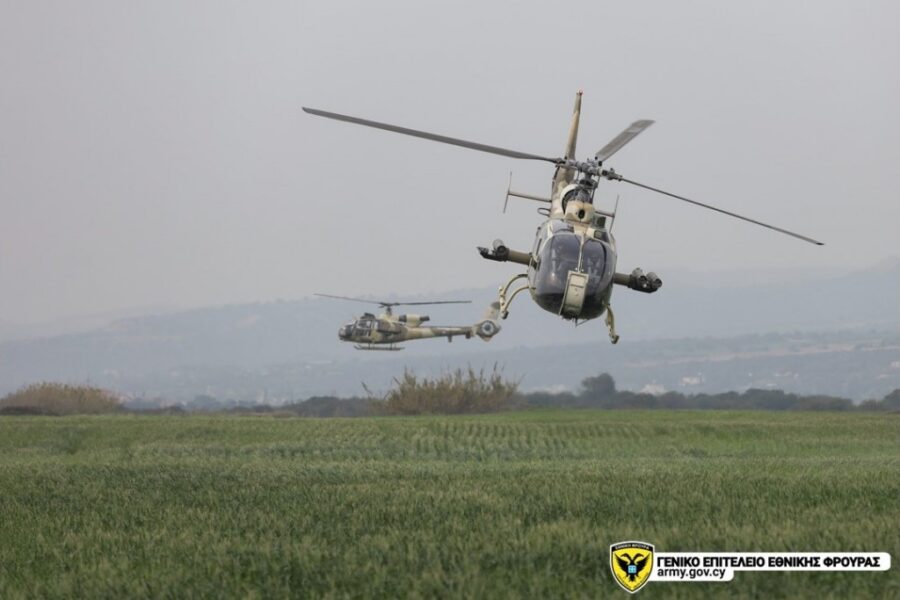
General Characteristics
Crew: 2 (pilot + gunner).
Capacity: Up to 3–4 passengers (total 5 people in utility role).
Dimensions:
- Main rotor diameter: 10.5 m
- Fuselage length: 9.53 m
- Overall length (rotors turning): ~12 m
- Height: ~3.15–3.2 m
Empty weight: 920–1,000 kg (approx.)
Max takeoff weight: 1,900–2,000 kg (up to 2,100 kg in some armed versions)
Useful load: ~700–1,000 kg (depends on fuel and weapons; external hook ~600 kg)
Engine and Powerplant
- Engine: 1 × Turboméca Astazou XIVM turboshaft
- Power: Up to 870 shp (shaft horsepower)
- Fuel: Main tank ~445–545 liters; optional extra tanks
- Fuel use: Roughly 180–270 liters per hour (with weapons load)
Performance (approximate, sea level, standard conditions)
- Maximum speed: 310 km/h
- Cruise speed: 230–260 km/h
- Rate of climb: ~8.5 m/s
- Service ceiling: 4,000–5,000+ m (lower when heavily loaded)
- Hover ceiling: Good performance near the ground; lower when out of ground effect
- Range: 400–700 km (depends on load)
- Endurance: 2.5–3.5 hours (e.g., ~2.5 hours with 4 HOT missiles)
These numbers can change based on weight, weapons, altitude, temperature, and specific modifications. The SA 342L1 is known for being agile, relatively fast, and easy to maintain.
Sources
Aérospatiale Gazelle - Wikipedia
Gazelle (hélicoptère) - Définitions - Techno-Science
Aérospatiale SA.342 Gazelle — avionslegendaires.net
https://www.hellenicaworld.com/Cyprus/Military/en/MilitaryOfCyprus.html
Hélicoptère Gazelle | Ministère des Armées et des Anciens combattants
Présentation de l'hélicoptère SA342 M GAZELLE ALAT - ALAT.FR
Pour le commandant de l’ALAT, l’hélicoptère Gazelle est « irremplaçable »
https://www.airforce-technology.com/projects/aerospatiale-gazelle/?cf-view