Would you like to see a Nomad in War Thunder?
- Yes
- No
0
voters
Introduction
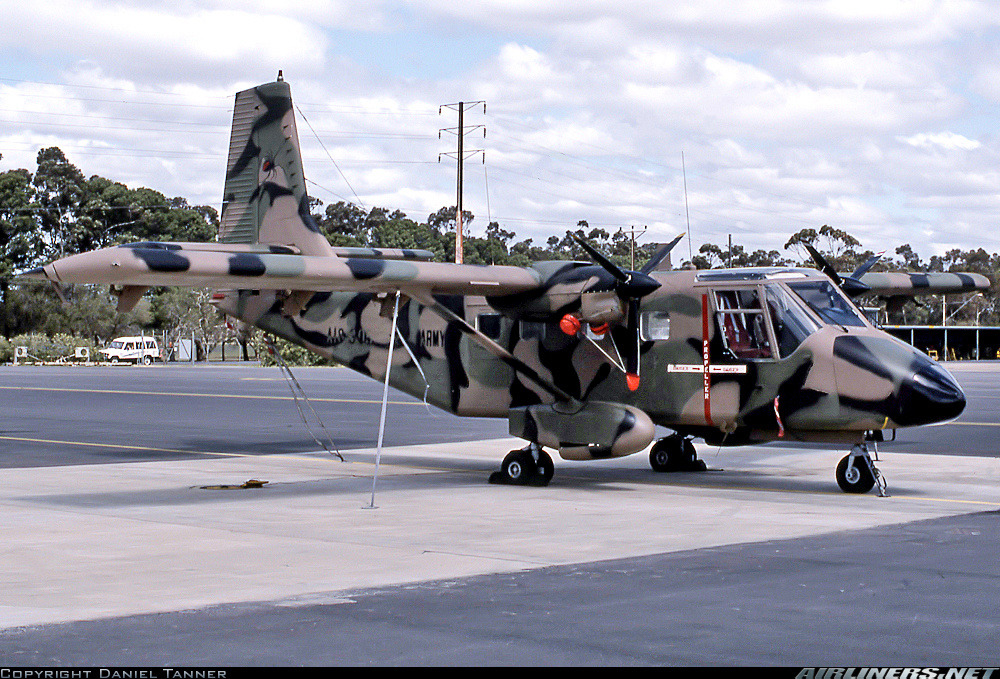
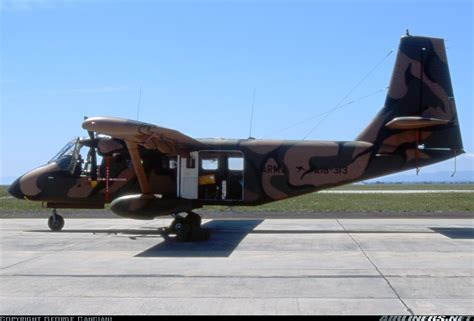
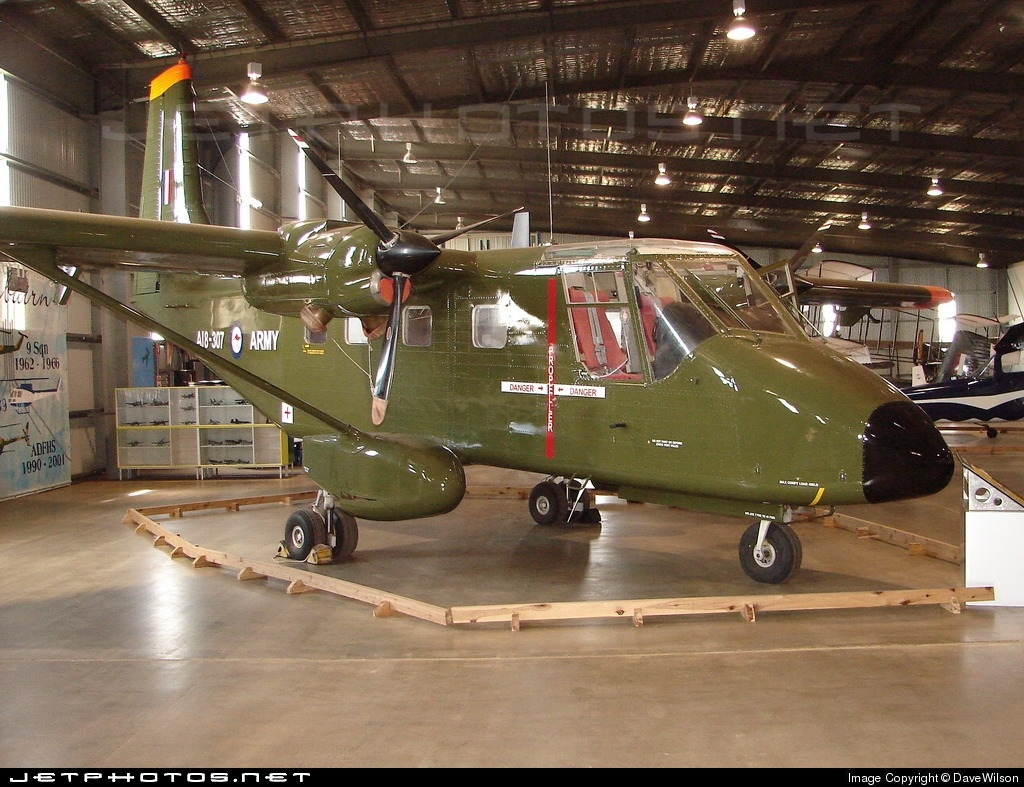
In 1965 development began at Government Aircraft Factories for a new utility aircraft. Originally envisioned as a single engined turbo prop, after contacting the Army for feedback in 1966 GAF were advised a twin engine was preferable based on combat experience in Vietnam. A redesign, now known as Project N began, aimed at both domestic use and the export market. By 1970 it became apparent the program would not get off the ground without financial assistance, so the Australian Government provided funding to produce two prototypes as they were keen to not only foster growth of the domestic aviation industry, but to ensure GAF’s manufacturing continuation as their other contracts were winding down to a close.
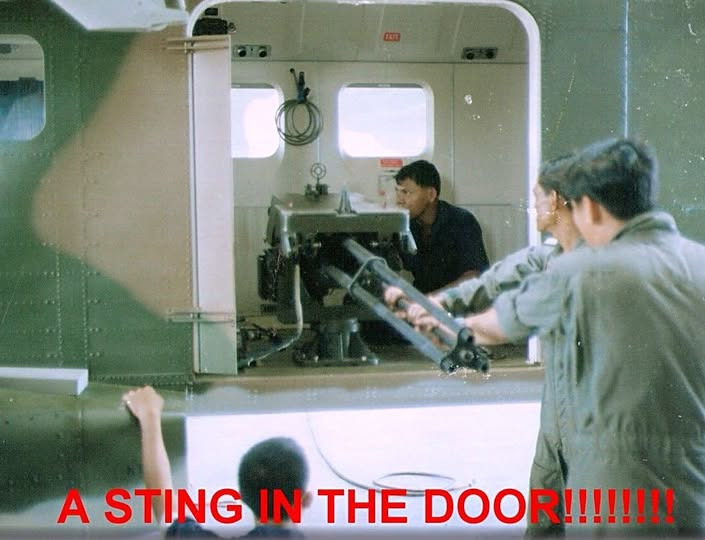
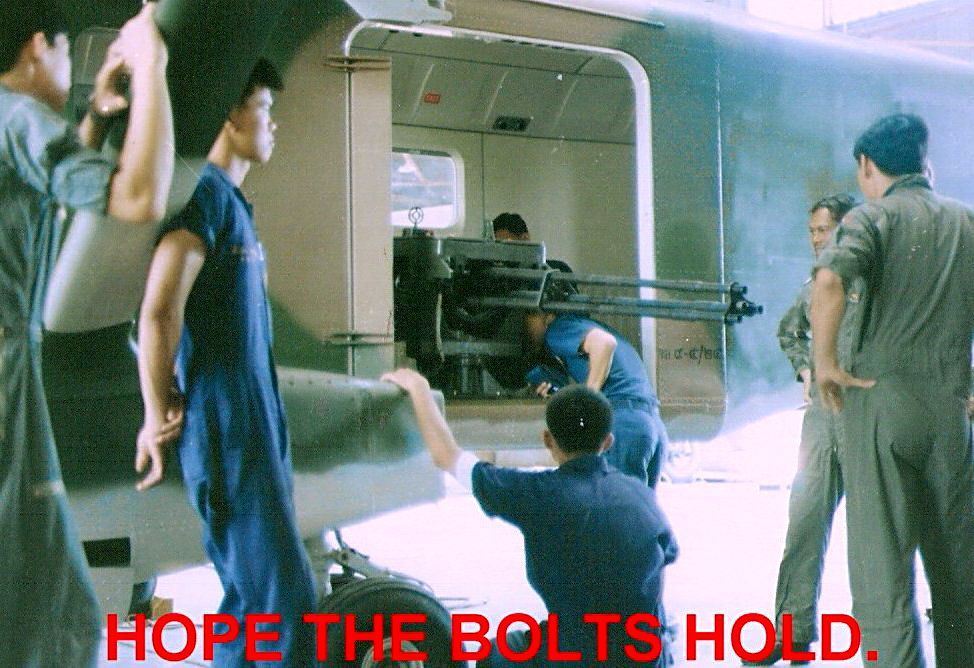
In 1971 the first prototype took flight, with both civilian and military models planned. Development lead to multiple versions including a stretched passenger version designated N.24, a float plane version designated N.22F Floatmaster, and multiple variants of a maritime patrol and surveillance aircraft designated Searchmaster. The Royal Thai Air Force also modified one of their N.22B (designated B.JL.9 “Vampire” in Thai service) to house a 20mm M197 minigun in the rear door.
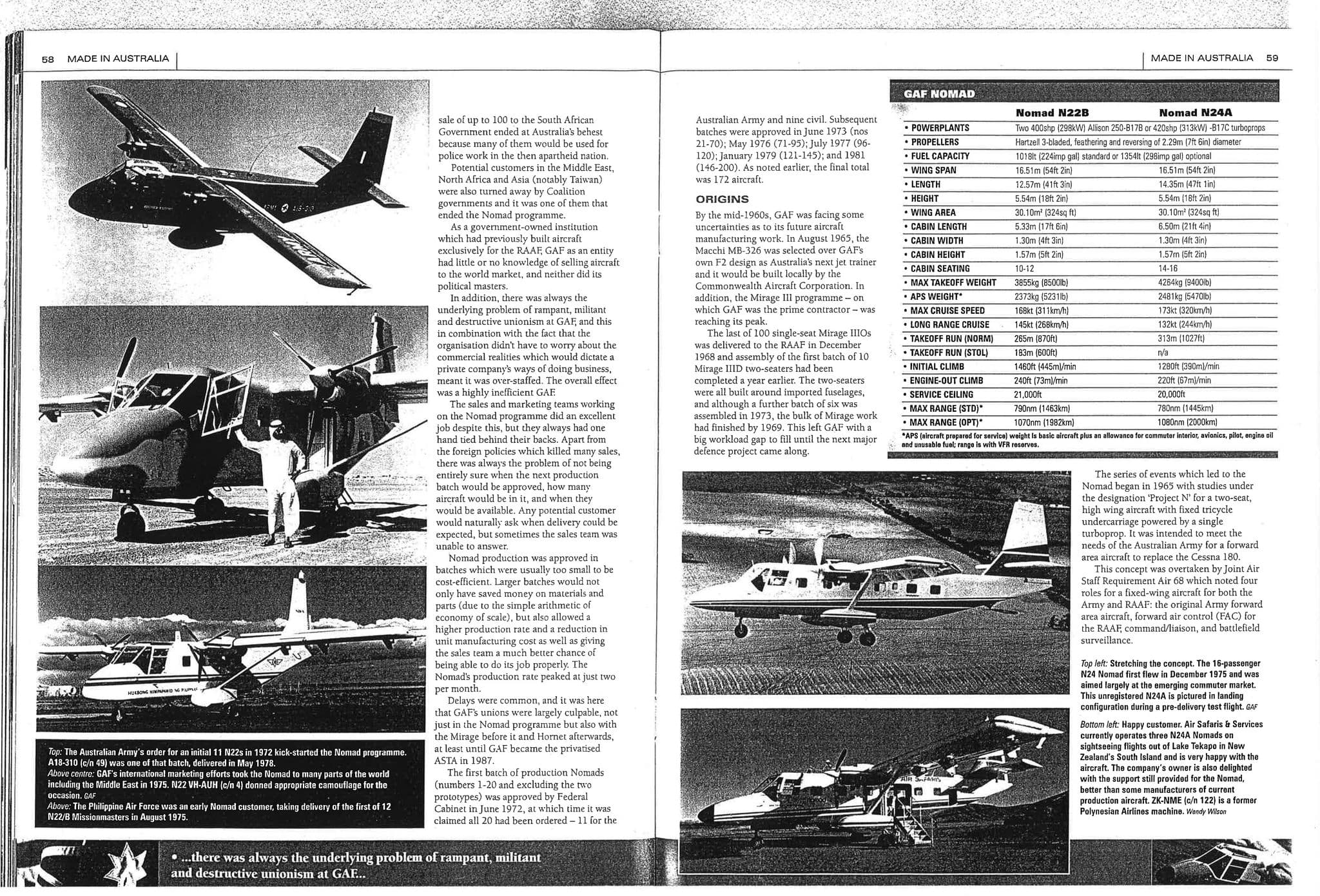
Production ceased in 1985 with 172 total aircraft having been built. Nomads were withdrawn from Australian military service in 1995. In total, the militaries of 6 nations operated the Nomads and a number more civil operators, although the program was not particularly viewed as a success with smaller than hoped sales and the aircraft gaining a reputation of poor durability.
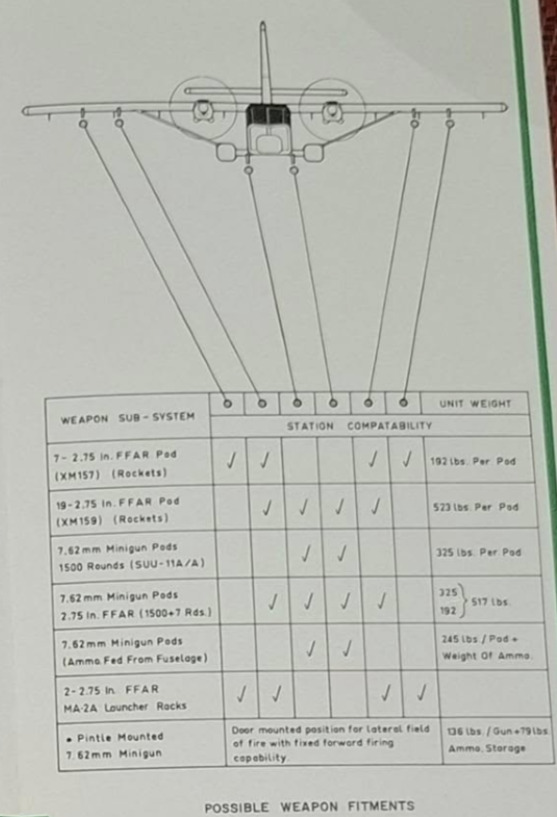
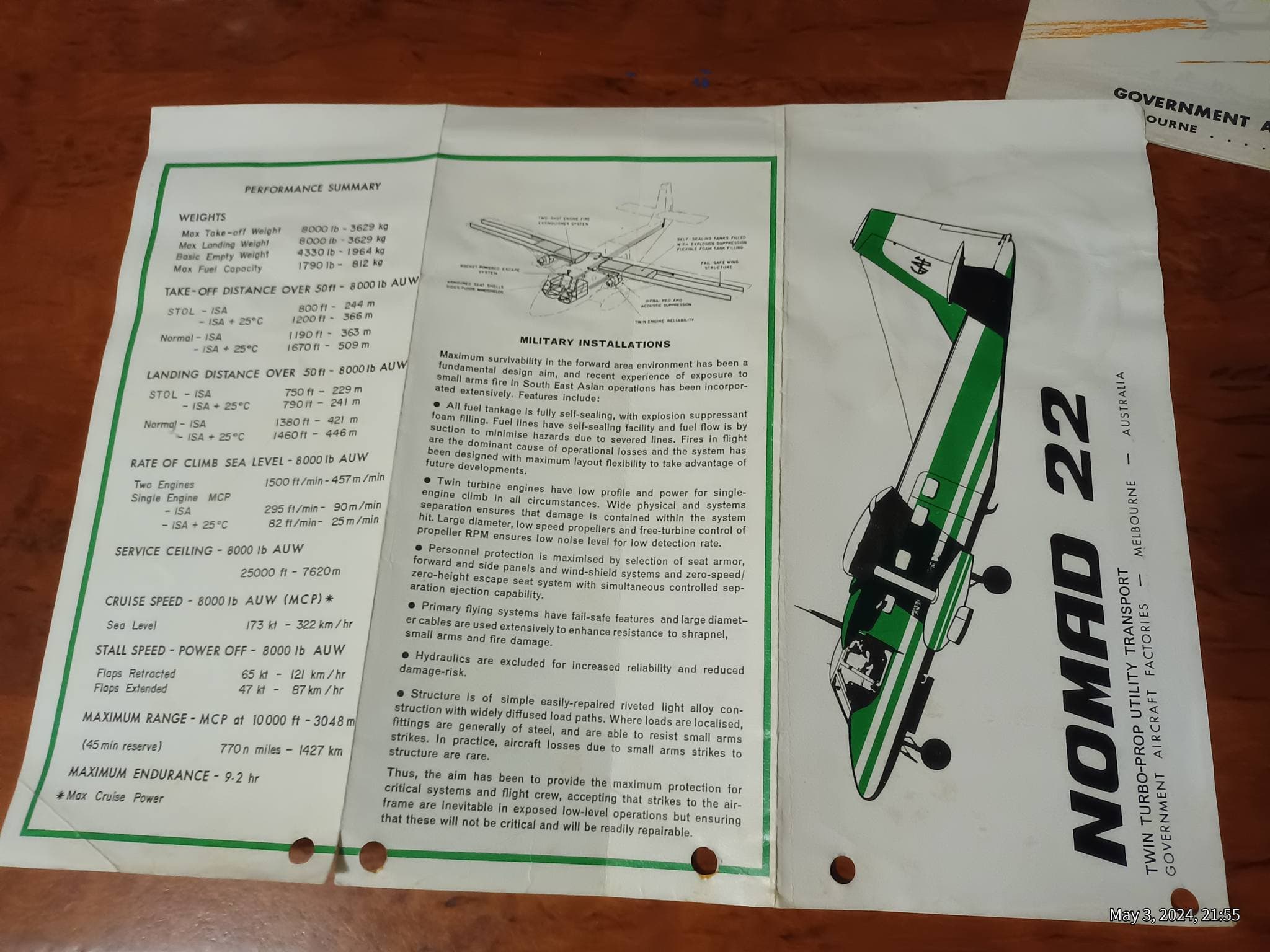
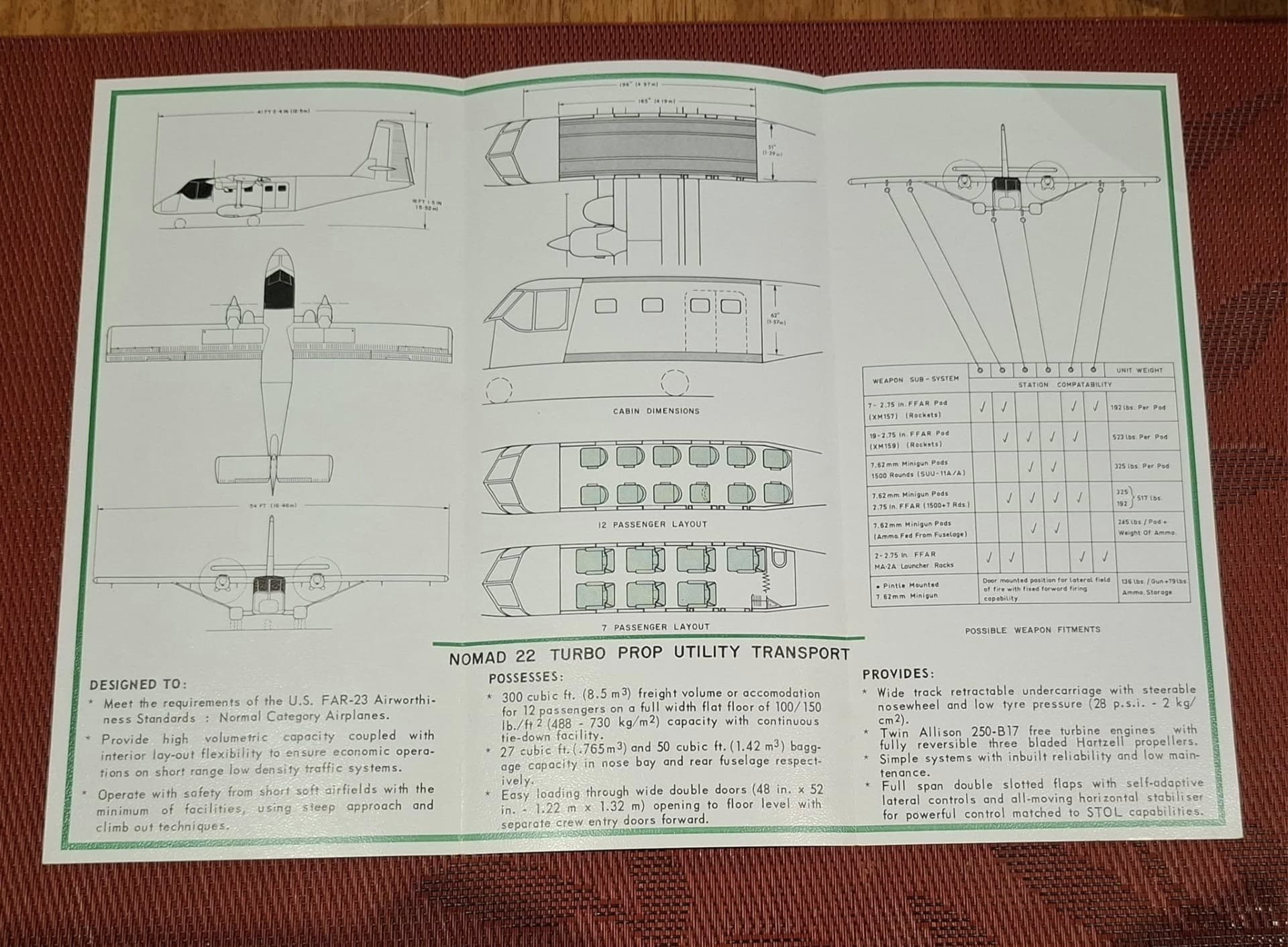
The military model is designed with 6 hardpoints, 4 under the wing and 2 under the fuselage, each rated for 500lb. The seats and cockpit receive armoured protection, along with ejection seats, self sealing explosion resistant fuel tanks, and the absence of hydraulics all aimed at improving survivability.
In War Thunder the Nomad will serve as a low tier strike aircraft, with the capability of mounting up to 90x 2.75in FFAR rockets or 42 rockets and 4x 7.62mm miniguns plus the rear door gunner. It will not be lacking in firepower for its BR, but the flight performance will make it an easy target. The modern features around improving its ability to take a hit and/or fly on one engine should be helpful in that regard.
Specifications
Cruise Speed: 322km/hr @ sea level
Initial Rate of Climb (at max weight): 7.4m/s
Engines: 2x turboprop Allison 250-B17, 400hp each
Empty Weight: 1964kg
APS Weight: 2373kg
Max Weight: 3855kg
Wing Span: 16.51m
Length: 12.57m
Height: 5.54m
Wing Area: 30.1m2
Service Ceiling: 6400m
Armament
6 hardpoints, 4 under wing and 2 under fuselage, 500lb each.
Rear door pintle mount 7.62mm minigun for lateral fire or fixed forward firing.
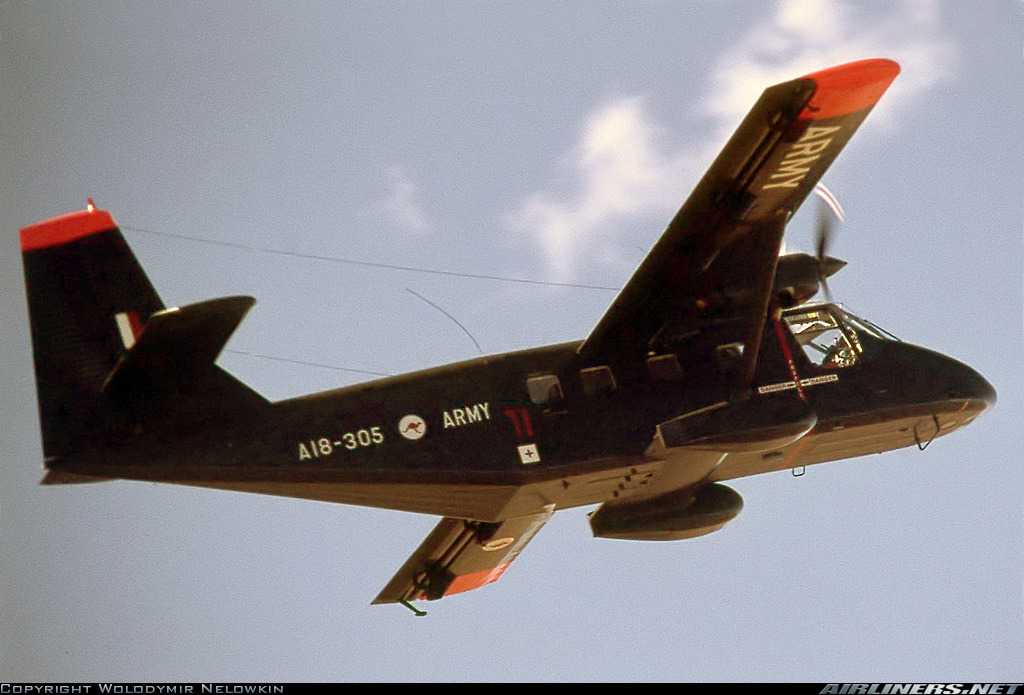
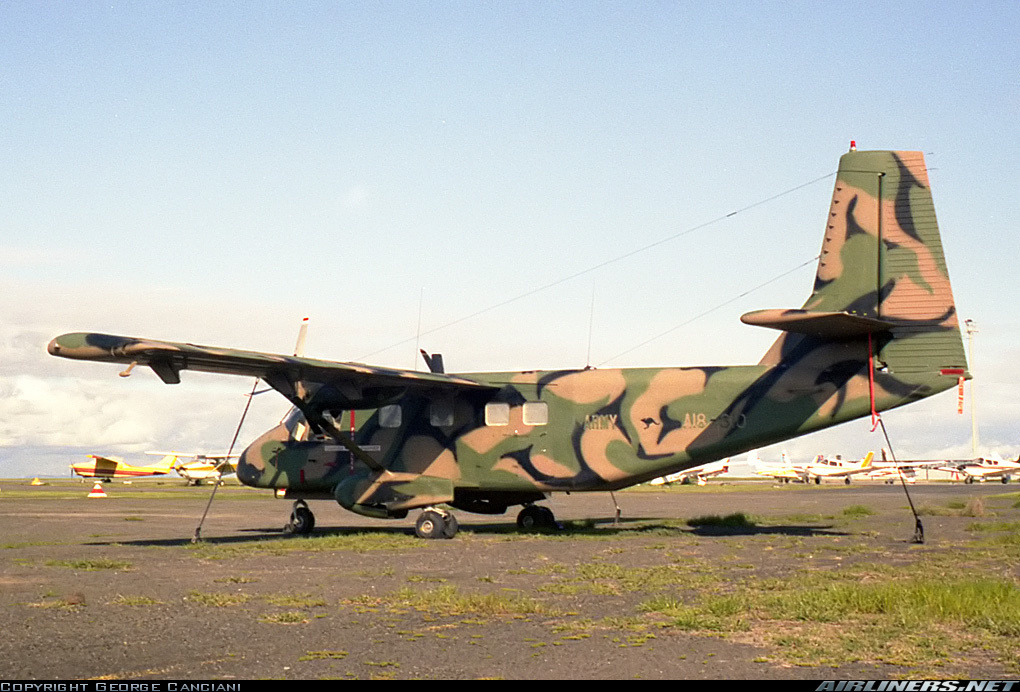
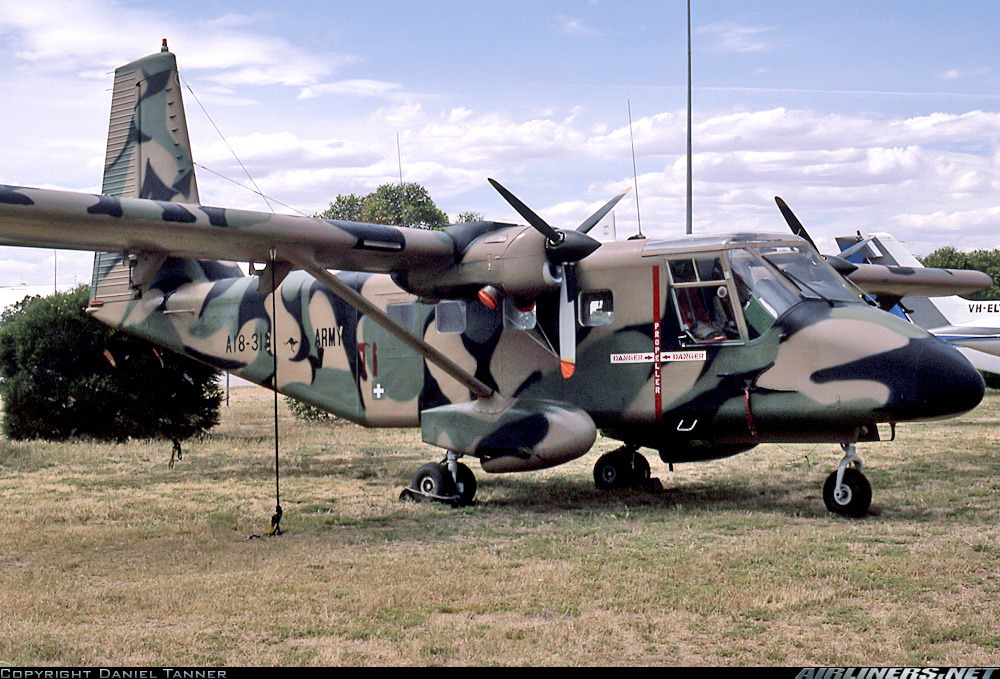
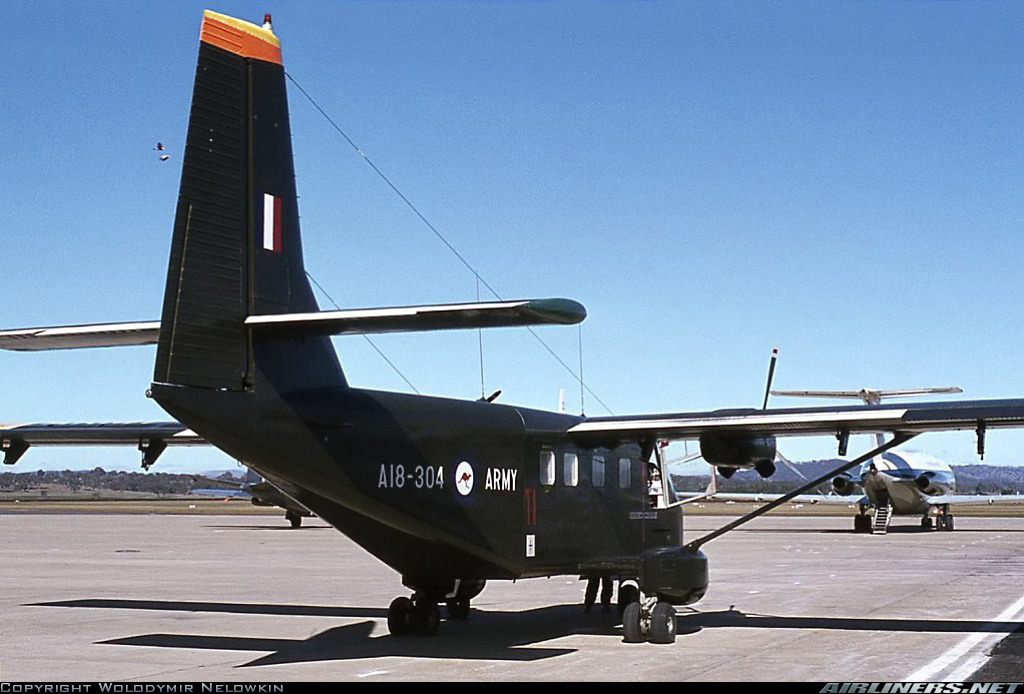
Other Photos
Sources/Links