- Yes
- No
Introduction
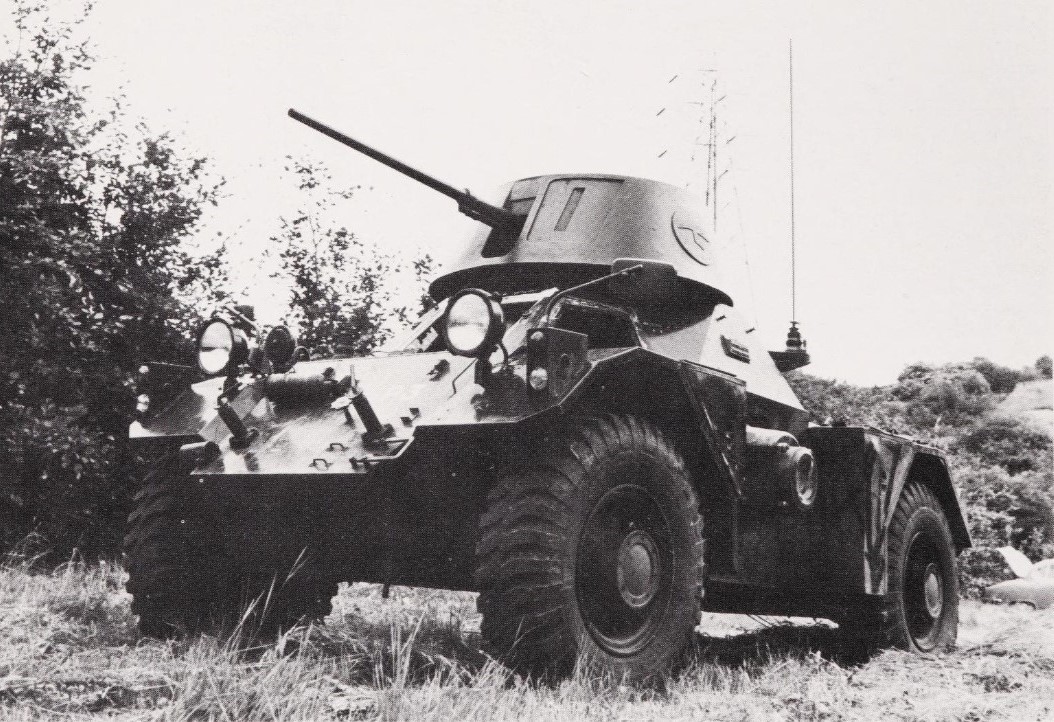
The Ferret originated from a late-1940s British requirement for a compact 4×4 scout car to replace the wartime Dingo. Daimler, highly regarded as a result of the huge success of the Daimler, received the development contract in 1948. Trials led to adoption in 1952; the first production Mk 2 was completed around mid-1952, with the open-topped Mk 1 following later that year. The Mk 1 was intended primarily for liaison and reconnaissance, while the turreted Mk 2 carried a .30-in Browning and became the principal reconnaissance version. Development continued through progressively improved marks: the Mk 2/3 introduced additional armour and became the most numerous production configuration; the Mk 4 brought larger 11.00×20 wheels, strengthened suspension, disc brakes and amphibious capability; and the Mk 5 combined the improved chassis with an aluminium turret carrying twin Swingfire ATGW launchers. There were also numerous specialist and interim conversions, including the Mk 2/6 with Vigilant ATGW, the Orange William experimental missile vehicle, and numerous field conversions between marks. Production ran from 1952 to 1971, with 4,409 Ferrets built, approximately 1,700 of them exported, overall a huge success for a post-war British AFV.
As a consequence of its combination of compact dimensions, four-wheel drive, good cross-country mobility and a very low silhouette, which made it useful for reconnaissance, liaison, internal security and specialist tasks, the Ferret remained in service around the world long after newer CVR(W) vehicles were introduced. Owing to it’s proliferance and widespread adoption, there are a number of unique experimental variants of the Ferret.
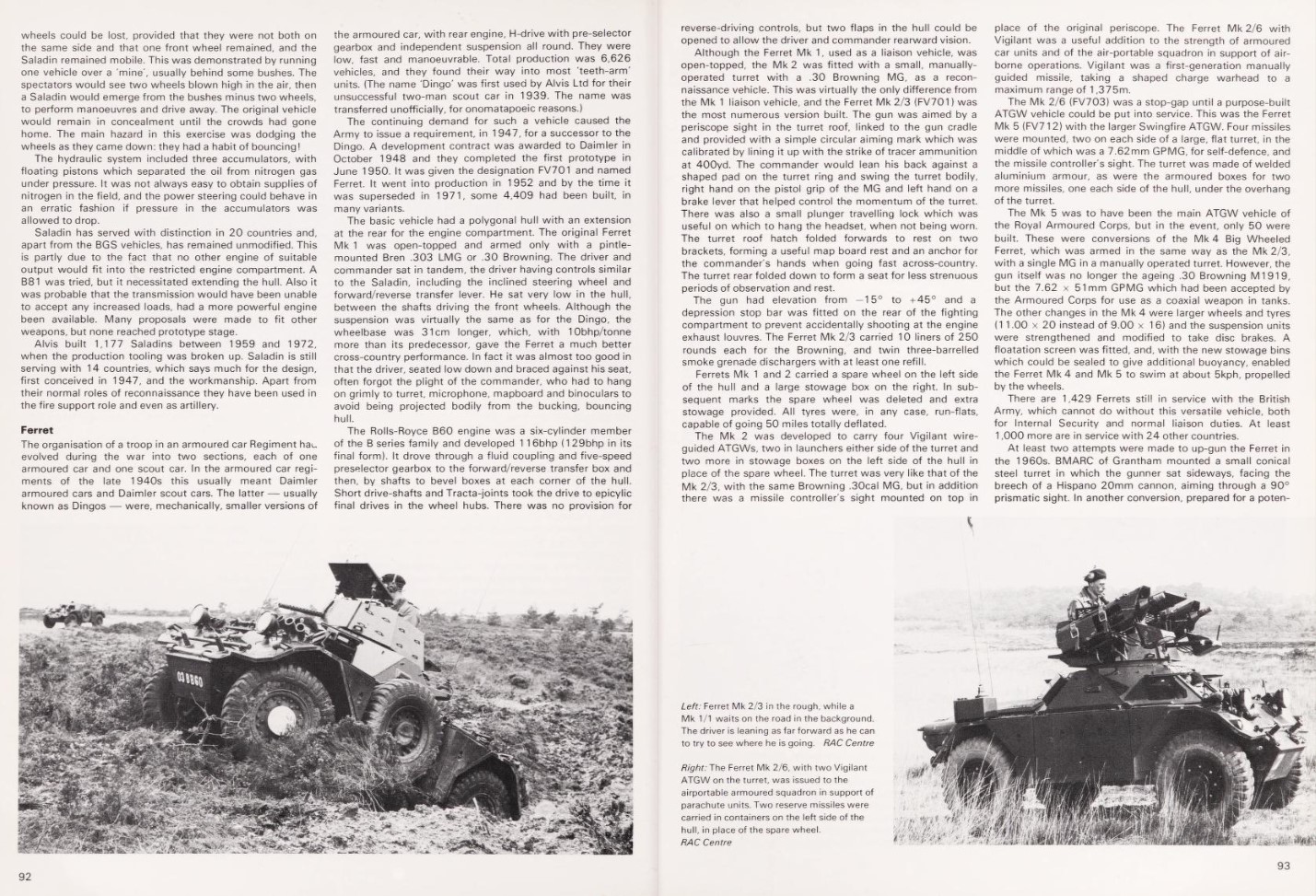
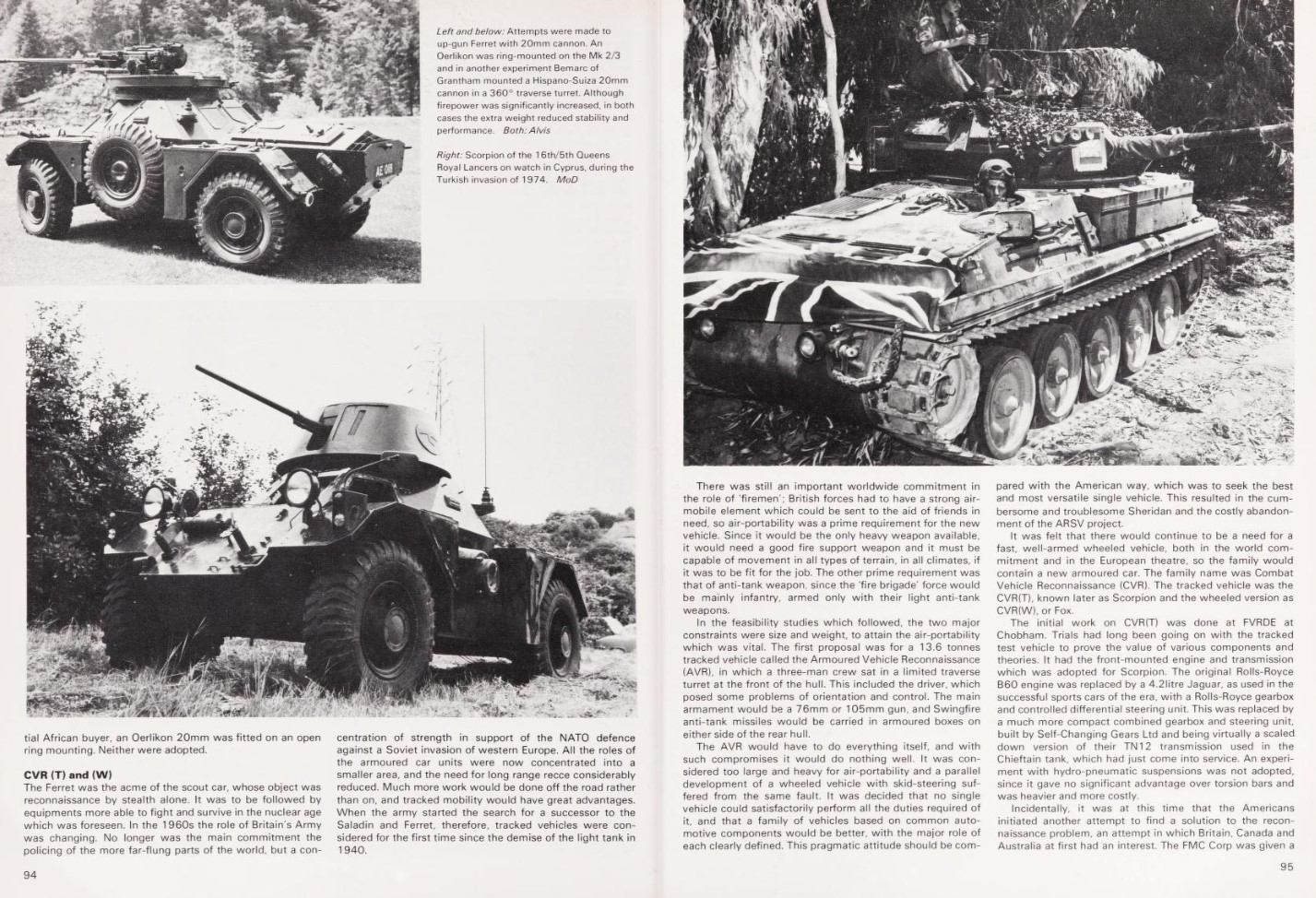
One such unique variant of the Ferret was constructed and demonstrated in the 1960s. It involved a unique, conical turret produced by BMARC (who later built the Falcon), housing a 20mm Hispano-Suiza HS404. Owing to the small size of the turret, the gunner sat sideways, perpendicular to the gun, facing the breech, and aimed through a 90° prismatic sight. In terms of ammunition, it is very likely that the HS404 retained the classic 60 round drum magazine, with an unknown number of reloads.
In-game, despite being a post-war vehicle, it would be inferior to existing WW2 vehicles like the AEC AA, which carries essentially twice the firepower. Nonetheless, the Ferret is an extremely important and iconic British vehicle, and the Ferret AA (HS404) would be an ideal little wheeled, fully enclosed British SPAA for around 3.0.
Specifications
Spoiler
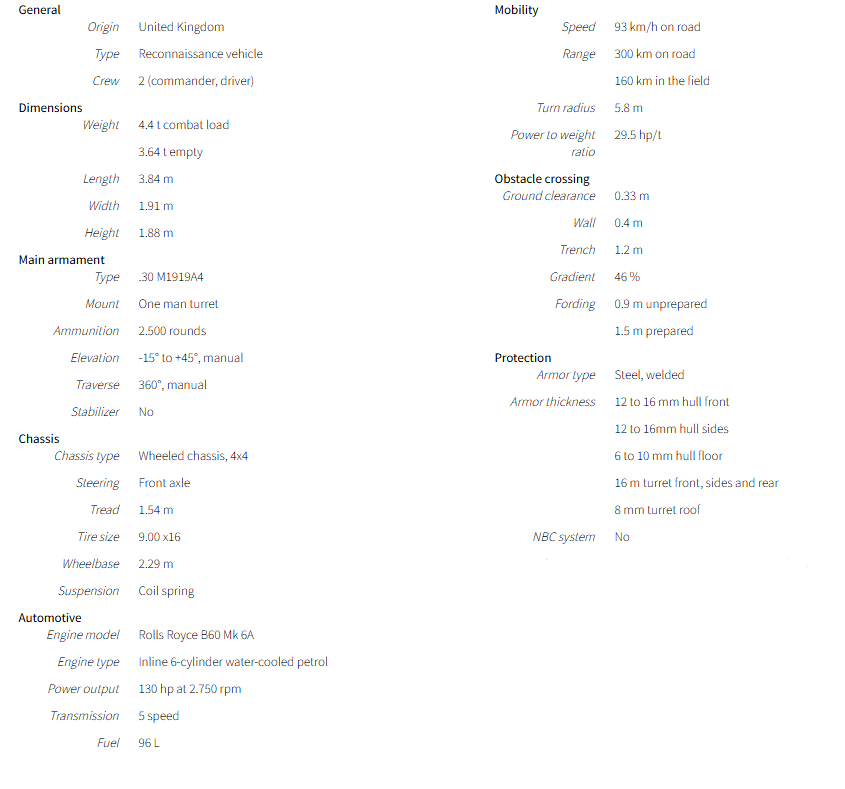
Chassis (Ferret Mk 2/3)
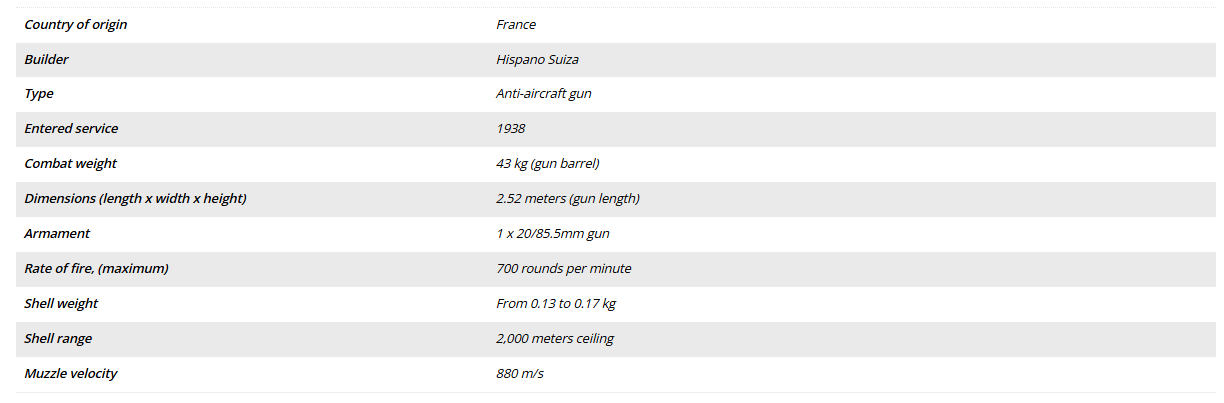
Armament (Hispano Suiza HS404)
Images
Spoiler
The only currently known image of the Ferret AA (HS404). If any more are kicking around, I’d love to see them !
Sources
Spoiler
World Tanks and Reconnaissance Vehicles since 1945 - Noel Ayliffe-Jones
https://www.thinkdefence.co.uk/docs/daimler-ferret-armoured-car/