- Yes
- Maybe
- No
History.
At some point in World War II, after the fall of Paris and the subsequent collapse of France, German forces arrived at the edge of the English Channel, facing England, which was left alone against German forces and with a remote but not impossible risk of invasion. The British army needed a breath of fresh air after the battle at Dunkirk, but also had to prepare for a possible invasion. The British did everything they could to cope with a possible German invasion, and one of the most important points for the British was the defence of the airfields: in the event of an attack, those would be key points to hold for both sides given the possibility of guaranteeing air support or not. Having to make up for the lack of armoured anti-aircraft vehicles, the RAF and the Air Ministry coordinated to find replacement vehicles capable of protecting the airfields from attacks by German aircraft that were already underway and to protect them from a possible airborne attack by German paratroopers.
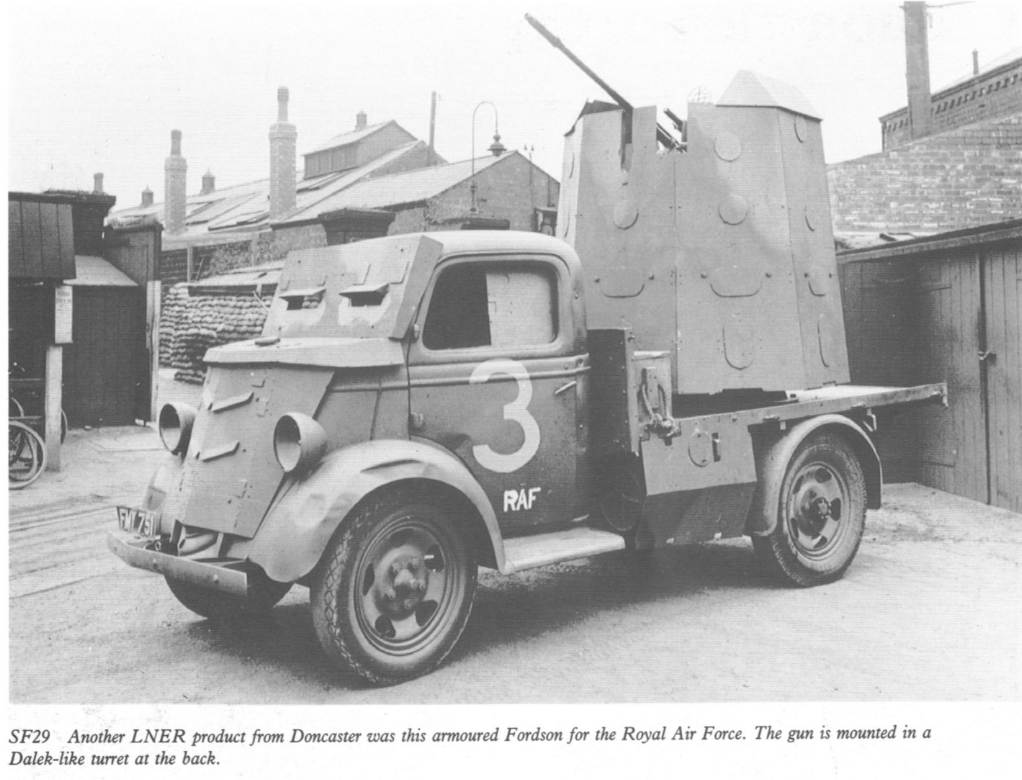
In Doncaster, South Yorkshire, there was a military airfield called Royal Air Force Finningley, where RAF bomber crews were trained for bombing missions over German cities. The airfield obviously needed additional defences, and one of those was obviously built using military trucks to adapt them to the role of anti-aircraft and anti-infantry defence.
One truck in particular, a Fordson Thames Model 61 (E88W) 25CWT, was modified with additional improvised armour and circumstantial paraphernalia by the London and North Eastern Railway (LNER), one of the major British railway companies of the time that had a workshop in the city. Not much is known about the vehicle unfortunately, apart from the fact that it was used by the RAF (probably the 2762 Squadron RAF Regiment) and numbered No.3, using the number plate FW 751 of unknown origin.
Armaments and propulsion.
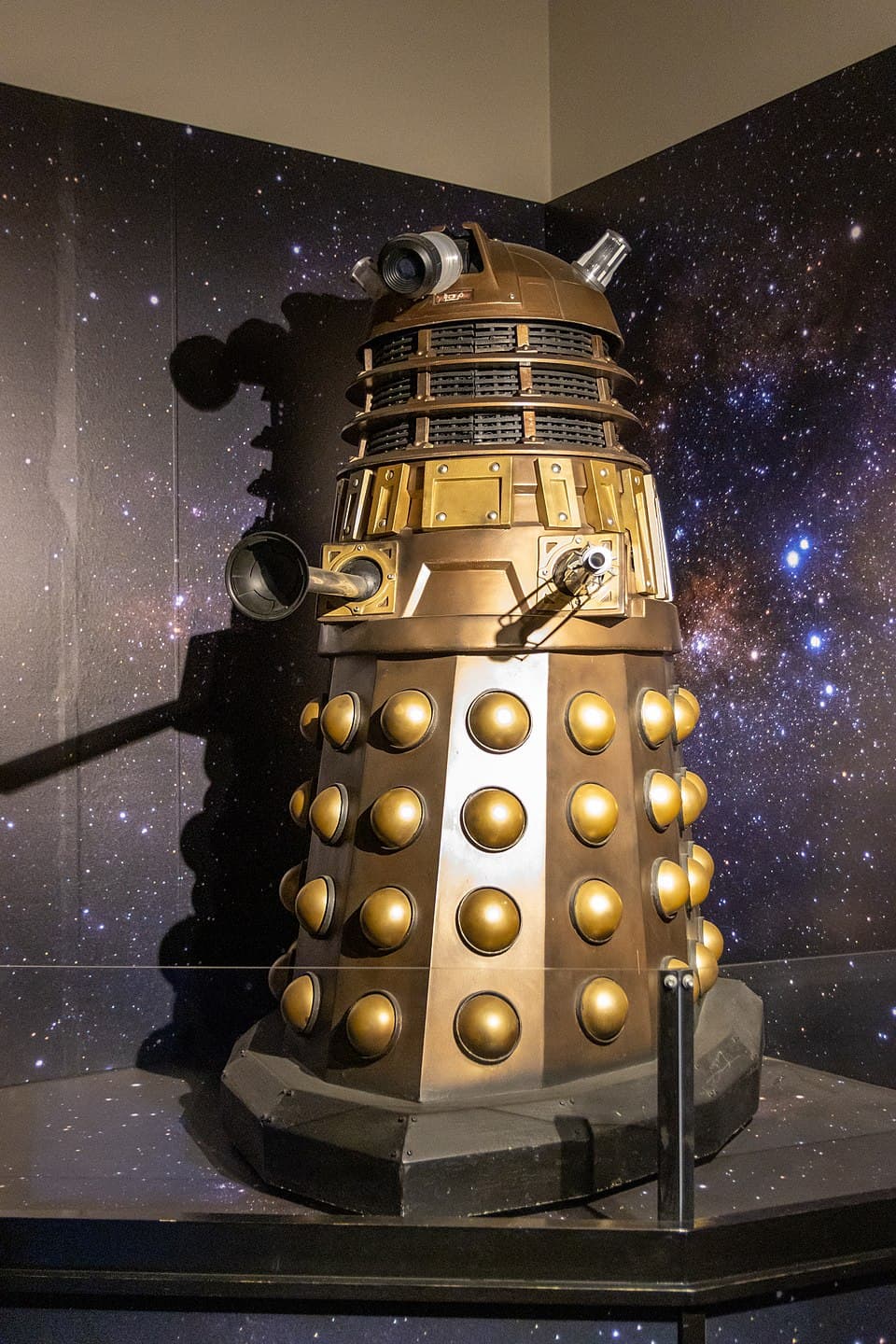
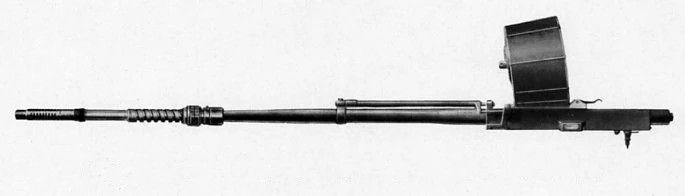
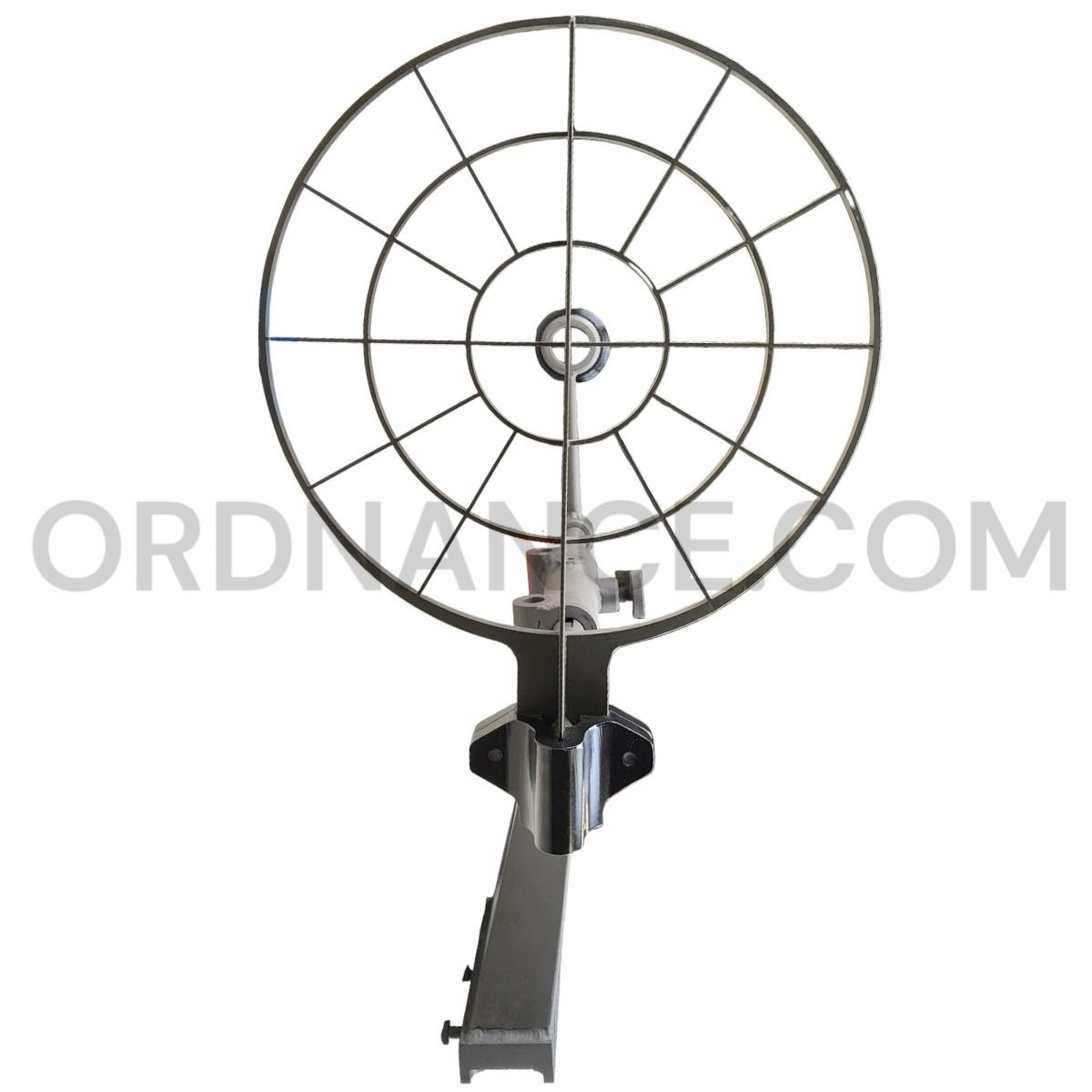
The vehicle was armed with a 20 mm Hispano-Suiza HS.404 cannon placed in a turret similar in shape to the physique of the Dalek characters in the Doctor Who series. Obviously, the inspiration for the turret did not come from the TV series but from the fact that that is a very basic way of building an anti-aircraft turret using various metal sheets. The gun uses a sight similar to that used on the 20 mm Oerlikon gun in a naval anti-aircraft gunship, and the amount of ammunition carried on board is unknown.
The truck is powered by a Fordson 2226 cc flathead V8 engine with a power output of 22 hp, capable of propelling the vehicle normally at a top speed of at least 65 km/h (top speed of the vehicle is unknown and was achieved by comparing vehicles of similar power of the time).
Specifications.
Spoiler
Crew: 2-4
Length: 2.59 m
Width: 1.65 m
Engine: Fordson 2226 cc flathead V8 (22 hp)
Maximum speed: 65 km/h
Armament: 1x Hispano-Suiza HS.404 20 mm
Armour: 0-5 mm
Pictures and drawnings.
Spoiler
https://youtu.be/iu9XejzJqhw?si=uEzTHLCqkPzkw6T7
https://youtu.be/MfdNBFJ_FCs?si=kgUKEOmuMNWVsQ-b
Sources.
Spoiler
“The Great Tank Scandal: British Armour in the Second World War: Part 1” by David Fletcher
https://samlib.ru/img/z/zaharow_aleksandr_wiktorowich/zzm-1/index.shtml
Lot 87: Classic Motoring Lot Bidding Ends: Monday 17th May 2021 at 9:18PM £20,000+ - Brightwells
British anti-invasion preparations of the Second World War - Wikipedia
https://sareda.co.uk/pdfs/through_adversity.pdf
List of RAF Regiment units - Wikipedia
20mm Oerlikon Anti-Aircraft Gun Mark 4 Gun Sight Used in WW2 for Sale
Fordson E83W - Wikipedia