Höhenjäger-Prototypen

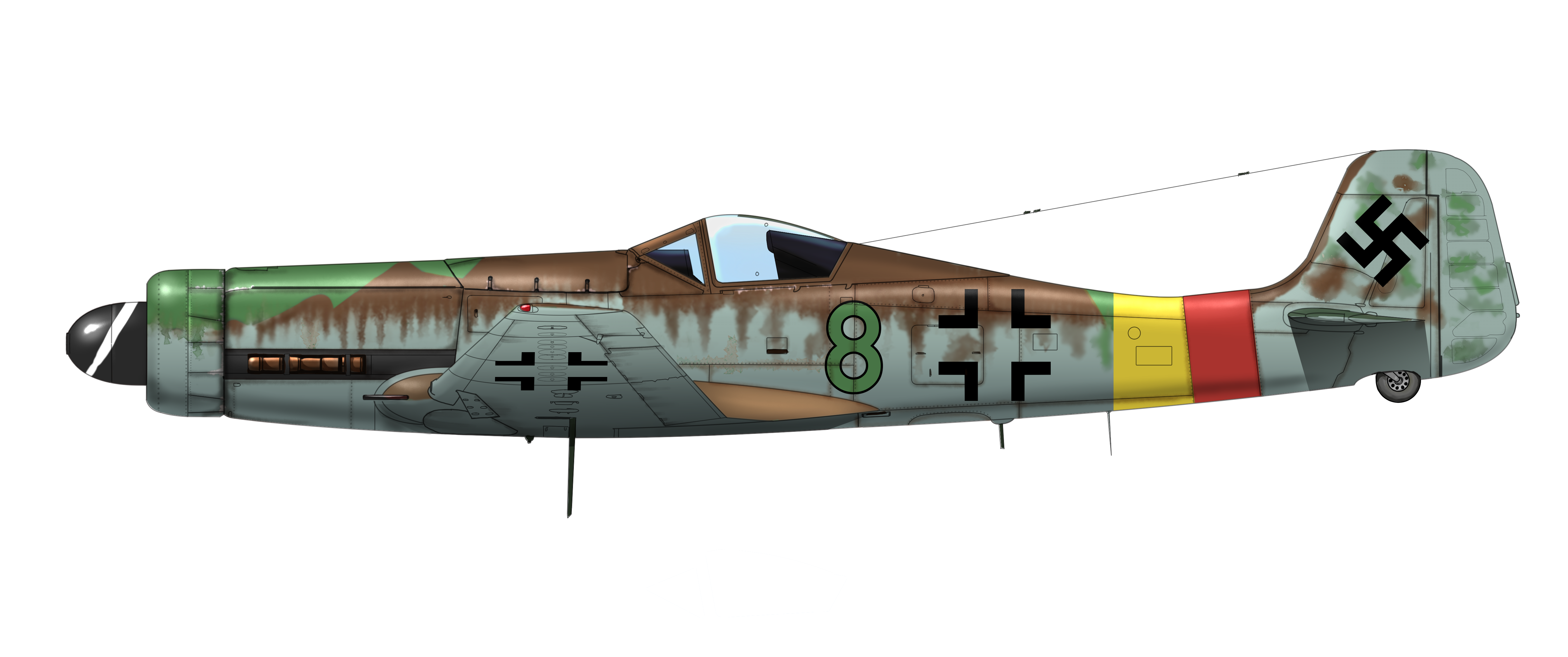
Ta 152H mit DB 603
History
In 1944, Focke-Wulf’s chief designer, Kurt Tank, dual-tracked the development of his ultimate high-altitude interceptor. While the standard production Ta 152 H-1 was built around the Junkers Jumo 213E engine, Tank heavily favored the Daimler-Benz DB 603 series due to its larger displacement and superior high-altitude power growth potential.
- The DB 603 Prototypes: To test this setup, Focke-Wulf modified several pre-production long-wing airframes. The most prominent was the Ta 152 V26 (Werknummer 150026), which was fitted with a highly advanced DB 603LA engine featuring a two-stage mechanical supercharger and an intercooler.
- The Interdicted Production: This specific configuration was officially intended to become the Ta 152 H-2 production variant. Test flights yielded spectacular results, showing that the DB 603-powered variants outperformed their Jumo-powered counterparts in raw top speed at extreme heights.
- The Supply Chain Crisis: Despite highly successful testing, the project was cut short by late-war chaos. The Reich Air Ministry (RLM) ordered that all DB 603 engines be prioritized for twin-engine aircraft like the Dornier Do 335. Consequently, the Jumo 213-powered H-1 was forced into mass production instead, leaving the superior DB 603-powered Ta 152H as a fully built and verified prototype series.
Specifications
This variant perfectly married the ultra-long, high-aspect-ratio “glider” wings of the Ta 152H with the sheer brute force of the larger Daimler-Benz displacement block.
- Engine: 1 × Daimler-Benz DB 603LA inverted V12 liquid-cooled engine with a 2-stage mechanical supercharger and MW-50 water-methanol injection.
- Power Output: ~2,100 hp at takeoff (capable of boosting up to 2,300 hp at altitude via MW-50).
- Wingspan: 14.44 meters (the iconic, long-span high-altitude wing design).
- Length: 10.82 meters (slightly longer than a standard Fw 190 to balance the heavy inline engine and its plumbing).
- Maximum Speed: An astonishing 755 to 760 km/h (470+ mph) at an altitude of approximately 10,500 meters (34,400 feet) with MW-50 engaged.
- Service Ceiling: ~14,500 meters (47,500 feet), allowing it to cruise above almost all Allied fighters and bombers.
Armament
Unlike earlier engine testbeds, the Ta 152 H-2 prototypes were configured with fully integrated, operational weaponry optimized for destroying heavy Allied bombers in a single pass:
- Motorkanone (Engine Cannon): 1 × 30mm MK 108 cannon firing directly through the propeller spinner hub (equipped with 60–90 rounds). This low-velocity, high-explosive cannon was designed to tear wings off B-17s.
- Wing Roots: 2 × 20mm MG 151/20 cannons (synchronized to fire through the propeller arc, located in the wing roots with 150–175 rounds per gun).
- Omitted Weapons: To maximize climbing performance, saving weight was crucial. The heavy, nose-cowl mounted 13mm MG 131 machine guns found on standard Fw 190s were completely removed from this design.
War Thunder Implementation Potential
If added to the game, the DB 603-powered Ta 152H would serve as the ultimate German super-propeller aircraft, likely placed at Rank IV (BR ~6.3).
- The Good: Compared to the in-game Ta 152 H-1 (Jumo 213E), this variant would boast vastly superior engine power and acceleration at medium-to-high altitudes. It would comfortably out-climb and out-run opponents like the P-51H or Spitfire Mk 24 if battles are fought high up.
- The Bad: The DB 603 power plant was physically heavier than the Jumo 213. This shifts the center of gravity forward, making the plane slightly more sluggish in nose-up vertical pitch maneuvers, though its high-speed dive energy retention would be exceptional.
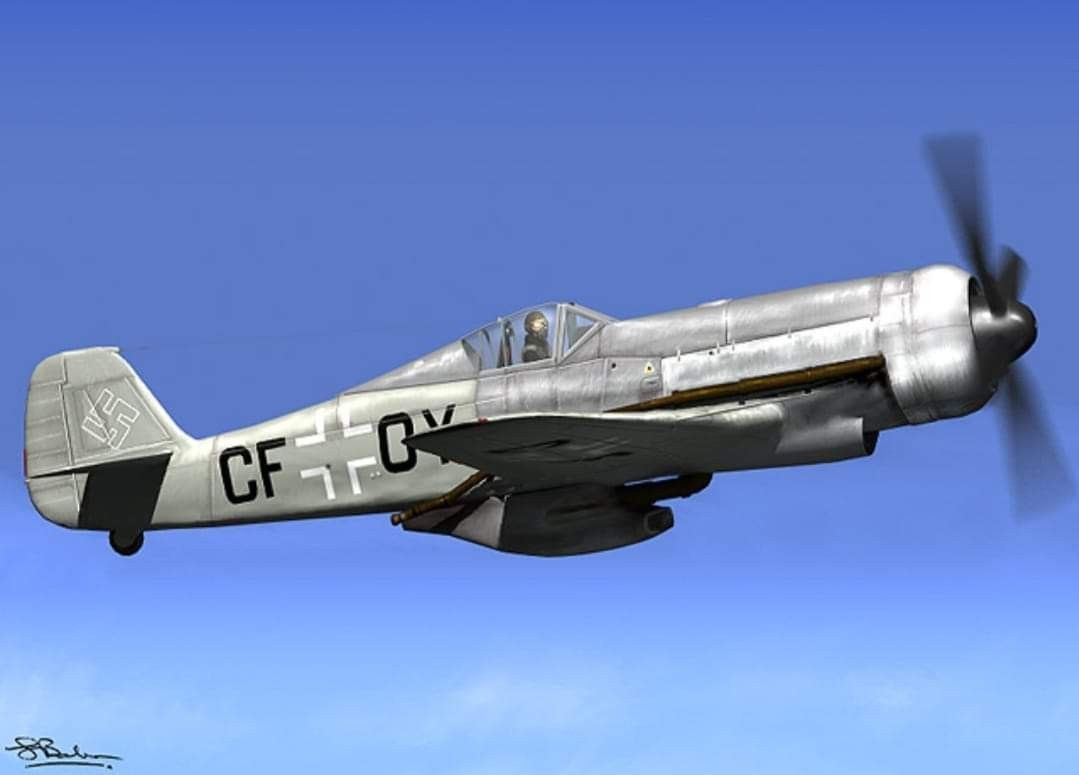
Focke-Wulf Fw 190 V18
History
In 1942, the Reich Air Ministry (RLM) desperately needed an interceptor capable of countering high-altitude Allied bombers like the B-17 and the anticipated B-29. Kurt Tank, Focke-Wulf’s chief designer, knew that standard BMW radial engines suffocated in thin high-altitude air.
-
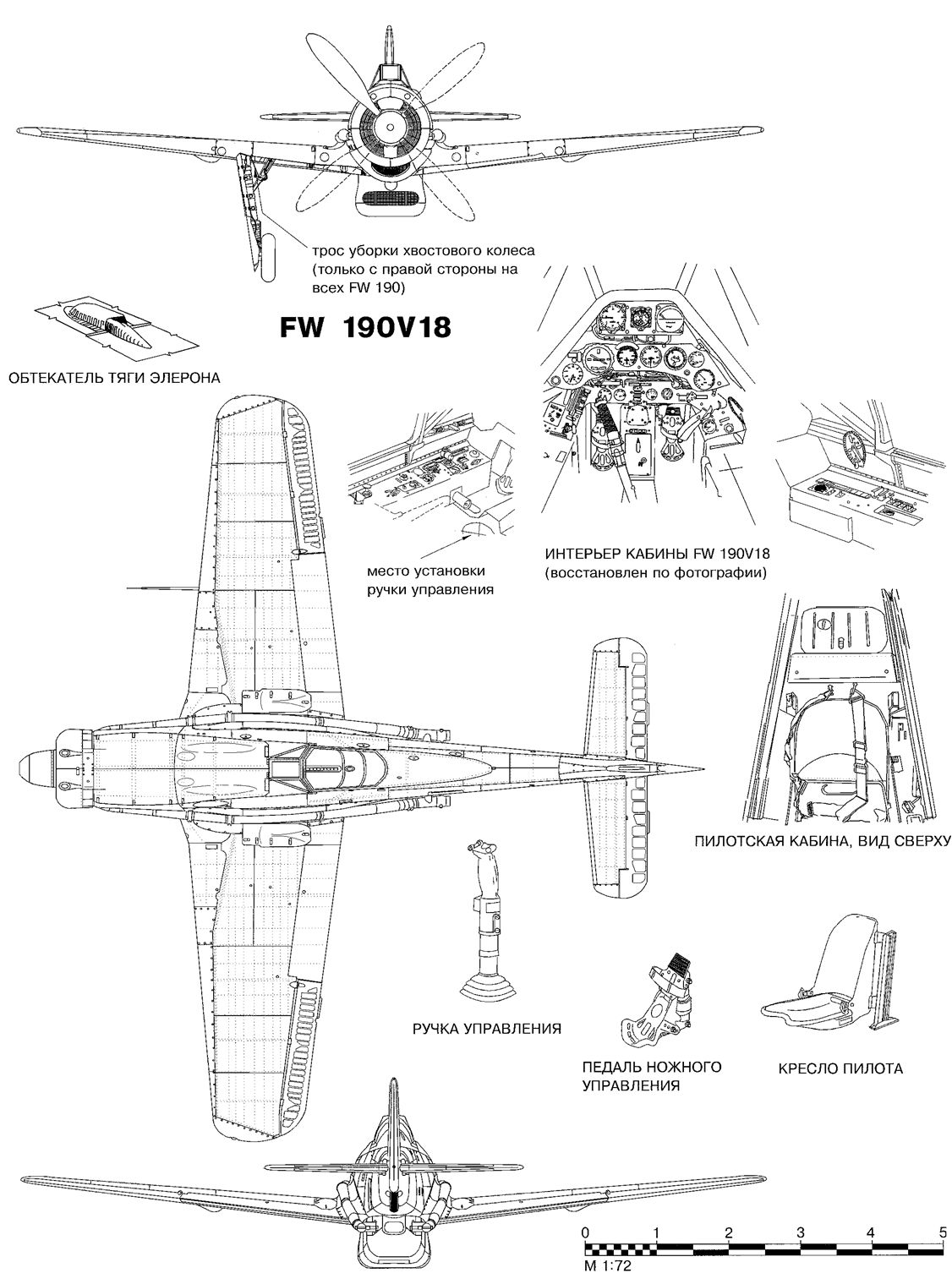
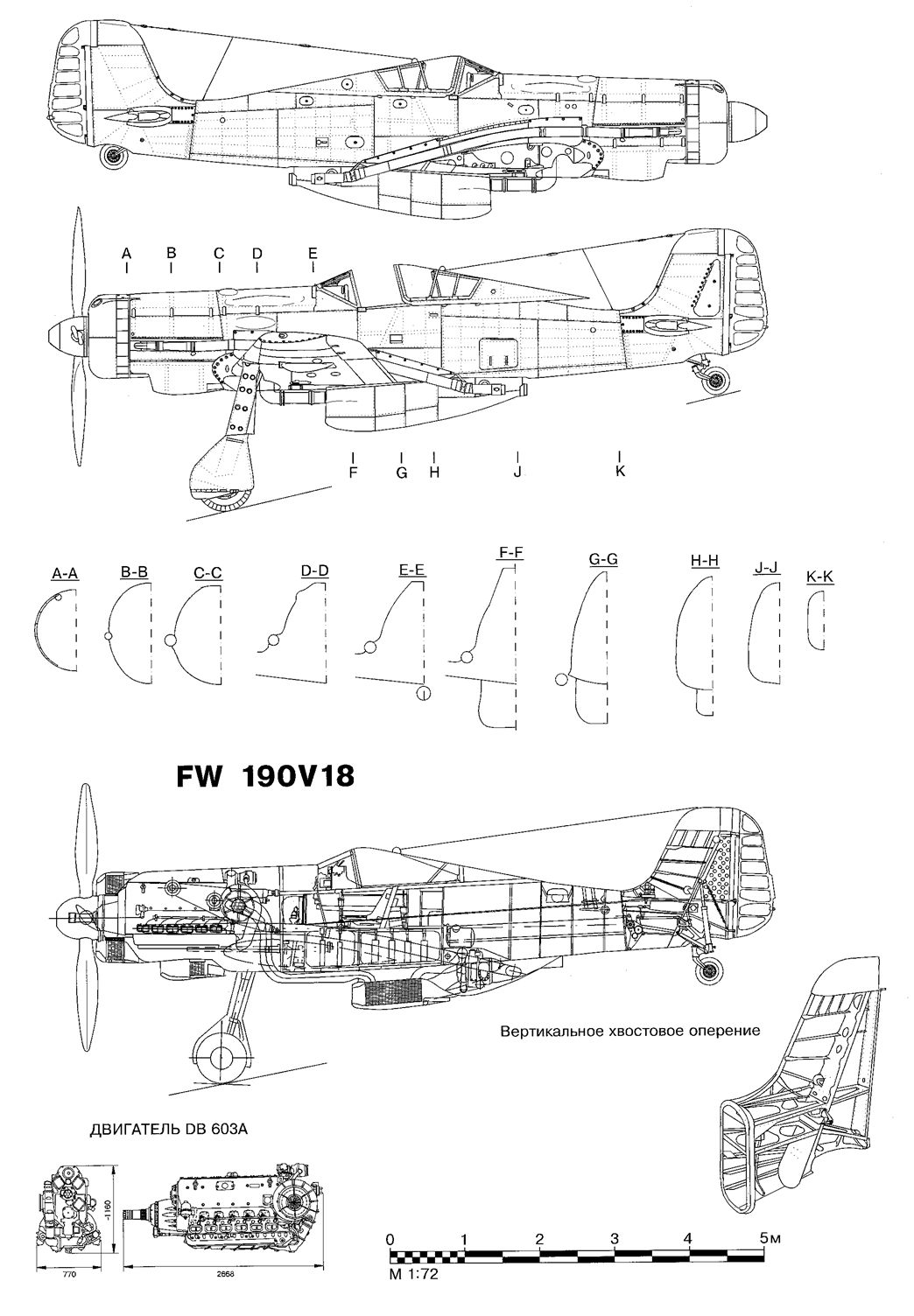
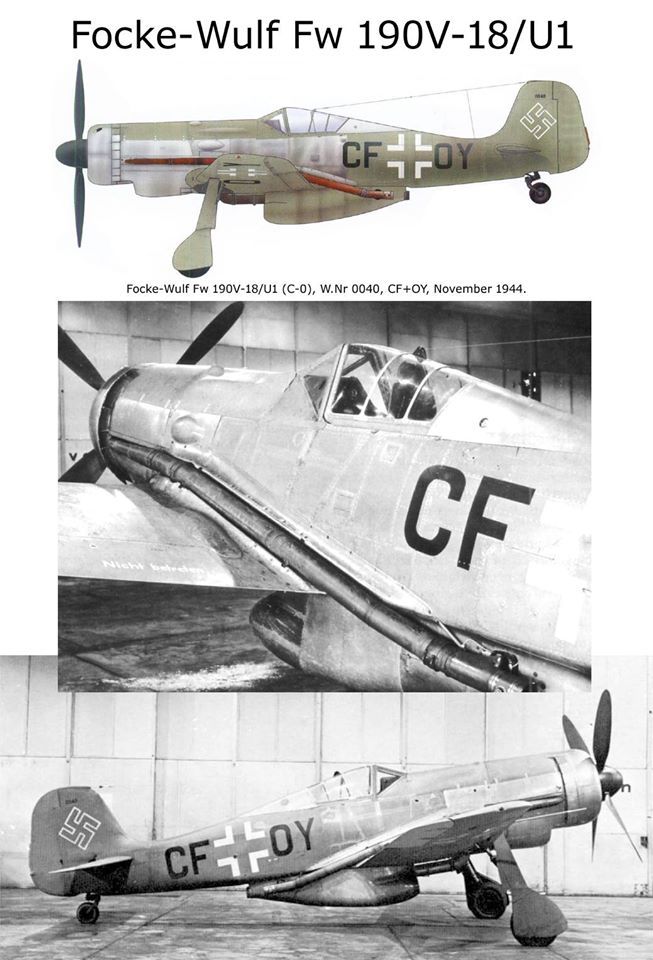
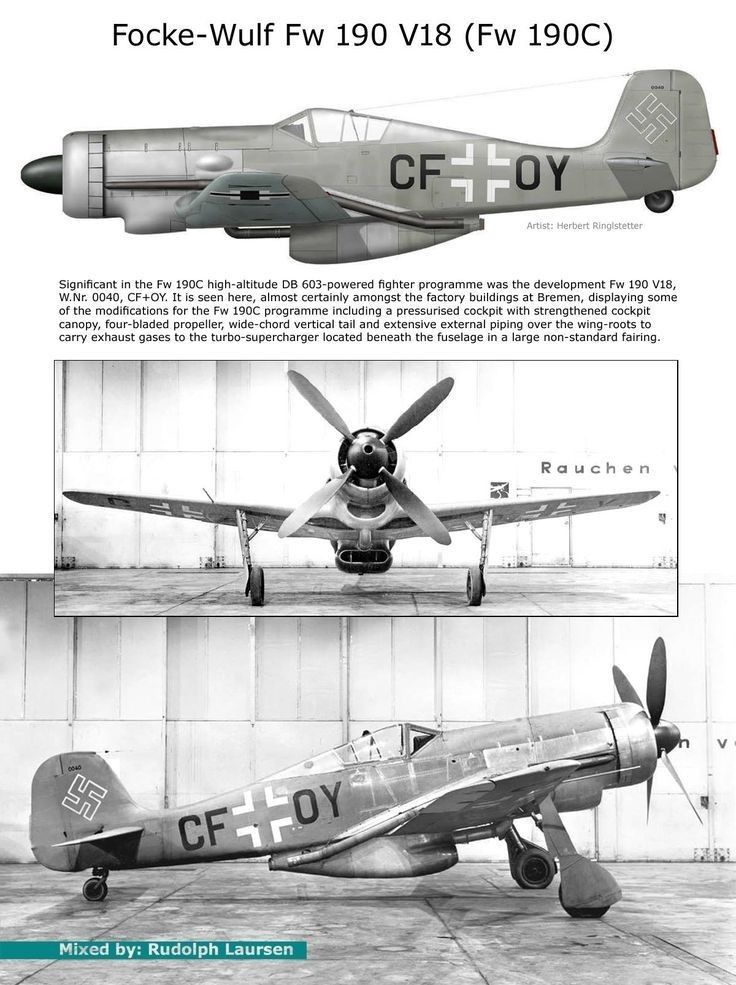
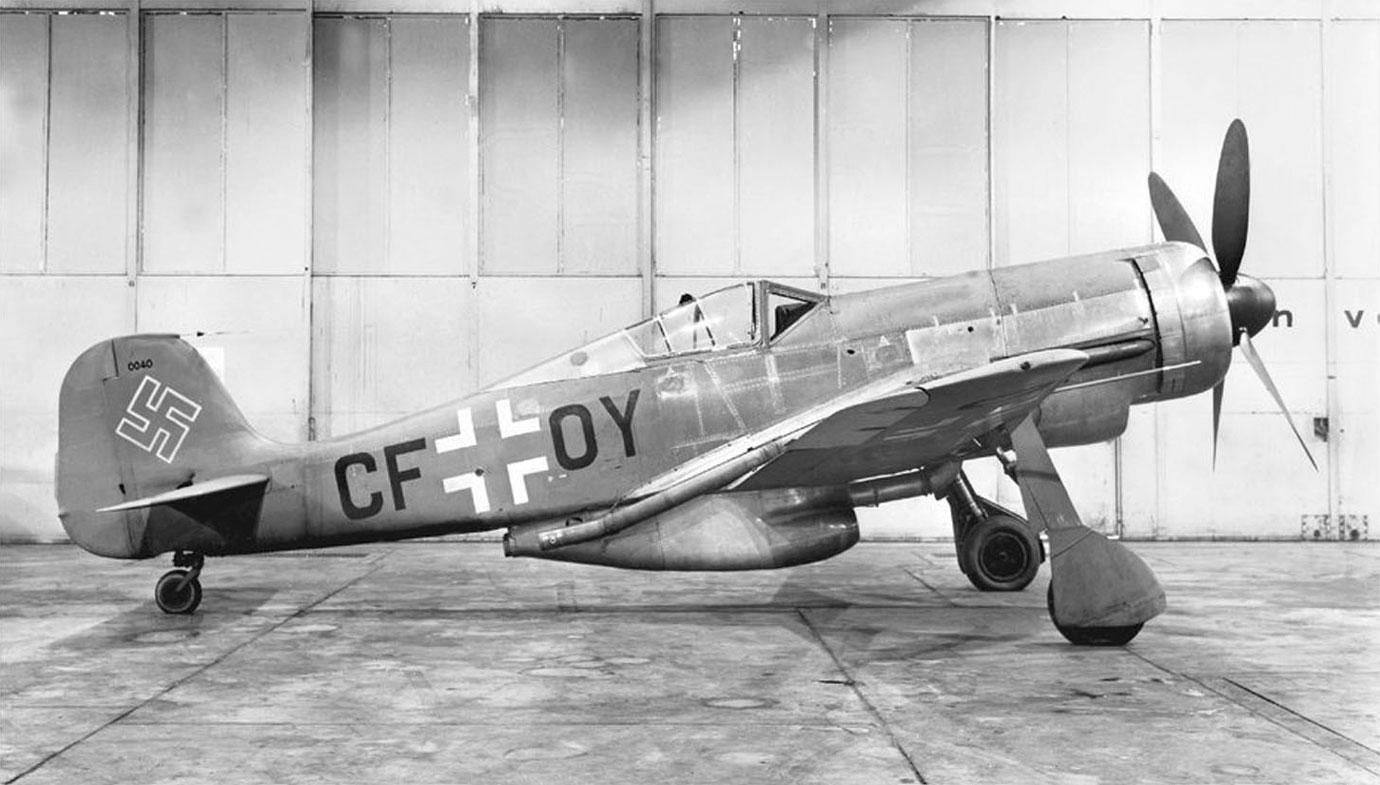
The Birth of the V18: The Fw 190 V18 (Factory Number 0040, registration CF+OY) was built as a dedicated flying testbed for the Höhenjäger 2 (High-Altitude Fighter 2) program. It was designed to mate a liquid-cooled Daimler-Benz DB 603G inline engine with an external turbocharger.
-
The “Kangaroo” Nickname: To fit the massive Hirth 9-2281 exhaust turbocharger, engineers had to bolt an enormous, external, trouser-shaped duct system to the aircraft’s belly. This gave the plane its iconic “Känguru” silhouette. It also received an enlarged tail fin and extended wings to generate lift in thin air.
-
The Evolution to the Ta 152: Severe issues with the exhaust ducting cracking and turbocharger unreliability ultimately halted mass production. However, the V18 proved that the lengthened fuselage and wider wingspan were aerodynamically sound, laying the exact design foundation for the legendary Ta 152 H.
Specifications
Because it was a physically built and heavily evaluated prototype, its real-world performance metrics are well-documented.
- Engine: 1 × Daimler-Benz DB 603G inverted V12 liquid-cooled engine with a Hirth exhaust turbocharger.
- Power Output: ~1,900 hp at takeoff (capable of up to 2,100 hp at extreme altitudes via emergency boost).
- Wingspan: 12.28 meters (wider than a standard Fw 190’s 10.51 m, but shorter than the production Ta 152H’s 14.44 m).
- Length: 10.24 meters (extended fuselage to balance the heavy tail and nose modifications).
- Maximum Speed: ~680 km/h (422 mph) at sea level; reaching up to 750 km/h (466 mph) at a test altitude of 11,000 meters (36,000 feet).
- Service Ceiling: ~12,800 to 13,000 meters (42,000+ feet).
Armament
As a pure engine and altitude testbed, weapon systems were not the priority during its test flights, and cowl guns were frequently replaced with ballast. However, for its intended production run (as the Fw 190 C series), it was designed with a heavy bomber-hunting loadout that fits War Thunder’s meta perfectly:
- Motorkanone (Engine Cannon): 1 × 30mm MK 103 or MK 108 cannon firing directly through the propeller hub. The high-velocity MK 103 was planned for high-altitude snipes outside the range of bomber defensive gunners.
- Wing Roots: 2 × 20mm MG 151/20 cannons (synchronized to fire through the propeller arc).
- Engine Cowl (Nose): 2 × 13mm MG 131 machine guns.
War Thunder Implementation Potential
If added to the game, the Fw 190 V18 would make a unique Rank IV (BR ~5.7–6.0) vehicle.
- The Good: Thanks to the DB 603 and turbocharger combo, its engine performance would not drop off at altitudes over 8,000 meters, making it a supreme high-altitude energy fighter.
- The Bad: The heavy, drag-inducing “Kangaroo” belly ducting would make it sluggish and highly vulnerable in low-altitude dogfights compared to a sleek Fw 190 D-9.