- Yes
- No
- (independent) BeNeLux tree
- France: BeNeLux subtree
- British tech tree
- other
- no/negative
TL;DR: Flower-class corvette, escorting convoys in the Atlantic and Caribbean, 2x 20mm Oerlikons, 2x 0.5" Colt, 2x Twin Lewis, 2x 6 pdr Hotchkiss and Hedgehog mortars.
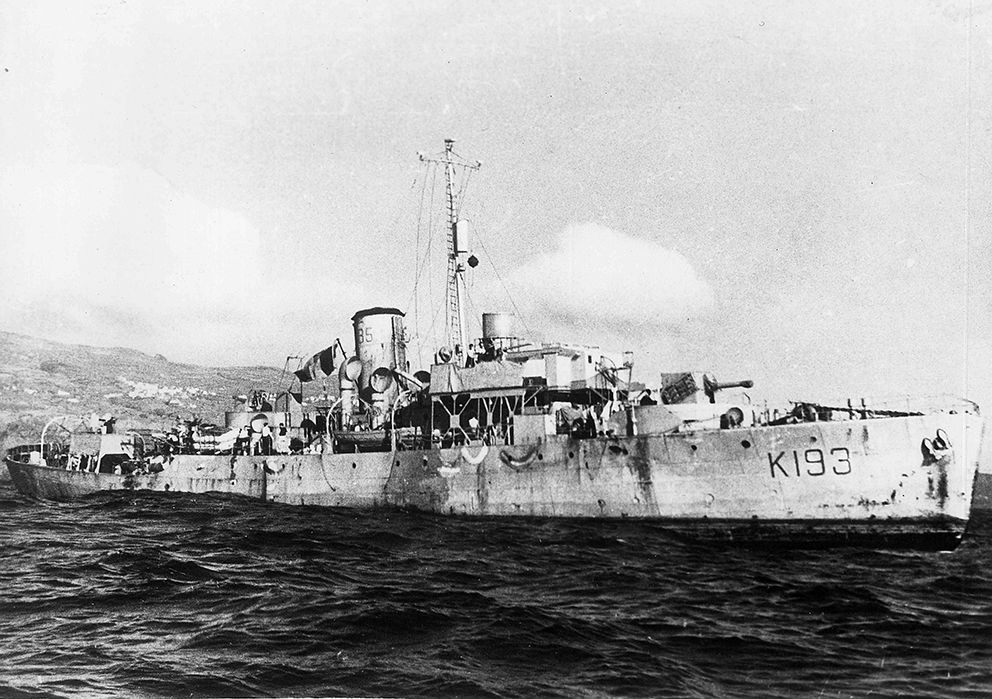
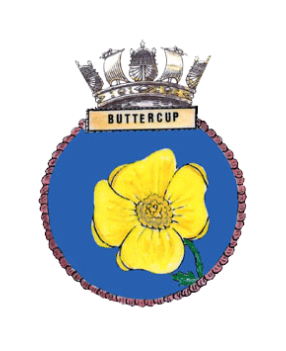
HMS Buttercup (K193), Royal Navy Section Belge corvette, Flower-class.
History
Belgian Service
HMS Buttercup was constructed at Harland & Wolff, Belfast, laid down on 17 December 1940 and launched on 10 April 1941. Shortly after, she was damaged in an air raid on 4 May 1941 but repaired and commissioned into the Royal Navy Belgian Section on 23 May 1941.
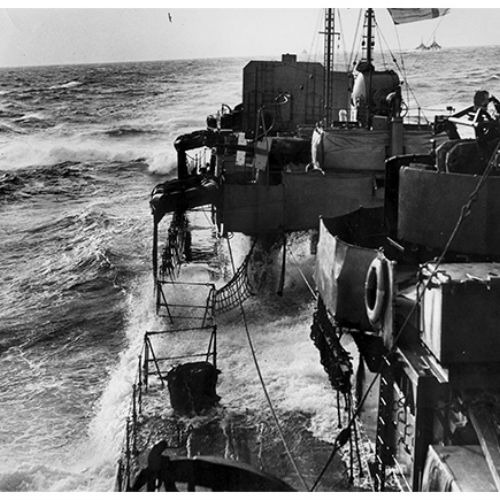
Assigned to convoy escort duties across the Atlantic, the Caribbean, and along the American coastline, Buttercup served tirelessly protecting merchant vessels. Beginning in May 1942, she escorted convoys from Liverpool to Halifax and New York, then progressively through the Caribbean, including San Juan, Curaçao, Trinidad, and Key West. Over the next two years, she was a central element of the Belgian convoy escort group, B5, participating in dozens of convoys with other Belgian-crewed ships such as Columbine, Godetia, Lavender, and Warwick.
Buttercup’s operational narrative was defined by long deployments and relentless duty. Her crews navigated treacherous waters, avoiding U-boat attacks while maintaining the supply line to Allied forces. During the D-Day period, she patrolled and escorted shipping off Normandy from June to August 1944, supporting the buildup and sustainment of the invasion forces. Following the Normandy campaign, she continued Atlantic convoy escort duties until late 1944, completing her final convoy missions in November.
During her Belgian service, Buttercup steamed an estimated 85,000 nautical miles, spent 614 days at sea, and successfully escorted 1,300 ships across 43 convoys, establishing a remarkable record for a Flower-class corvette operated by the Belgian Navy.
Specifications
Dimensions: 205’1¾" (62.5 m) length / 33’ (10 m) beam / 12’ (3.6 m) draught
Displacement: 900 tons (standard) / 1,105 tons (full load)
Propulsion: 2-shaft reciprocating engines, 2,940 hp
Speed: 14.3 knots
Range: 3,000 mi at 15 knots / 5,500 mi at 9 knots
Crew: ~85–90 personnel
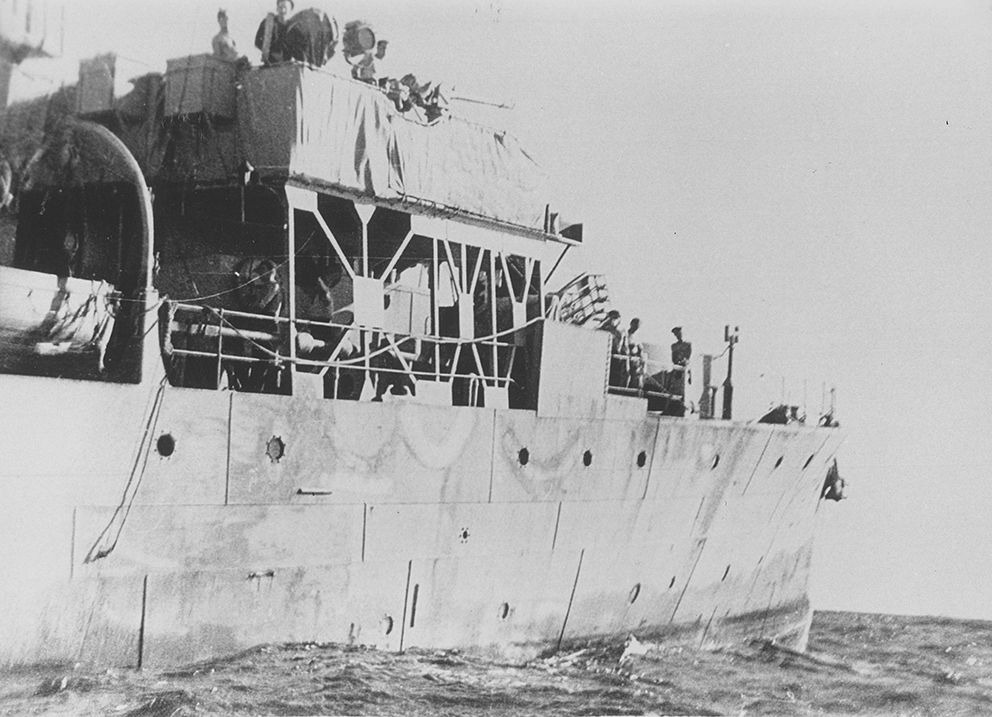
Armament Details Gun 2x 6 pdr QF Hotchkiss Anti-Aircraft 2x 20 mm Oerlikon + 2x twin mount M1924/32 Colt-Browning 0.5 + 2x 0.303" (7.7×56mm) Twin Lewis Anti-Submarine Hedgehog spigot mortar, depth charges Sensors ASDIC Type 127C LL swep, Radar Type 271/261/252 M/F D/F Fuel 233 tons diesel
Place in War Thunder
The most fitting placement for HMS Buttercup would be under a BeNeLux tree, potentially as a Belgian-exclusive Flower-class corvette variant. Alternatively, she could appear in a French BeNeLux subtree. Its primary role would be escort missions, anti-submarine warfare, and coastal defense at ranks corresponding to early 1940s corvettes.
It could also come as an event/premium ship in the British Coastal tech tree, as it served in the Royal Navy Section Belge.
Sources
Sources
- Marine Belge: HMS Buttercup – https://marinebelge.be/buttercup.html
- Document Musée Royal de l’Armée, Bruxelles
- Jane’s Naval Armament, London, UK