Fairchild Republic A-10 N/AW: “The Nighthog!”
(Polls are at the Bottom)
Overview
Hello Pilots!
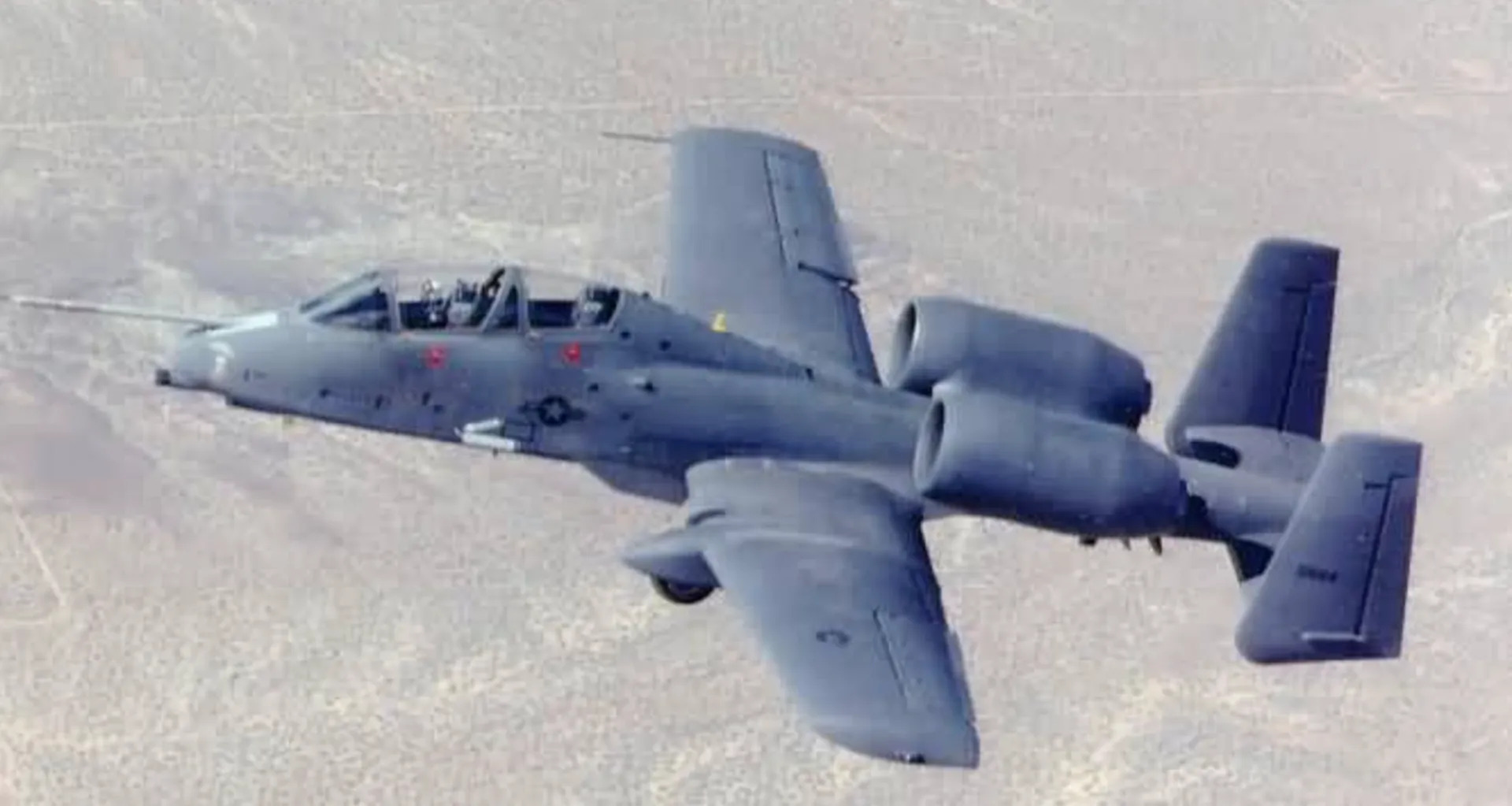
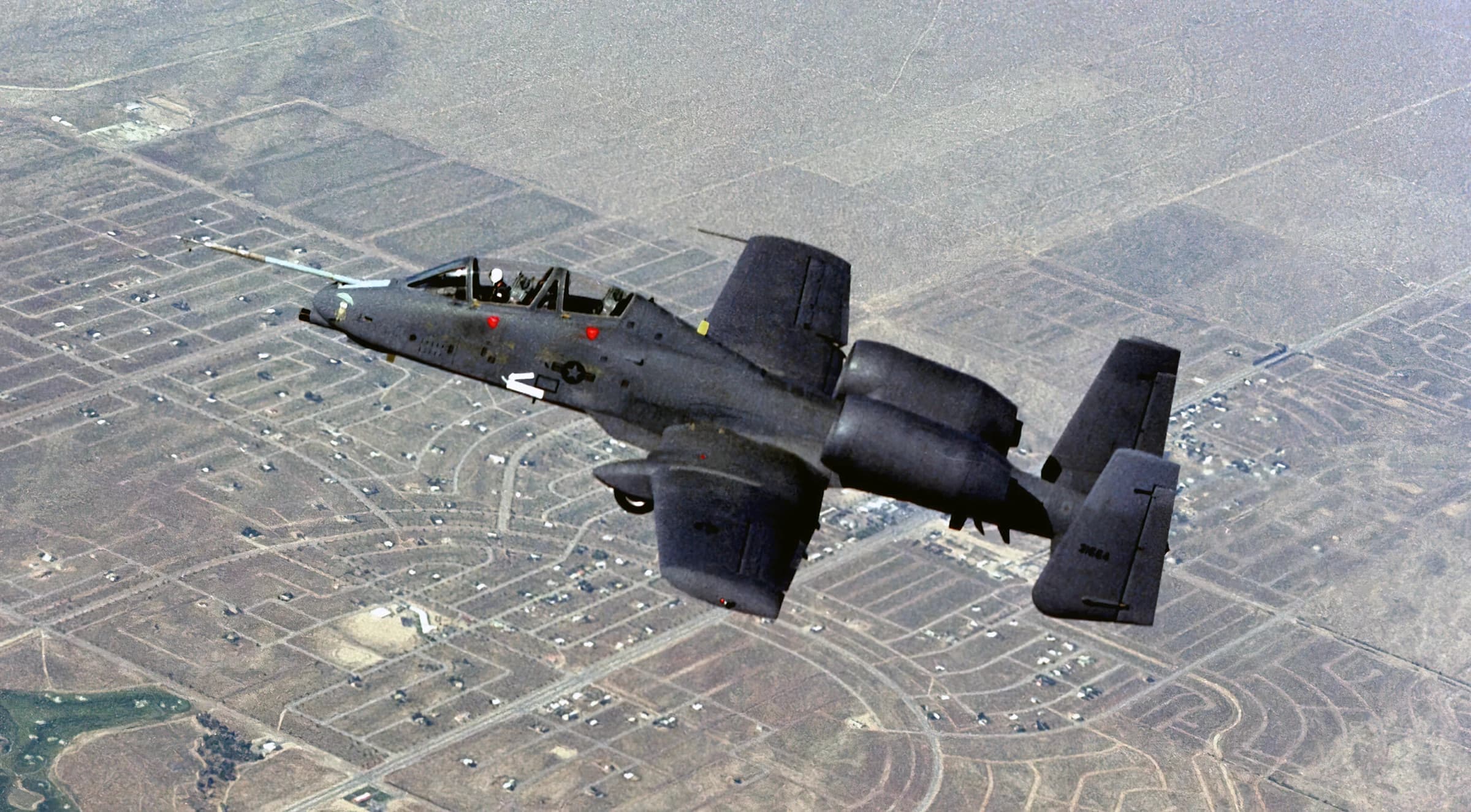
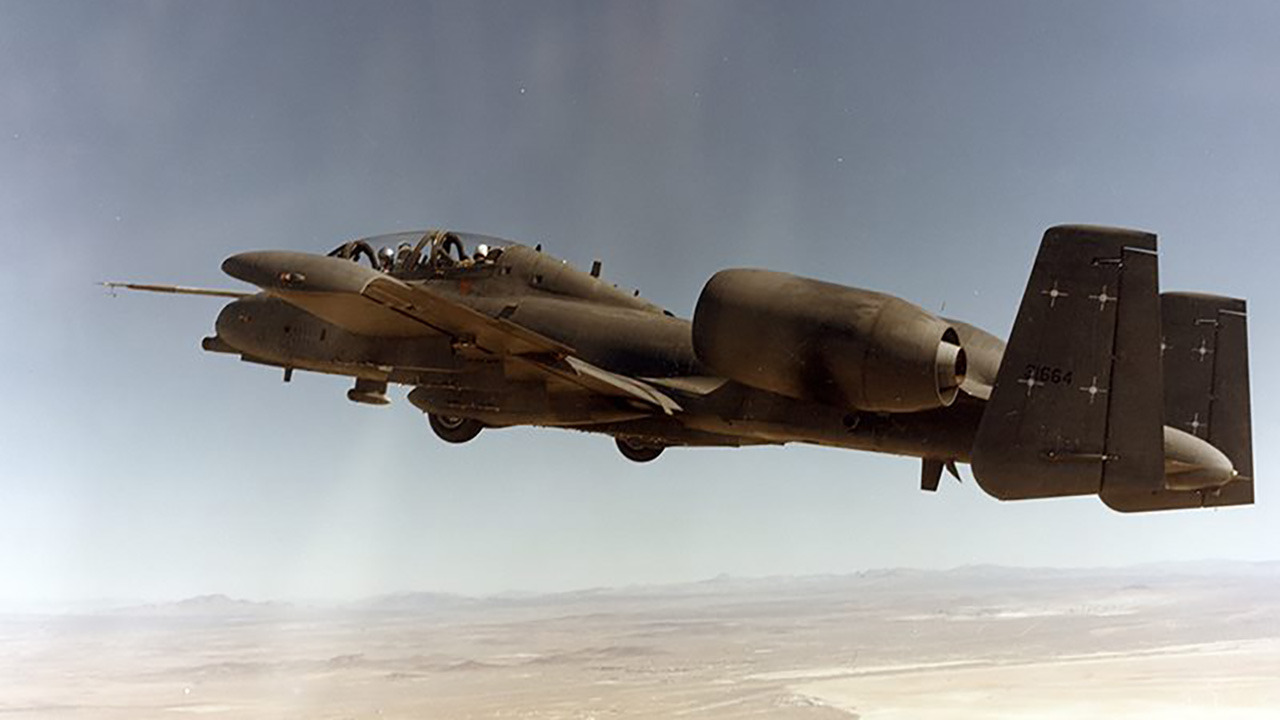
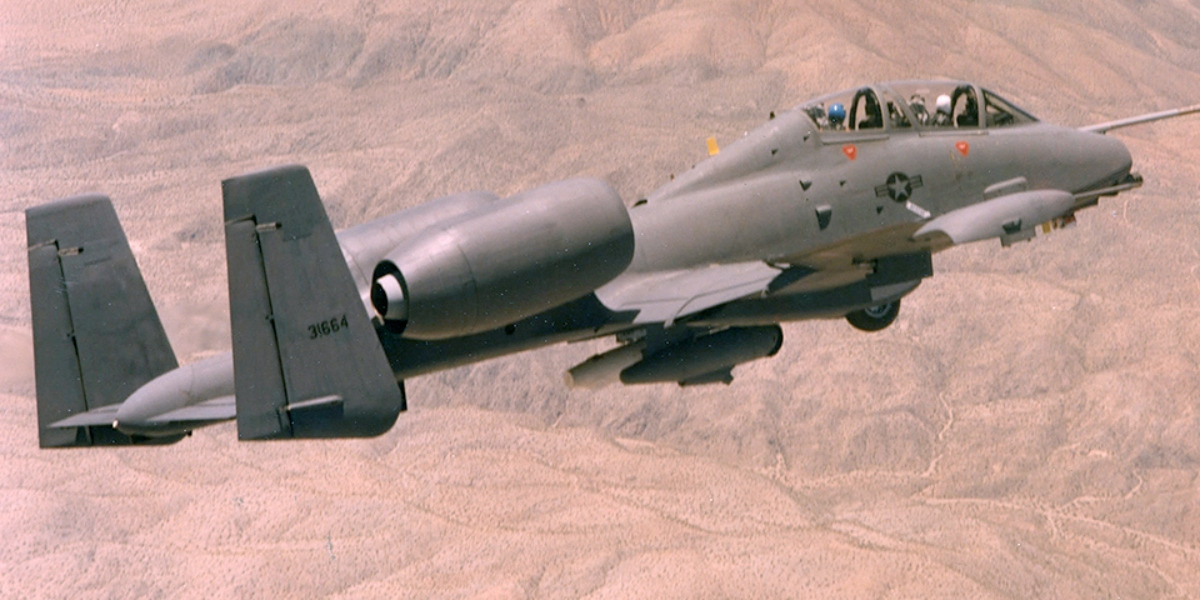
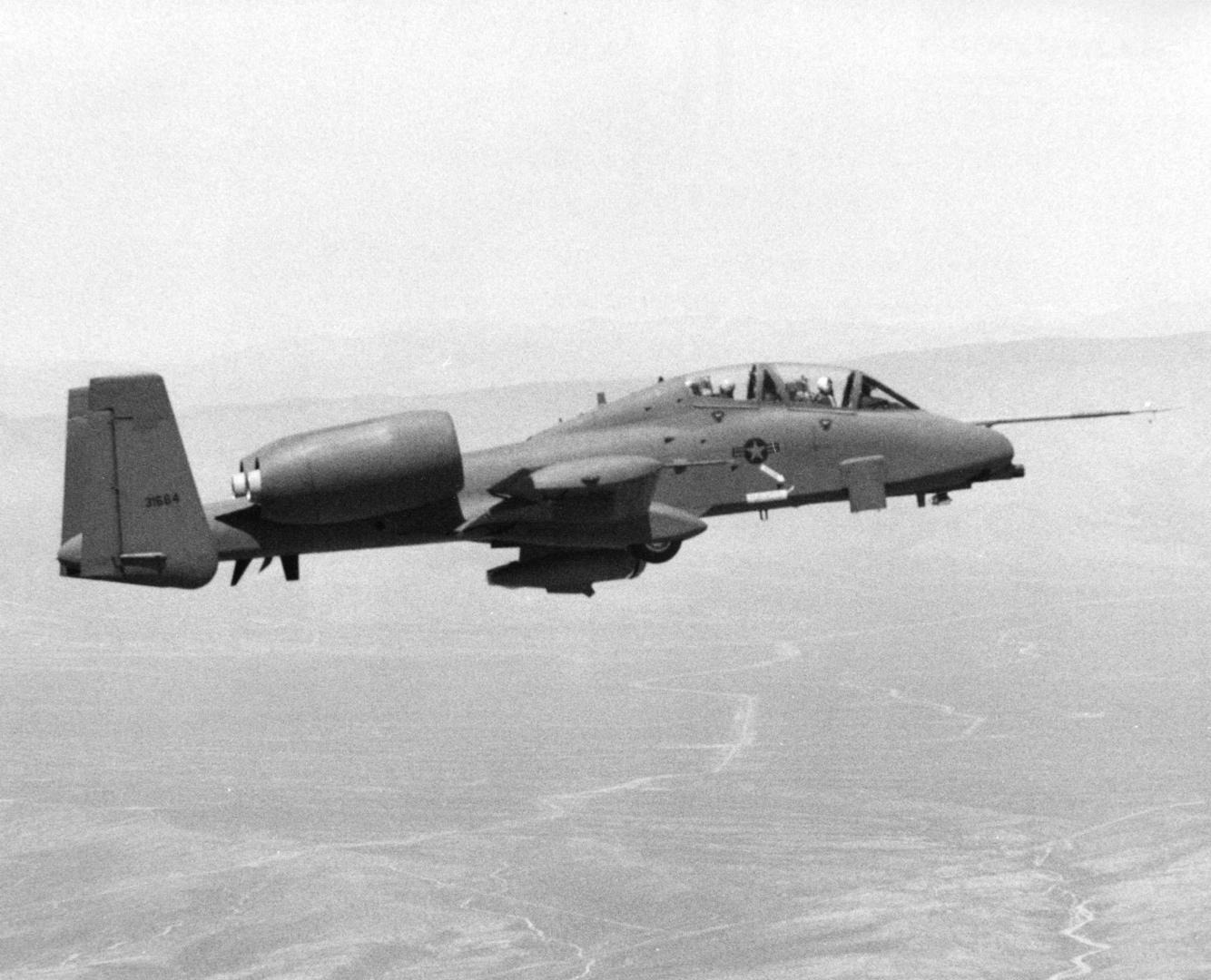
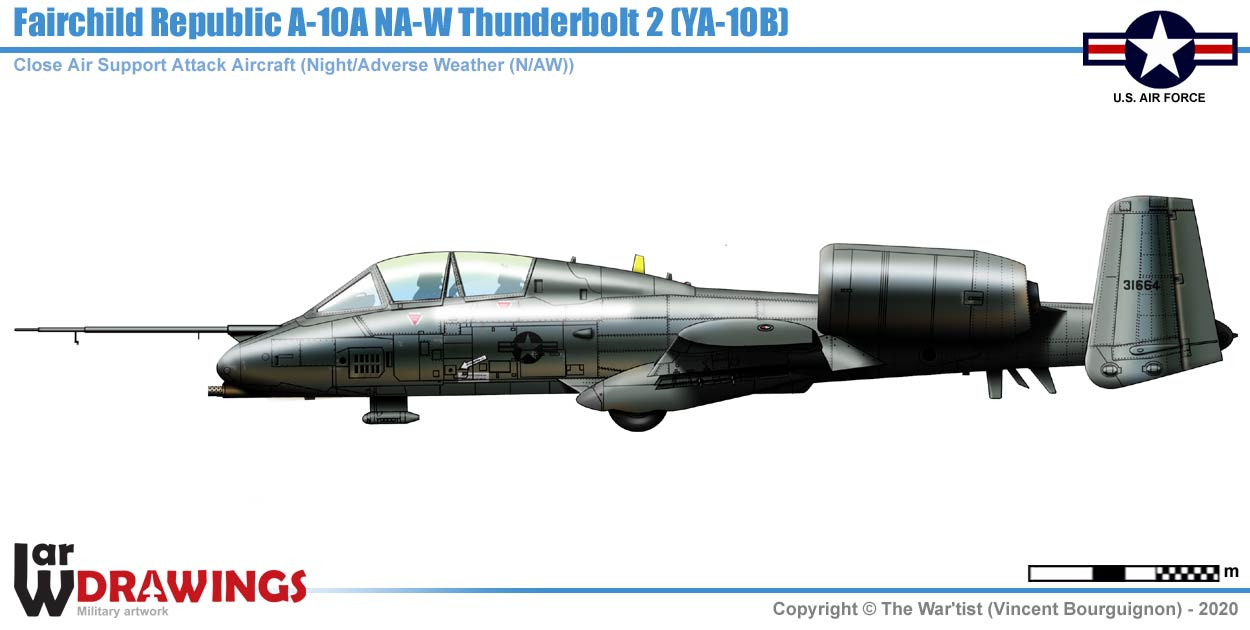
I hope you are doing well! Today, I want to suggest a lesser-known variant of the legendary A-10 Thunderbolt II, or more better known as the Warthog, or in this case, the Nighthog! A 2-seater A-10 modified to handle CAS operations at night or adverse weather!
Basic Information
Designation: A-10 N/AW
Role: All-Weather Attack Aircraft
Crew: 2
-
Pilot
-
Electronic Warfare/Weapon Systems Officer
Designer: Fairchild Republic
Manufacturer: Fairchild Republic
Designed: March, 1978
First Flight: May 4, 1979 (Shakedown), October 23, 1979 (USAF Trials)
Cancelled: 1983
Number Built: 1
Specifications
Dimensions:
-
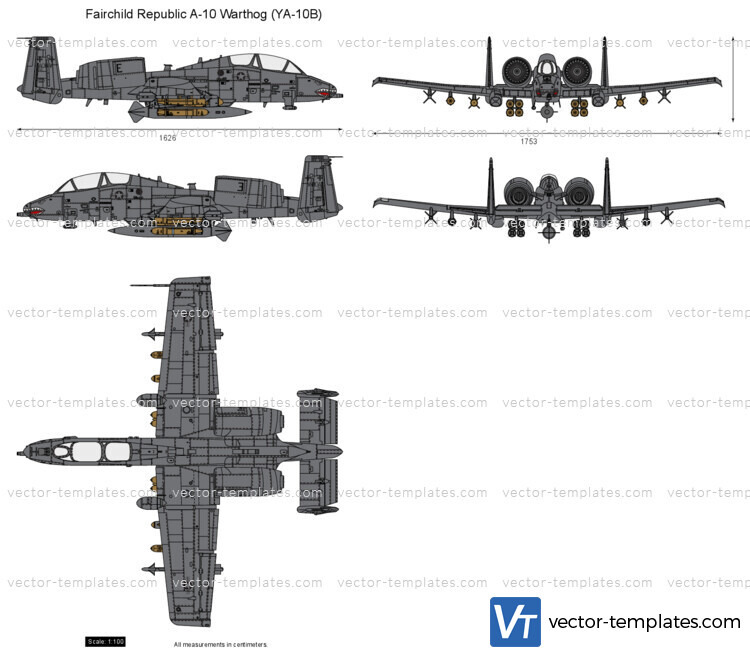
Length: 53 ft 4 in (16.25 m)
-
Wingspan: 57 ft 6 in (17.5 m)
-
Wing Area: 506 sq. ft (47.0 m²)
-
Height: 15 ft 7 in (4.75 m)
Flying Performance:
-
Engine(s): 2x General Electric TF34-GE-100A turbofans
- 9,065 lbs (40.3 kN) of thrust each
-
Maximum Speed: 420mph (675.9 km/h)
-
Service Ceiling: 40,000 ft (12,192 m)
-
Rate Of Climb: 6,000 ft/min (30 m/s)
-
Maximum Range (Combat): 290 mi (466.7 km)
-
Gross Weight: 40,000 lbs (18,143 kg)
Armament:
-
Main Armament: 1x 30mm GAU-8/A Avenger Gatling Cannon
- 750 Rounds
-
Suspended Armament: ~9,500 lbs (4,309 kg)
-
Avionics Pods:
-
AN/AAR-42 FLIR pod (Pylon 6)
-
WX-50 Terrain-Following Radar pod (Pylon 4)
-
-
Air-to-Ground Missiles:
- AGM-65D Maverick
-
Air-to-Air Missiles:
- AIM-9 Sidewinder
-
Conventional Bombs:
- Mk. Series
-
Aerial Rockets:
- Hydra Rocket Pods
-
Usage In Battles
The A-10 N/AW would be a unique addition to thegame by providing a unique variant of the A-10 with the capabilities to be a better CAS aircraft with its better avionics. In the right hands, the A-10 N/AW would be a menace on the battlefield in any and all conditions!
Pros:
-
Additional Avionics Pods
-
Manueverable
Cons:
- Slow Target
History
Good… But Not Good Enough…
Following the A-10 Warthog’s entry into service, it quickly proved itself as a dependable and rugged asset to fulfill the CAS role. However just as quickly, it was noticed that the Warthogs struggled to preform adequately during missions at night or in adverse weather. The best solution found at the time was the use of illumination flares, which was far from ideal.
Recognizing this problem, in March 1978 the DoD requested that Fairchild Republic modify an A-10 capable of operations outside its standard profile. Fairchild would be returned its first pre-production A-10A (SN. 73-1664), and by April 1978, modifications would begin.
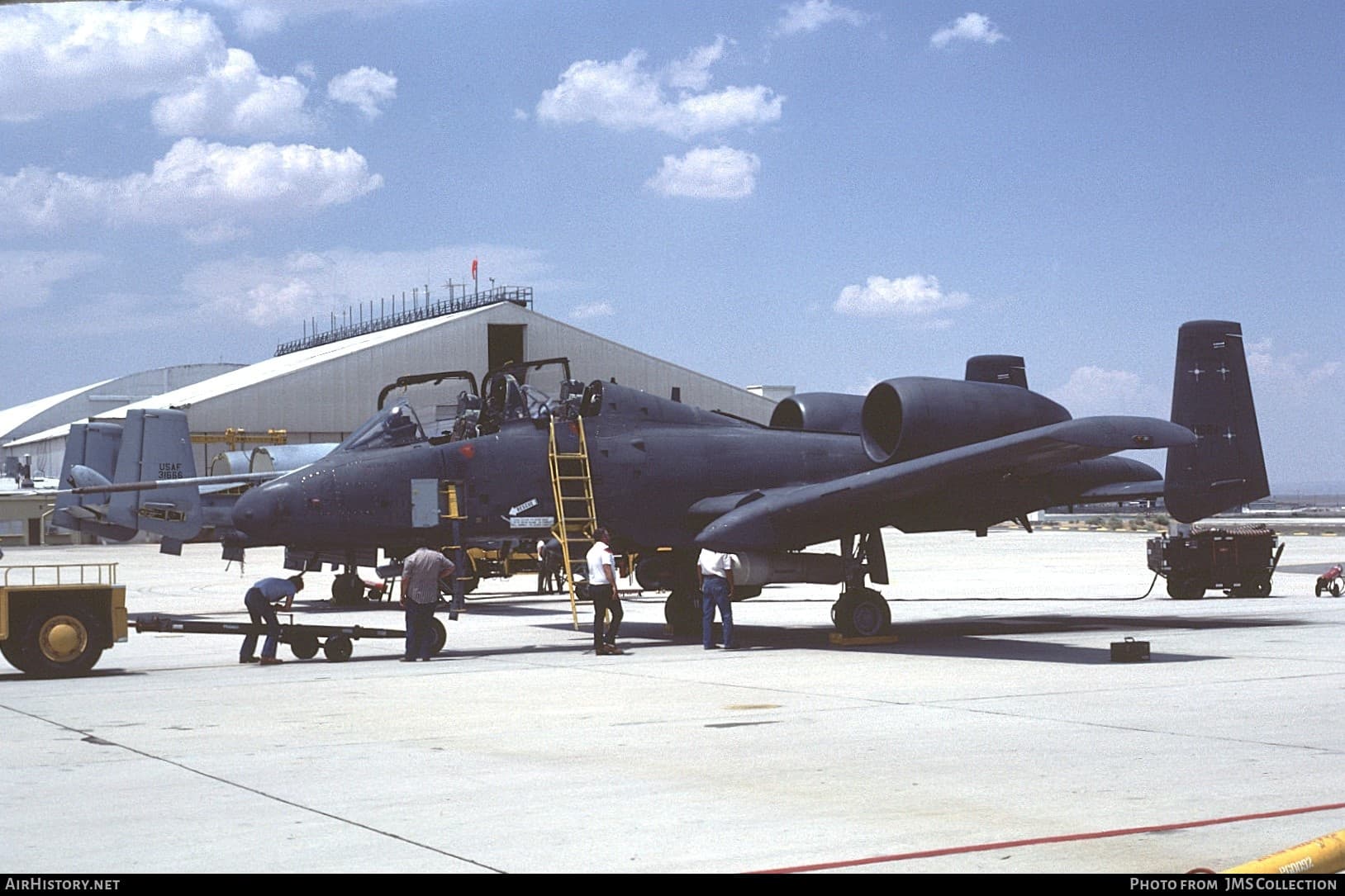
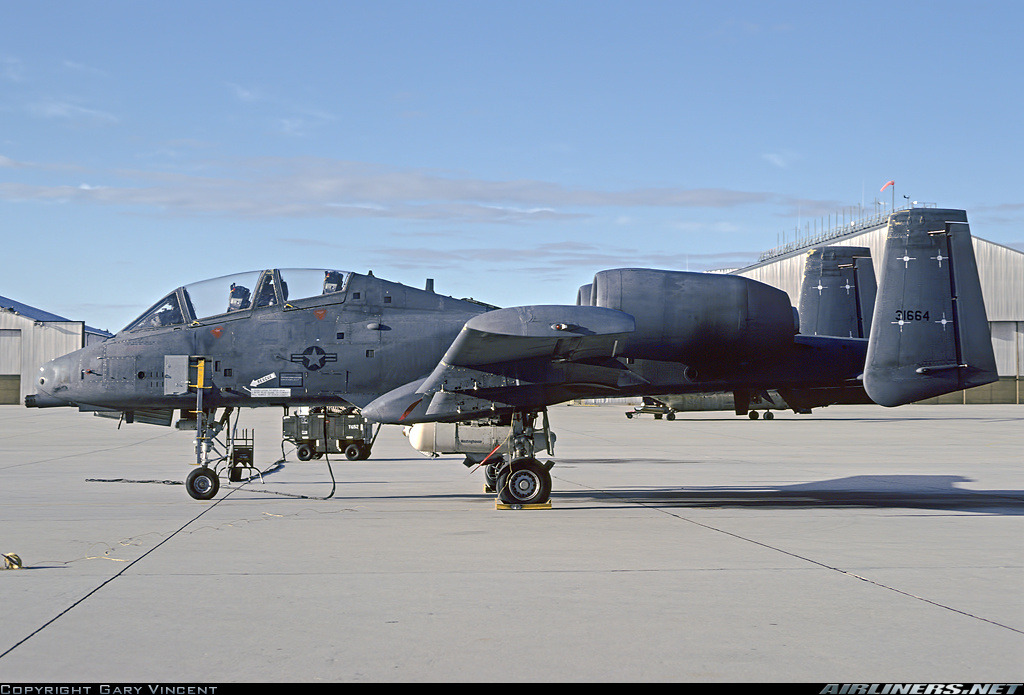
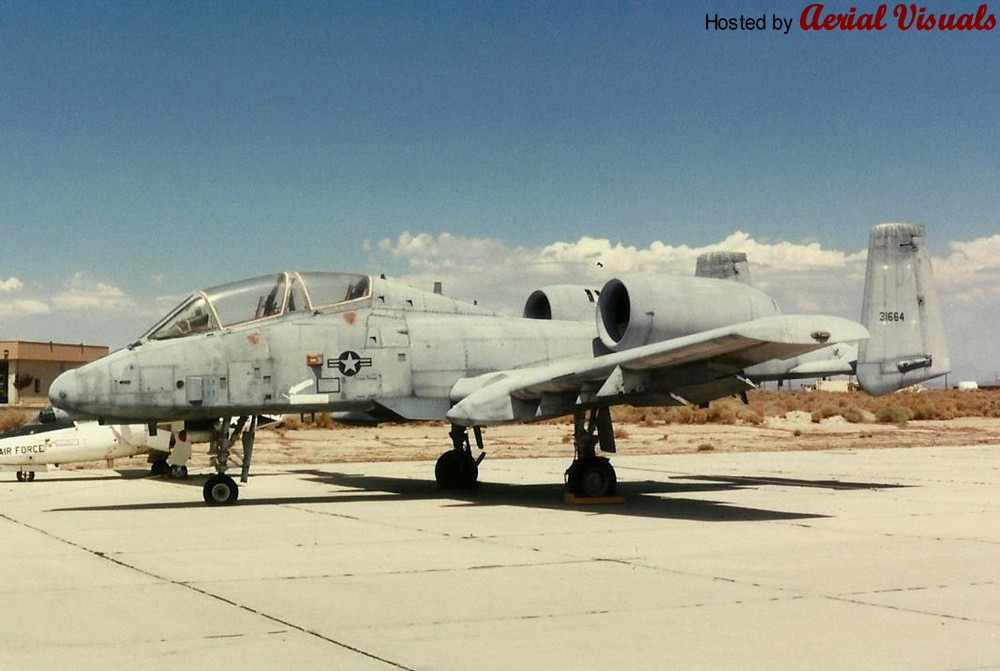
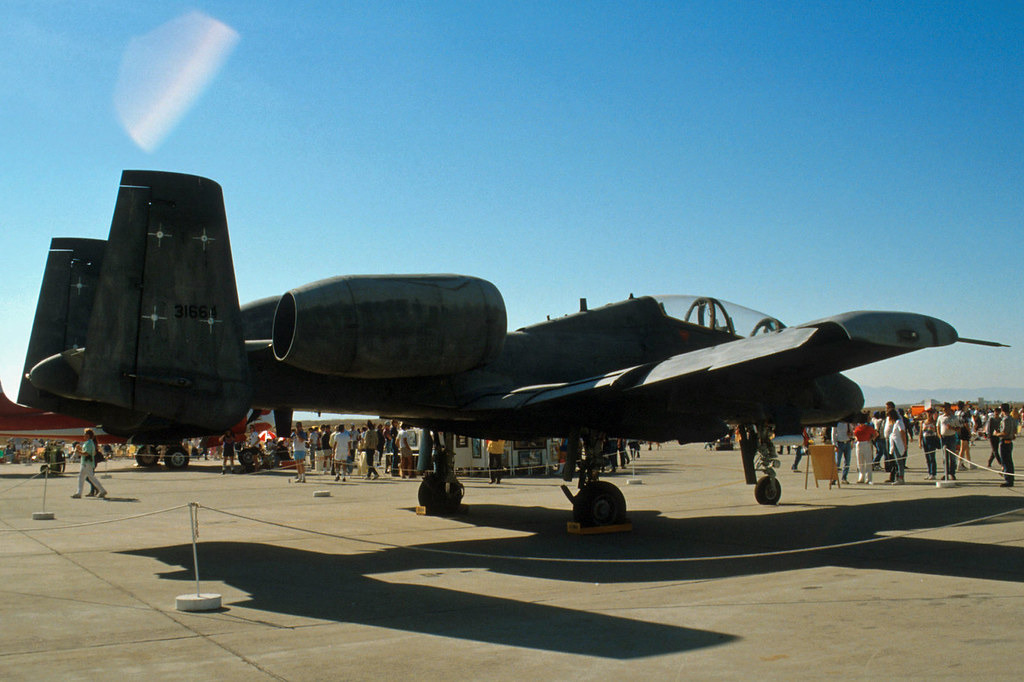
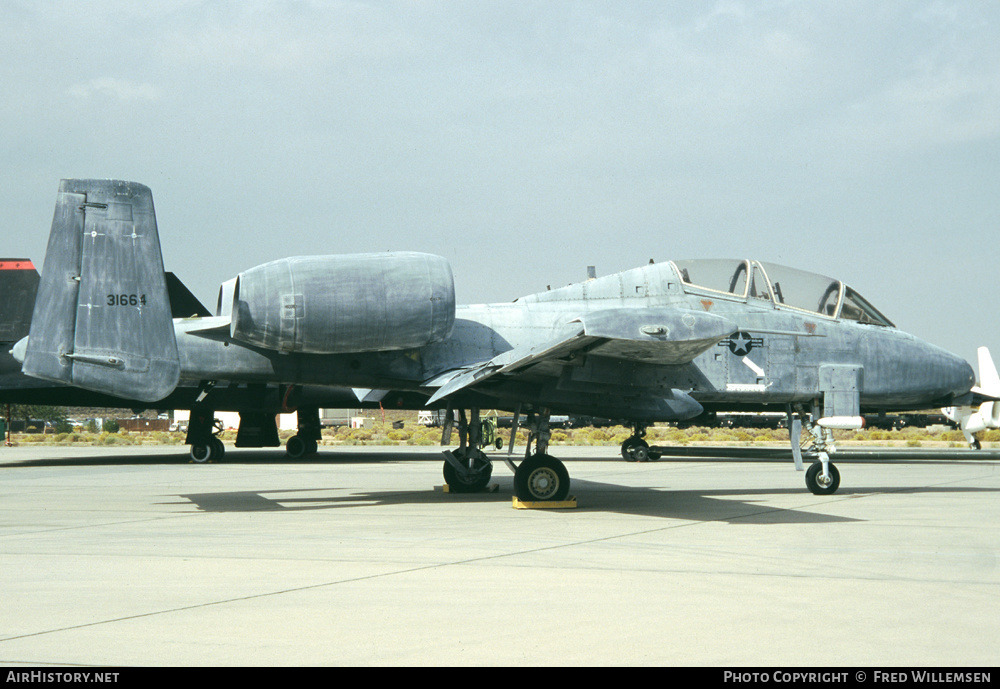
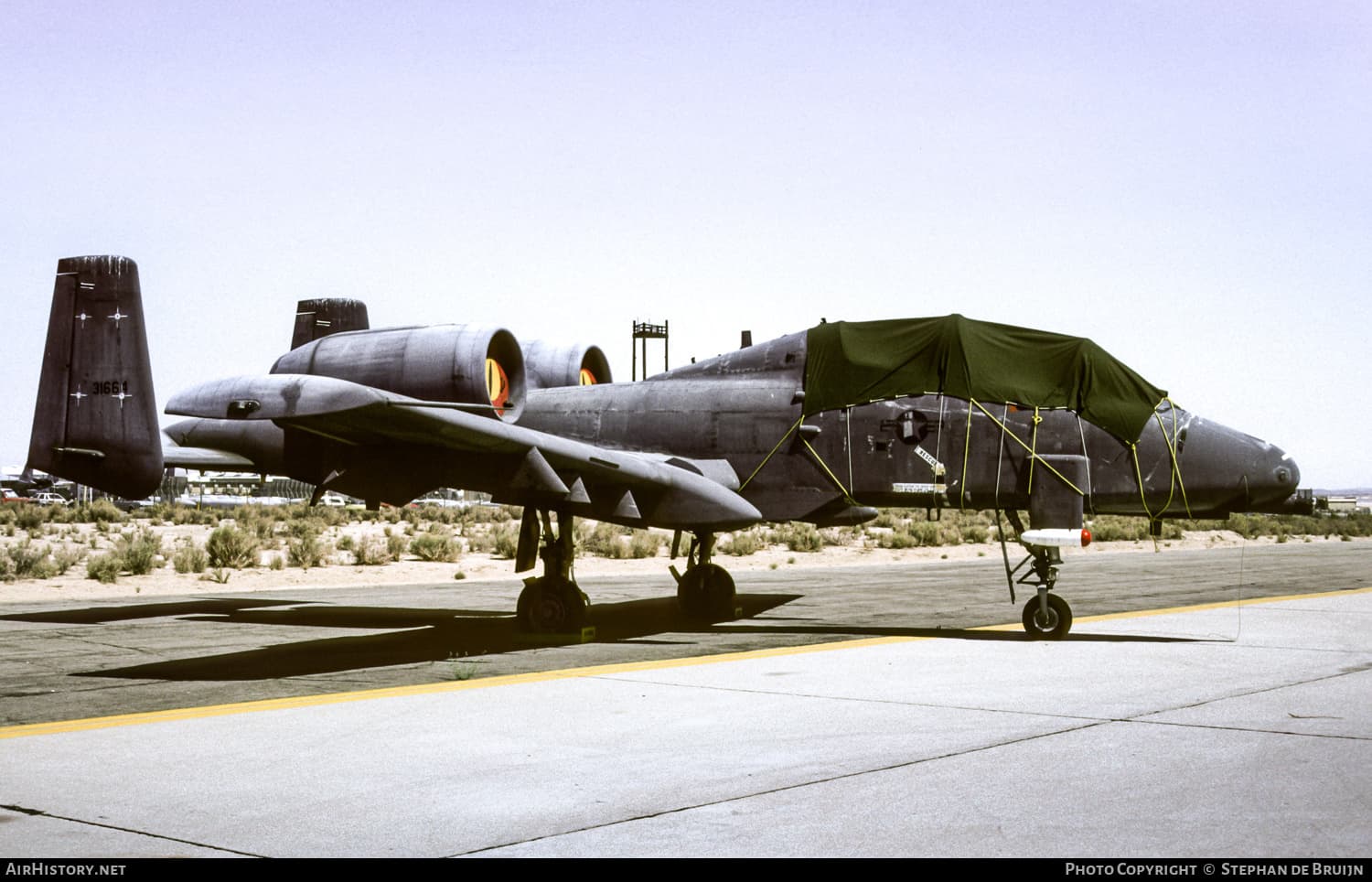
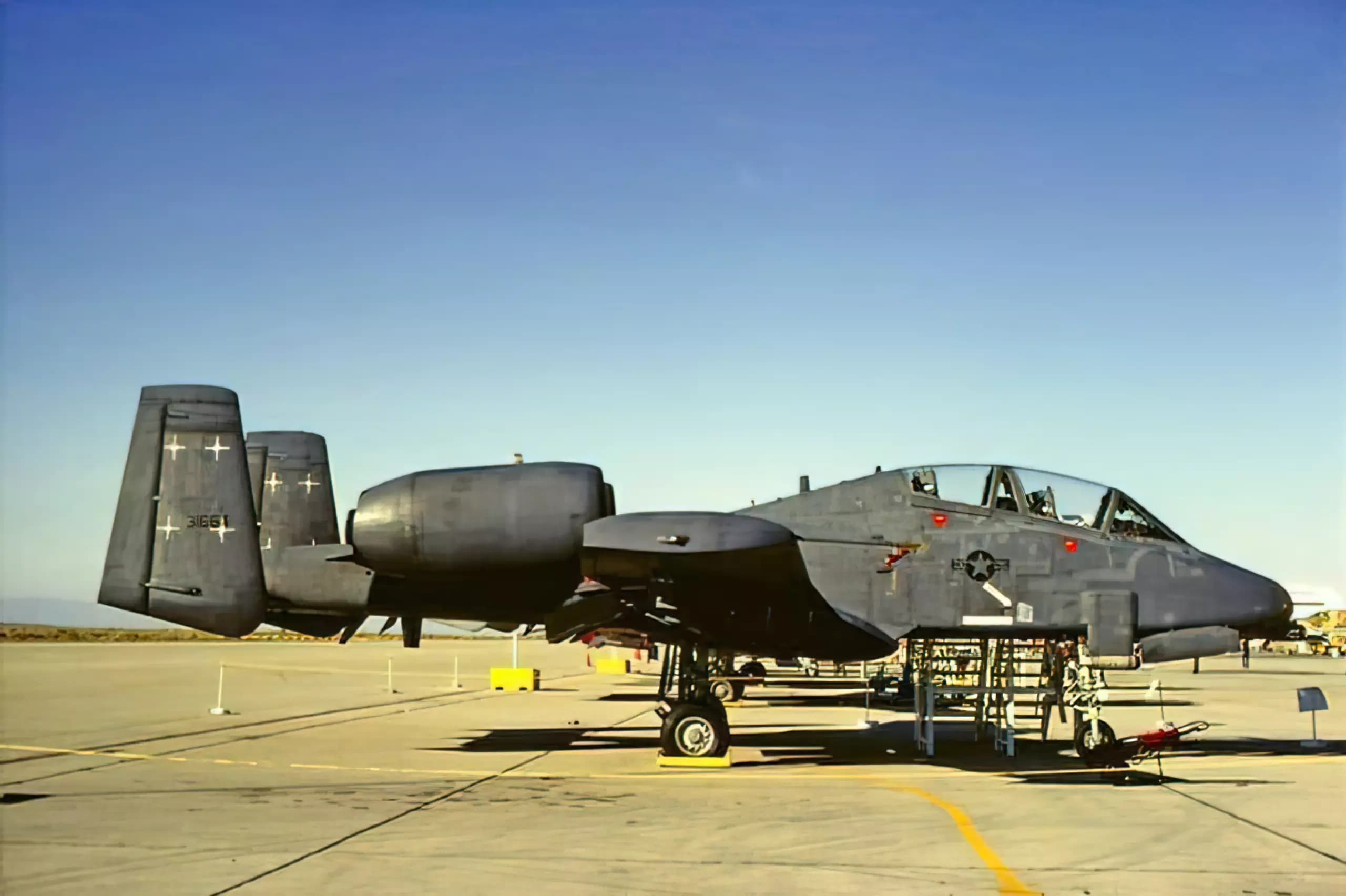
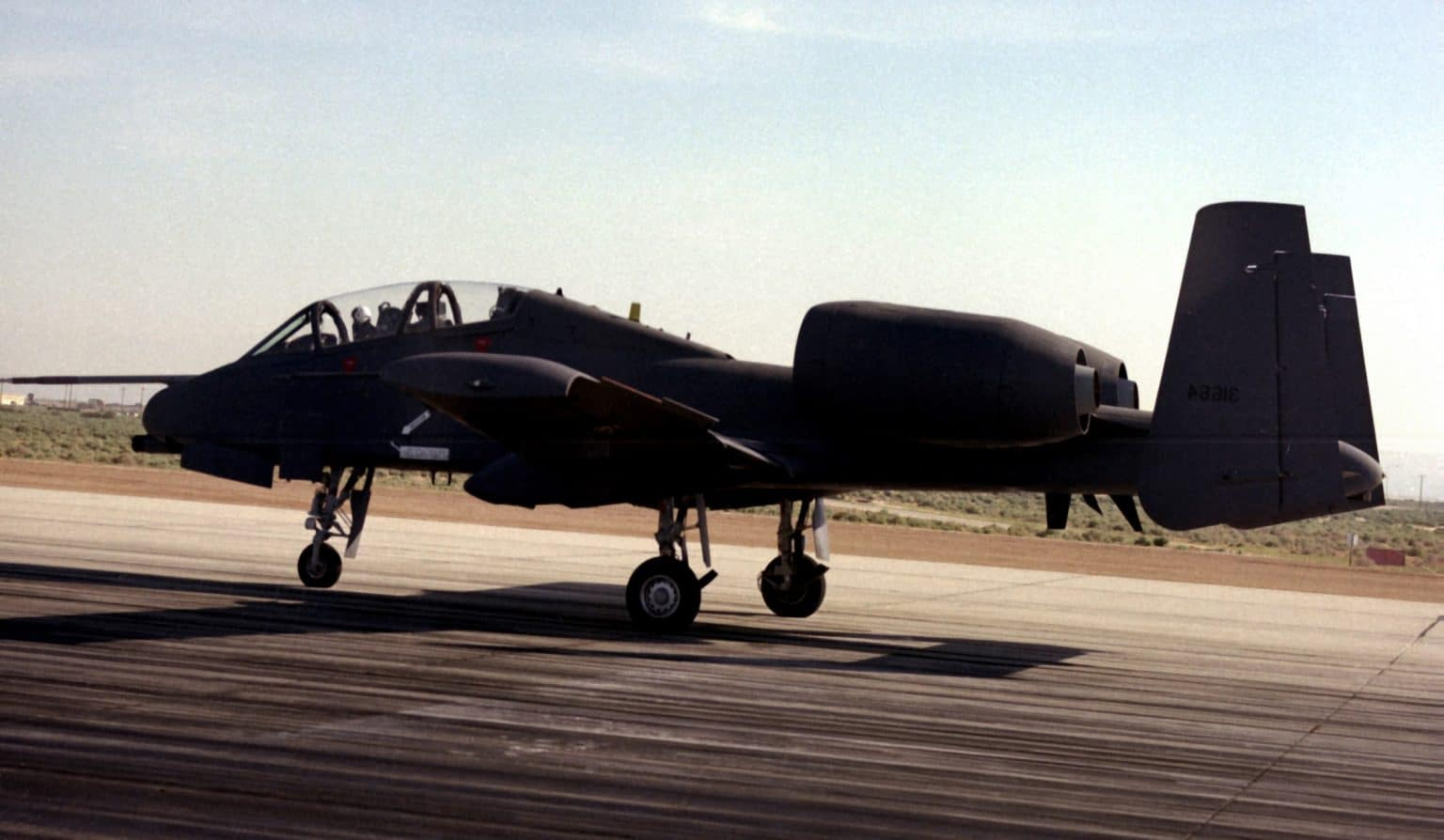
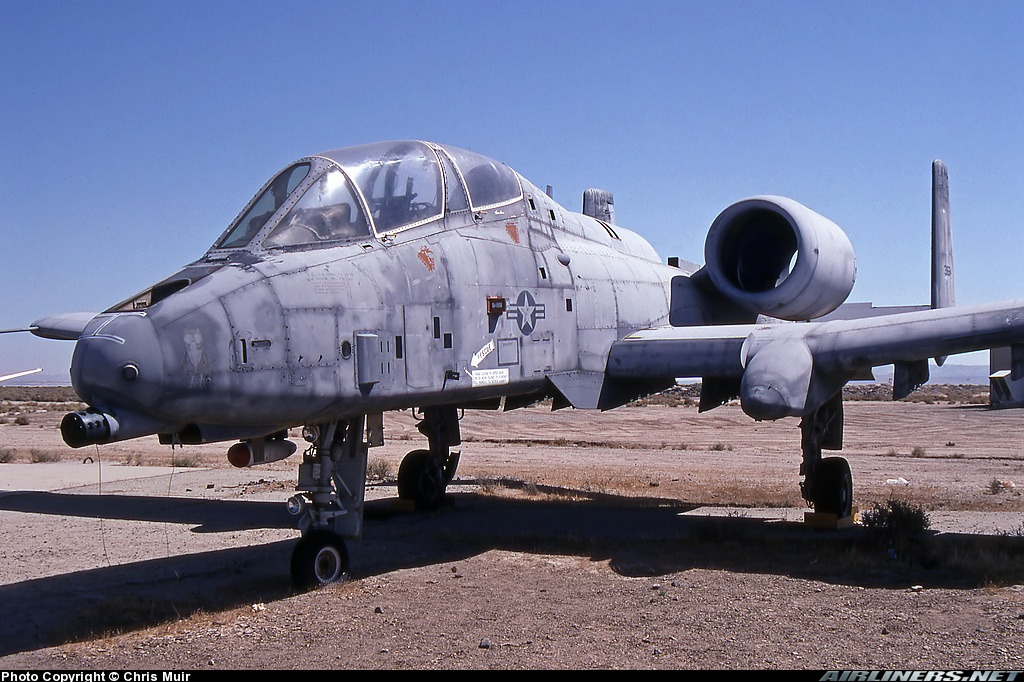
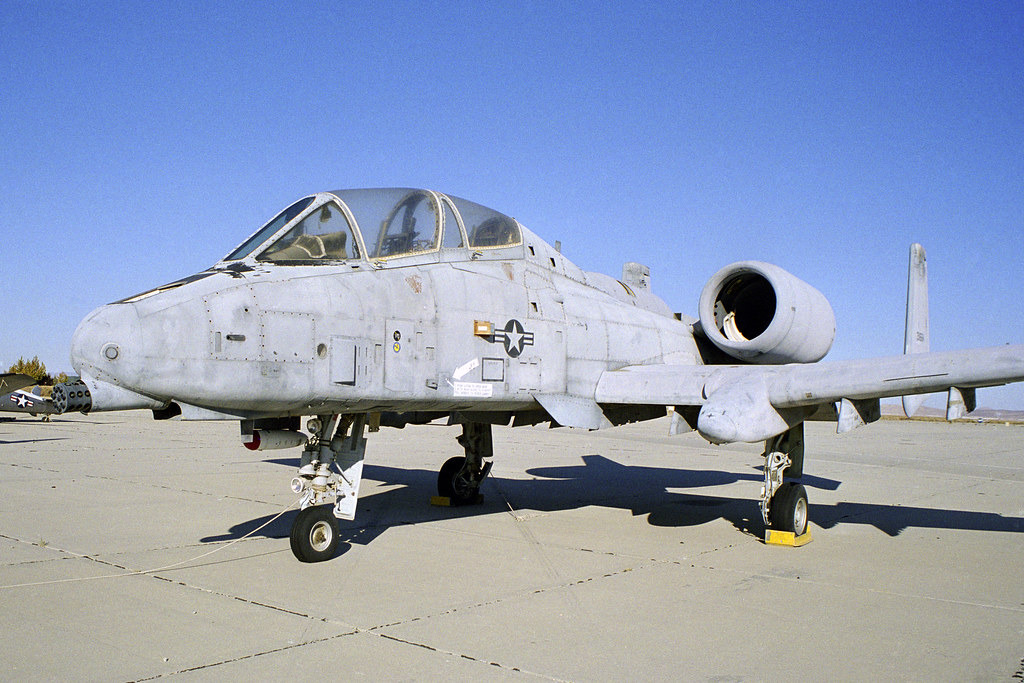
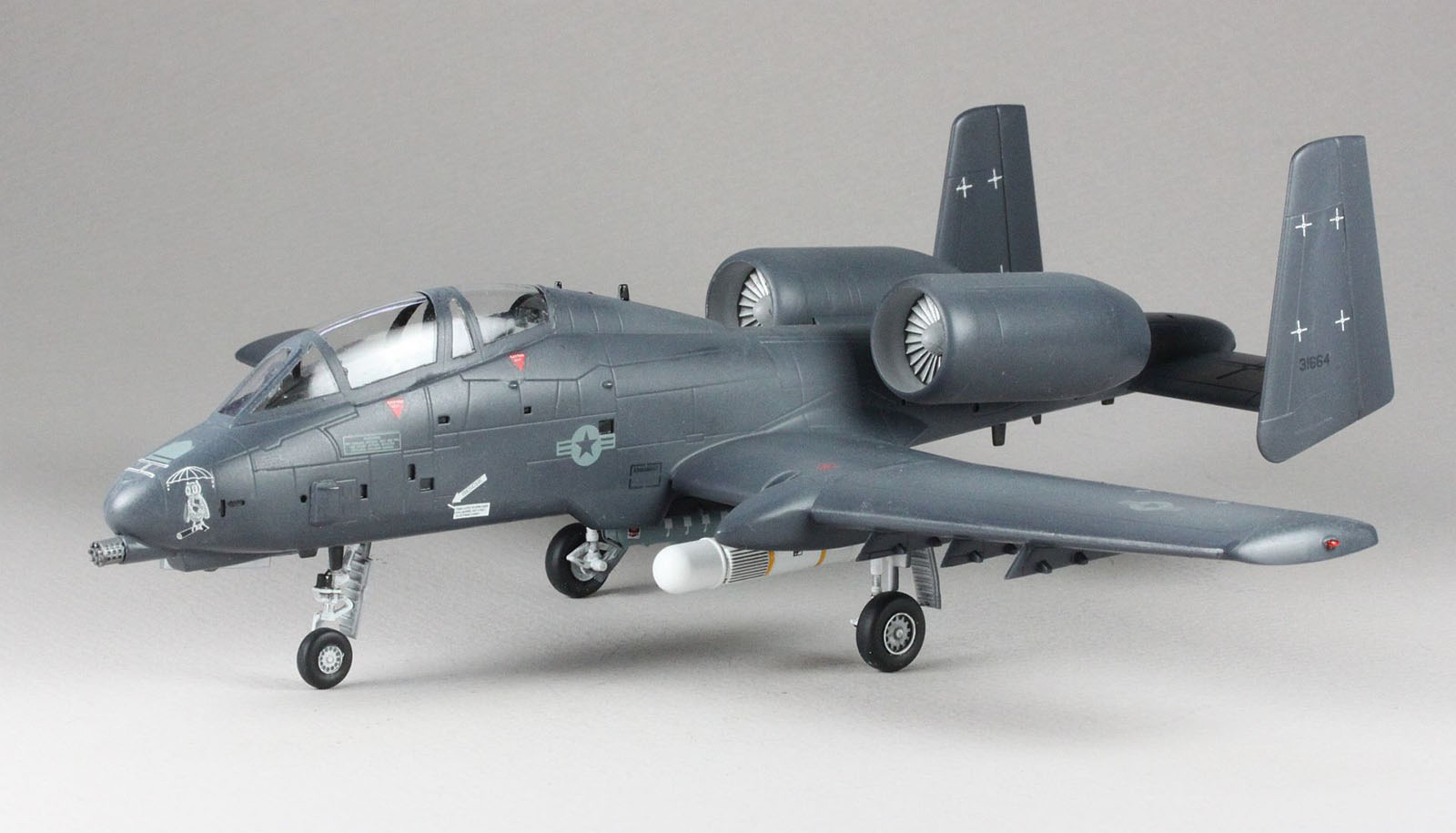
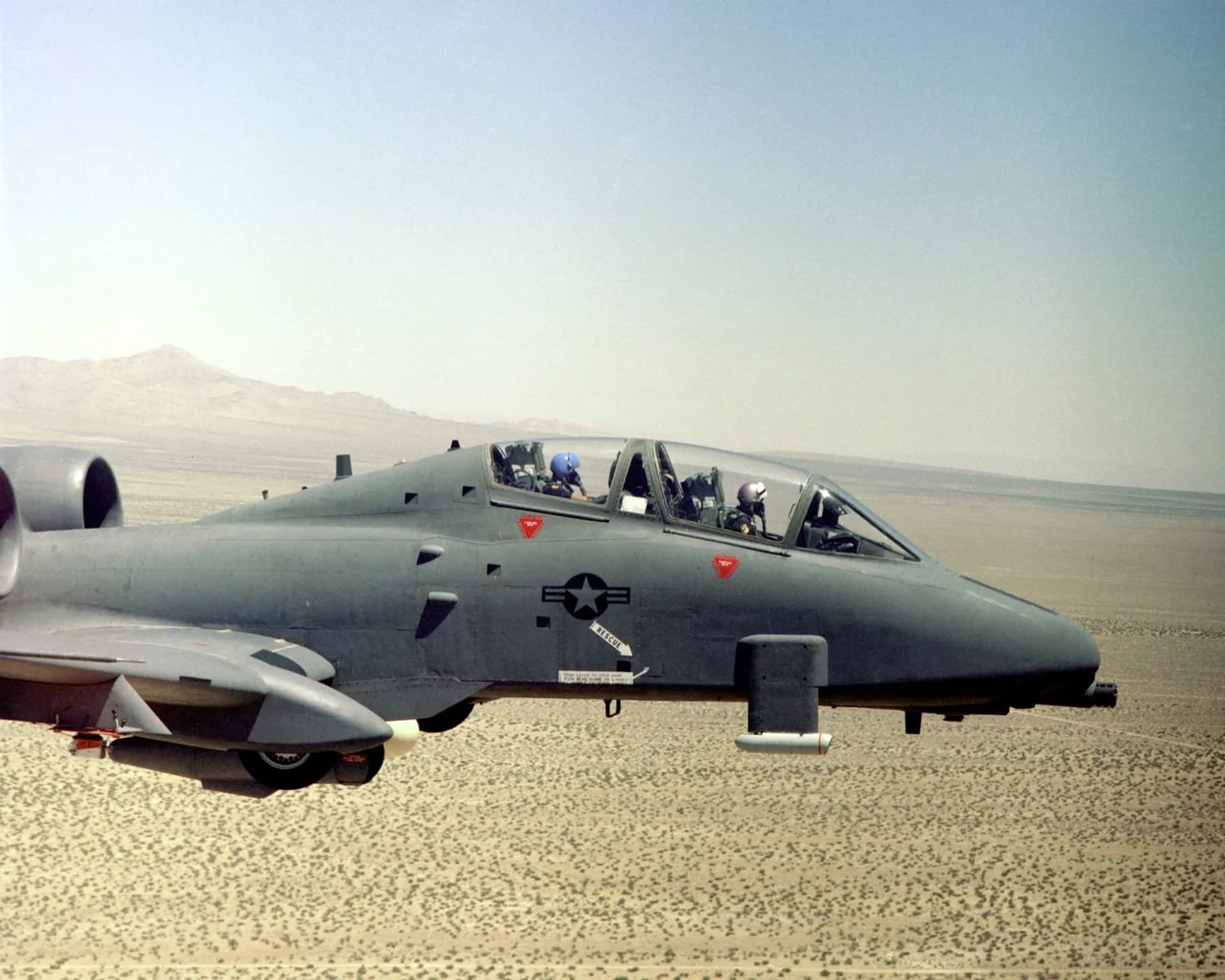
To start, the cockpit would be lengthened rearward to accommodate the additional tandem-seat for the Electronics Warfare Officer, changing the recognisable “clamshell” canopy of the A-10 for a split side-opening canopy divided by an A-frame which housed additional avionics. Of note, the famous “Titanium Bathtub” of armor protection for the pilot was not extended for the additional crewmember. Due to the newly-occupied space, the ammunition drum of the GAU-8 Cannon was reduced to 750 rounds. Alongside this, new ejection seats would be added, and the heads-up display would be upgraded as well.
First Steps…
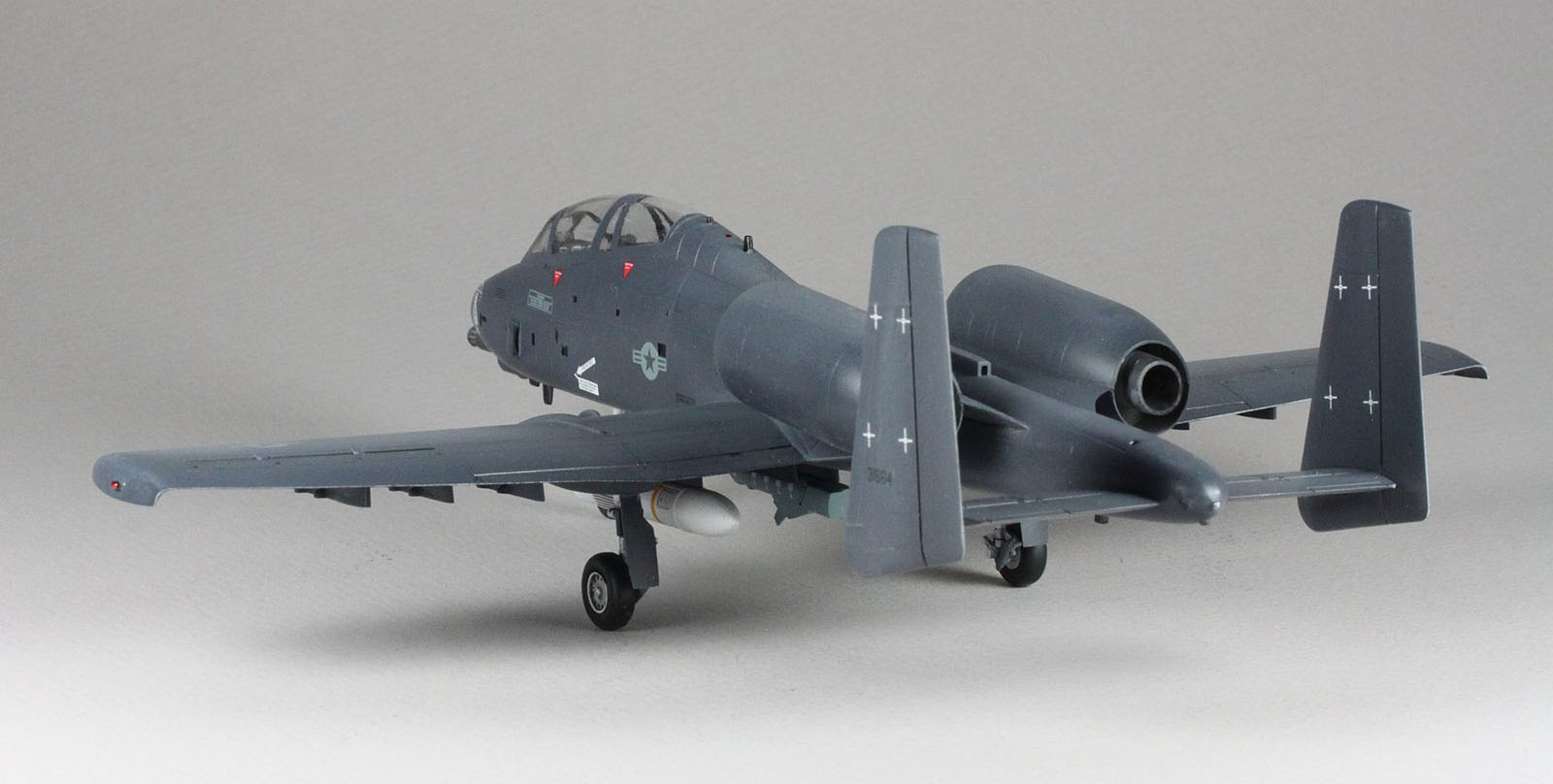
Once airframe modifications were complete, Fairchild would roll the prototype out onto Edwards Air Force Base for initial shakedown trials on May 4, 1979, having an airdata boom installed inplace of the fuel port. Following the flight tests, the twin rudders would be enlarged, being made 20 inches taller for better flight control and stability.
To better preform in sub-optimal mission parameters, the A-10 N/AW would recieve several avionics & sensor additions/upgrades. An inertial navigation system, radar altimeter and electronic moving map display was added; The Pave Penny targeting pod would be replaced with a Low-Light-Level Television (LLLTV) pod; a sensor pod containing a Forward-Looking InfraRed (FLIR) sight and Laser Range Finder located on pylon 6; and a Terrain-Following Radar pod on pylon 4.
On October 23, 1979, the finished prototype would be submitted and would see its first mission test flight. In total, the A-10 N/AW would fly over 300 hours, 50 of which was done over 28 test-missions, with 1/3 of said missions being done at night. Testing would continue into 1982 without issue.
Good… But Not Good Enough (The Sequel)…
The A-10 N/AW would prove a successful program, and showed itself to be an effective aircraft. Despite this, advances in targeting pods, most notably the LANTIRN, able to be equipped on multi-role aircraft such as the F-15 or F-16 aswell as the single-seater A-10s already in service; while the 2-seater A-10 allowed for the workload of night missions to be spread between 2 people, the LANTIRN allowed the same mission to be done by a single person. In addition, the cost to modify A-10 airframes into the A-10 N/AW would be estimated to be roughly $1.5 million per aircraft, with new airframes costing even more. As a result, the A-10 N/AW program would be canceled.
Fairchild would not give up however, and would shift to marketing the A-10 N/AW, redesignated the YA-10B, as a trainer variant for the Air Force. Despite this, Congress would also turn down the YA-10B, stating that the A-10 was a simple aircraft that pilots found easy enough to learn that a specialized trainer variant would be unnecessary.
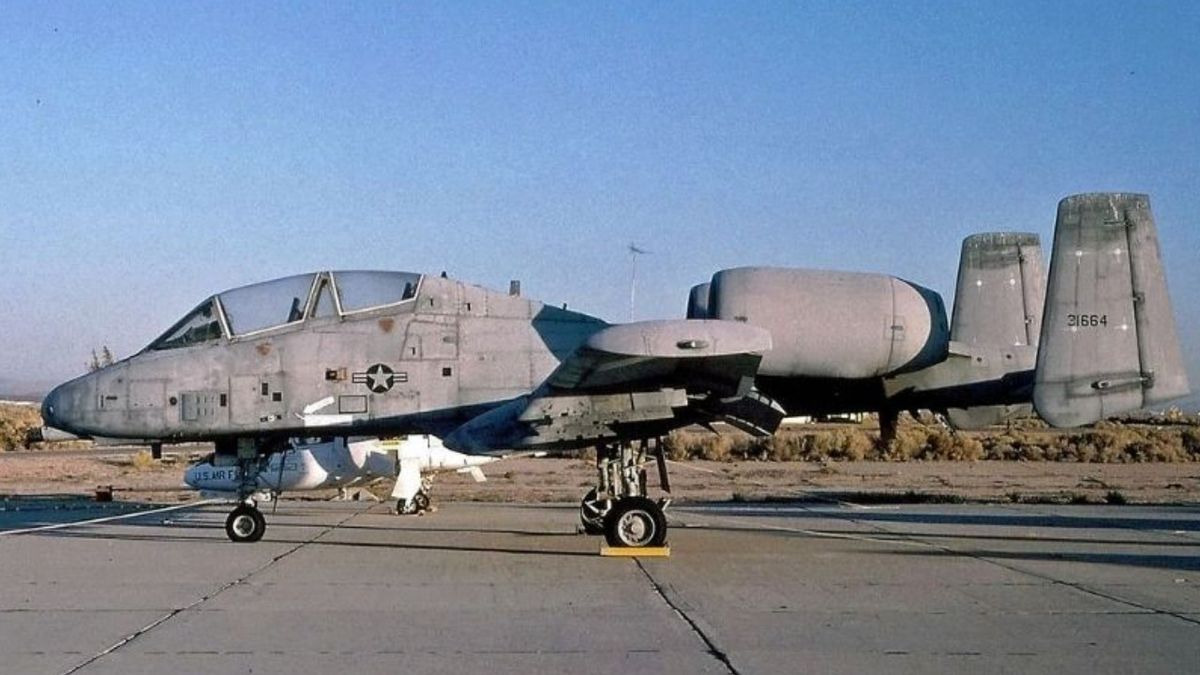
As of today, the YA-10B prototype sits on display at the Air Force Flight Test Center Museum at Edwards Air Force Base in California, being restored by the museum for static display in 2005.
Sources
Fairchild Republic A-10 Thunderbolt II - Wikipedia
Fairchild YA-10B Thunderbolt II
A Lone Two-Seater: The Story of the YA-10B Warthog - The Aviationist
Well, that’s all! Happy Flying!
- Yes
- No
- Tech Tree
- Premium
- Event
- Battle Pass
- Squadron
- I Said No
- 10.0
- 10.3
- 10.7
- 11.0
- 11.3
- 11.7
- 12.0
- Other (Explain in Comments)
- Again… No.