- Yes
- No
- Tech-Tree
- Event
- Premium
- I said No
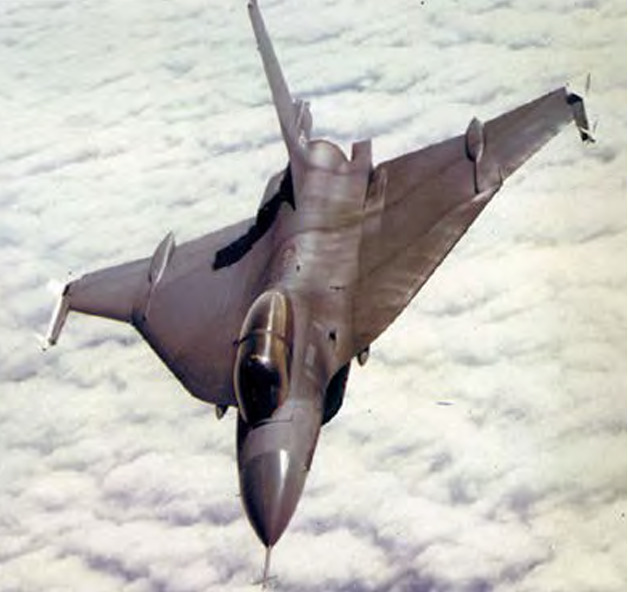
Hello everyone :), what I would like to introduce today is F-16XL-2/F110-GE-100
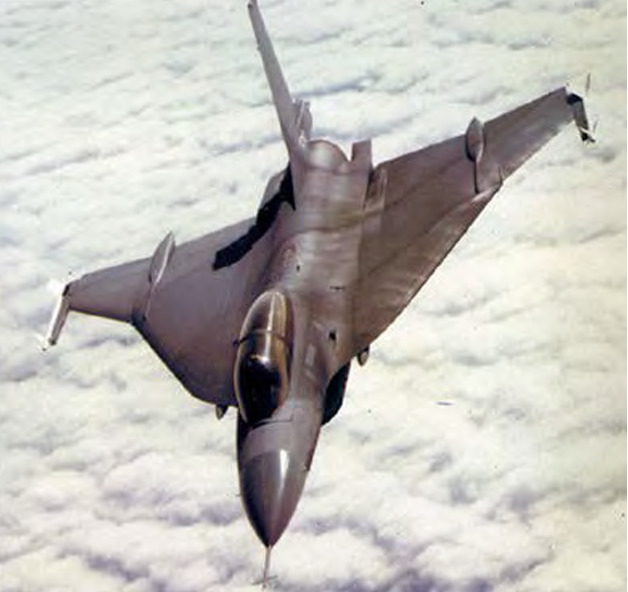
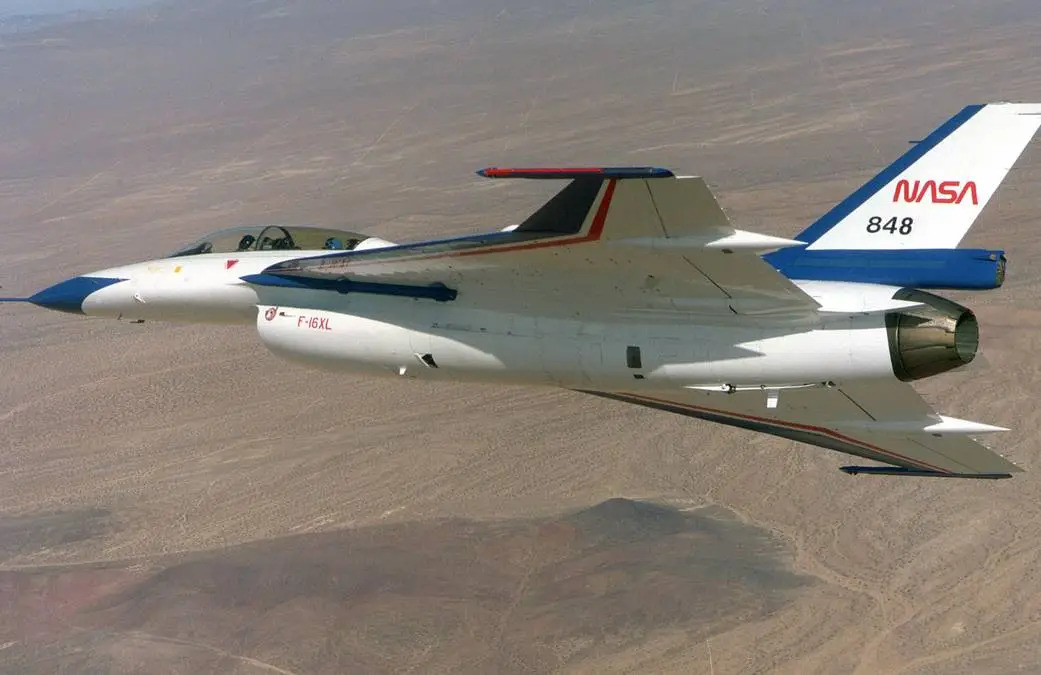
The F16XL is a product called SCAMP (Supersonic Cruise and Mobility Prototype) launched by General Electric in the 1970s. This project gave birth to two aircraft, the F-16XL-1 and F-16XL-2, which underwent years of flight testing and weapon experiments before being defeated by the F-15E and ultimately handed over to NASA for aerodynamic and high-altitude testing.
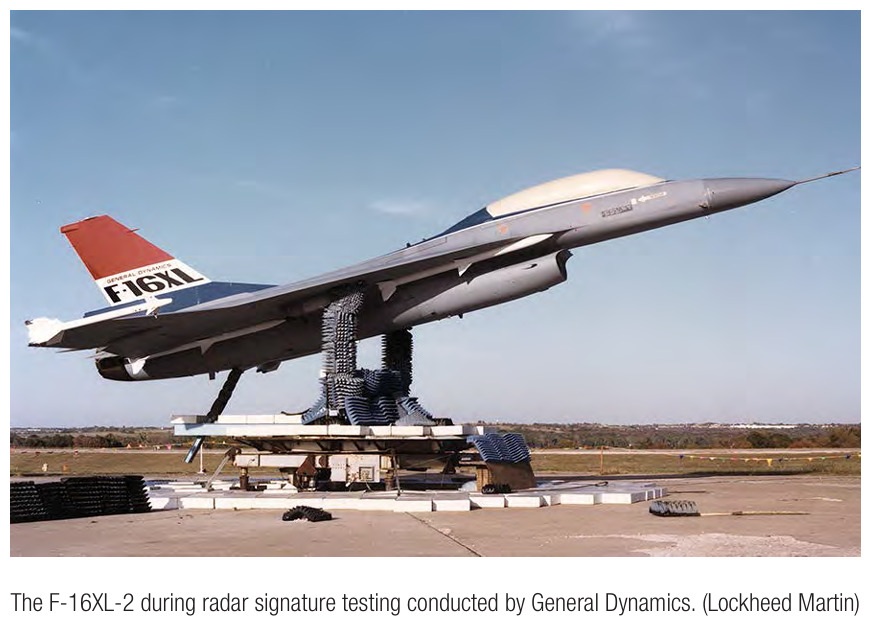
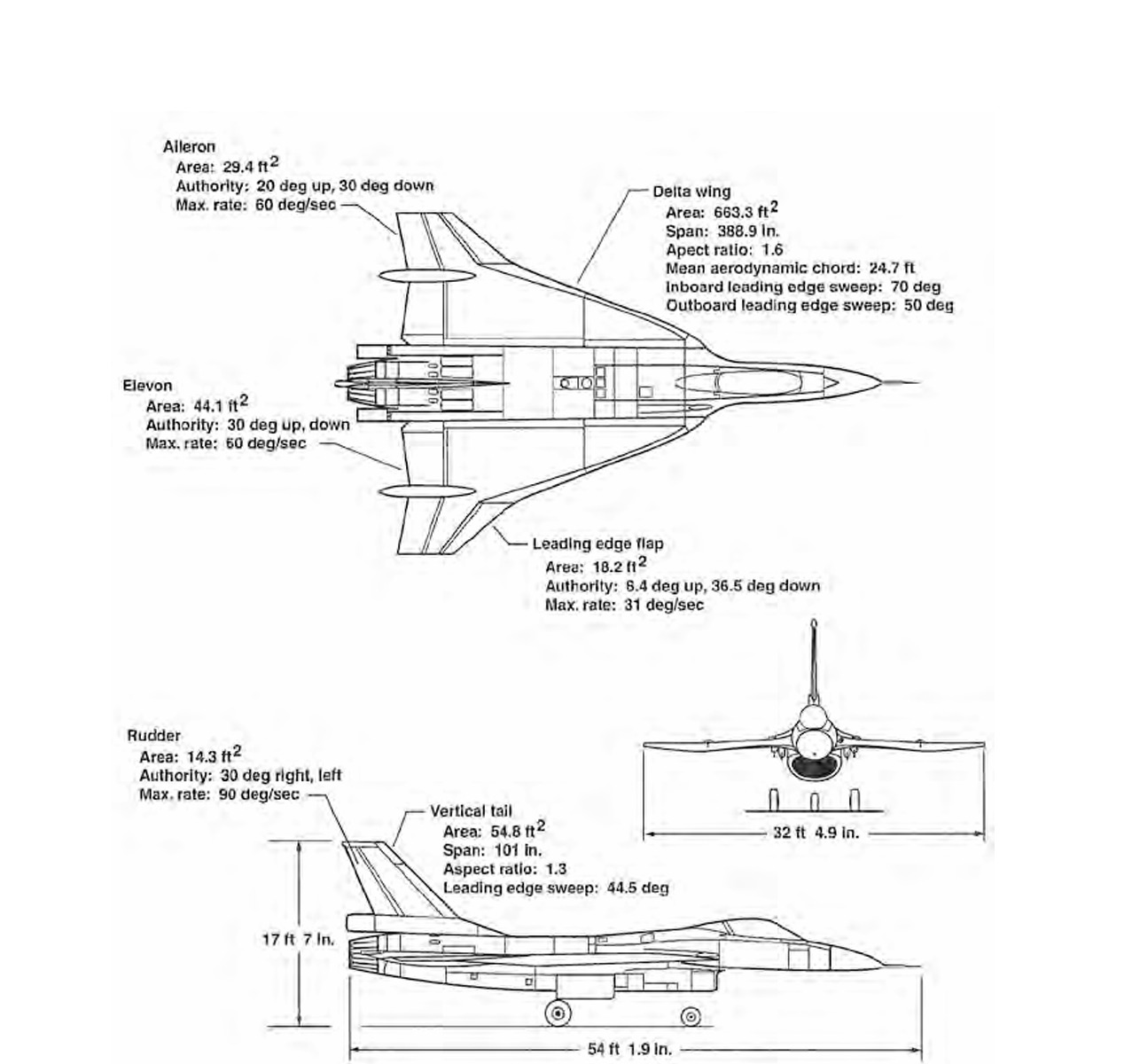
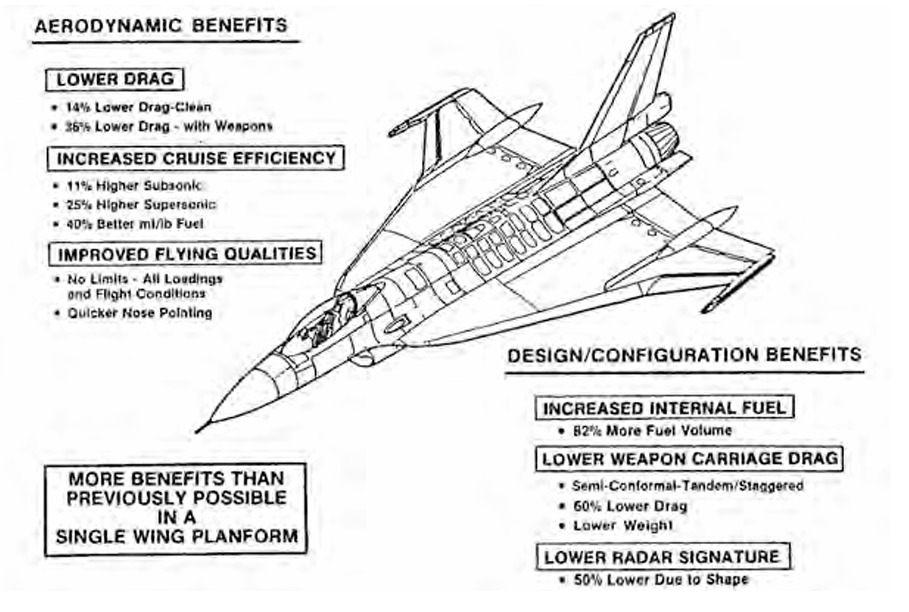
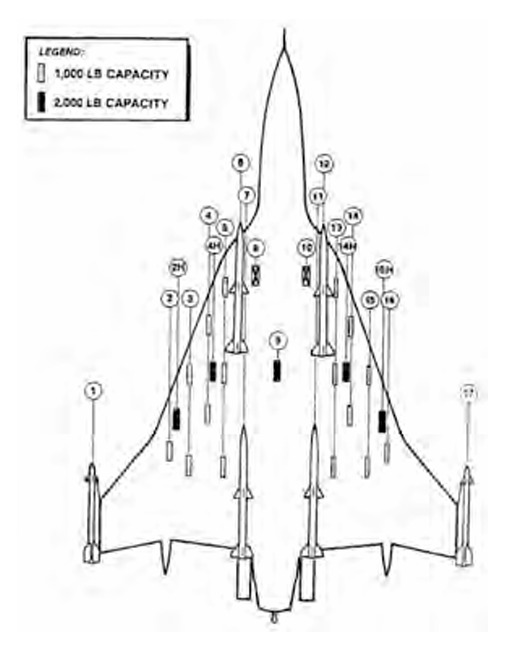
At the time of the launch of this project, the US Air Force’s demand for supersonic ground attack and long-term air-to-air combat was increasing. Therefore, the purpose of the project was to derive an attack aircraft model based on the recently commissioned F-16A that possessed both of these capabilities. In the view of General Dynamics, the F-16XL is a more affordable procurement option for the US Air Force, with relatively lower costs, and can be used to replace larger F-111s and F-15E in demanding deep strike missions. When designing a project, each company has different bidding schemes. There are forward swept wing types and large delta wing types similar to the F-106, but the ultimate winner is the arrow wing that we are familiar with today. The advantage of this design is that it can reduce resistance without affecting the existing weapon attachment points and provide more weapon interfaces, enabling the carrying of more bombs and missiles.
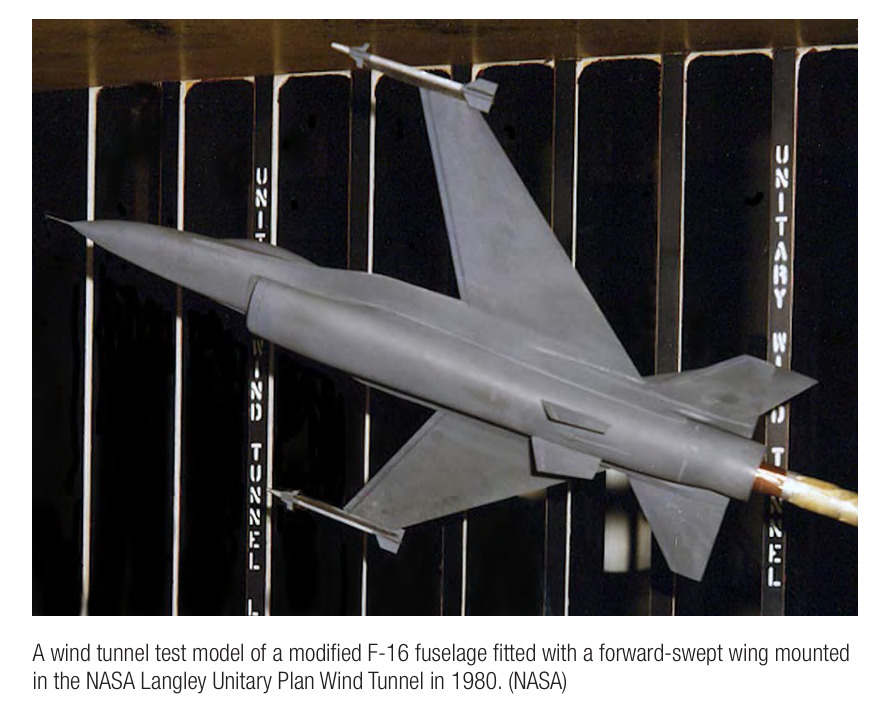
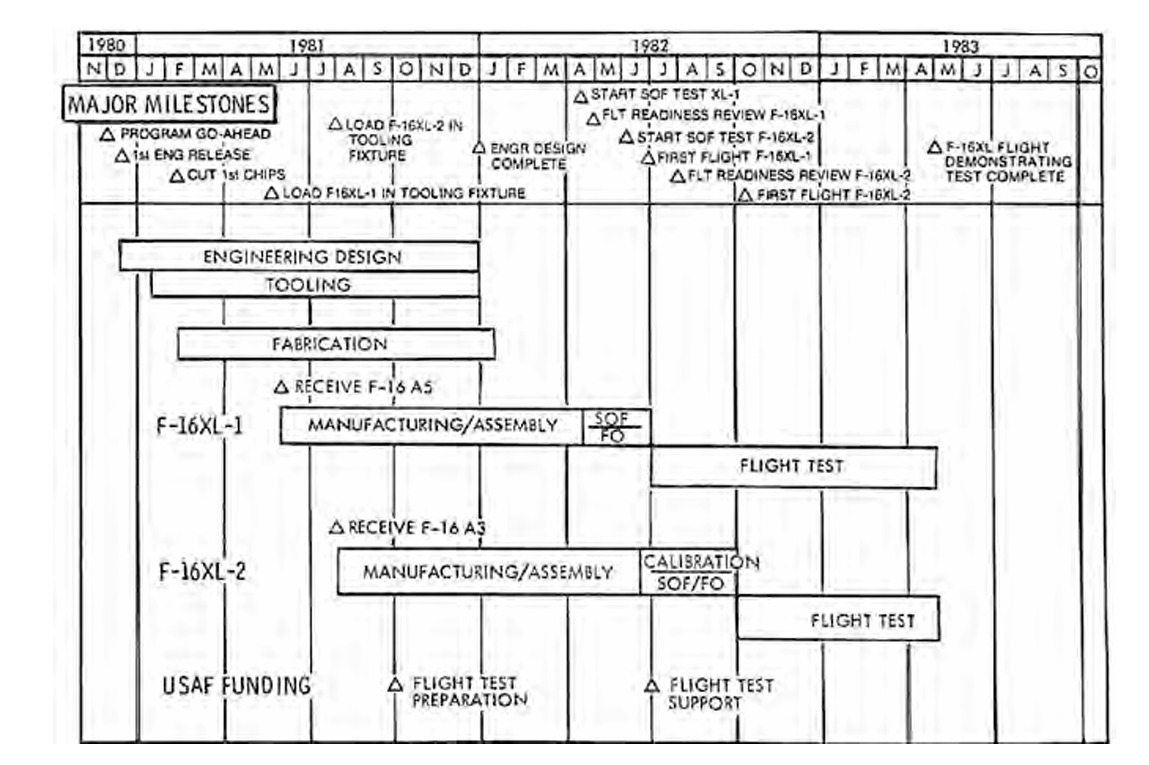
The project was ultimately carried out in collaboration between General Electric and NASA to effectively utilize NASA’s ongoing research on supersonic transport and fighter aircraft based on the aerodynamic efficiency of arrow shaped wing planes. The final F-16XL prototype was configured with an elongated F-16 fuselage and arrow shaped wings. After the design was finalized, the US Air Force provided two F-16As for modification, and the first flight test was conducted on July 3, 1982 at Casville Air Force Base in Texas. At this time, the concept of fighter jets in the US Air Force underwent a change, incorporating close range and beyond visual range air-to-air capabilities as well as advanced all-weather ground attacks. Aircraft that meet this requirement are now referred to by the Air Force as’ dual mission fighters’. General Electric stated in Congress that the F-16XL could meet this demand, but Congress only allowed funding for the manufacture of one type of aircraft, so the F-16XL had to compete with the F-15E.
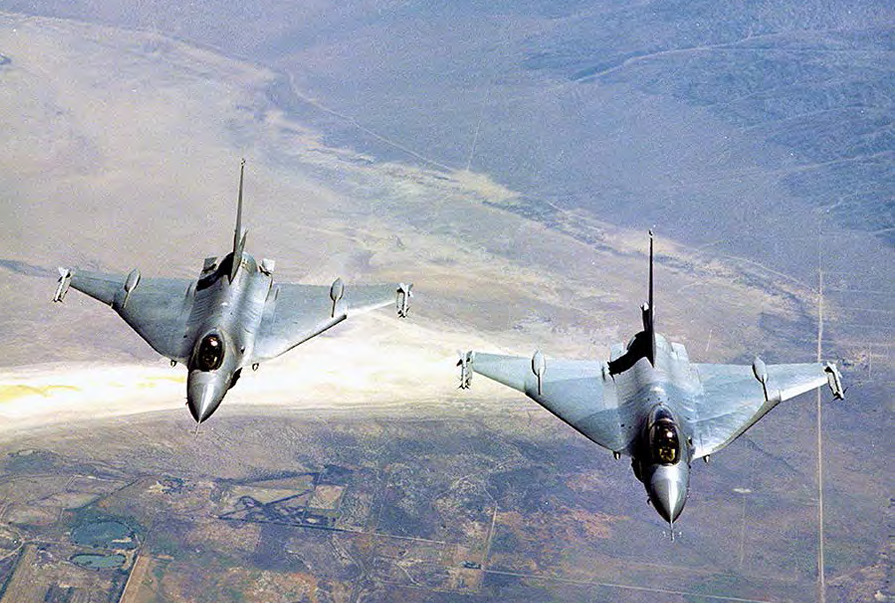
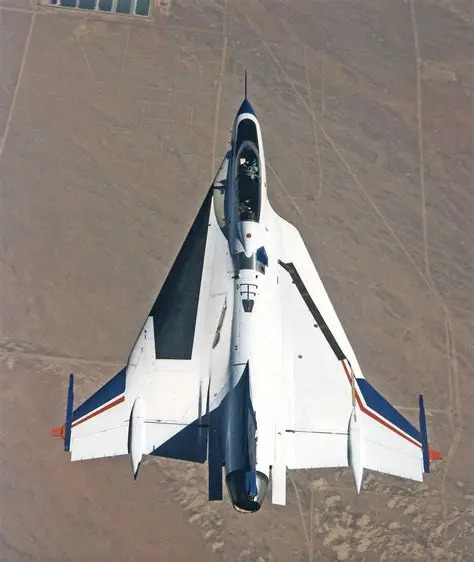
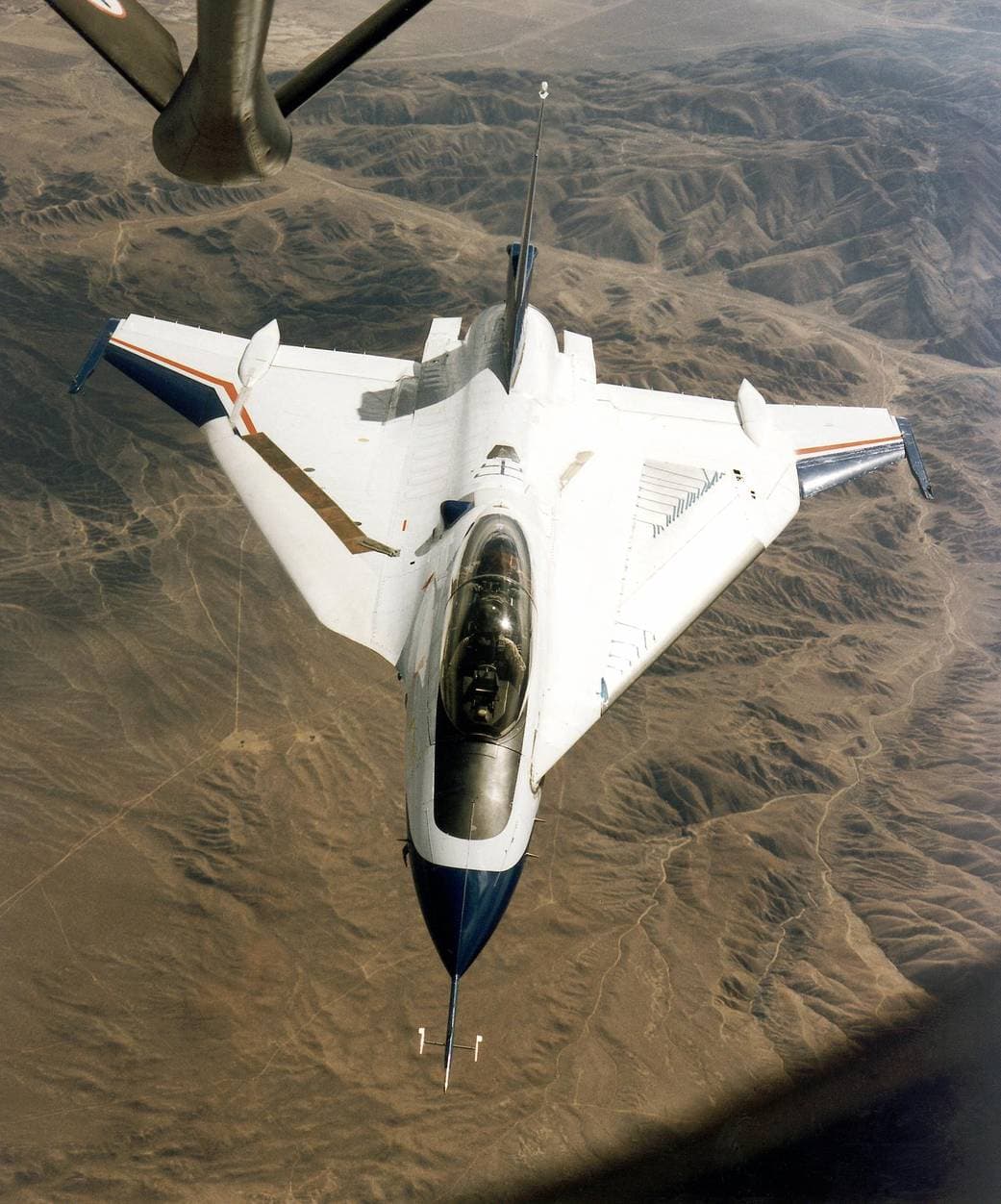
The two F-16XL prototypes are divided into F-16XL-1 and F-16XL-2. Type 1 is a single seater aircraft primarily used for testing stability and control, as well as high-speed high angle of attack, while Type 2 is a two seater aircraft primarily used for testing structural loads, propulsion systems, flutter, and weapon separation designs. The vast majority of weapon deployment tests are completed by the two seater F-16XL-2. In flight tests, the F-16XL demonstrated excellent maneuverability and drag performance, with a 66% reduction in drag compared to the F-16A at the same altitude and payload weight. It also has higher turning efficiency and better pointing, but at the cost of losing more energy during high-G maneuvers, which is not as good as the F-16A. Due to the engine not being replaced, the thrust to weight ratio of the F-16XL-1 is only 0.7
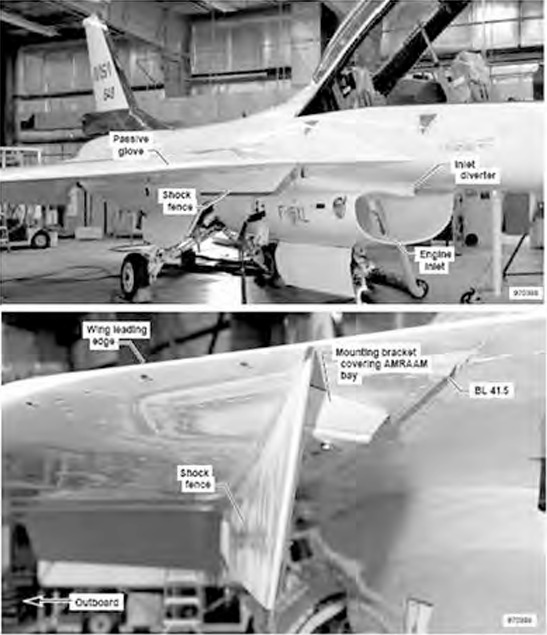
After the modification, the engine of F-16XL-2 was replaced with F110-GE-100, which has greater thrust and is equipped with a large positive shock inlet. Its takeoff performance in high temperature weather has been significantly improved compared to F-16XL-1 using PW-220 engine. In testing, the highest Mach number of F-16XL-2 reached 1.6. The maximum height reached is 15240 meters.
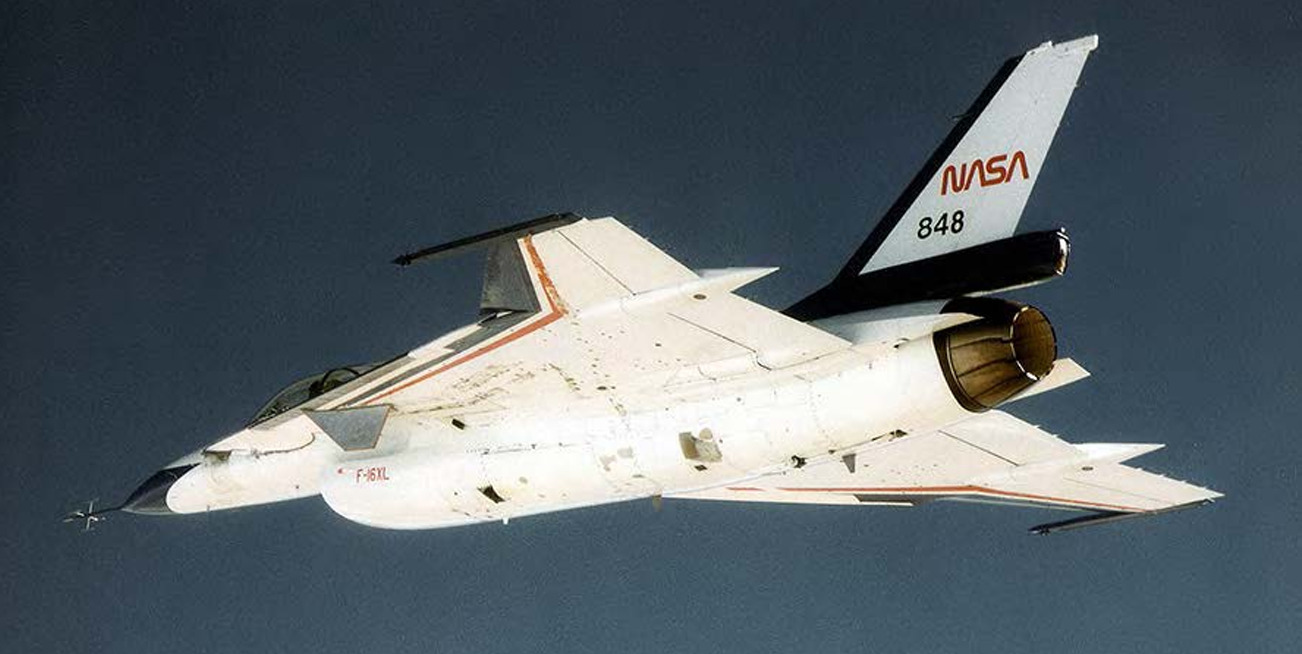
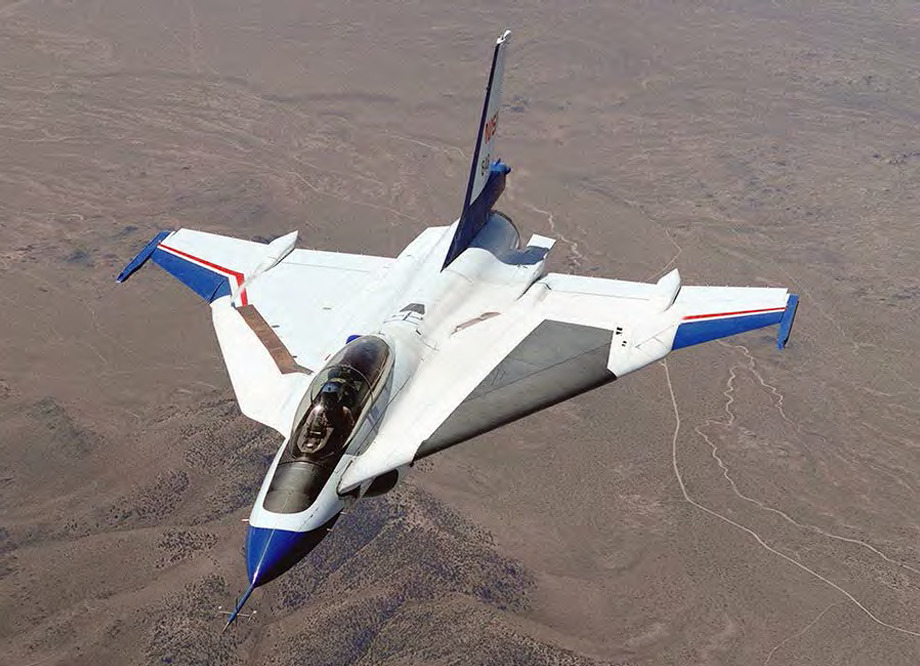
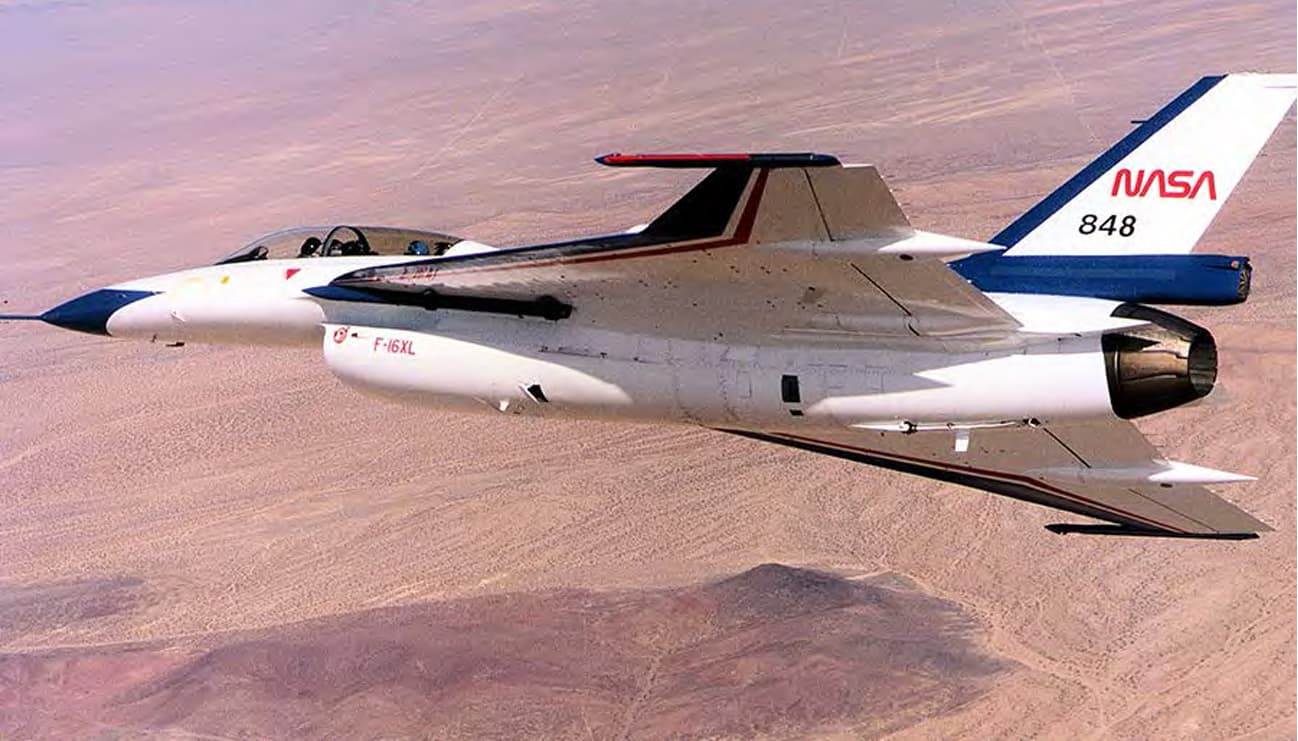
The F-16XL program was cancelled in 1985, and two prototypes were sealed. NASA restarted the F-16XL-2 for flight testing in 1989, dismantled all weapons, and replaced it with a GE-129 high thrust engine. Its left wing was fitted with a huge titanium alloy “Glove” with millions of micro laser holes drilled on the surface to extract boundary layer airflow during supersonic flight to maintain laminar flow Due to the asymmetric design of the modified fuselage, its flight insurance is strictly limited to within 3G.
The F-16XL-2 is a cool looking, weapon rich single engine multi-purpose fighter jet with greater thrust and slightly improved maneuverability compared to the F-16XL-1, giving it an advantage in combat. At the same time, it has a wide range of ground attack weapons to choose from, making it an excellent aircraft with outstanding performance. However, the lack of mid-range ammunition allows it to only engage in close combat.
- Crew:2
- Engine:F110-GE-100
- Afterburner Thrust::128.9 kN
- AAM:AIM-9L x 2,AIM-120 x 4
- Bombs:MK82、MK84
- Anti-tank missile:AGM-65B x 6
- Max speed:1.6 ma
- Weight:9.6 t
- Max Takeoff Weight: 21,800 kg
- Service Ceiling: 16,750 m
- Max Range:Approx. 4,630 km (without aerial refueling)

Sources
- https://www.nasa.gov/wp-content/uploads/2015/06/elegance_in_flight.pdf
- A General Dynamics F-16XL fejlesztése, 4. rész - Élenjáró haditechnika
- The F-16XL: This Advanced F-16 Variant Lost Out To The F-15E Strike Eagle, But Was It Better?
- F-16XL: The suped-up fighter jet that lost to the F-15E Strike Eagle
- The F-16XL: the most visually striking version of the F-16 was deemed superior to the F-15E but lost to Strike Eagle in the USAF's Enhanced Tactical Fighter Program
- F-16XL: A Revolutionary Leap in Fighter Aircraft Design - Bolt Flight
- F-16XL: The Fighter Jet Revolution That Almost Happened - National Security Journal
- F-16XL Ship No. 1 - NASA