- Yes
- No

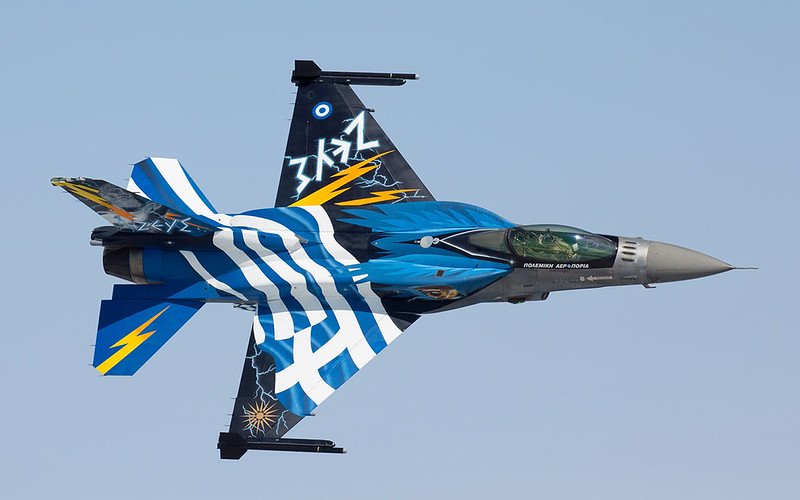
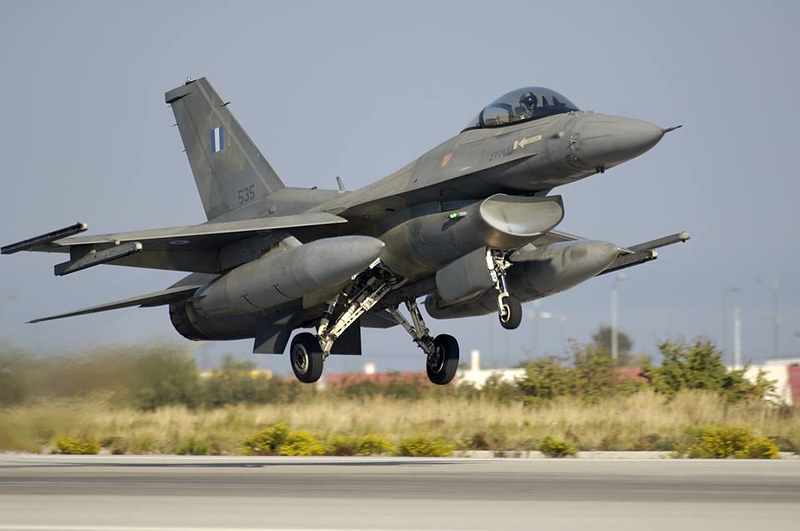
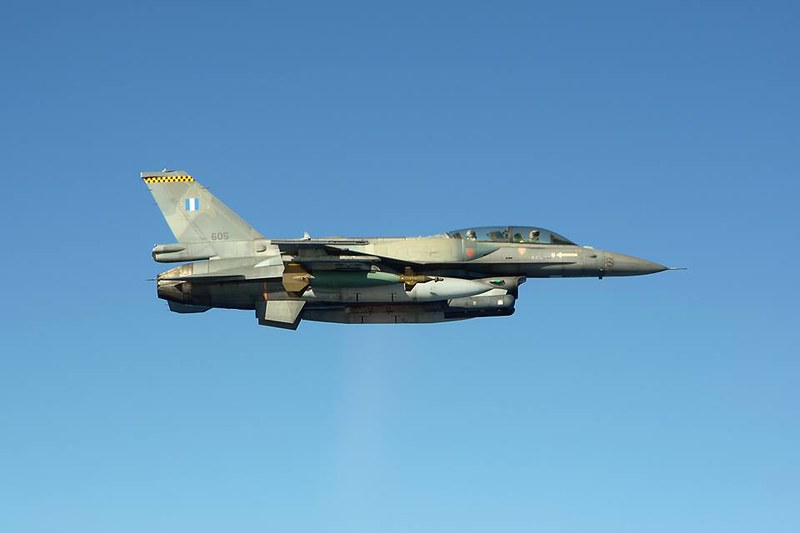
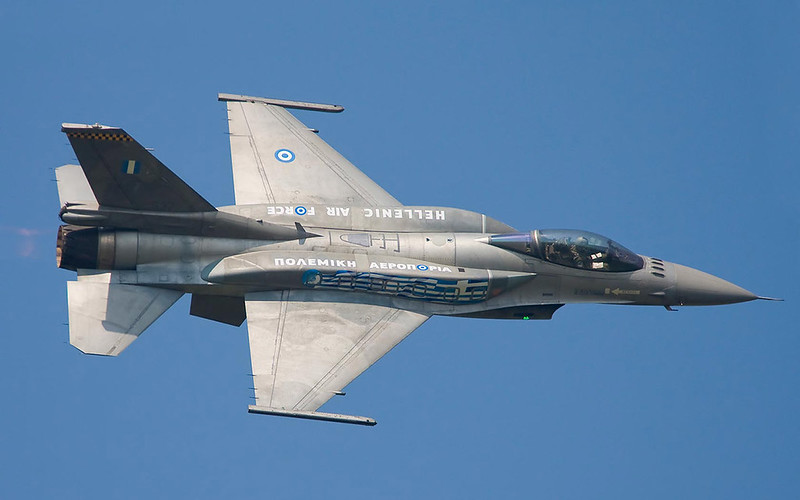
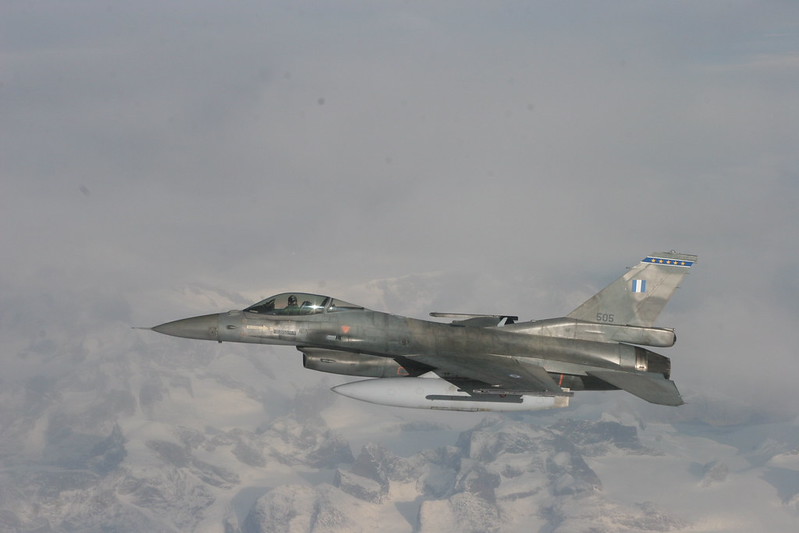
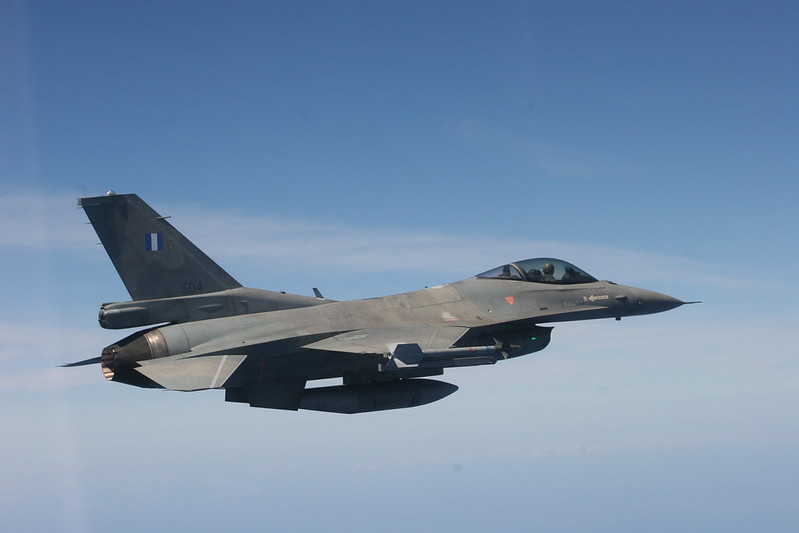
The Hellenic Airforce was the first in the word to operate the F16C Block 52+, it was the backbone of HAF for 20 years, now most of them have been upgraded to Block 72.
The F-16C Block 52+ History
The F-16C Block 52+ is an advanced multirole version of Lockheed Martin’s F-16 Fighting Falcon, developed in the late 1990s and early 2000s as a more capable export-oriented evolution of the earlier Block 50/52.
The original Block 50/52 entered production around 1991. It brought several meaningful upgrades: more powerful Improved Performance Engines (the Block 52 specifically uses the Pratt & Whitney F100-PW-229), better avionics and radar (AN/APG-68 series), improved countermeasures, and expanded weapons options. These included stronger support for precision-guided munitions and, in some configurations, the ability to perform Suppression of Enemy Air Defenses (SEAD) missions with the AGM-88 HARM.
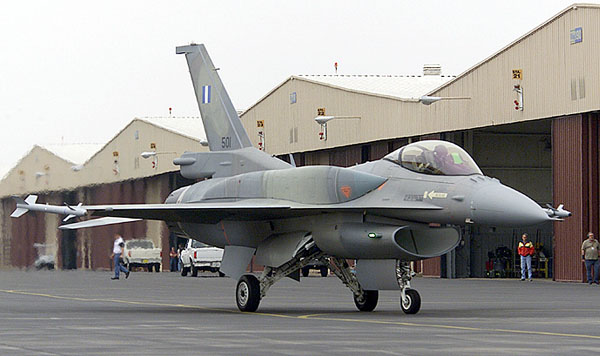
The Block 52+ itself was built primarily for export and was never operated in pure form by the U.S. Air Force. Greece became the first customer, taking delivery of its initial aircraft under the Peace Xenia III program on 2 May 2003 after ordering more than 50 jets around 2000–2001. The country later acquired additional advanced examples sometimes referred to as Block 52M.
Poland followed with an order for 48 aircraft (36 single-seat F-16C and 12 two-seat F-16D) under the Peace Sky program in 2003. The first of these flew in March 2006, with deliveries completed by 2008; the Polish jets are known locally as the Jastrząb. Israel received a heavily customized two-seat variant designated F-16I Sufa (“Storm”), fitted with extensive Israeli avionics, electronic warfare systems, and other specialized equipment. Other operators have included Pakistan, Singapore, and several later recipients of related Block 52-standard aircraft.
Production of Block 50/52 and 50/52+ airframes continued into the mid-2000s, with the U.S. receiving its final examples around 2005. Many of these aircraft remain in active service and have since been upgraded toward F-16V / Block 70/72 standards. The Block 52+ stands as one of the most capable non-AESA “legacy” Vipers before the arrival of the later Block 60 and full Viper configurations.
The Greek History of the F-16 Block 52+
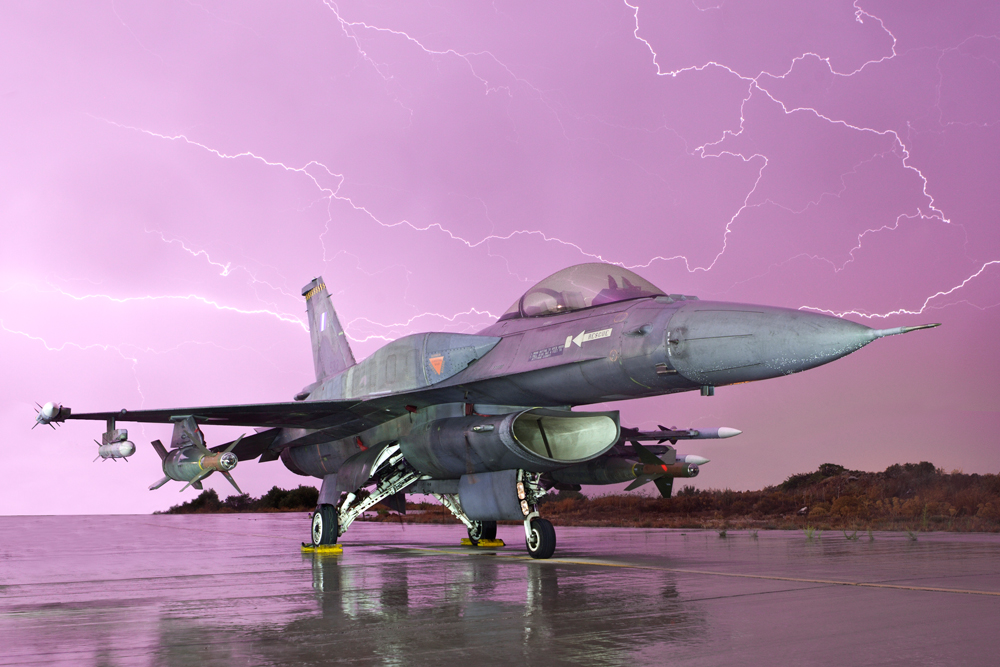
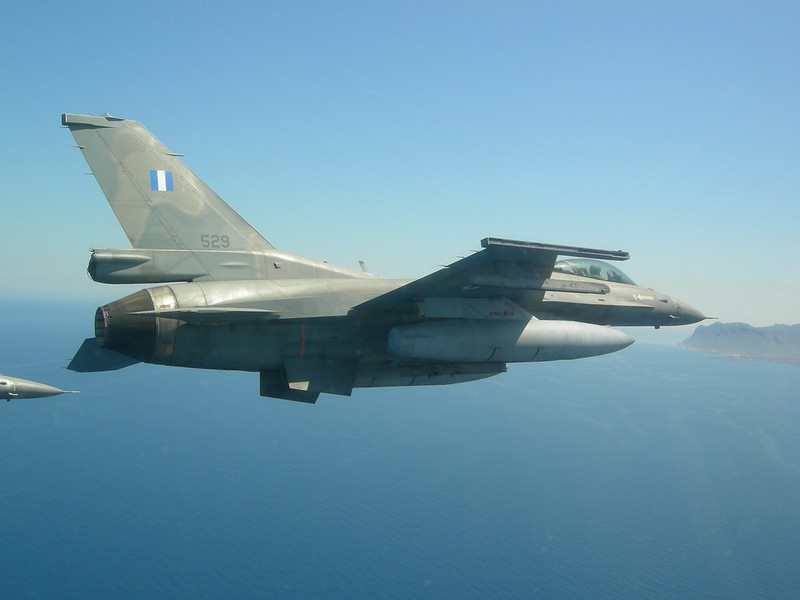
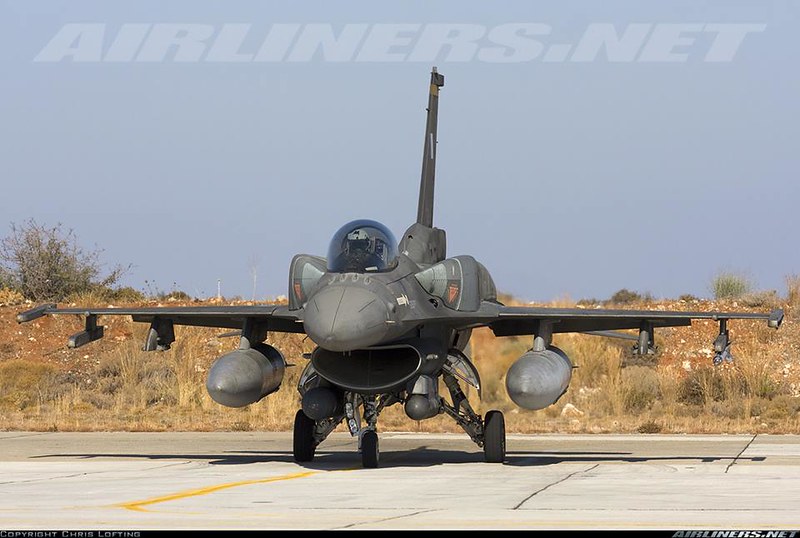
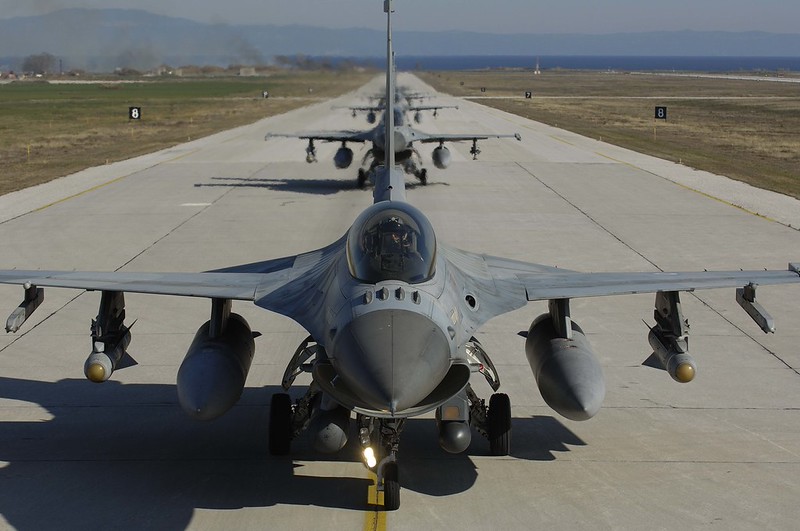
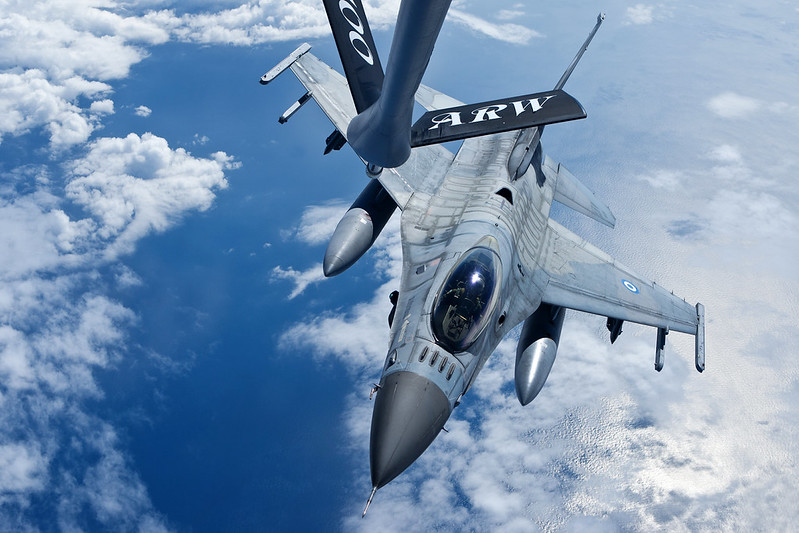
Greece became the world’s first operator of the advanced F-16C/D Block 52+ under the Peace Xenia III program. In June 2000 the Hellenic government ordered 50 aircraft (later expanded by an option for ten more, exercised in September 2001), bringing the total to 60 jets—40 single-seat F-16Cs and 20 two-seat F-16Ds. These aircraft featured conformal fuel tanks, the AN/APG-68(V)9 radar, Pratt & Whitney F100-PW-229 engines, Joint Helmet Mounted Cueing System compatibility, and improved avionics and countermeasures. These tanks carry an additional 450 liters of fuel without imposing any restrictions on the aircraft’s maneuverability (unlike externally carried tanks), while maximum speed is reduced by only 5%. Installation can be completed in one hour, removal takes 90 minutes, and they do not obstruct any access panels. Although the exact number ordered by the Hellenic Air Force is not known, it is estimated to be between 20 and 40.
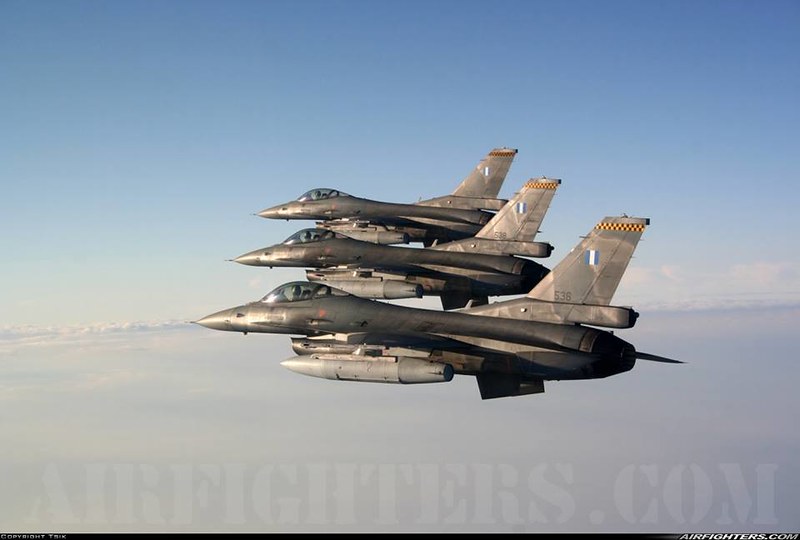
The first F-16C Block 52+ was handed over on 2 May 2003, with deliveries completed by June 2004. Most of the Peace Xenia III jets were assigned to 115 Combat Wing at Souda Air Base on Crete, equipping 340 Squadron “Fox” and 343 Squadron “Star.” A smaller number went to 337 Squadron “Ghost” at Larissa (110 Combat Wing).
A second batch followed under Peace Xenia IV. In December 2005 Greece ordered 30 additional Block 52+ Advanced aircraft (20 F-16Cs and 10 F-16Ds), sometimes referred to locally as Block 52M. These incorporated further refinements, including Link-16 datalink capability. Deliveries began in May 2009 at Araxos Air Base (116 Combat Wing) and finished in 2010, the new jets primarily equipped 335 Squadron “Tiger.”
Together the two programs gave the Hellenic Air Force a total of 90 Block 52+/52M aircraft—the most numerous F-16 variant in Greek service. They significantly expanded the force’s multirole capability, adding greater range via conformal tanks, better all-weather precision strike performance, and modern air-to-air and SEAD weapons options. The Block 52+ fleet largely replaced older A-7 Corsairs in the strike role while retaining strong air-to-air performance.
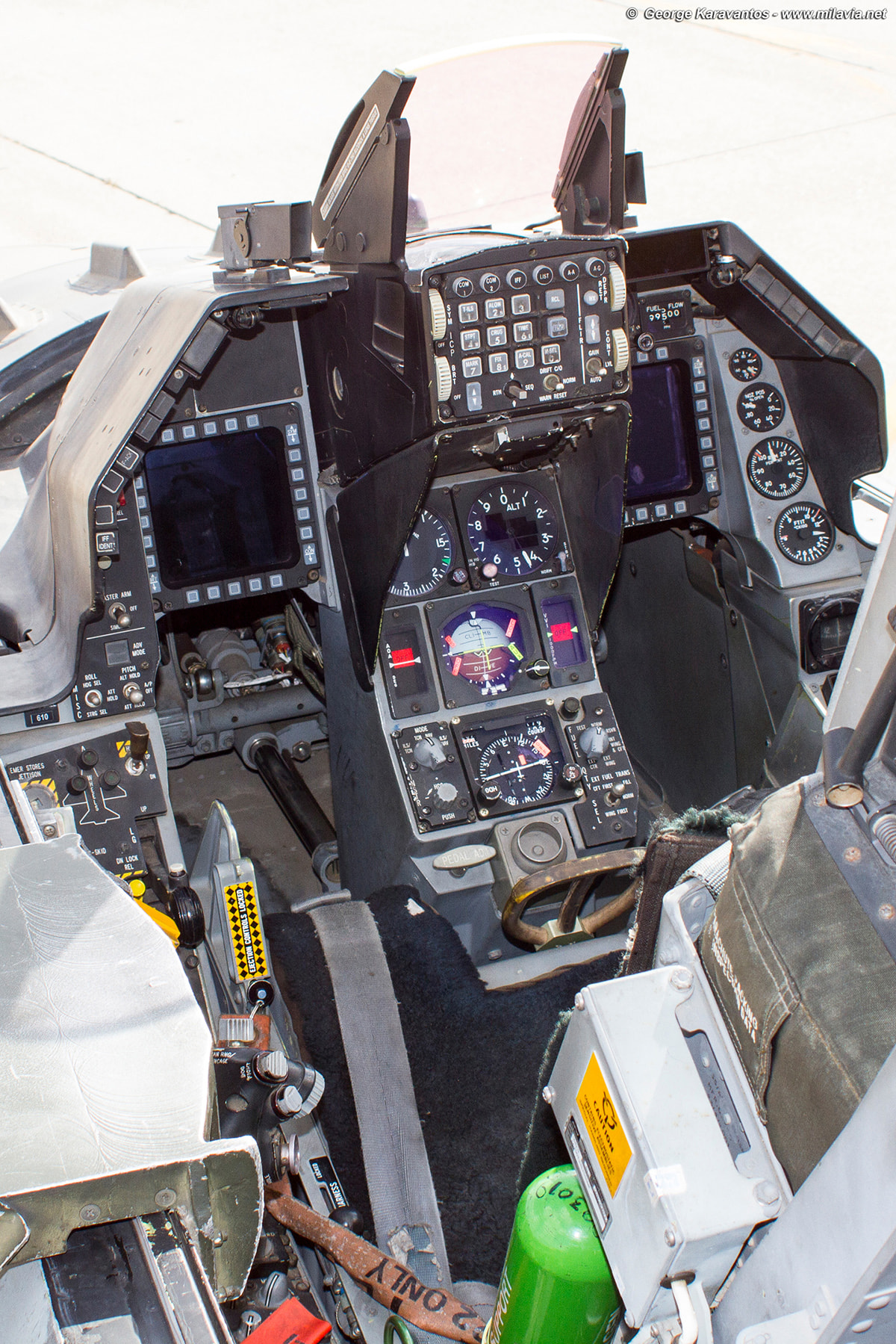
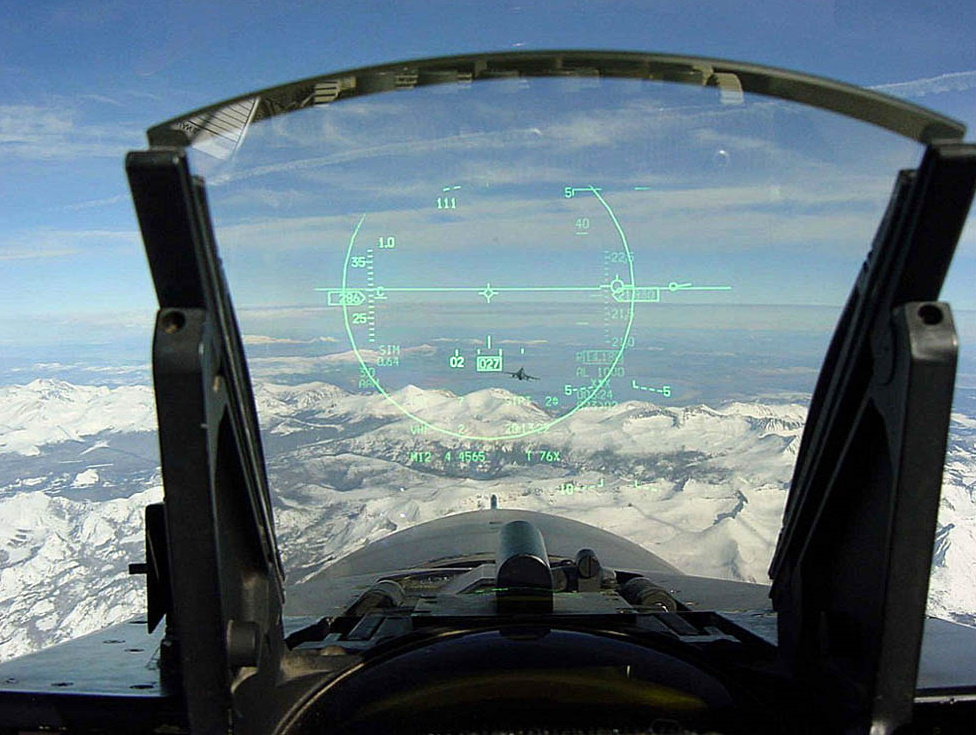
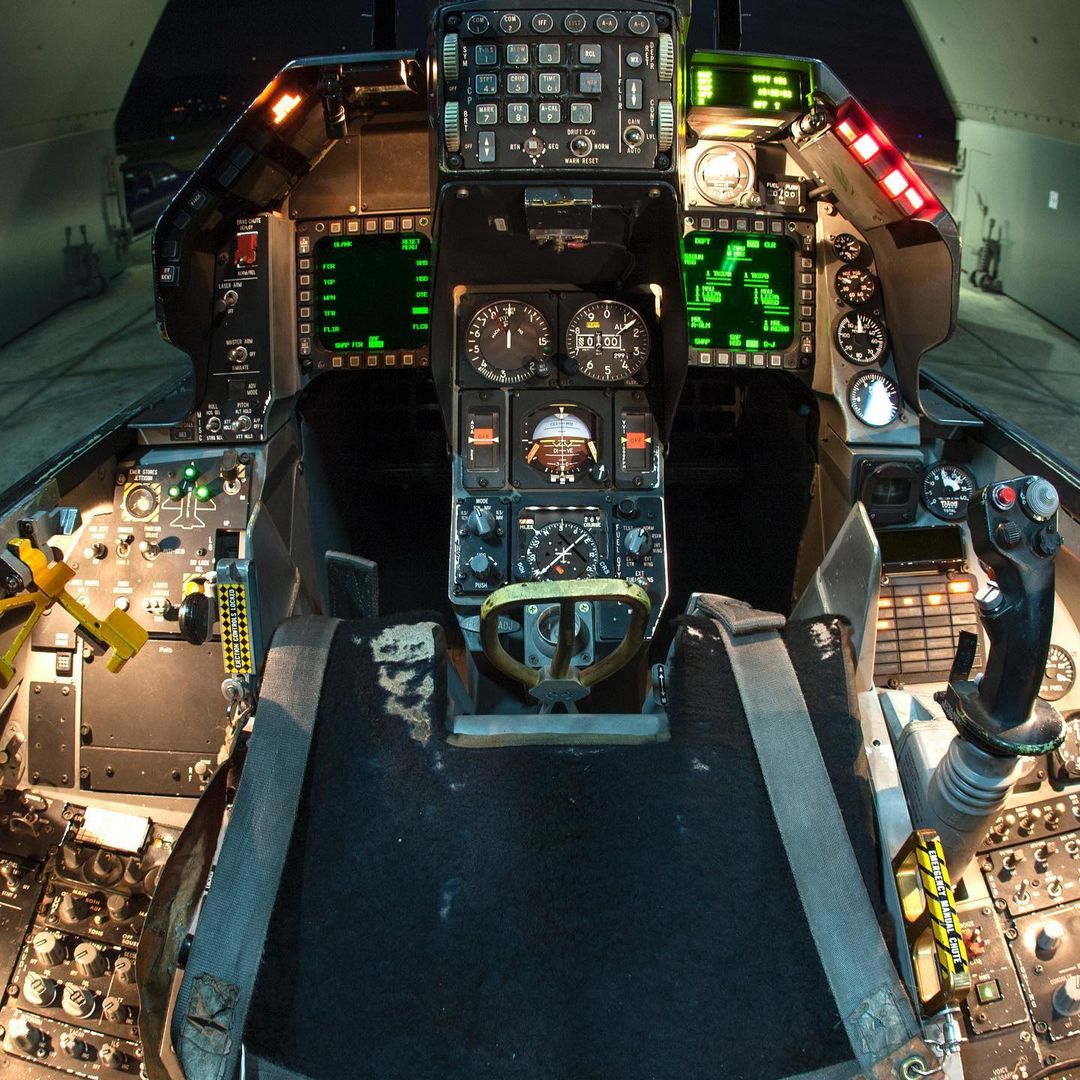
Today these aircraft form a core part of the Hellenic Air Force’s front-line strength. Many are undergoing (or scheduled for) upgrade to the F-16V “Viper” (Block 72) standard under a program that began with the Block 52+/52M fleet. The modernization adds an AESA radar, advanced mission computers, improved cockpit displays, and enhanced electronic warfare systems, ensuring the Greek --Vipers remain among the most capable fourth-generation fighters in Europe well into the 2030s.
Zeus team
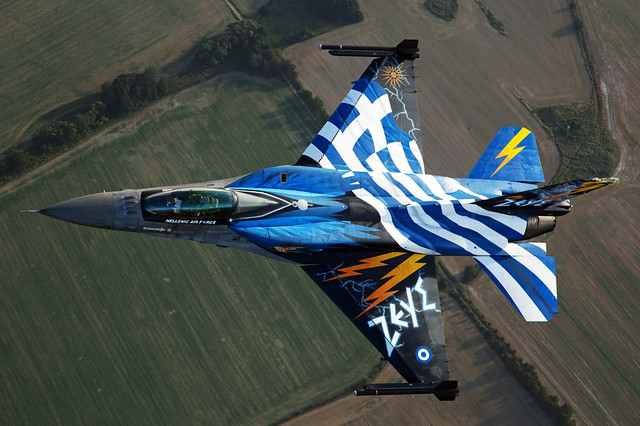
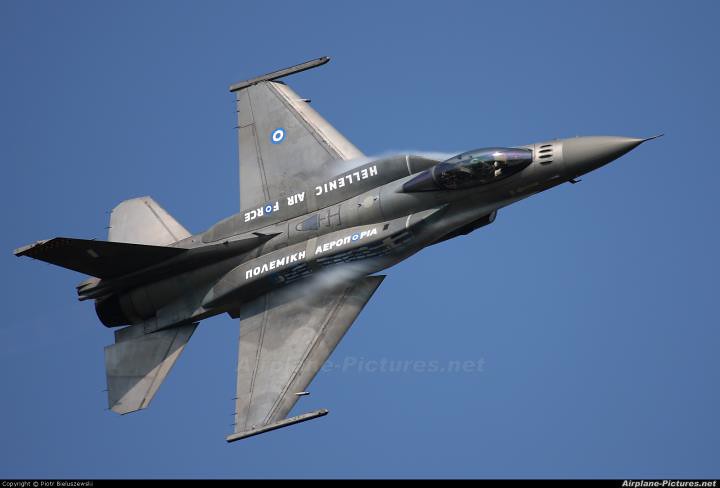
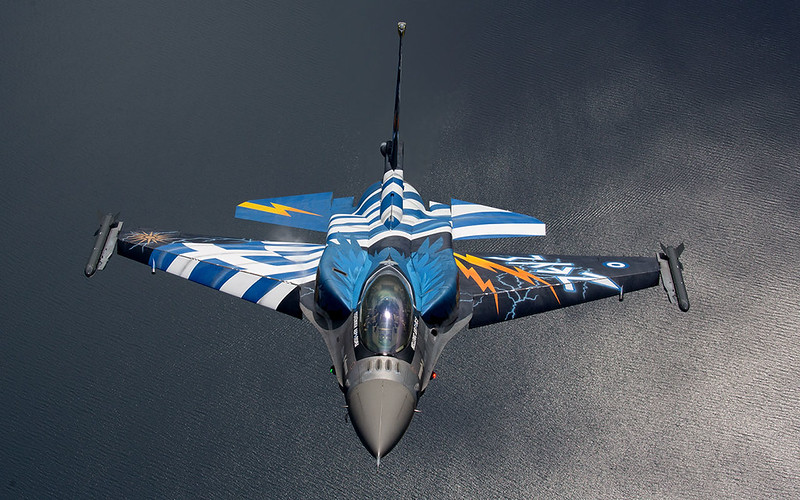
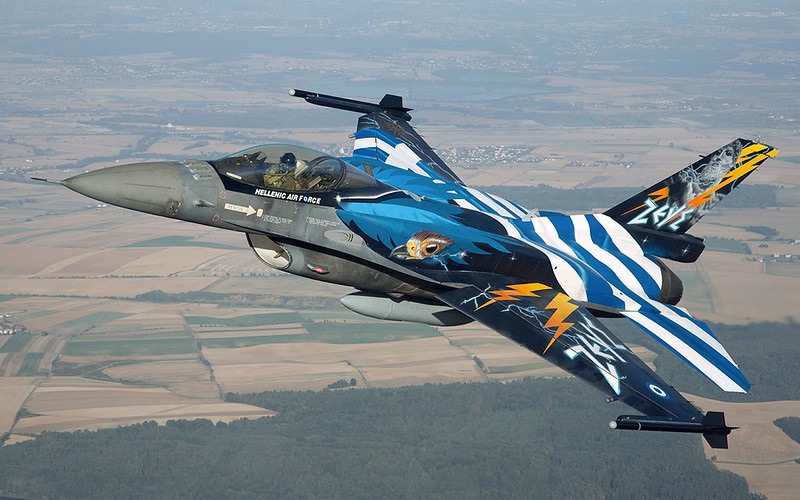
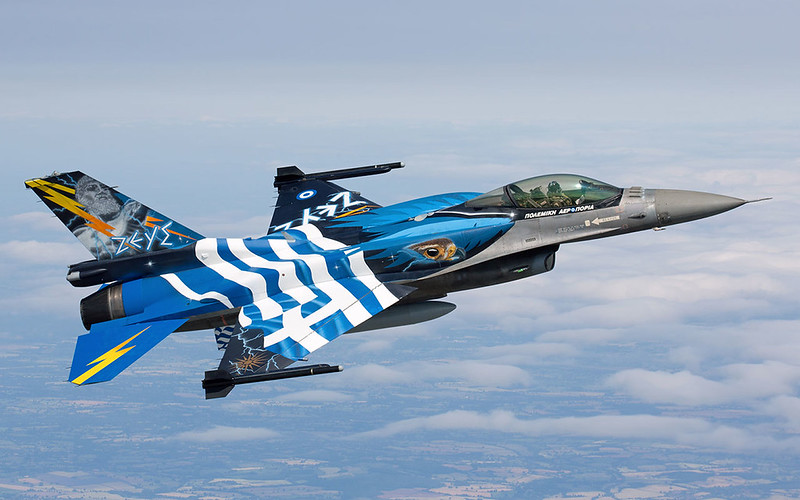
Zeus is the Hellenic Air Force’s elite F-16 solo demonstration team, based at Souda and named for the king of the Olympian gods—a fitting emblem of power, precision, and Greek aerial heritage.
Continuing a proud lineage that includes the historic aerobatic formations “Καρέ των Άσσων,” Acro Team, Ελληνική Φλόγα, Νέα Ελληνική Φλόγα, and the T-6A Texan II solo display, the team was born in 2009. Two carefully selected pilots from 115 Combat Wing—Captain Emmanuel Karahalios of 340 Squadron and Captain Dimitrios Kontoulis of 343 Squadron—underwent intensive training under the experienced Viper West F-16 Demo Team of the United States Air Force. A 28-day program led by Major David Graham, Captain Steve Masek, and Senior Master Sergeant Kerry Clark prepared both aircrew and ground support at Souda. On 7 November 2010, Zeus flew its first official public demonstration at Tanagra Air Base during the celebrations honouring the Archangels Michael and Gabriel, patrons of the Hellenic Air Force.
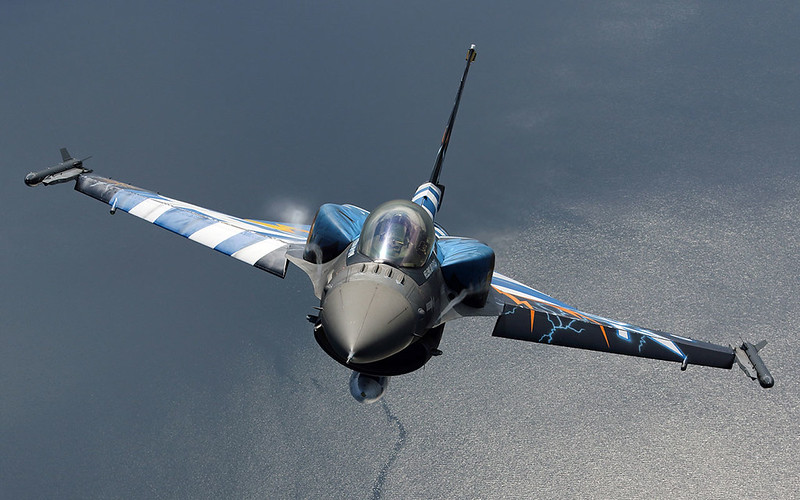
The team’s display aircraft is an F-16C Block 52+, currently represented by serial numbers that have carried distinctive markings—first 537 with special CFT decoration, later 523 in full demonstration livery that made its UK debut at RIAT 2015. Uniquely, Zeus is the only F-16 demonstration team in the world to perform its routine while carrying conformal fuel tanks. Whether flying clean or with CFTs, the jet reaches 0.94 Mach and sustains loads from +9.5 G to –3 G, all while adhering strictly to NATO, ICAO, JAA, and FAA safety standards. Though a dedicated showpiece, the aircraft remains a fully combat-capable operational fighter, returning from training missions just as readily as it takes to the display circuit.
In the roar of afterburner and the precision of its high-G manoeuvres, Zeus embodies both the living mythology of ancient Greece and the cutting-edge professionalism of a modern air force—one that continues to write new chapters in Hellenic aviation history with every flight.
Technical Specifications
More Info
- Crew: 1 (Pilot)
- Length: 15.06 m
- Wingspan: 9.96 m
- Height: 4.88 m
- Empty Weight: approx. 8,570 kg
- Max Takeoff Weight: 19,200 kg
- Powerplant: 1x Pratt & Whitney F100-PW-229 turbofan
- Dry thrust: 79.2 kN (17,800 lbf)
- Thrust with afterburner: 129.7 kN (29,160 lbf)
- Max Speed: Mach 2.05 (2,175 km/h) at high altitude / Mach 1.2 at sea level
- Service Ceiling: 15,240+ m (50,000+ ft)
- Radar: Northrop Grumman AN/APG-68(V)9
- Defensive Systems:ASPIS 1 (Integrated RWR, Jammer, and Flares/Chaff)
Greek F-16 Blocks Visual Differences
More Info
All Greek Fighting Falcons, apart from their distinctive “Ghost” camouflage, have a tail fin root extension for the drag parachute. On there is also the probe of the ASPIS II for the rearward detection of incoming missiles.
All Hellenic F-16s except the Block 30s feature the AN/APX-113 IFF interrogator antennas in front of the canopy. The Block 30s are the only Greek F-16s which have a intercept light on the starboard side of the fuselage, just below and in front of the canopy.
Aegean Ghost Camouflage
More Info
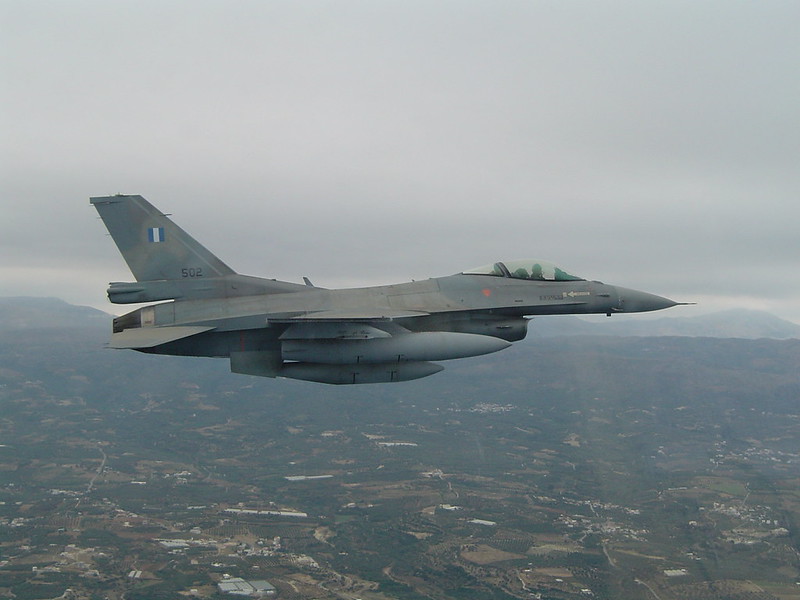
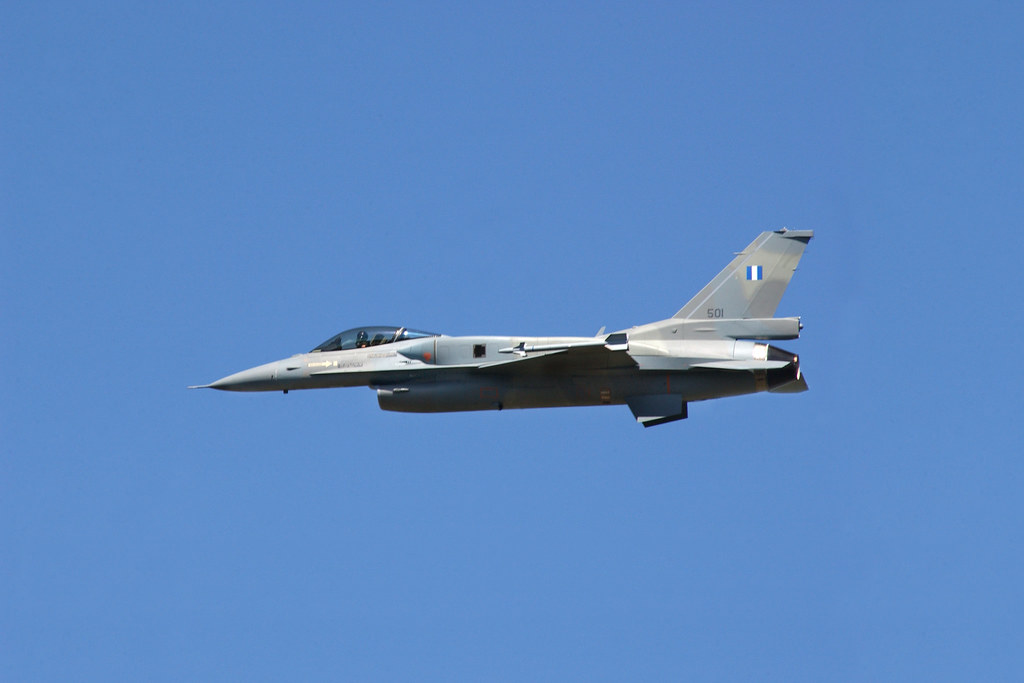
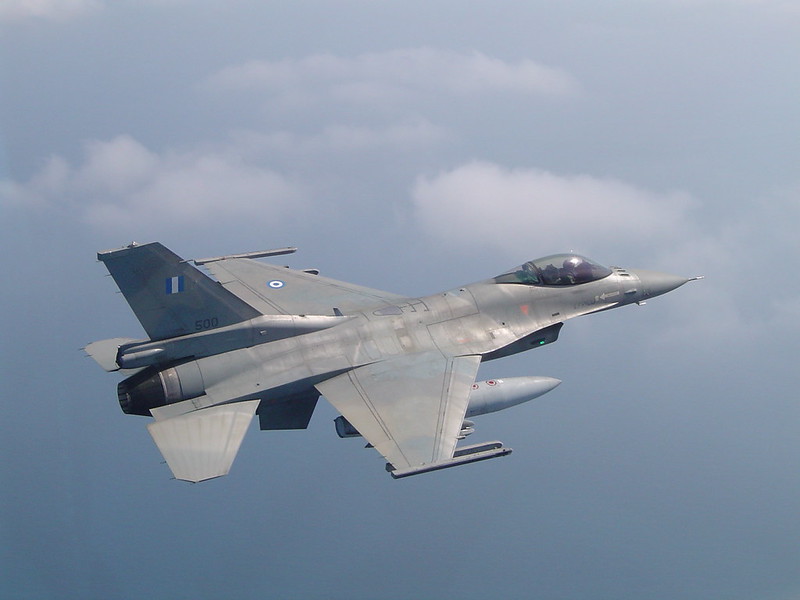
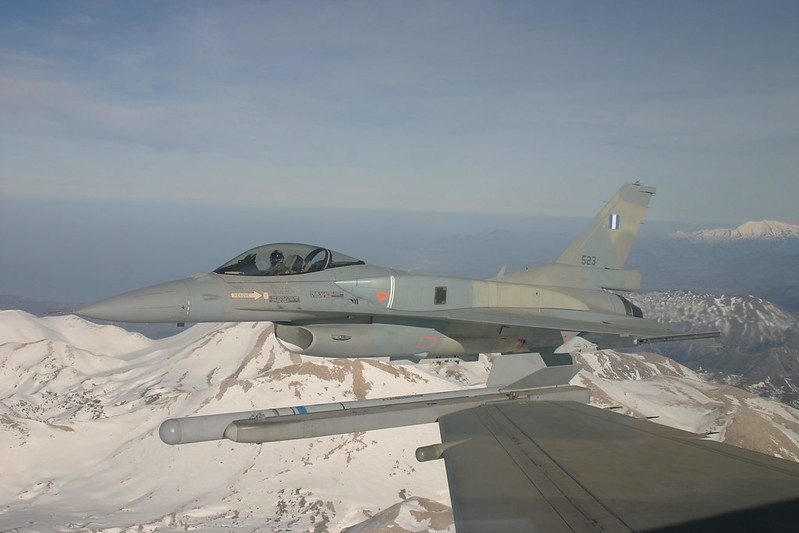
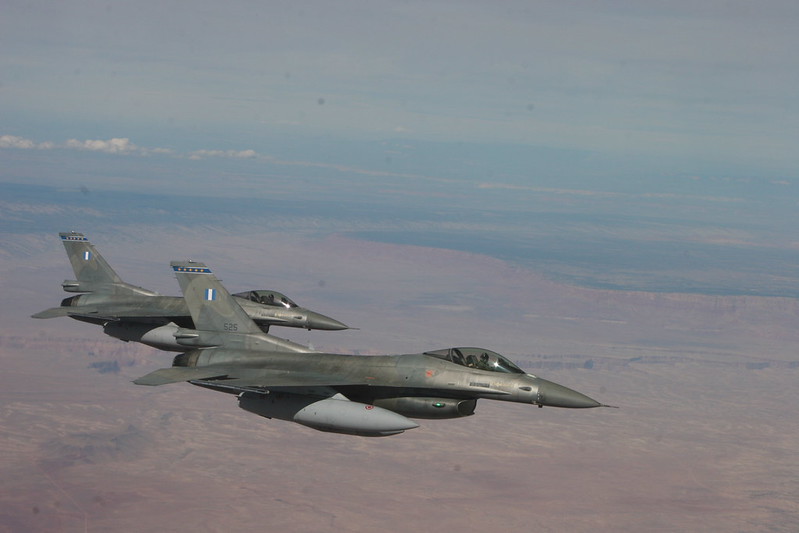
The color scheme of the HAF F-16s is known as the “Ghost” or “Aegean Ghost” scheme and is one of the most interesting in modern military aviation. This distinctive camouflage was first tested on several aircraft such as the Mirage F-1CG but was never used. It was adopted on some F-5As for a short period of time just before their retirement, but more extensively used on all the F-4E Phantom IIs after their AUP upgrade. All the F-16s in Hellenic service wear this scheme but in this case this a special coating has been applied.
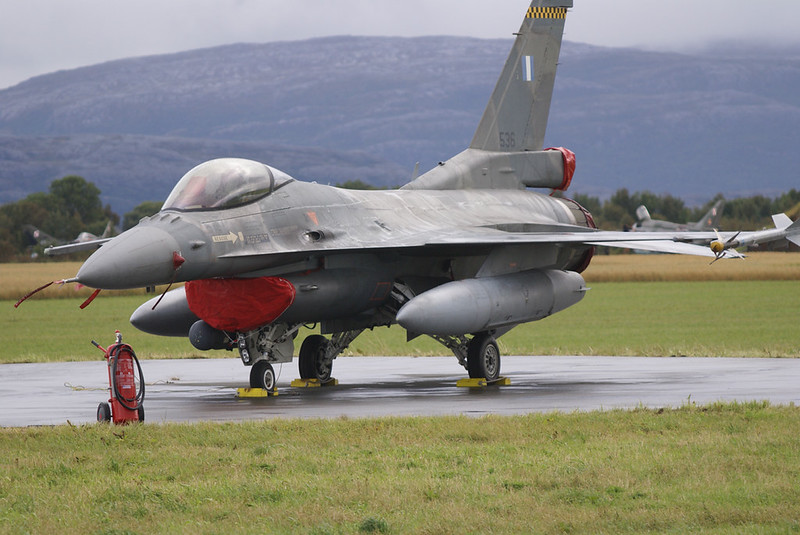
This coating is a new technology called “Have Glass” which reduces the Radar Cross Section (RCS). The paint included in this Have Glass program is called Pacer Gem. Used on the later airframes (52+ and 52M), the coating alters the appearance of the paint visually. It is very rough to the touch and contains shiny flakes, almost like metal flake paint.
On the F-16 Block 52M the Have Glass III coating is much cleaner, but on the F-16 Block 52+ the Have Glass II coating has after all these years resulted in a distinctive grey and weathered camouflage. From my point of view this metallic, dirty looking paint looks wonderful on them!
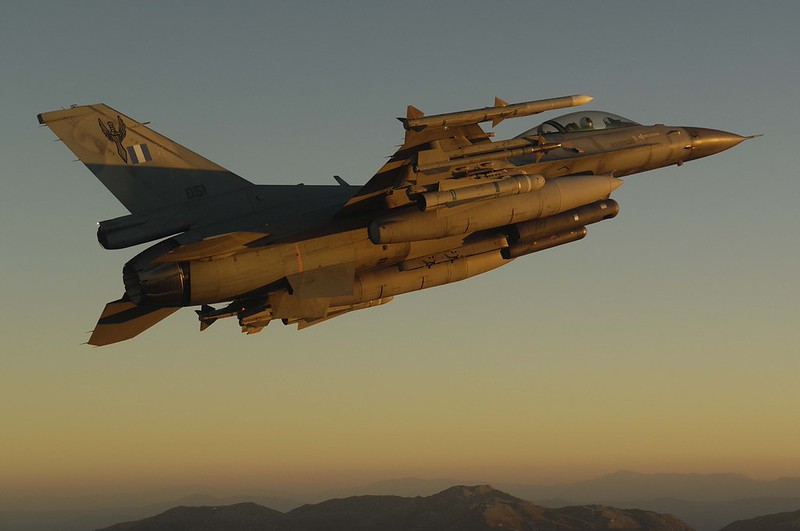
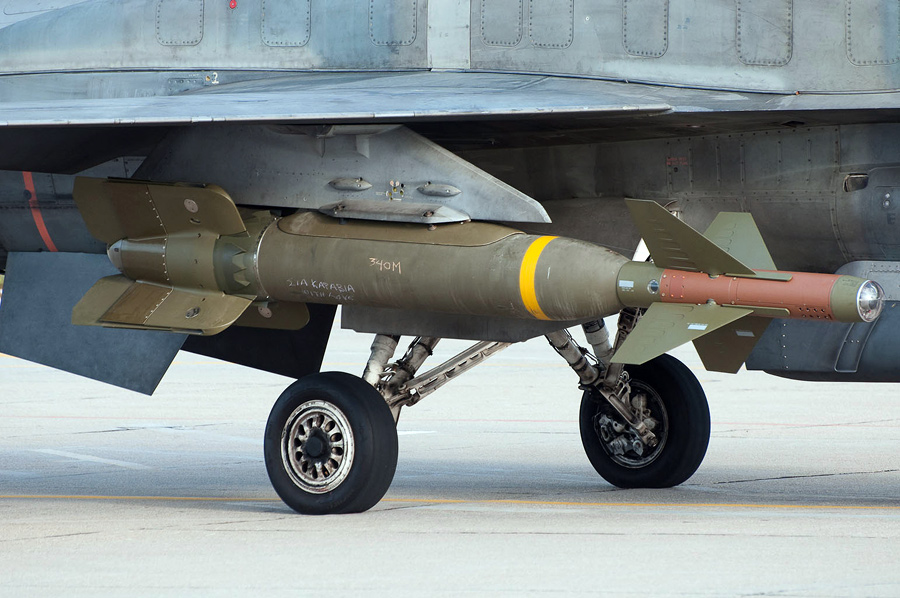
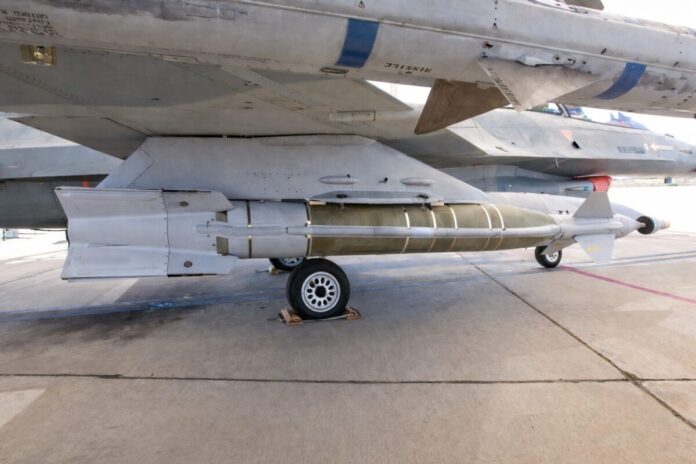
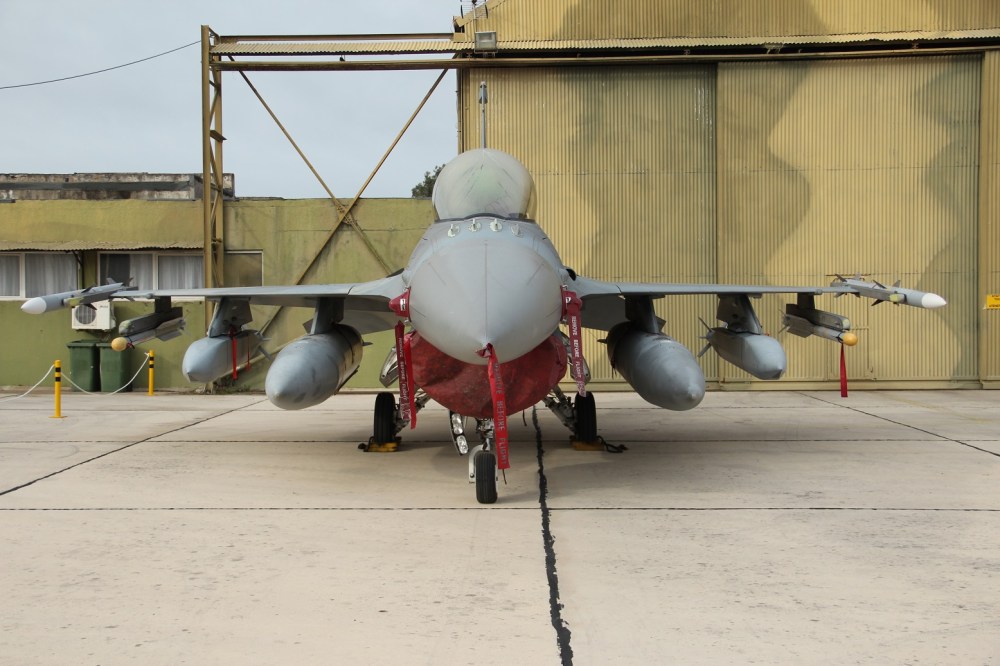
Armament
More Info
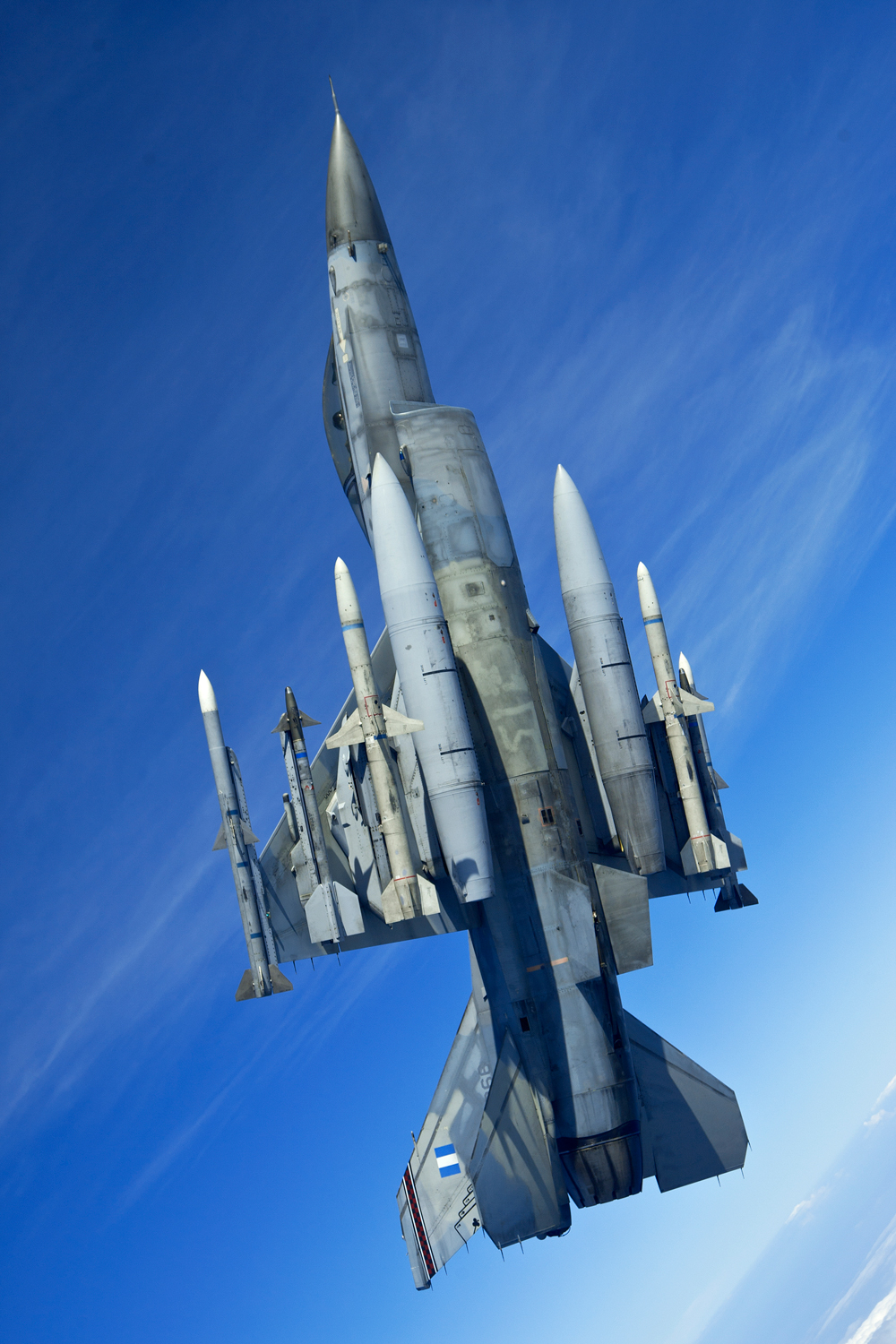
Air to Air missiles:
ΑΙΜ-120 C-5 (ΑΜRΑΑΜ)
ΑΙΜ-120 C-7 (ΑΜRΑΑΜ)
AIM-2000 (IRIS-T) Infrared Imaging Seeker – Tail
ΑΙΜ-9 L/I
ΑΙΜ-9 L/I-1
ΑΙΜ-9MAir to Ground Munitions:
AFDS (Autonomous Free-flight Dispenser System)
CBU 58 & 71
GBU-50 EP II
GBU-24 PW III
GBU-10-12-16 (Guided Bomb Unit)
GBU-31 JDAM (Joint Direct Attack Munition)
AGM-65 A/B
AGM-65 G
AGM-154 Joint Stand Off Weapon (JSOW)Dumb bombs
Mk-81 General Purpose (GP) Bomb
Mk-82 General Purpose (GP) Bomb
Mk-82 500lb / Mk-15 Snakeye
Mk-83 General Purpose (GP) Bomb
Mk-84 General Purpose (GP) Bomb
Mk 36 Destructor bomb
MK-20 ROCKEYE
BLU-109/B (Bomb Live Unit)
Μ-129 Leaflet 250 lbs
M-117 General Use 750 lbsAnti Radiation Missiles:
AGM – 88 High-speed Anti-Radiation Missile (HARM)Internal Gun:
M61A1 Vulcan 20 mm six-barrel rotary cannon
Extra Photos
Sources
Spoiler
- https://www.haf.gr/arsenal/f-16-cd-block-52/
- cmano-db.com
- Hellenic Air Force 115 Combat Wing - Souda's Vipers - Chania, Crete, Greece - MILAVIA Military Aviation Specials
- ΖΕΥΣ - Photos | Flickr
- F-16 - Παραγγελίες αεροσκαφών
- F-16C/D - Block 50/52 - F-16.net
- F-16 Peace Xenia - Hellenic Air Force
- https://www.haf.gr/arsenal/
- https://www.haf.gr/demoteam/omada-aeroporikon-epideikseon-memonomenou-aeroskafous-f-16-zefs/
Thanks for reading and feel free to correct me if i got something wrong. Also thanks to @Flank_Or_Die .