- Yes
- No
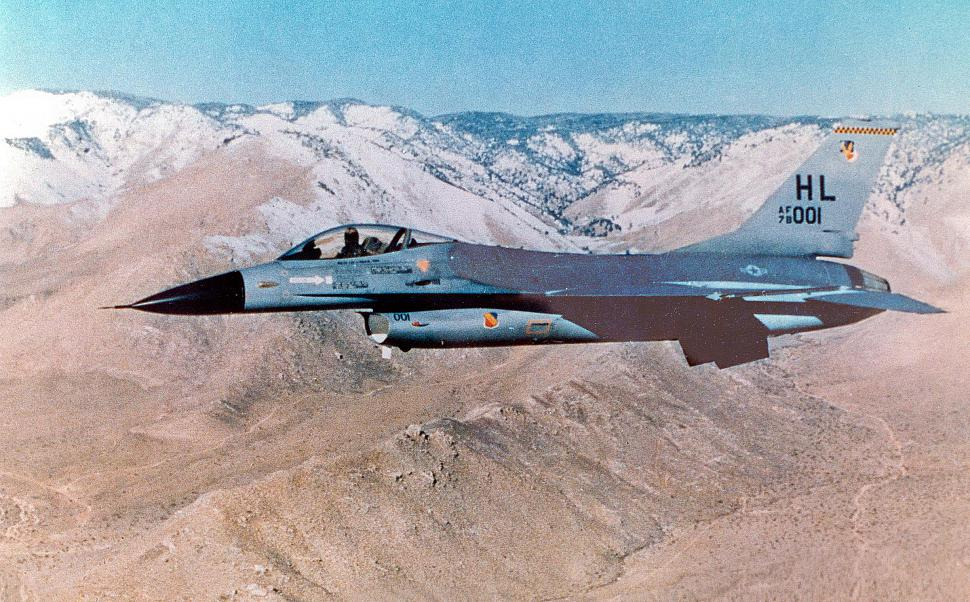
Hello! Welcome to my first new suggestion in almost a year, so I thought I would return with one of the aircraft I want to be added to the game the most. The very first F-16 (service wise). I believe this could be introduced to the game to diversify high-tier US options and possibly open the door for the F-16A Block 10 to receive better armaments, in line with what the Block 15 ADFs recently received.
History
Spoiler
The F-16 is arguably one of (if not THE) best known aircraft of the modern day, with over 25 countries operating them and over 4000 airframes having been built. It remains one of the most advanced and most capable fighters in the world; however, people often forget where this story began. Now I am not going to talk in depth about the development of the F-16 as that is a big can of worms that I do not plan to tackle; however, I will talk about this specific block of F-16 and how it came to be.
Now, as I’m sure you are well aware, the F-16A was the first production variant of the F-16, and we have countless examples in-game representing various blocks and upgrades that occurred throughout its lifespan. But none of them represent the first iteration of the F-16 to enter service, the Block 1. At the time of entering service in 1979, the F-16 was by far the most capable aircraft in the world, being fitted with some of the best avionics, defensive countermeasures and missiles available anywhere at the time, only really being rivalled by one other aircraft in service at the time, the F-14 Tomcat, which had entered service with the Navy some years earlier, only shortly before the YF-16 had been announced as the winner of the ACF contest.
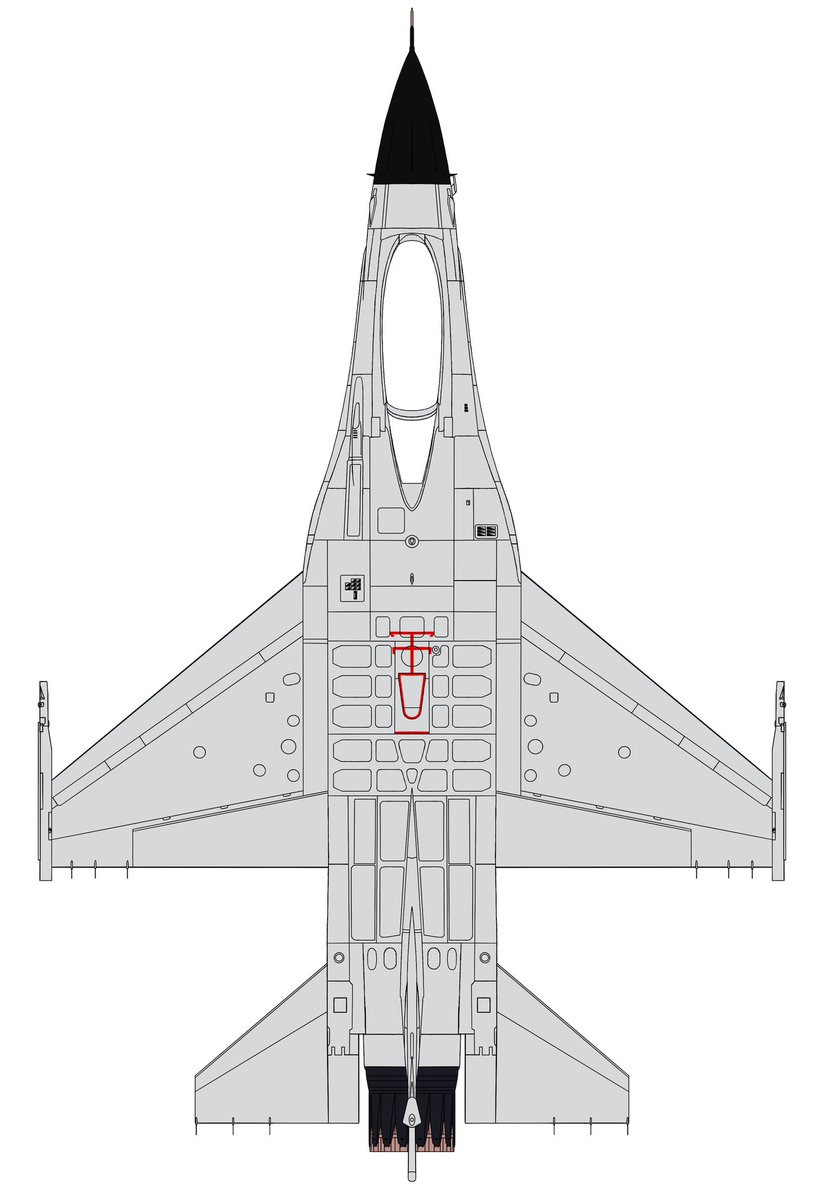
Almost immediately following the Prototype YF-16s and Full Scale Development Airframes of the mid to late 70s, the first Production F-16s Block 1s began to flow off the production lines. These aircraft are primarily distinguishable by their black painted radome as well as other characteristics of early model F-16s, including the smaller horizontal tailplane and single UHF blade antenna under the air intake, although the larger tail would be retrofitted to the aircraft during upgrades in the 80s.
The first aircraft was handed over to the US Air Force in August 1978. On the 23rd of January 1979, Initial Operating Capability was declared as the 16th Tactical Fighter Training Squadron became the first unit to begin receiving the aircraft and until 1983 would act as the first replacement training unit for the F-16, training pilots from nations all over the world on the F-16, including Belgian, Dutch and many more of the early buyers of the aircraft. Despite being delivered to the USAF in 1978, it would not be until July 1980 that the F-16 was officially named the Fighting Falcon (although let’s face it, Viper is a far cooler name).
Very soon after the Block 1s were delivered to the USAF, the original partner nations of the F-16 would begin to receive theirs, with Belgium being the first, receiving them on the 26th of January 1979, just 3 days after the F-16s IOC with the USAF, with Dutch, Israeli, Danish and Norwegian F-16s following soon after. The first European Unit to reach IOC would be Belgium’s 349 sqn, reaching IOC with the F-16 in May 1980, and qualifying for NATO use the following year.
Back on track, however, the first full combat unit, the 34th Fighter Squadron “Rams” was fully equipped with the aircraft in November 1979, and despite being a combat unit were used to assist in the training of F-16 pilots to help bring more units active across the partner nations. Despite this, the USAF would not officially declare IOC of the F-16 to the public until almost a year later, in October 1980, just days before the aircraft became cleared for carrying Nuclear ordnance.
By 1980, the first improved Block 5 airframes began to be introduced into USAF Squadrons and by 1981, with the introduction of the major improvements of the Block 10 and later Block 15, the earlier F-16s had been made obsolete, but to keep the still brand new aircraft up to date, several upgrades were initiated to bring the F-16 Block 1-5 aircraft up to standard of the newest models in service. These upgrades would be known as the Pacer Loft I & II programmes, taking place from 1982 to 1984. These upgrades would bring the earlier Block 1 and 5 aircraft up to Block 10 standards, improving reliability, removing the black radomes and, most importantly for the game, giving the aircraft the ability to carry the guided munitions of the Block 10 and above, giving the aircraft a big increase in multirole capabilities overall.
The Block 1s would continue to serve in multiple Squadrons for the next decade or so, being passed down as the original squadrons began to receive the newer Block 15, then later F-16C aircraft, with the majority of the aircraft being sent to the boneyards in the early - mid 90s due to them not qualifying for the ADF upgrades given to the F-16A Block 15s passed down to the National Guard Squadrons in the late 80s. With not a single airframe remaining in service to any extent past the 2000s, most being scrapped or, for a few lucky ones, sent to museums.
Images
Spoiler
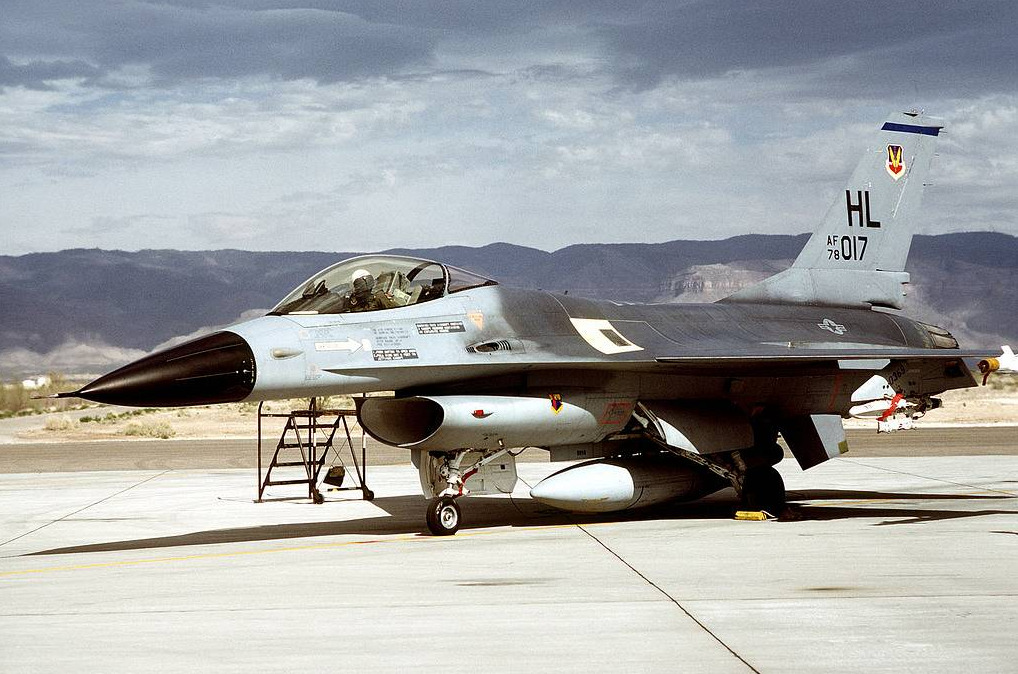
An F-16A Block 1 Aircraft of the 34th Tactical Fighter Squadron preparing to taxi during operation Border Star '81.
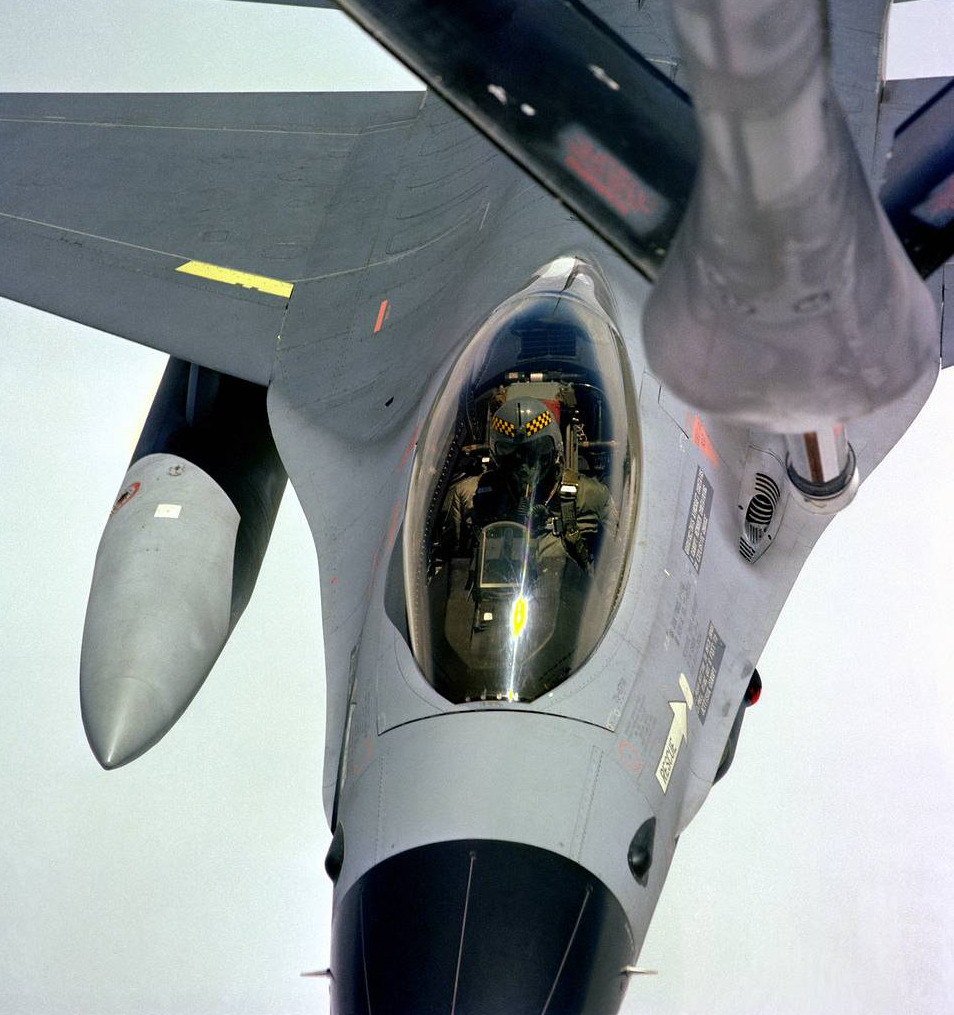
A Block 1 aircraft as it attempts to perform aerial refuelling operations, 1979.
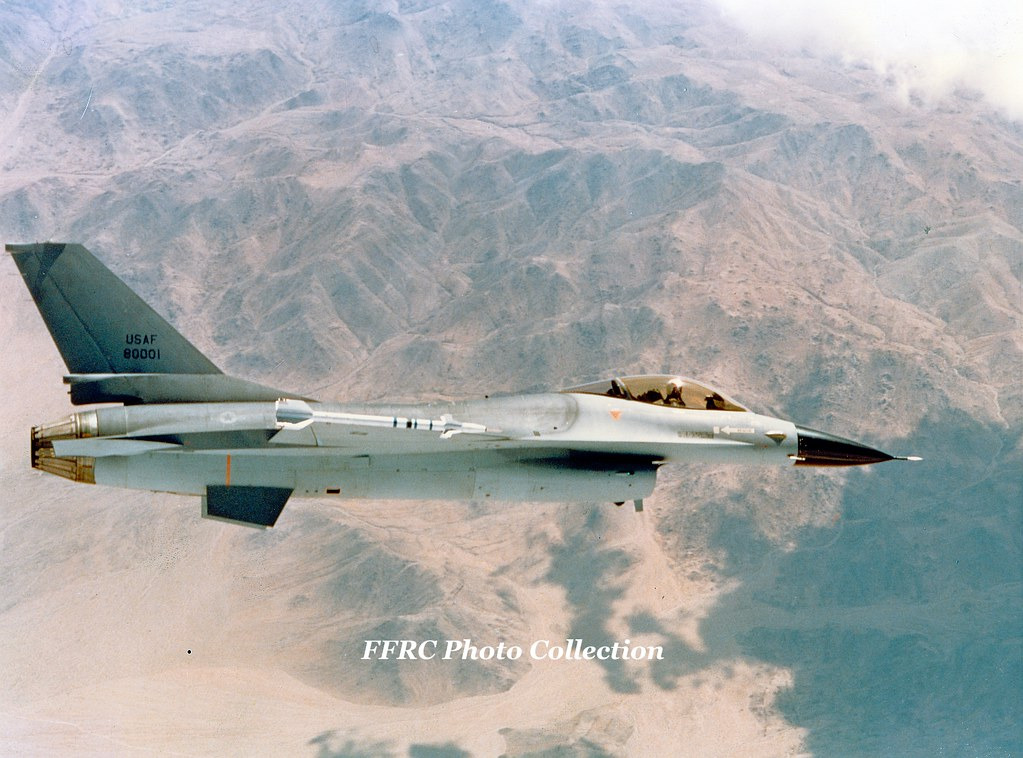
F-16A Serial 78-0001, the Air Force’s first F-16, in flight during 1978.
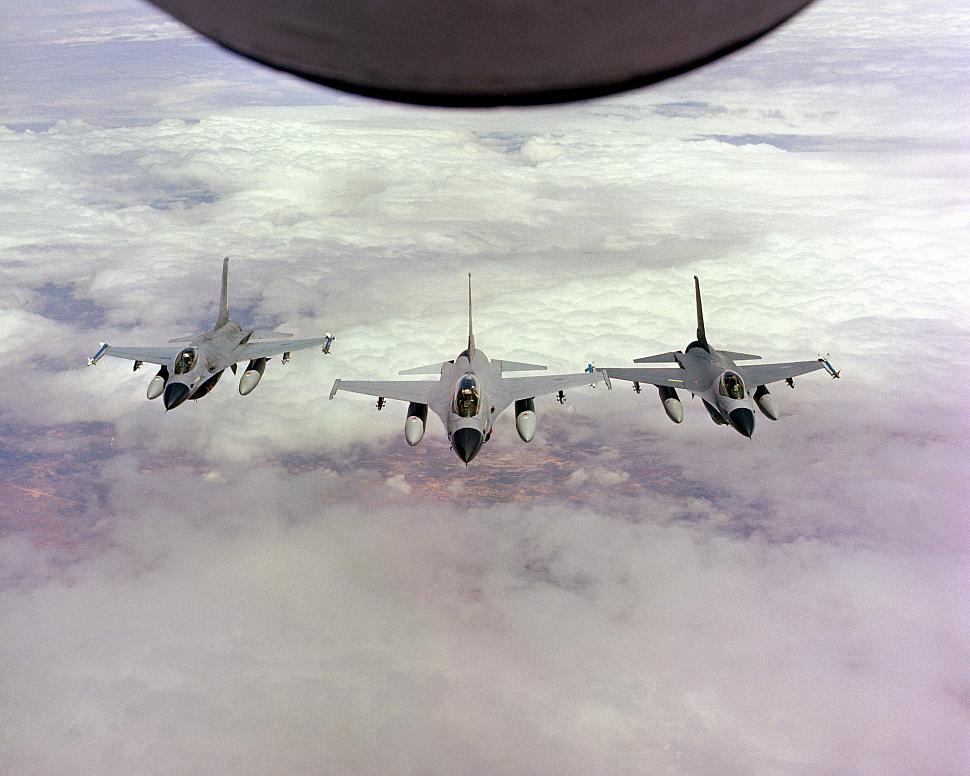
A Flight of three F-16A Block 1s in flight, 26th May 1979. Note training AIM-9Ls on the wingtips of the outer pair.
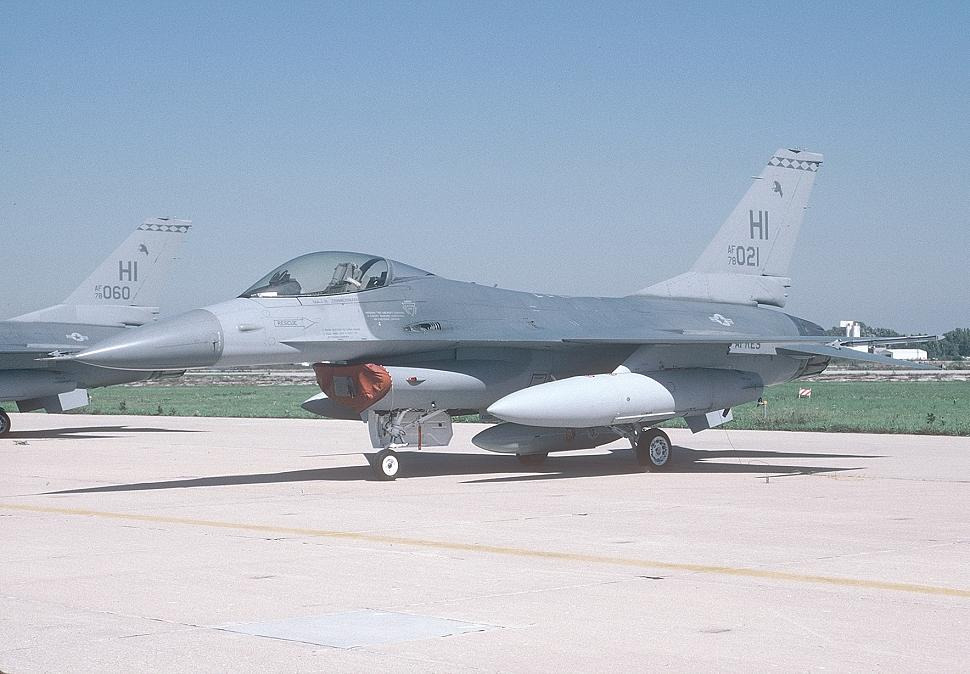
F-16 Block 1 Serial 78-0021 in 1985, following the Pacer Loft upgrades, became almost indistinguishable from the later Block 10 and 15s.
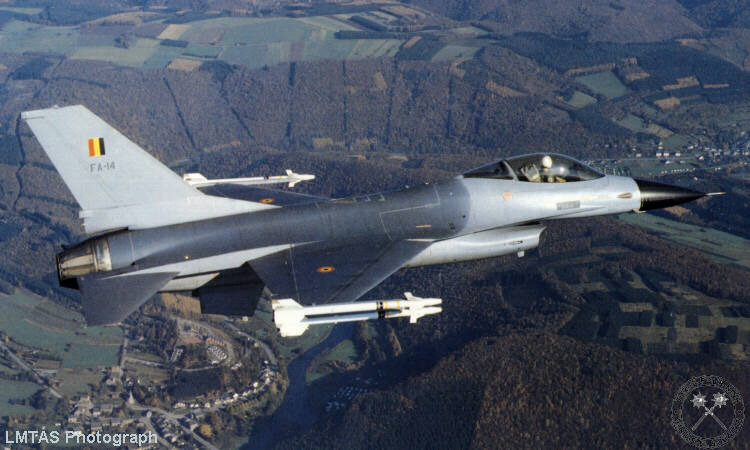
A Belgian Air Force F-16A Block 1 (Serial FA-14), with its distinguishable Black Radome and small tail, is clearly visible, both key identifiers of Block 1 Airframes.
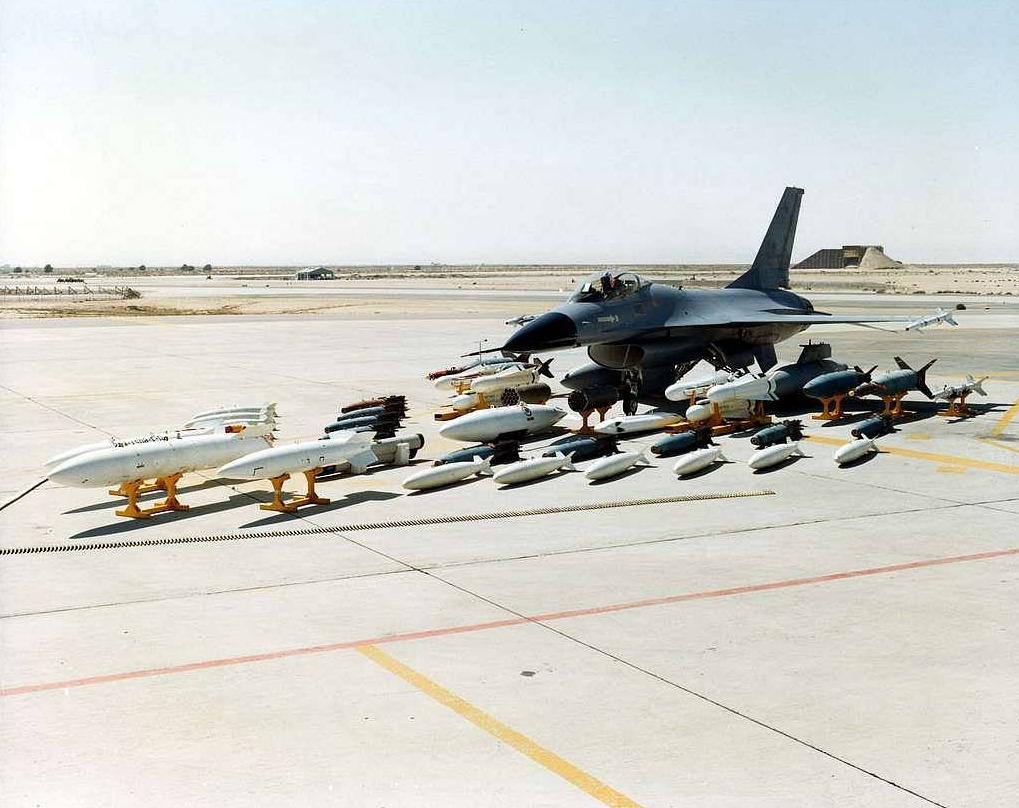
An F-16A Block 1 aircraft with a display of armament, sometime in the 1980s (likely after being upgraded to Block 10 standard).
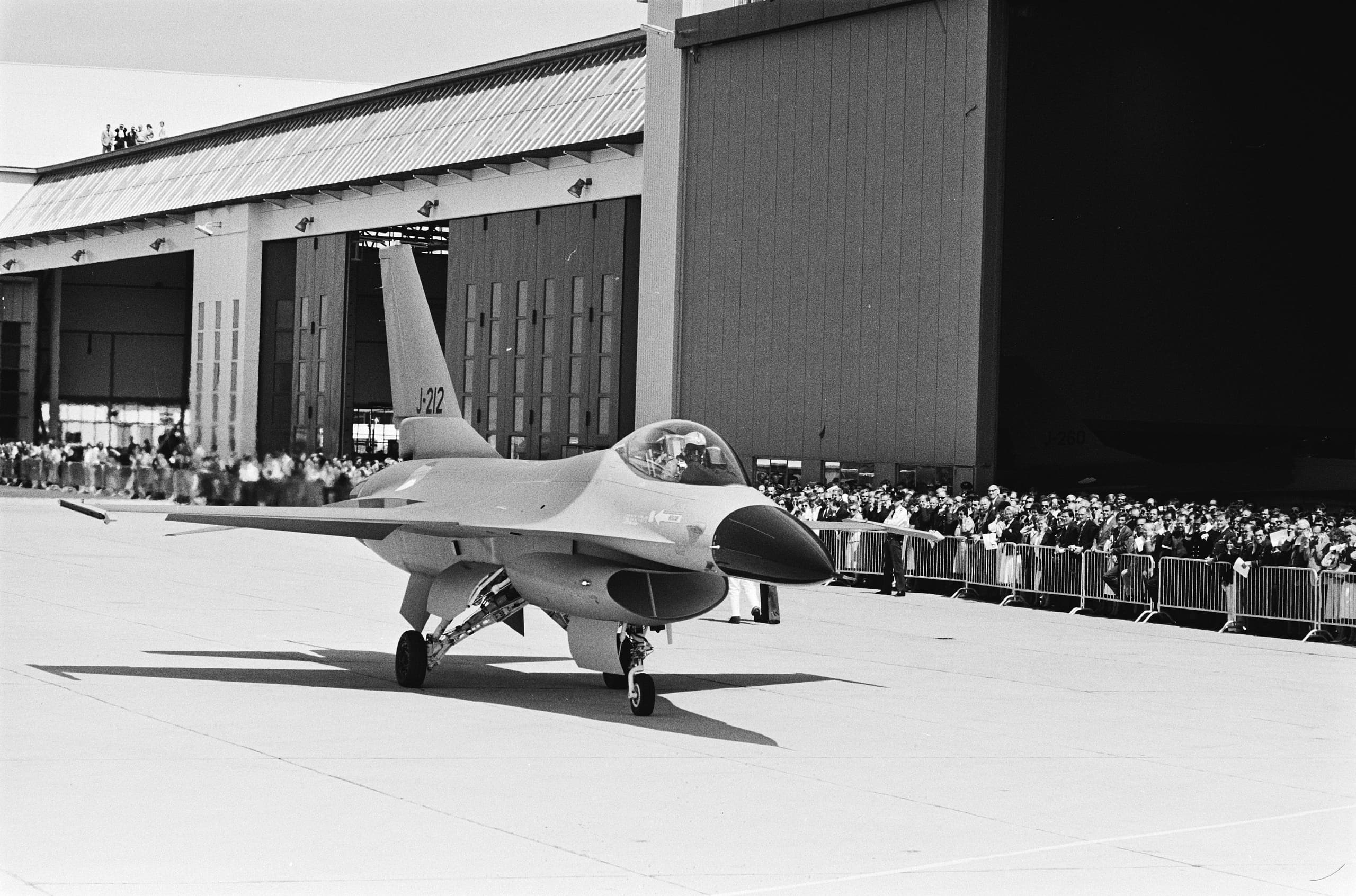
The First Dutch F-16A Block 1, 6th January 1979.
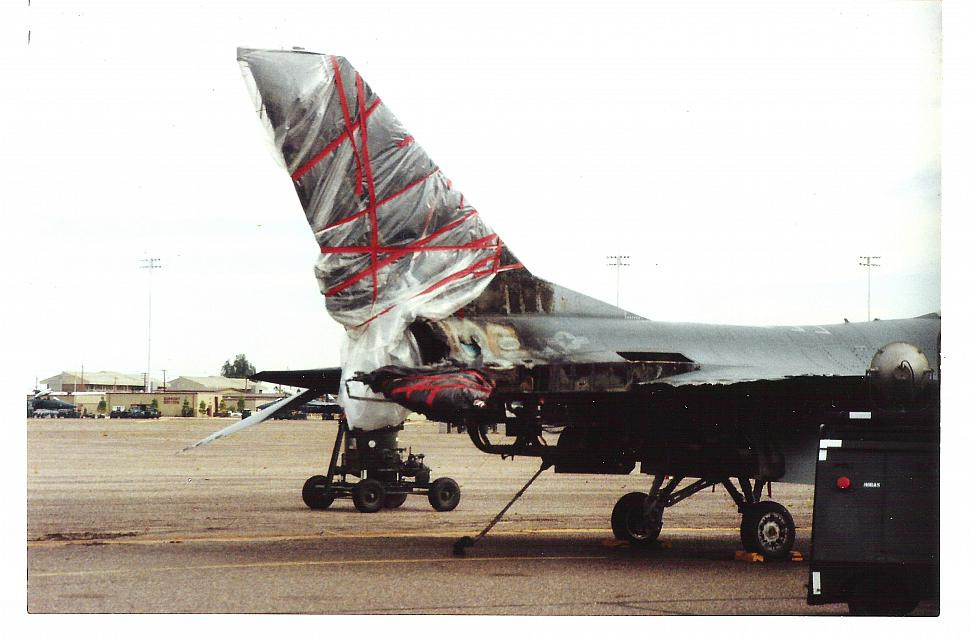
F-16A Block 1 serial 78-0002 from the 310th TFTS, following an engine “mishap” in November 1989.
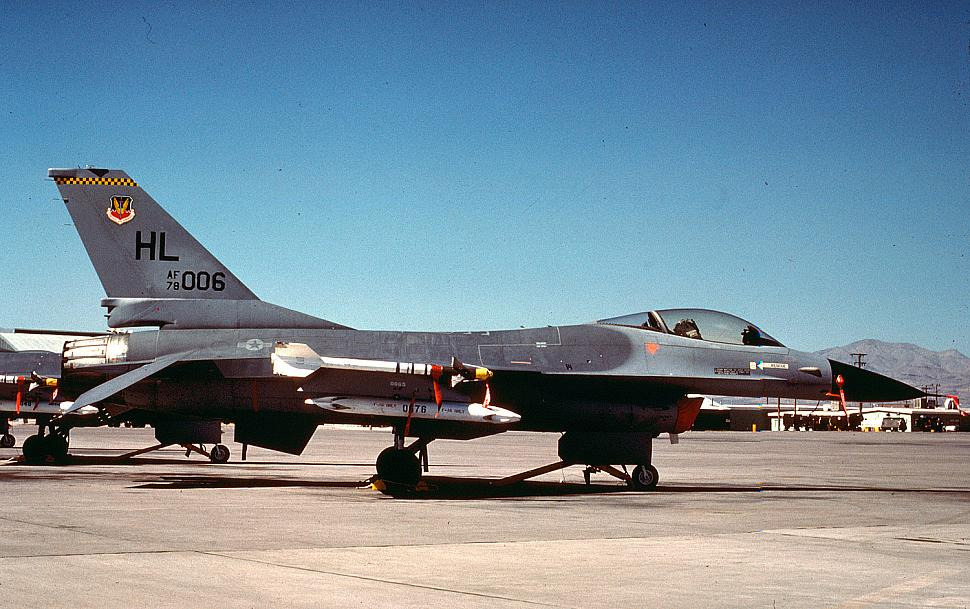
An F-16A fitted with a live AIM-9L sidewinder in 1979, attached to Hill AFB, this particular aircraft would crash in October 1979, only a few months after entering service.
Specs/Armament
Spoiler
General Characteristics/Performance
- Crew: 1
- Length: 49.49ft (15.1m)
- Wingspan: 31.0ft (9.4m) without Missiles, 32.83ft (10.0m) with Missiles
- Height: 16.43 ft (5.0m)
- Wing Area: 300 sq ft (27.9 sq m)
- Weights:
- 15,306 lbs (6942 kg) Empty
- 19,629 lbs (8904 kg) combat
- 35,400 lbs (16,057 kg) Max Take-off
- Fuel: 1073 gal. internal, 2113 gal. with 3 drop tanks
- Engine: 1 x Pratt & Whitney F100-PW-200 (23,830 lbf (106 kN) max)
- Max speed: 2,125 kph (1,320 mph / 1,145 kts)
- Service ceiling: 15,250 meters (50,000 feet)
- Combat radius: 925 km (575 mi / 500 nmi)
Armaments
-
Hardpoints: 9 (2 Wingtip, 6 Underwing, 1 Centreline)
-
Internal Cannon: M61A1 200mm cannon (512 rounds)
-
External Fuel Tanks: 2 x 370 gal. underwing tanks, 1 x 300 gal. centreline tank
-
Air-to-Air Missiles:
- 6 x AIM-9J Sidewinder
- 6 x AIM-9L Sidewinder
-
Bombs:
- 19 x 500 lbs Mk 82/Mk 82 Snakeye bombs
- 4 x 2000 lbs Mk 84/ Mk 84 AIR bombs
- 4 x BLU-27/B Incendiary bombs
-
Guided Weapons (added during the Pacer Loft I & II Upgrades)
- 4 x GBU-8/10 guided bombs
- 8 x GBU-12 guided bombs
- 6 x AGM-65 Mavericks
Avionics
- Radar: AN/APG-66
- RWR: AN/ALR-69
- Countermeasures: 2 x ALE-40(V) Countermeasure dispensers (30 Standard/15 large calibre Countermeasures each)
Place in game
Spoiler
Personally, I feel like this would be a nice sidegrade to put alongside the current F-16A Block 10 in-game, and would offer a slightly lower capability Falcon to start off the line of F-16s in the American tree, I would also believe that if added it could allow the Block 10 to be given AIM-9Ms to bring it up to comparable capability to the F-16A ADF foldered with it, which would allow US players to choose between having an F-16 with Fox-3 or IRCCM missiles whilst retaining an earlier 12.3 F-16.
This could also be given to the French tree through either Belgium or the Netherlands, which would offer an opportunity for an IRCCM-less Falcon to be given to the Benelux subtree with rather little effort, which would benefit French lineups and playability.
Sources
Spoiler
General Dynamics F-16 Fighting Falcon - Wikipedia
https://www.af.mil/About-Us/Fact-Sheets/Display/Article/104505/f-16-fighting-falcon/
F-16A/B - Block 1/5/10/15/15OCU/20 - F-16.net
34th Fighter Squadron (USAF ACC) - F-16.net
349th squadron (BAF) - F-16.net
16th Tactical Fighter Squadron (USAF ACC) - F-16.net
https://picryl.com/ (Various images)
https://www.forecastinternational.com/archive/disp_old_pdf.cfm?ARC_ID=1231
F-16A (Block 1-10) Characteristic Summary, March 1985
F-16A (Block 1-10) Standard Aircraft Characteristics, March 1984