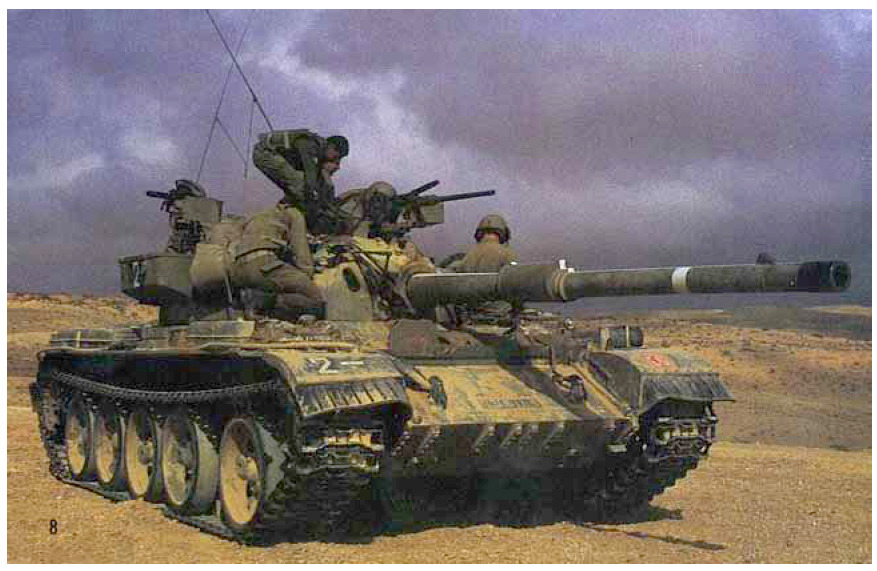
History:
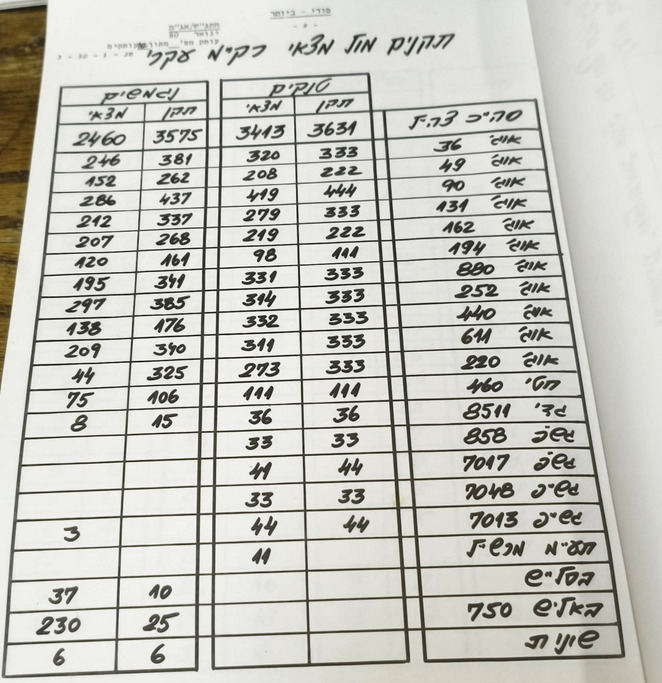
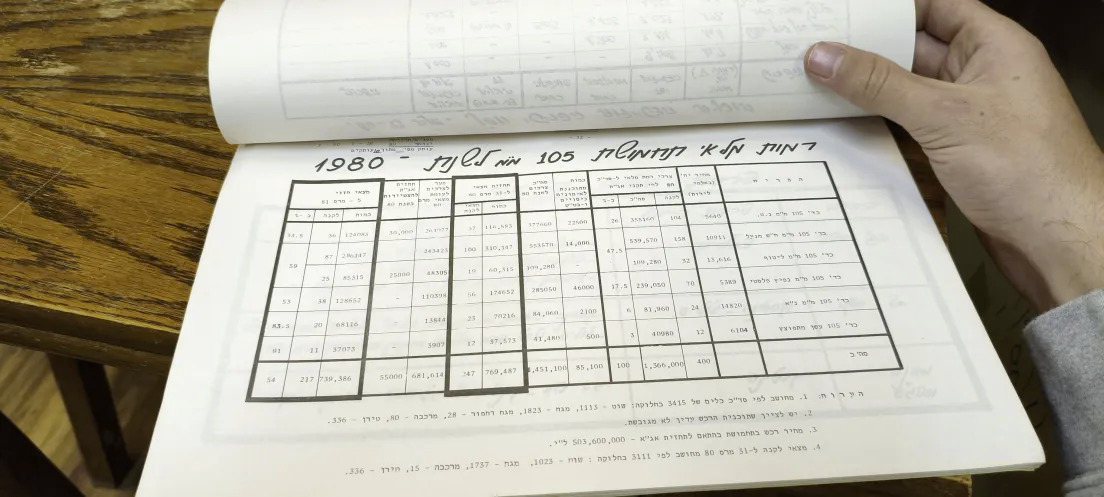
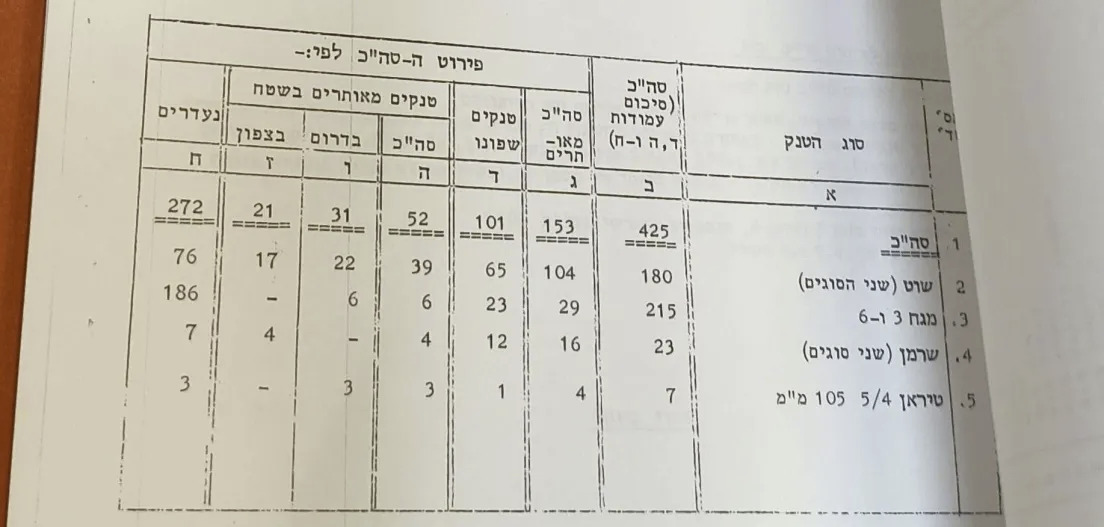
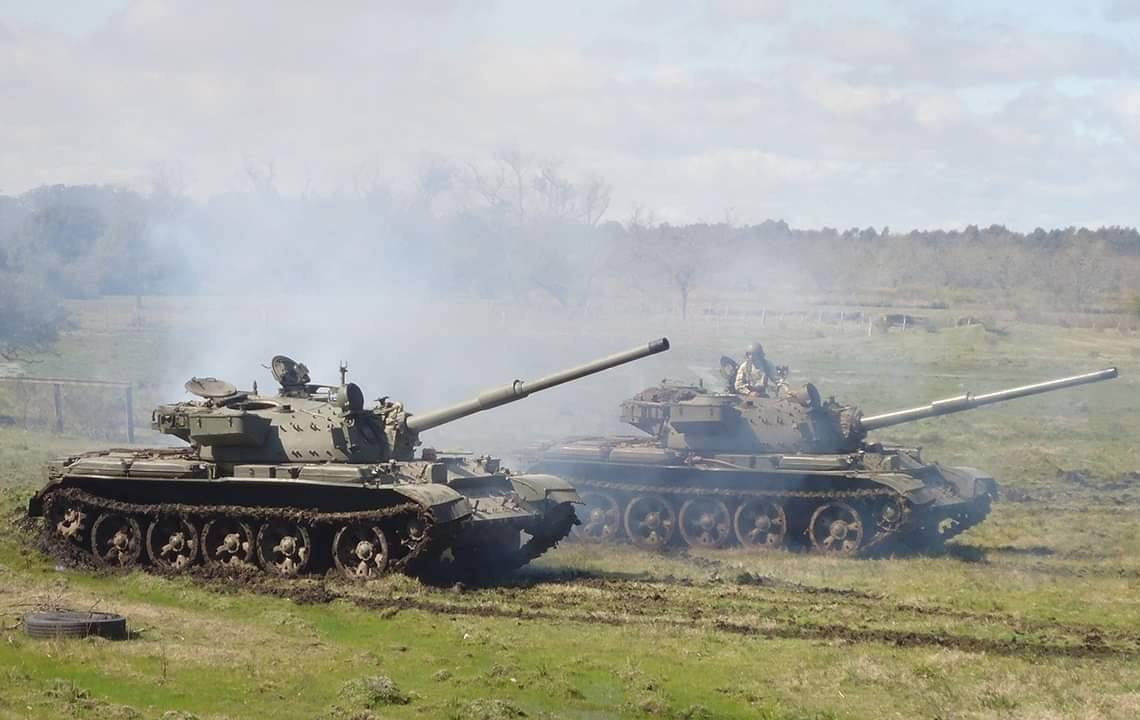
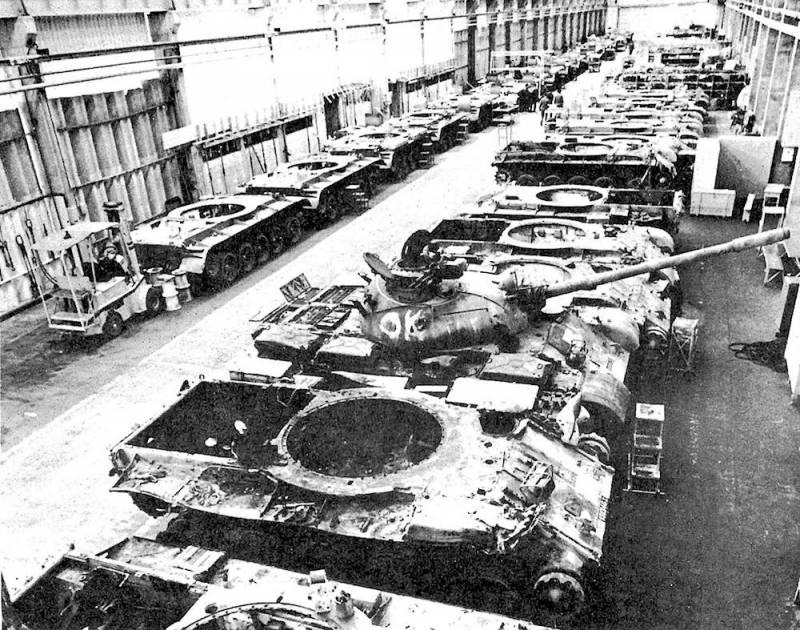
After the Yom Kippur War; October 24, 1973; the IDF’s Armored Corps was left with an estimate of 1,100 serviceable tanks (from the 1,907 operable tanks they had before the war, 186 being inoperables [check the “Pictures” anex, first photo]). The solution? Aside from importing more Patton tanks from the US, they also recovered abandoned tanks from the Egyptians and the Syrians (which most of them were not damaged or just a little damaged, but still in operable conditions), which consisted in T-54/55 (more than 200 tanks between these 2 types), T-62 and APCs mainly, thanks to this, by the end of 1977, the IDF inventory grew to roughly 3,413 serviceable tanks [check the “Pictures” anex, second photo], which 3 tank brigades consisted of Tiran 4 and Tiran 5 tanks, and 1 tank brigade of Tiran 6 tanks (336 Tiran tanks in service in 1980 [check the “Pictures” anex, third photo]. Although other source from Yuval Shahaf states that by the second half of 1970s the IDF had 10 battalions of Tiran 4/Tiran 5-S tanks and 2 battalions of Tiran 6 tanks. These battalions were concentrated in the Rafah camps in the south (440th Division) and Mansoura in the north (320th Brigade).
So why invest resources in repairs and modifications in captured tanks instead of importing tanks from other countries as Israel was doing before the Six Day War? Well by late 1960s, the IDF was limited with the acquisition of modern armored vehicles, being able to only buy old tanks from the 1940/1950 era that European countries were already getting rid off, while Israel’s hostile neighbours were provided with modern soviet made tanks, this issue being obvius during the Six Day War. Therefore, the reason Israel used the T-54, T-55, and T-62 tanks was because they were more modern assets than those the IDF could have received from its previous vendors (Germany, France, United States and the United Kingdom). Also, another important features from the T-series captured tanks were the night vision devices (IDF tanks relied on spotlights in night battles), smoke masking system in the rear side and tracks that are better suited for sandy terrain.
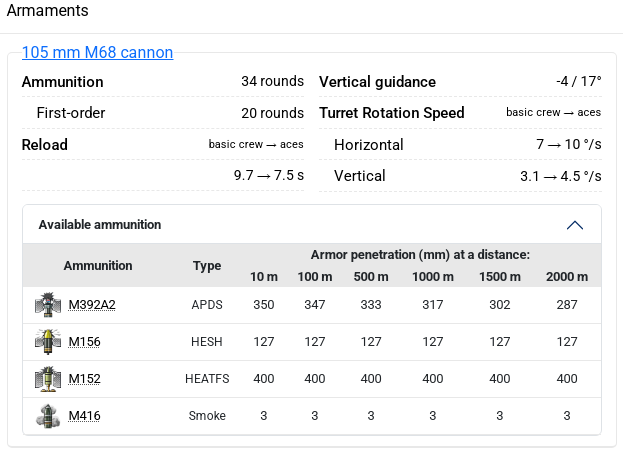
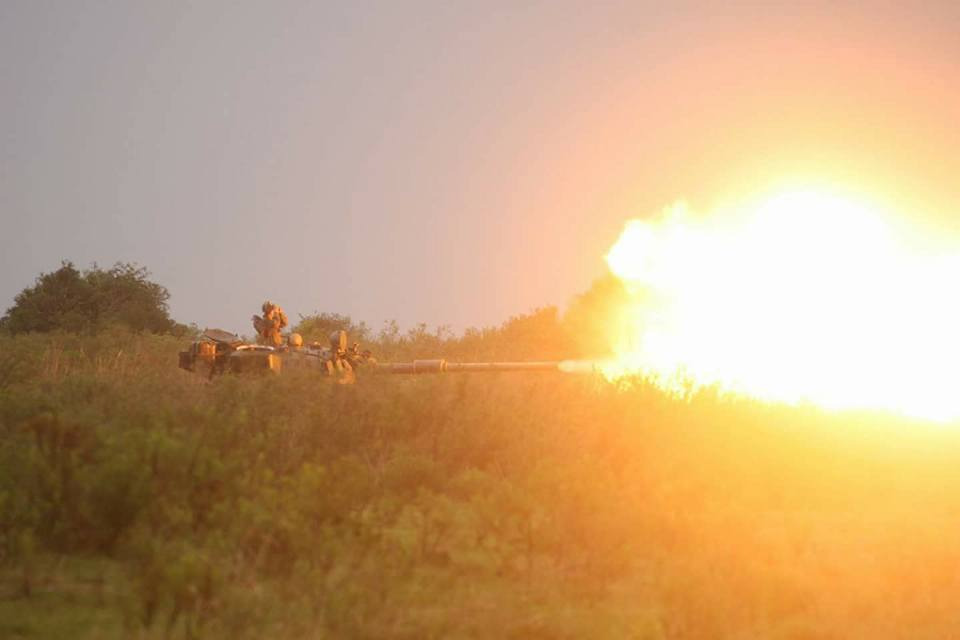
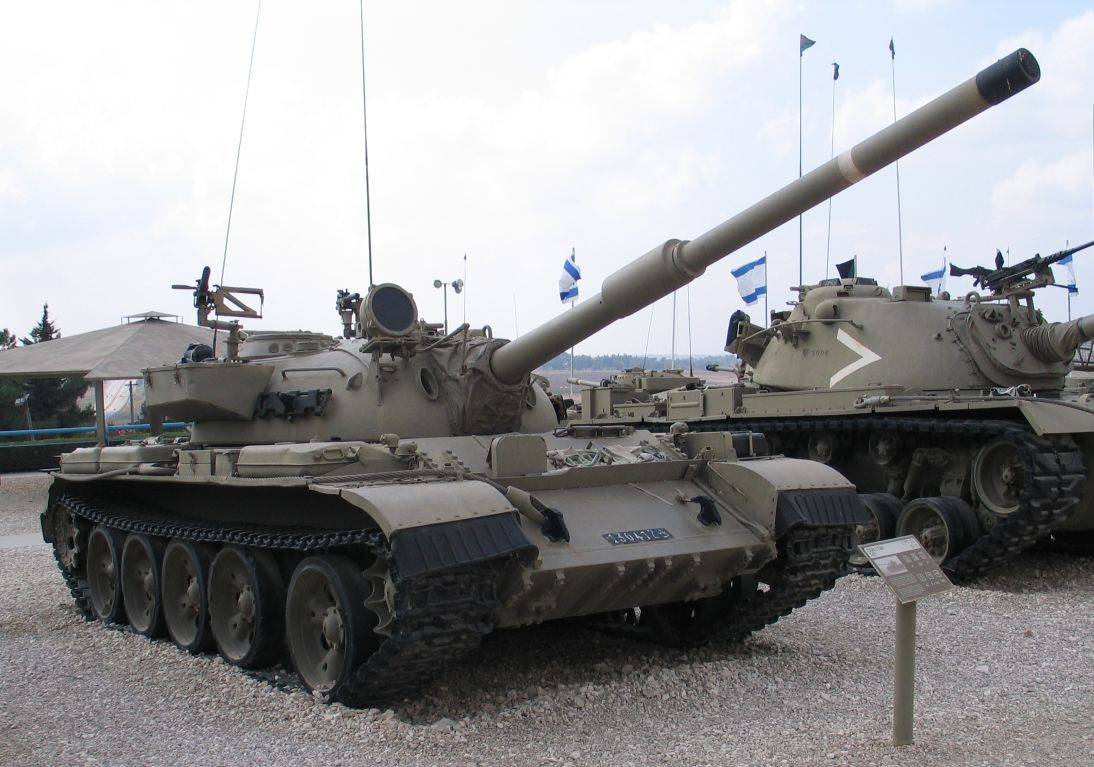
The Tiran 5Sh, its an upgrade modification from the captured T-55 (Tiran 5 designation by IDF) tanks from the Six Day War, developed in early 1970s after the end of the War of Attrition. The main change was that the replacement of the soviet D-10T 100 mm cannon with the british M68 105 mm cannon (nickname Shrir), which gave the tank an upgrade in firepower and allowed it to use the same ammunition as the Centurion and Patton tanks, instead of relying in captured ammunition (by 1987 the IDF had an inventory of 900,000 to 1,250,000 105mm tank rounds in war reserve storage, and more to be produced localy); althrough by changing the gun, more internal changes were necessary, changing the ammo rack inside the turret to adapt them to carry the 105mm shells, and changing the loader placement from right to left, but the IDF made sure to keep the original soviet fire and control systems. Although doing some more minor modifications (as the machine gun and radio remplacements), the IDF decided to also keep the soviet V-55 Engine, because their priority was to increase firepower and communication systems; also replacing the engine with, for example, the Patton’s Continental AVDS-1790 would mean to increase the T-55’s engine compartiment to fit the bigger engine.
All Tiran crews from the 274th Brigade were transfered to the new Tiran S models during 1971 to the summer of 1973, the 274th Brigade was conformed with the 227, 228 and 225th battalions.
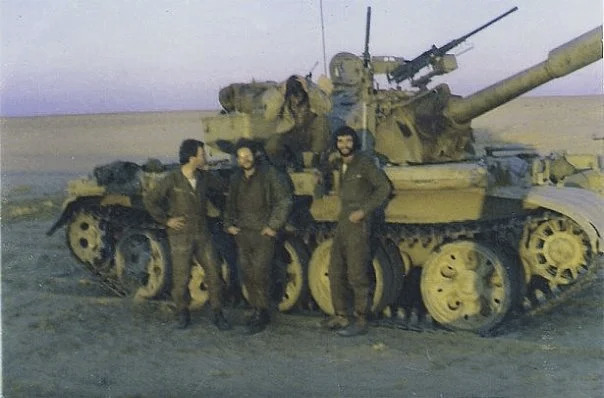
Months before the Yom Kippur War started, the brigade focused in training with up to battalion level exercises with these new modified tanks; preparing them for the incomming war. With the start of the war in October 6, 1973, additional personnel were recruited at the “Hassah” camp to strengthen the brigade. Despite the lack of some Tiran tanks in the 227th battalion and some essential equipment in the other battalions (such as 7.62mm machine guns and binoculars), in October 7, 1973, these 3 battalions were loaded into the tank carriers (old Diamond Type 35 carriers) and sent south, towards the central axis of Sinai.
Although the brigade was positioned there as a command reserve, it faced combat in October 8 against Egyptian Su-7 and Mig-21 aircrafts over the Rafidim area, the egyptian attack did not manage to damage any tank from the brigade, in exchange they were fired back with the anti-air machine gun from the tanks and other anti-aircraft guns over the Rafidim airfield.
Subsequently the brigade was sent to different positions were command expected a Egyptian breakthrough, which did not occur, and finally deployed in the frontline to gradually replace the lost units from the 162nd Division that faced the Second Egyptian Army.
During October 14, the brigades were attacked by egyptian airstrikes and artillery while patroling IDF controlled territory, with no significant damage to the tanks but the commander of the 227th battalion injured in the eye, in case of the egyptians, one Mig-17 was shot down by machine gun fire from one of the tanks over the brigade’s headquarters.
Between October 14 and 15, the three battalions were used to stop Egyptian breakthroughs and act as reserves, most of the time being splitted the three battalions, and sent to different sectors. Unfortunately, during these battles, the brigade suffered heavy casualties. For example, most of the original members of the 227th Battalion’s complement were killed or wounded, requiring a personnel replacement that took two nights to complete. 24 of the brigade’s commanders and combatants were killed (mostly at the Battle of Habraga), 60 soldiers were wounded, and 9 tanks were put out of combat by Egyptian missiles that set them ablaze. Several other tanks were hit but were quickly repaired and returned to service.
During the Peace of Galilee War (1982), the 320th brigade (a new created brigade with Tiran 4/5-S and Tiran 6 tanks) was planned to participate in the Operation Prey Hadar under the command of Special Operations
Command (SOCC), but it was never carried, and the Tiran tanks overall stayed as a reserve force during the rest of the war (except the battalions with Tiran 6 who were sent to retrieve captured 115mm shells and PKT ammo for their tanks).
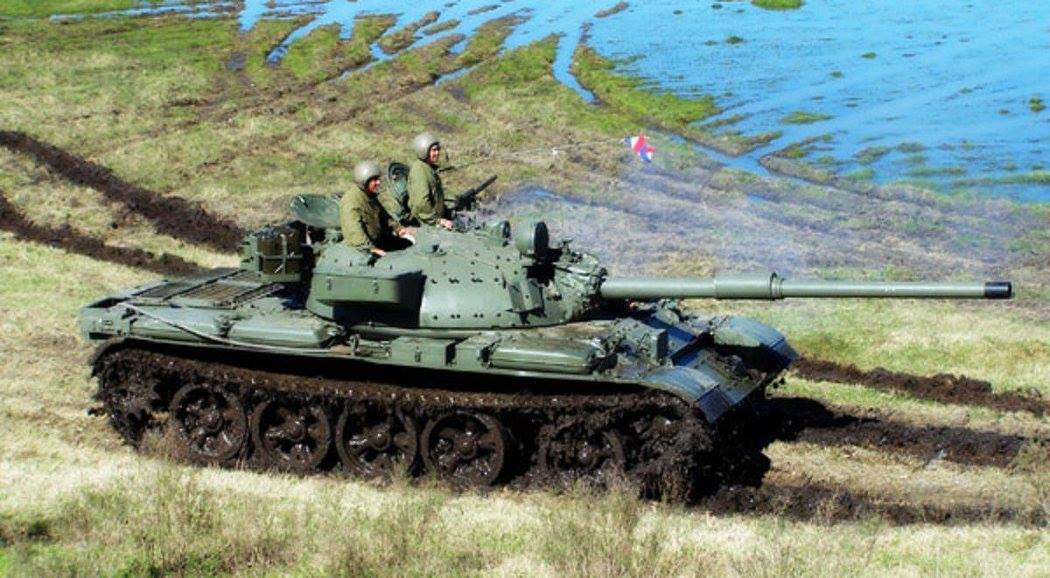
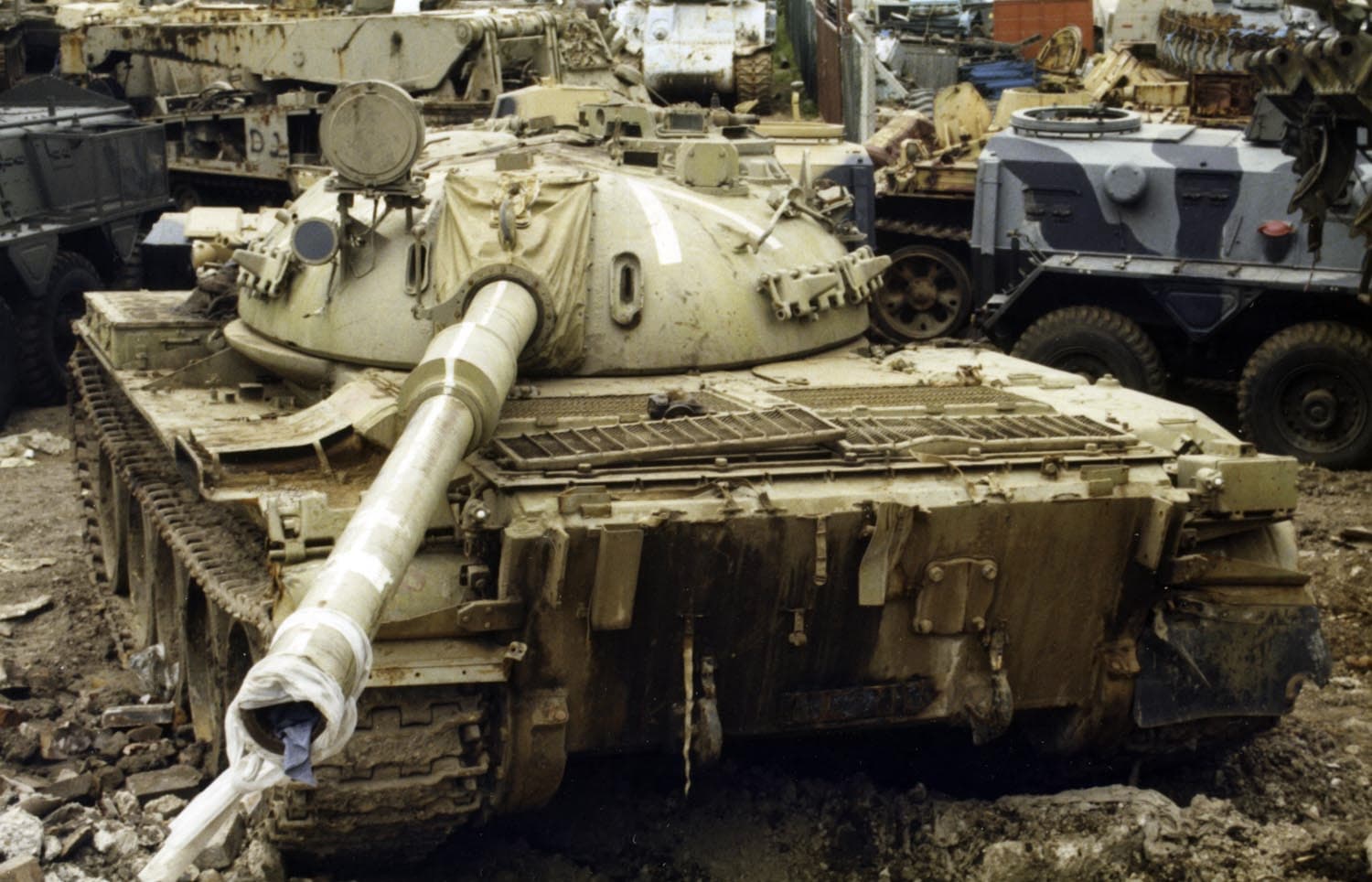
The loses of Tiran tanks during 1973 its estimated to be 7 Tiran 4S/Tiran 5Sh tanks lost, and from these, 3 went missing [check the “Pictures” anex, fourth photo].
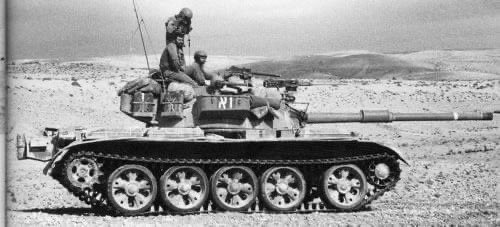
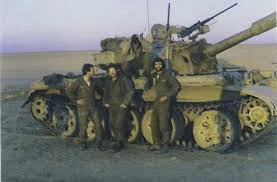
During mid 1980s, tank brigades equipped with the Sho’t, Magach 3 and Tiran (4/5/6) tanks were deactivated, the reason wasn’t because they were obsolete, in fact these tanks were in equal grounds with the Syrian tanks, but because their crews were around 42 years old, soon not being able to operate tanks anymore, the next generation of tank crews were focused on using the new Merkava tanks instead.
By 1990, the SIBAT (The International Defense Cooperation Directorate of the Israel Ministry of Defense) offered the M-48, Sho’t and Tiran reserve tanks for sale.
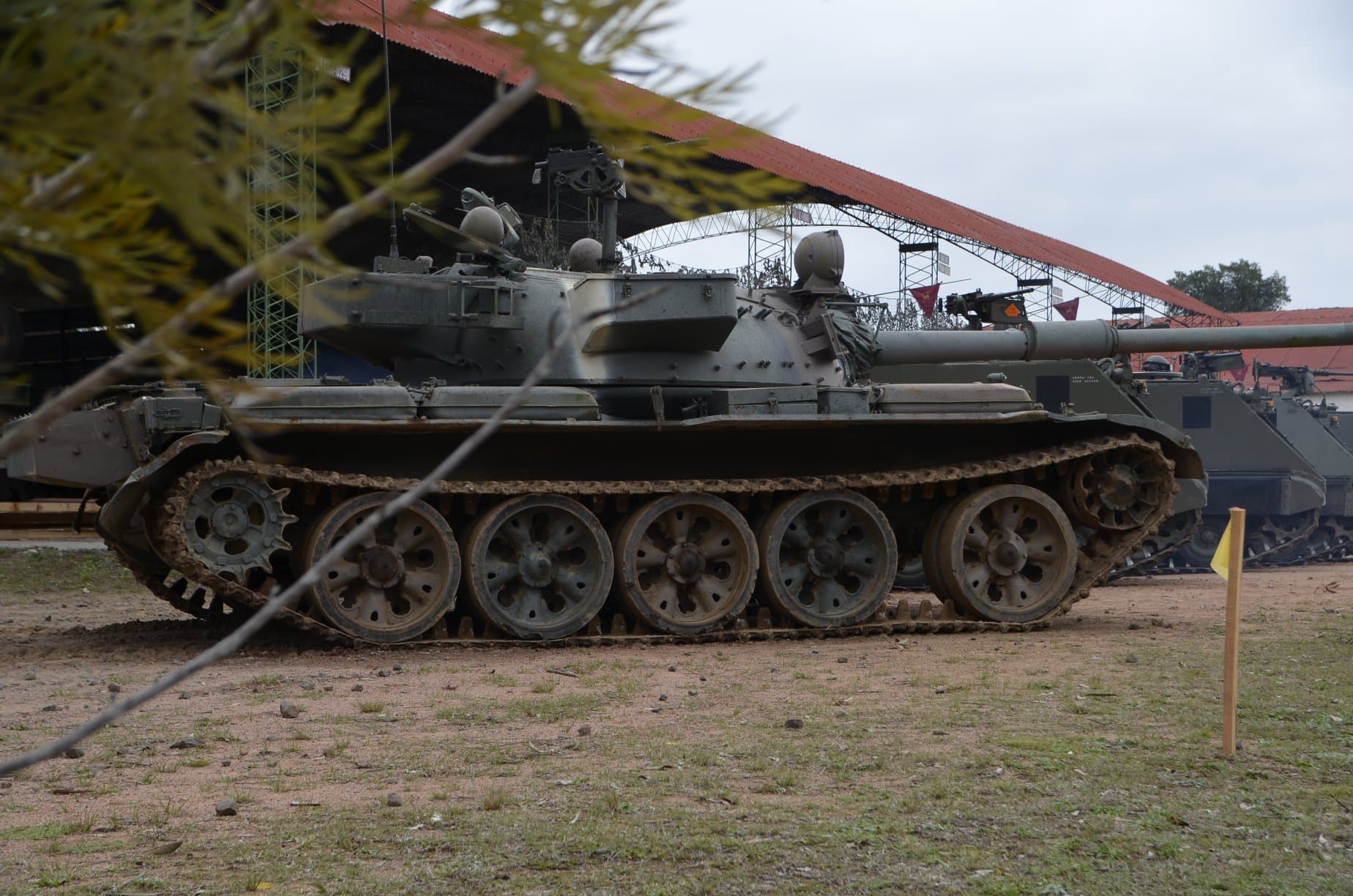
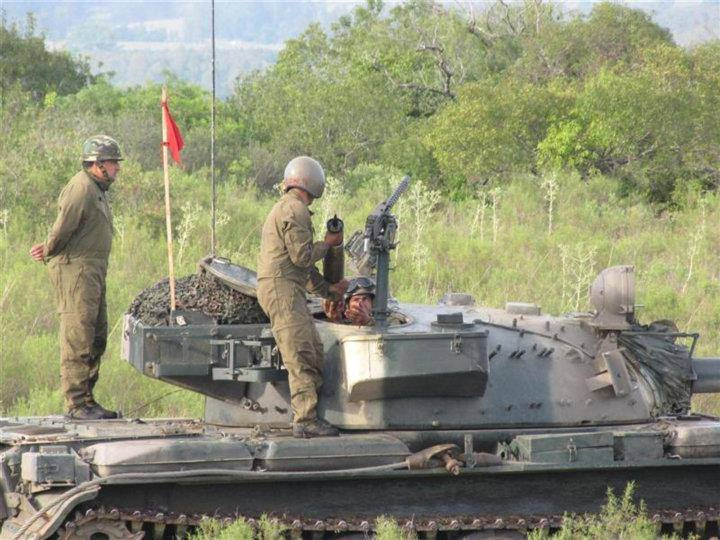
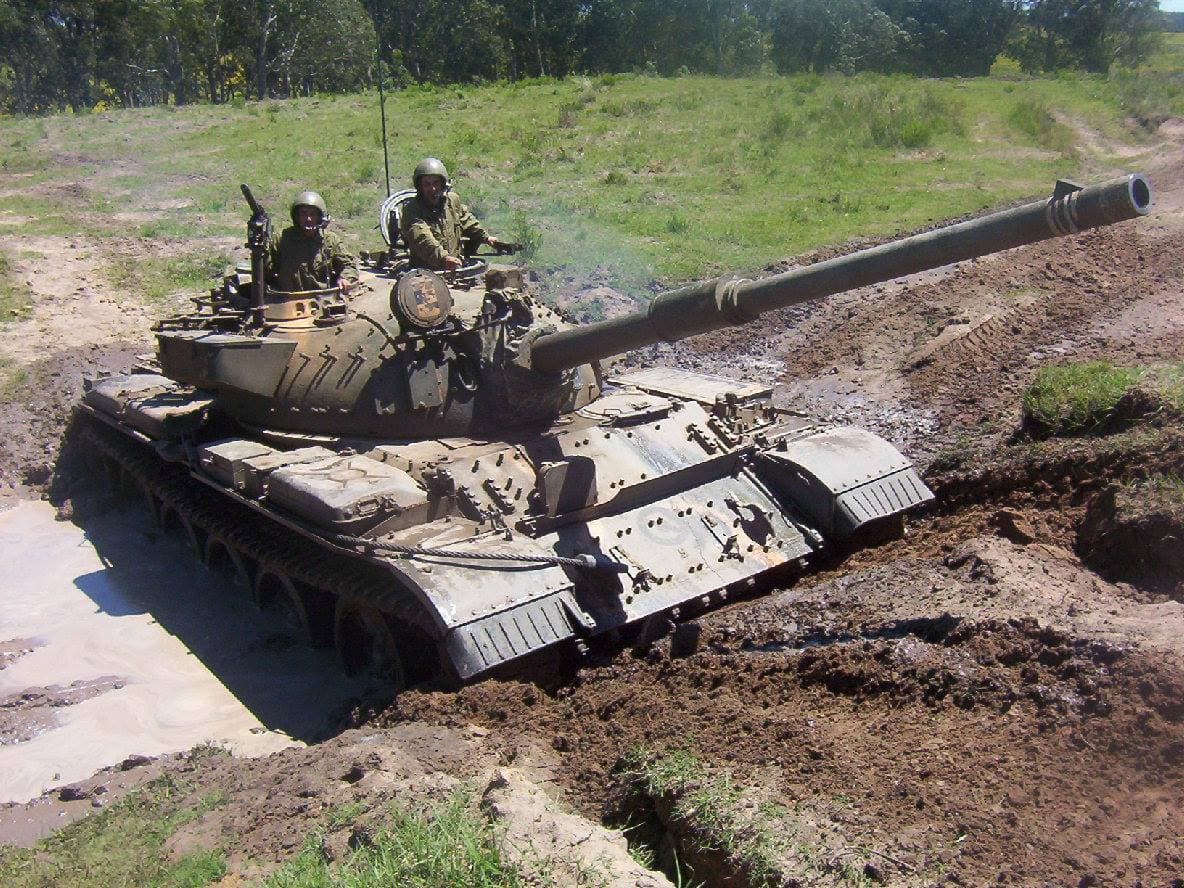
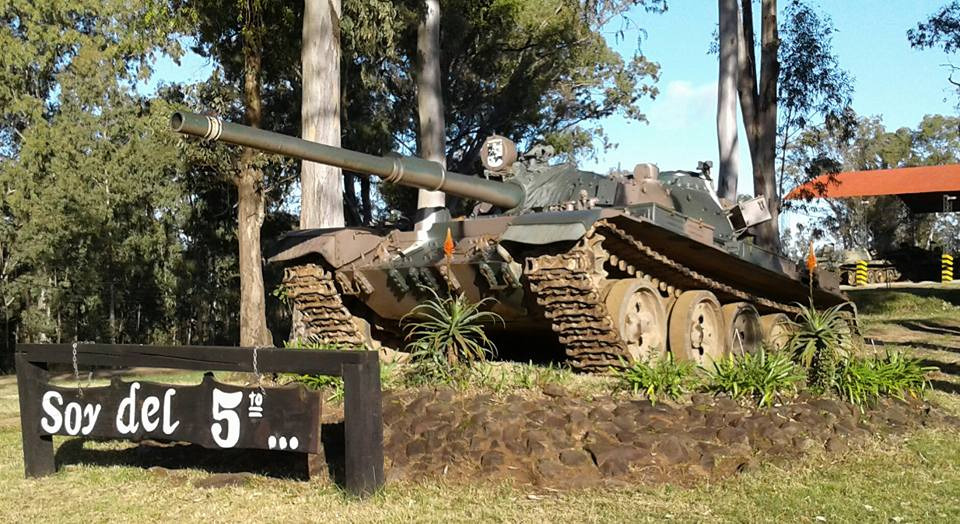
In 1997 the Tiran 5Sh was exported to Uruguay, with 15 tanks purchased, as a replacement for their old M24 and M41 US made tanks and the fear in lack of modernization in compare with its neighbours (Argentina with the TAM, and Brazil with the Leopard 1A1). The Tiran 5Sh remains still in service under the Uruguayan Army as their only Main Battle Tank.
Changes from the T-55:
- The D-10T 100 mm cannon was replaced by the M68 105 mm cannon.
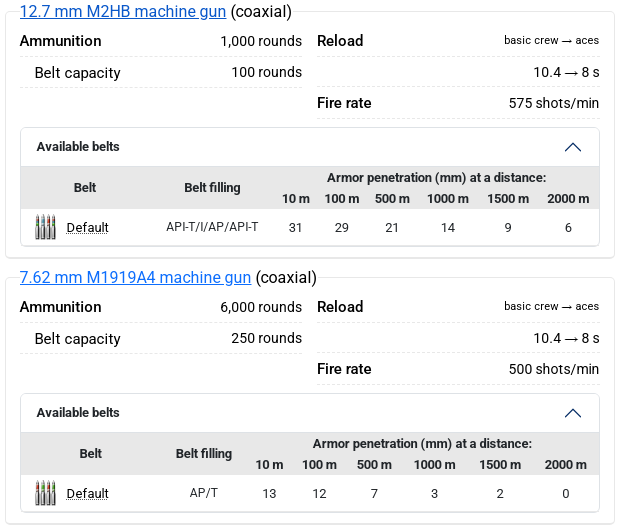
- The coaxial machine gun was replaced with the 7.62 mm M1919A4, also adding a fixed 12.7mm M2HB machine gun (similar to the Tiran 6 or Merkava fixed M2 Browning)
- The load of the gun changed from right (D-10T) to left (M68).
- 12.7 mm Dshk top machine gun replaced with 2 x 7.62 mm M1919 Browning machine guns. One operated by the gunner, and the other one by the commander.
- Replacement of soviet communications with israeli radios.
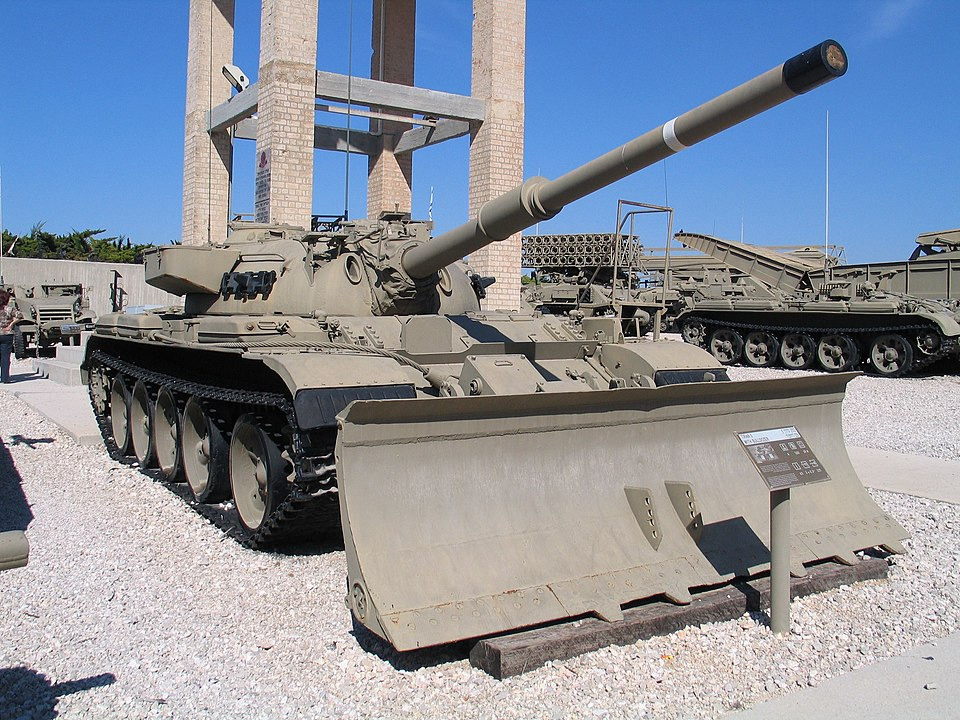
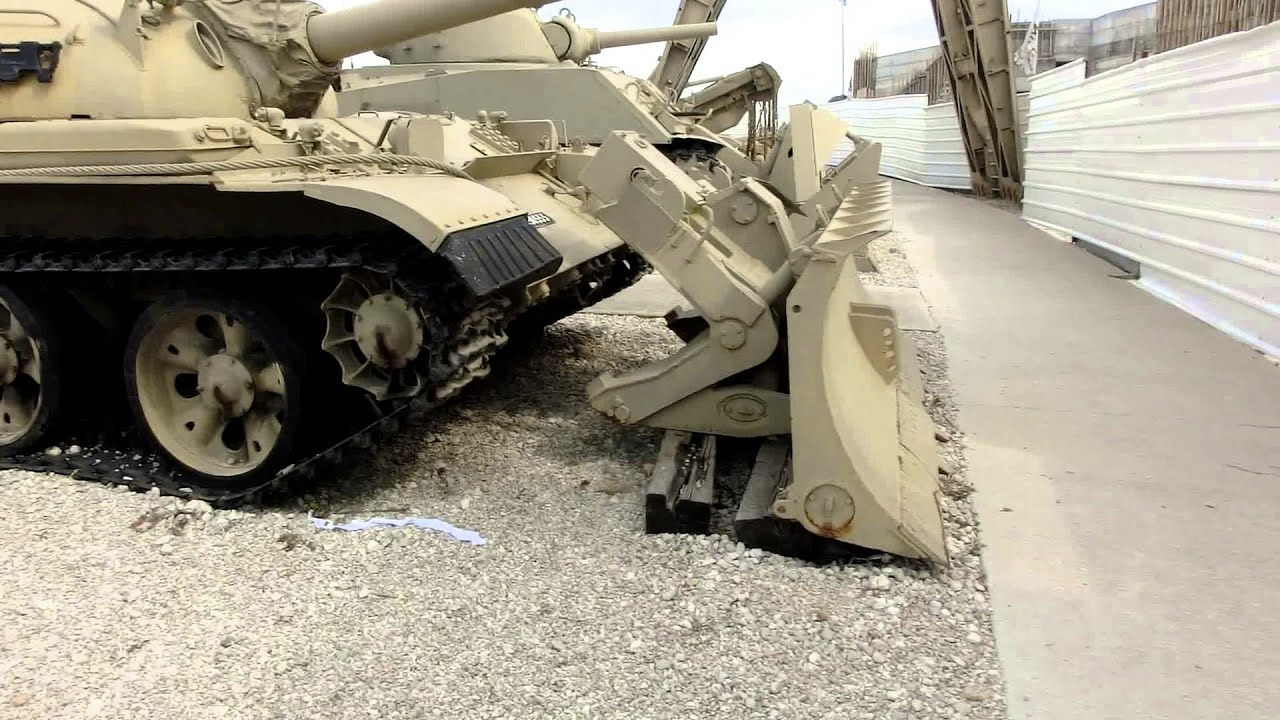
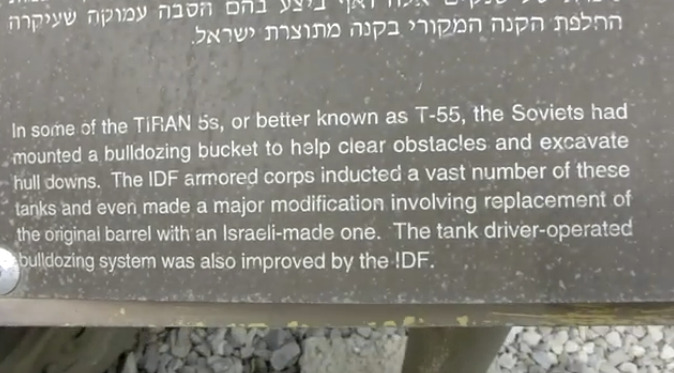
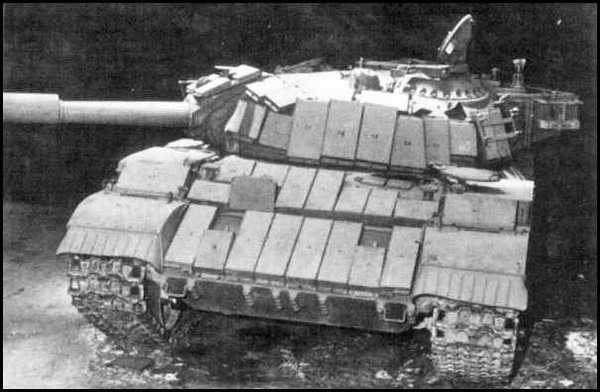
- Also the Tiran 5Sh had the possibility to install a dozer blade and Blazer ERA armor as additional modifications (just as the original Tiran 5).
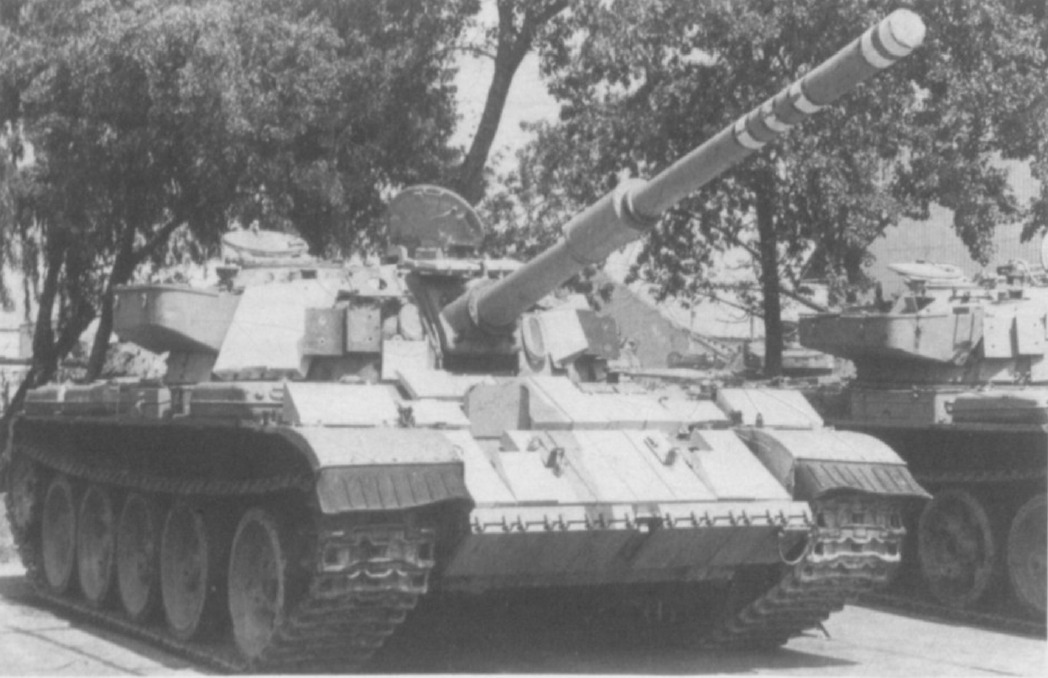
Specifications:
The Tiran 5 possess a turret floor, hydraulic elevation system, an electric gun stabilizer, improved driving and starting assistance systems; unlike the Tiran 4.
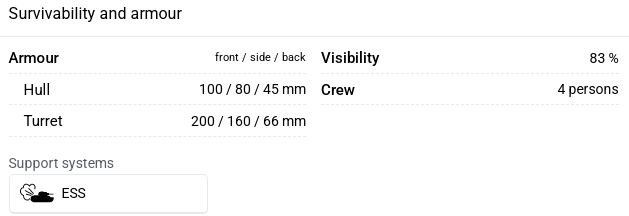
The specifications of the Tiran 5Sh’s hull its the same as the regular soviet T-55 tank. While the turret changes are similar as the ones made to the Tiran 4S (gun caliber, crew placements, and replacement for israeli communication systems), with the only exceptions being the external machine guns, which Tiran 5Sh has a fixed 12.7 mm M2HB machine gun (coaxial) on top of the breech (Tiran 4S doesn’t have it) and 2 x 7.62 mm M1919A4 machine gun on the roof (Tiran 4S only having 1 top mg).
Pictures
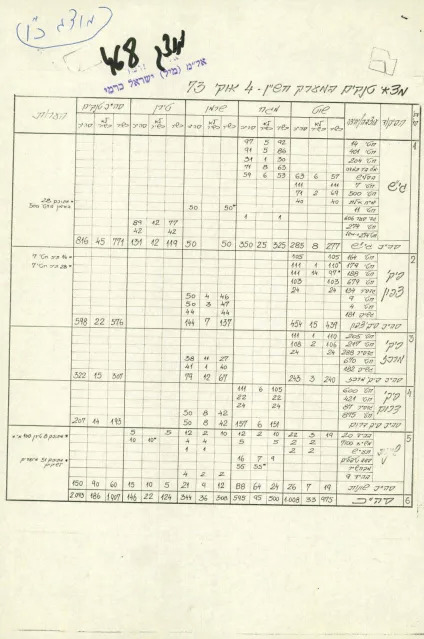
Bottom left states the total of tanks (1,907)
Sources
Tiran 4S | War Thunder Wiki
T-55A | War Thunder Wiki
Category:Tiran-5Sh tank with a dozer blade in Yad la-Shiryon Museum, Israel - Wikimedia Commons
The Israeli Tiran Tank Series - TankNutDave.com
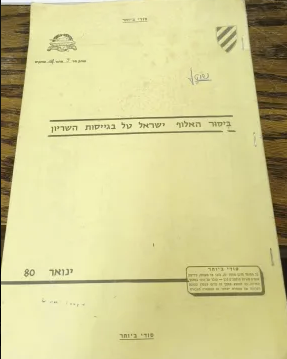
https://web.archive.org/web/20250602091208/https://yadlashiryon.com/wp-content/uploads/2019/12/חטיבה-274.pdf
https://yadlashiryon.com/wp-content/uploads/2021/05/toldot-hil-hcimos1967-1985-1.pdf
Tiran-5Sh in Uruguayan Service - Tank Encyclopedia
https://www.youtube.com/watch?v=aFlT_yaWkd4
https://www.infosperber.ch/wp-content/uploads/2018/05/The-Israel-Defence-Forces-1948-2017.pdf