History:
Our history begins with the Luz missile, the first israeli made missile, which was an experimental surface-to-surface weapon developed by RAFAEL, intended to be equipable on surface and air platforms, with a planed anti-ship version. But due to struggling in the technical parts and the lack of budget to continue the project and unable to make an anti-ship version, the Israel Navy transfered the project to Israel Aersopace Industries (IAI) in 1962 to be focused in a naval weapon and redisigned by the engineer Ori Even-Tov.
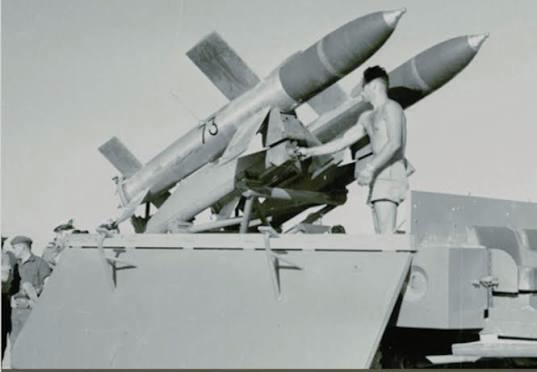
During it redisgning, it was modified to equip a sea-skimming altimeter and a radar guidance system to accomplish its anti-ship role (Interesting fact: The Gabriel missile its considered to be the first missile to have sea skimming feature). In 1965, it was succesfully tested and re-named Gabriel.
The first generation of the Gabriel missile (mk. 1) was first combat used during the 1973 Yom Kippur War, during the Battle of Latakia, where israeli Sa’ar-class missile boats sinked many syrian vessels, and later used in the Battle of Baltim against egyptian missile boats over the Sinai coast.
In 1972 started the development of the mk. 2 version with the double of maximum range and a larger rocket motor, entering service in 1976, with a succesful career in the international market, being built under licence by many countries as Taiwan, South Africa, and exported to other countries like Chile, Singapore, etc.
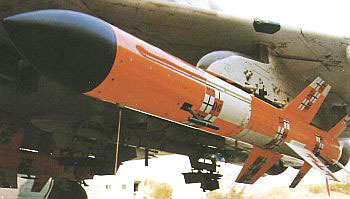
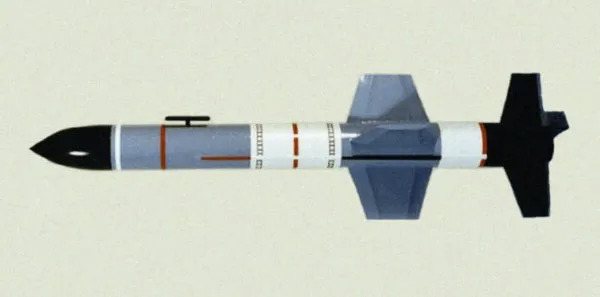
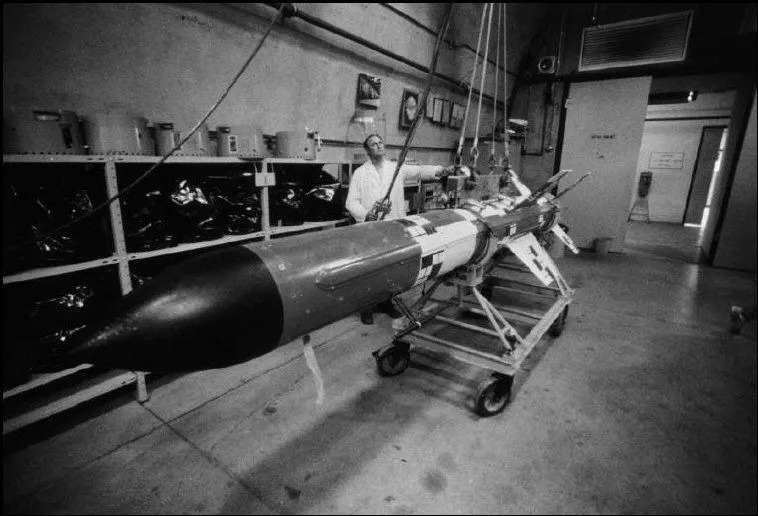
Development of the mk. 3 version its believed to have started in 1978, and was publicly shown in the 1979 Paris Air Show, and entered service in 1980. The mk. 3 having a longer forward section with a new active radar seeker in compare with the mk. 2. Designed to operate in all-weather conditions (up to Sea State 5) and under heavy Electronic CounterMeasure (ECM) conditions. In the late 70s, the Gabriel mk.3 was tested to be launched from air platforms (AS designation) and modified to withstand supersonic speeds, also the sustainer was lengthened to increase cruise speed and durations, thanks to the lack of a booster motor, which role was replaced with the speed of the aircraft itself.
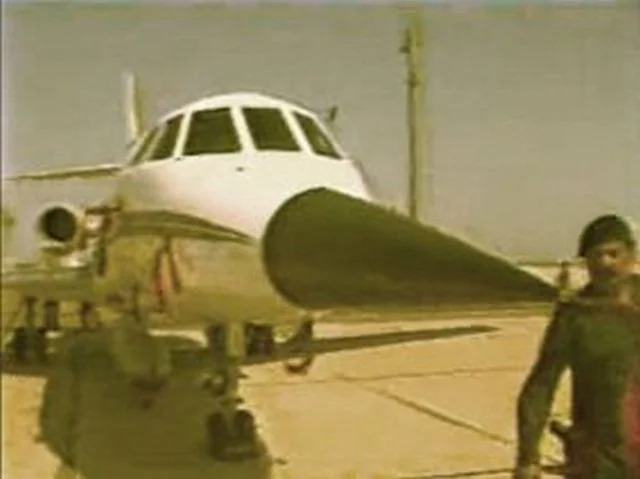
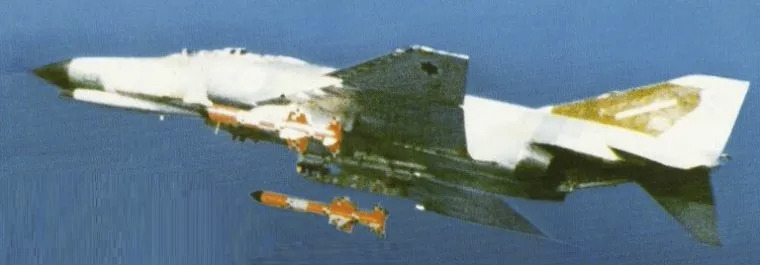
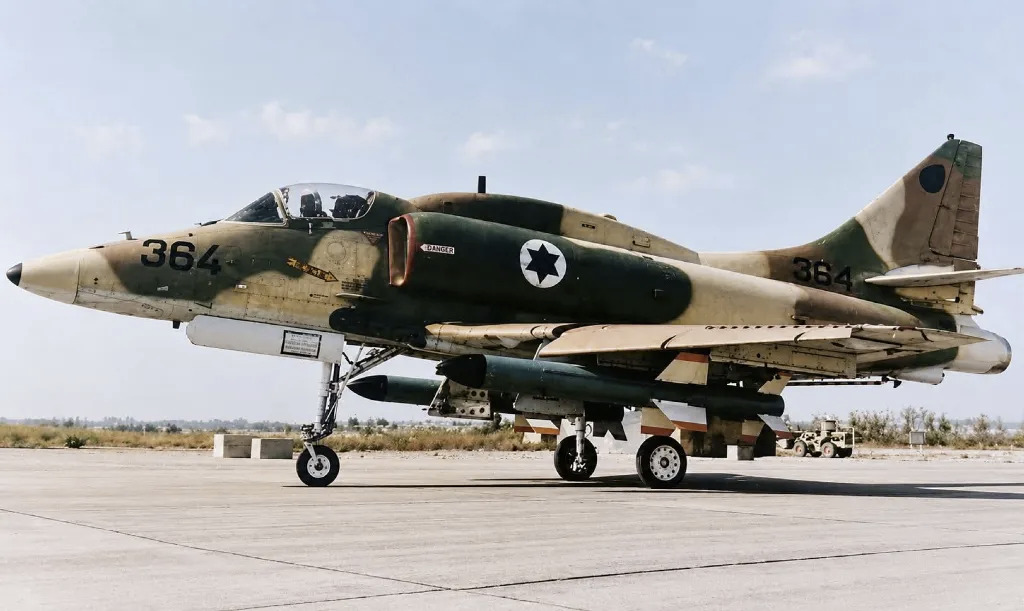
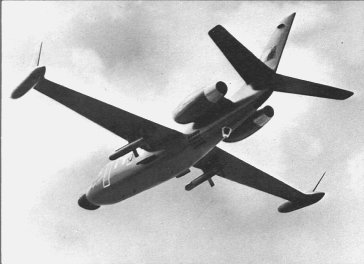
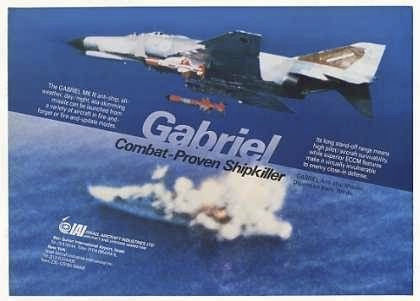
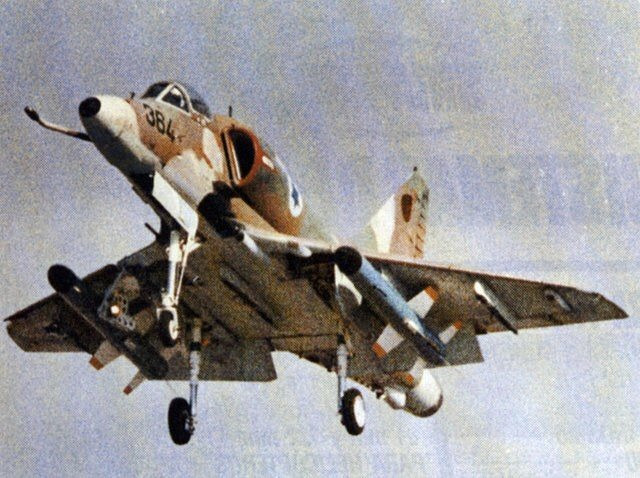
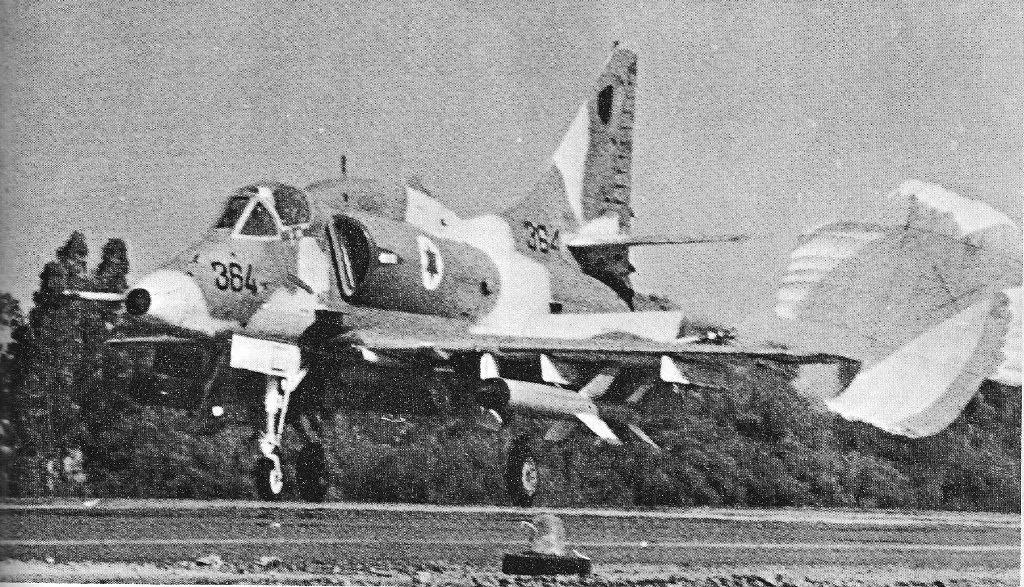
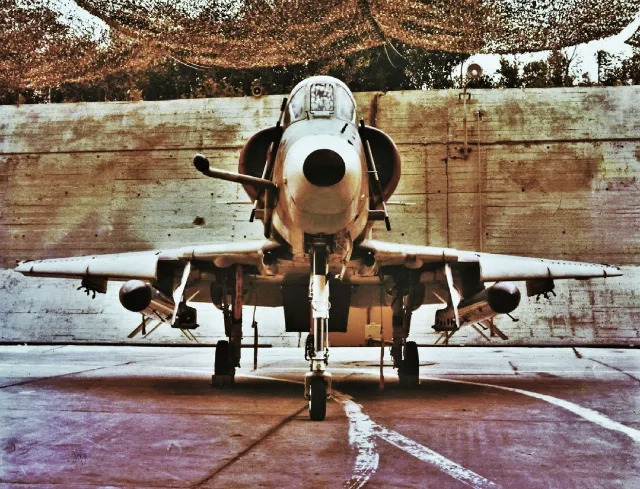
Its first flight trial happened in 1982-1983, carried by a A-4 Skyhawk, and full flight trial test in 1984. It was confirmed later to be also tested by a Kfir C.7, F-4E Phantom II and SeaScan aircraft (as shown below of this suggestion). In compare with its predecessor mk. 2, the mk. 3 AS didn’t have any success in the international market, and not even popular in the Israeli Air Force (more preference over cruise missiles with IR/EO seekers, like Sea/Ice Breaker or Delilah).
In the early 1985, it was planned an upgrade version of the mk.3 AS, with a 200 km max range, turbojet engine, more payload, and a GPS/INS navigation system, called Gabriel mk. 4 LR (Long Range). But in 1991 some uncomfirmed reports states that the program was cancelled, and considering that right now theres no more news about the project, we can assume the reports are correct.
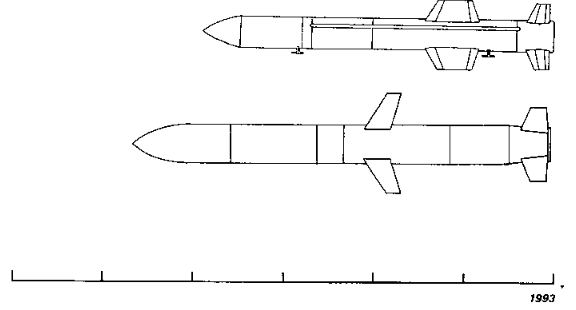
Later the mk. 4 version entered service in 1992, and the mk. 5 in 2007. Both only tested and used in naval platforms.
Specifications:
- Lenght: 3.85 m
- Diameter: 34 cm
- Wingspan: 1.10 m
- Launch Weight: 560 kg
- Warhead: 240 kg SAP-HE
- Fuze: Delayed-action impact fuze
- Speed: Transonic (around 0.75 Mach)
- Max. Range: 35 km
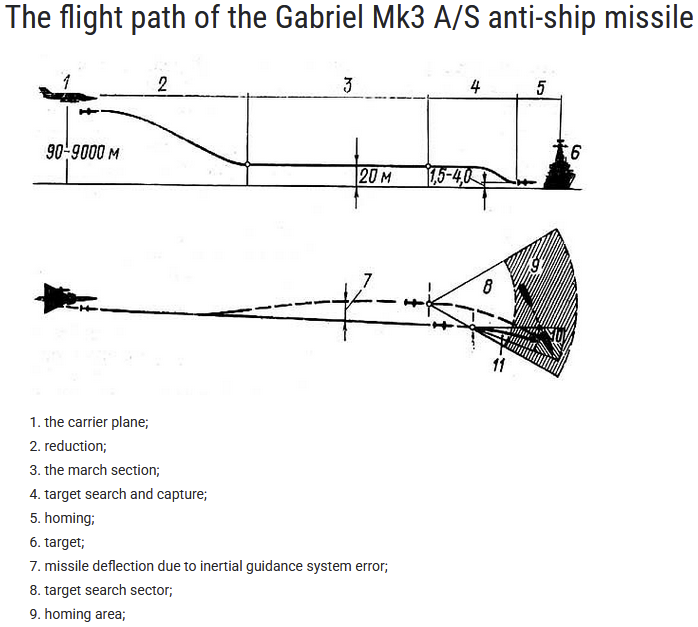
- Guidance: INS mid-phase (which can be updated from the launching aircraft) and an active radar homing seeker for terminal phase.
- Mid-phase altitude: 20 m
- Terminal phase altitude: 1.5 m, 2.5 m, or 4 m.
- Propulsion: Solid propellant
Fire modes
- Fire-and-forget:
The missiles descends to 20 m above the sea level and follows the programmed point to finally turn on its radar homing seeker and get a lock on the ship at an altitude controlled by the radio altimeter. - Fire-and-update:
Launch in the sam way with the same sea skimming altitude, but the search and acquisition radar are transmited from the aircraft to the missile through a command link, and the radar homing seeker activating at a much closer distance from the ship, thanks to this the operator can change targets mid-flight and even avoid chaffs.
Platforms (all seen carrying 2 max, 1 per wing):
-
A-4N “Ayit”
-
F-4E Phantom II “Kurnass”
-
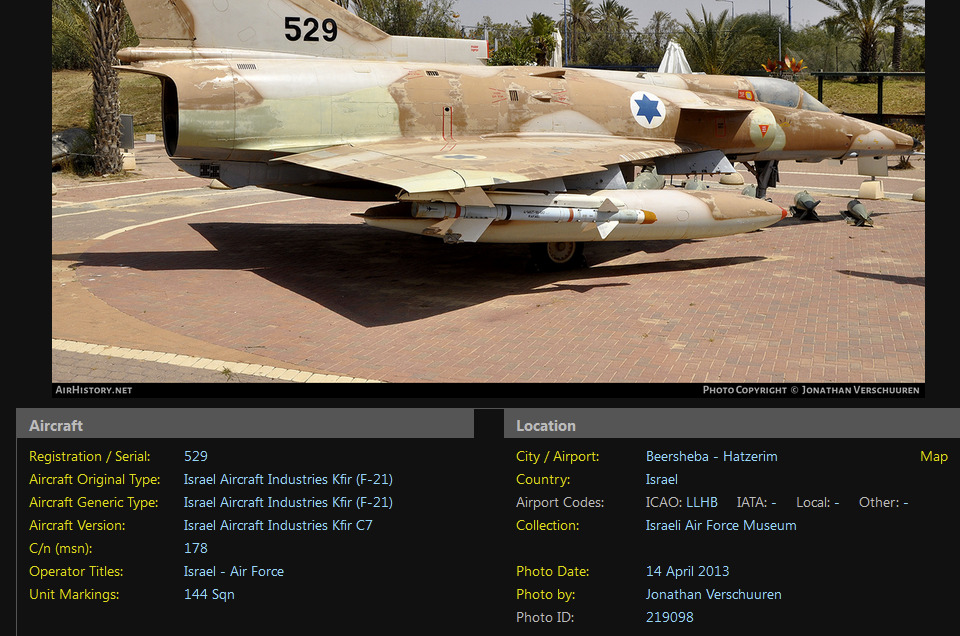
Kfir C.7
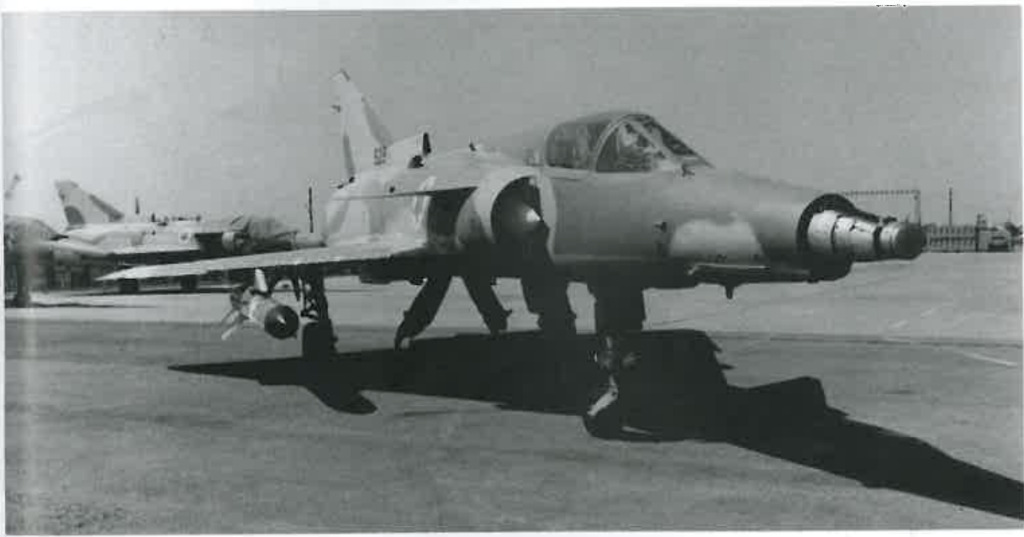
Why C.7 when the sources states C.2??
The only photo available that shows a Kfir aircraft its this one, which you can barely see the identification number of the aircraft, 529, which this Kfir its from the C.7 version.


- IAI 1124N SeaScan (not ingame)
Sources
Lenox, D. (1997). Air-Launched Weapons. Jane's.
https://he.rafael.co.il/history/חבלי-הסבת-טיל-קרקע-קרקע-לוז-לטיל-ים-י/
https://www.airhistory.net/photo/219098/529
Latakia: When Israel became self-sufficient in naval combat | The Jerusalem Post
The flight path of the Gabriel Mk3 A/S anti-ship missile | Missilery.info
Anti-ship missile Gabriel Mk3 (Mk3 A/S) | Missilery.info
Blog de las Fuerzas de Defensa de la República Argentina: AShM: Gabriel (Israel)
IAI Gabriel SSM Anti Ship Missile Navy
Gabriel (missile) - Wikipedia
Israel’s Defense Industries: From Clandestine Workshops to Global Giants - JISS
Misil antibuque Gabriel