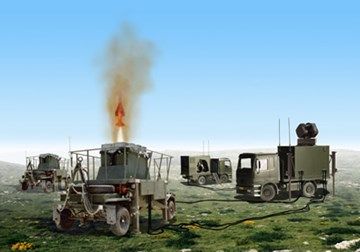
History:
The Barak 1 its a surface-to-air missile developed by Israel Aerospace Induestries and Rafael Advance Denfence Systems in the late 70s and early 80s. It was later adopted by the Israeli Navy in the late 90s and first used during the 2006 Lebanon War during naval blockades, used mainly to intercept anti-ship missiles during the stay of the navy in the blockade.
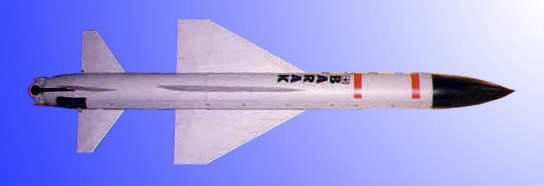
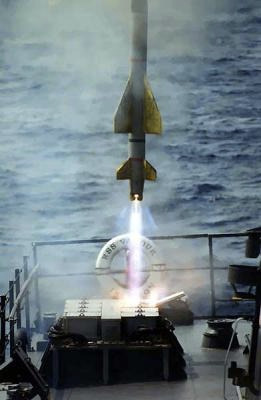
This anti-air missile was adopted mainly for naval defense, including the exports in other nation’s navys (like India, Netherlands, Singapure, etc.). But also there were plans to adopt it into a ground platform, there were many paper ideas, but only 2 that were actually built as prototypes, first a launcher with 8 missiles ment to be towed and work with external radars and command stations named Barak-1 ADAMS (Air Defence Advance Mobile System), and the second one was a joint project between Rafael and General Dynamics in 1991, called HVSD/ADAMS, which featured a more complete all-in-one air defense system (including radar, launcher, command and fire, and even a 20mm rotary gun). The first prototype was not very succesful, but still managed to find a customer, which was Venezuela, and well the HVSD program was sadly cancelled.
Paper prototypes

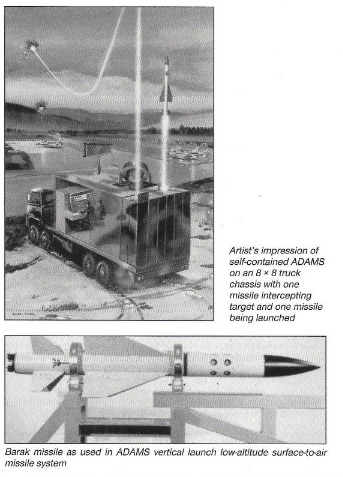
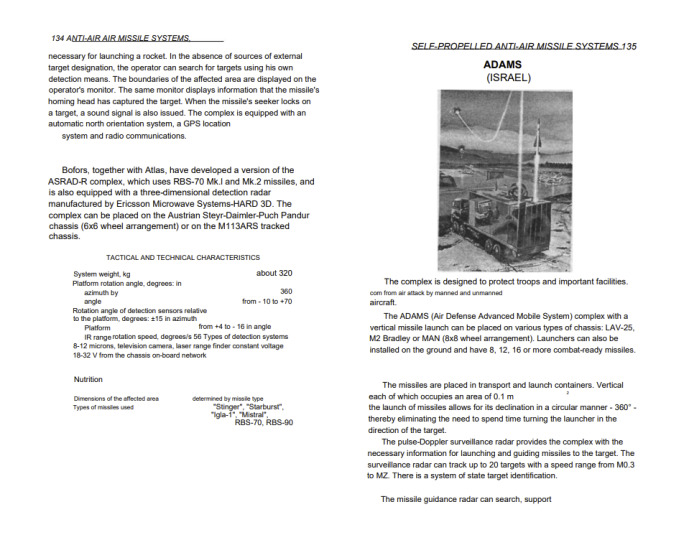
Cancelled HVSD/ADAMS
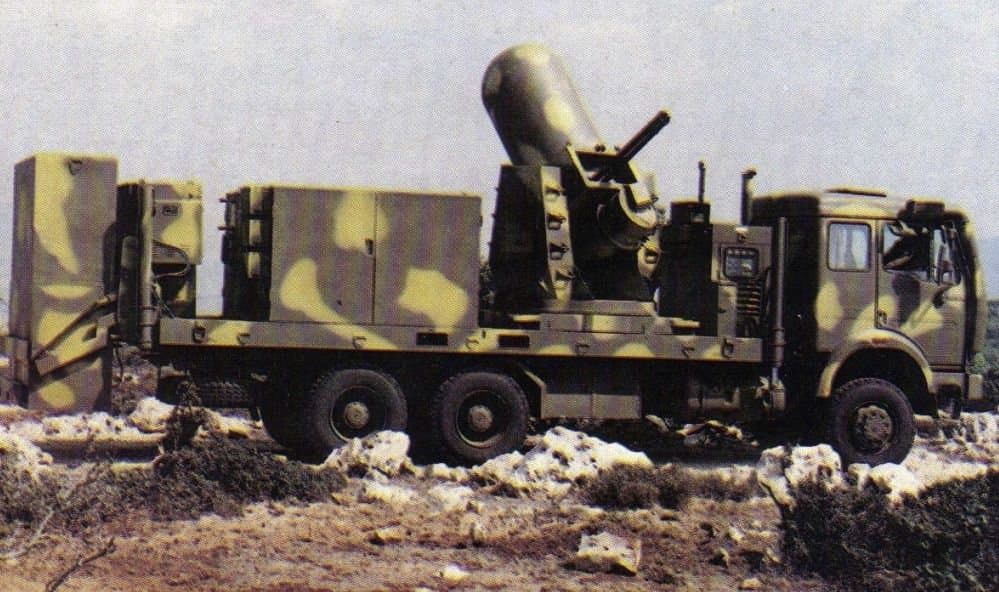

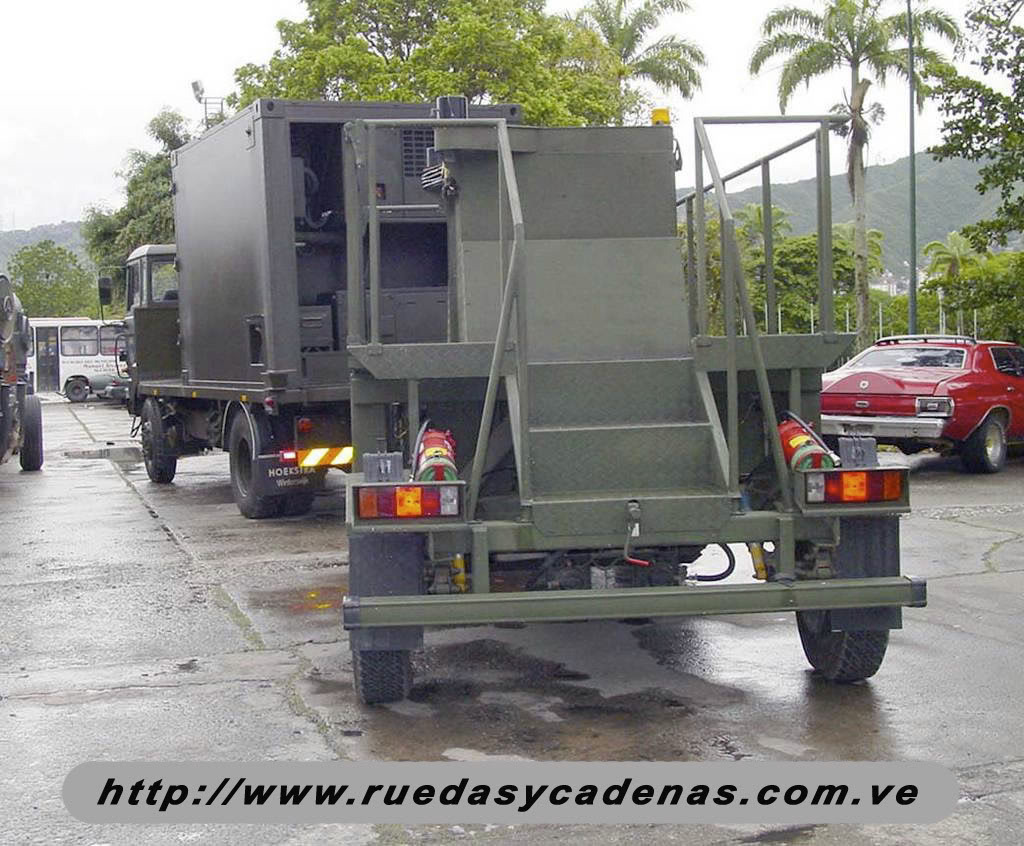
Barak-1/ADAMS under Venezuelan service
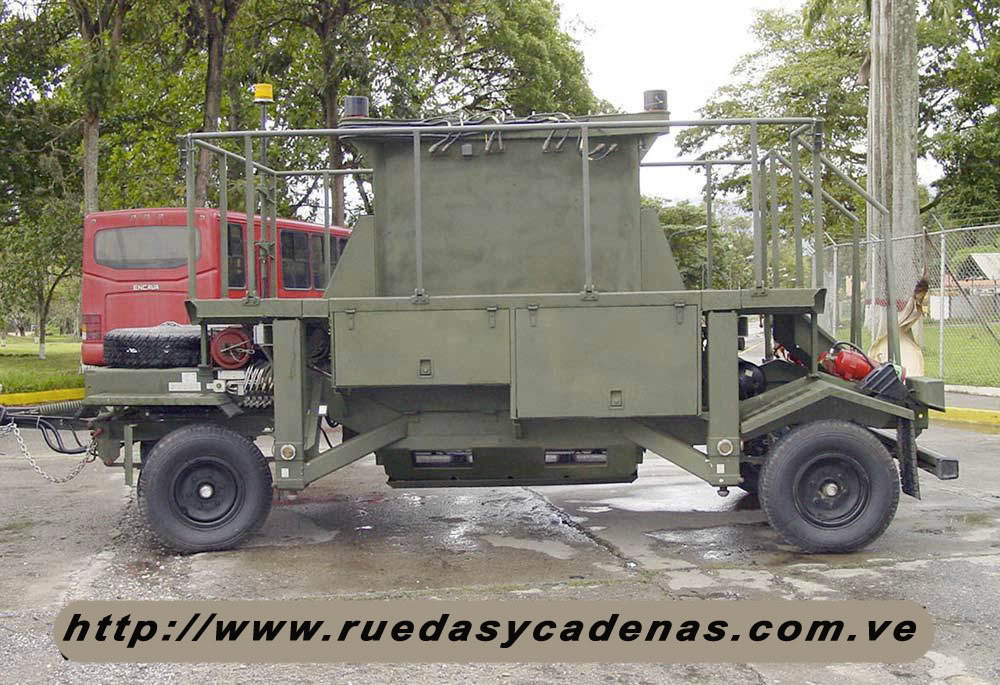


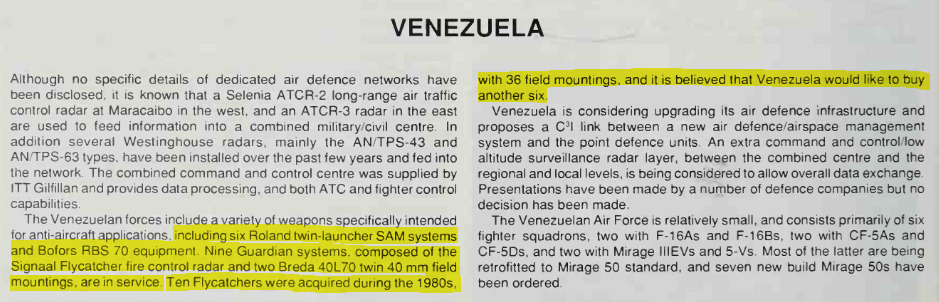
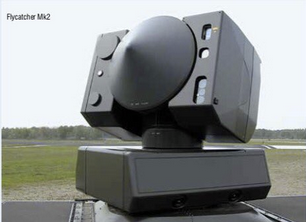
The Flycatcher mk 2 its a highly mobile containerized fire control radar for short-range air defence guns and missiles, made by the dutch company Thales in the 1990s, as a modernization for the Flycatcher mk 1 (which Venezuela also used). The Venezuelan Army purchased 10 FlyCatcher mk1 units in 1981, used along with their newly adquired Guardian twin 40mm automatic anti-aircraft guns and Roland 2 SAMs, these radars were put into service with the Ribas Anti-Aircraft Artillery Group.
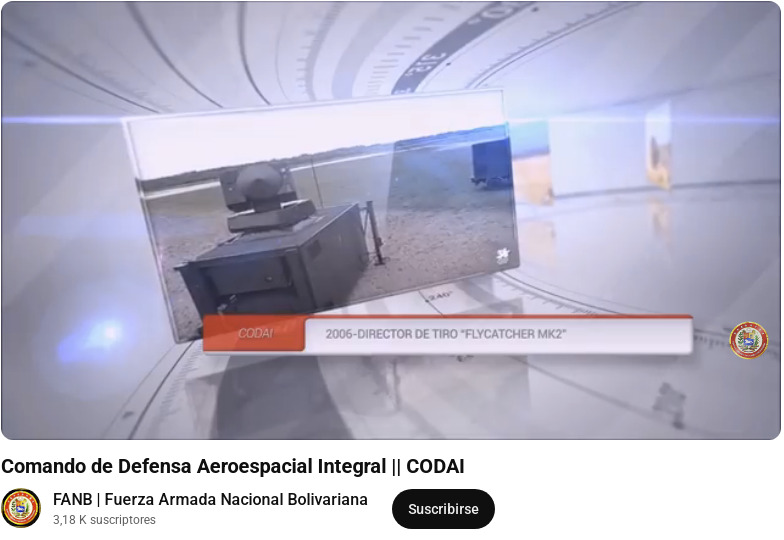
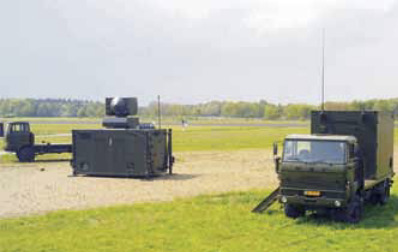
Although its uncertain when the Venezuelan Army firmed a contract with Thales to modernize their Flycatchers radars to the mk 2 version, a picture of this modernized version has been spotted in Venezuela along with a video from the Venezuelan Army Oficcial Youtube Page, and also in pictures that advertised this system along with the Barak 1 air-defense system.
Pictures of Flycatcher mk 2
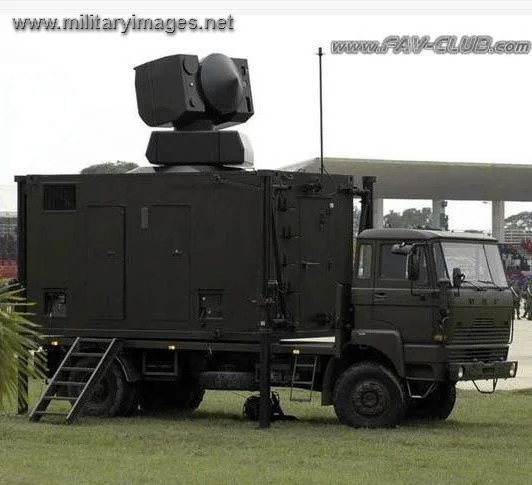
In 2005, Venezuela bought three Barak-1/ADAMS systems from Israel, as a replacement for their old french Roland-2 SAM, and put in service in the Comando de Operaciones de Defensa Aérea (CODA), a separate unit from the Venezuela Air Force, with the task to defend air bases and other important facilities, especially when the fear of air attacks from an internal coup was at next door (which happened before, in the 1992 coup d’état attempt). This new SAM system would work along the 40mm Oto Melara 40/L70 cannons and Flycatcher mk 1/2 radars (just like the Roland-2 previusly).
The first and last time this system was in public sight was in July 5th, 2006, during the Venezuelan military parade in the honor of the 195th anniversary of Venezuelan independence. In the same year (May, 2006), the Venezuelan goverment started to distance from the US and its allies (including Israel), because of an arms embargo imposed by the United States as a consecuence of President Hugo Chávez’s policies. This made Venezuela to change its direction to the purchase of Russian and Chinese weapons and radar systems, like the BUK-M2, S-300, S-125, JY-27A/B, JYL-1, etc. As a consecuence, the Barak-1/ADAMS was quickly put out of service because of the lack of support from Israeli parts and modernization, also not compatible to the newer russian/chinese radars, also the diplomatic relations between Venezuela and Israel were abruptly and dramatically severed during Hugo and Maduro goverment.
Specifications:
Truck used to transport both the command station and the flycatcher mk2 radar
Leyland DAF 1800 4x4
Launcher
Barak 1 missile:

-
Diameter: 170mm
-
Projectile mass: 98kg
-
Maximum speed: 720m/s
-
Guidance modes:
- Automatic Command Line Of Sight (ACLOS)
- Semi-automatic Command Line Of Sight (SACLOS)
-
Loft trajectory method
- Climb: 85° above the horizon
- Dive: 25° below the horizon
-
Firing range: 0.5km - 12km
-
Warhead weight: 22kg
-
Proximity fuse: 3m
-
Minimum arming distance: 500m
-
Missile activation time after launch: 0.6s
-
Length: 2.175m
-
Rudders span: 580mm
-
Wings span: 685mm
-
Launcher-container diameter (single one): 300 x 350 x 2500 mm
-
Ammo quantity: 8 Barak-1 missiles (no reload)
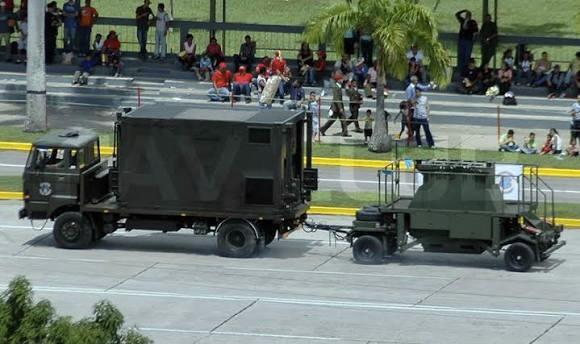
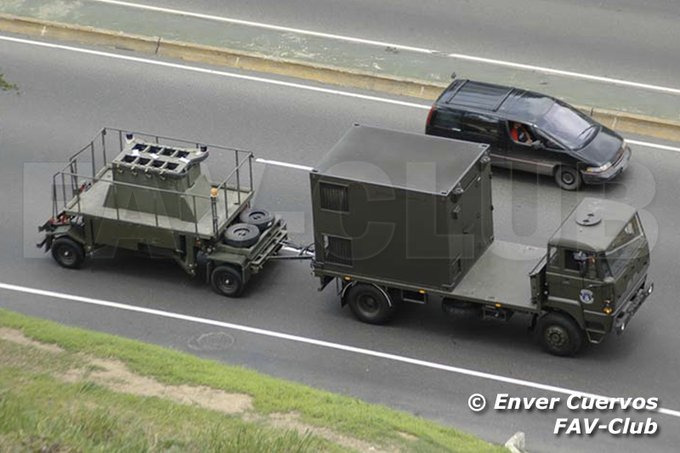

FlyCatcher mk2

Implementation in-game:
I think the Barak-1/ADAMS would fit perfectly as a researchable vehicle in the Israeli TT, filling a gap between the Chaparral and the Spyder AIO, this being the first SACLOS capable spaa of this TT. But not making Venezuela a subtree for this nation. Just as any multi-vehicle spaa already in-game, the player first spawn would be the truck with the Flycatcher mk2 radar, and then he would need to place the additional truck with the command and fire station that also its carrying (towed) the barak-1 launcher. I think because of its lower br (11.7 AB/RB/SIM) in compare of other multi vehicle spaas, I think it would be fair to only have 1 launcher able to place, instead of the usual 2. Also as you know if the radar or the command vehicle gets destroyed, the whole system will stop working and will count as an automatic death to the player.
Sources
Backwards Modernisation: Venezuela’s Israeli Barak-1 Air Defence Systems - Oryx
https://www.forecastinternational.com/archive/disp_old_pdf.cfm?ARC_ID=1611%20
https://www.vayuaerospace.in/Issue/202005312041590760.pdf
https://ftp.idu.ac.id/wp-content/uploads/ebook/tdg/ADNVANCED%20MILITARY%20PLATFORM%20DESIGN/Janes%20Land-Based%20Air%20Defence%201992-93%20by%20Tony%20Cullen,%20Christopher%20F.%20Foss%20(z-lib.org).pdf
Thales to showcase Flycatcher Mk2 and STARStreak at Defexpo - ProQuest
Barak anti-aircraft guided missile | Missilery.info
Would you like to see this multi-vehicle SPAA get added?
- Yes
- No
Where should be placed?
- Israel TT
- Latin/Hispanic TT
- Other TT
- I said no