- Yes
- No
Douglas B-26D Invader
History:
The Douglas B-26 Invader was a twin-engine light bomber and attack aircraft manufactured by the American Douglas Aircraft Company; it saw service during World War II starting in 1943, and later in the Korean War and other global conflicts. Originally designated the A-26 Invader, it was produced in two main variants: the A-26B, which featured a solid nose capable of housing various armaments, primarily .50-caliber machine guns in differing configurations, but also 37mm and 75mm cannons, making it primarily suited for ground-attack missions; and the A-26C, which featured a transparent nose and a Norden bombsight, making it intended for bombing operations. Following the creation of the USAF in 1948, the aircraft’s designation was changed to B-26 Invader, the name by which it became known, including in Chile. There was also a dual-control version designated the TB-26, intended primarily for training purposes. There were also other versions, such as photographic recognition, but these are not important to this suggestion, so I will omit them.
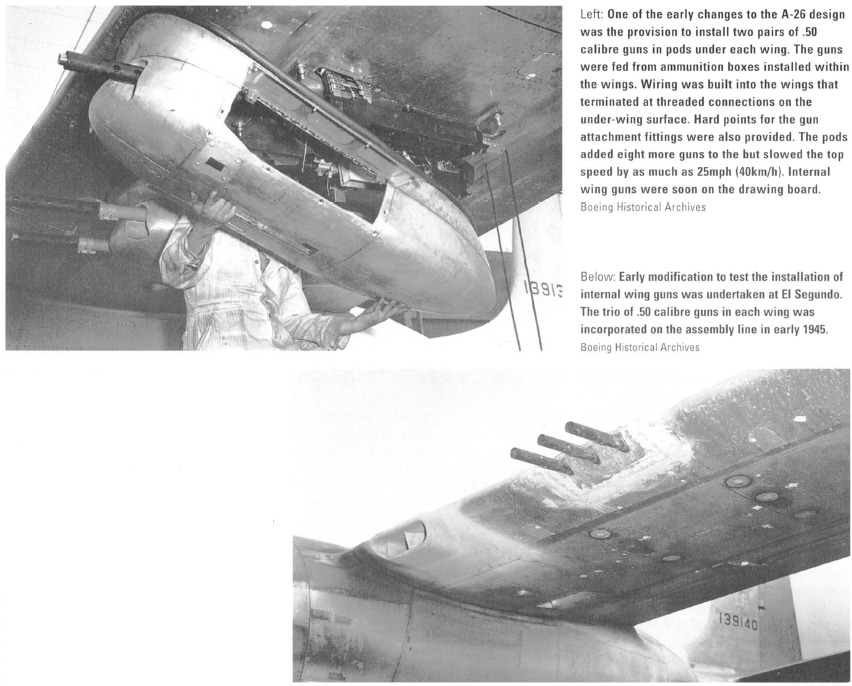
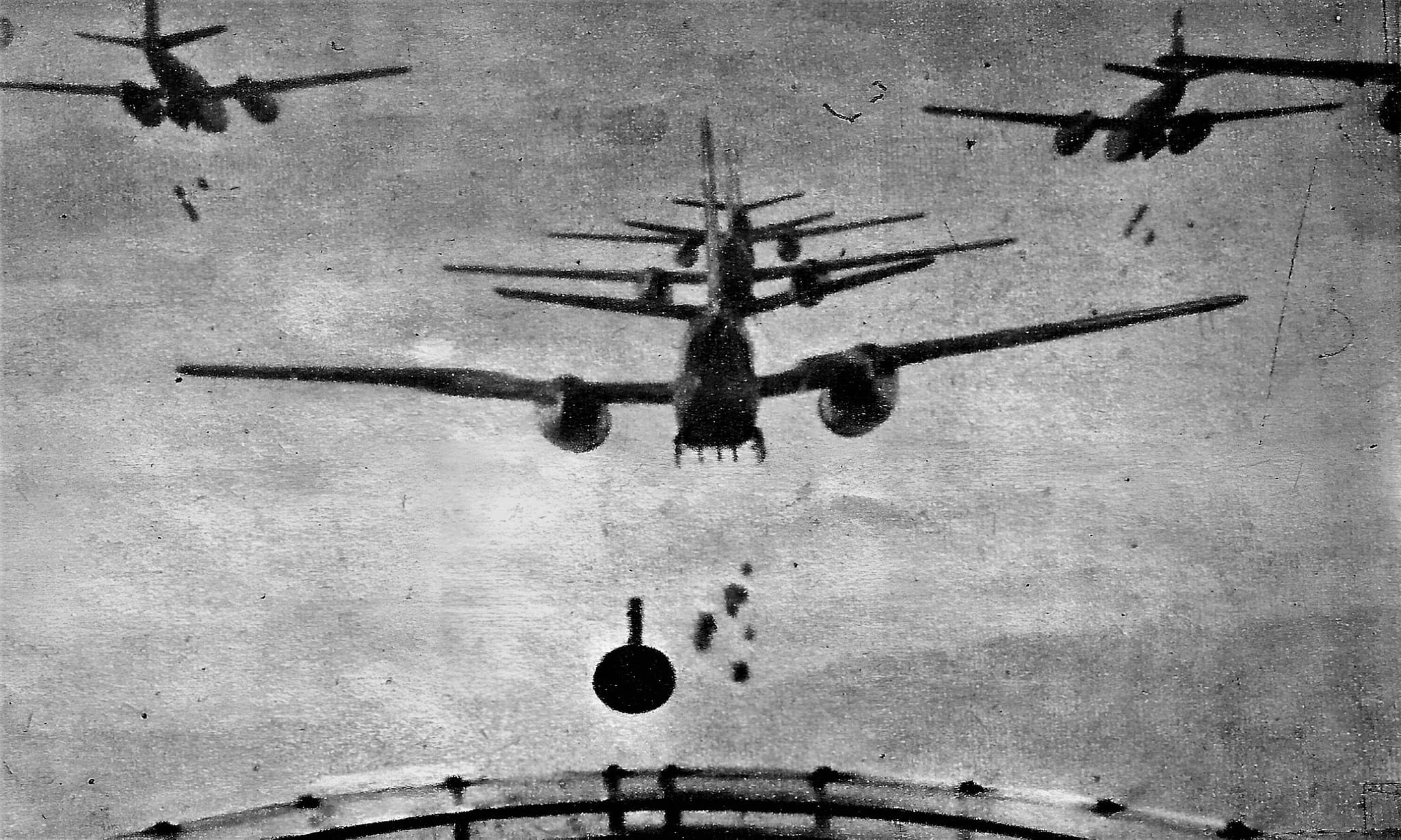
Both the B-26B and B-26C variants featured a central bomb bay capable of carrying up to 4,000 lbs of bombs (in the game, the B-26C can carry two 2,000-lb bombs, whereas the B-26B cannot). Both versions also had two hardpoints on each wing for mounting bombs weighing up to 500 lbs each, adding a potential 2,000 lbs to the total bomb capacity across the four hardpoints. These hardpoints could also mount twin .50-caliber machine gun pods, further boosting the B-26’s offensive capabilities; however, these pods were primarily used early on, as three .50-caliber machine guns were later installed inside each wing to improve flight performance. Rocket launchers were installed on the later B-26 series, allowing each wing to carry seven HVAR rockets. Both versions also featured two turrets for self-defense, each equipped with twin .50-caliber machine guns, located on the dorsal and ventral sides of the aircraft.
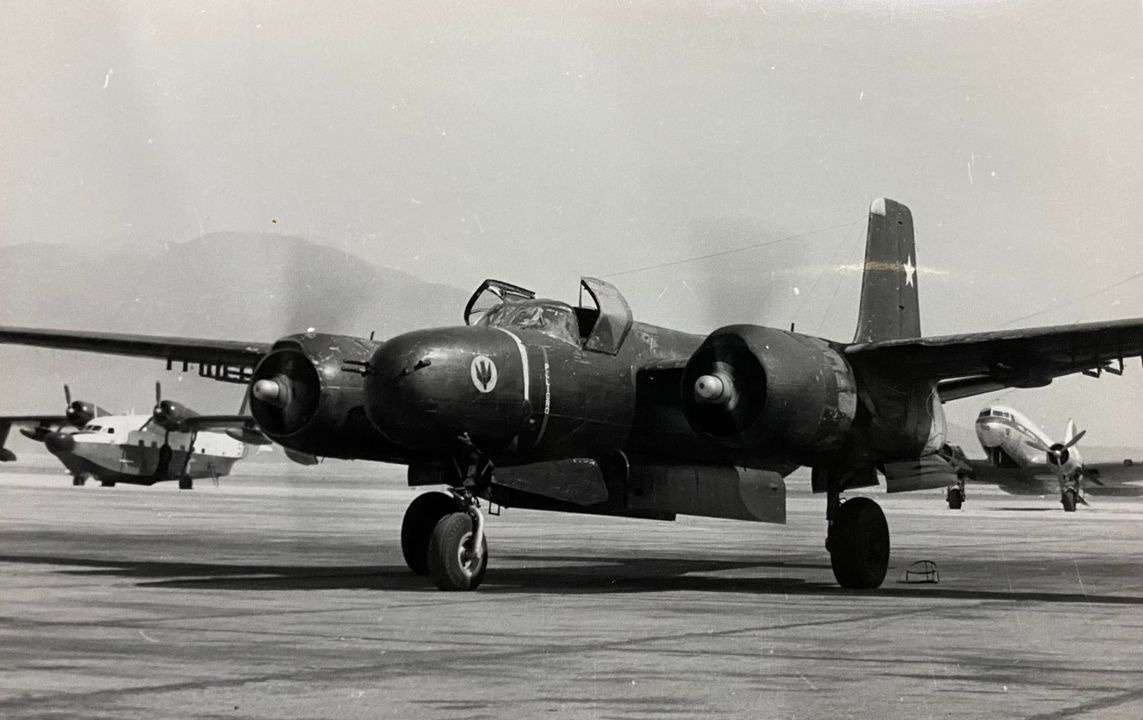
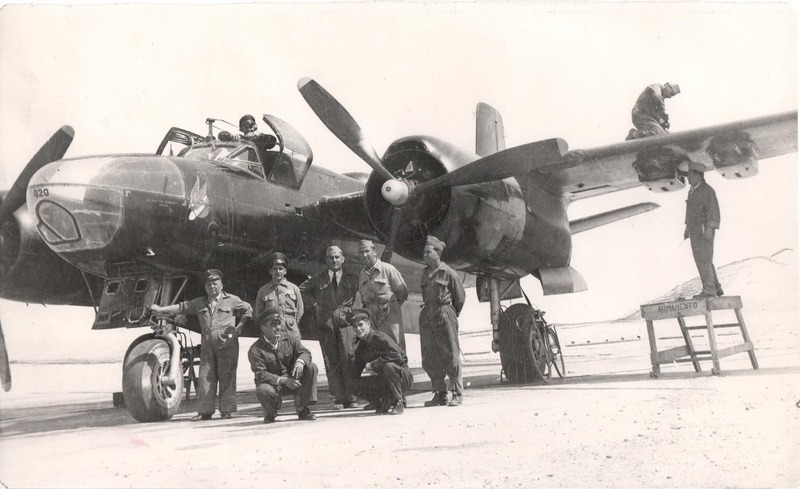
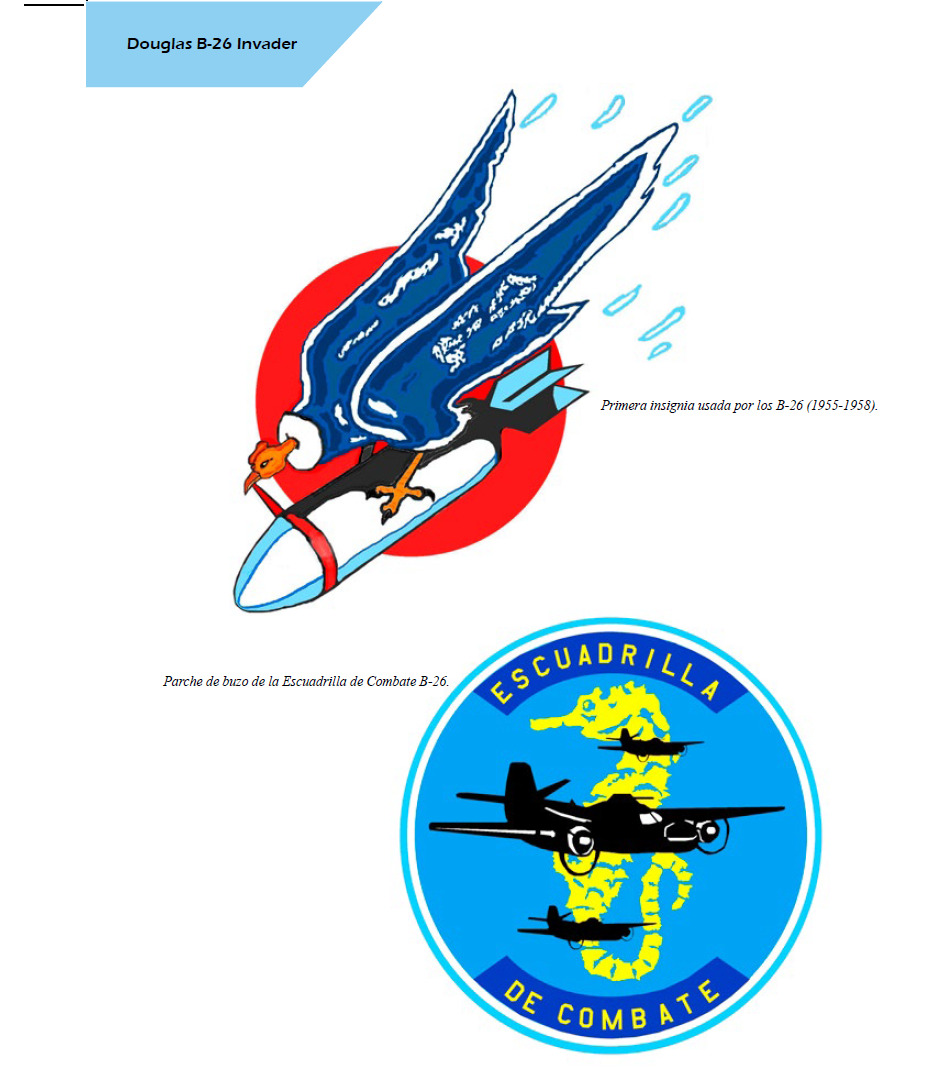
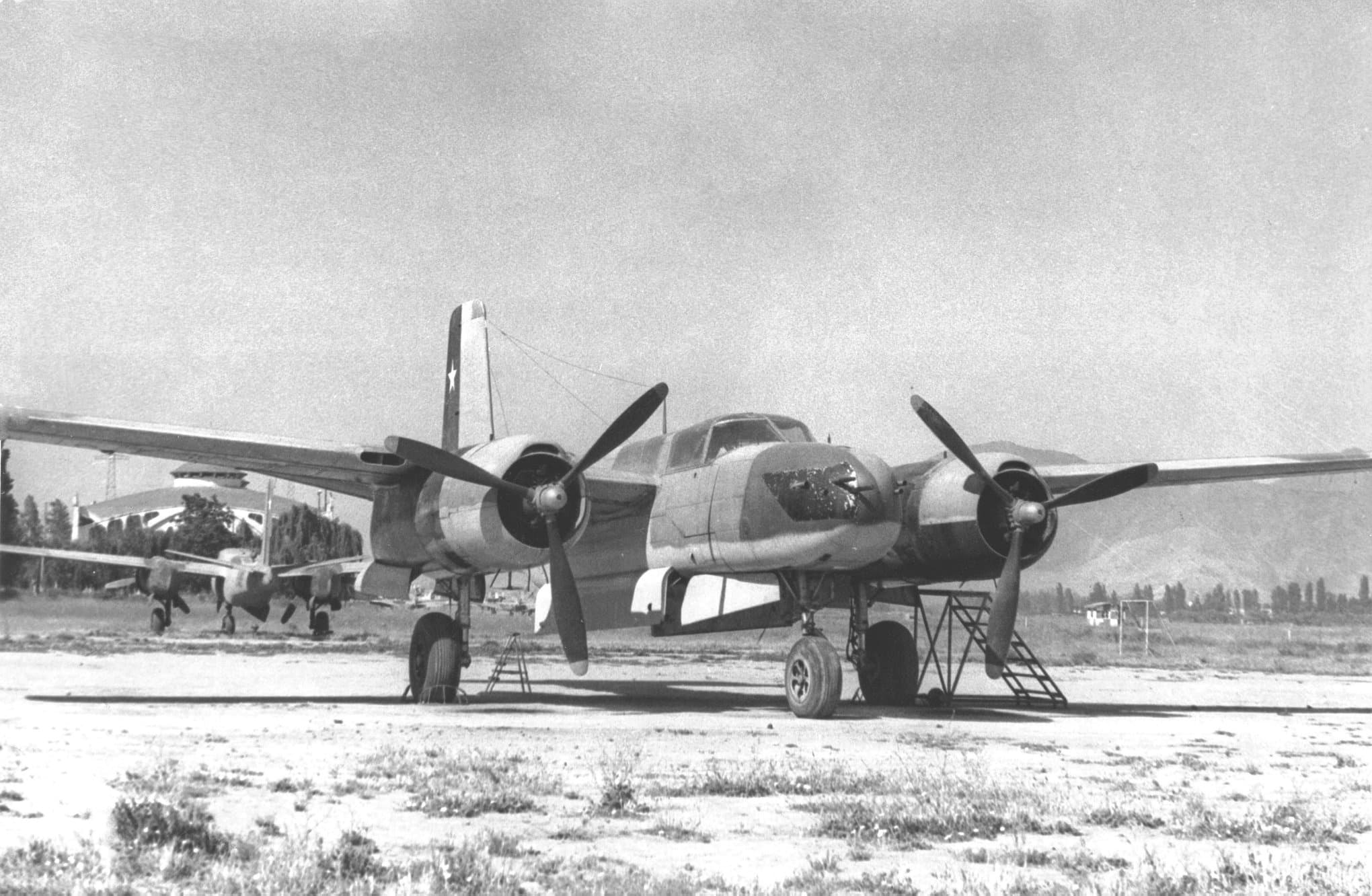
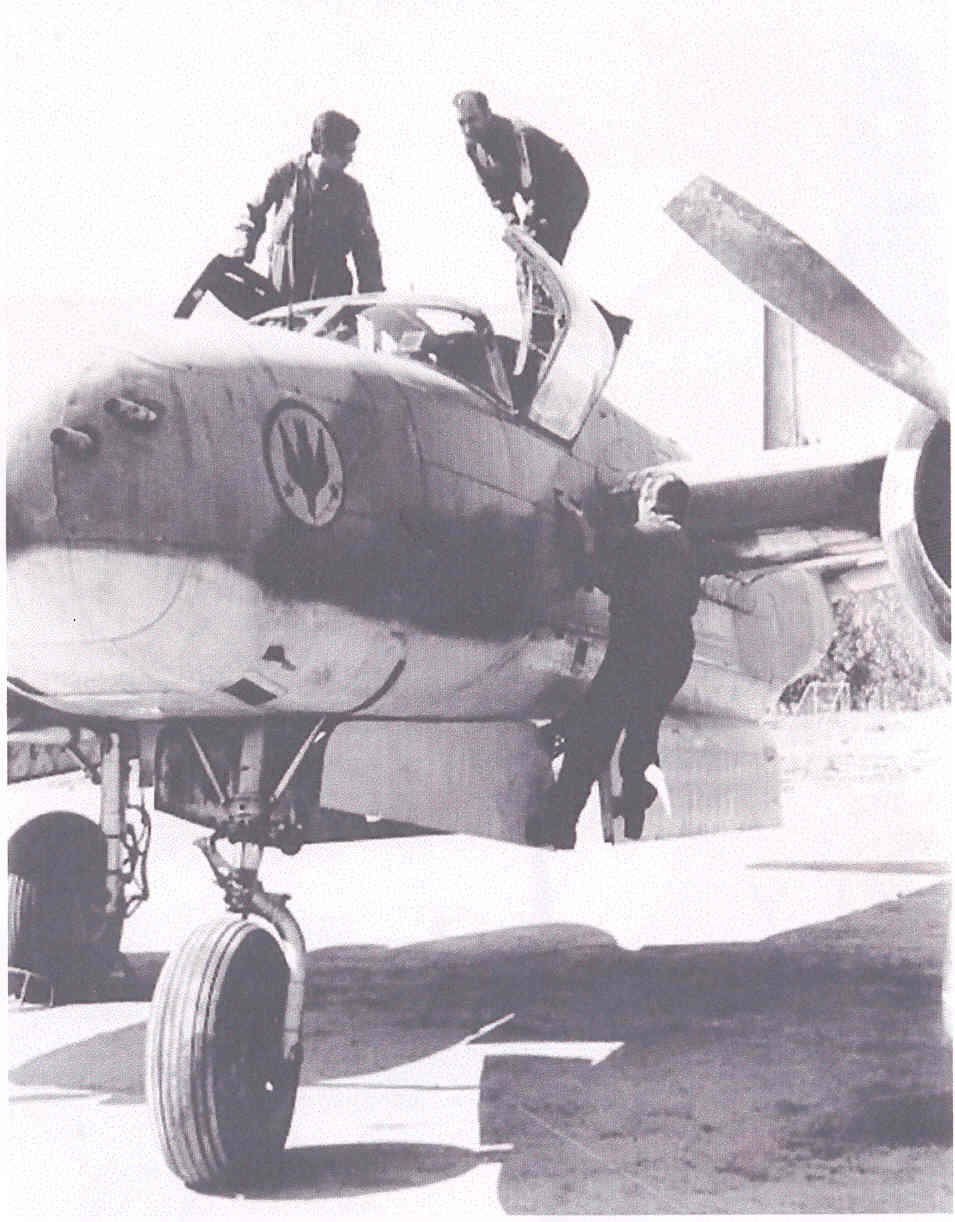
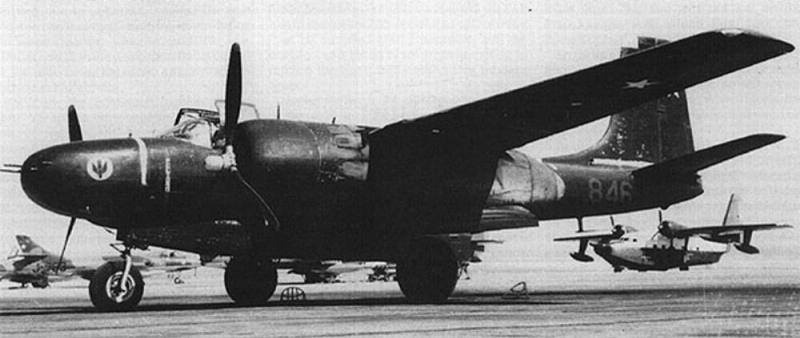
The history of the B-26 Invader in Chile began in 1954, the year the first batch of these aircraft was received. This was possible because Chile was part of the Military Assistance Program (MAP), which allowed it to receive U.S. weaponry free of charge in exchange for aligning with the United States during the Cold War. On November 18, 1954, the first eight B-26 Invaders arrived, followed shortly by two more to complete the initial batch of ten. All belonged to the B-26C variant, featuring a transparent nose and a Norden bombsight, and were assigned serial numbers 812 through 821 upon their allocation to the FACh’s No. 8 Group. They arrived sporting the black camouflage characteristic of their USAF service and retained this color scheme while operating in Chile; the only additions were the Chilean serial numbers and the No. 8 Group’s first emblem, depicting a condor (Chile’s national bird) perched atop a bomb, painted on the lower left side of the nose; this emblem did not last many years before being replaced by the one that would remain in use. Later, the Group 8 emblem featured an ‘8’ with a falling winged bomb.
The second batch of B-26s arrived in Chile in January 1957, totaling fourteen aircraft, also of the B-26C model, numbered 822 to 835. Included in this group of new bombers were five with the “flat-top” cockpit configuration; these were aircraft No. 826, 828, 829, 830, and 832. In 1958, the third batch of B-26s was received, six arriving in January and another six in March. This shipment consisted of ten B-26C models and two dual-control TB-26Bs configured for target towing; they were assigned serial numbers 836 through 847. This delivery made Group No. 8 one of the units with the greatest firepower, as it then had 34 of these aircraft in service (following the loss of aircraft No. 813 and 826).
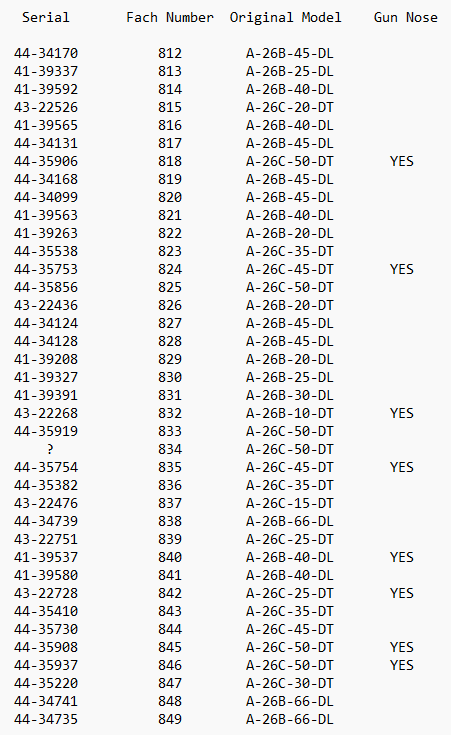
In 1960, the final two aircraft, TB-26B models numbered 848 and 849, arrived in Chile, bringing the total fleet to 38 units; this made Chile the country with the third-largest number of B-26 Invaders in service, surpassed only by France and the United States. Before proceeding, it should be noted that while these aircraft originally belonged to various production batches from the Long Beach and Tulsa plants, they were all converted to the B-26C or in a few cases TB-26B configuration prior to delivery to Chile; I will list the original models and their serial numbers later on.
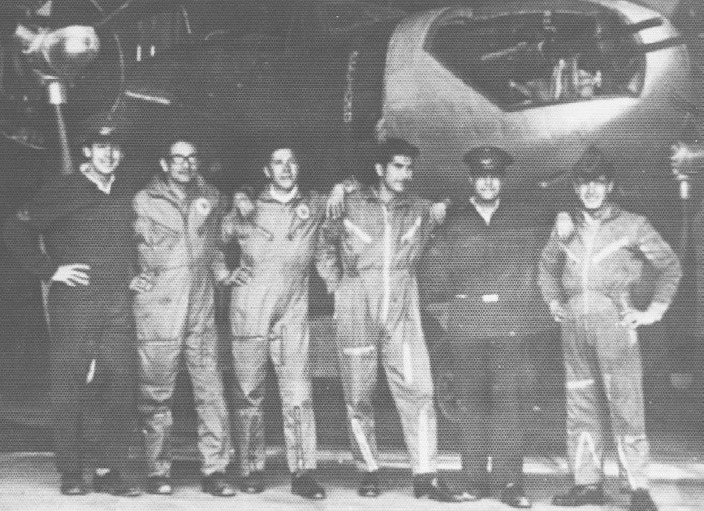
In 1964, the “wing spar” project began, aiming to reinforce the wings, specifically the two beams that support the aircraft’s entire wing load; to this end, all B-26s operational at the time were sent to Albrook Air Force Base in Panama. The main beams were reinforced with steel plates, and various fatigued ribs, stringers, and bolts were replaced. Finally, new, thicker aluminum skins were installed. A total of 18 B-26s were refurbished: B-26Cs Nos. 812, 815, 816, 817, 818 (photogrammetric), 820, 824, 832 (photogrammetric), 835, 839, 840, 842, 843, 844 (lost in Peru), 845, and 846 (dual-control); and two TB-26B models, Nos. 848 (dual-control) and 849 (dual-control and configured for target towing).
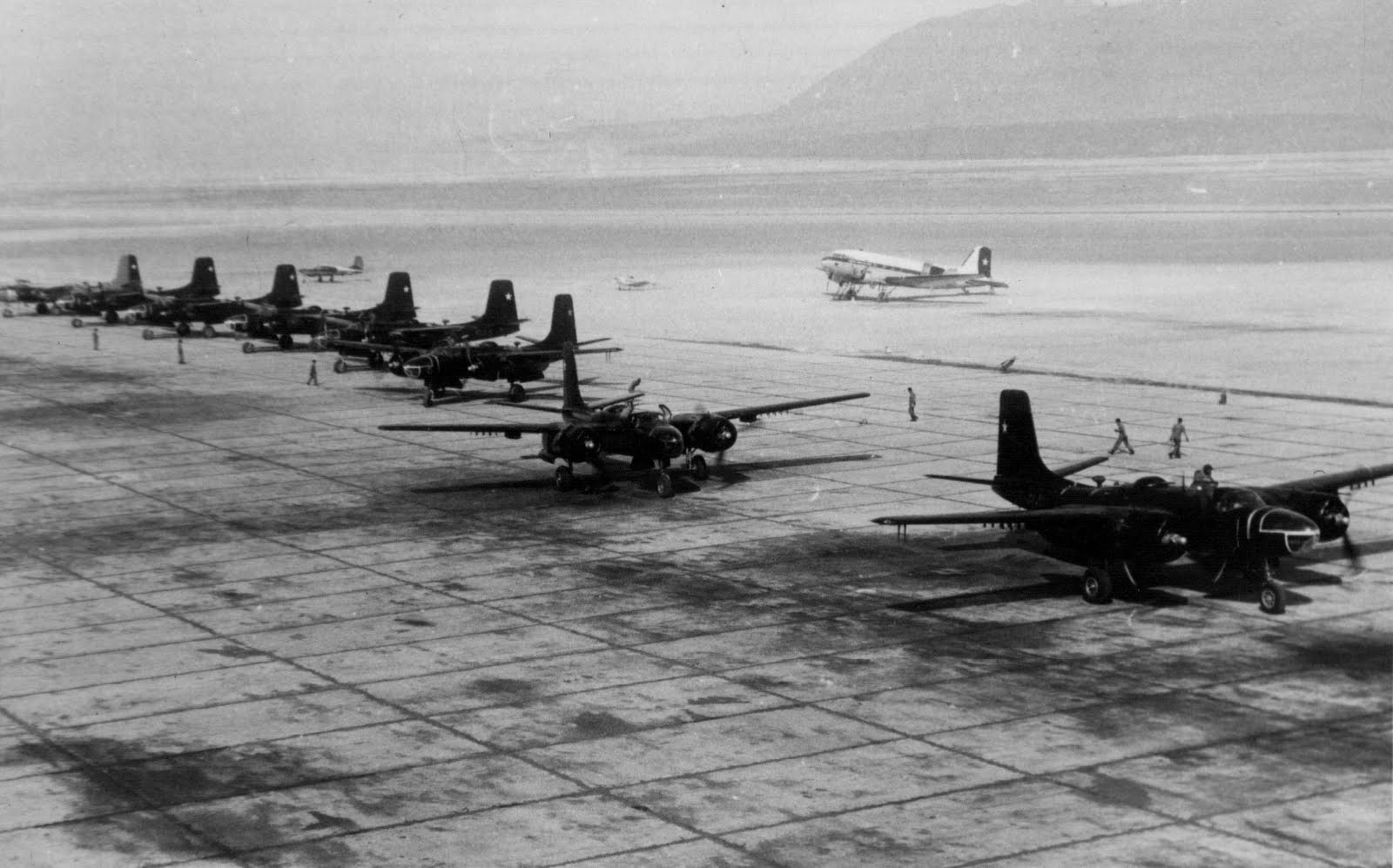
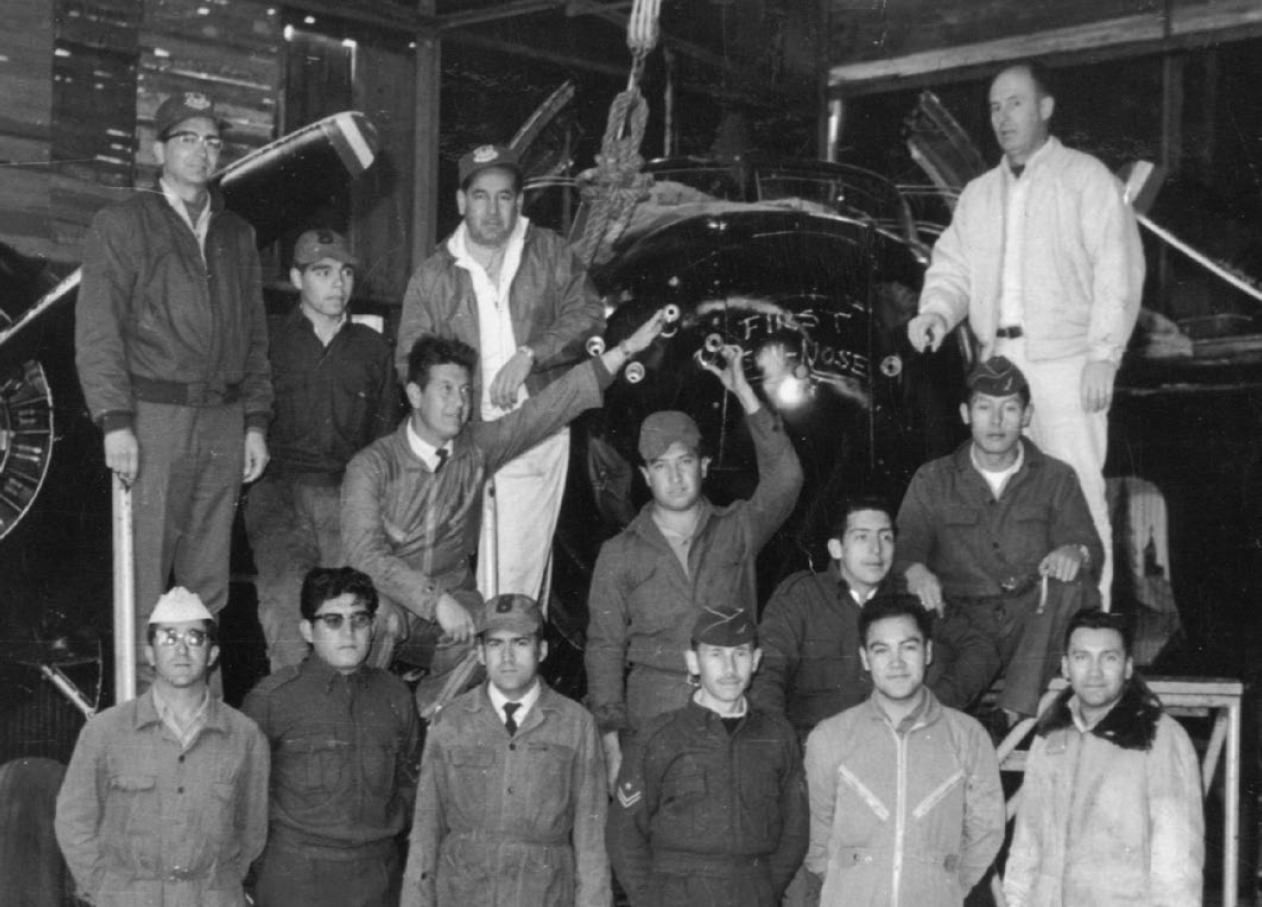
In 1966, the “Gun Nose” project began, as it altered the role of some of the B-26s still in service at the time to convert them into attack aircraft. The project entailed replacing the transparent bombing nose with a solid nose armed with six .50-caliber machine guns. The first phase was electronic in nature, involving the replacement of all wiring, connectors, and electrical systems to accommodate the installation of new VOR navigation aid equipment, new universal artificial horizons, and a new compass, as well as the setup of electrical systems to operate the new nose-mounted weaponry.
The second phase, which was structural in nature, consisted of removing the two gun turrets, the ventral and the central, and dismantling the transparent or metal bombardier’s nose sections to replace them with the new gun-equipped nose; a counterweight was also added to the rear of each aircraft to maintain the center of gravity, although TB-26Bs No. 848 and 849 were excluded from this latter modification as they were dual-control aircraft.
Each fully equipped turret, including its ammunition, weighed 311 lbs; removing both reduced the aircraft’s total weight by 622 lbs. This was done because the aircraft was now designated strictly for attack missions, rendering the turrets unnecessary; furthermore, I infer that the .50-caliber machine guns from these removed turrets were the very ones subsequently installed in the new gun nose.
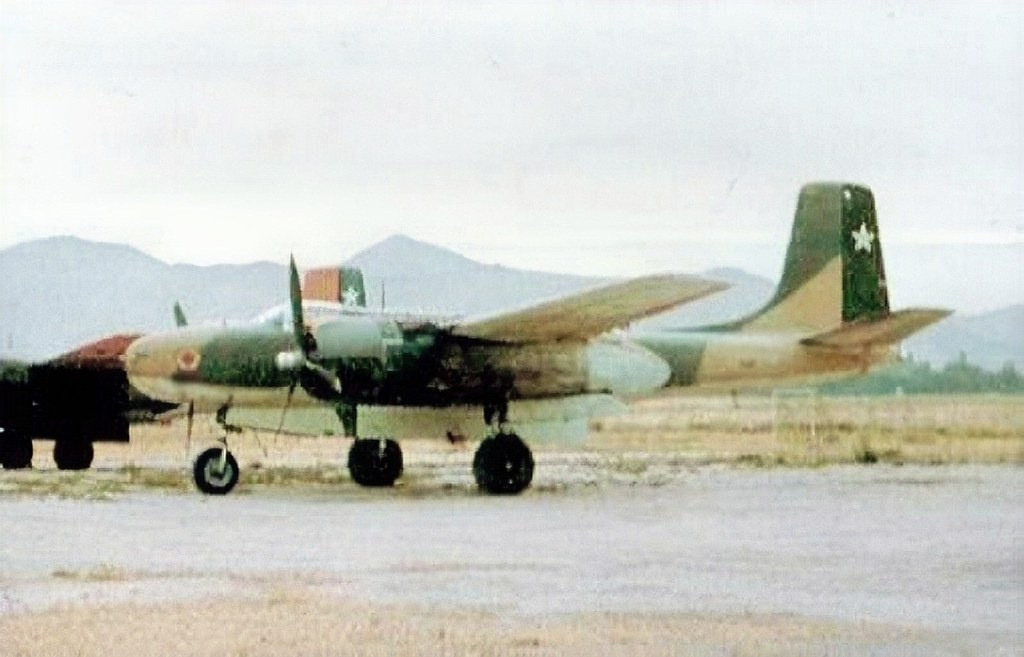
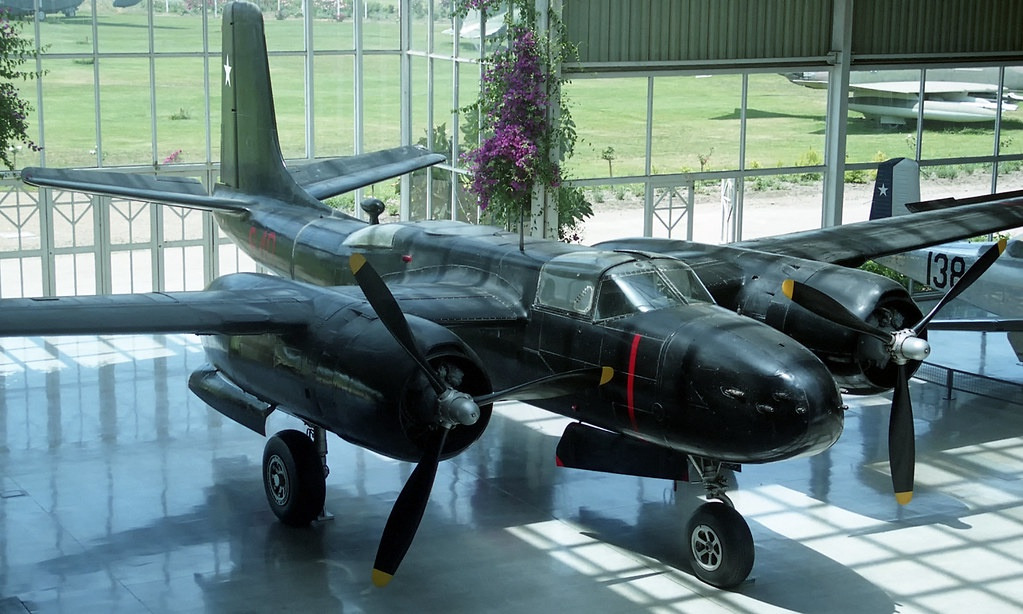
Another modification involved installing cameras in the aircraft noses for fire control and reconnaissance; these were AN-N6 G.S.A.P. (Gun Sight Aiming Point) cameras manufactured by the Fairchild Camera and Instrument Corporation, capable of operating either in synchronization with machine-gun fire or independently for reconnaissance. These modifications took just over two years to complete, finishing in 1968; by that time, only B-26Cs No. 815 and 816 were equipped with the Norden bombsight. Aircraft No. 818, 824, 832, 835, 840, 842, 845, and 846 were ultimately the only ones fitted with the gun nose under the “Gun Nose” project (carried out between 1966 and 1968), as the United States supplied only eight conversion kits for the attack configuration. Consequently, these B-26s were officially designated in Chile as the B-26D—a unique designation worldwide, not to be confused with the American A-26D version, which never entered production and was an entirely different aircraft.
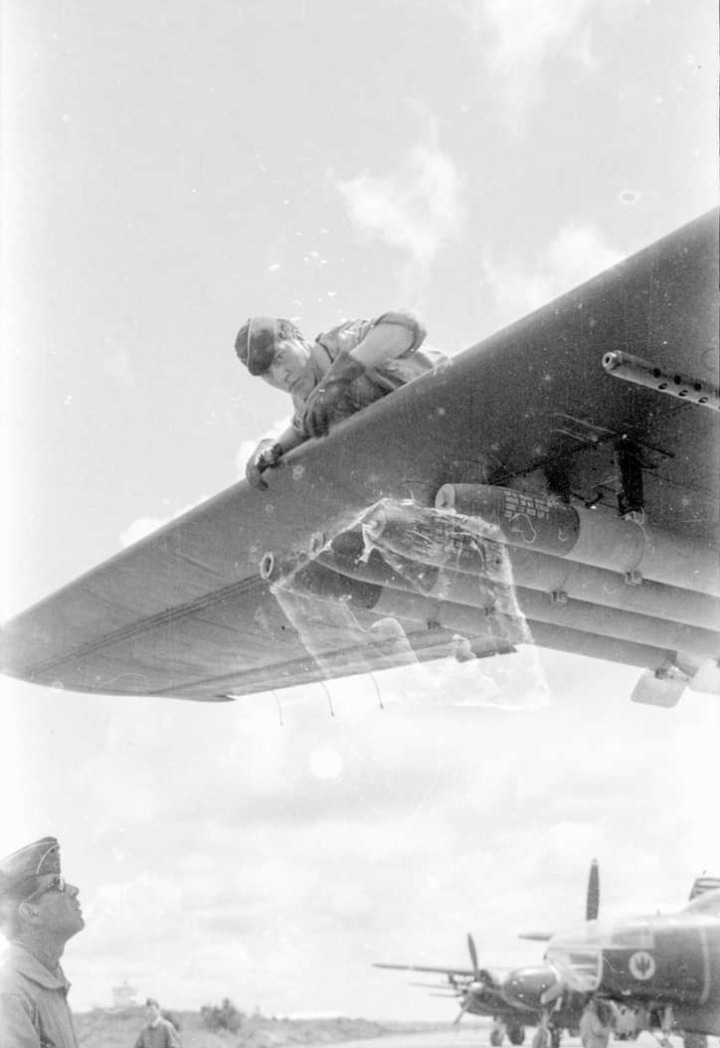
Regarding armament, the B-26D Invader attack aircraft were equipped with six .50-caliber machine guns in the nose; additionally, twin .50-caliber machine gun pods, two per wing, were installed, increasing the total number of .50-caliber guns to eight. This resulted in a maximum of 14 forward-firing machine guns, providing exceptional firepower. Naturally, they also had the capacity to carry the standard bombs used by the B-26C prior to its conversion to the B-26D variant, specifically 100, 250, 500, and 1,000 lb bombs. Additionally, they could be equipped with up to seven HVAR rockets per wing, although in Chile they were most commonly seen carrying a twin .50-caliber machine gun pod and four HVAR rockets per wing.

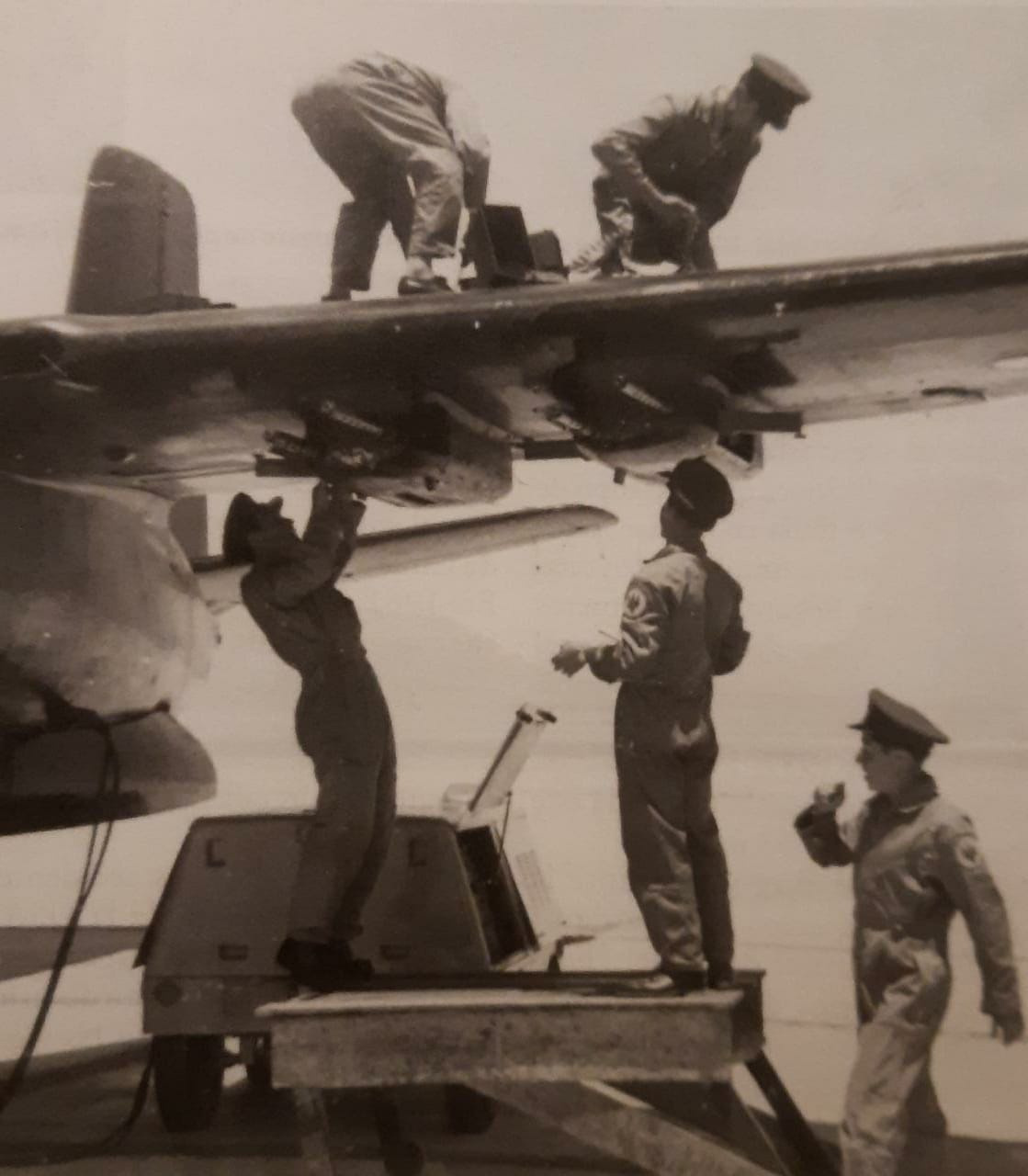
By the early 1970s, very few B-26s remained in service due to corrosion and a lack of spare parts; in 1973, the last five B-26 Invaders still in service were retired. Thus ended the operational history of these iconic bombers and attack aircraft in Chile; fortunately, a B-26D Invader, specifically aircraft No. 840, is still preserved at the Chilean Aeronautical Museum. Below, I will detail the original models of all the B-26 Invaders received by the FACh, their serial numbers, and the units that underwent the “Gun Nose” modification to become B-26Ds.
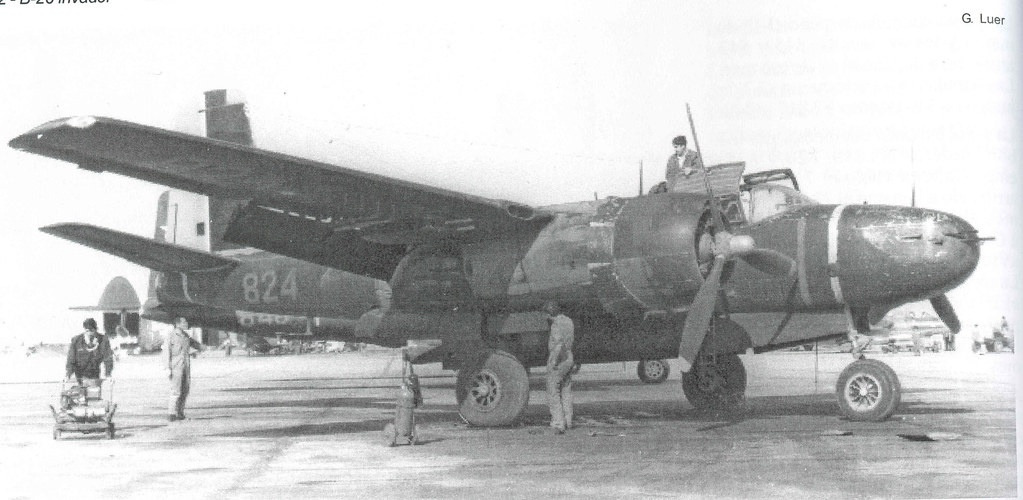
Specifications:
- Crew:
- 3
- Armament:
- Primary: 6x 12.7 mm Browning M2 machine guns in the nose
- Secondary:
- Machine guns: 8x 12.7 mm Browning M2 machine guns in twin pods
- Bombs: 4000 lbs of bombs (100, 250, 500, 1000 lb)
- Rockets: 14x HVAR rockets
- Dimensions:
- Length: 15.6 m
- Wingspan: 21.3 m
- Height: 5.5 m
- Weight: Base weight 10.98 t, 15.87 t loaded
- Performance:
- Powerplant: 2x Pratt & Whitney R-2800-79, 2000 hp each (WEP 2440 hp)
- Maximum speed: 569 km/h at 4,573 m
- Service Ceiling: 8,000 m
- Rate of Climb: 11.4 m/s
Photos:
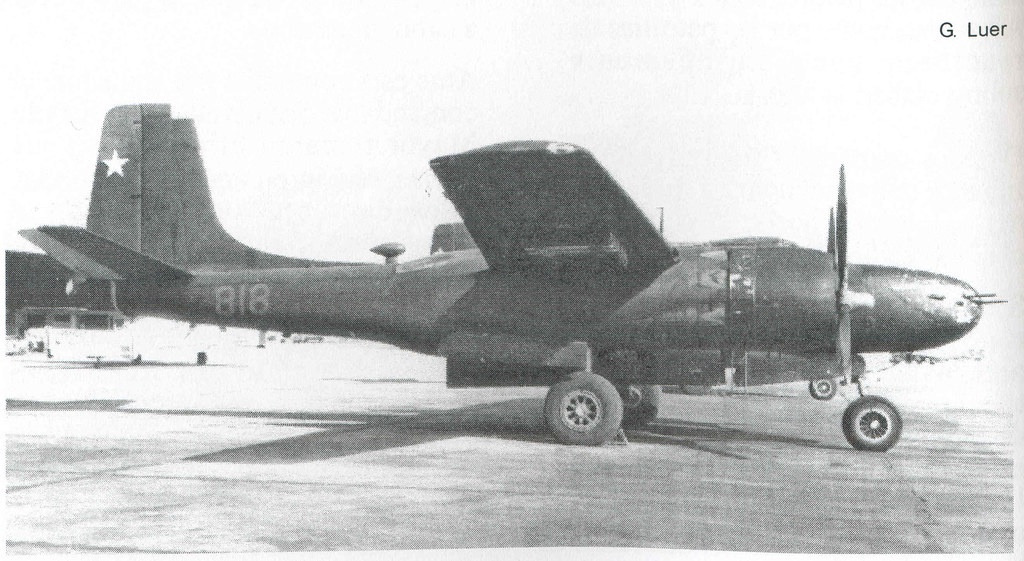
Sources:
- https://museoaeronautico.dgac.gob.cl/2024/11/05/el-avion-douglas-b-26-invader-en-chile/
- HISTORIA AERONÁUTICA DE CHILE: EL PROYECTO "WING SPAR"
- https://fach.mil.cl/fach/documentos/biblioteca-del-aviador/tercer.pdf
- A-26C-45DT | War Thunder Wiki
- Douglas A-26 and B-26 Invader (Crowood Aviation) by Scott Thompson
- Foreign Invaders: The Douglas Invader in Foreign Military and U S Clandestine Service by Dan Hagedorn and Leif Hellstrom
