
History
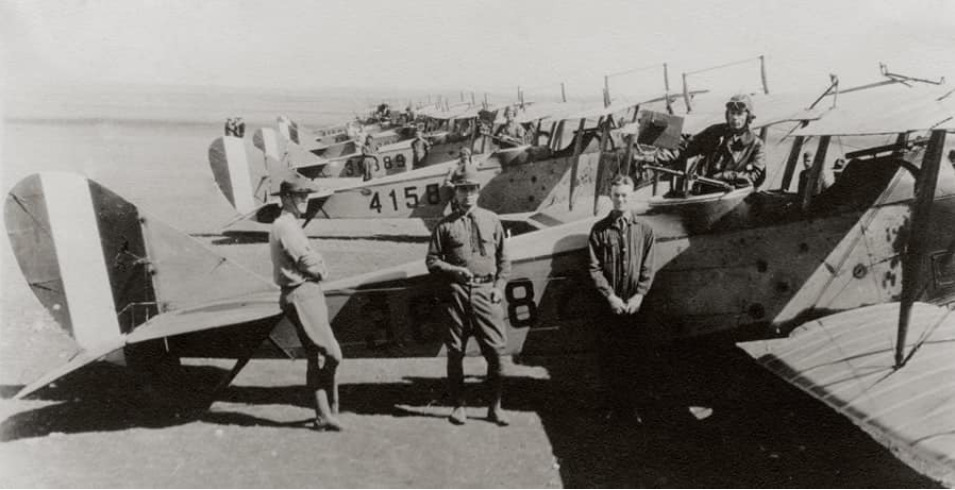
As the Great War raged on and the development of aerial warfare began, the newly formed United States Army Air Service was desperate for a domestically built aircraft to train its pilots to be ready for combat. In 1915 Curtiss Aeroplane and Motor Company began production of the JN series, nicknamed the “Jenny” series as a combination of their earlier model J and model N aircraft, thus JN. The first designs were the JN-1 and JN-2 which were found to be severely deficient in its performance, noted as being too heavy resulting in a poor rate of climb and underpowered.
The deficiencies would be lessened with the next iteration of the series by reducing it’s weight and incorporating an unequal span wing design. When this new version, the JN-3, was delivered to the 1st Aero Squadron of the US Signal Corps Aviation Section the existing JN-2’s were re-built to the new JN-3 standard after being grounded for several months due to 2 previous crashes.
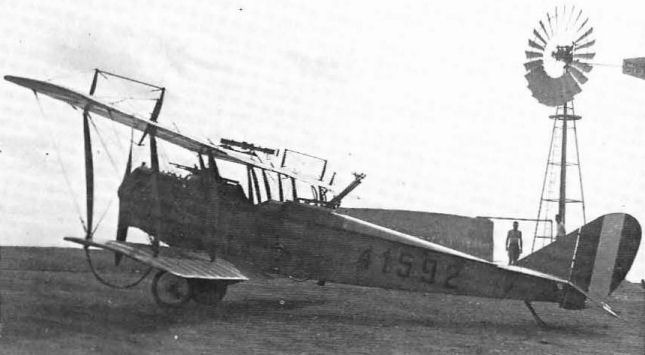
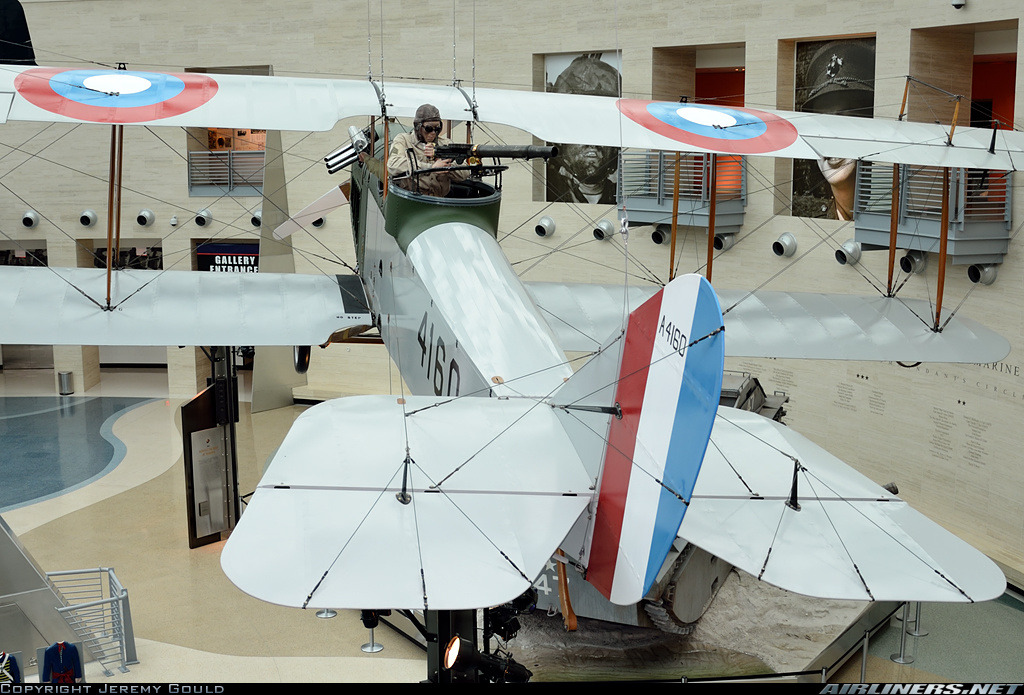
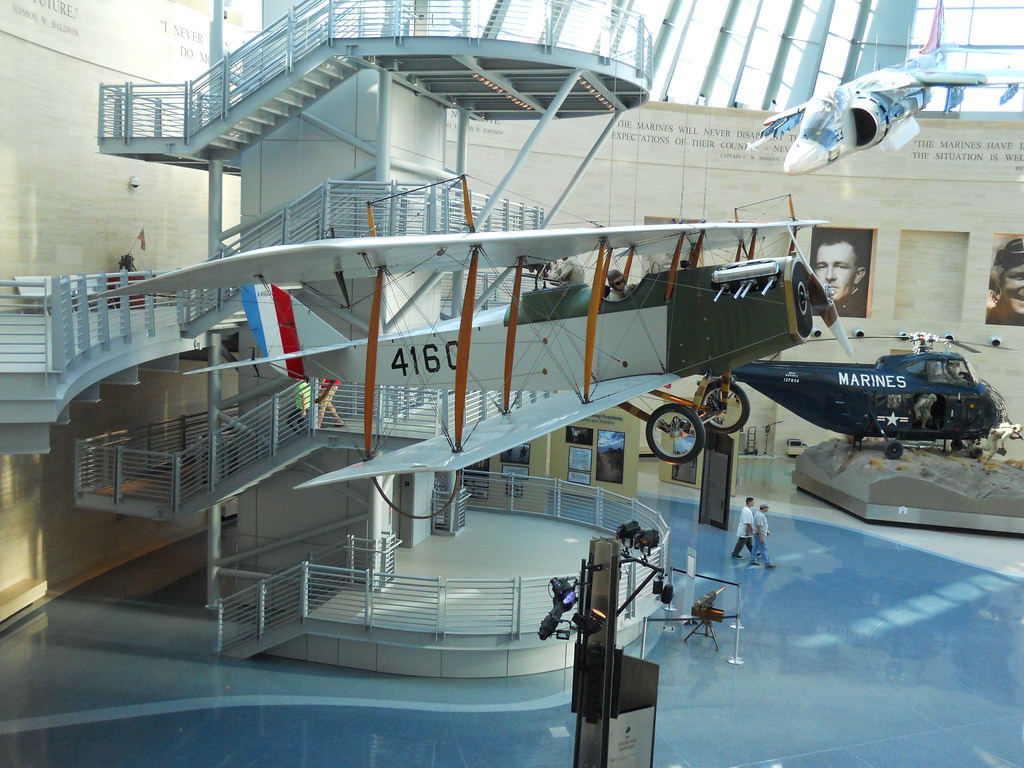
With the success of the JN-3 Curtiss would design a further improved variant, the JN-4. This would enter service with the U.S. Army Air Service in 1916 and also for the Royal Flying Corps to train Canadian based pilots. By 1918 Curtiss built the JN-4HG version, this was one of the few versions that was armed with both a forward firing gun and a rear gun mounted on a flexible ring. It was used as an aerial gunnery trainer to train new pilots and observer crews how to fire at various targets. It featured a forward firing 7.62mm Marlin Model 1917 machine gun synchronised to fire through the propeller and a pair of 7.7mm Lewis guns mounted in a Scarff ring in the observers seat in the rear.
With the end of the war thousands of JN aircraft were sold to civilians, completely flooding the market. With how many were available they could frequently be found selling for $50 (about $1,109 in today’s money). They were well received and due to their ease of use and relatively slow speeds and good stability many found their way into being used for aerobatic shows.
Specifications
Crew
-
1 x Pilot
-
1 x Observer/Gunner
Size
-
Wingspan - 43 feet, 7⅜ inches (13.29m)
-
Length - 27 feet, 4 inches (8.33m)
-
Height - 9 feet, 10⅝ inches (3.01m)
Powerplant
- 1 × Wright-Hispano A - 150hp
Weight
-
Empty weight - 1,625lb (737 kg)
-
Gross weight - 2,269lb (1,029 kg)
Performance
-
Maximum speed - 91mph (146.44km/h)
-
Cruise speed - 75mph (120.69km/h)
-
Service ceiling - 7,500ft (2,286m)
-
Time to altitude 2,000ft (610m) - 3.3 minutes
Armament
-
1 x Forward Firing 7.62mm Marlin Model 1917 machine gun
-
2 x 7.7mm Lewis guns mounted on a Scarff ring in the observers cockpit

-
Yes
-
No