- Yes
- No
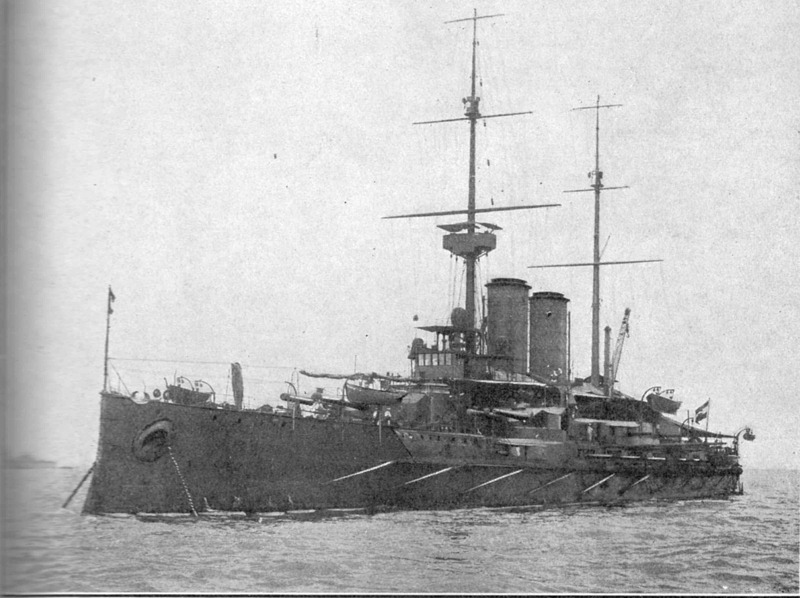
Note that ČSVL is acronym for Czechoslovak War Navy (Československá Válečná Flotila
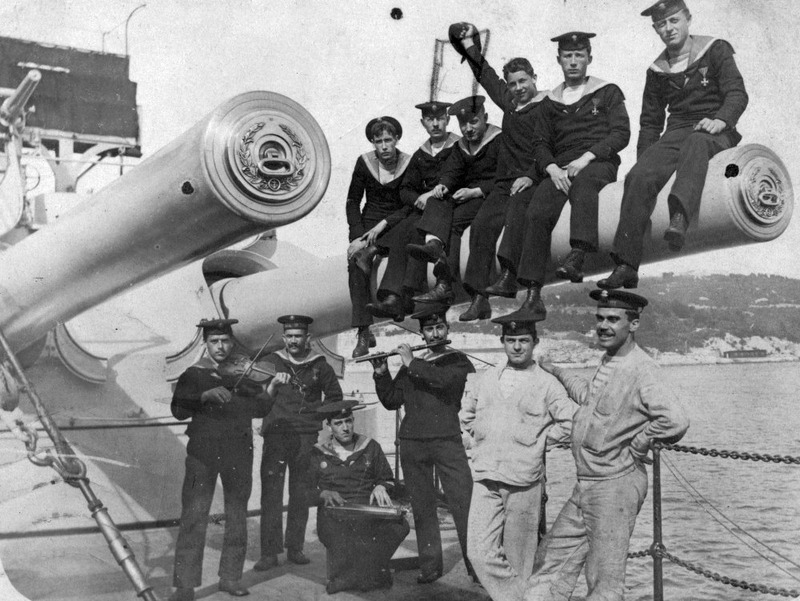
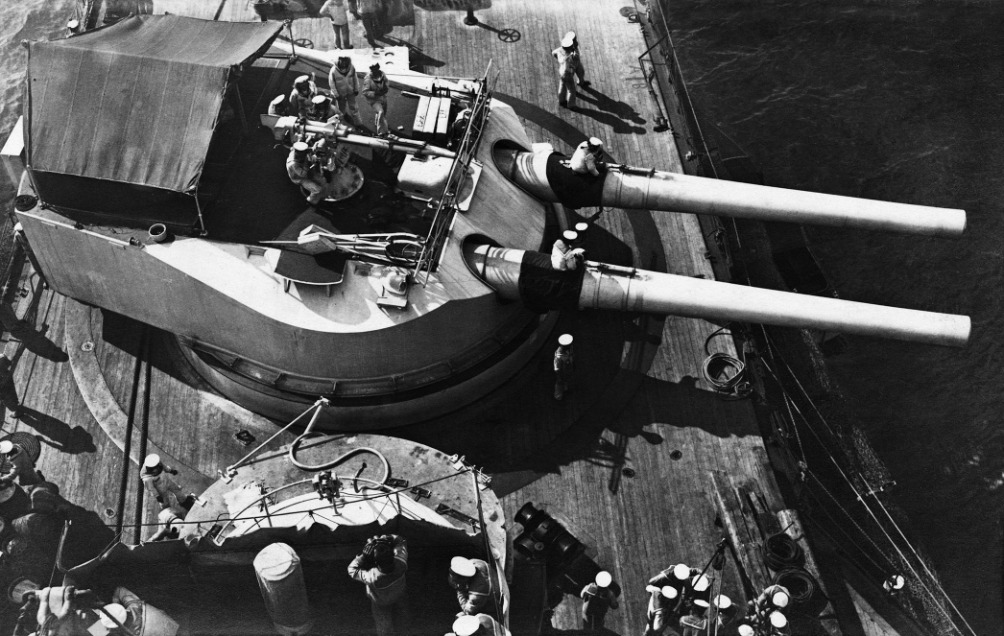
The Radetzky class was a class of three semi-dreadnought battleships built for the Austro-Hungarian Navy between 1907 and 1911. The class consisted of SMS Radetzky, SMS Erzherzog Franz Ferdinand and SMS Zrínyi. They were among the last pre-dreadnought battleships constructed for the Austro-Hungarian Navy.
SMS Radetky began construction in 1907 and was finished in 1909, being the middle child between SMS Erzherzoh Franz Ferdinand and SMS Zríinyi. Originally this ship was armed with less cannons, later on recieving it’s 4 Škoda 7 cm K16 BAG cannons.
SMS Radetzky first saw action in Ionian sea as demonstration against the Baltic Wars. The ship first saw actual combat during the Great War where it fought against Montenegrin and Italian positions.
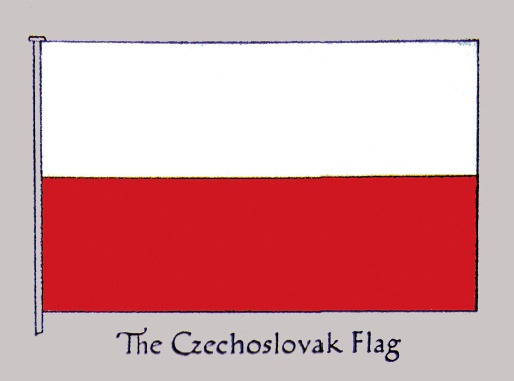
Following the collapsing Austro-Hungarian empire, the former Austro-Hungarian naval base in Pula descended into chaos, with Italian forces supported by British forces began to seize the remaining Austro-Hungarian warships. The only organized and capable unit was made up of Czechoslovaks, who created their own “Naval Legion.” Czechoslovaks were more alligned with the newly forming Kingdom of Serbs, Croats and Slovenes that feared the Italians would take possession of the former Austro-Hungarian fleet. Admiral Metod Koch approached the Czechoslovak and Croat units to plead with them and save Zrínyi and Raderzky for the Kingdom of Serbs, Croats and Slovenes. This was done due to Czechoslovakia being a close ally of Italy. The remaining sailors of Radetzky and Zrínyi decided to help the newly forming nation and it was decided that Radetzky will fly the Czechoslovak flag, at this time being red and white.
Czechoslovak flag
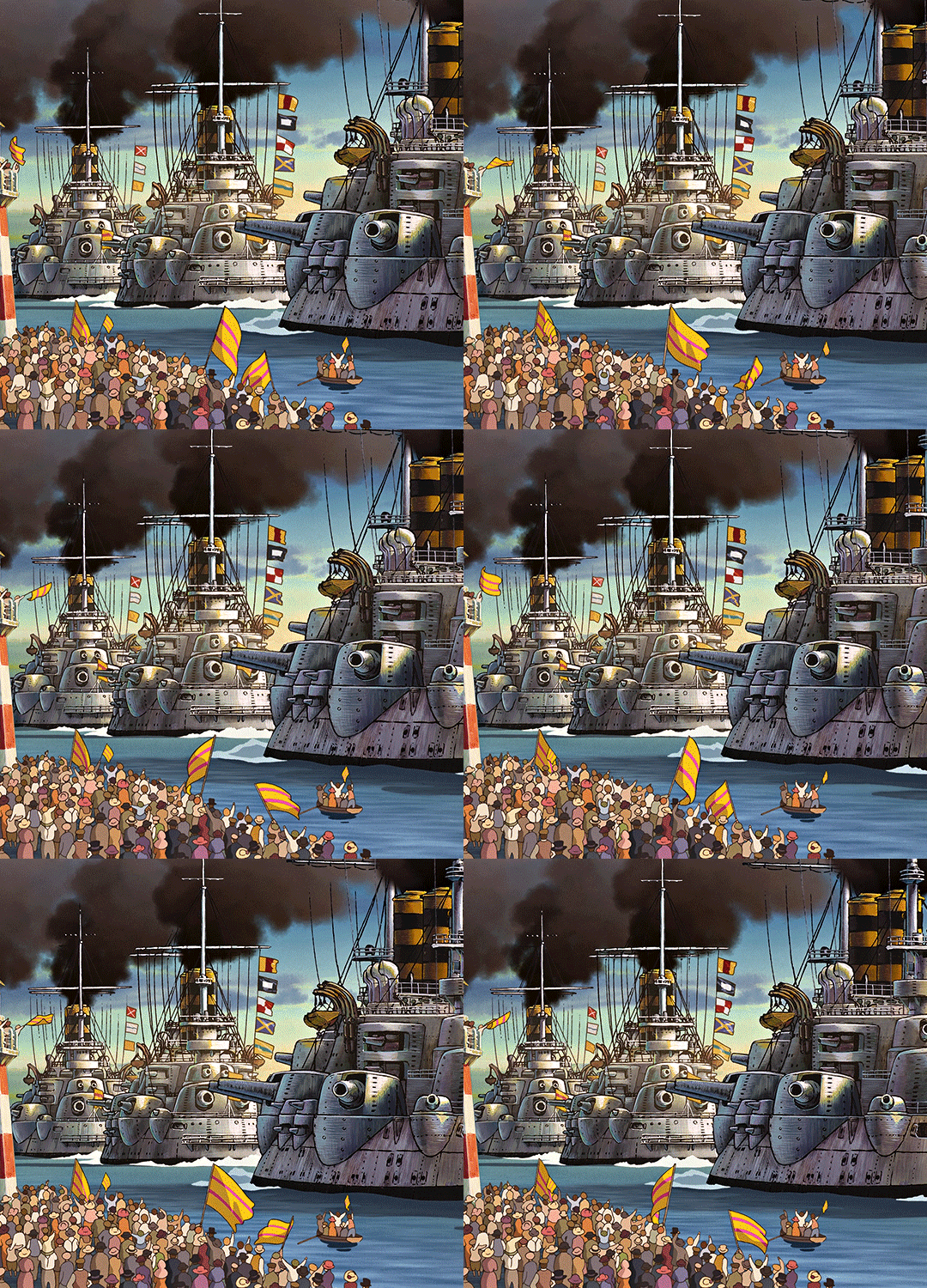
Now under Czechoslovak flag, Radetzky and Zrínyi secretly departured from naval base Pula in the evening as to not be seen by allies. The now-Czechoslovak battleships set sail for the Split that is today present in Croatia. During the travel between Pula and Split, the Czechoslovak battleships faced off Italian destroyers that tried to stop them, after Czechoslovaks turned their turrets against them, Italians backed off.
After the arrival of Czechoslovak battleships in Strip, just few days later the US navy captured these ships and put them in service under USS Radetzky and USS Zrínyi.
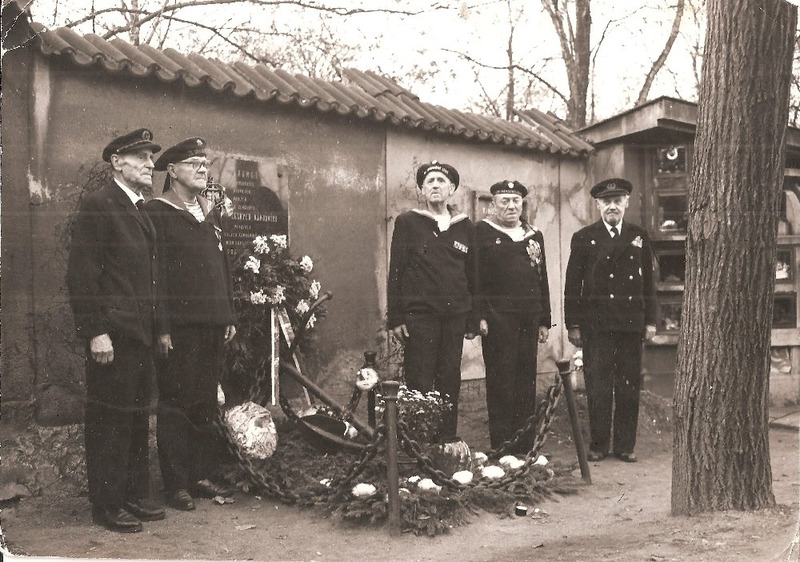
Quotation of Czech sailor who was present on Radetzky - Josef Kožený z Úval
During the revolutionary days in Pula in November 1918, after the departure of the German, Hungarian and Polish crew members, only around twenty Czechs remained aboard the battleship Radetzky, alongside Croatian and Dalmatian sailors. Altogether, there were approximately eighty of us. Our highest-ranking commander was a cadet, a Dalmatian.
After the Italian fleet entered Pula and occupied the harbour, we were ordered to leave the ship and join a transport carrying Czechs returning to their homeland. However, in the meantime, a delegation from the South Slavic National Council visited our ship and asked us to take it to one of the Dalmatian ports, so that the newly forming state of Serbs, Croats and Slovenes would have at least something to begin with.
We immediately called a meeting of the remaining crew to discuss the matter. A small number opposed what seemed like an insane undertaking, but the majority enthusiastically supported it, particularly the Czech sailors. We immediately divided the duties among ourselves, and since we were severely understaffed, we Czechs took over the positions of the missing crew members. Everything proceeded smoothly, and discipline was exceptional. Nobody cared that they could have already been on their way home, instead choosing to face an uncertain future, possibly even death, as there were insufficient charts of the minefields and too few crew members to operate such a large battleship. Everyone, however, was determined to help their South Slavic brothers at any cost.
We departed the harbour in the evening with all lights extinguished. We successfully made it out and then headed south at full speed. At 19:45, we anchored near Medulin. We remained there until morning, and at exactly 07:35, we raised anchor and continued towards our uncertain destination. By midday, we were already passing Opatija. Everyone was in a celebratory mood, especially because a large Czech flag was flying from the main mast. The first warship to sail under our colours! Who among us would not have been proud of that?
We raised this flag at exactly 12:30 on 11 November 1918, while singing our Czech national anthem, ‘Where Is My Home?’ (Kde domov můj?), and the Croatian anthem, ‘Our Beautiful Homeland’ (Lijepa naša domovino), with overwhelming emotion and tears in our eyes. At two o’clock, we arrived off Bakar, and at 14:30, we continued onwards.
Along the way, we encountered Italian torpedo boats, which attempted to stop us. However, upon seeing the gun turrets threateningly turning towards them, they abandoned their attempts and allowed us to continue peacefully. This happened near Šibenik. We entered Split at 11:45 to a grand welcome, with music playing on the pier. We breathed a deep sigh of relief, having arrived safely and without damage. After anchoring the ship and completing all the necessary work, we went ashore, where we were warmly welcomed by the local population.
Our Czech and Croatian anthems echoed throughout Split late into the night. During the following days, we unloaded all the provisions, coal, oil and other supplies for the city, where there was a general shortage of food, coal and lubricants for the railway. Fortunately, our ship Radetzky was fully stocked with enough supplies to sustain a crew of 900 men for a long period, which proved extremely useful…"
Armament
- Main arnament
- 4x Škoda 30,5 cm cannons
- Secondary arnament
- 8x Škoda 24 cm cannons
- 20x Škoda 10 cm K10 cannons
- 4x Škoda 7 cm K16 BAG cannons
- 2x Škoda 6,6 cm L/18 cannons
- 4x Škoda 4,7 cm SFK L/44 S cannons
- Additional arnament
- 1x 45 cm torpedo launcher in bow of the ship
- 2x 45 cm torpedo launcher on sides
Propulsion
- Engines
- 12 Yarrow boilers
- 2x triple-expansion steam engine
- Top speed of 20,5 knots/h
Armour
- Sides
- 230mm
- Deck
- 48mm
- Bulkheads
- 54mm
- Primary turrets
- 250mm
- Secondary turrets
- 200mm
- Casemates
- 120mm
- Conning tower
- 250mm
Dimensions
- Lenght: 137,50 m
- Draft: 8,10 m
- Beam: 24,60 m