Consolidated B-32 Dominator: “The Bad Luck Brother…”
(Polls are at the Bottom)
Note: just wanted to update the post, and bring it up to my better standard of writing these, including new images, added history, and a much cleaner layout!
Overview
Hello again people of War Thunder!
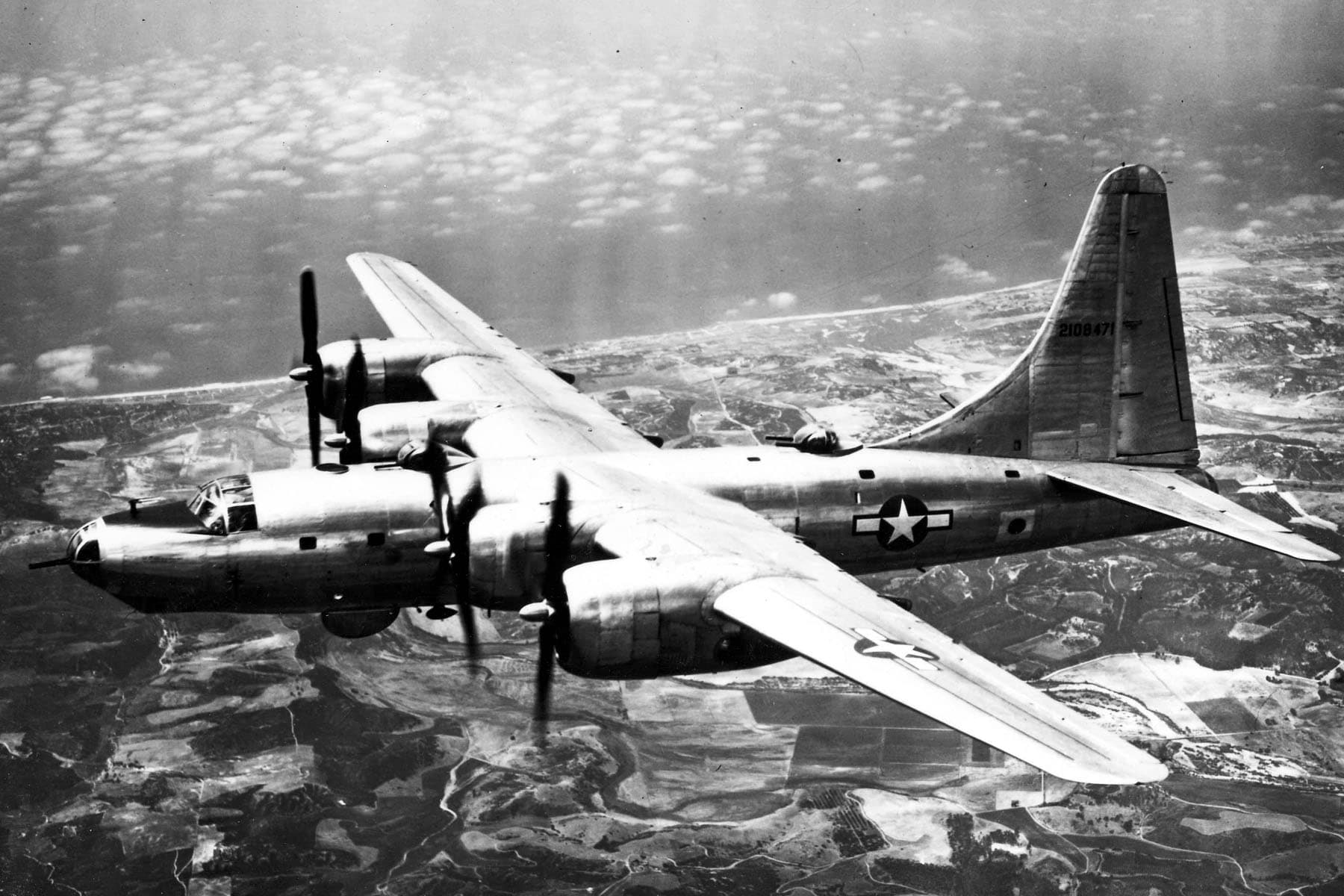
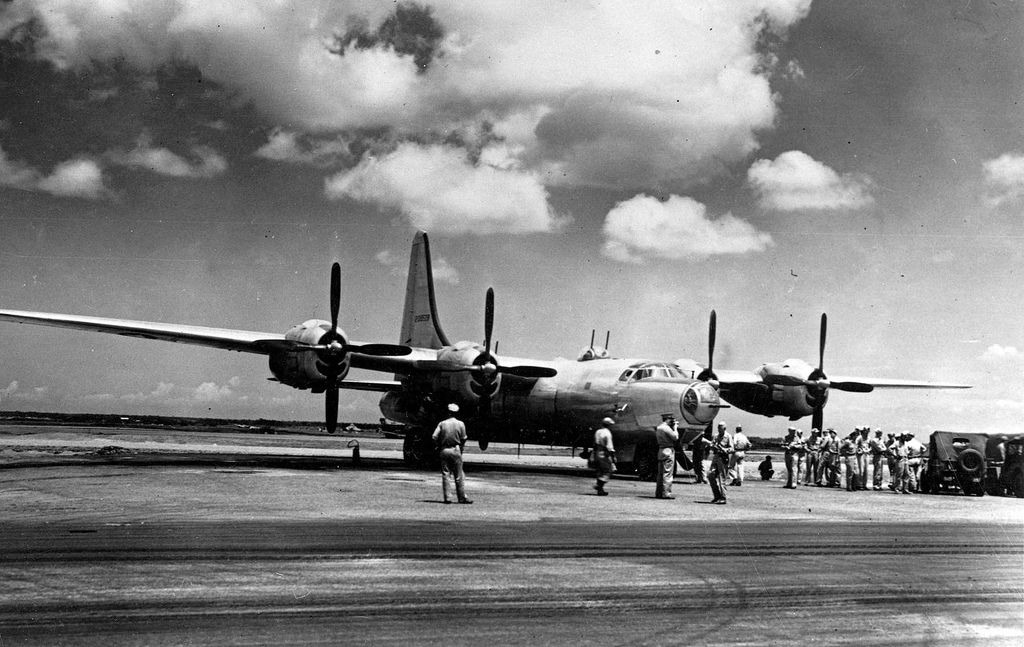
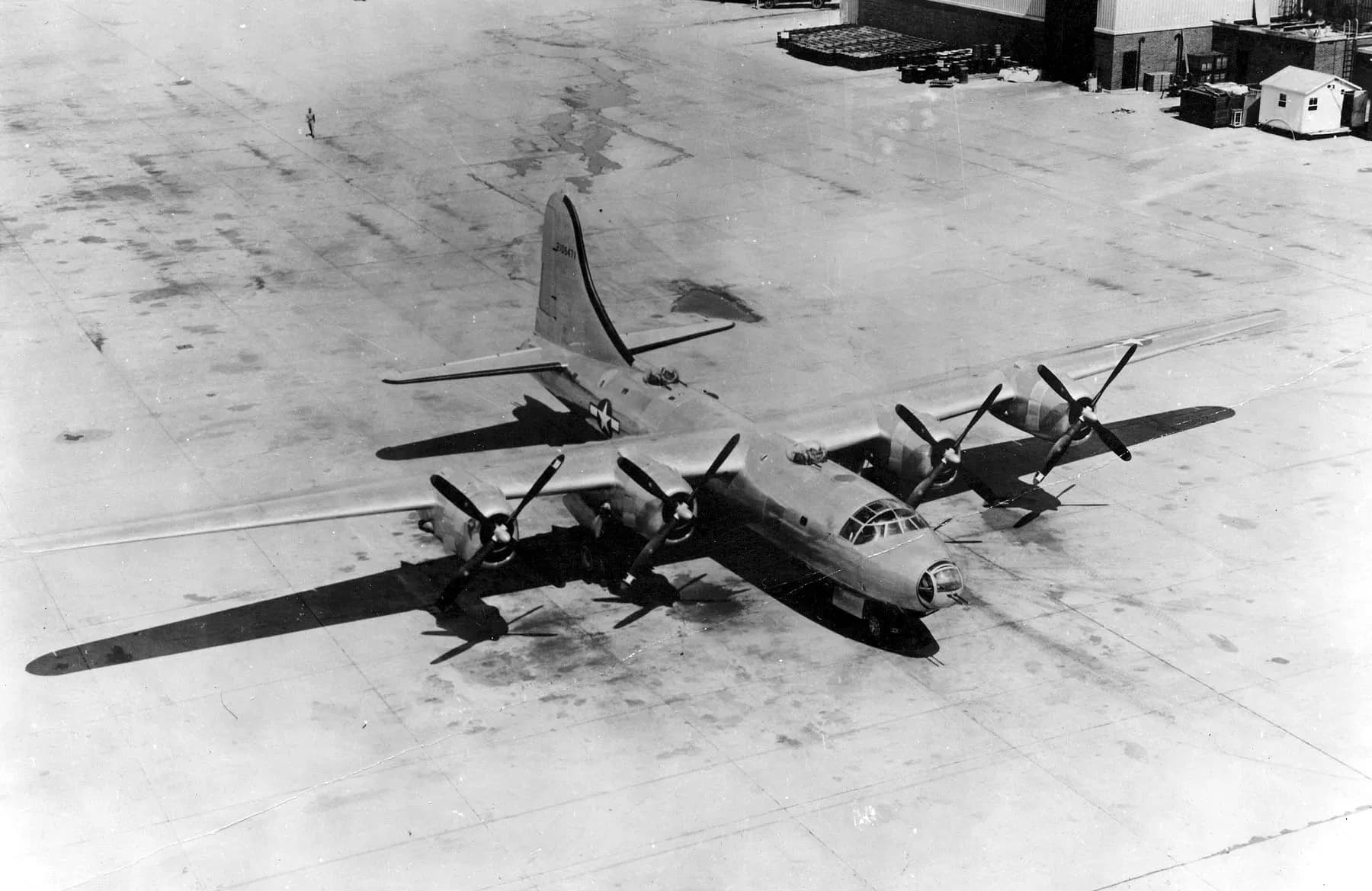
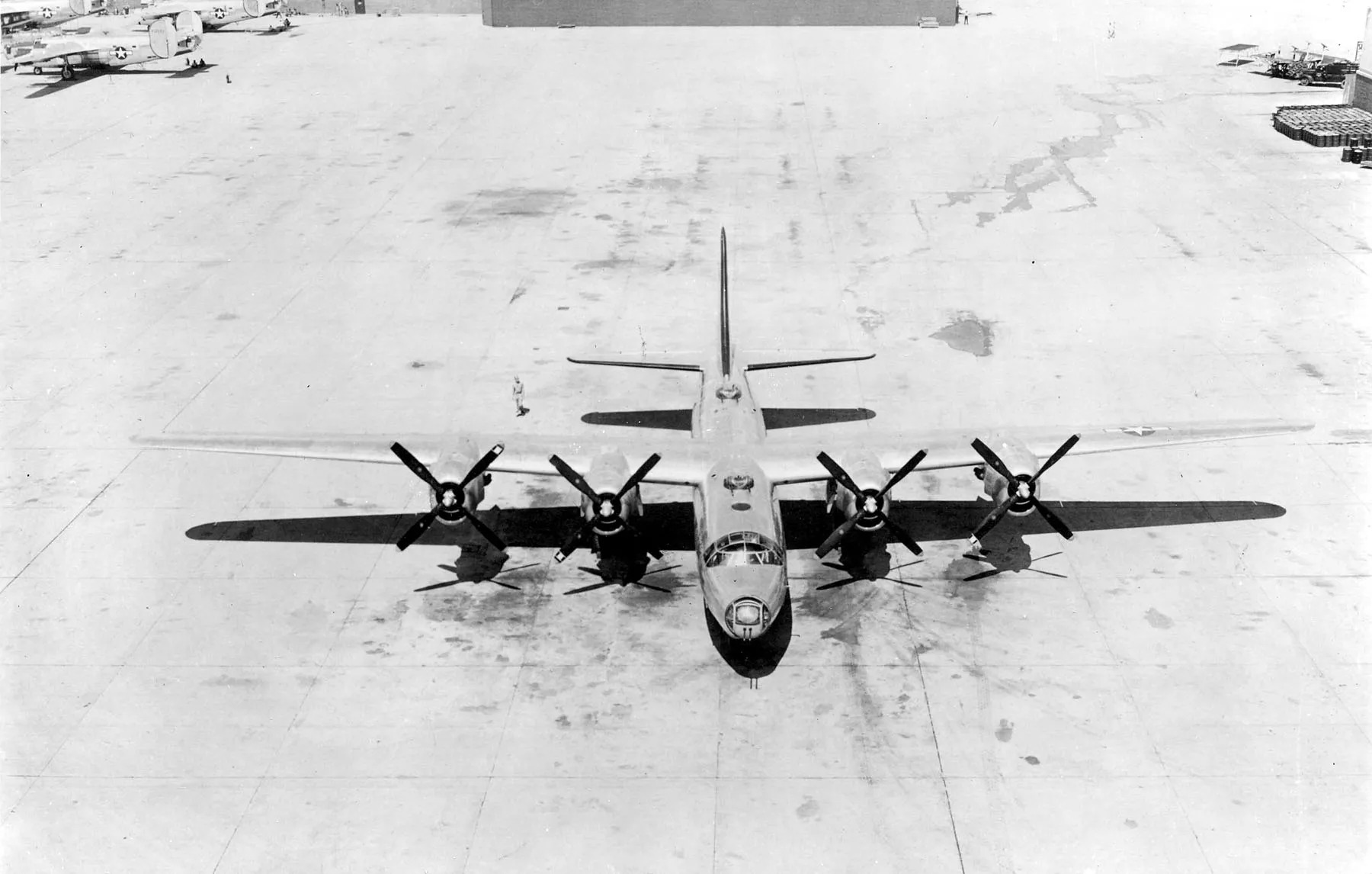
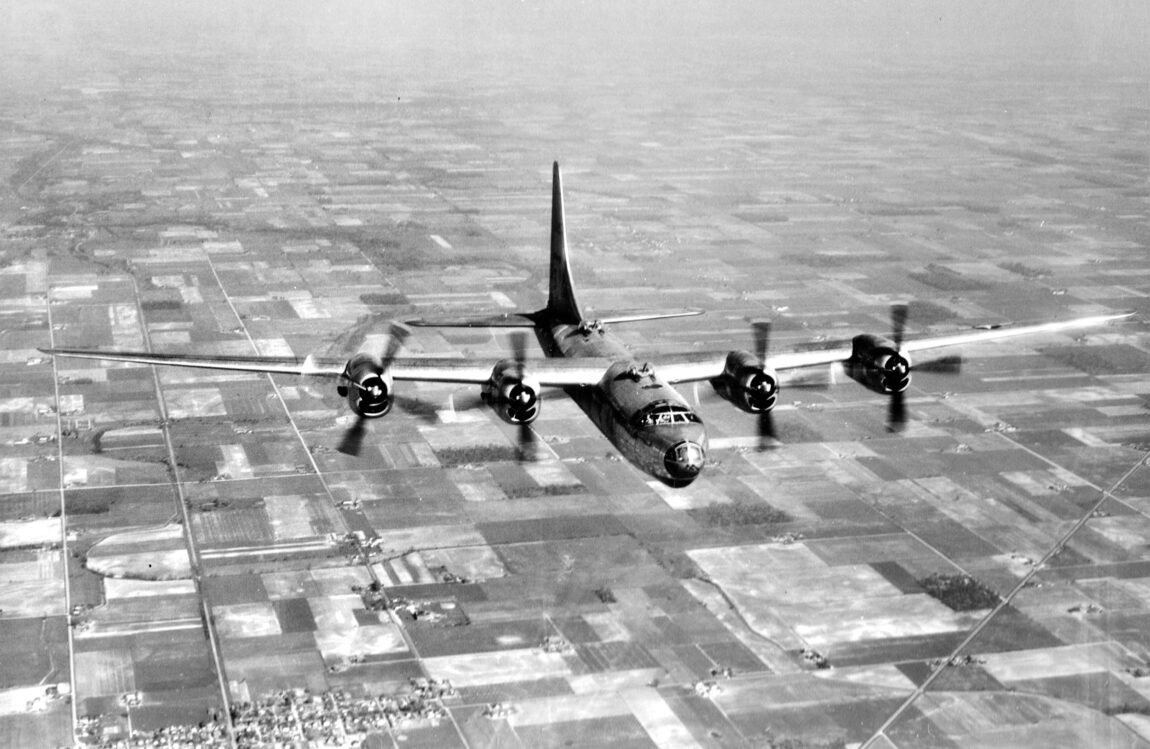
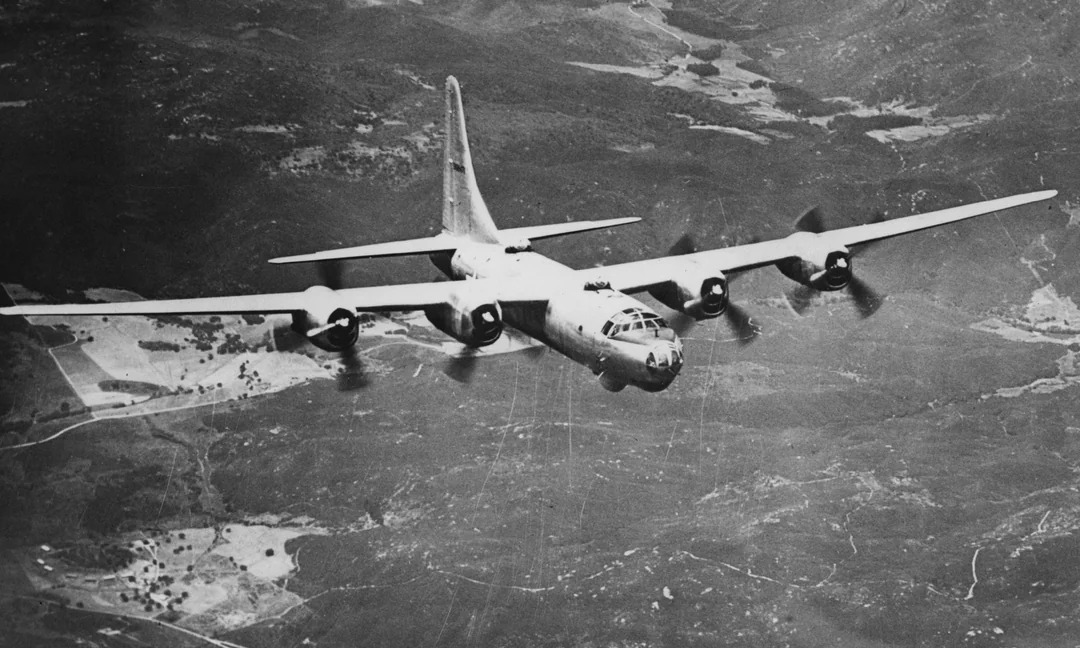
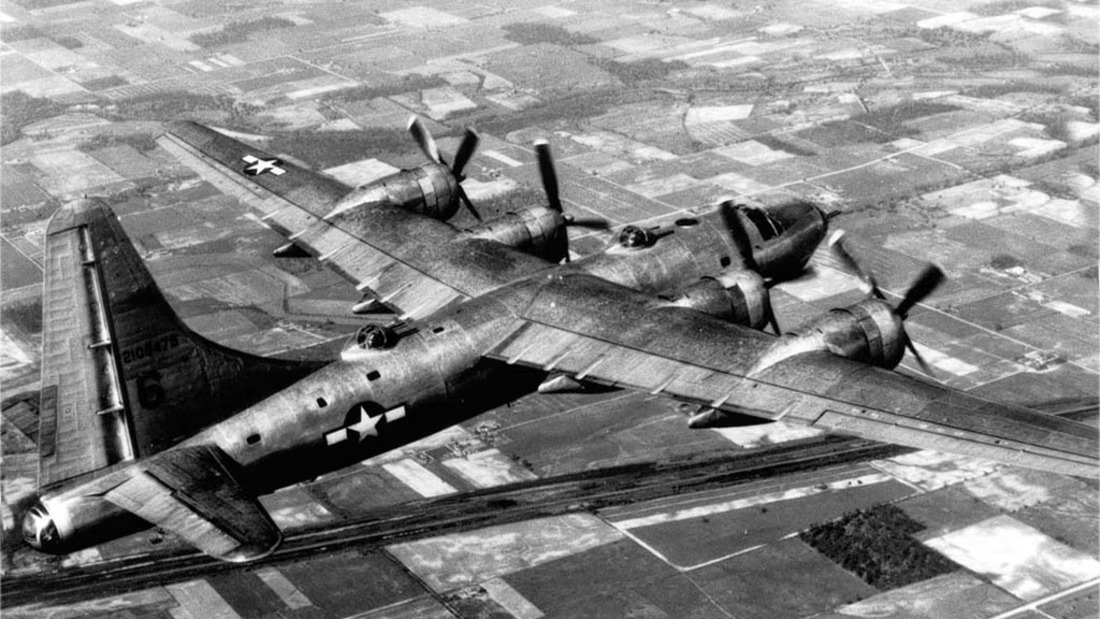
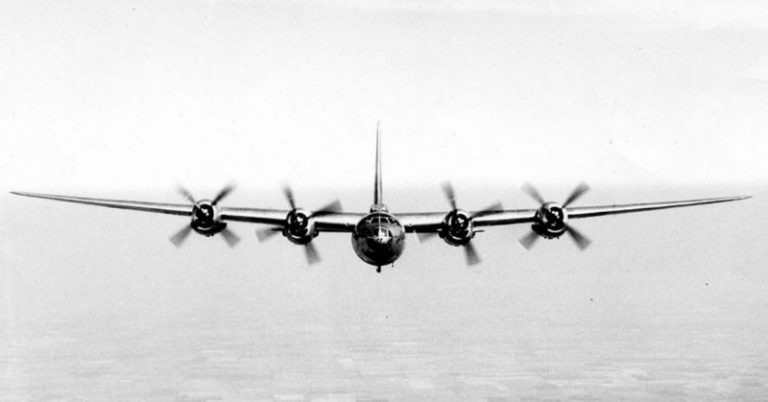
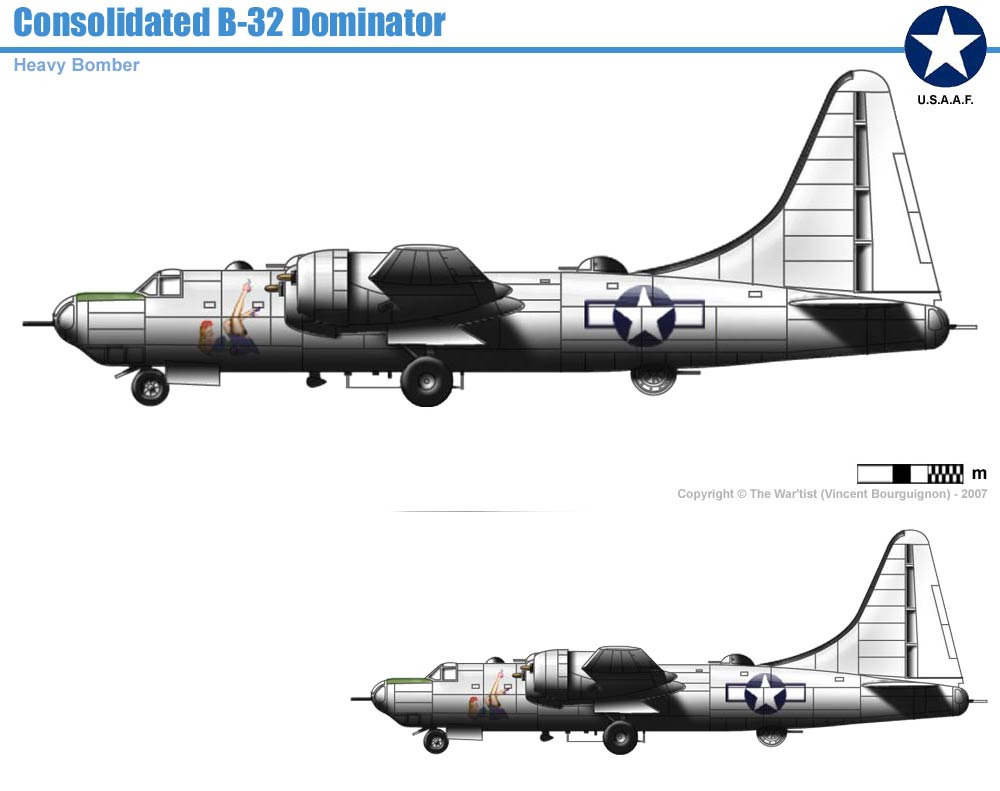
Today I wish to suggest the B-32 Dominator, specifically the B-32-30-CF, the little-known rival and backup to the B-29 Superfortress, an aircraft with a life from design to retirement marred by a string of bad luck so bad that it borders on divine comedy. Arriving too late in the war to see significant action, however did see sorties after the Atomic Bomb detonations, and is distinguished with the last aerial combat mission of the war!
Basic Information
Designation:
-
B-32-30-CF (Military)
-
Model 34 (Manufacturer)
Name: “Dominator”
Role: Heavy Strategic Bomber
Crew: 10
Manufacturer: Consolidated Vultee Aircraft Corporation
Total built: 118 (1500+ planned)
Introduced: January, 1945
Retired: October, 1945
Specifications
Dimensions:
-
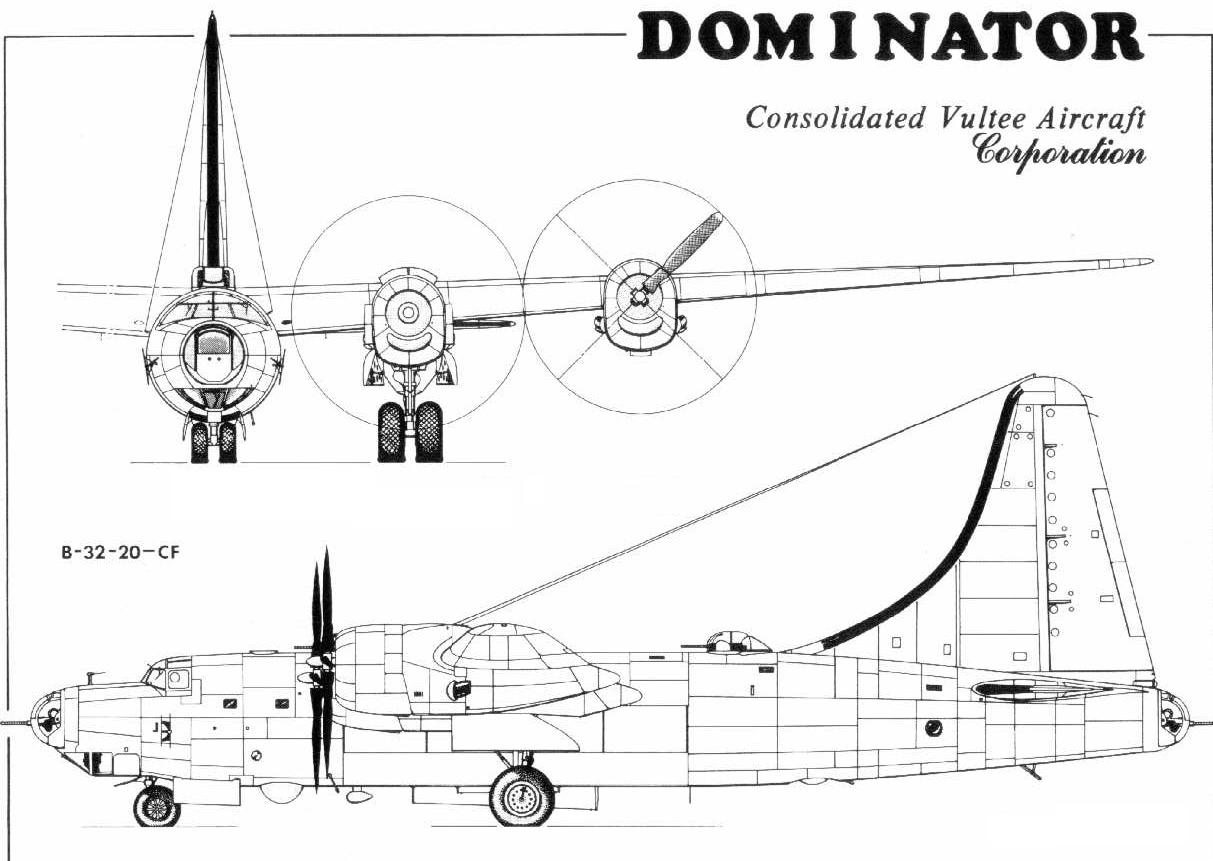
Length: 82 ft 1 in (25.02 m)
-
Wingspan: 135 ft (41.15 m)
-
Wing Area: 1,422 sq ft (132.1 m²)
-
Height: 32 ft 2 in (9.80 m)
Flying Performance:
-
Engine(s): 4x Wright R-3350-23A Radial Engines
- 2,200 hp (1,600 kW) each
-
Maximum Speed: 357 mph (575 km/h)
-
Cruising Speed: 290 mph (470 km/h)
-
Stall Speed (0° flaps, Empty weight): 131 mph (211 km/h)
-
-
Rate of Climb: 1,050 ft/min (5.3 m/s)
-
Maximum Altitude: 30,700 ft (9,400 m)
-
Maximum Range: 3,800 mi (6,100 km)
-
Empty weight: 60,278 lb (27,342 kg)
-
Max Takeoff Weight: 123,250 lb (55,905 kg)
Armament:
-
Defensive Armament (Front to Aft): x10 .50 in (12.7 mm) Browning M2 Machine Guns
-
x2 .50 (12.7 mm) M2 Machine Guns, located in a dual-mount Sperry A-17 turret in the fuselage nose
-
x2 .50 (12.7 mm) M2 Machine Guns, located in a dual-mount Martin A-3F-A turret in a dorsal position behind the cockpit
-
x2 .50 (12.7 mm) M2 Machine Guns, located in a dual-mount Martin A-3F-A turret in a dorsal position at the fuselage waist
-
x2 .50 (12.7 mm) M2 Machine Guns, located in a dual mount Sperry A-13-A turret in a ventral position
-
x2 .50 (12.7 mm) M2 Machine Guns, located in a dual mount Sperry A-17 turret in the fuselage tail position
-
-
Suspended Armament: 20,000 lbs (9,100 kg)
-
40x 500 lb (226.8 kg) AN-64A1 conventional bombs
-
12x 1000 lb (453.5 kg) AN-65A1 conventional bombs
-
8x 1600 lb (725.4 kg) AN-Mk. 1 Armour-Piercing bombs
-
8x 2000 lb (907.2 kg) AN-66A2 conventional bombs
-
4x 4000 lb (1814.3 kg) AN-56 Light-Case bombs
-
Additional Equipment:
-
Fuel Capacity: 5460 gal (20,668.3 L)
- 4x self-sealing tanks in wing center section
-
Oil Capacity: 306 gal (1158.3 L)
- 4x self-sealing tanks in wing center section
-
Engine Fire System:
-
24x CO₂ canisters (12x in the aft each outboard nacelle)
-
“One-Shot” fixed system (7x CO₂ canisters in the aft bomb bay)
-
Usage In Battles
The B-32 Dominator will act similar to the B-29 Superfortress, Serving mainly as a base destroyer, mainly avoiding any confrontations. If needed however, the B-32 has 10 M2s and a similar defensive layout to the b-29 with no obvious weak points, but it also has an armament closer to the B-17 or B-24, and thus should be considered to your tactics. The PB4Y-2 may be of similar playstyle due to its layout, pardoning the lack of waist gunners.
Pros:
-
Excellent Bomb capacity
-
Service Ceiling makes interception difficult
-
Effective defense armament
-
Internal Bay allows minimal effect on performance
Cons:
-
Poor Mobility
-
Susceptible to heavy calibers
-
Disadvantaged against multiple opponents
History
Cursed by Design…
The Consolidated B-32 Dominator was a four-engined heavy “Superbomber”, ordered at the same time as the Boeing B-29 Superfortress. The B-32 was produced primarily as a failsafe in case the favored Boeing design failed. However since the B-29 ultimately turned out to be an outstanding success, the B-32 was built only in relatively small numbers and flew only a handful of combat sorties during the last few weeks of WW2, marring even from its initial design with misfortune and bad luck. Its brief combat career was unspectacular, however it did manage to gain the distinction of flying the last aerial combat mission against Japan.
The B-32 Dominator was the product of the USAAC’s 1940 “Superbomber” competition, known officially as Data R-40B, and was given to Boeing, Consolidated, Douglas, and Lockheed to create a long-range heavy bomber. The results of this were the XB series 29-32 bombers. The winner of this competition would become the now-famous Boeing B-29 Superfortress, and Consolidated’s XB-32 would take second place, thus serving as a secondary bomber to also see production, acquiring the name ‘Terminator’, while Lockheed’s XB-30 and Martin’s XB-31 would never see production as they both withdrew from the competition.
Originally, the B-32 Dominator had a closer design to her sister aircraft, the B-24 Liberator, however design issues and delays were frequent and problematic, ranging from failure with pressurization, to exhaust gases from the engines damaging the landing gear. Once the XB-32 finally got into the air for her first test flight, it was cut short due to a structural failure in the rudder control surfaces, forcing an emergency landing. The problems with the initial prototypes were so frequent that Consolidated’s contract was cancelled in 1942, only to be reopened a month later.
On her 31st test flight, the XB-32 would crash into several buildings on a Marine Corps base, killing 4 and injuring 63 Marines. Such problems would continue, eventually causing designers to redesign her production look in 1943, being renamed ‘Dominator’ in August.
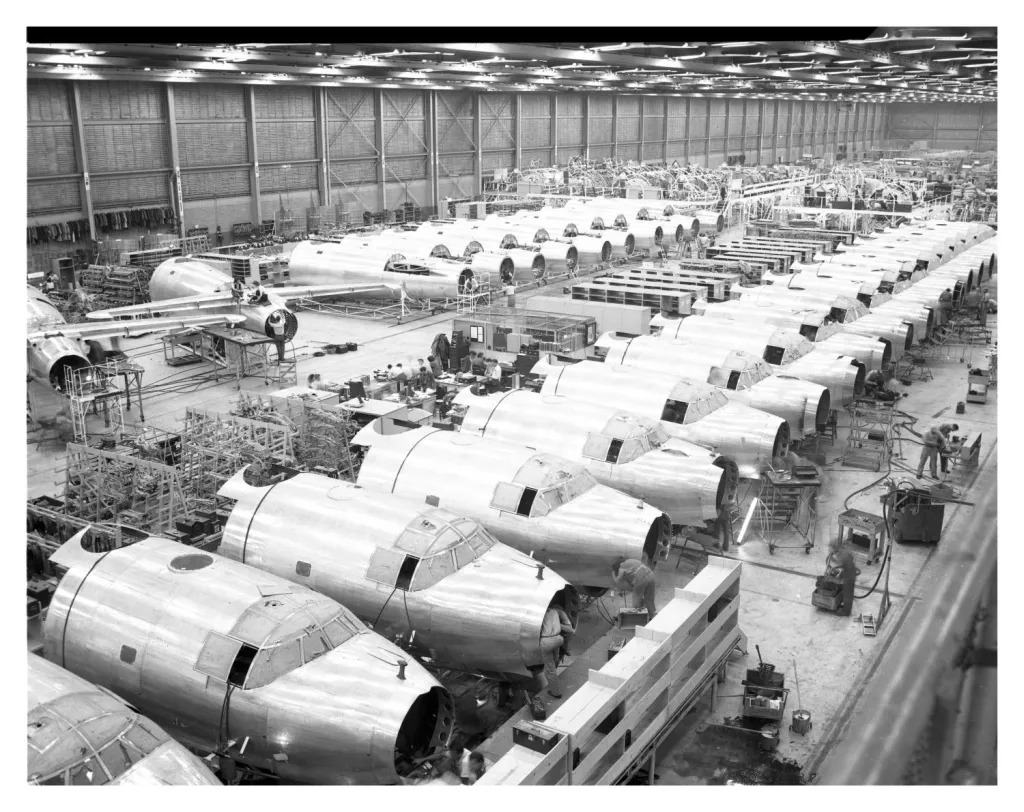
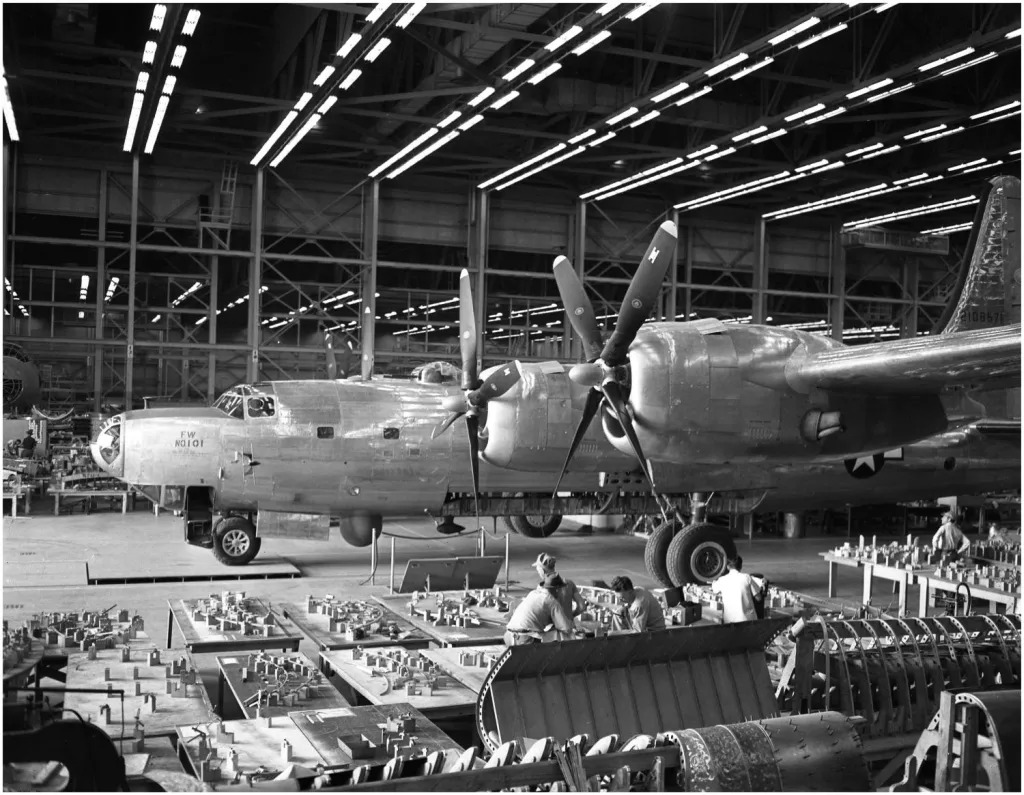
Production of the B-32 would continue to be troublesome due to several requests by the USAAC for modifications, and when the first full-production B-32 managed to finally roll out of the factory on September 19, 1944… its nose strut collapsed, damaging the aircraft. Production was well behind schedule, and by the time the first B-32 took off proper, the B-29 was already 6 months into its service, and Consolidated was only able to produce 5 airframes by the end of 1944, well below the promised 30 aircraft. The USAAC, now the USAAF, found that the B-32 was a poor design, as it saw frequent malfunctions and was reported to be of subpar build quality. Despite the complaints, the USAAF would place an order for over 1,700 aircraft.
Crews disliked the B-32, stating it offered poor visibility and was rather noisy, with engine fires being frequent, and the undercarriage being so inadequate that the entire fleet of B-32s was grounded temporarily in May 1945. On the plus side, it was mentioned by the crew that the B-32 was excellent at low speeds and on the ground, and responded to controls quickly. It was stable and offered good protection with its defensive armament and was easy to maintain.
Spreading Broken Wings…
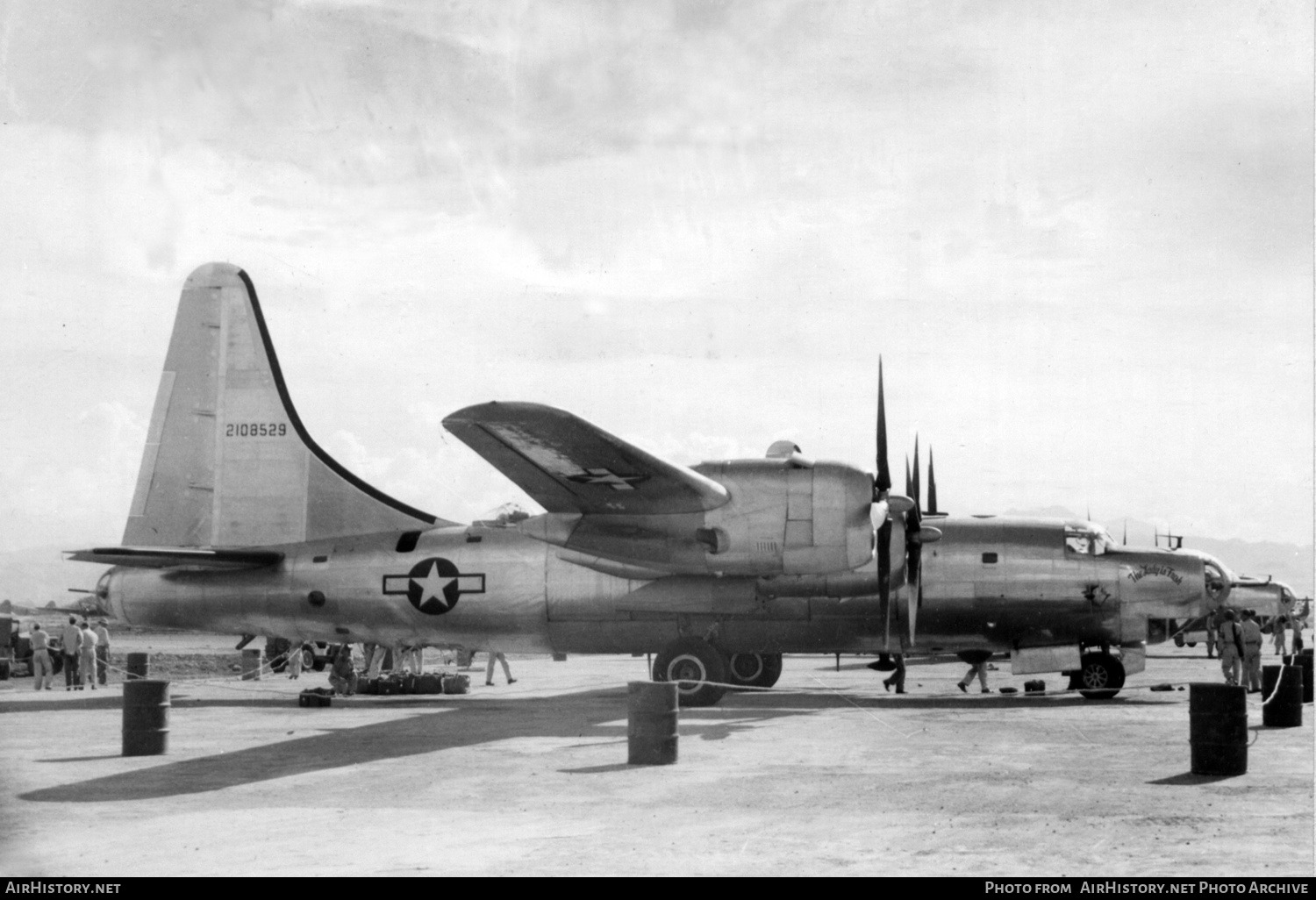
On May 16, 1945, three Dominators would be selected to be deployed to the Pacific front, flying across the pacific. Bad luck would follow, as the flight would be marred with issues, with one aircraft seeing over 32 mechanical issues occurring. The flight would reach the Philipines on May 24… only to discover that the spare parts for the aircraft had been delivered to New Guinea.
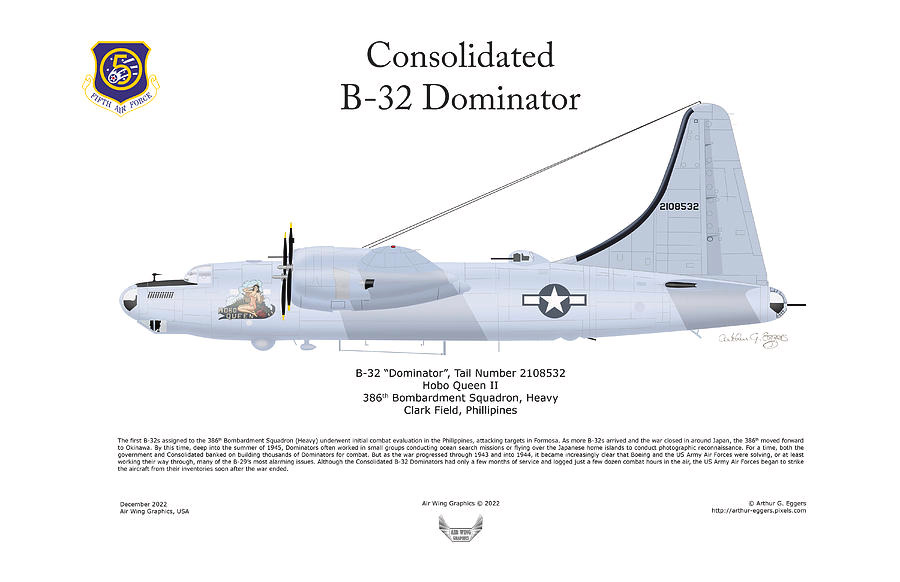
The three Dominators would be assigned to the 386th Bombardment Squadron of the 312th Bombardment Group to see intial combat testing. If successful, the B-32 would replace the groups squadrons of A-20 Havocs.
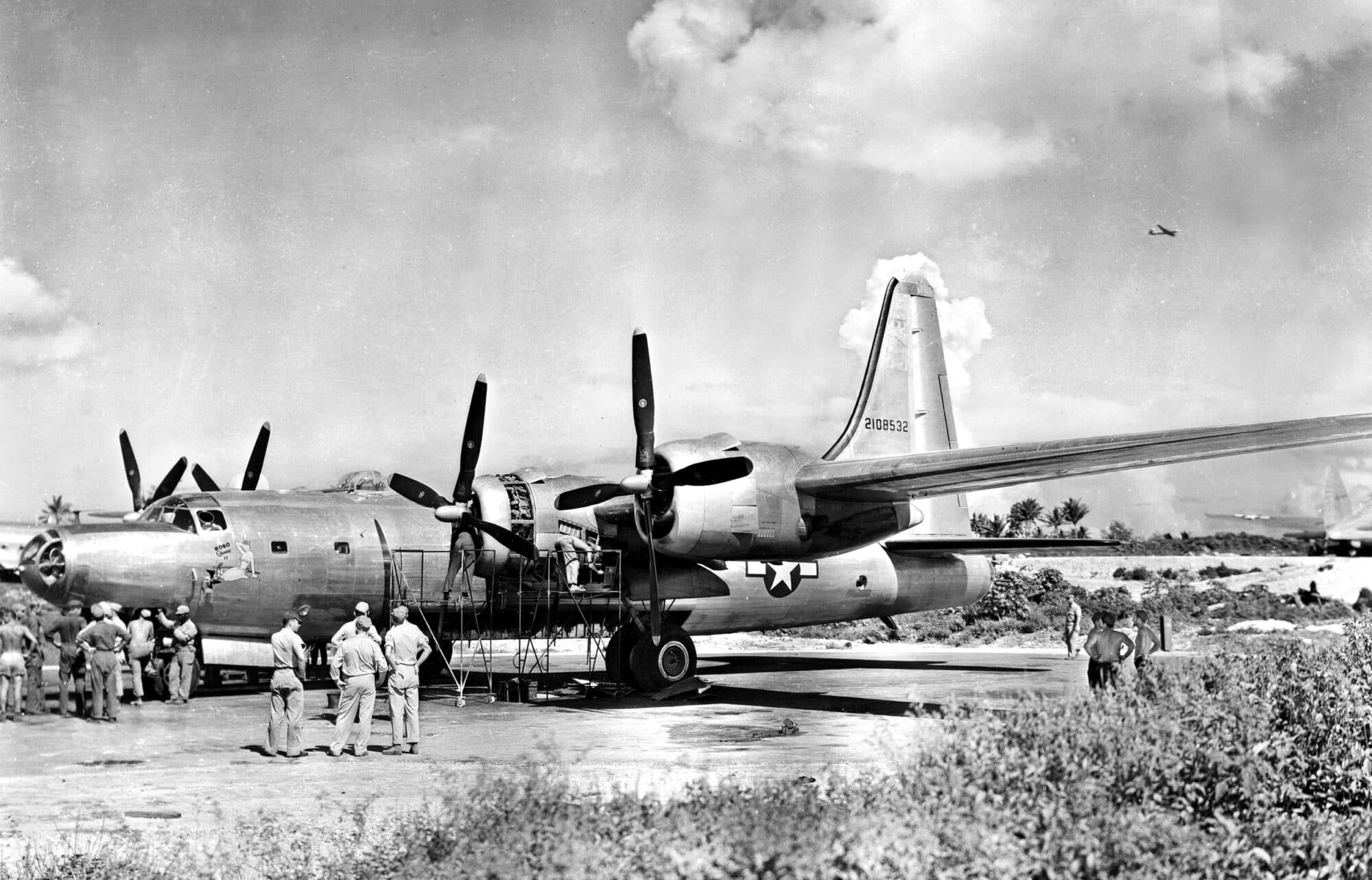
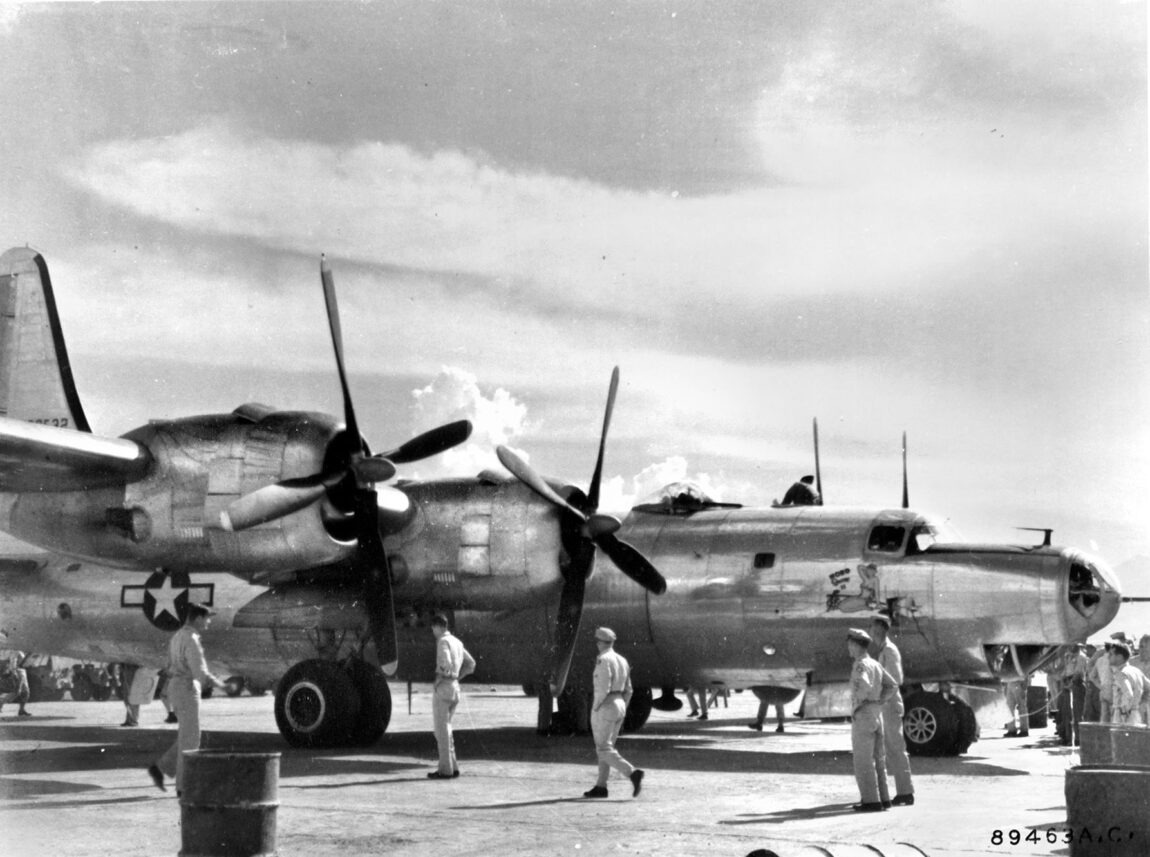
The B-32’s first combat mission took place on May 29, 1945, being a raid on a Japanese supply depot at the island of Luzon. Continuing its reputation, of the three B-32s to take part, one aborted on takeoff, suffering an issue with its turbo-superchargers, leaving the other two to proceed to the target. Once over the target, the flight would see no opposition, and the bombing runs were done at 10,000 feet, with both returning without any incident. Now proven capable, the B-32 served in a series of attacks on Japanese targets in the Philippines, Formosa (Taiwan), and on Hainan Island. Her missions went unopposed, only encountering inaccurate flak. Of 11 missions, only two would see all three Dominators able to fly together. Overall, the squadron would report the B-32 performed adequately, and six more would be assigned, however 3 would remain largely grounded due to maintenance.
Crumbs of Combat…
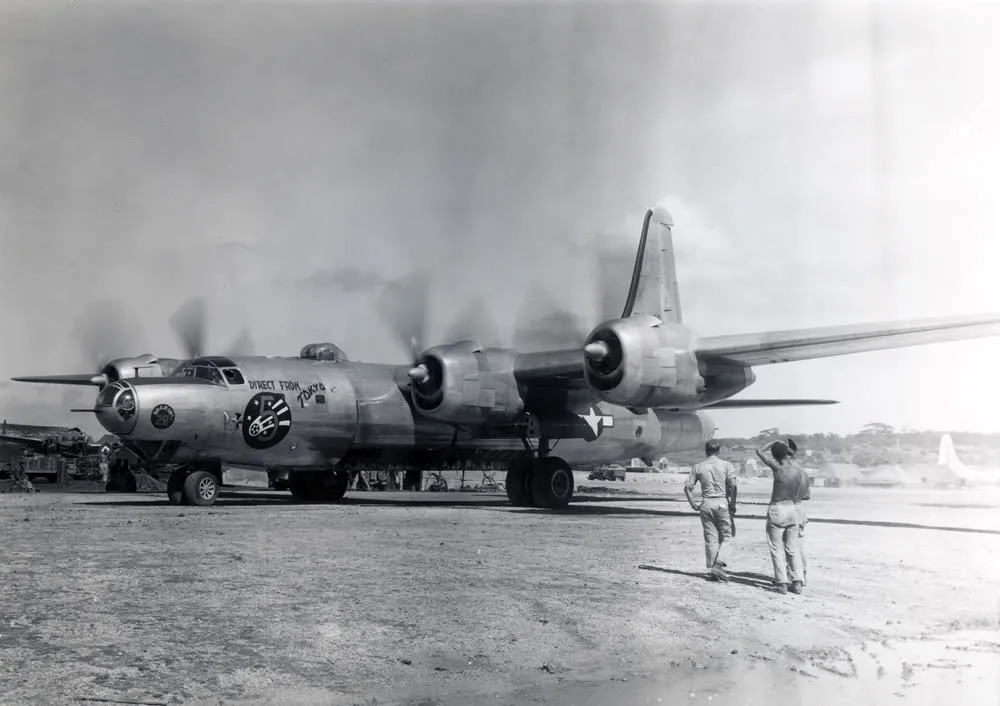
Following the dropping of the atomic bombs, the B-32 still saw combat operations despite the cease-fire that had been declared following Nagasaki. During this time, the B-32s flew mainly reconnaissance missions, mostly unopposed, to ensure that Japanese airfields were respecting the ceasefire. However, on August 17, a flight of four B-32s flying over Tokyo was fired on with flak and was attacked by Japanese fighters. The B-32s survived with minor damage, with one confirmed kill and two possibles. During a reconnaissance mission over Tokyo on August 18, 2 B-32s were again attacked by Japanese fighters. The B-32s claimed two kills and one possible, and one B-32 was severely damaged, seeing one of its crew killed, and another two injured. This engagement would end up being the last combat action of World War 2.
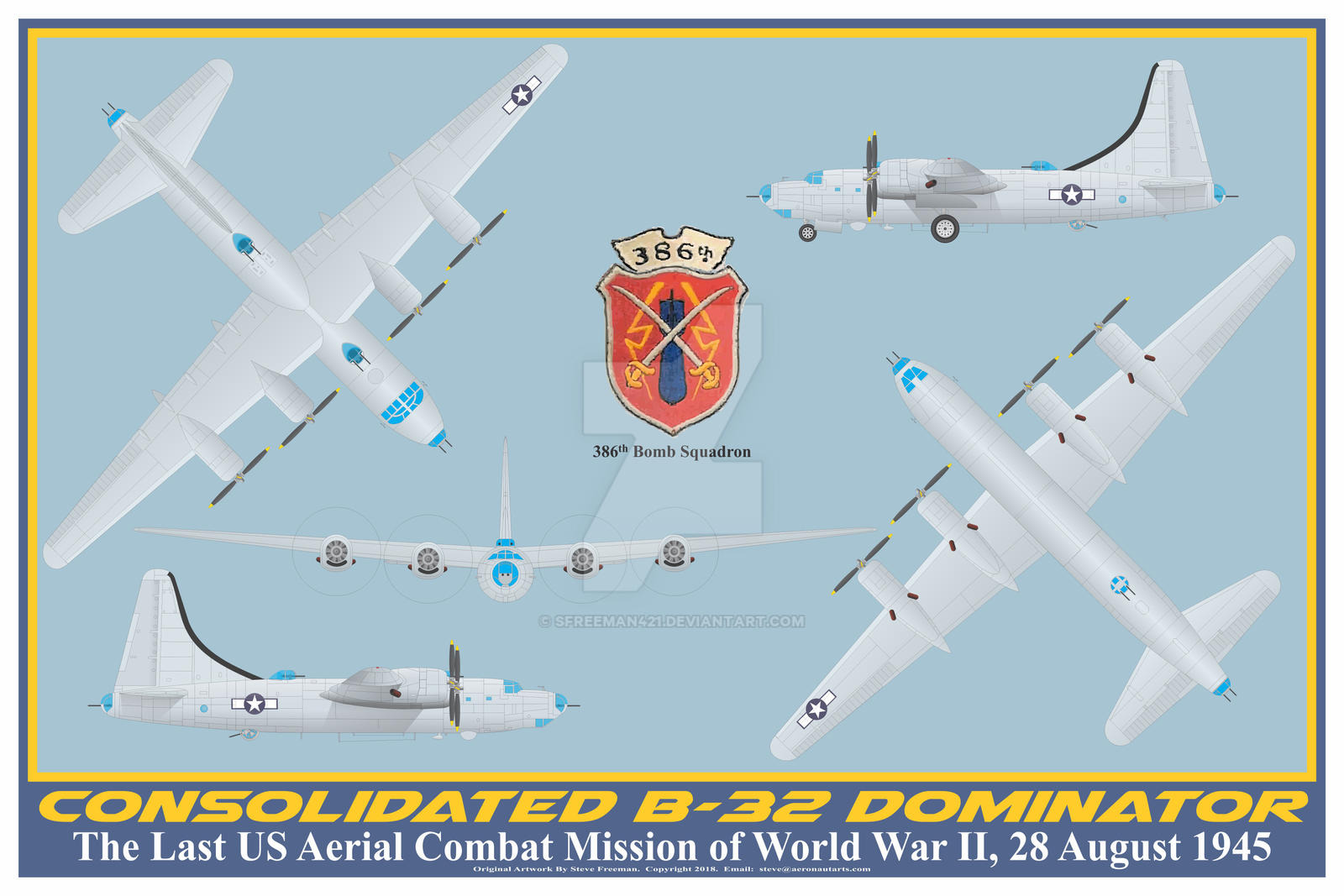
The B-32’s last mission of the war was done by a flight of five B-32s on August 28, another reconnaissance mission to Tokyo. Of the five, one B-32 crashed on the runway during takeoff, killing everyone aboard, and another would turn around immediately after takeoff, leaving only three to complete the flight. On the return, another B-32 crew had to bail out over the ocean due to engine failure.
Last Bout of Bad Luck…
After Japan’s surrender, all remaining B-32s were ordered to return to the US, and with one last ironic twist of bad luck, the last B-32 to return would remain in Okinawa until 1946… due to its nose gear collapsing. Production of the B-32 was cancelled in October of 1945, with all partially produced B-32s being scrapped immediately. By 1947, only a handful of B-32s remained.
As of today, there are no intact B-32s, the last complete aircraft being scrapped in 1949, and only portions of the aircraft, 2 nose turrets and a static wing panel, remain.




Sources
Primary Sources:
https://www.docdroid.com/LUpxqRF/consolidated-b-32-dominator-flight-manual-pdf#page=11
Secondary Sources:
Consolidated B-32 Dominator - Wikipedia
https://www.joebaugher.com/usaf_bombers/b32.html
Consolidated B-32 Dominator Four-Engined Heavy Bomber Aircraft
The Strange Saga of the B-32 Dominator | The National WWII Museum | New Orleans
Miscellaneous Sources:
Image Sources:
The B-32 Dominator - Warfare History Network
The B-32 Dominator: The Heavy Bomber in Service for Less Than a Year | War History Online
WW2 USAAF B-32 Dominator photos | Key Aero
Consolidate B-32 Dominator Digital Art by Arthur Eggers - Pixels
Consolidated B-32 Dominator Poster by sfreeman421 on DeviantArt
Consolidated B-32 Dominator / USAAF / USN Library / Forums - Axis and Allies Paintworks
- Yes
- No
- Tech Tree
- Premium
- Event
- Squadron
- I already said no
- 5.3
- 5.7
- 6.0
- 6.3
- 6.7
- 7.0
- Again… I said no