- Yes
- No
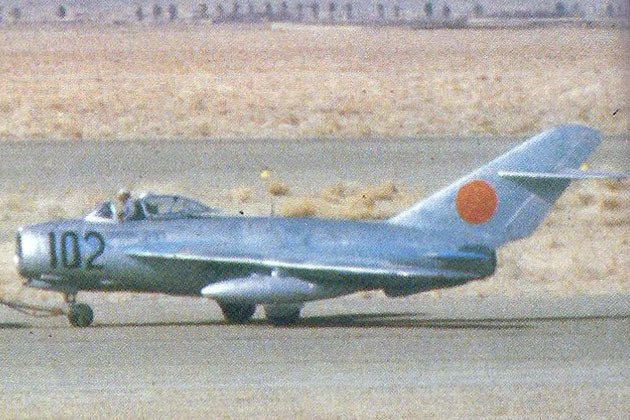
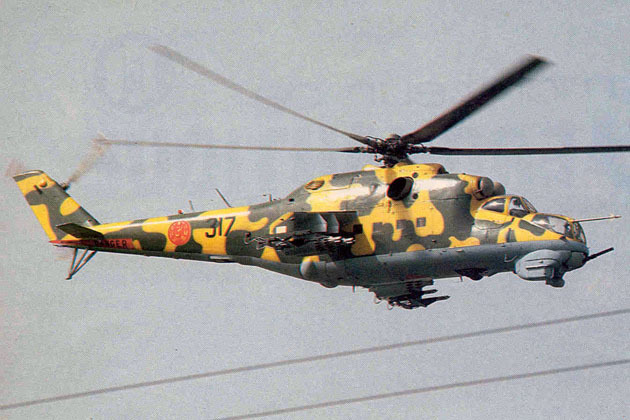
In 1978, Afghanistan experienced a tumultuous and violent regime change that led to the rise of the communist party, the PDPA, which consisted of two primary factions: the radical left-wing Khalqs and the more moderate left-wing Parchams, both vying for control. The Khalqs held power for the following two years until they were ousted by their Parcham rivals with the assistance of the Soviet Union, due to their ineffective governance which angered the predominantly conservative population, resulting in uprisings throughout the country and marking the beginning of the Afghan-Soviet War. To support its communist ally in Afghanistan, the Soviets supplied vast amounts of military equipment, including some older tanks like the iconic T-34-85, as well as more advanced models such as the PT-76s, T-55, T-62, BMP-1, and BMP-2s, ZSU-23-4 Shilka , ZSU-57-2, and aircraft like the Mil-Mi24, MiG-21, MiG-17, IL-28, Su-7, Su-17 .
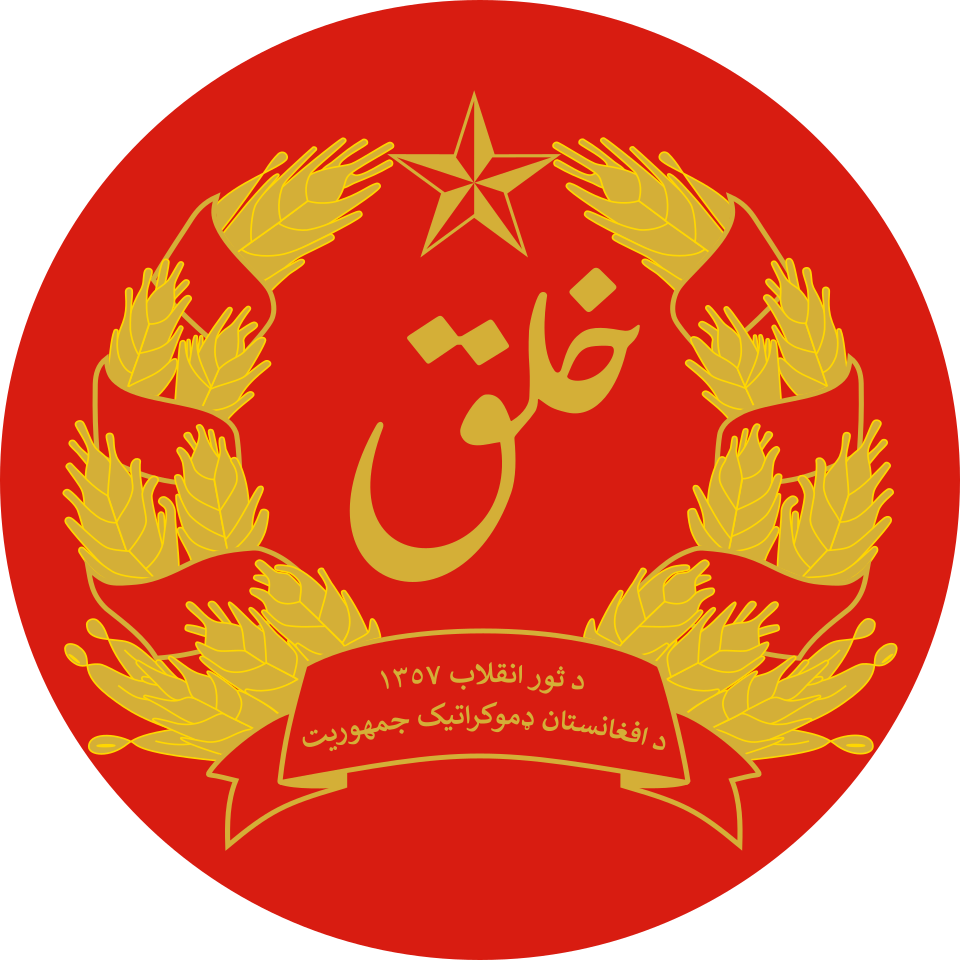
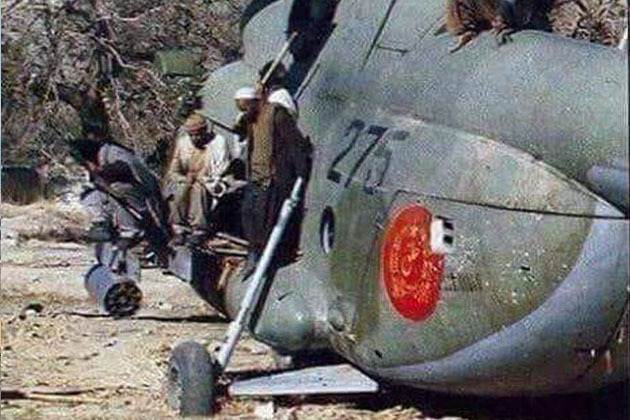
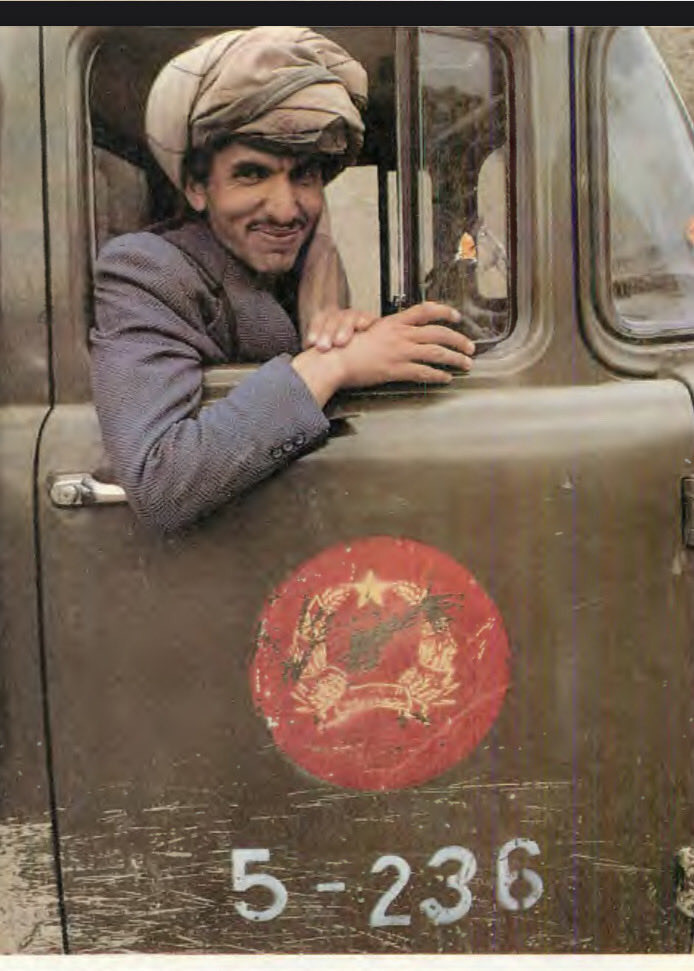
This roundel held these symbols and was the roundel of both the Airforce and the Ground force from 1978-1980:
The Color Red: The roundel features a bold red disc as its foundation, reflecting Soviet design elements to embody the ideals of communism, socialism, and the working class.
The Golden Wheat Wreath: Enveloping the core symbols, the wheat motif signifies agriculture, the peasant community, and the collaborative spirit of the nation’s workforce.
The Five-Pointed Star: Positioned atop the wreath, the golden star represents the ruling party’s socialist direction, triumph, and the solidarity of five societal classes: workers, peasants, soldiers, intellectuals, and merchants.
The Word “Khalq” (خلق): Proudly displayed in the center in stylized Arabic/Pashto script, it translates to “The Masses” or “The People,” highlighting the faction’s commitment to populist Marxist-Leninist ideology.
The Ribbon/Scroll: At the bottom of the wreath, a scroll grounds the design, commemorating the “Saur Revolution” (the April 1978 coup that brought the party into power).
This roundel stirred much debate, as it wholly dismissed Afghanistan’s traditional Islamic and national colors (black, red, and green), opting instead for a distinctly Soviet aesthetic. Due to the considerable public disapproval of this overt secularization, the roundel was replaced in 1980 by the more moderate Parcham faction, which reintroduced Afghanistan’s traditional colors and symbols.