- Yes
- No
Hello everyone, and welcome to this new suggestion.
Today, I’d like to introduce you to a unique ship in the French Navy: the seaplane carrier Commandant Teste.
Designed in the late 1920s and commissioned in 1934, this ship is named in honor of Paul Marcel Teste (1892 - 1925), a naval officer who devoted his entire career to promoting naval aviation. He was notably in charge of the very first naval aviation unit and the first to land on the first French aircraft carrier, the Béarn. The Teste is therefore a ship intended primarily for the transport of naval aviation aircraft, which, when it was put into service, consisted of various reconnaissance and bombing seaplanes. However, this ship, in addition to its transport role, has a significant combat capacity with powerful armament intended for anti-aircraft combat, including numerous 100mm guns dedicated to this purpose.
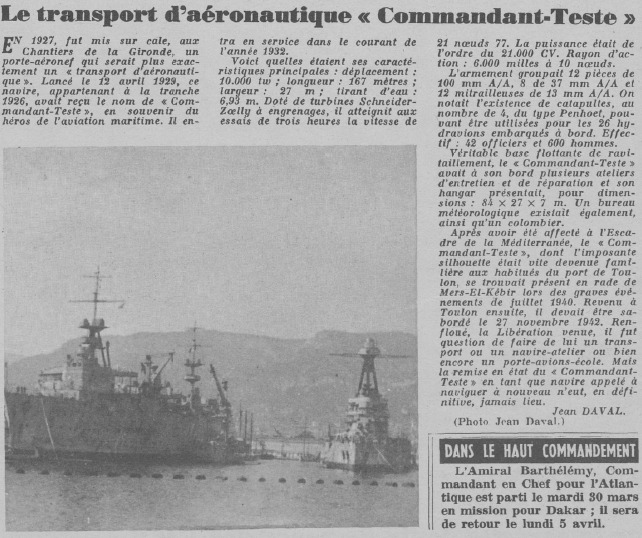
In service with the French forces, the Commandant Teste had a rich history of events. Assigned upon its commissioning to the Mediterranean and then Atlantic fleets. Present in 1940 at Mers El Kébir, it miraculously escaped English bombs, suffering only very minor damage that did not prevent it from fighting. Repatriated to Toulon, the ship was scuttled by its crew in November 1942 like a large part of the rest of the French fleet. The ship was subsequently refloated by the Italians before being sunk again during the bombing of the city by the Allied forces. It was refloated at the end of the war and a modernization to make it an aircraft carrier was considered before being abandoned. The ship was decommissioned in the early 1950s, before being sold for demolition in 1963.
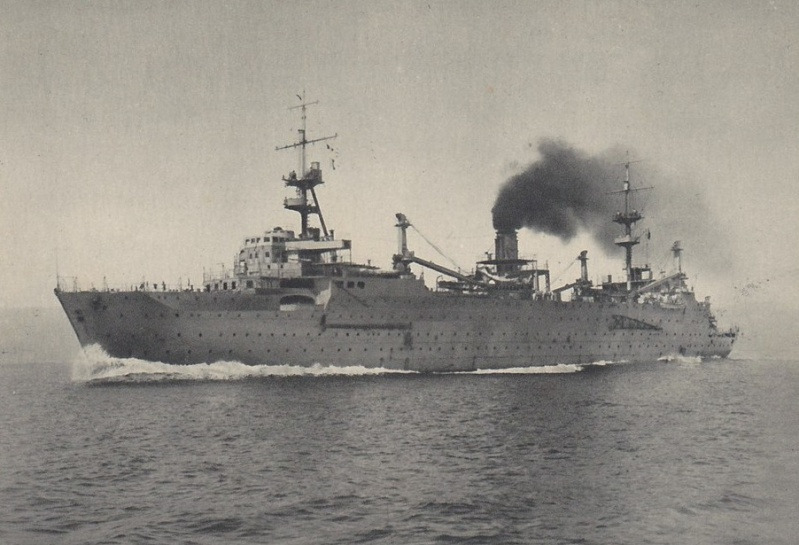
Characteristics
-
Length : 167 m
-
Width : 27 m
-
Draft : 6.93 m
-
Mass : 10,000 tons
The ship is powered by Schneider-Zoelly turbines, giving it a total power of 21,000 hp. Its maximum speed reached during testing is 21.77 knots for 3 hours and its autonomy was 6,000 nautical miles at a speed of 10 knots. Its crew consists of 42 officers and 600 crewmen.
Equipment
The ship is not equipped with any special detection systems (radar, sonar) due to its commissioning in the 1930s.
However, it should be noted that this ship is equipped with:
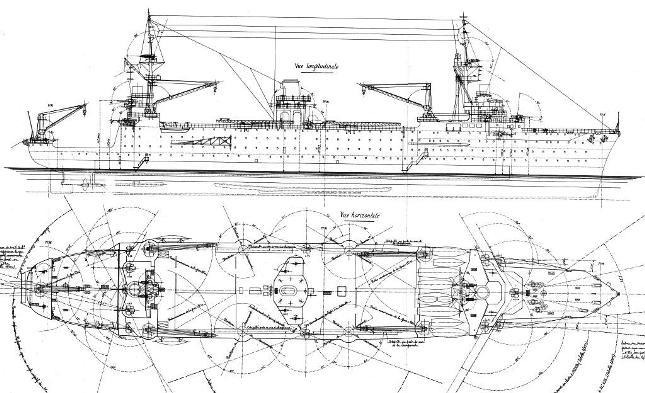
- 4 seaplane Penhoet catapults (two on each side of the ship on the upper deck)
- 5 12-ton cranes (two on each side for the catapults and one at the stern)
Regarding seaplanes, the following models are available:
- Loire 130 (plane already in play)
- Laté 298 (torpedo and bombing)
- PL 15 (torpedo)
- Leseurre 810 (observation)
- CAMMS 55 (bombing)
- Goliath F 168 (bombing)
A total of 26 seaplanes can be installed in the ship’s hangar. This takes up the entire width of the ship (27 m), 84 m long and 7 m high (opening onto the aft deck).
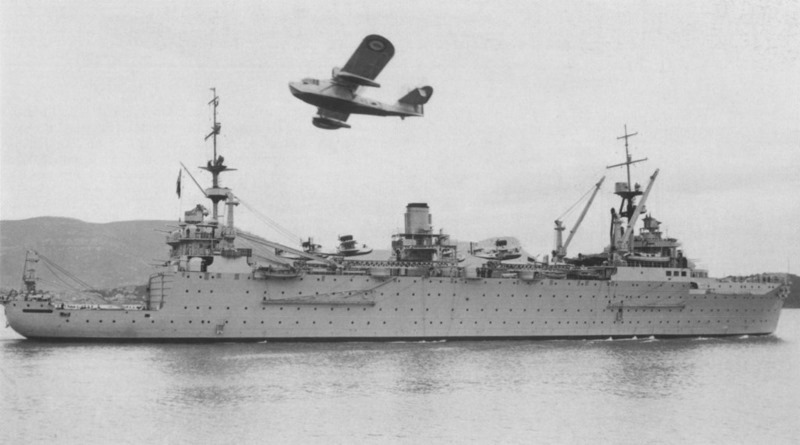
Weapons
-
12 100mm Mle 1927 guns
(5 frontal cannons, 5 rear cannons, 2 side cannons) -
8 37 mm Mle 1925 guns
(2 at the front, 2 at the rear, 4 on the central platform) -
6 x 2 13.2mm Hotchkiss machine gun
(on the central platform)
Protection
The ship has light protection allowing it to resist light attacks from light ships or aircraft, however this armor does not allow it to engage in close combat with large ships (which is not its role anyway).
- Belt : 50mm (3.76 m high)
- Ammunition hold : 50mm (side) and 20mm (roof)
- Deck : between 24 and 36mm
- Command deck : 80mm (side) and 30mm (roof)
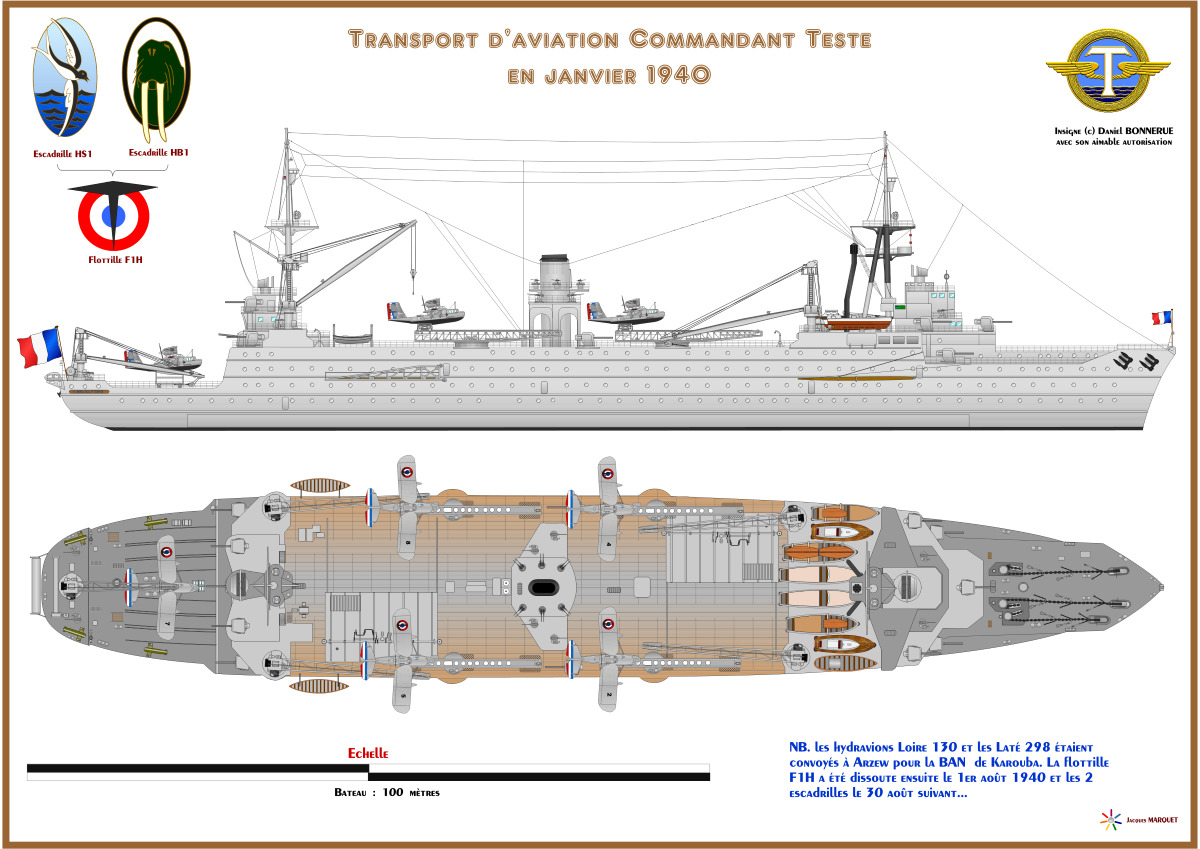
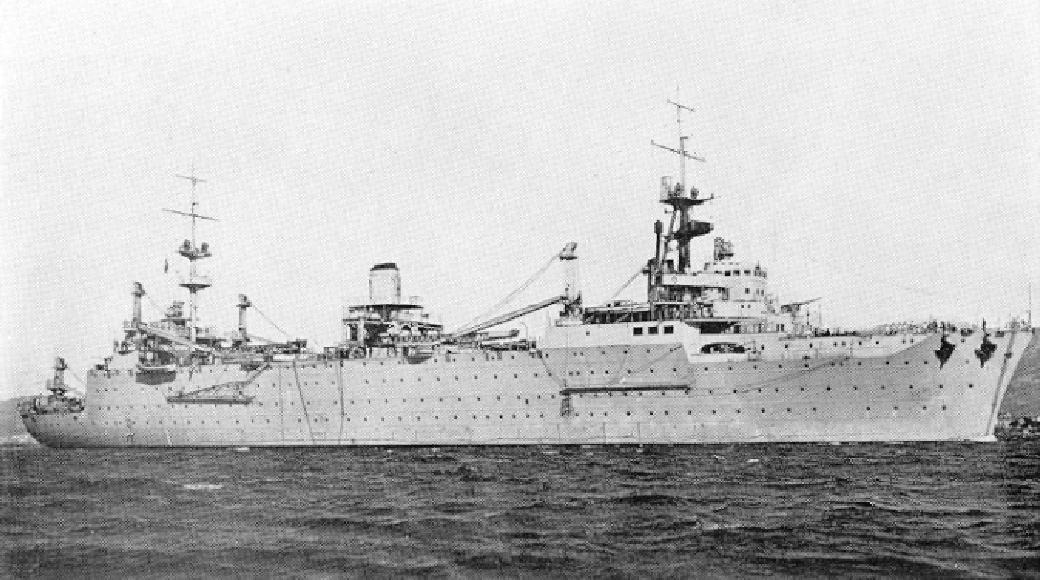
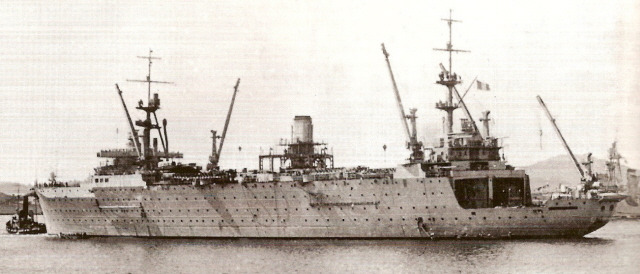
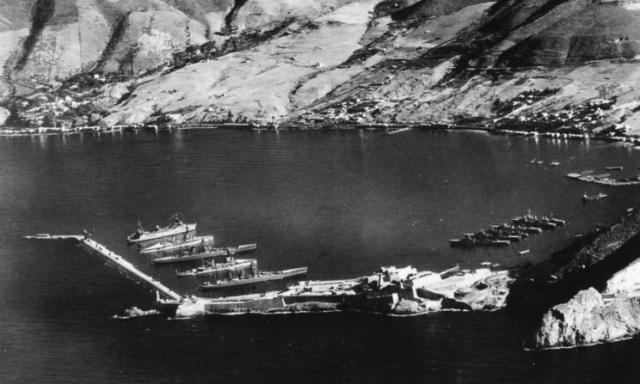
In game this ship would be an extremely interesting addition for France, bringing a ship of respectable size (the ship is really big) with a diversified armament allowing it to engage many types of targets, moreover this ship with its 4 catapults would bring a ship in the game able to deploy a greater number of aircraft than the average of the game, thus making it a unique ship in the game
Spoiler
thanks to @azekill_DIABLO for some of the sources
- Commandant Teste | Service historique de la Défense
- Ecole Navale / Espace tradition / Officiers célèbres
- Commandant Teste (1928)
- Mémorial national des marins morts pour la France - Commandant Teste
- FRANCE TRANSPORT D’HYDRAVIONS COMMANDANT TESTE
- Dessins vectoriels : le transport d’hydravions Commandant Teste - Histoire militaire - AIR-DEFENSE.NET