- Yes
- No
Hello everyone and welcome to this new suggestion.
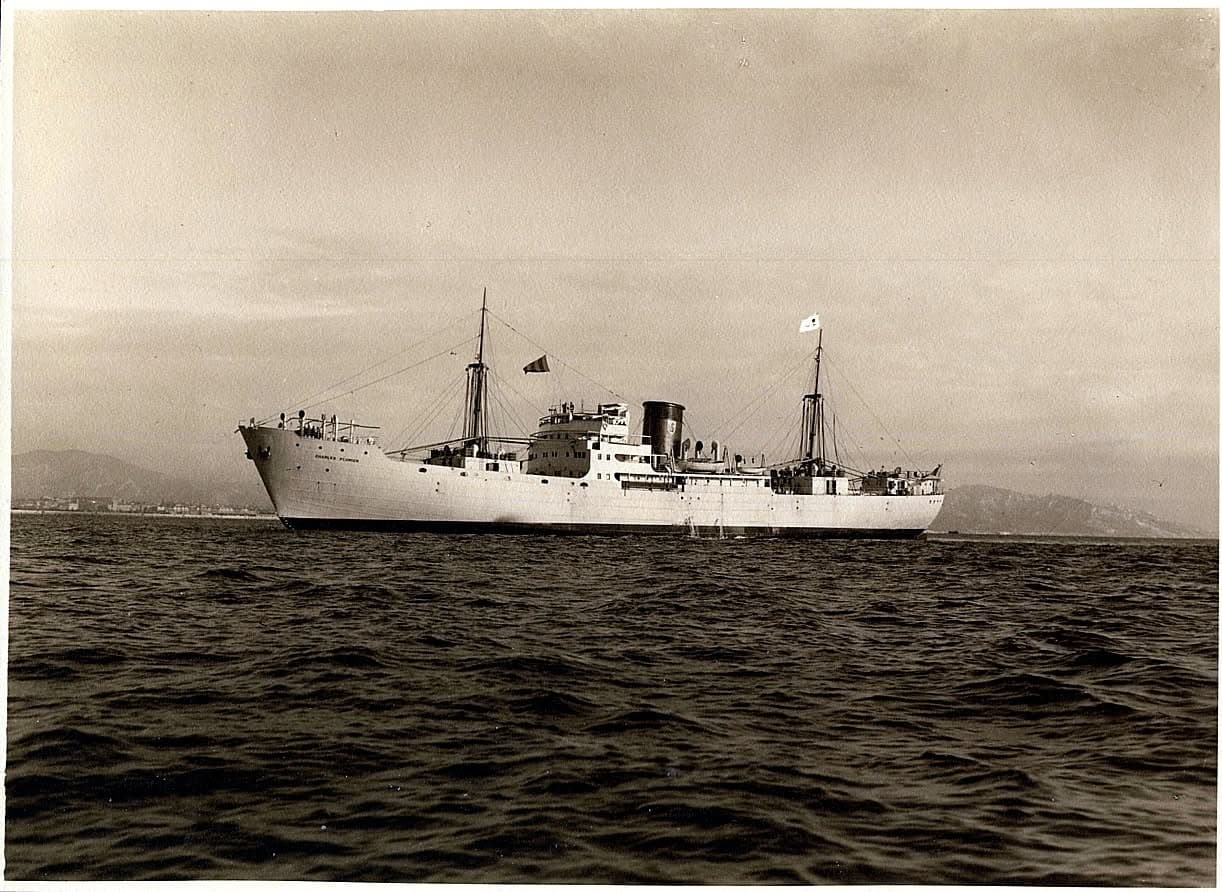
Today I’m presenting a new auxiliary cruiser of the French Navy, the Charles Plumier, also known as the X11 Auxiliary Cruiser.
At the beginning of World War II, the French Navy was one of the most modern and powerful in the world. However, it had a problem: it lacked sufficient combat units to effectively defend all of its territories, which at the time were particularly numerous. Therefore, as soon as Germany’s first hostile intentions began to emerge, ships were requisitioned into what became known as the Auxiliary Fleet. These ships were passenger and cargo vessels, freighters, or small ferries, and all received military armament and new crews, allowing them to support the existing fleet. The Charles Plumier was one of these ships.
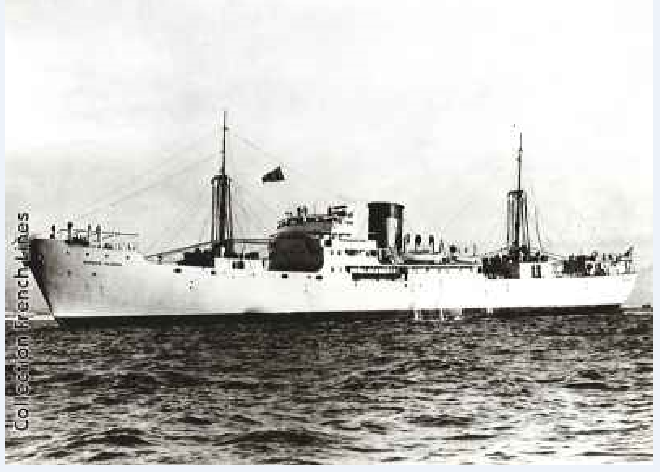
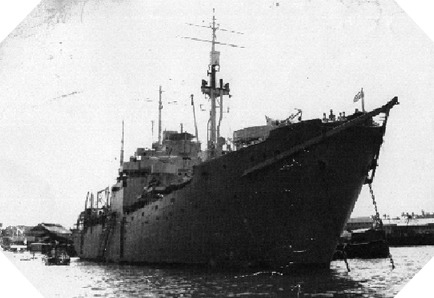
Designed in 1938 by the Port de Bouc shipyards in southern France, the Charles Plumier, a banana boat, was purchased by the Compagnie Générale des Armaments Maritimes. The ship was chartered on a route connecting metropolitan France to North Africa. In 1939, the French government requisitioned the vessel to convert it into a warship. Modified and armed for this new role, the ship was designated the auxiliary cruiser X11 and participated in various French operations. In 1940, following the surrender of France, it was decommissioned in Dakar, Senegal, and returned to its original owner. However, on its return voyage to Marseille, it was captured by the British fleet. The British then converted it into a patrol boat and renamed it HMS Largs. The ship carried out several missions during the war before being modified again to become a command and communications vessel. It was in this role that the former Charles Plumier was most used, serving as a communications relay during the Allied landings in Africa, Sicily, and Normandy, performing essential work for the success of these operations.
In 1945, the ship was returned to France and resumed its cargo transport activities, regaining its original name. It was subsequently sold to a Greek shipowner in 1964 before finally being decommissioned in 1968 and scrapped the same year.
The ship was named in honor of Charles Plumier, a French botanist and naturalist.
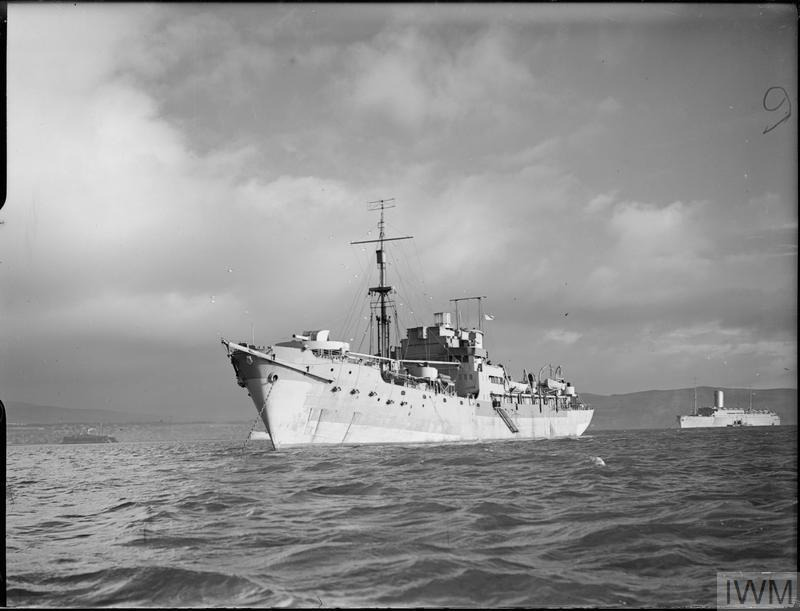
Characteristics
Length : 114.50 m
Width : 15.80 m
Draft : 5.90 m
Mass : 4500 tons
The ship is powered by two MAN diesel engines with a unit power of 2600 hp, allowing the ship to reach a maximum speed of 17 knots.
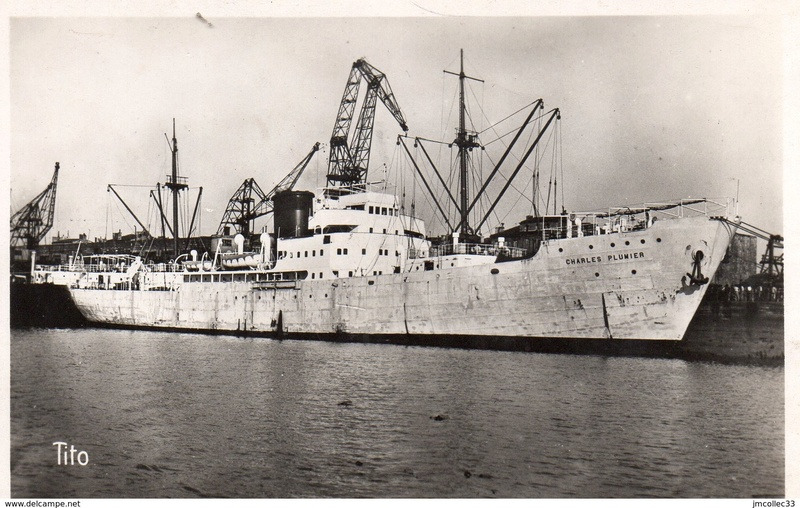
Weapons
The ship’s armament differed from that of the other auxiliary cruisers in the French fleet. While the other ships were armed with 138mm main guns, the Charles Plumier was armed with 150mm guns:
- 7 x 152mm Mle1930 guns
- 2 x 75mm guns
- 2 x 37mm guns
- 4 x 13.2mm Hotchkiss machine guns
The Charles Plumier would be an interesting addition to the French tree, providing an auxiliary cruiser with greater firepower than the rest of the ships of this type, bringing diversity to the tree and thus complementing it intelligently.
Sources
- - CHARLES PLUMIER Croiseur | Service historique de la Défense
- vol 2_151 GG²_293 GG²
- 101209_RND TTY
- Bananier | CLAUSUCHRONIA
- Les paquebots et cargos armés en guerre
- * CHARLES PLUMIER (1939/1940)
- HMS Largs – Bataille de Normandie | D-Day Overlord
- Document sans nom
- Croiseurs auxiliaires de la marine nationale