Buddy it seems you’re dealing with people who can’t use any brain cells; they probably don’t even know why different types of bullet belts exist.
3 Likes
We move to .24 and there is apparently new bomber model changes.
You simply have taken the study out of context. The table that you are using to claim that the study concluded that it took x amount of rounds is actually just a list of how many times they hit various components on different airplanes, which is what they used to form some of their conclusions.
If you actually read the study you will see that in their own test firing that they made around 10 A-Kills and 14 B-Kills due to structural damage alone with only a total of 60 hits of Mk.108
They weren’t slamming rounds through the same exact area of a single airplane at point blank range like has been demonstrated here. Their kill probability figures are based on random distribution of individual shots.
1 Like
Test the new changes, it looks like bombers we’re weakened, Phoenix now kills for example.
Have dedicated strike bases where for example 5x1000lb bombs are enough and have bomber bases that won’t even register damage from strike planes and are visible only to bomber pilots as bombers were meant to carpet bomb areas and not instantly drop their payload (they weren’t even capable of it)
After the retuning of the bomber DM, tails feel way too weak now
It’s easy enough to destroy engines now so that will be a viable way to bring them down and making their tail harder to destroy will require players to actually aim for the engines instead of spraying
1 Like
After seeing that they have broke again the DM and bombers are now glass again (could not test it still downloading) why your reference is about killing bombers with a Phoenix?
1 Like
Because that was a complaint from the first dev update; you couldn’t kill a B-17 with a Phoenix missile.
I agree, I’d prefer if the tail section was split into the tail, vertical stabiliser and horizontal stabilisers.
3 Likes
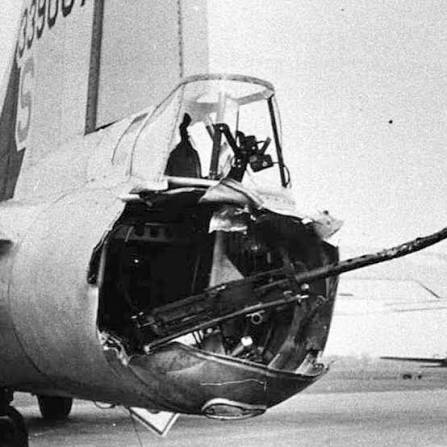
Dont forget the tail cone! You can snap it off wihout major inconvenience
1 Like
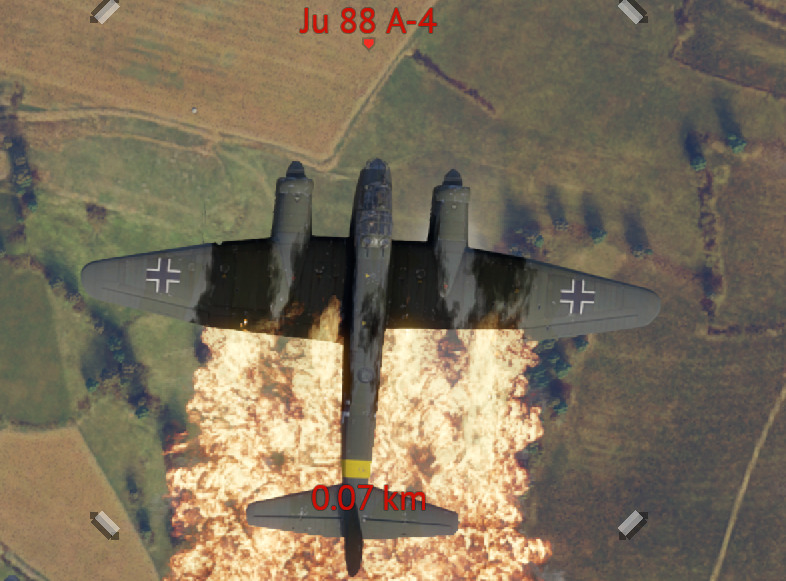
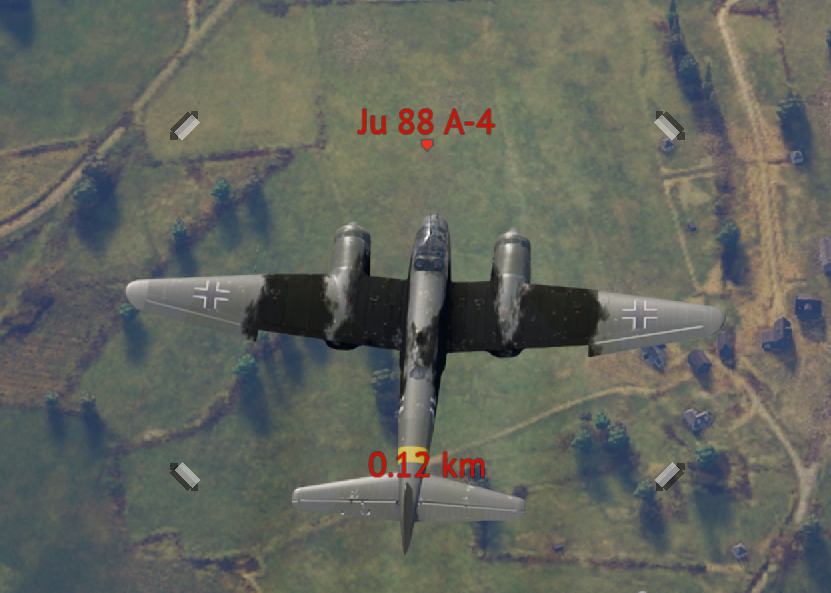
I’m not familiar with WW2 history, but does this feel right?
5 Likes
Yes, self-sealing fuel tanks and fire extinguishers were already widely used on bombers of that era.
4 Likes
Sorry I gave too little information. This screenshot means that the fire on this bomber went out before it was completely destroyed because all the fuel had burned up. After that, it lost power and crashed.
I’m good with cannons but why are they tanking direct hit with Zunis and collisions?
Why shouldn’t?
A direct hit doesn’t mean that they should to insta explode
What I don’t understand is why this kind of equipment is even being debated, considering it belongs to a completely different era and BR. It’s not something they’re going to encounter except in exceptional cases (B52/TU95 uptiered).
I understand that it’s possible the AI-controlled bombers are carrying very little fuel.
1 Like
AIM-54 could always kill. The problem was that the radar would view the three B-17’s together as one big contact and the missile would often explode between them.
3 Likes
What saddens me is that, in practice, bombers have been unplayable for years. You spawn in, slowly make your way towards a target, and most likely a fighter will climb up to intercept you. Your bomber’s gunners either don’t fire until the enemy is already too close, or don’t fire at all, and then a short burst is enough to rip off your tail or a wing before you’ve even had a chance to score any points. Personally, I’ve been waiting for years for this situation to be fixed so that I can finally fly these wonderful aircraft and enjoy them the way they were meant to be enjoyed. It would be a shame if this long-awaited solution were to disappear simply because some players like to take advantage of how vulnerable these aircraft are to farm easy points.
9 Likes
Blame Gaijin’s visuals for this. Especially for aircraft, the effects are quite exaggerated. In reality, a self sealing fuel tank wouldn’t burn unless the self sealing mechanism is compromised. A self sealing fuel tank contains layers of rubber materials. When a hole is made, fuel leaks out, the rubber material expands as a reaction to the fuel and seals the gap. There is usually an inert gas system that removes oxygen from the tank to prevent combustion too.