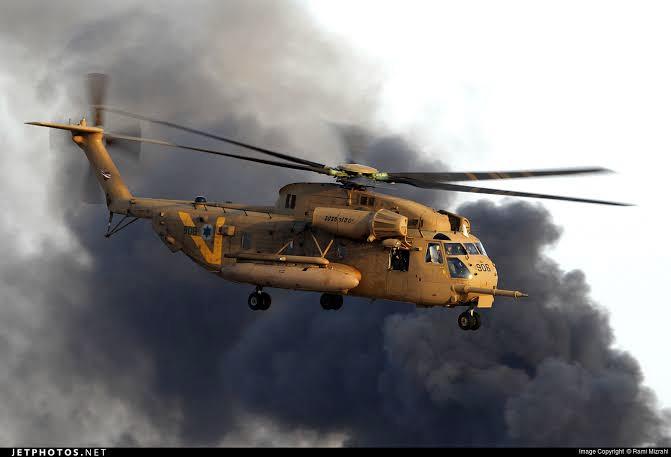
- Yes
- No
CH-53D history:
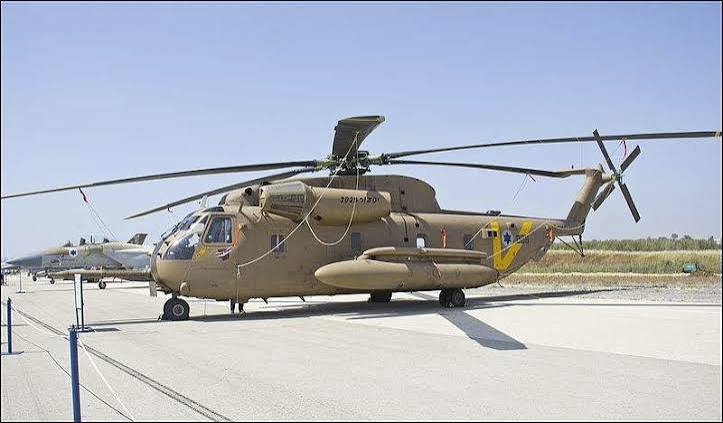
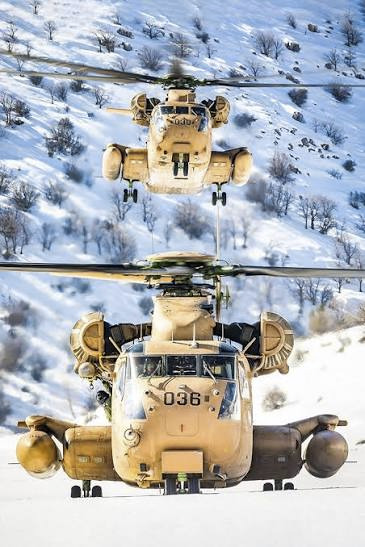
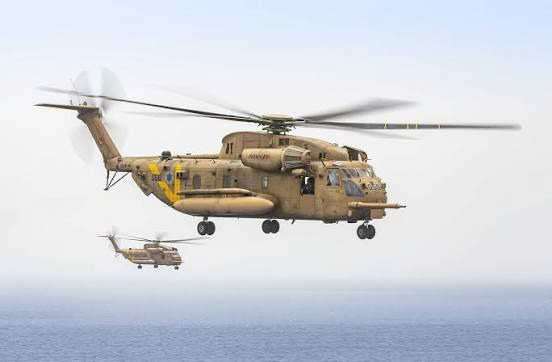
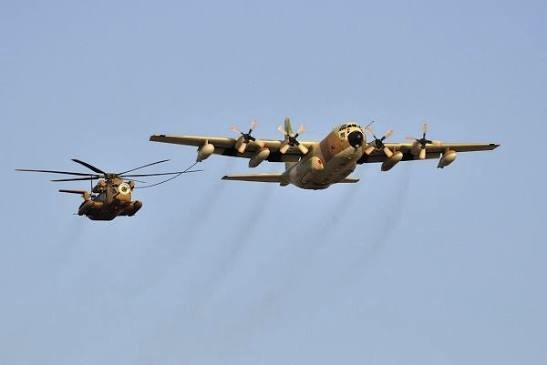
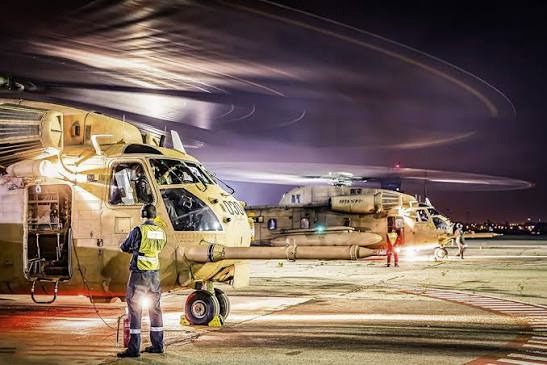
The CH-53D Sea Stallion (1969) its a US made heavy transport helicopter, by the american company Sikorsky Aircraft, a modernized variant from the original CH-53A, that entered service in 1966 as a replacement for the CH-37 Mojave for the USMC. The main difference between the CH-53D and the CH-53A its a more powerful engine (new engines boosted power to 3,925 horsepower per engine) and upgraded internal cargo system (1,000 pound increase over the CH-53A, and so carry more troops).
In August 1968, an israeli delegation was sent to the Sikorsky factory in Connecticut, USA; seeking a replacement for their old SA-321 Super Frelon, the delegation sent by the IAF had as requirement for a heavy lifting helicopter, high maneuverability and survivability, enough to withstand many hits from varius proyectile calibers. The decisition was between the Boeing’s CH-47 Chinook and the Sikorsky’s CH-53D, at the end the CH-53D was selected as part of the knowledge obtained from the Six Day War, this helicopter fitted more their needs.
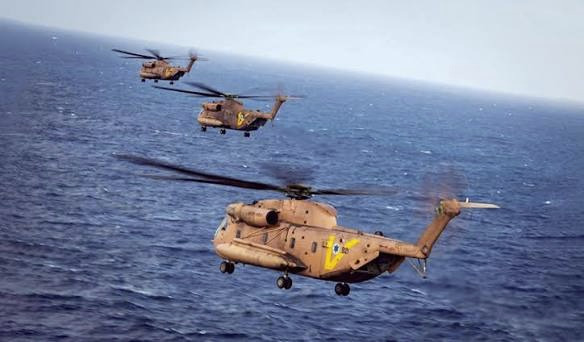
During the War of Attrition, September 1969, the first two Sikorsky CH-53D helicopters arrived at the port of Ashdod, and were named Yas’ur (as a type of sea-bird), and both were quickly put into service. On August 6, 1970, the first Yas’ur squadron was founded (118th “Night Riders”).
Shrotly, in the same year of 1970, the two helicopters took part in the Operation “Rooster 53”, its goal was to transport captured modern soviet P-12 radars, that were already secure by israeli paratroopers, from Ras Ghareb, Egypt, to Israeli territory for further inspection (One CH-53D carried the communications caravan and the radar antenna, while the other took the heavier, four-ton radar itself) .
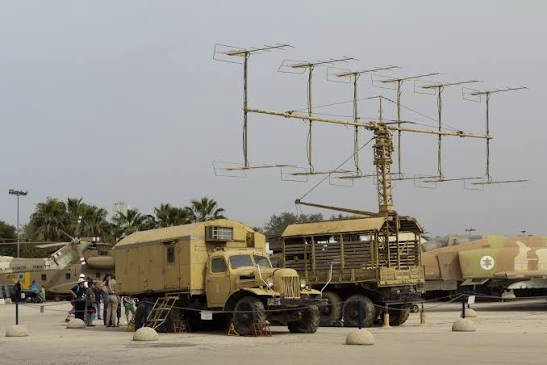
Near the end of the War of Attrition, June 30, 1970, a single Yas’ur was sent to rescue a downed Phantom navigator over the Egyptian front. The rescue was a success, and the CH-53D proved itself surviving to egyptian anti-aircraft fire.
During the Yom Kippur War, October 6, 1973, the Yas’ur helicopters were deployed to the Rafidim Air Force Base. During the war, these helicopters particiapated in hundreds of rescues, evacuations (many downed pilots/navigators) and transport missions to Syria and Egypt, not only infantry, but also artillery batteries.
The Yas’ur has an extensive service history, having participated in every Israeli armed conflict from 1973 to the present (so to avoid making a huge wall of text obviusly Im not going to mention all); it is expected to remain in operation, with new, modernized CH-53K “Pereh” units being acquired and no plans for its replacement in the near future. Consequently, two modernization programs were carried out: the first was the “Yas’ur 2000”, conducted in the 1990s (by IAI and Elbit), which extended the service life of the original airframes by upgrading avionics, adding night-vision equipment, and reinforcing the structure; and the “Yas’ur 2005”, which integrated warning systems and extended maintenance capabilities.
Armament history:
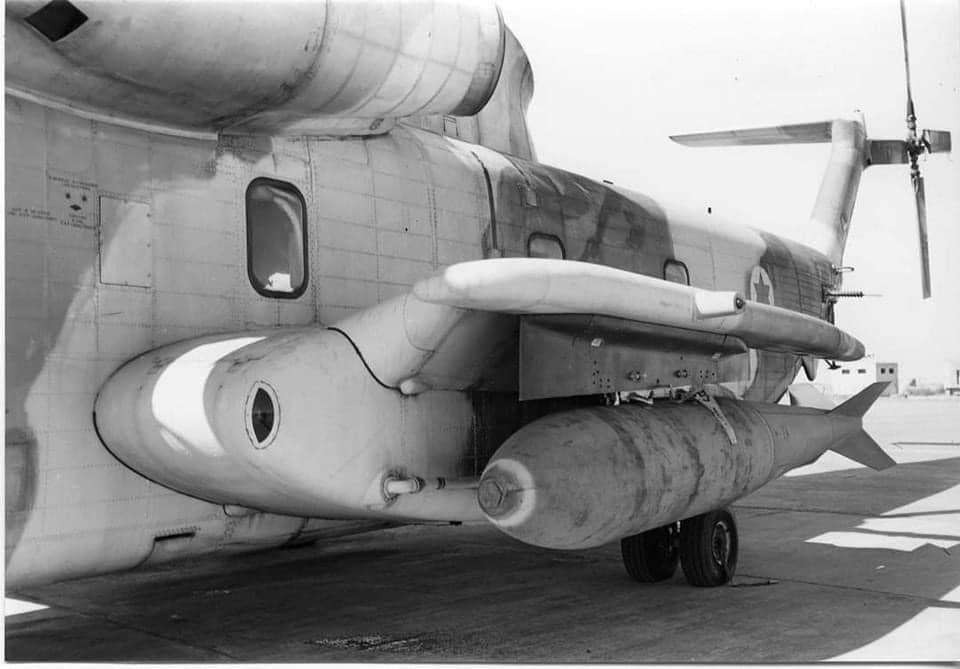
The israeli CH-53D Yas’ur helicopter first appearence of offensive armament was the M118 3,000 lb demolition bomb, being able to carry 1 in each wing (2 total), taking the place of the side external fuel tanks. The two photos available were traced back to The War of Attrition (1967–1970). With very little information about it, and if its been used in active combat (very unlikely).
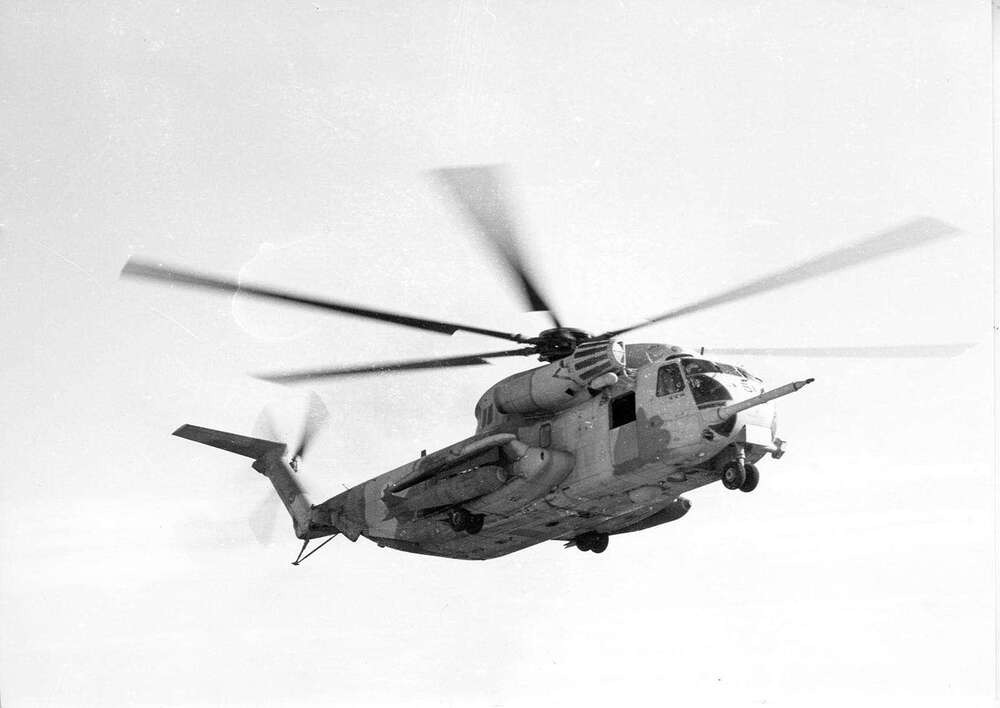
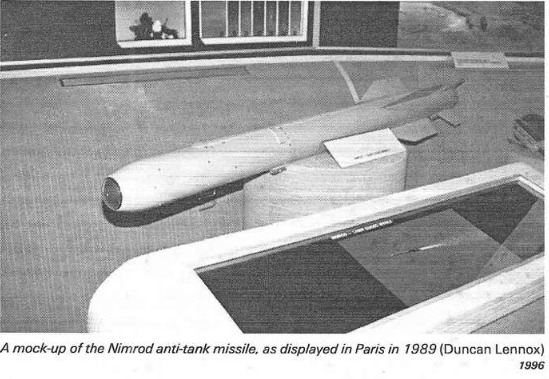
Nimrod (?)
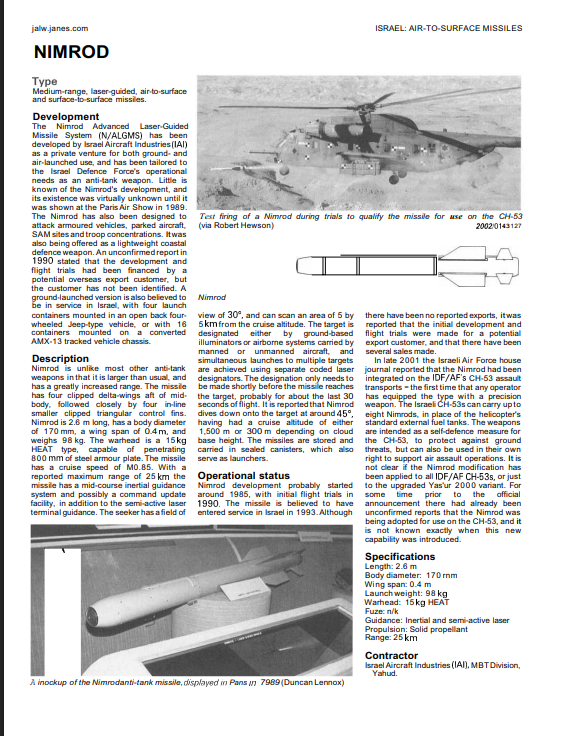
The NIMROD its a surface-to-surface/air-to-surface missile developed by Israel Aircraft Industries (IAI), in a try to fulfill the IDF needs for an anti-tank missile. It first apeared during the Paris Air Show in 1989, first succesful flight tested in 1990, and with its development unknown. This weapon was ment to be carried by heavy lifting helicopters, and was actually tested on the israeli CH-53D in 2001, with a clear serial number “245”.
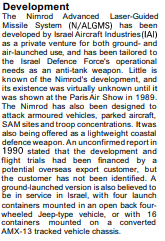
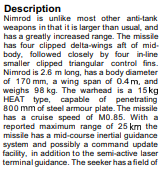
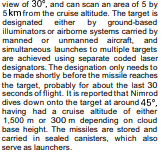

The Nimrod missile did not have any popularity during the israeli service, seeing no conflict and just used for tests and export market. Though, it was succesful in the Colombian Army, used with ground platforms and being fired and standoff ranges, with the targets being buddy lase.
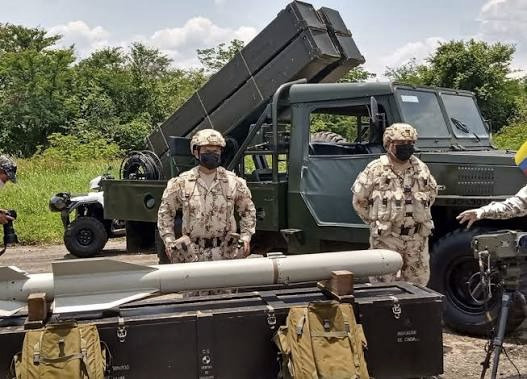
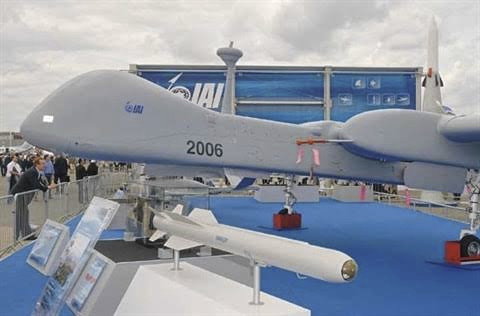
Also there its the Nimrod SR, known as LAHAT, that its being offered in the international market.
Now you may thinking why this section its foldered and with a (?), well thats because its unsure if the IAF installed a laser designator and gunner optics in the Yas’ur to be able to guide them, or just tested as buddy lasing. Due to this little information, its probable it will not be added with this armament.
Though, in the Janes article, it states “The weapons are intended as a self-defense measure for the CH-53”, so it brings the question, how is it really a self deafense weapon if you have to rely on other units to be able to use it?? If it is truly a buddy lase system, then shouldn’t it describe it as a standoff weapon?? Well this are just assumptions of mine with not really any source to back it.
Specefications:
- Length : 26.87 m
- Height : 7.59 m
- Empty Weight : 10,740 kg
- Cruise Speed : 280 km/h
- Maximum speed: 310 km/h
- Ceiling : 6,400 m
- Range : 1,000 km
- Engine: 2 × General Electric T64-GE-413 turboshaft
- Rotor system: 6-bladed main rotor and 4-bladed tail rotor
- Crew : 2 pilots
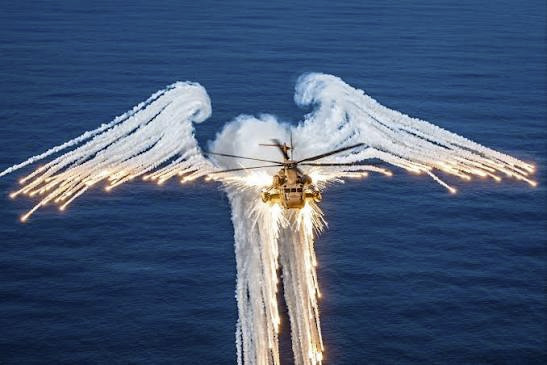
- Countermeasures: 60 - 120 flares/chaffs (depending configuration)
- Armament: 2 x Nimrod pods (4 missiles each) / 2 x M118 3,000 lb bombs
Nimrod
- Effective range: 25 km
- Length: 2.60 m
- Diameter: 170 mm
- Wingspan 400 mm
- Weight: 98 kg
- Warhead: 15 kg
- Speed: ~1000 km/h or Mach 0.8
- Propulsion: Single stage solid-propellant rocket motor
- Guidance: Inertial and semi-active laser homing
- Warhead: High explosive Anti Tank (HEAT)
- Cruise altitude: 1,000 ft
- Dive angle: Up to 45 degrees
More pictures
Sources
https://www.iaf.org.il/208-18304-en/IAF.aspx?indx=3
Nimrod (missile) - Wikipedia
IAF Aircraft Inventory: Sikorsky CH-53 Sea Stallion (Yas’ur) Helicopter
ATGM Nimrod (Nimrod)
https://www.history.navy.mil/research/histories/naval-aviation-history/naval-aircraft/current-aircraft-inventory/ch-53d-sea-stallion.html

