- Yes
- No
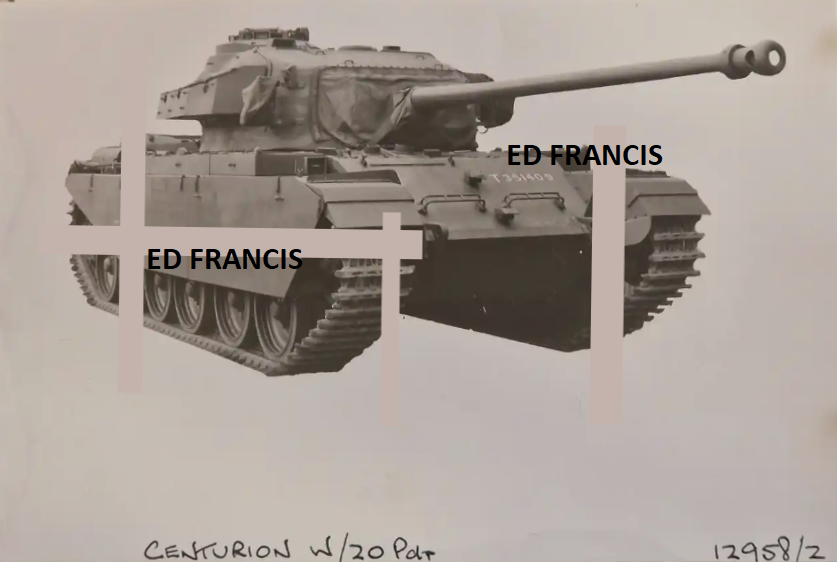
Cheers to Ed Francis for finding the photographs for this one, buried deep in the National Archives.
Introduction
Early Centurion History
The development of the Centurion began in 1943, as a response to the immediate threat posed by German heavy tanks, such as the Panther and Tiger. British tank doctrine at the time relied on cruiser tanks for mobility and infantry tanks for protection, but neither could effectively match German armour in both firepower and survivability. Interim, improvised solutions, such as the Challenger and Sherman Firefly were adopted, but a purpose-built solution was needed. To address this, the General Staff issued specifications for a new heavy cruiser tank, designated A41, which combined thick, sloped armor with a 17-pounder gun, and, potentially most importantly, abundant capability for future upgrades. The earliest designs and prototypes, designated P1 - P-15 (later only P1 - P10), incorporated a Polsten 20mm cannon as a secondary armament for engaging lightly armored vehicles and infantry. Vickers-Armstrong was chosen to lead the project, and despite wartime resource constraints, the first prototype was completed in early 1944.
Production of the first ten prototypes was carried out under wartime urgency, with the goal of deploying them to mainland Europe. By February 1945, these vehicles were undergoing final assembly. The Polsten 20mm cannon, initially included for additional firepower, was mounted in the turret but was later deemed unnecessary and removed in subsequent versions. By April 1945, the first six Centurion prototypes were shipped to Belgium for field trials, but with the war in Europe ending in May, they did not see combat. The remaining four were completed shortly thereafter and used primarily for evaluation and refinement of the design. Despite some thing issues, this field testing proved to be a resounding success, and soon after an order was placed for 800 tanks, the first 100 of which were to be A41*, or Centurion Mk 1.
Following the trials and introduction of the Centurion Mk 1 & 2 in 1945/46, both armed with the 17pdr, it was already recognised that an increase of firepower was a necessity for the tank. While the 17pdr was among the best of the Allied tank guns to see service in the war, especially once the flaws of the sabot ammunition were ironed out, this was a period of rapid advancements in firepower and the British were not to be left behind.
This increase in lethality was to be provided by Britain’s newest tank cannon, the 20pdr, which had emerged victorious from the battle royale of British wartime cannon projects, including the 28pdr, the 32pdr, the 37pdr, and the rather monstrous 55pdr. All things considered, retrofitting the 20pdr proved relatively easy - the Centurion had been designed from the outset to be a highly upgradeable machine. The ready rack and casing collection basket had to be rearranged because the breech sat further back in the turret, and a few other changes were made, but in short order a design for the 20pdr was finalised, and in 1947 the Centurion Mk 3 was born.
This suggestion is for essentially the earliest possible Centurion Mk 3, as produced in 1947. This would be unique compared to the later Centurion Mk 3 in-game in several ways. Firstly, the earliest 20pdrs were available without APDS ammunition, whilst a modified 20pdr, designated the 21pdr, was designed in order to facilitate the development of the sabot.
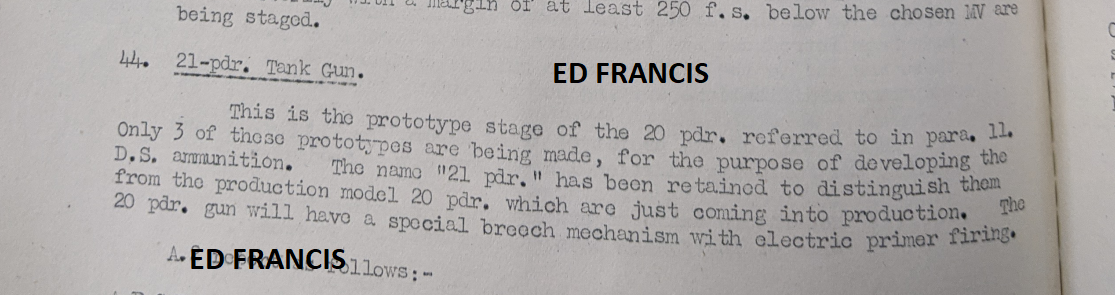
Second, the very earliest gun laying equipment fitted to Centurion Mk 3s, the FV/GCE No. I Mk 3, was not stabilised.
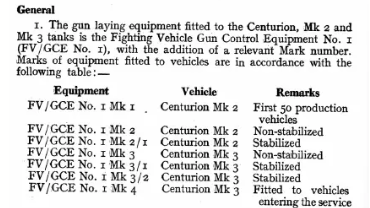
And finally, an important visual distinction, identifying this tank as one of the first, if not the very first, 20pdr Centurion Mk 3s, is the very unique single baffle muzzle brake on the 20pdr, a transitional design halfway between the double baffle 17pdr and the later Type A 20pdr.
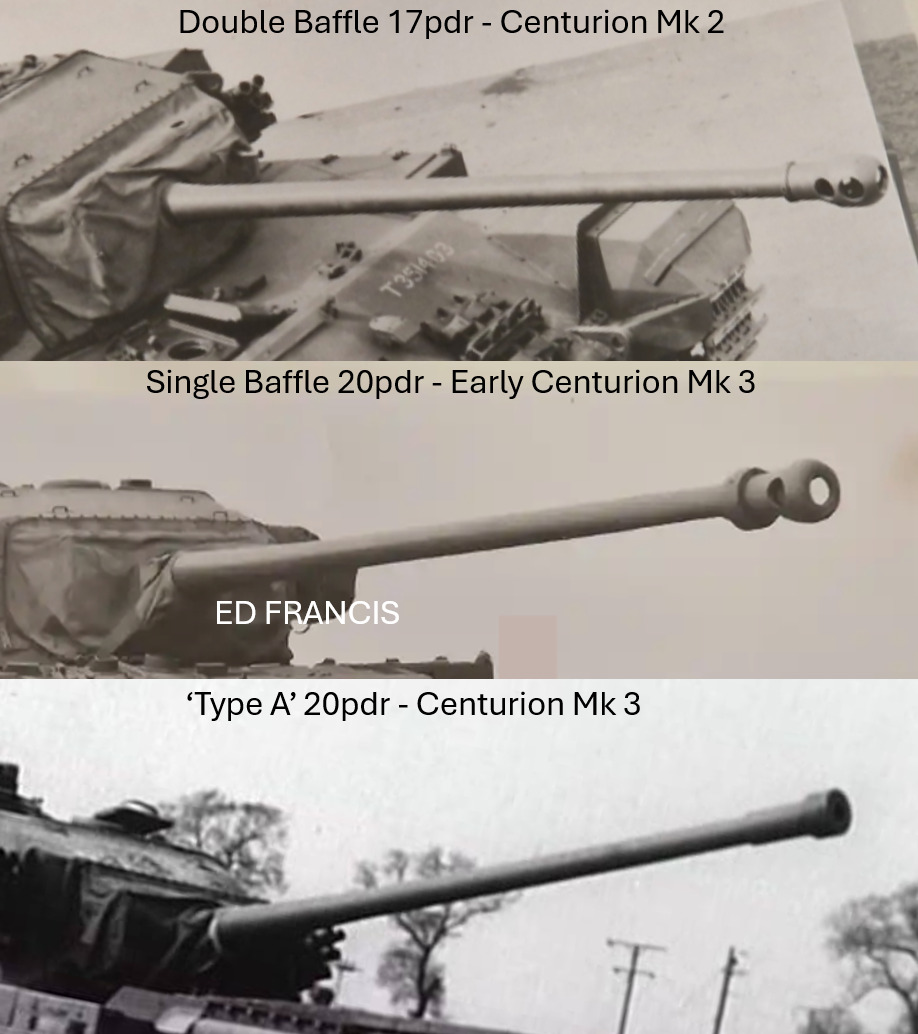
So, in summary, this vehicle would be a very early Centurion Mk 3, with no stabiliser and no APDS, meaning from an in-game perspective it would be broadly equivalent in protection and firepower to the usual suspects at 6.7 - the Tiger IIs and the various US heavies, an area badly in need of attention with the current gap in Centurion between 6.0 - 7.7 (no, the Conway doesn’t bloody count). Alongside this, the unique 20pdr would be an ideal way for the tank to be visually distinguishable so opponents can tell what variant they are actually fighting, while also being a unique historical nod to a very elusive British tank.
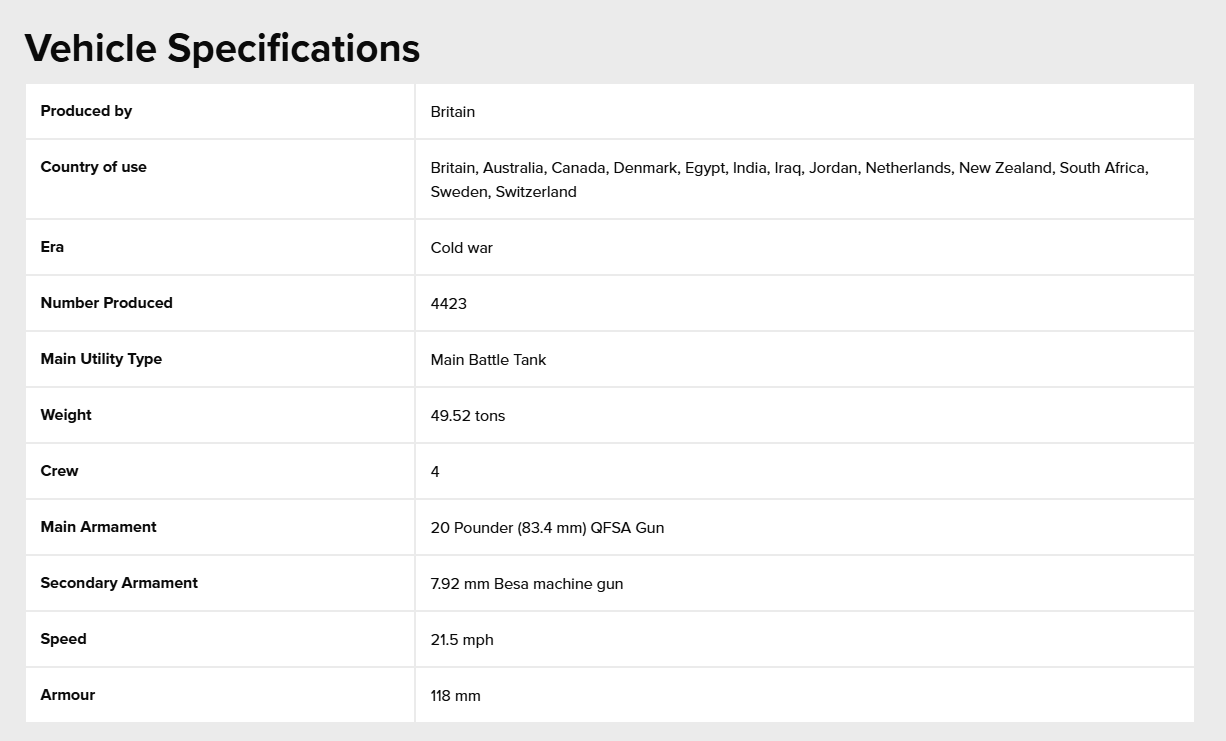
Specifications
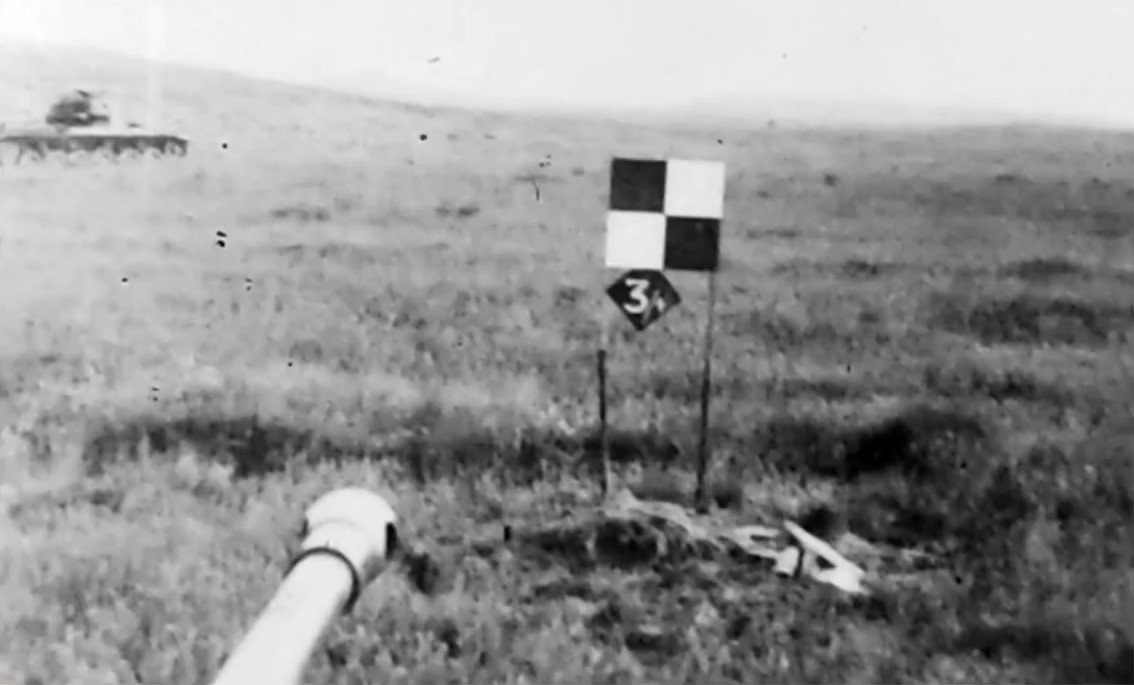
Images

Sources
Spoiler
Centurion Mk 3 Pictoral File, National Archives, Kew - once again cheers to Ed Francis for digging this one up
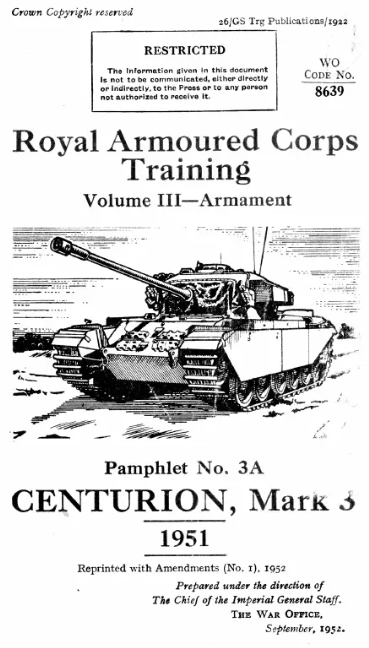
Centurion Mk 3 Armament Pamphlet - Cheers to Jarms for this one