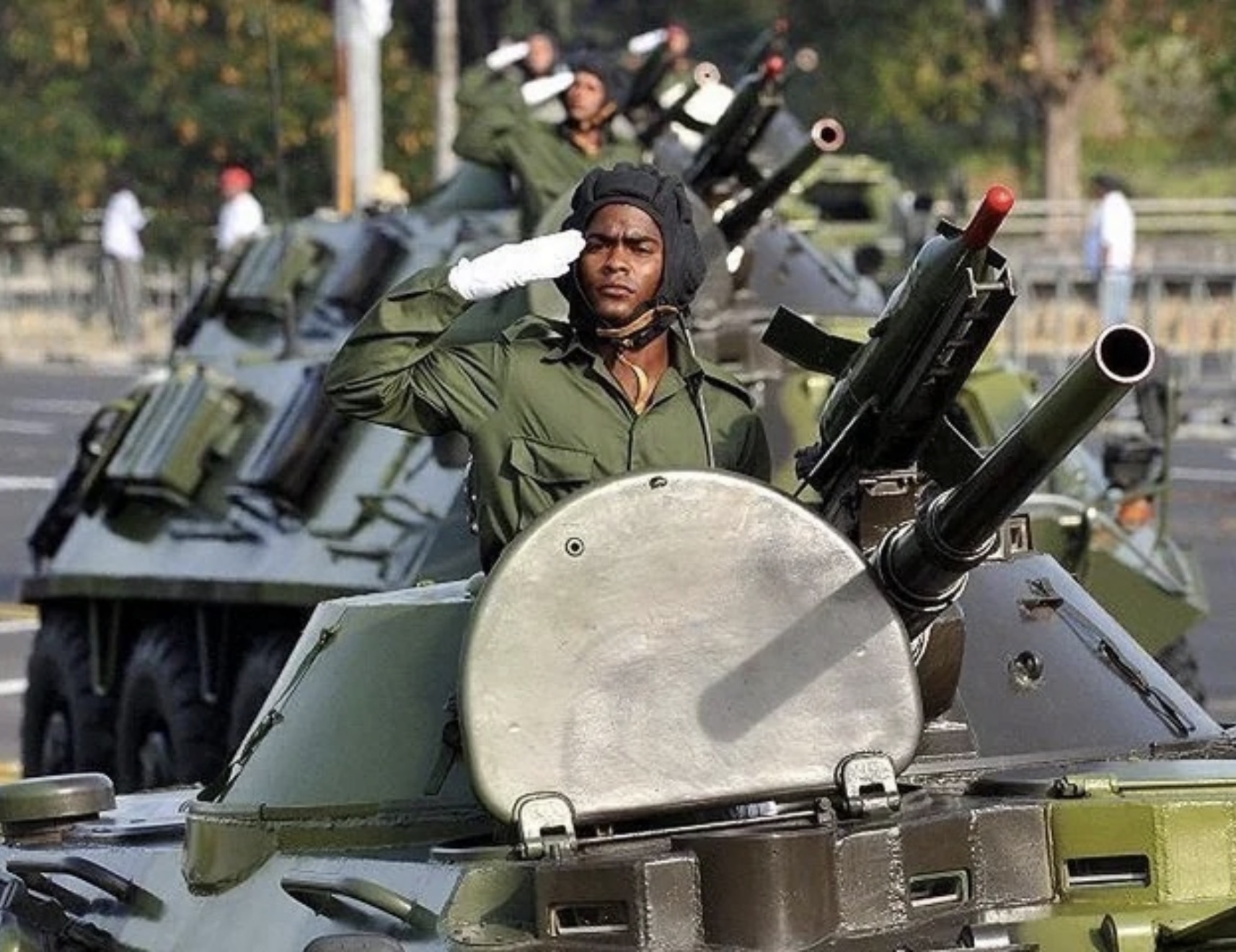
Would you like to see CBI-73M in-game?
- Yes
- No
0
voters
CBI-73M (BTR-60-73M)
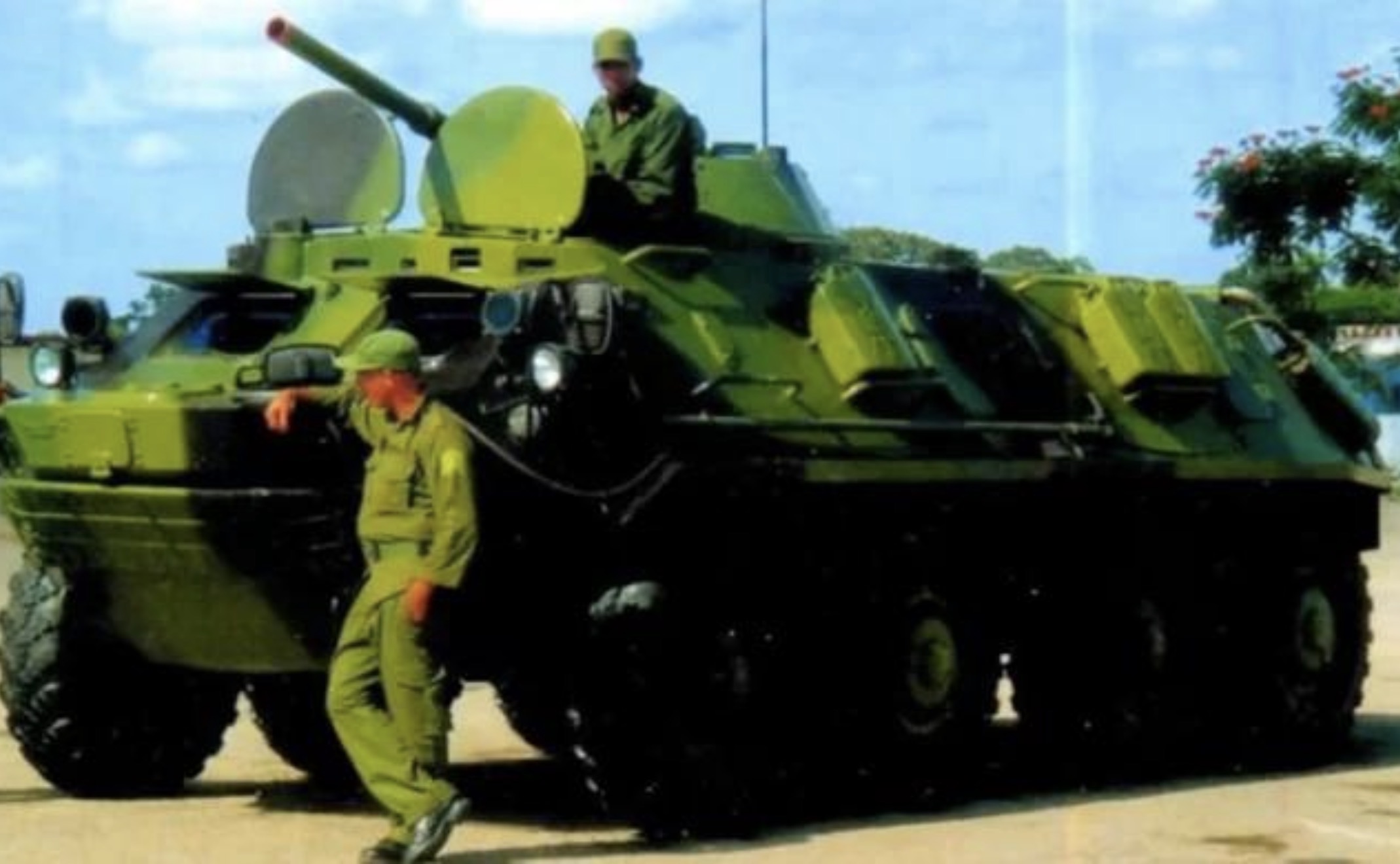
Introduction
The BTR-60-73M , also known as the CBI-73M, is a Cuban infantry fighting vehicle created by combining the hull of the Soviet BTR-60PB armored personnel carrier with the turret of the BMP-1 infantry fighting vehicle. The conversion transformed the BTR-60PB from a conventional armored personnel carrier into a wheeled infantry fighting vehicle. The vehicle gained a 73 mm 2A28 Grom cannon, a coaxial PKT machine gun, and the capability to mount an anti-tank guided missile launcher.
Perhaps the most important aspect of this vehicle for War Thunder is its unique twin-engine layout. Each engine powers four wheels independently. If one engine is knocked out, the other remains operational, allowing the vehicle to continue moving instead of being completely immobilized. This would be a unique and highly interesting gameplay mechanic, giving the BTR-60-73M a level of survivability rarely seen among other vehicles in the game.
I believe this is an excellent way to represent the BTR-60 in War Thunder, as the original BTR-60s lack the firepower to be pushed into higher tiers, while they would feel out of place in lower tiers.
History
Spoiler
The BTR-60 was developed in the Soviet Union during the late 1950s as a replacement for earlier wheeled armored personnel carriers such as the BTR-152. It introduced an 8×8 amphibious layout that became characteristic of later Soviet BTR designs. The vehicle was intended to transport motor rifle infantry across the battlefield while offering protection against small-arms fire and artillery fragments. The BTR-60PB was the most important production version of the family. Entering service in the mid-1960s, it introduced a fully enclosed turret armed with a 14.5 mm KPVT heavy machine gun and a coaxial 7.62 mm PKT machine gun . This gave the vehicle significantly better firepower and protection than earlier open-topped versions. The BTR-60PB was powered by two gasoline engines and retained amphibious capability, allowing it to cross rivers and other water obstacles without preparation. The type was produced in large numbers and exported widely during the Cold War. It became one of the standard armored personnel carriers used by Soviet-aligned states, including Cuba.
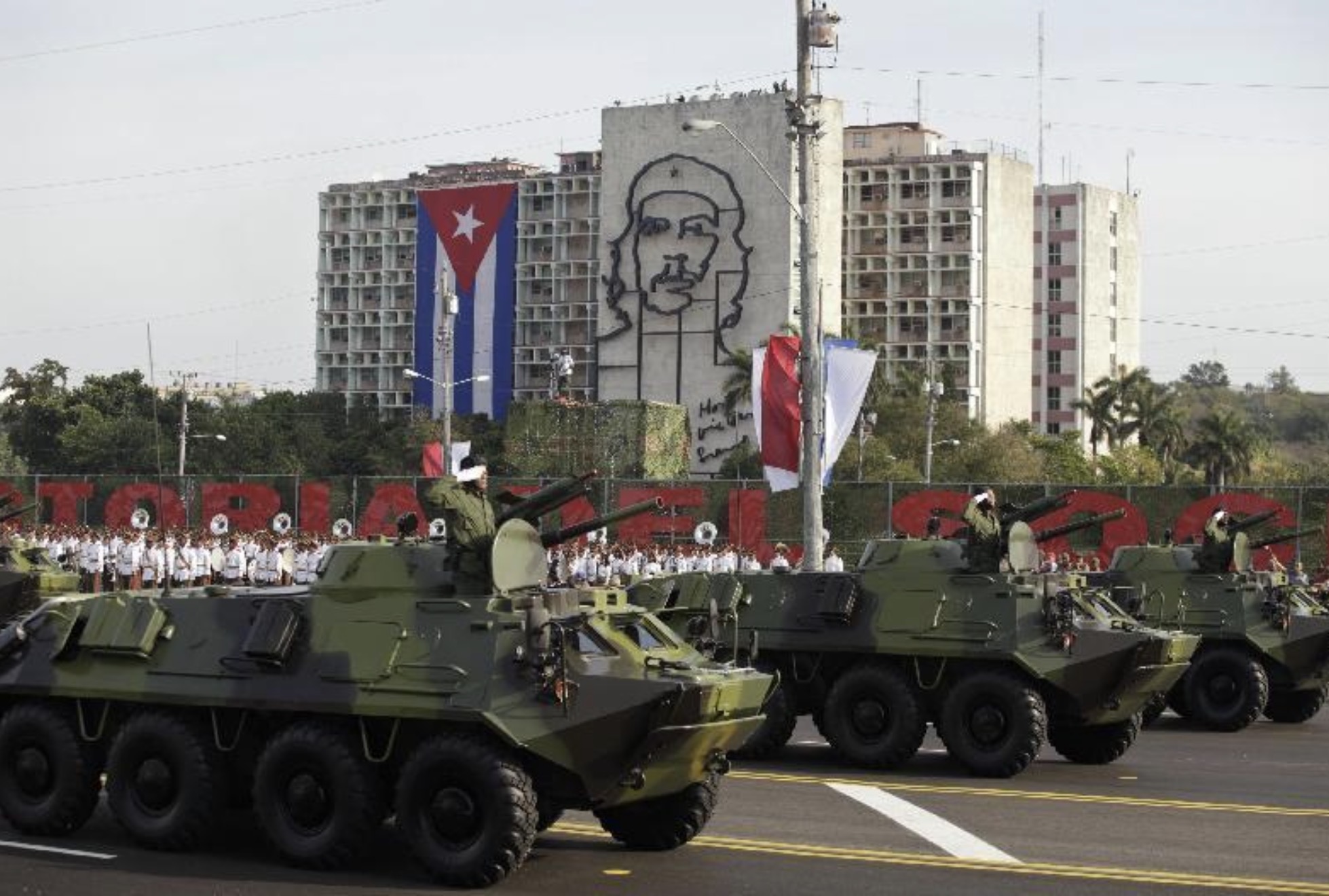
Cuba received large quantities of Soviet military equipment after the Cuban Revolution, especially as military relations with the USSR deepened during the 1960s and 1970s. The BTR-60PB became an important part of the Cuban Revolutionary Armed Forces, serving alongside T-54/55 tanks, BMP-1 infantry fighting vehicles, BRDM reconnaissance vehicles, artillery, and air-defense systems. They formed part of Cuba’s mechanized forces and were used during overseas deployments, most notably in Africa. Cuban forces operated Soviet-supplied armor in Angola. After the collapse of the Soviet Union, Cuba could no longer rely on the same level of spare parts, replacement vehicles, or technical support. This forced the Cuban military to preserve and modernize the equipment it already possessed. During this period, Cuban engineers developed a wide range of local conversions based on existing Soviet vehicles. The BTR-60 chassis became especially useful because it was available in numbers and could accept many different weapon systems.
Development and Design of the CBI-73M
Spoiler
As a result of their experience in Angola, the Cubans were among the first to understand that mobility was often the key to survival. This led them to launch a broad modernization campaign aimed at making otherwise static or less mobile weapon systems far more mobile. A number of BMP-1 hulls were repurposed to carry artillery guns, which required their original turrets to be removed. However, the BMP-1 turret still offered far greater firepower than the standard BTR-60 turret. Rather than letting these turrets go to waste, the Cubans made a practical decision: they mounted them onto available BTR-60 chassis. The result was this vehicle: a fast wheeled fire-support machine that combined the mobility and simpler maintenance of the BTR-60 with the much heavier armament of the BMP-1. In many ways, it was a smart Cuban solution. Unlike the BTR-60’s machine guns, which could be readily reused by infantry or mounted on other vehicles, the BMP-1’s 73 mm Grom cannon had little practical use once removed from its original vehicle.
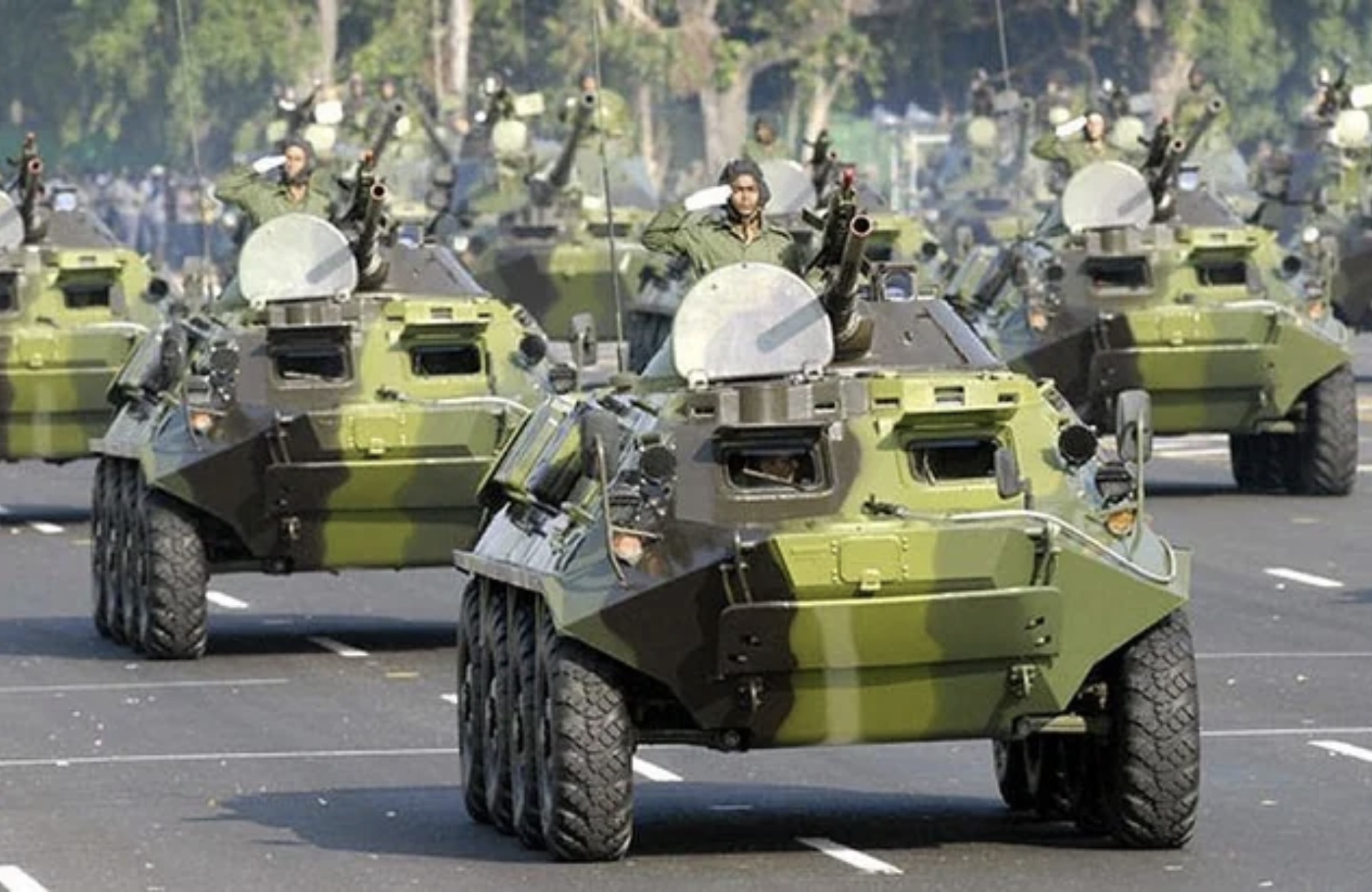
The Cuban design may also have been inspired, either directly or indirectly, by the Soviet GAZ-50 project. Developed during the early 1960s, the GAZ-50 was an experimental wheeled infantry fighting vehicle that combined an 8x8 chassis with the newly developed BMP-1 turret. The concept was intended to provide anti-tank capability on a faster, cheaper, and more strategically mobile wheeled platform. However, the project was ultimately abandoned in favor of the tracked BMP-1, which offered superior cross-country mobility and better protection.
Specifications
Spoiler
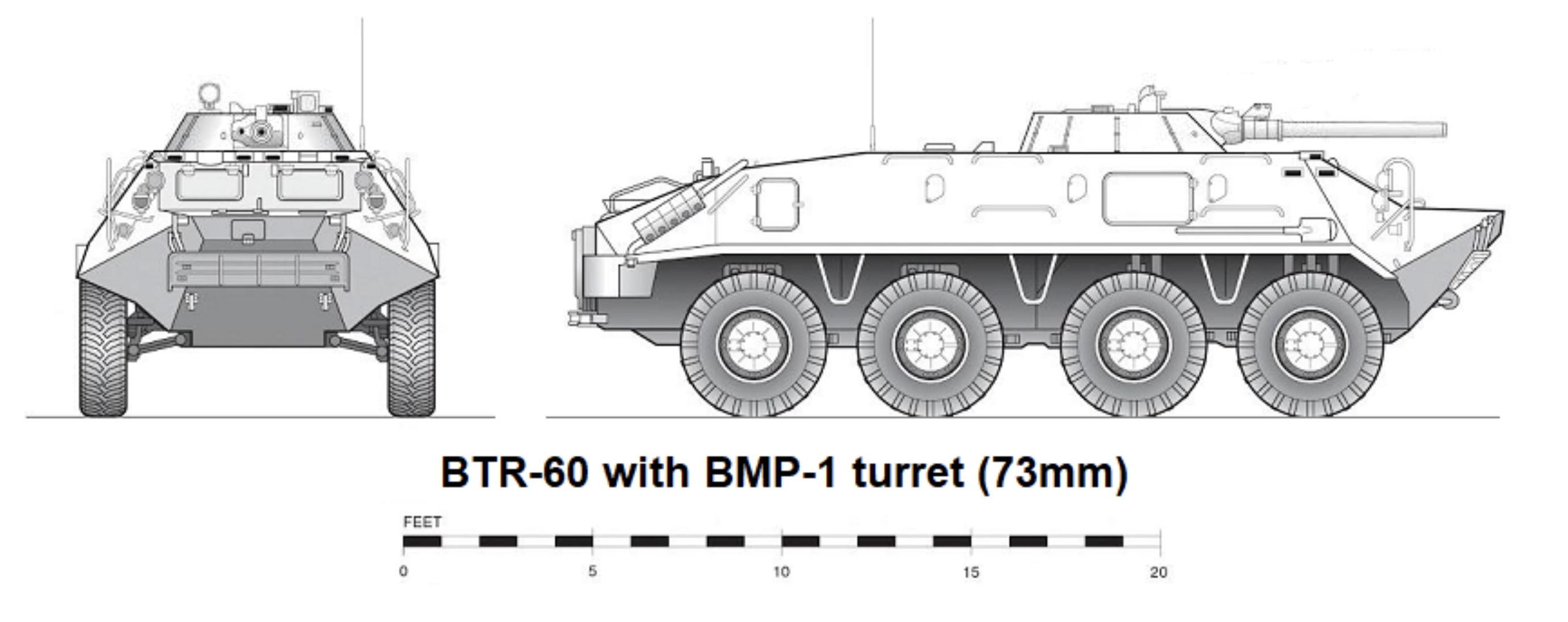
| Characteristic | Details |
|---|---|
| Designation | BTR-60-73M / CBI-73M |
| Country of origin | Cuba |
| Base vehicle | BTR-60PB |
| Role | Wheeled infantry fighting vehicle / fire-support vehicle |
| Crew | 3 |
| Troop capacity | Estimated 6 personnel, likely cramped due to the BMP-1 turret basket and ammunition stowage |
| Main armament | 73 mm 2A28 Grom smoothbore gun |
| Secondary armament | 7.62 mm PKT coaxial machine gun |
| Missile armament | HJ-73-type ATGM |
| Armor | Welded steel, light protection only |
| Engine | Two GAZ-49B gasoline engines inherited from the BTR-60PB, each producing around 90 hp |
| Total power output | Around 180 hp combined |
| Transmission layout | Twin-engine drivetrain, with each engine powering four wheels |
| Mobility feature | If one engine is disabled, the vehicle may still be able to move using the remaining engine |
| Drive | 8×8 |
| Maximum road speed | Approximately 80 km/h in original BTR-60PB form; likely slightly lower after turret conversion |
| Operational range | Approximately 500 km on road in original BTR-60PB form |
| Amphibious capability | Likely retained |
| Water propulsion | Water-jet propulsion inherited from the BTR-60PB |