Would you like to see CBAF-100 in-game?
- Yes
- No
0
voters
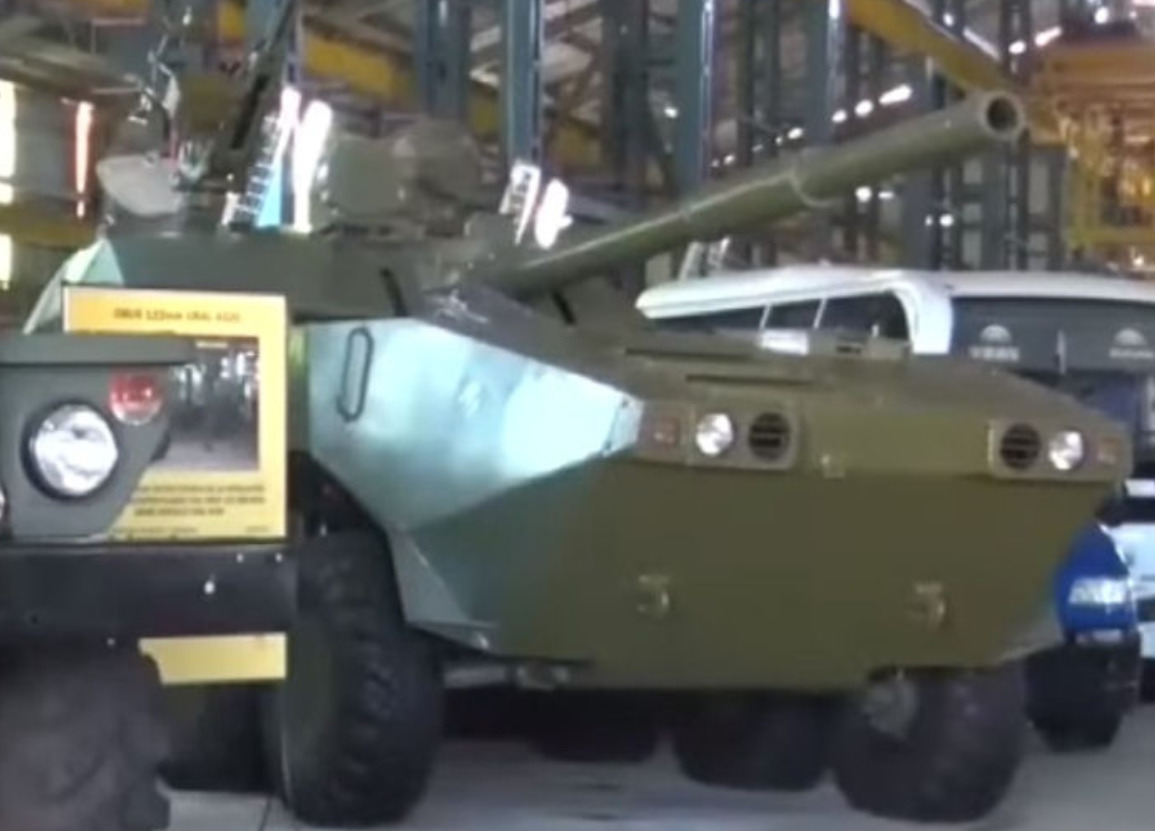
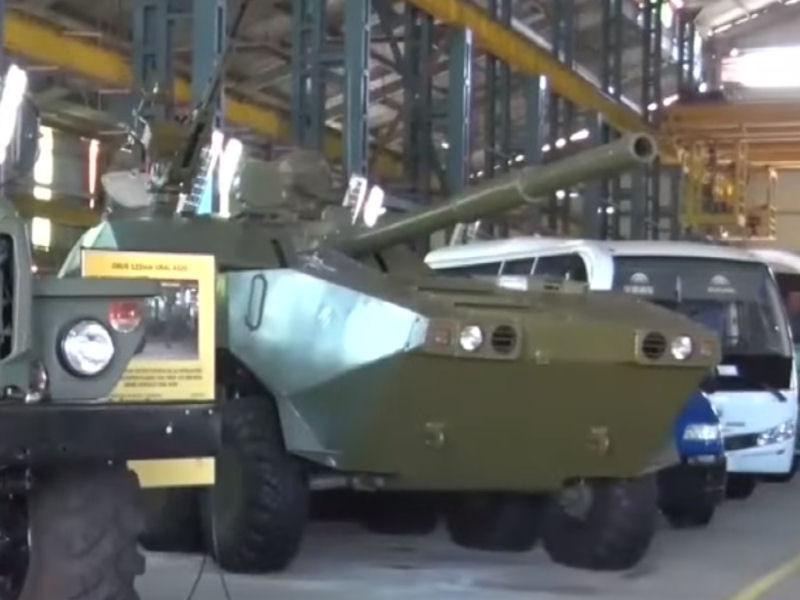
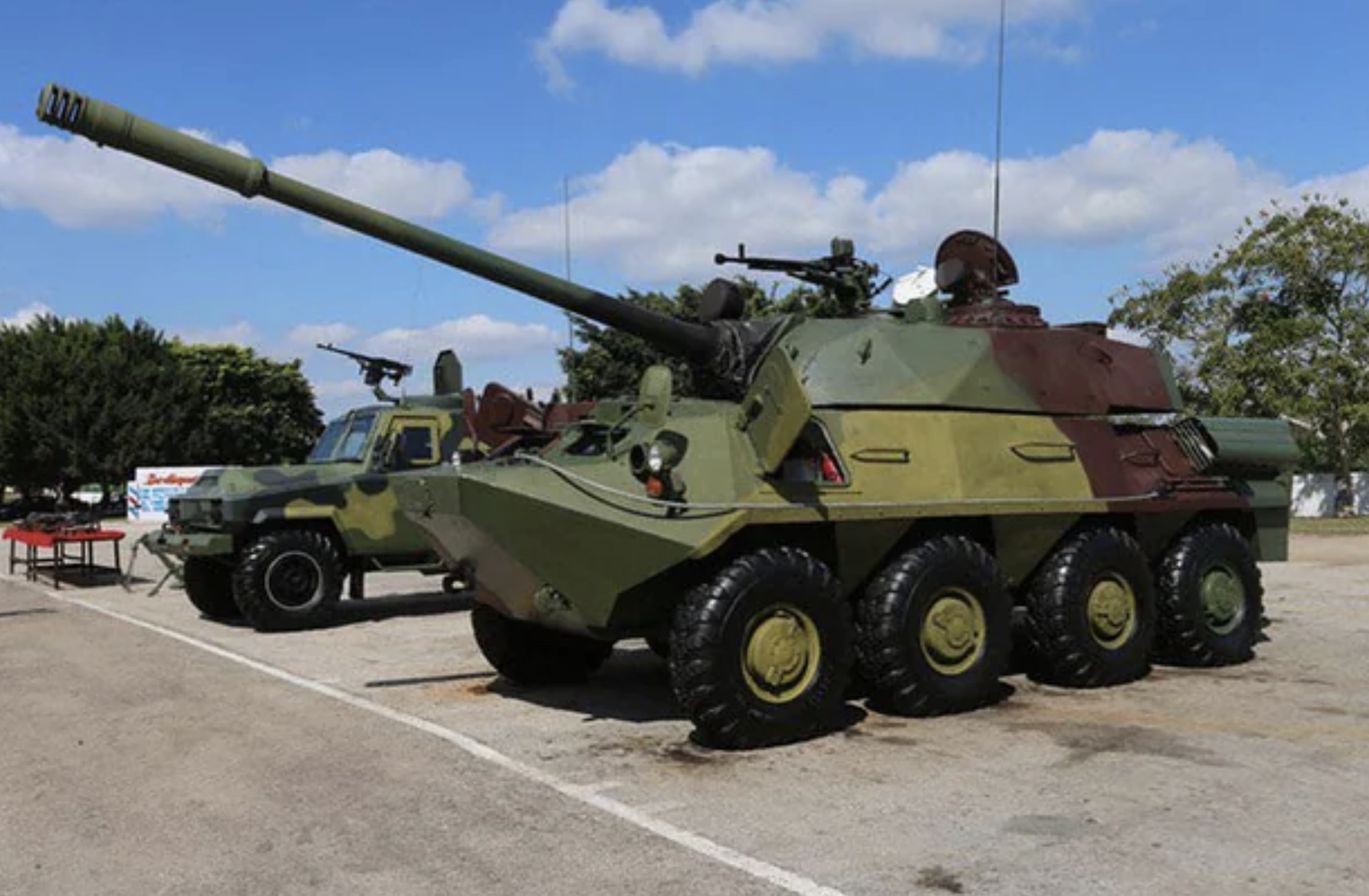
CBAF-100 (BTR-60-100 or BTR-100)
Introduction
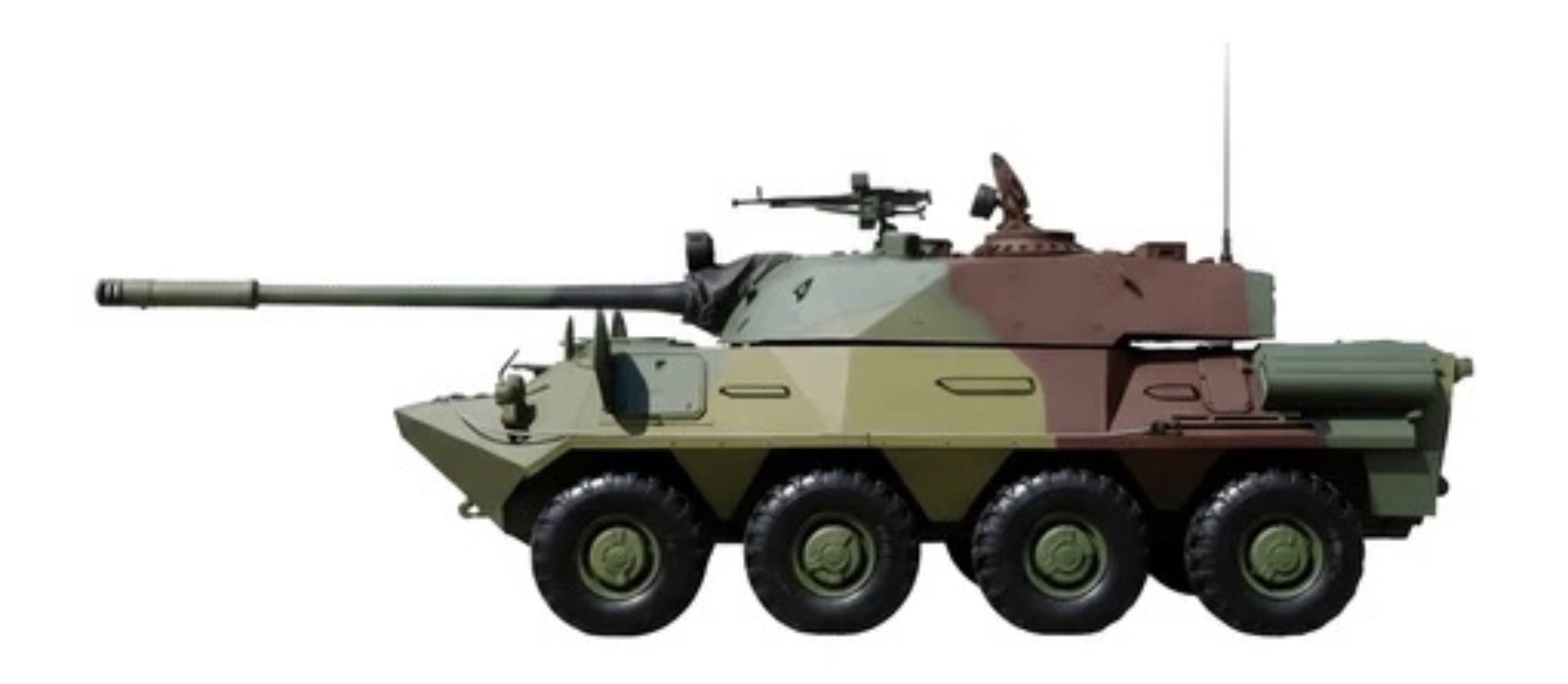
The BTR-100 is a Cuban-developed armored fighting vehicle created by combining the chassis of the Soviet BTR-60 armored personnel carrier with the turret and main armament of the T-54/T-55 family of tanks. Developed by the Revolutionary Armed Forces of Cuba, the result is a heavily armed wheeled combat vehicle capable of delivering T-55 levels of firepower while retaining the mobility characteristics of the original BTR-60 platform. In my opinion, this vehicle would be an excellent representative of Cuba in War Thunder and its unusual armored vehicle projects.
History and Development
Spoiler
During the years following the collapse of the Soviet Union, Cuba faced increasing difficulties in acquiring replacement armored vehicles and spare parts. Although large quantities of Soviet equipment remained in service, economic limitations made large-scale modernization programs impractical. As a result, Cuban military workshops began exploring ways to improve existing vehicles using available resources.
During Cuba’s efforts to increase the mobility of its Soviet-made air defense systems, a number of T-54 and T-55 hulls were used for such projects. This process left Cuba with a stock of surplus tank turrets that could still provide considerable combat value. Rather than allowing these assets to go unused, Cuban engineers sought ways to integrate them onto existing armored vehicles. Another possibility is that some of the donor tanks were no longer operational due to mechanical wear, particularly affecting their engines or transmissions, making turret reuse a practical alternative to complete refurbishment.
Regardless of the exact origin of the turrets, the concept itself was logical. By the 1990s, the T-55’s armor protection had become increasingly obsolete, while its firepower remained relevant against many potential threats. Mounting the same weapon system on a lighter and significantly faster wheeled platform allowed Cuba to retain the gun’s combat effectiveness while reducing operating costs and improving strategic and tactical mobility. The result of this approach was the CBAF-100 and subsequently the CBAF-115.
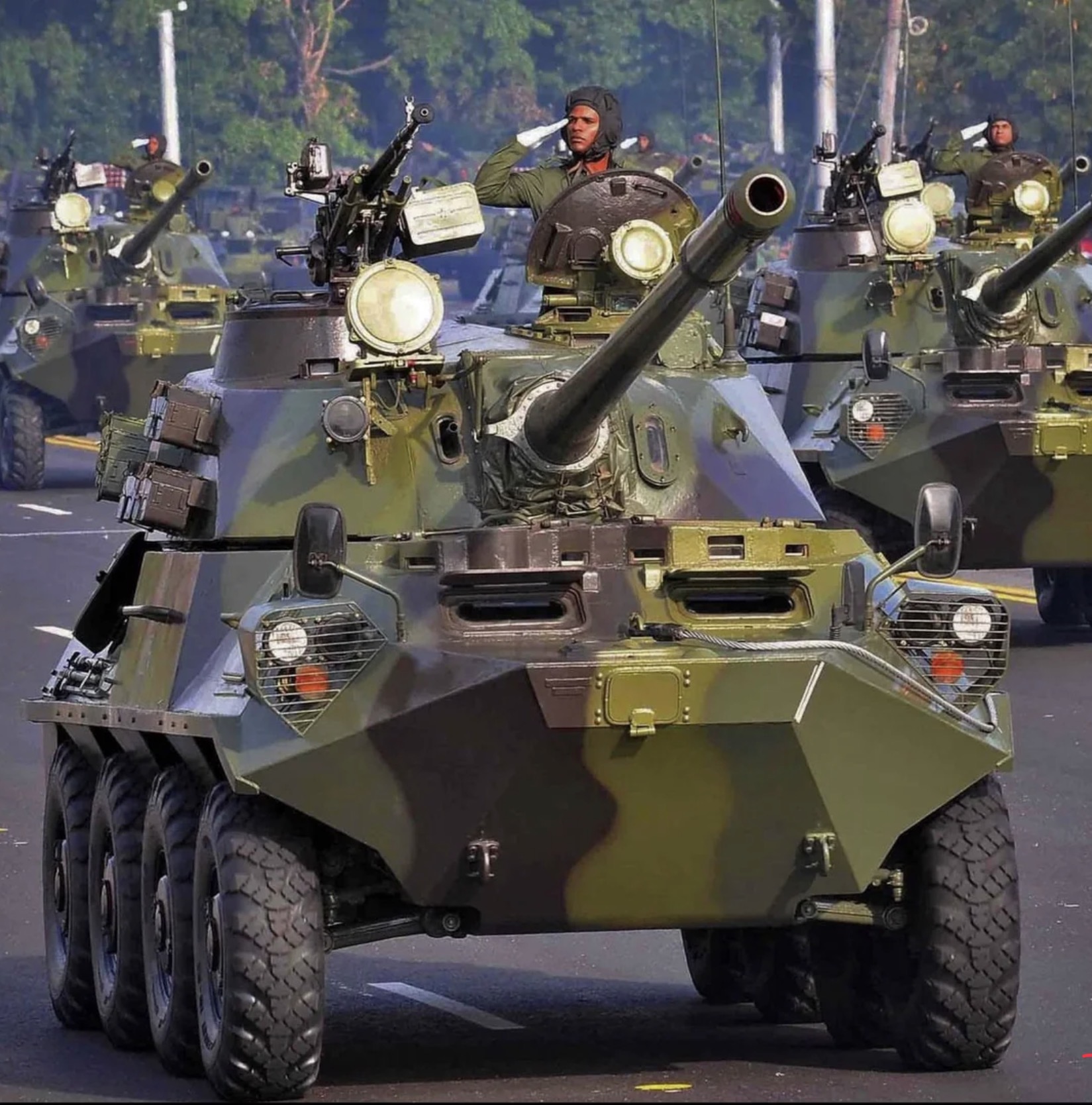
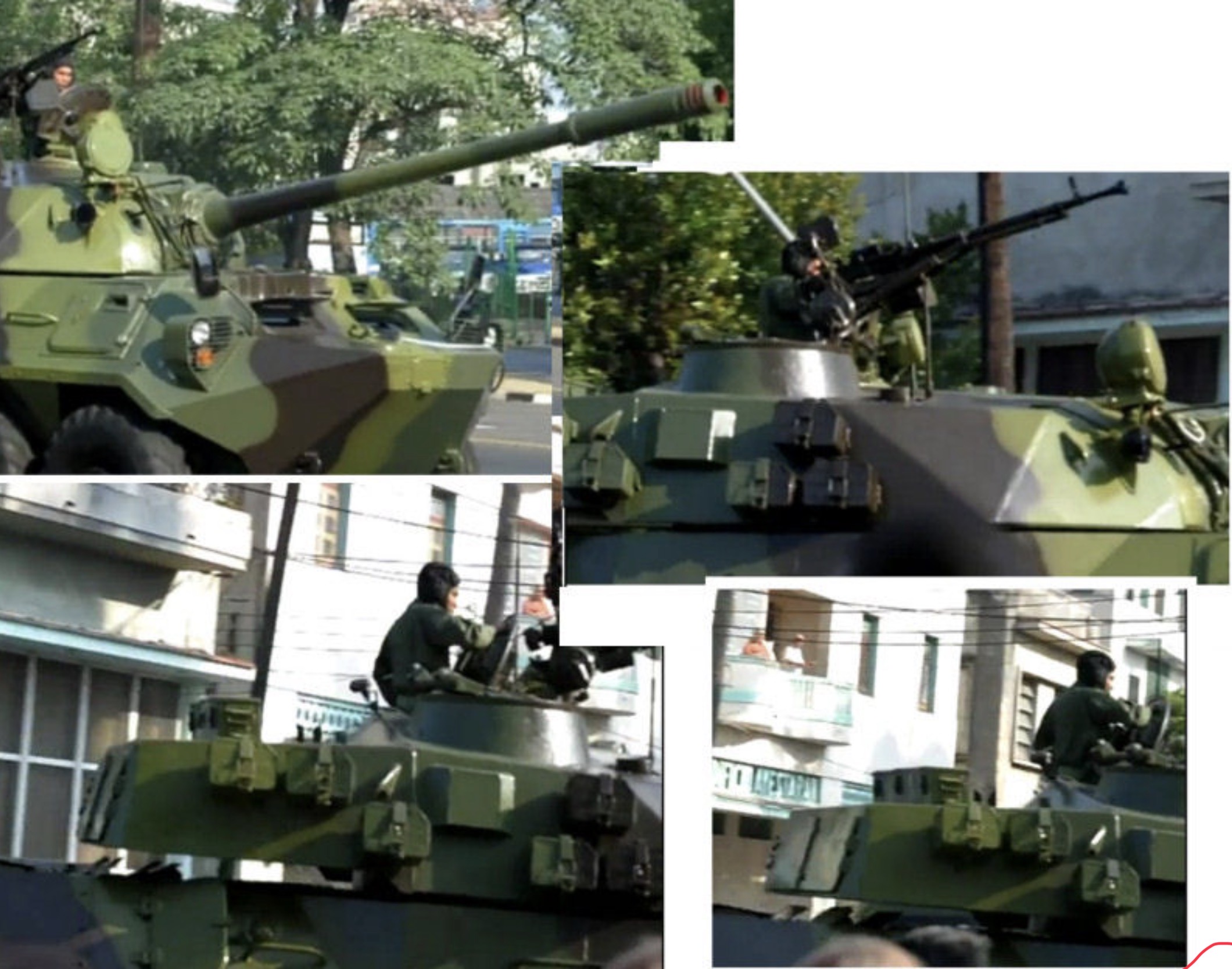
The conversion required extensive modification of the original BTR-60 hull. The standard troop compartment was reconfigured to accommodate a much larger turret and ammunition storage for the 100 mm gun. Most of the cannon ammunition, except for a few first-feed shots, is located in the BTR-100 hull, and the developed aft niche of the turret is used exclusively to accommodate spare parts. A muzzle brake was fitted to the gun in order to reduce recoil forces generated during firing. In order to reduce the weight imposed by mounting a tank turret on a wheeled chassis, Cuban engineers have extensively modified the original T-55 turret. Large sections of the original armor were (highly likely) removed and replaced with thinner welded plates, significantly lowering the turret’s mass. Despite the modifications made to reduce the turret’s weight, the vehicle still appears to be noticeably rear-heavy compared to a standard BTR-60. As a result, the turret’s protection was likely reduced to levels broadly comparable to that of the BTR-60 hull itself. The only section that appears to have retained its original thickness is the gun mantlet, which remained largely unchanged and consequently represents the most heavily protected area of the vehicle. In addition, new armor panels were added to the lower part of the sides, covering the gaps between the wheels (not universal).
The Cubans based the CBAF-100 on several different BTR-60 variants, resulting in some variation between individual vehicles. In general most differences are minor. For example, some vehicles feature additional armor plates between the wheels whereas others do not. Some are equipped with dual exhausts on one side whereas others have exhausts on both sides. The vehicles also differ in their traffic light arrangements, etc…
Design In-depth
Spoiler
Compared to conventional tanks, the BTR-100 benefits from superior road mobility and lower operating costs. The wheeled chassis enables rapid movement over long distances and requires less maintenance than a tracked vehicle. These characteristics make the vehicle particularly suitable for rapid reaction missions, reconnaissance support, and mobile fire-support operations. Moreover, the design of the Cuban CBAF-100 may have been inspired, either directly or indirectly, by the Soviet 2S14 Zhalo-S , an experimental wheeled tank destroyer based on the BTR-70 chassis. The Zhalo-S followed a similar concept: mounting a relatively powerful anti-tank gun on a fast wheeled armored personnel carrier in order to create a mobile fire-support or tank-destroyer vehicle. Although the vehicle itself performed well during trials, the growth in tank armor protection made its 85 mm 2A62 gun obsolete before the system could enter service. It appears that the CBAF-100 partially solved one of the main problems of the Zhalo-S.
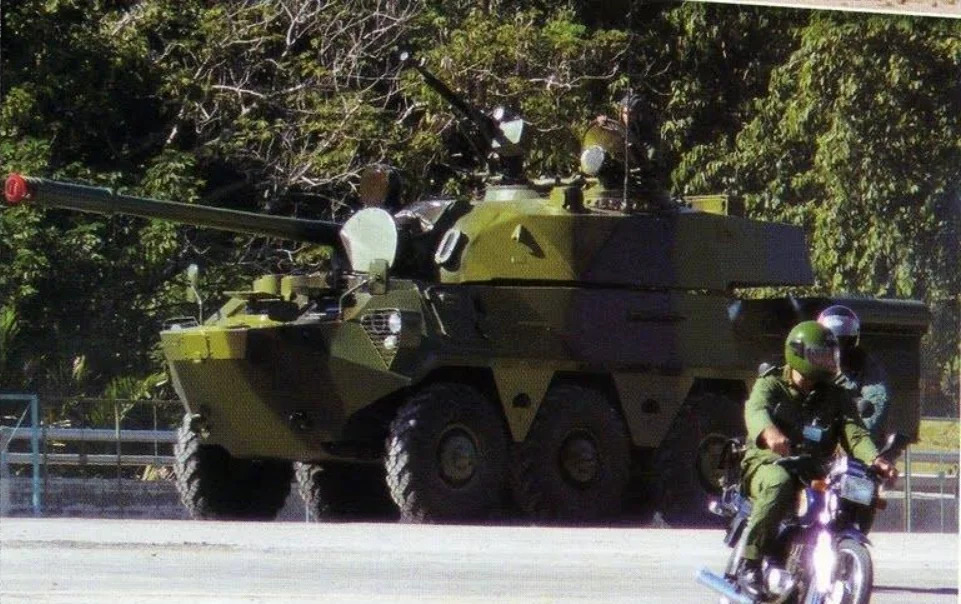
An interesting characteristic of the CBAF-100, likely inherited from the BTR-60, is its supposed twin-engine arrangement (although this is unconfirmed). Unlike most armored vehicles, the BTR-60 is powered by two separate gasoline engines, with each engine driving 4 out of 8 wheels. In practice, this means that if one engine is disabled due to mechanical failure or combat damage, the vehicle can still retain limited mobility using the remaining engine. Although performance is significantly reduced, the vehicle is still capable of moving and potentially withdrawing from danger. From a War Thunder perspective, this would be a particularly unique feature.
However, some speculate that a Western-made diesel engine, likely from a commercial truck, has been installed. To support this theory, the rear section of the CBAF-100 appears to have been redesigned, possibly to accommodate changes to the powerpack. The significant increase in weight caused by the heavier armament and modified superstructure may have placed too much strain on the original twin Soviet gasoline engines. As a result, it is possible that the CBAF-100 was fitted with a single more powerful diesel engine of unknown origin. Its exact specifications remain unconfirmed.
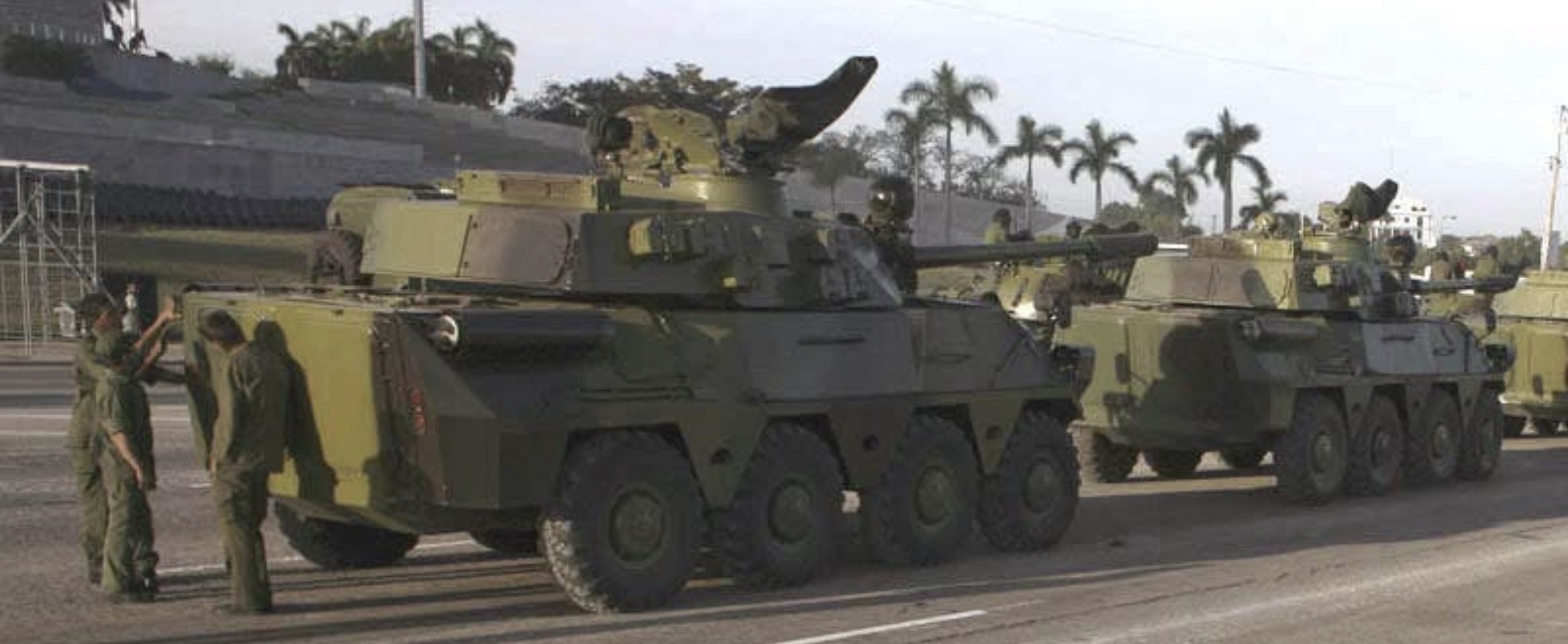
The vehicle retains the limitations of its parent chassis. Armor protection remains relatively light and is insufficient against modern anti-tank weapons or automatic cannons. The installation of a large tank turret, even one that had been significantly lightened, inevitably places additional stress on the suspension, drivetrain, and other mechanical components. At the same time, the added weight above the hull raises the vehicle’s center of gravity. This likely reduces stability when operating on steep slopes, uneven terrain, or during aggressive maneuvering. As a result, the vehicle is probably most effective when employed from relatively flat ground. It is likely that the vehicle is limited to firing over its frontal arch to prevent it from tipping over. Much of the original tank equipment appears to have been retained, including the gunner’s optics and sighting systems. However, the original stabilization system might have been removed. If this assessment is correct, the CBAF-100 is limited to firing effectively from short halts or stationary positions rather than engaging targets accurately while on the move. The vehicle has not retained its ability to swim.
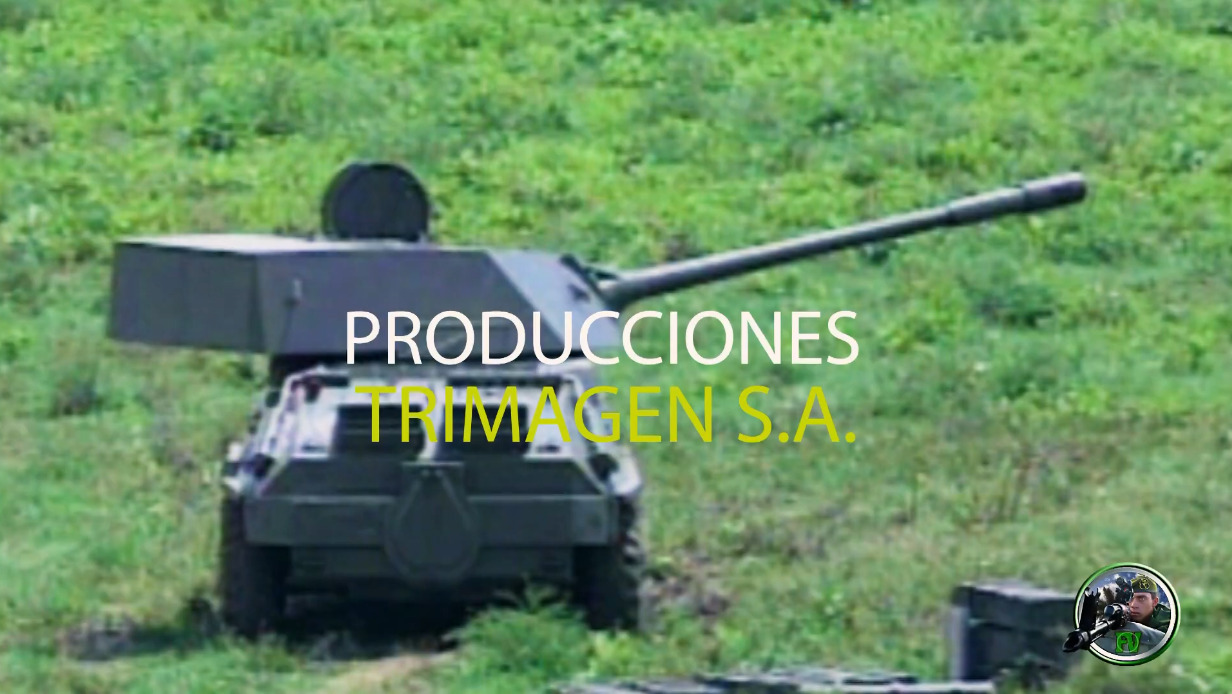
The Cubans have also developed a self-propelled gun based on the BTR-60 and MT-12 anti-tank gun (C-AP-BTR-100). This vehicle is likely a prototype, as the hull appears to be completely unmodified and photographs of it are extremely rare. Interestingly, one of the few available images shows the cannon aimed to the side, suggesting that the design is stable enough without the cannon needing to face the front at all times.
Due to its increased weight, the CBAF-100’s performance in extreme off-road conditions would likely be abysmal. The original BTRs already had limitations in difficult terrain, which was one of the reasons tracked vehicles such as the BMP-1 were developed in the first place. Adding a large gun and heavy superstructure to the BTR chassis would only worsen this issue, especially on soft ground. This, however, is a common drawback of wheeled tank destroyers in general. They usually offer better road speed, range, and ease of maintenance, but sacrifice cross-country mobility compared to tracked vehicles. Thankfully, in War Thunder, extreme off-road performance is not a major factor at the time of writing, meaning this weakness would not be as punishing in-game as it would be in real life.
BTR-100 (CBAF-100) Specifications
Spoiler
General
| Parameter | Value |
|---|---|
| Country | Cuba |
| Designation | BTR-100 / CBAF-100 |
| Type | Wheeled fire-support vehicle |
| Manufacturer | Cuban military workshops |
| Chassis | BTR-60PB |
| Turret | Modified T-54/T-55 turret |
| Crew | Estimated 4 (Commander, Gunner, Driver, Loader) |
| Production | Unknown, multiple vehicles observed |
| Service Status | In service with Cuban Revolutionary Armed Forces |
Dimensions
| Parameter | Value |
|---|---|
| Length | ~7.5 m |
| Width | 2.83 m |
| Height | ~2.5–2.7 m |
| Wheel Configuration | 8×8 |
| Ground Clearance | 475 mm |
| Weight | 18 to 20 tons |
Length and width are largely unchanged from the BTR-60 (Ignoring the cannon).
Armament
Main Armament
| Parameter | Value |
|---|---|
| Gun | 100 mm D-10T |
| Ammunition Types | APHE, HEAT, HE |
| Muzzle Brake | Yes |
| Stabilizer | Probably absent |
| Ammunition Capacity | Unknown |
Secondary Armament
| Parameter | Value |
|---|---|
| Coaxial MG | 7.62 mm SGMT or PKT |
| Roof MG | 12.7 mm DShK |
Gun Performance
Assuming standard D-10T ammunition:
| Shell | Penetration |
|---|---|
| BR-412 APHE | ~180–200 mm |
| BR-412D APHEBC | ~220 mm |
| BK-5M HEAT | ~380 mm |
These values depend entirely on the ammunition available to Cuba.
Protection
Hull
| Location | Armor |
|---|---|
| Front | 7–11 mm (200 mm) |
| Side | 7–9 mm |
| Rear | 7 mm |
| Roof | 5–7 mm (30 mm) |
(BTR-60PB armor values)
Mobility
| Parameter | Value |
|---|---|
| Engines | 2 × GAZ-49B gasoline |
| Power per Engine | 90 hp |
| Total Power | 180 hp |
| Transmission | Dual transmission |
| Power-to-Weight Ratio | Unknown |
| Maximum Road Speed | 80 km/h |
| Operational Range | 500 km |
(BTR-60PB values)
CBAF-115
View
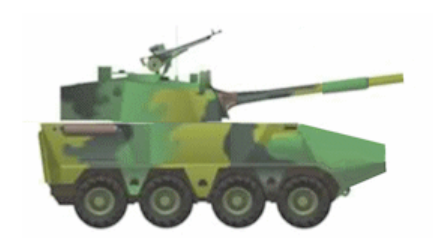
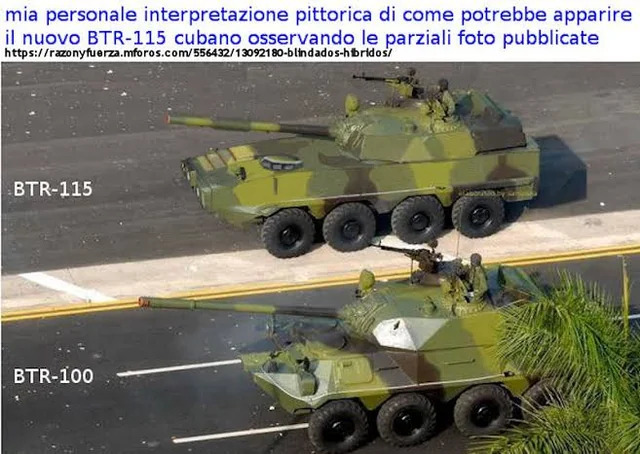
CBAF-115 or BTR-115 (BTR-116?) is a similar Cuban project which uses a considerably more powerful cannon of the T-62. While sharing the same general concept as the CBAF-100, the CBAF-115 appears to feature a more sophisticated and heavily modified design. The vehicle features more extensive alterations to the chassis and hull structure, resulting in a vehicle that looks far less like a standard BTR-60 conversion and more like an entirely new domestically designed vehicle. The CBAF-115 appears to have the engine at the front of the vehicle, improving both crew protection and internal ergonomics compared to the earlier CBAF-100 (unconfirmed). This layout allows the powerpack to act as additional frontal protection while also freeing up space in the rear of the vehicle for the crew and fighting compartment. At the same time, the cannon appears to have been shortened (unconfirmed). This likely has an impact on the performance of its ammunition.