- Yes
- No
Cardoen Piraña I 6x6 - LAHAT
History:
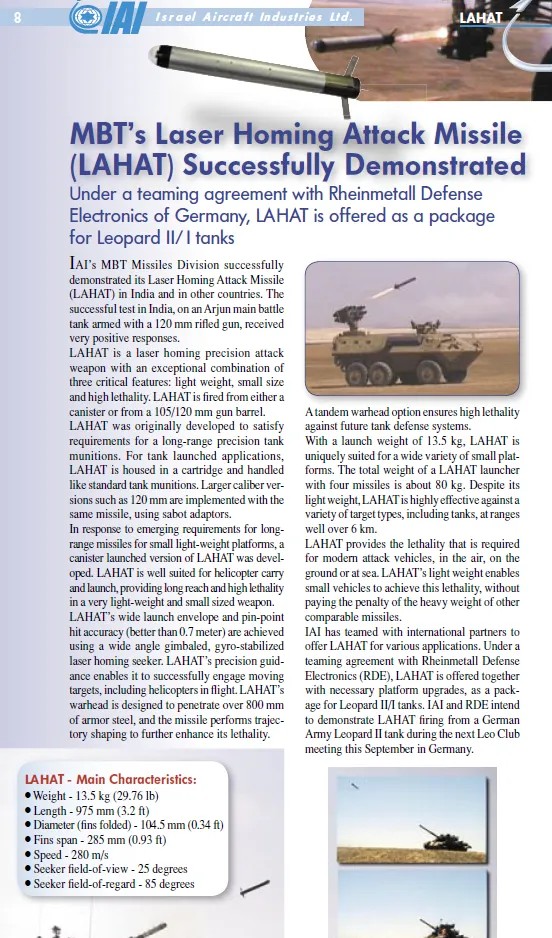
In 1980 Chile obtained the contract for the licensed production of the Mowag Piranha I being one of the few countries to build these vehicles, production began in 1983 by the Chilean company Industrias Cardoen which was in charge of the construction of the Piraña I in its 6x6 version building hundreds of these vehicles and equipping them with different turrets and armaments. In this suggestion we will see the version that carries an octuple missile launcher of LAHAT anti-tank missiles from IAI of Israel.

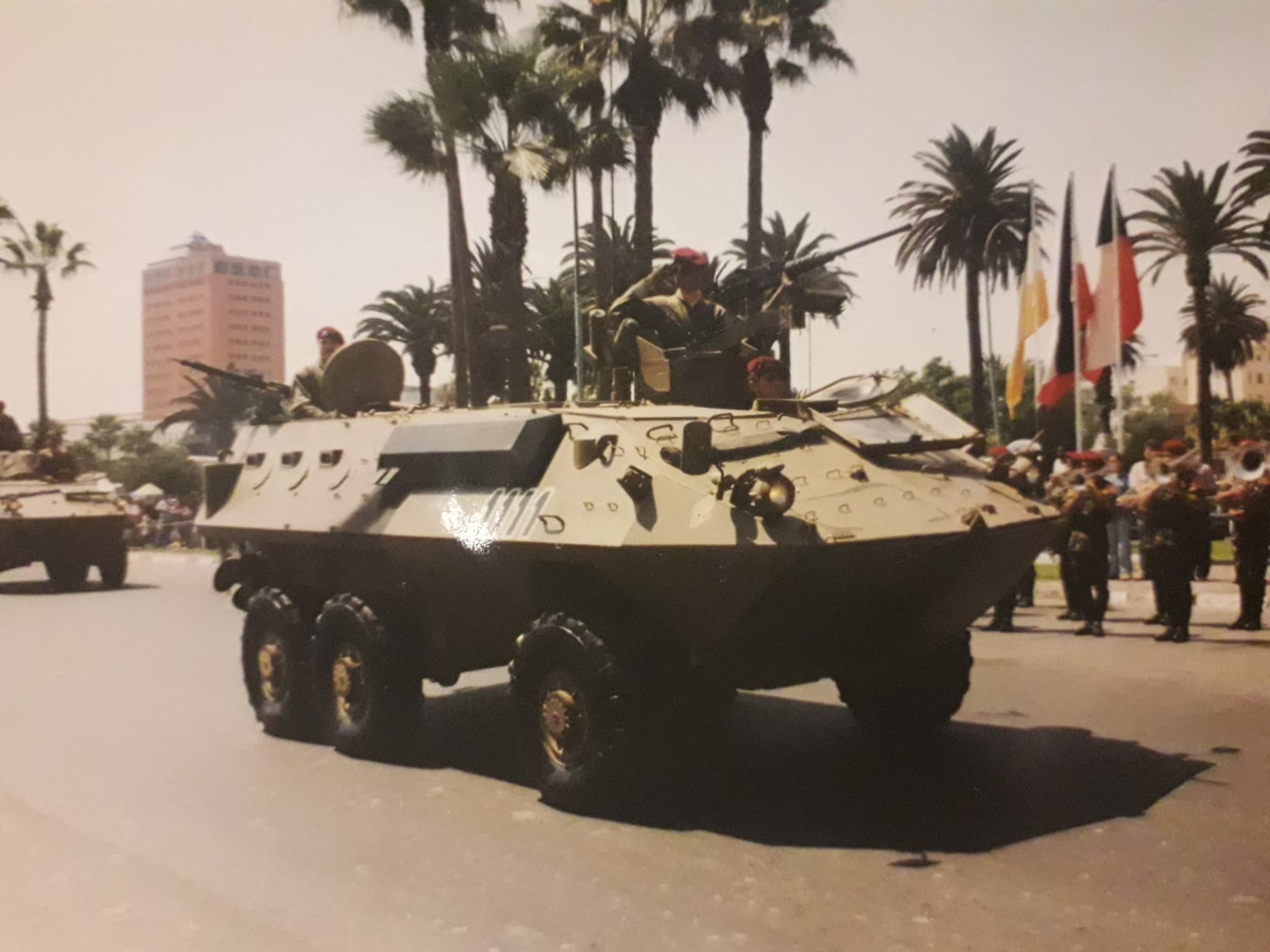
The Cardoen Piraña I 6x6, built in Chile, follows the original model of the Swiss Mowag, also retaining its amphibious capacity, so it keeps the propellers for the water at the rear of the vehicle. The driver is located in the front left of the vehicle right next to the engine and the crew behind the driver in the middle of the vehicle. The vehicle has 8mm armor, which protects it from 7.62mm machine gun fire and explosive shrapnel, making it vulnerable to larger-caliber fire. The biggest advantage of this vehicle is its great mobility and speed, so it should be used for flanking and as a close fire support.

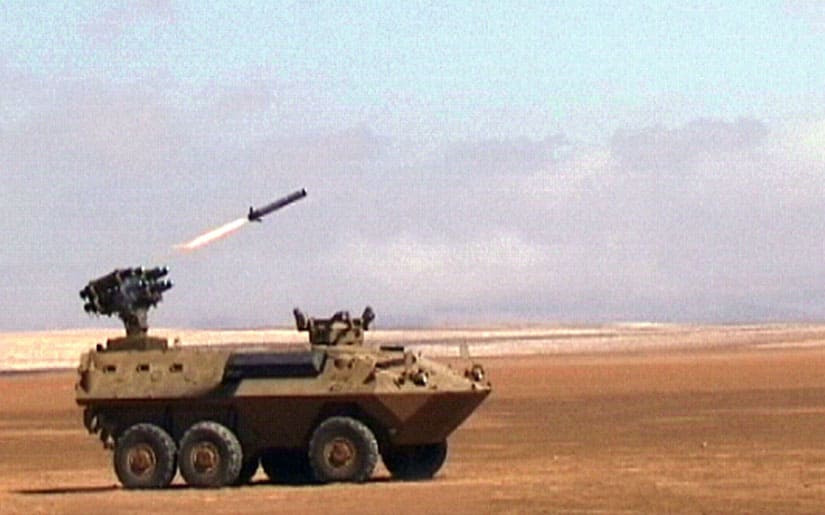
Although it is unknown for sure in which exact year the Israeli missile launcher was installed on the Chilean Piranha we can have an approximate date since on the official IAI channel on YouTube there is a video where they promote the LAHAT anti-tank missile dated August 4, 2014 in which you can see different possible platforms to launch said missile, among the vehicles shown you can see the Chilean Piraña in the Atacama Desert in northern Chile firing the missile at a tank, even in the same video you can see an MD 530F helicopter from the Chilean army firing the missile as well as another video where a Chilean Leopard 1V fires the missile so we can deduce that the missile was tested on various vehicles while it was being tested in the Atacama Desert in Chile.
Excerpt from the IAI YouTube video showing the LAHAT missile launch from the Chilean Piraña
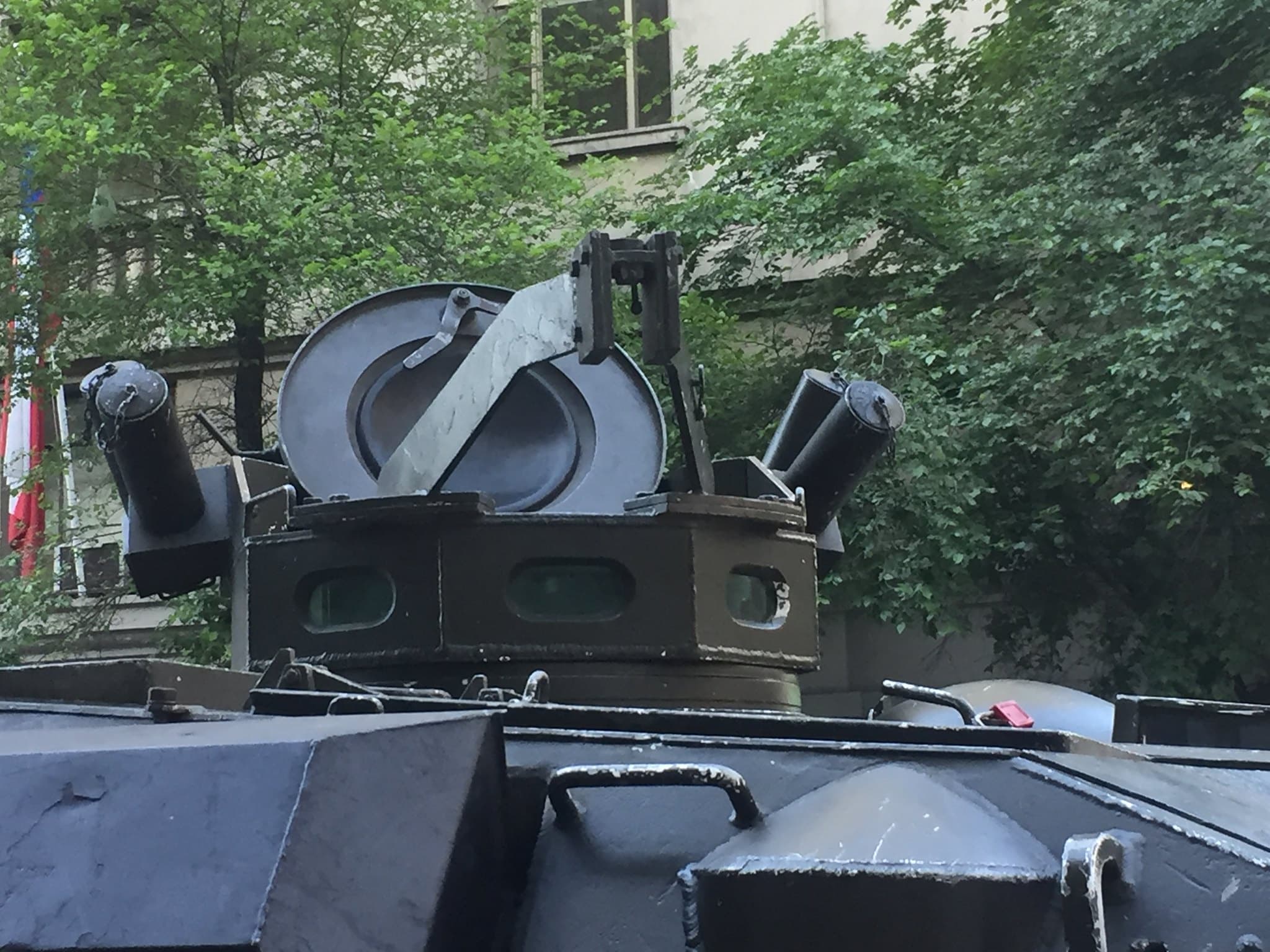
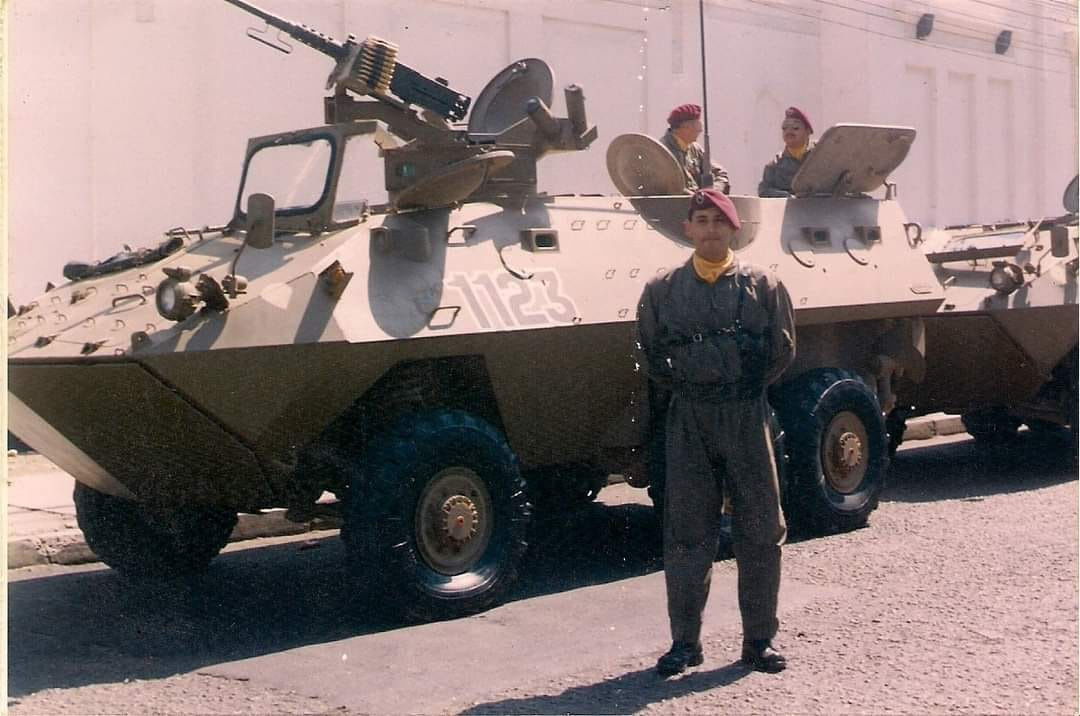
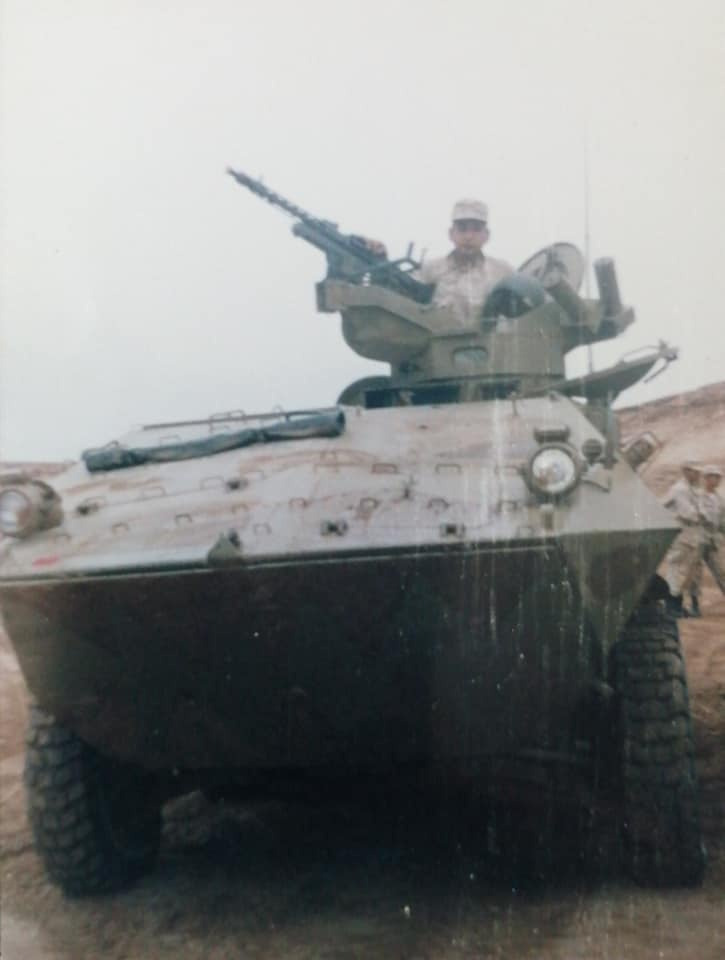
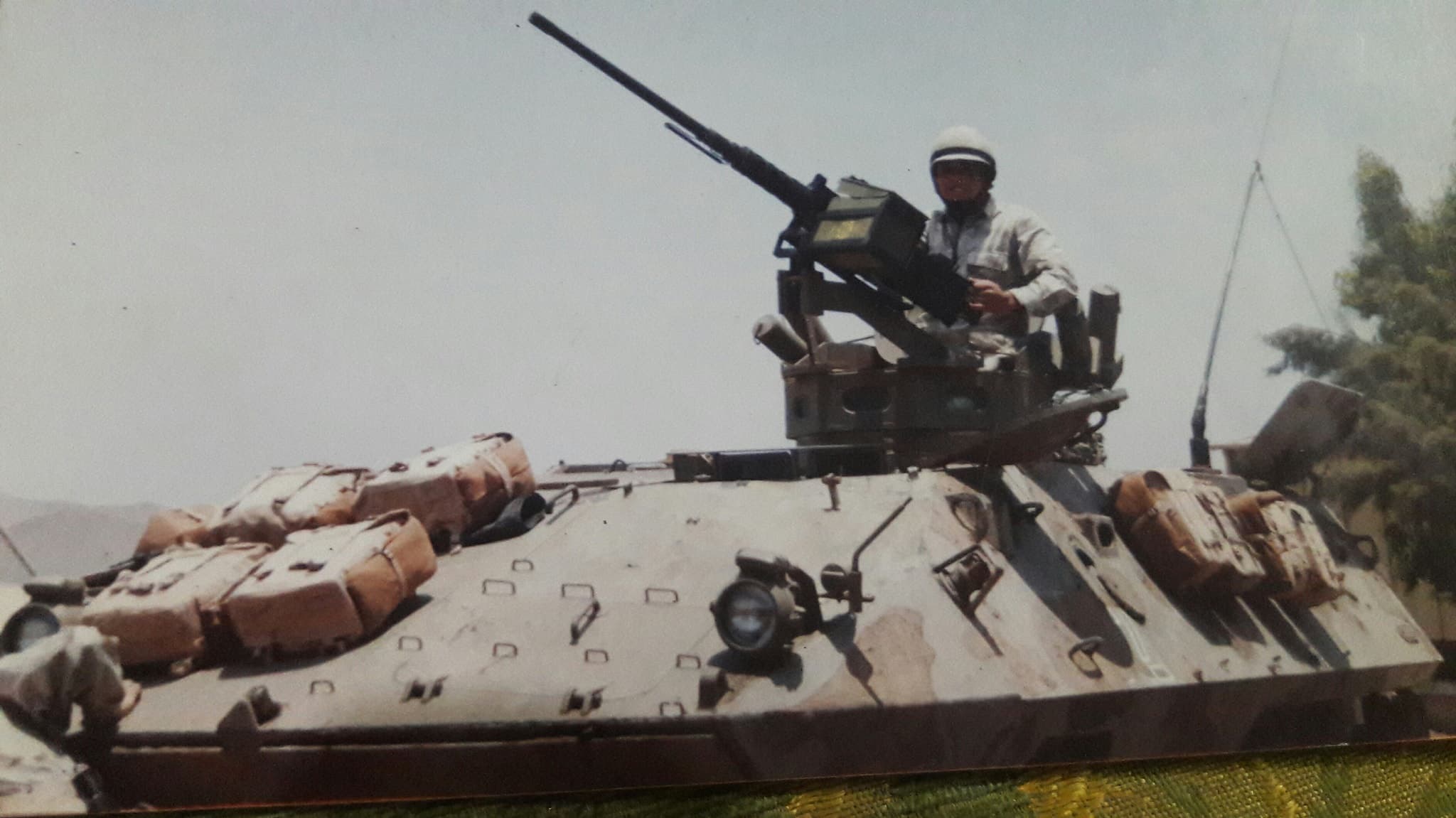
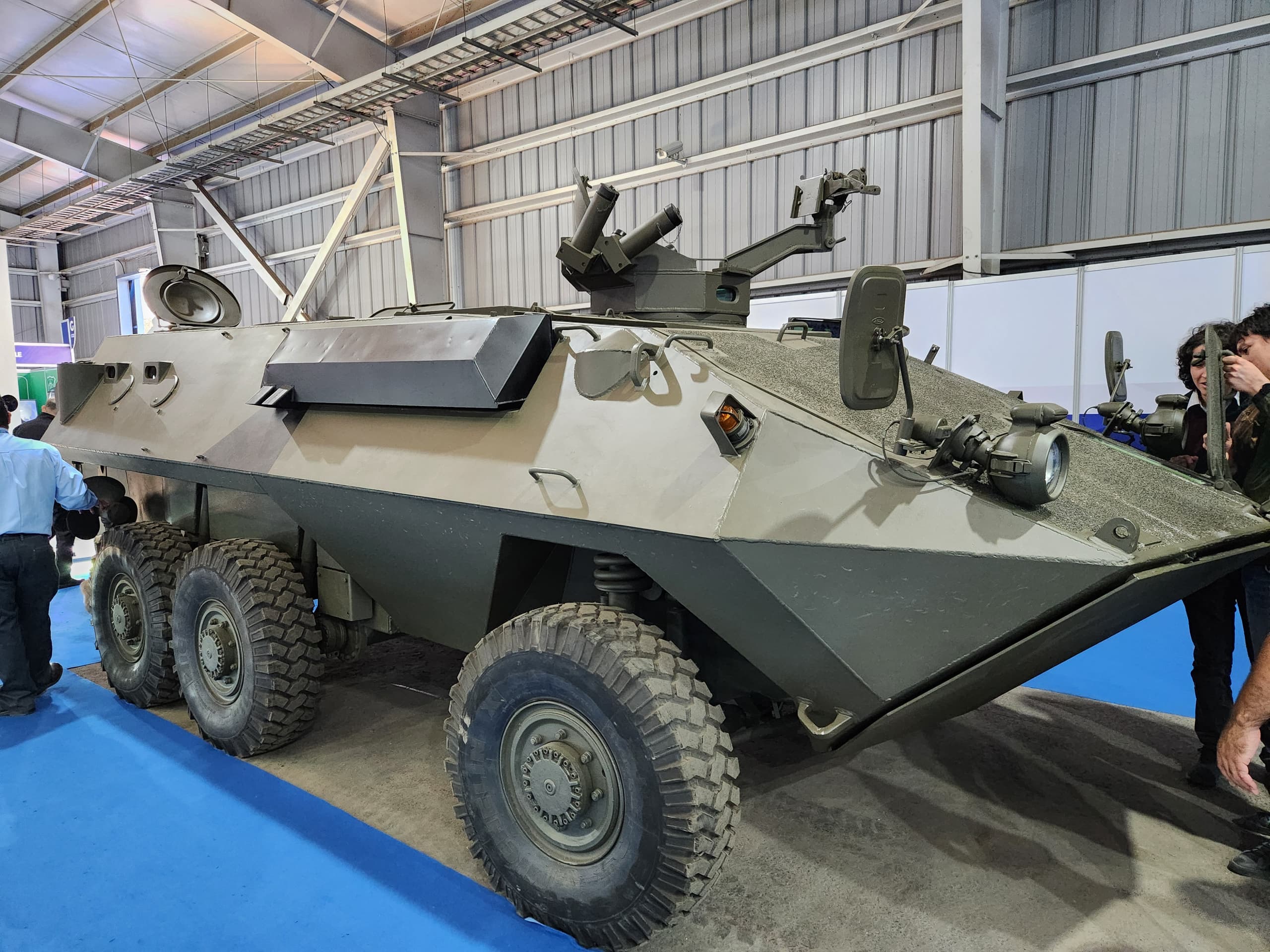
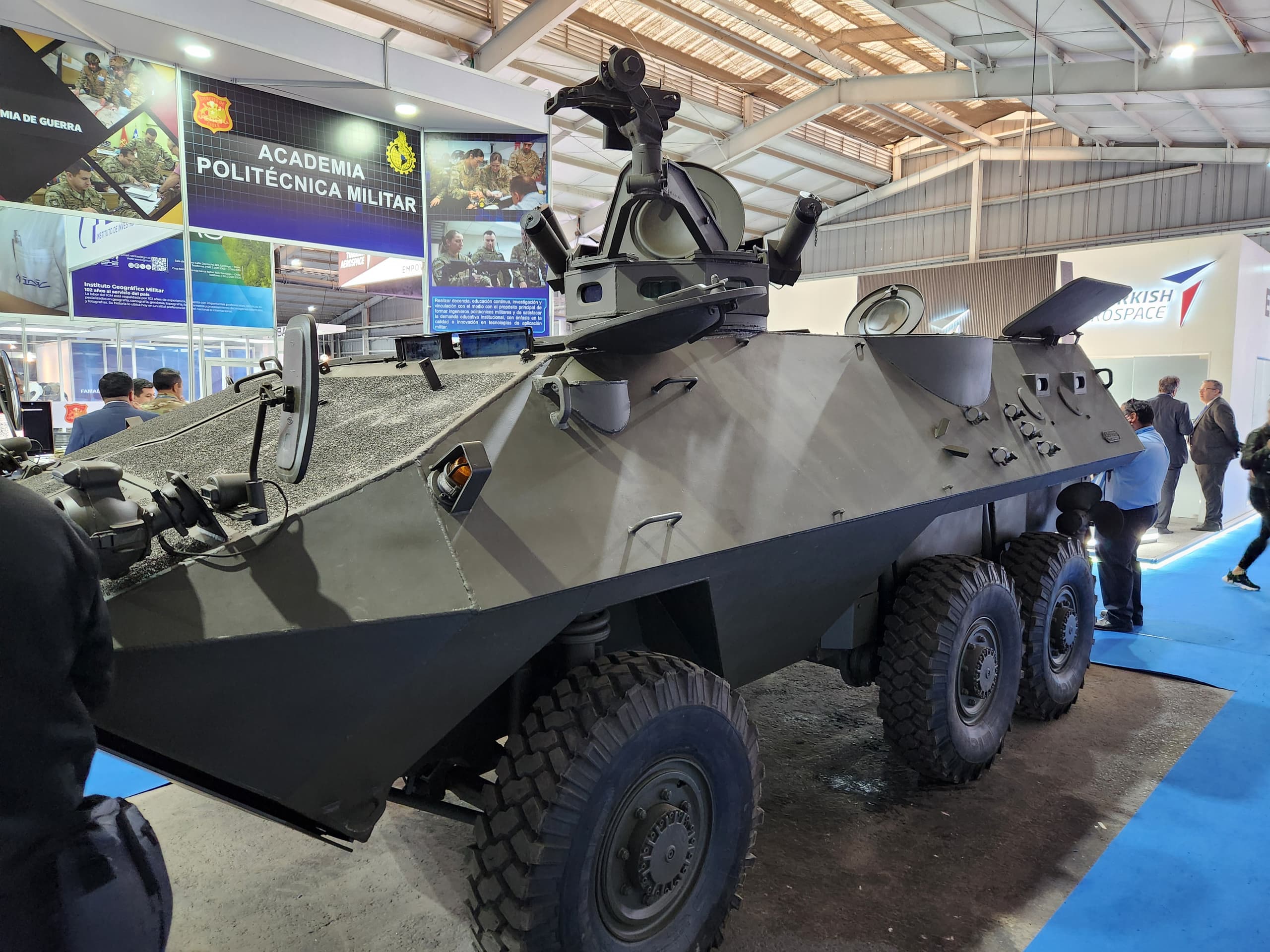
As explained above, several variants of the Piraña were manufactured in Chile, the version used for the installation of the octuple missile launcher of LAHAT missiles had a small observation turret in the front of the vehicle that housed four smoke grenade launchers for personal defense and a mount for a 12.7 mm machine gun in addition to having observation periscopes, this small turret was manufactured locally in Chile and is not found in any other foreign variant, which confirms that the Piraña in the IAI video is Chilean.


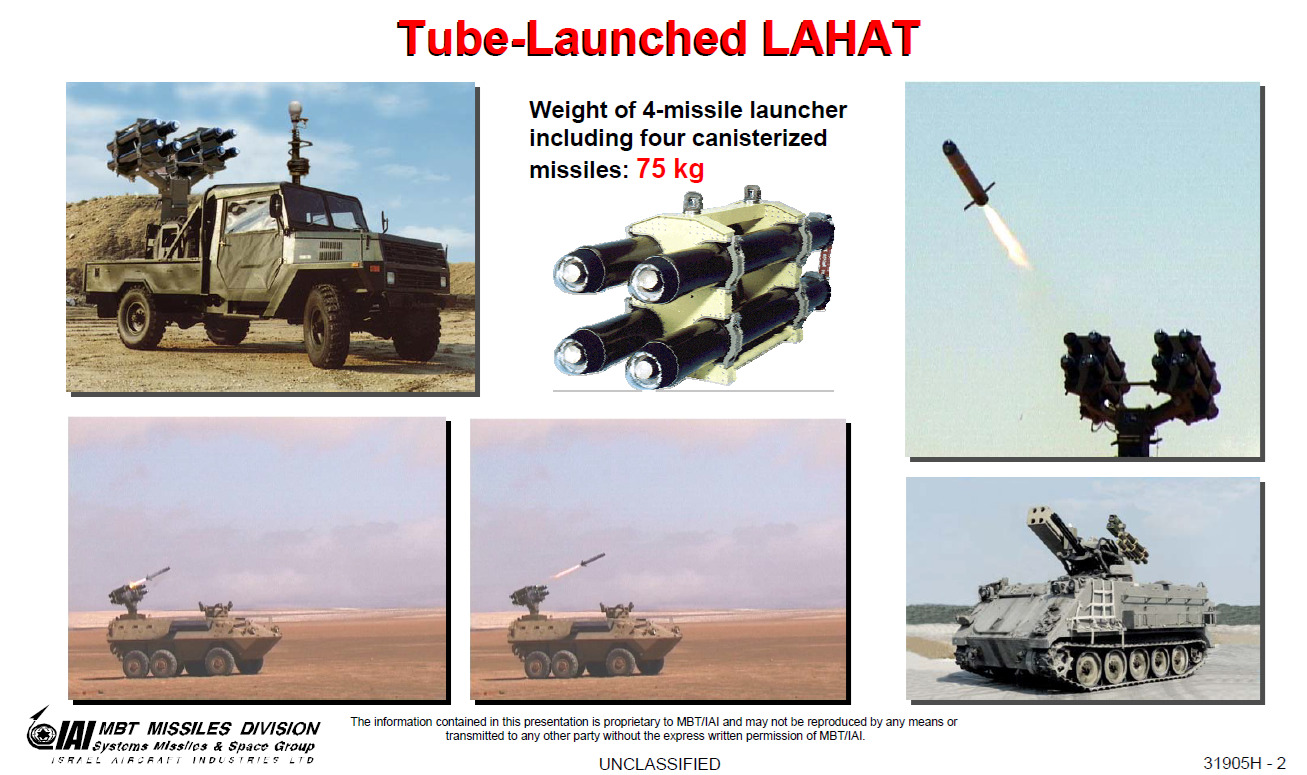
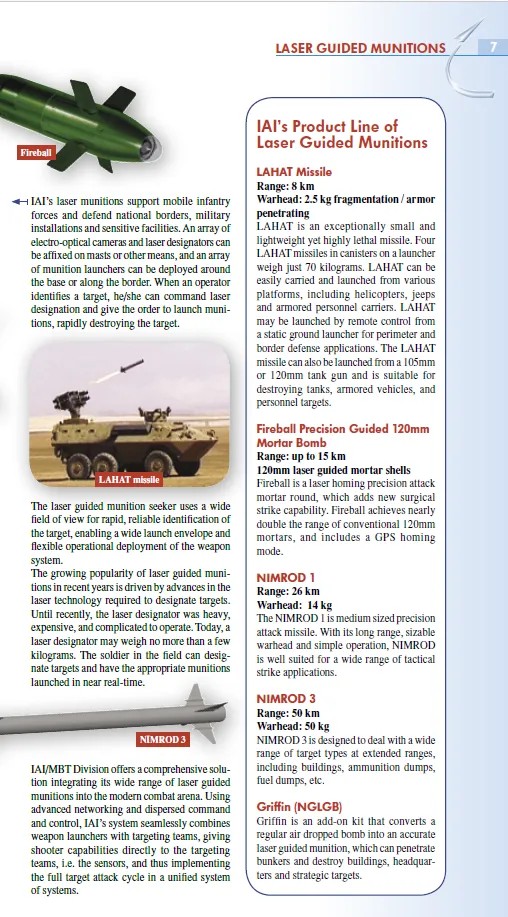
The LAHAT missile continues to be promoted on the IAI website, where you can also see a photo of the Chilean Piraña. The launcher can hold up to eight LAHAT anti-tank missiles ready to fire, allowing for multiple shots before reloading, each launcher with 4 missiles has a weight of 75 kg, so by adding the 2 launchers with 8 LAHAT missiles it reaches an additional weight of 150 kg. Due to the Piraña’s internal space, more missiles could be held inside, possibly eight more. Photos and videos of the same launcher mounted on an Israeli RAM Mk3 vehicle can be found. Although there isn’t much information about the launcher’s technical specifications, it’s logical to think it can rotate 360°. Regarding its elevation and depression, i have not been able to find any data either. If anyone has information, i would greatly appreciate it if you shared it in the comments.
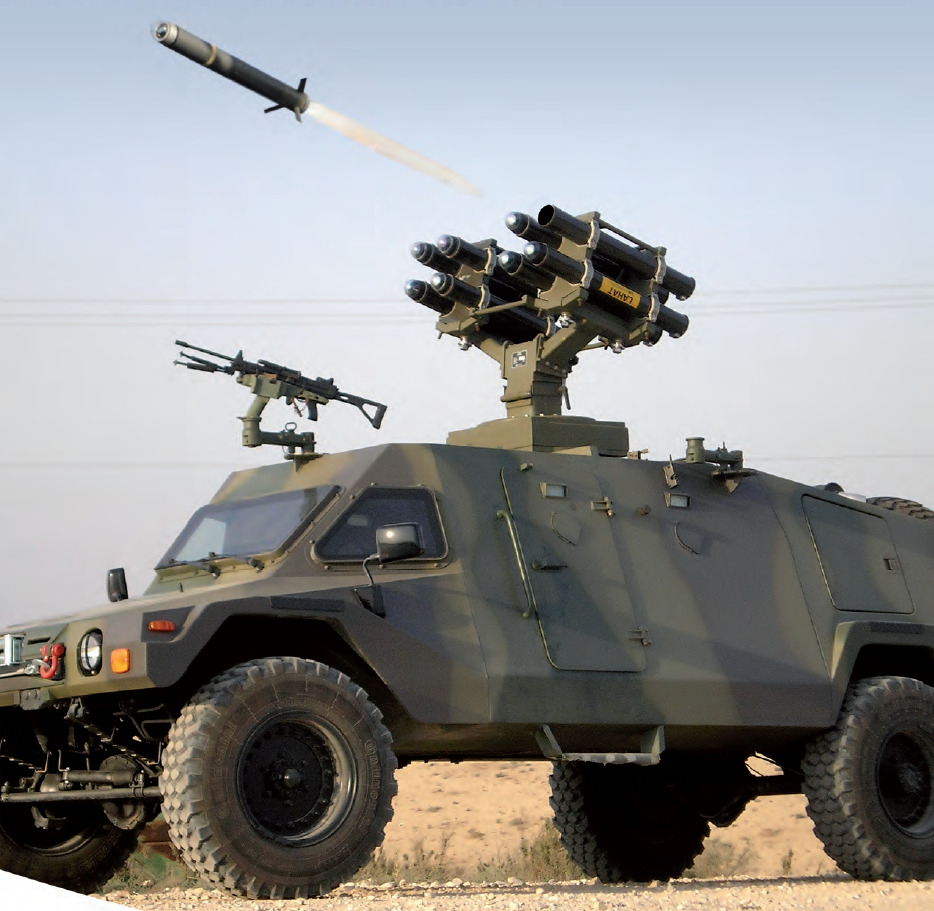
The Laser Homing Attack Missile or simply LAHAT is an Israeli anti-tank missile presented in the late 90s by IAI (Israeli Aircraft Industries), originally its objective was to equip Israeli tanks with a longer range and power ammunition so it was developed to be used by Merkava tanks in their 105 and 120 mm cannons. Over time its use expanded to other types of vehicles and different launchers from wheeled vehicles to helicopters and even for naval use.
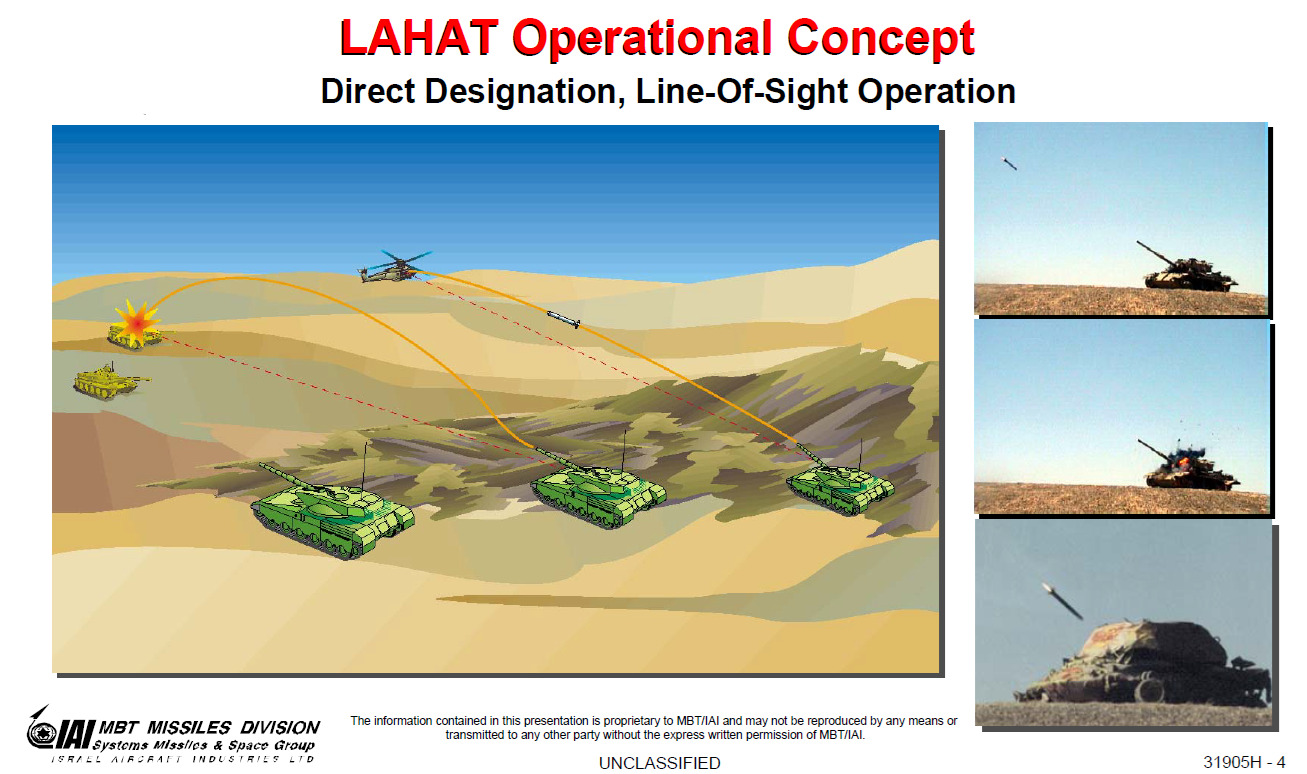
The missile itself weighs 12.5 kg and has a diameter of 105 mm, it has a speed of 280 m/s which allows it to reach its targets at a decent speed, it has a tandem HEAT warhead that allows it to penetrate up to 800 mm RHA after ERA. Its guidance system is by semi-active laser so any vehicle with a laser rangefinder can use it, in the Chilean Piraña the guidance was possibly done from the turret in front of the vehicle with some vision device that has emitted the guidance laser. In addition to direct shooting mode, the missile is also capable of carrying out an attack in which it flies upwards and then traces a downward arc-shaped path impacting the top of the target tank. The weight of its warhead is 2.5 kg and the missile has a maximum range of up to 8 km.
Videos taken by me during FIDAE 2024 of a Cardoen Piraña, you can see that it has the same front turret as the Piraña that carries the LAHAT missiles
Finally this version did not go beyond a prototype since after the missile tests carried out in the Atacama desert in Chile, the army chose not to acquire the missile and instead purchased the Spike missiles from another Israeli company. However, this variant of the Chilean Piraña with the small turret in the front is used to this day and photos of it can still be found on the internet. I myself even had the opportunity to take photos and videos of this vehicle during FIDAE 2024, which is an international military fair held in Chile.
Inside a Cardoen Piraña during FIDAE 2024 in Chile
Specifications:
- Crew:
- 4 (Commander, Gunner, Loader, Driver)
- Armament:
- Primary: 8x LAHAT anti-tank missiles, 8 more housed internally
- Secondary: 12.7 mm or 7.62 mm anti-aircraft machine gun, 4x smoke grenade launchers
- Dimensions:
- Length: 5.97 m
- Width: 2.5 m
- Height: 1.85 m (without turret)
- Weight: 10.5 t (vehicle)
- Maneuverability :
- Engine: Detroit diesel 6V-53T, 300 hp at 2800 rpm
- Max. speed on roads: 100 km/h
- Speed in water: 10.5 km/h
- Transmission: Allison MT-653 automatic with 5 forward and 1 reverse gears
- Turning circle: 11.3 m
- Gradient: 70%
- Side slope: 30%
- Vertical obstacle: 0.5 m

Photos:

Sources: