- Yes
- No
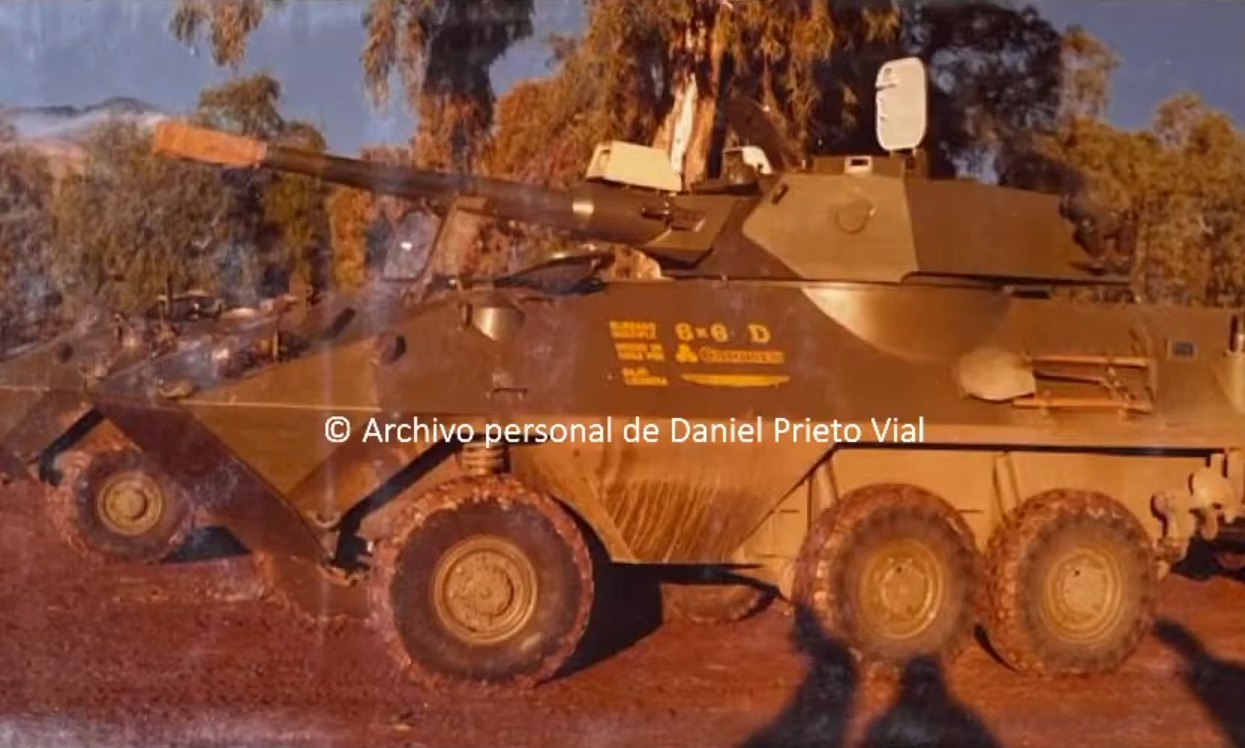
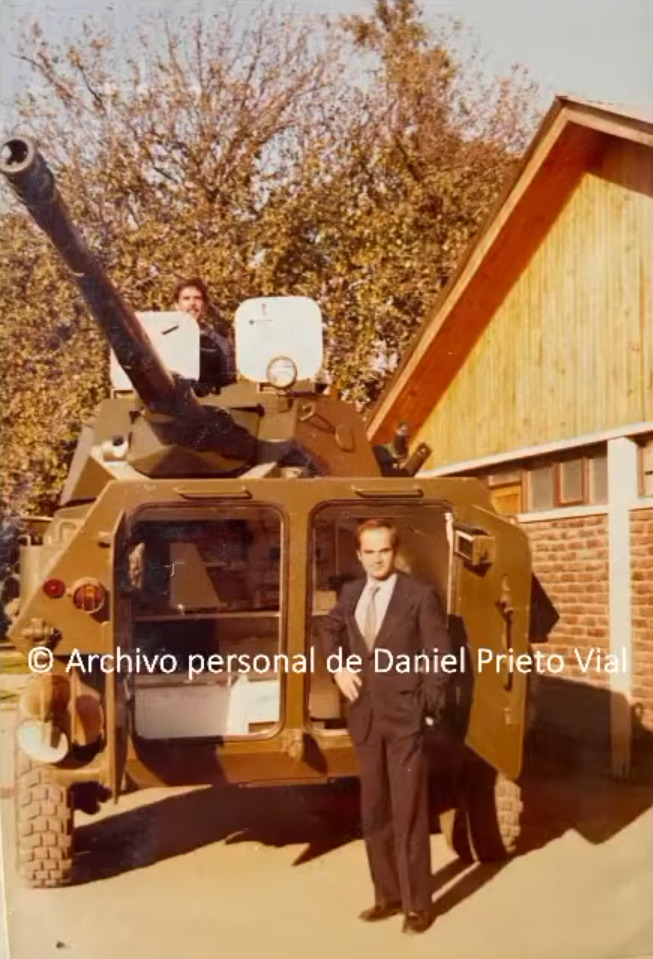
Cardoen Piraña I 6x6 - ET-90 II
History:
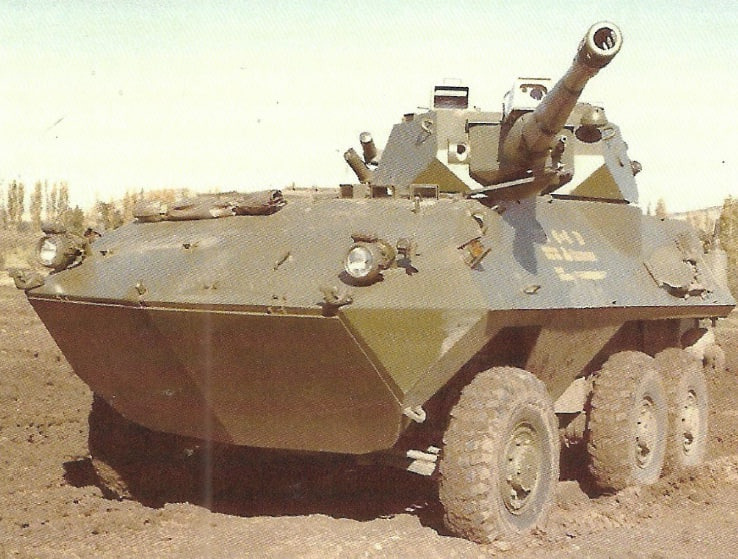
In 1980 Chile obtained the contract for the licensed production of the Mowag Piranha I being one of the few countries to build these vehicles, production began in 1983 by the Chilean company Industrias Cardoen which was in charge of the construction of the Piraña I in its 6x6 version building hundreds of these vehicles and equipping them with different turrets and armaments. In this suggestion, we will see the version featuring the Brazilian ET-90 II turret manufactured by Engesa.

The Cardoen Piraña I 6x6, built in Chile, follows the original model of the Swiss Mowag, also retaining its amphibious capacity, so it keeps the propellers for the water at the rear of the vehicle. The driver is located in the front left of the vehicle right next to the engine and the crew behind the driver in the middle of the vehicle. The vehicle has 8mm armor, which protects it from 7.62mm machine gun fire and explosive shrapnel, making it vulnerable to larger-caliber fire. The biggest advantage of this vehicle is its great mobility and speed, so it should be used for flanking and as a close fire support.
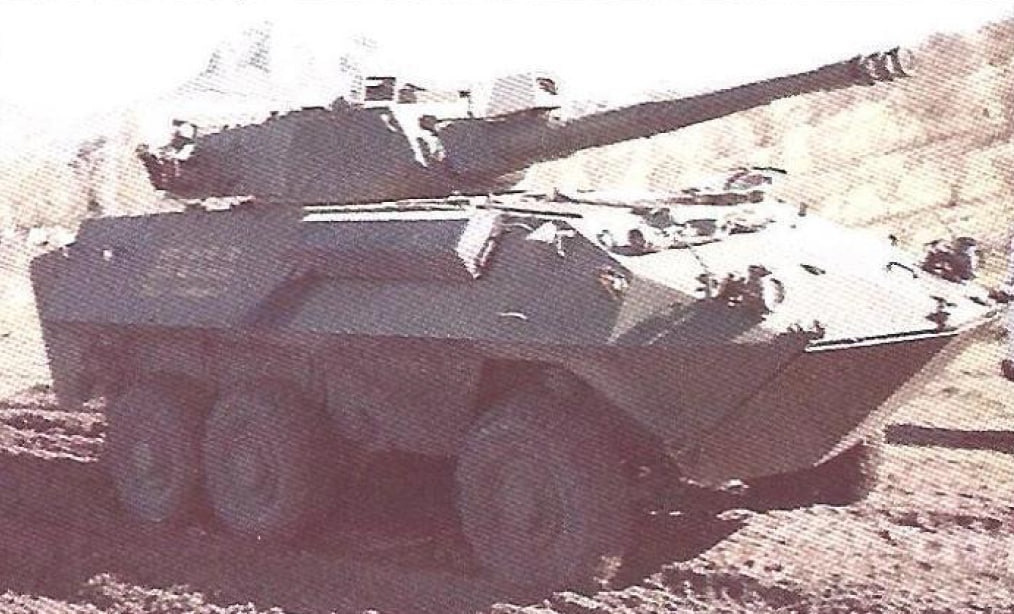
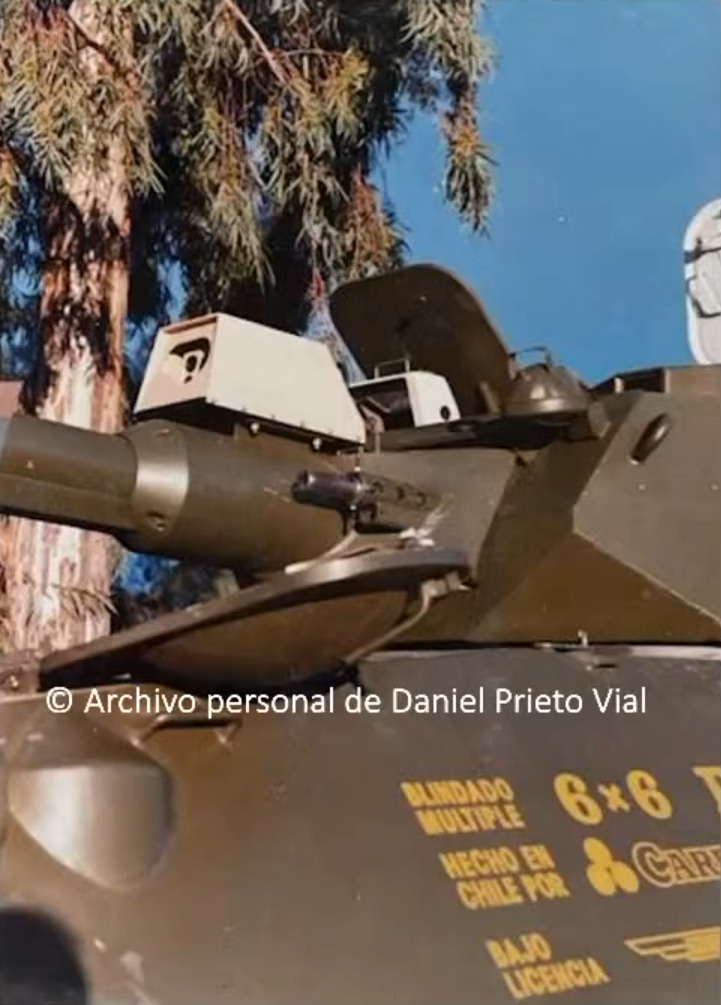
During the 80’s Industrias Cardoen tested various armaments on the Piranha I 6x6 promoting different versions to be potentially sold to the Chilean army or abroad, one of these versions incorporated the ET-90 II turret, manufactured by Brazil’s Engesa and armed with the 90 mm EC-90 III gun (essentially a Cockerill Mk.3 gun produced under license), in order to convert the Piraña I 6x6 into an anti-tank vehicle. According to Brazilian sources, this prototype was seen in 1981, that is, before mass production of Piraña vehicles began in Chile, making it one of the first, if not the very first, armed variant of the Chilean Piraña.
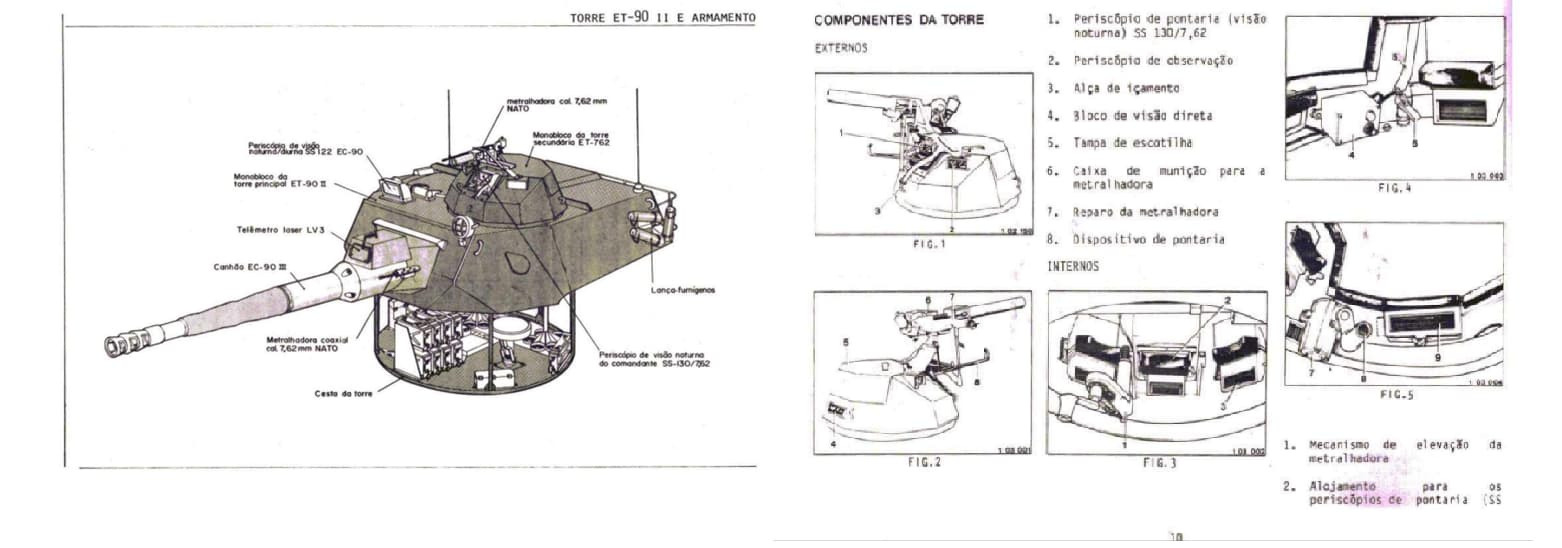
The ET-90 II turret, manufactured by Engesa in Brazil, was constructed from fully welded bimetallic steel providing protection against small arms fire and explosive shrapnel; it featured 16 mm of frontal armor and 8 mm on the sides, rear, and top. The commander, who also served as the gun loader, was positioned on the left and could operate a coaxial 7.62 mm machine gun; a hatch equipped with vision periscopes was located above the commander’s station. However, the specific Chilean variant lacked the large cupola seen on versions used in other countries, suggesting it was either a prototype or a variant specifically tailored for Chile. The gunner was positioned to the right, where the cannon was operated, and used an SS-122 day/night sight; this unit featured an image-intensifying sight with 10x magnification for daytime viewing and 9x for passive night vision, allowing the gunner to aim the cannon to which the sight was coupled. The turret could carry up to 24 rounds of ammunition, 12 on two revolver magazines in the basket and 12 in the bustle, and it can rotate 360°. It also had six smoke grenade launchers, three on each side of the turret, and finally, a basket for carrying equipment at the rear of the turret. Since the weight of the turret and gun is only 2.3 tonnes, the vehicle retains its amphibious capability.
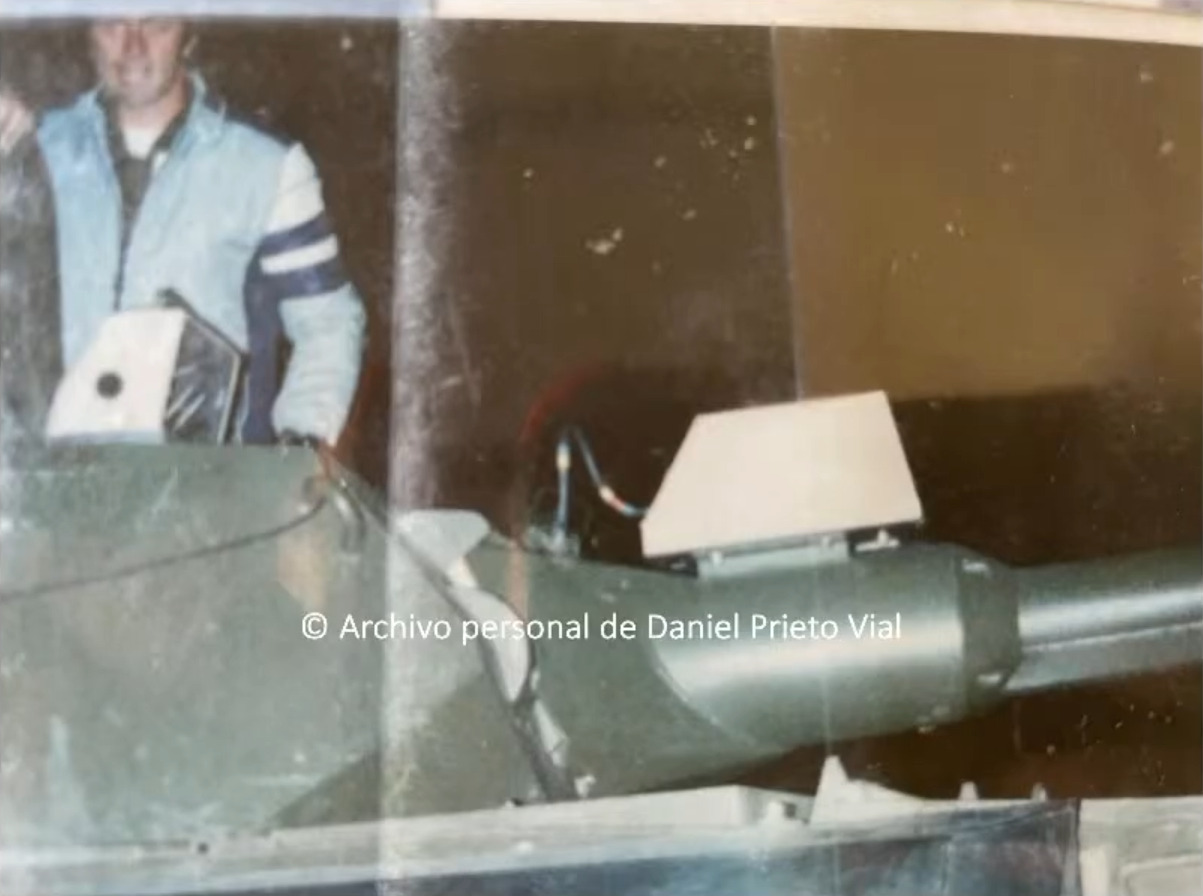
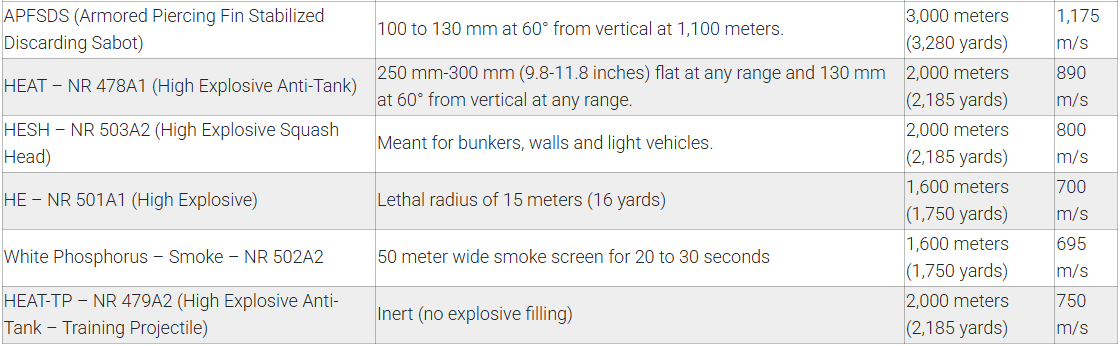
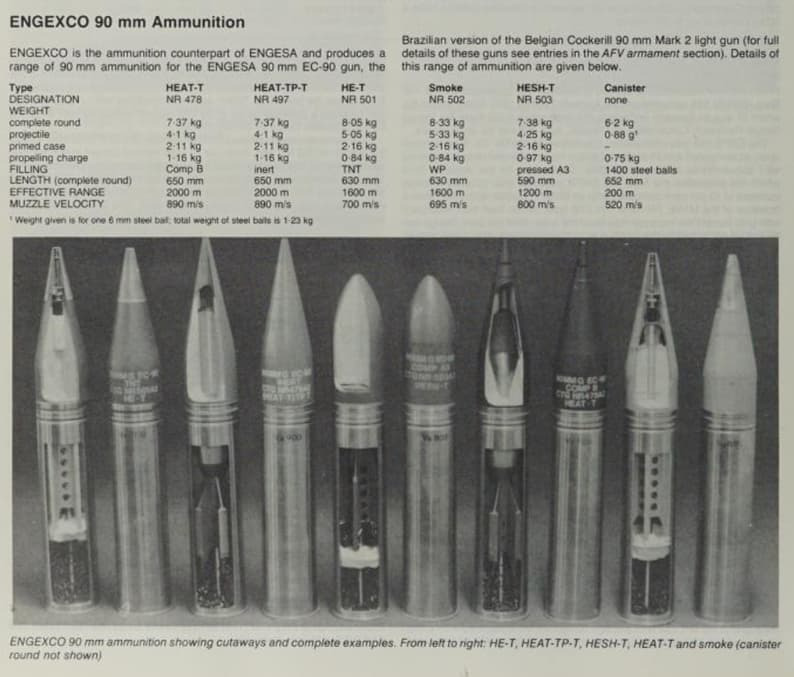
The main armament mounted in the turret was the 90 mm EC-90 III gun, a Belgian Cockerill Mk.3 manufactured under license by Engesa in Brazil. The gun features a depression of -8° and an elevation of +15°, and it can fire a variety of ammunition types, notably HEAT-T, HE-T, and HESH-T, as well as smoke rounds. Engesa also produced and tested APFSDS ammunition, but as it failed to attract buyer interest, it did not progress beyond the testing phase. Ammunition manufactured by Engesa also carried different designations from that manufactured in Belgium; the ammunition types and specifications are detailed below.
Finally, the gun was equipped with an LV3 laser rangefinder; the minimum measurement range was 200 meters and the maximum was 20,000 meters. These values were determined by the range counter, enabling accurate firing at long distances; it was primarily this system that attracted the interest of the Chilean company Cardoen, as it represented state-of-the-art technology in the 1980s.

By 1983, as tensions with Argentina subsided, the Chilean Army stopped purchasing Cardoen products, accepting only the outstanding batches of the Cardoen Piraña 6x6 that had already been paid for. Cardoen had envisioned mass-producing this specific variant, thanks to its excellent targeting system and firepower, which would have given the Army an advantage over Chile’s neighbors, but the Army ultimately rejected it, partly due to its high cost; consequently, the variant never progressed beyond the prototype stage.

Specifications:
- Crew:
- 3 (Commander, Gunner, Driver)
- Armament:
- Primary: ET-90 II turret armed with a 90 mm EC-90 III gun
- Secondary: 7.62 mm coaxial machine gun, 6 smoke grenades
- Dimensions:
- Length: 5.97 m
- Width: 2.5 m
- Height: 1.85 m (without turret)
- Weight: 10.5 t (vehicle) + 2.3 t (turret)
- Maneuverability :
- Engine: Detroit diesel 6V-53T, 300 hp at 2800 rpm
- Max. speed on roads: 100 km/h
- Speed in water: 10.5 km/h
- Transmission: Allison MT-653 automatic with 5 forward and 1 reverse gears
- Turning circle: 11.3 m
- Gradient: 70%
- Side slope: 30%
- Vertical obstacle: 0.5 m

Photos:
Sources:
- Piraña 6x6, la navaja suiza de Chile
- Chile, Industrias Cardoen, Uso Militar y Civil | PDF
- EE-9 M4 APFSDS Testbed - Tank Encyclopedia
- Jane’s Armour and Artillery 1985-1986
- Blindados no Brasil - Um Longo e Árduo Aprendizado - Volume 2 (page 539)