- Yes
- No
Cardoen CB-500-K Cluster Bomb
Introduction:
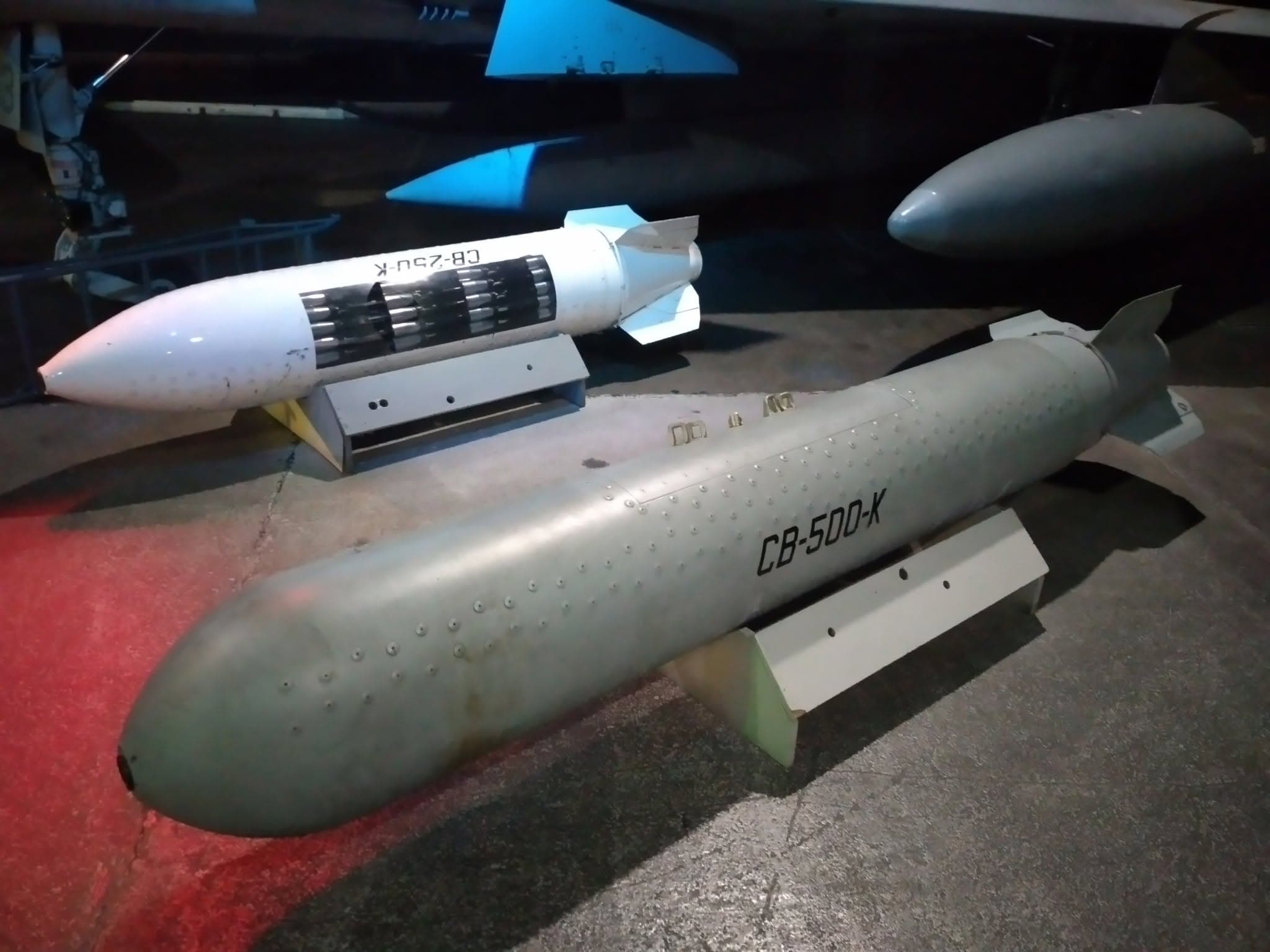
Industrias Cardoen was a Chilean defense company owned by Carlos Cardoen. Initially established to sell explosives for the mining industry, it shifted into the arms business following the 1978 Beagle Channel crisis. The company specialized in the development and sale of conventional bombs, as well as anti-personnel and anti-tank mines; it was also widely known, even internationally, for its flagship product, the cluster bomb. In this suggestion, we will focus on one of the models manufactured by Cardoen, the largest cluster bomb model ever manufactured by Cardoen, the CB-500-K cluster bomb.
History:
Due to the military dictatorship that Chile endured during the 1970s, the United States imposed the “Kennedy Amendment,” which, starting in 1976, prohibited Chile from purchasing military weaponry from the United States and European nations. This proved highly problematic, as Chile was experiencing constant tension with its neighbors, primarily Argentina and Peru, at the time. Consequently, the country turned to its domestic industrial sector, and specifically to the newly established firm Industrias Cardoen, to procure military supplies, primarily explosives such as bombs, landmines, and anti-tank weaponry.
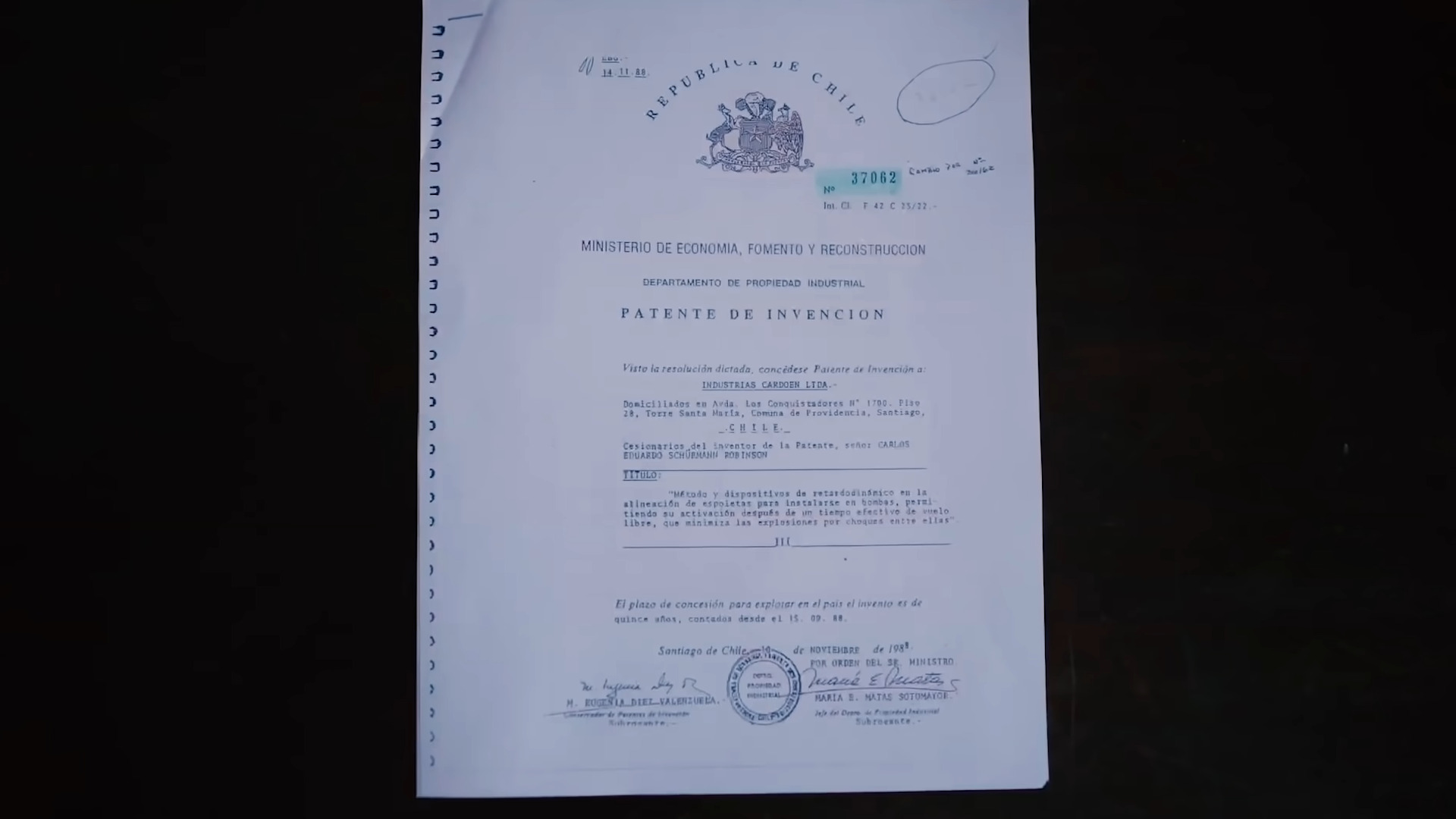
During the 1980s, Cardoen expanded its market by adding its own proprietary cluster bombs, patented in both Chile and the United States, which would become its most successful product. The Chilean Air Force purchased a large number of these bombs to equip its combat aircraft, such as the F-5 Tiger II, Mirage 50, Hawker Hunter, and the A-37B Dragonfly, which, at the time, served as the primary means of defense against an imminent Argentine invasion. Subsequently, they were also used by the A-36 Halcón.

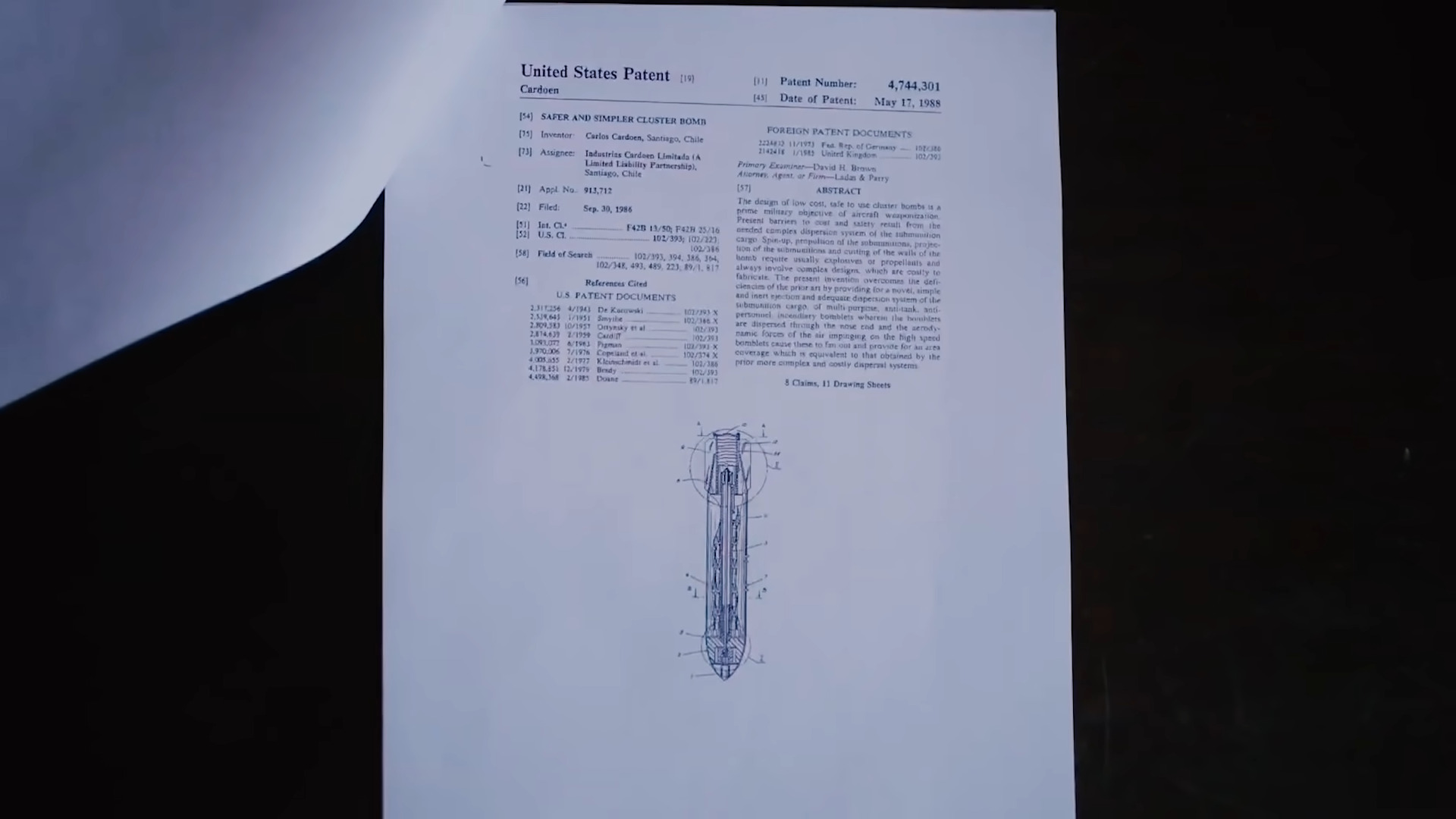
A cluster bomb is an aerial container, either a free-fall or guided munition, that opens in mid-air and releases dozens or hundreds of smaller bomblets. These spread over a wide area, destroying any targets in their path, such as armored vehicles, structures, or enemy personnel. However, due to the way these small bomblets disperse in the air, they are prone to causing collateral damage or killing civilians present in the affected area. Consequently, they have been banned in many countries following the Convention on Cluster Munitions, although numerous other nations continue to use them to this day.
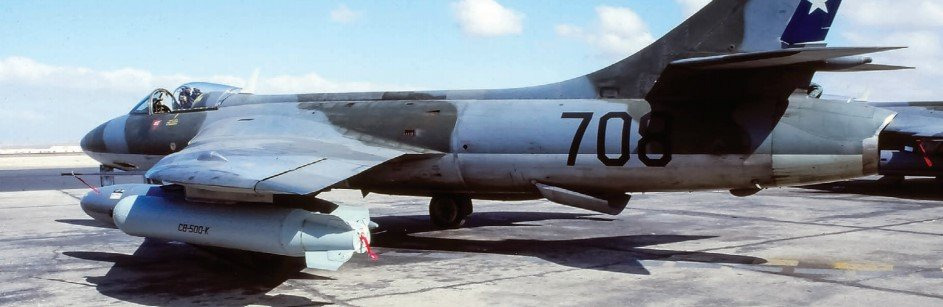
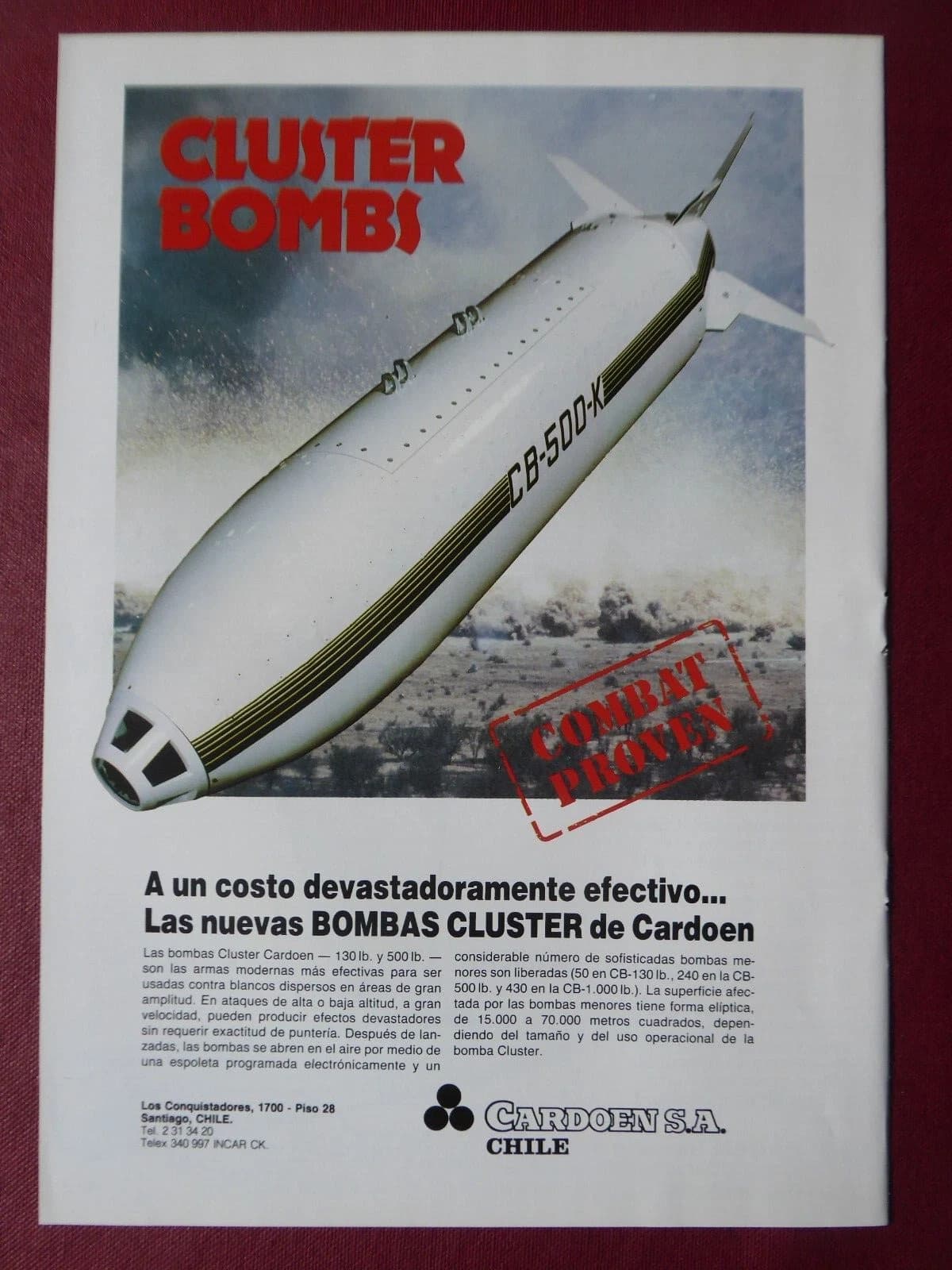
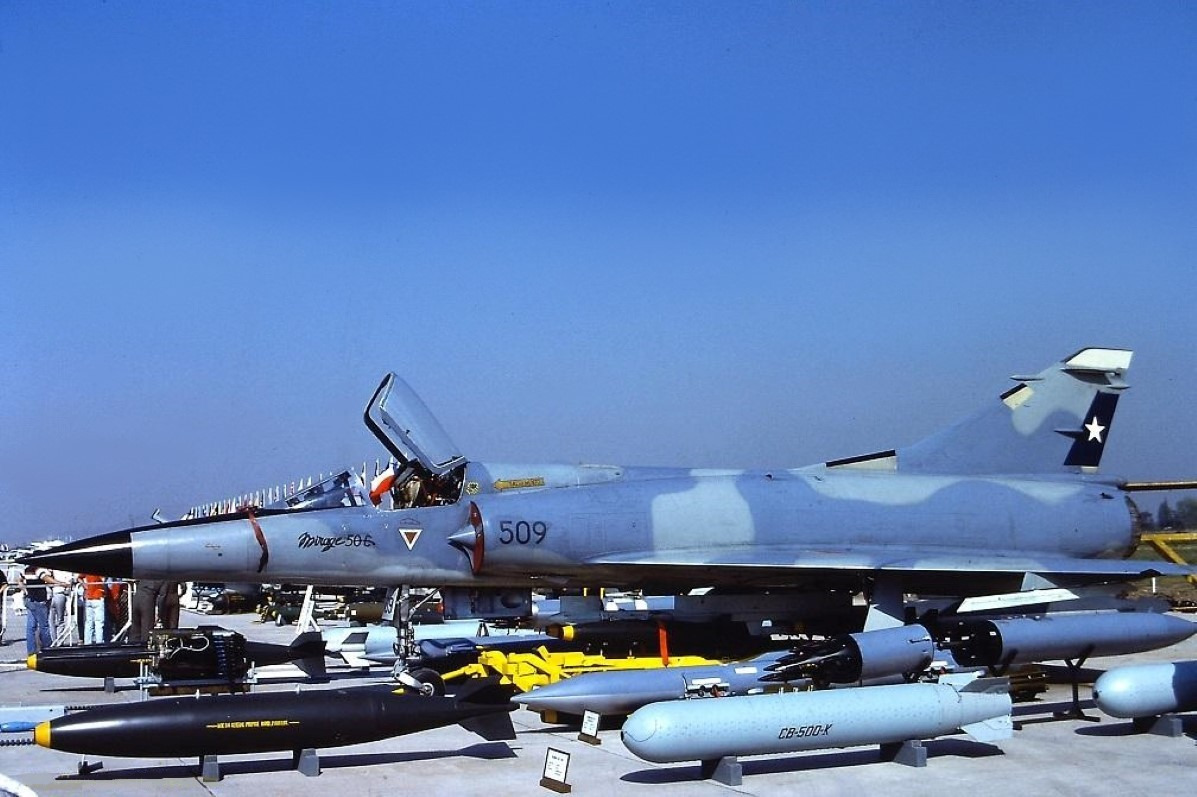
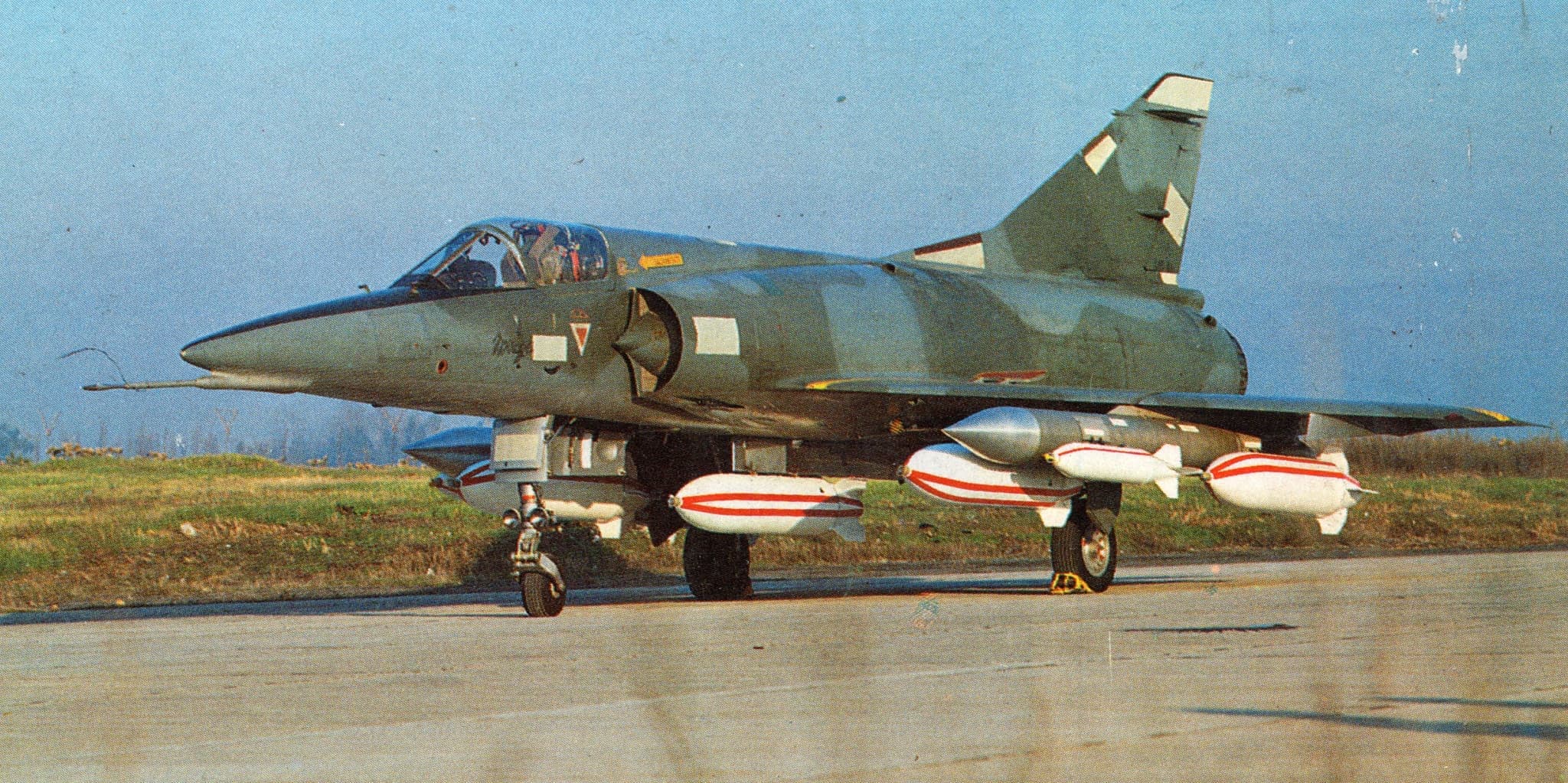
Cardoen manufactured several models of cluster bombs, which differed primarily in terms of size and weight. The CB-500-K, the model on which we will focus, was the fifth to be produced and served as the successor to the smaller, lighter CB-250-K. As its name suggests, this new model weighs nearly 500 kilograms, twice as much as its predecessor, and featured a more elongated design to accommodate a greater number of submunitions. Like its predecessor, it was constructed from high-strength fiberglass. This version incorporated an improved release system and an updated electronic timed fuze. In terms of appearance, Cardoen’s cluster bombs came in three distinct color schemes: white with red stripes, gray with the model name inscribed, or blue for training purposes.
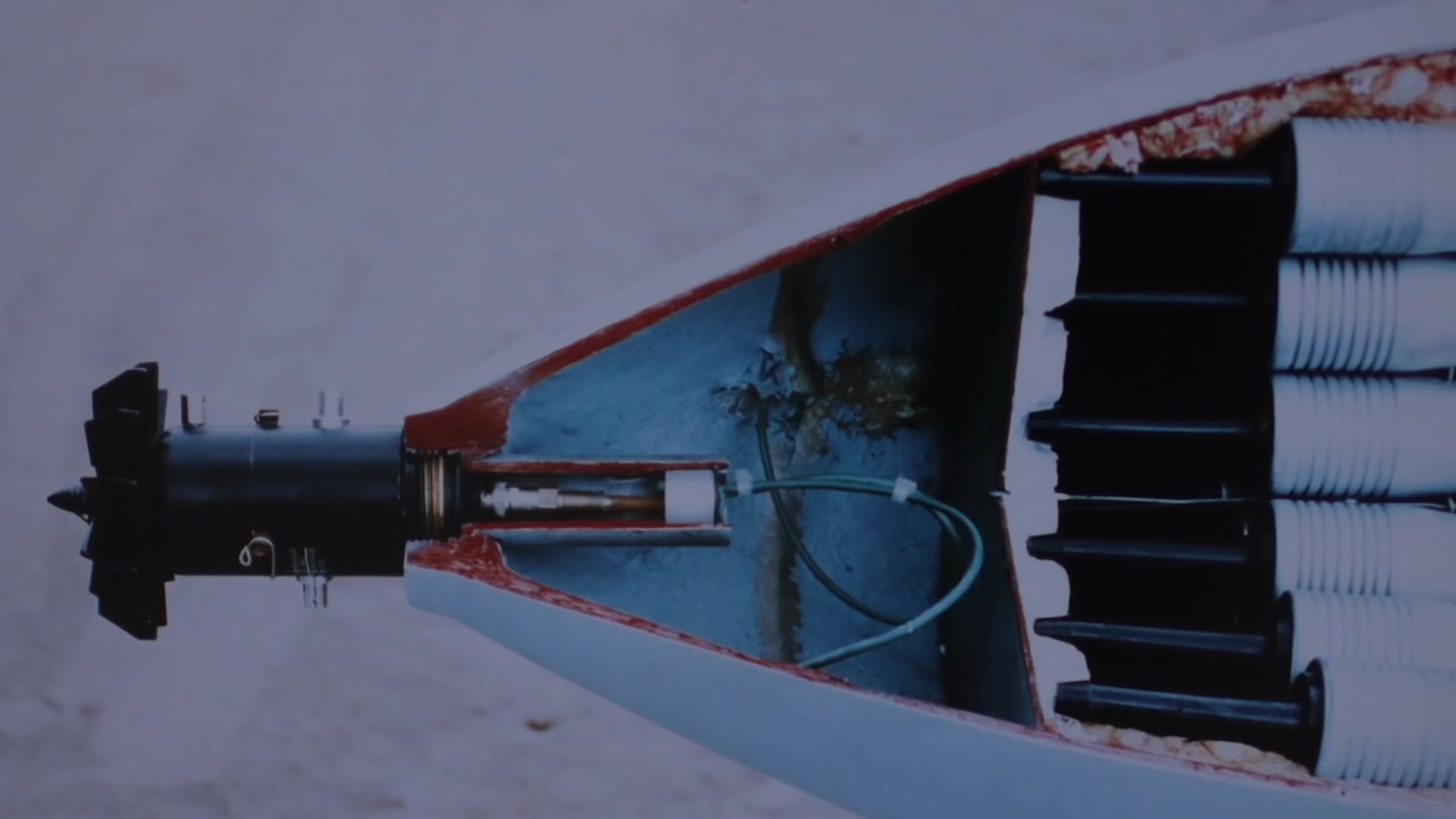
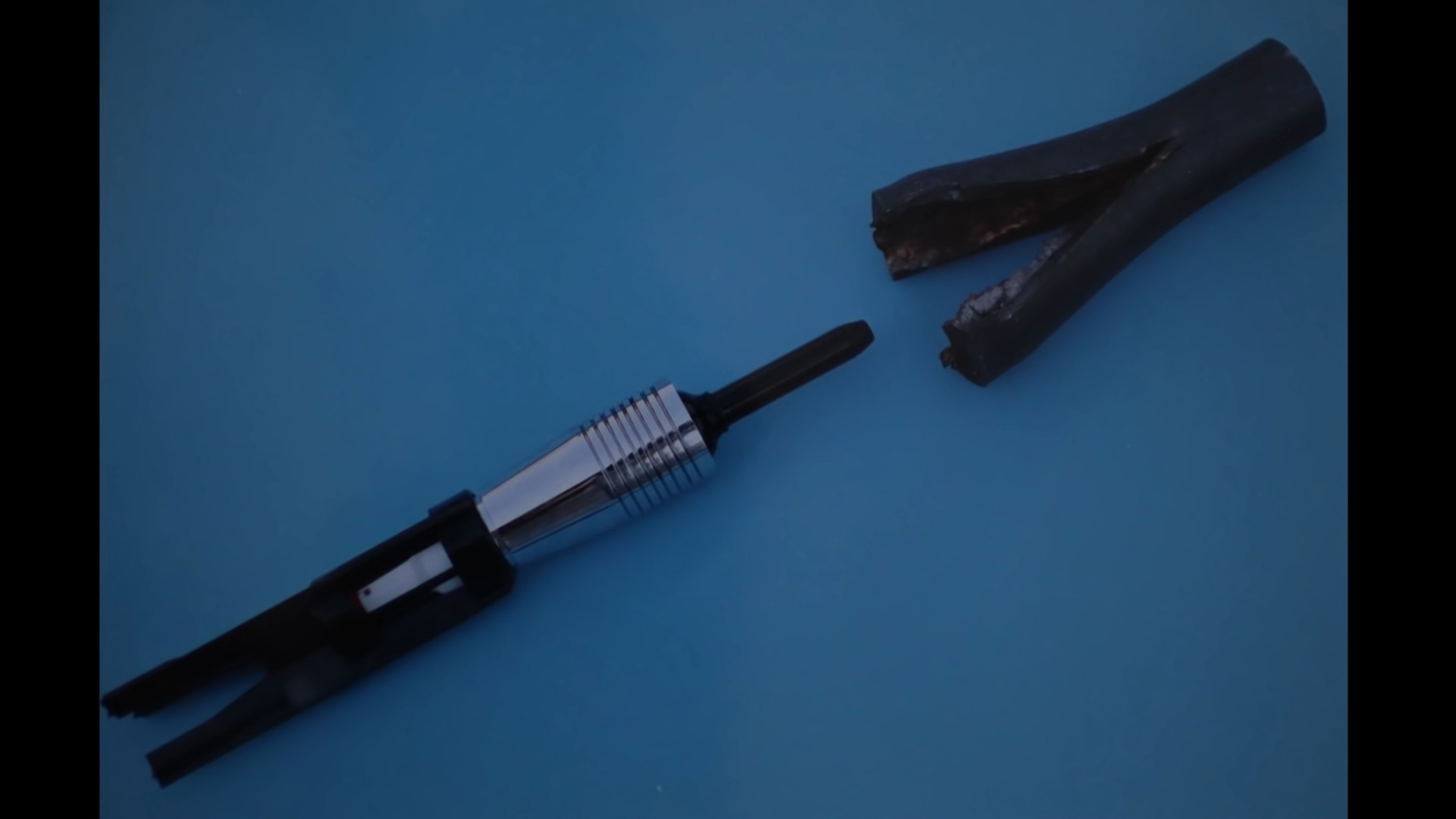
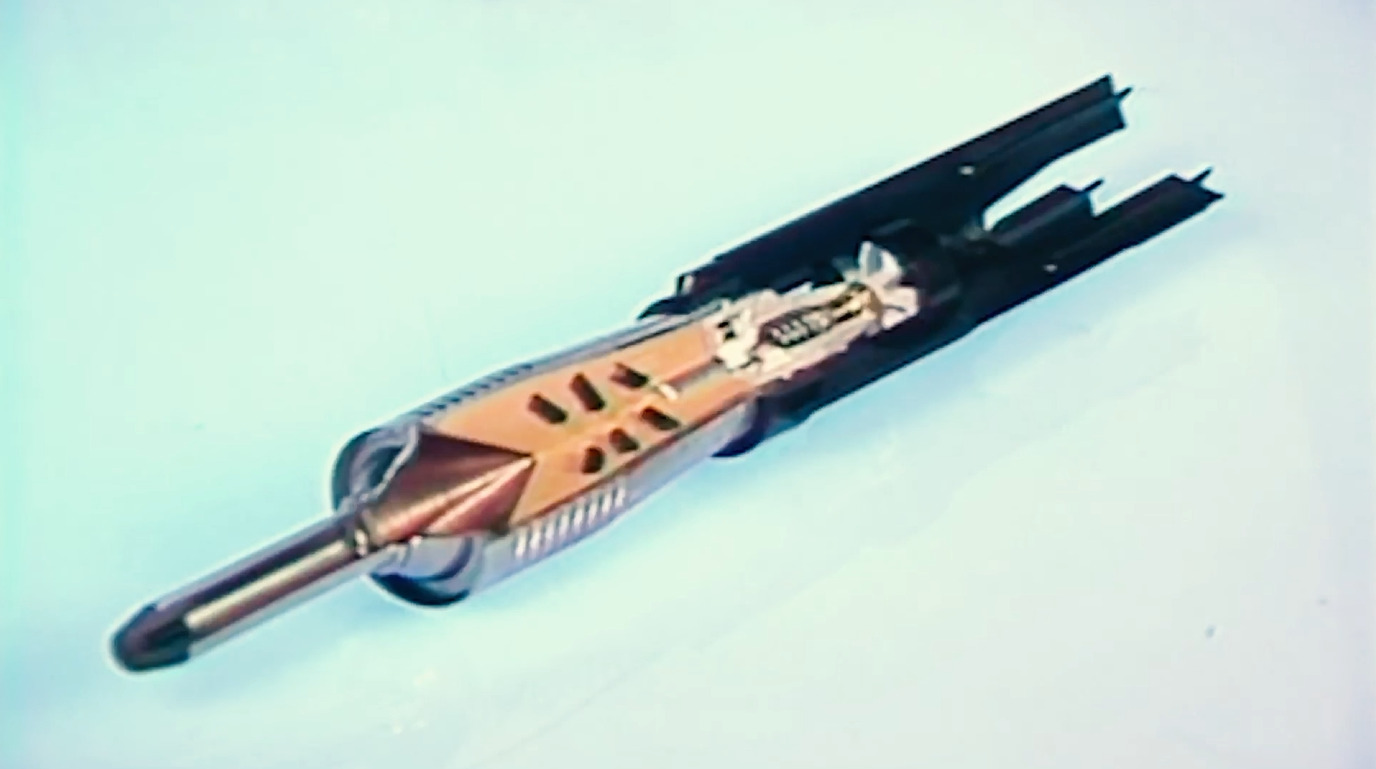
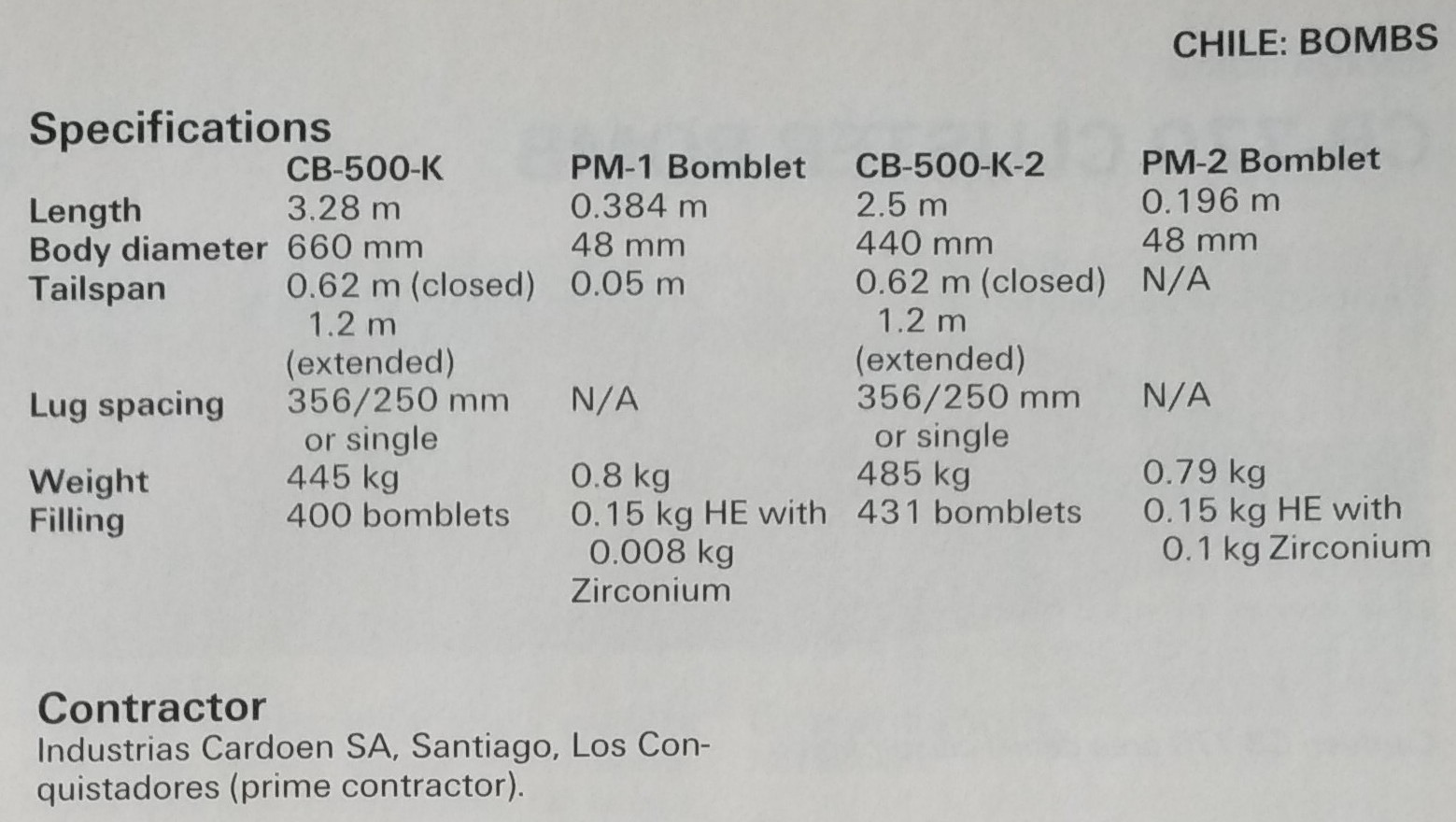
The Cardoen cluster bomb features suspension lugs compatible with standard NATO 356 mm (14-inch) systems, as well as Russian 250 mm and British standards. The CB-500-K is 3.28 m long, has a body diameter of 660 mm, weighs 445 kg, and can carry 400 PM-1 bomblets. Each PM-1 bomblet measures 0.384 m in length, has a body and fin diameter of approximately 50 mm, and weighs 0.8 kg. They possess anti-armor, anti-personnel, and incendiary effects, with the capability to penetrate up to 150 mm of armored steel; the incendiary component, weighing 0.008 kg, features zirconium inserts embedded within the 0.15 kg high-explosive filler. Once opened, the CB-500-K disperses its submunitions, saturating an area of approximately 90,000 m², including a zone of severe destruction spanning about 30,000 m², all depending on the time set on the fuze, as well as the speed and altitude at which the cluster bomb was opened.
The operational use of these bombs occurred primarily in Chile, where they served as a key asset for confronting neighboring countries during the crisis of 1978 and the mid-1980s; they were deployed extensively by F-5 Tiger II, Hawker Hunter, Mirage 50, A-36 Halcón and A-37B Dragonfly aircraft. Abroad, they were sold to the Saddam Hussein regime in Iraq, along with other models of Cardoen cluster bombs, with an estimated 29,000 units sold for a total value of approximately 200 million dollars.
A Chilean Air Force (FACH) Mirage 50C dropping cluster bombs manufactured in Chile by Cardoen.
Specifications:
Photos:


Sources:
- Janes air launched weapons 1992
- Cardoen product catalog
- Del Vampire al Viper Recargado...!: Historia de los Jets de Combate de la Fuerza Aérea de Chile (Aviation Art & History - Chilean Air Force) (Spanish Edition): Arróspide, Julio, Zamora, Raúl, Marambio, Cristián: 9798478360191: Amazon.com: Books
- CAT-UXO - Cb 500 k aircraft cluster bomb
- CAT-UXO - Pm 1 submunition
- Colombia destruye todas las bombas racimo que tenía en su arsenal
- https://www.biobiochile.cl/especial/bbcl-investiga/noticias/de-pasillo/2026/09/15/bombas-de-racimo-una-explosion-y-un-secuestro-el-dia-que-chile-ofrecio-un-f-5-como-disculpa-a-iran.shtml