- Yes
- No

HISTORY
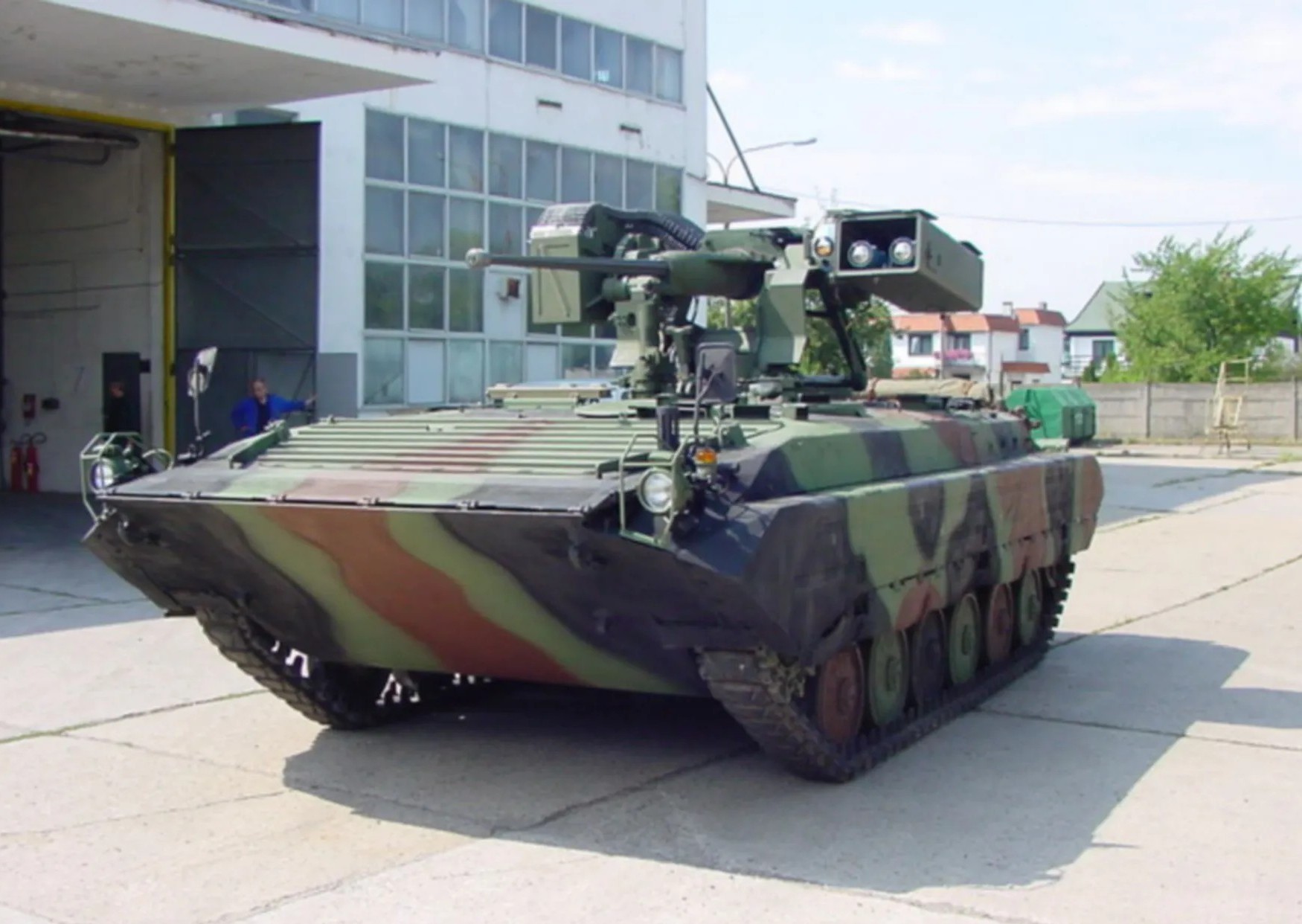
The Puma program carried out by Wojskowe Zakłady Motoryzacyjne nr 5 (WZM) from Poznań began in 1999 under a contract from the Ministry of National Defence (MON), specifically its then Department of Development and Implementation. However, the project had been suspended by the end of 2001 due to low budget while still at the stage of factory trials.
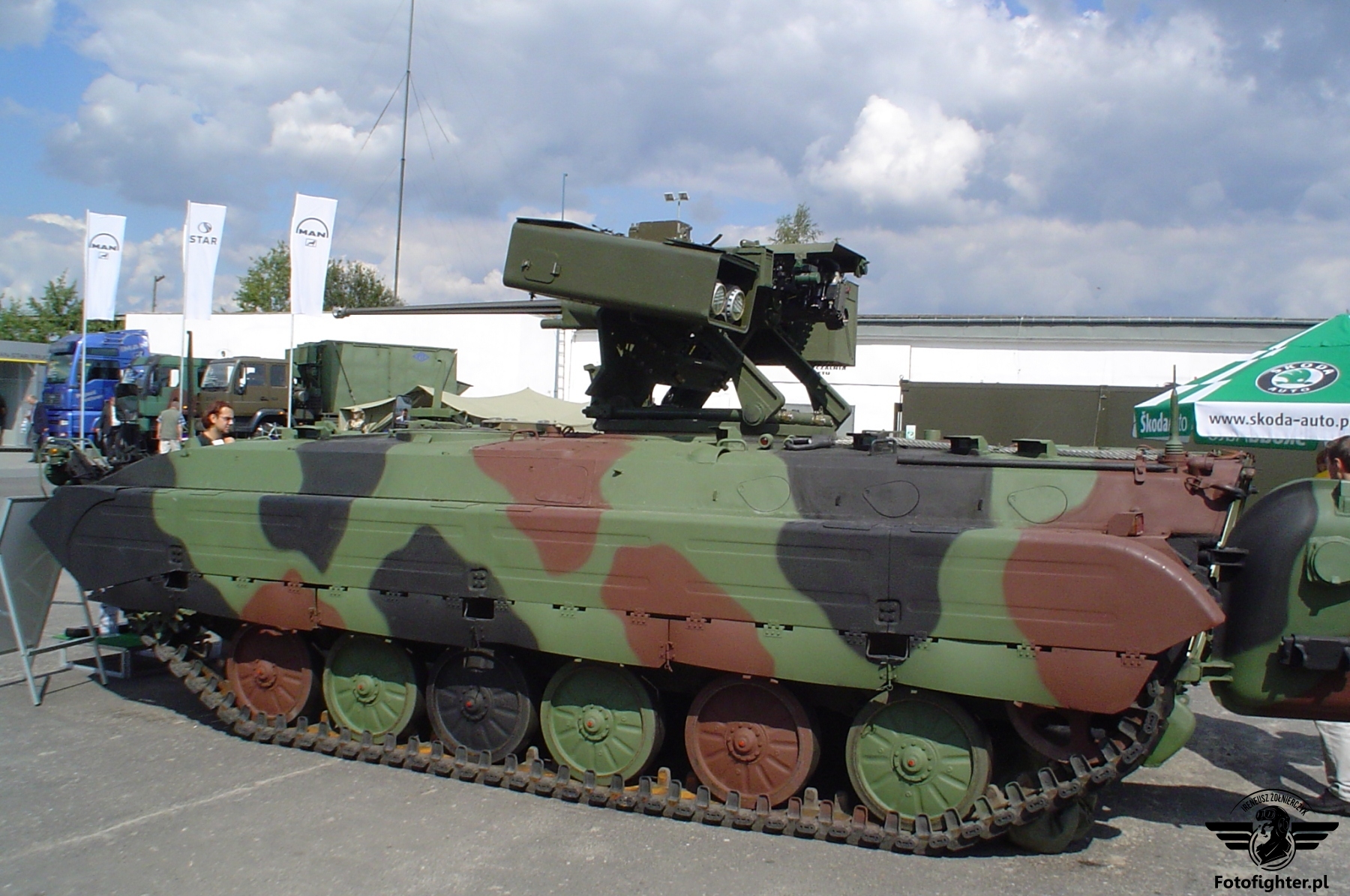
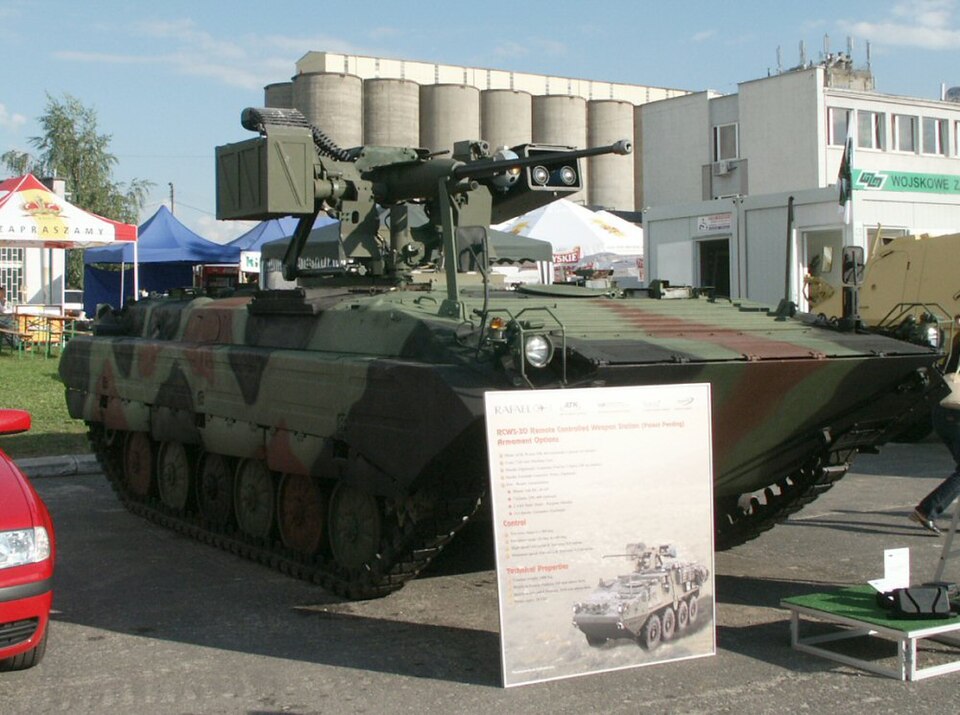
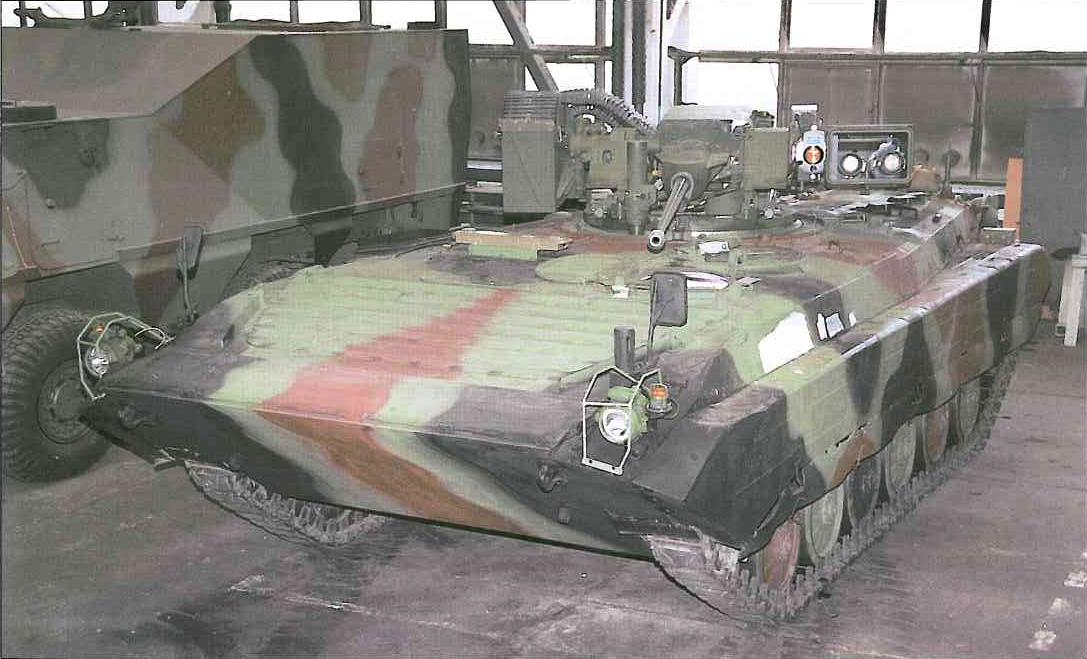
Following the conclusion of the tender for the KTO Rosomak wheeled APC, WZM sought to remind the Ministry of the Puma project. To that end, at MSPO 2003 they presented a version of the vehicle fitted with a mock-up of the E8 turret from Rheinmetall, demonstrating the platform’s development potential and its ability to integrate modern weapon systems.
These efforts proved effective, as in the summer of 2004 the Ministry’s Department of Armament Policy (DPZ) resumed talks with WZM on reviving the program and conducting qualification trials. The negotiations concluded in July with a new set of requirements and the signing of a contract stipulating that qualification testing of the vehicle would be completed by December 15, 2004. The trials were to be conducted by the Wojskowy Instytut Techniki Pancernej i Samochodowej at the training grounds in Biedrusko and Wędrzyn, as well as at the institute’s facilities in Sulejówek.
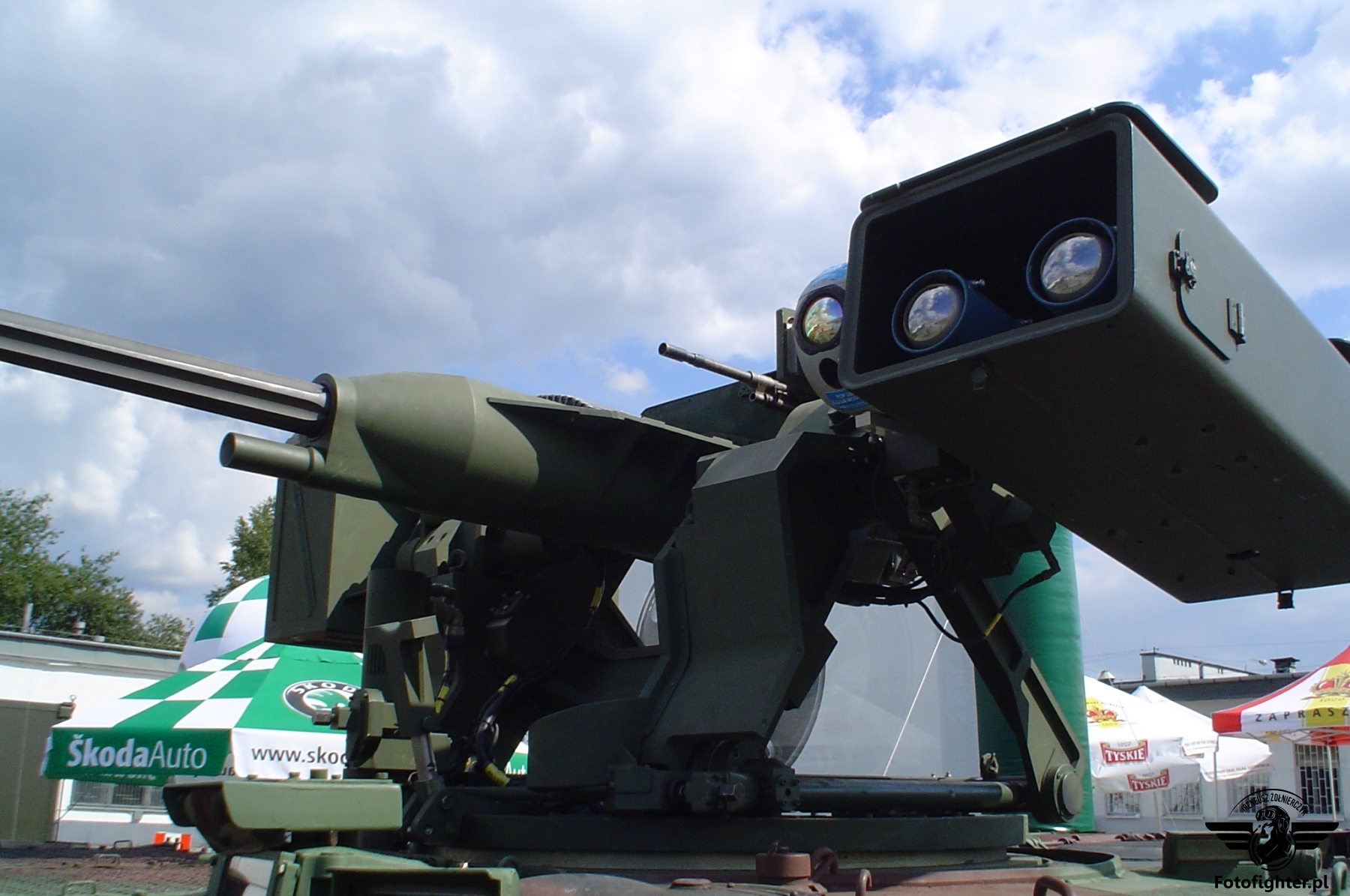
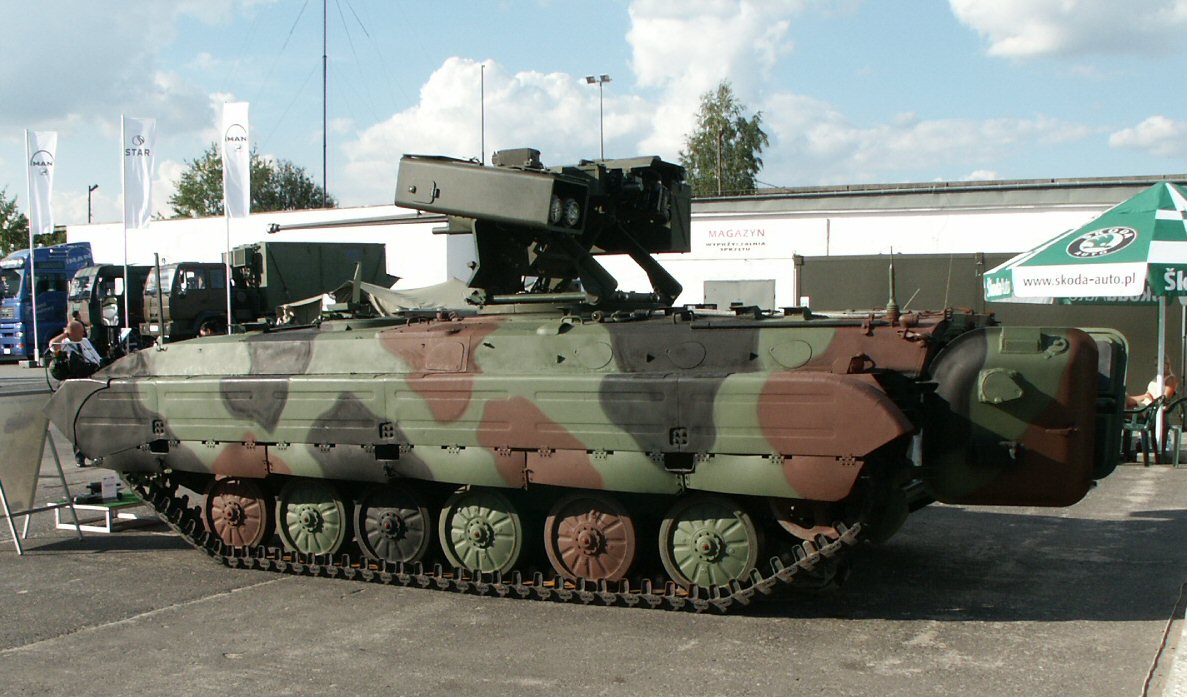
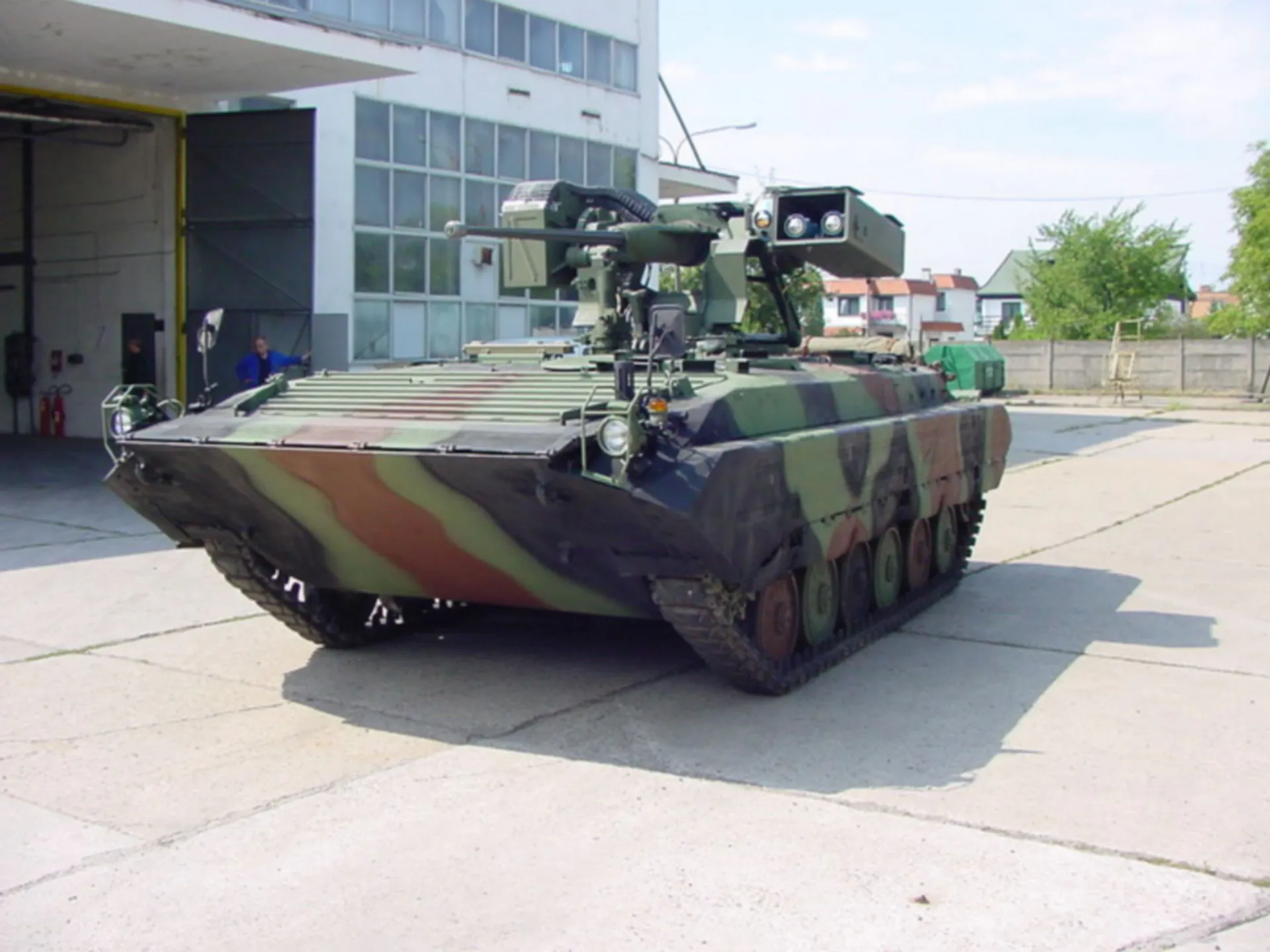
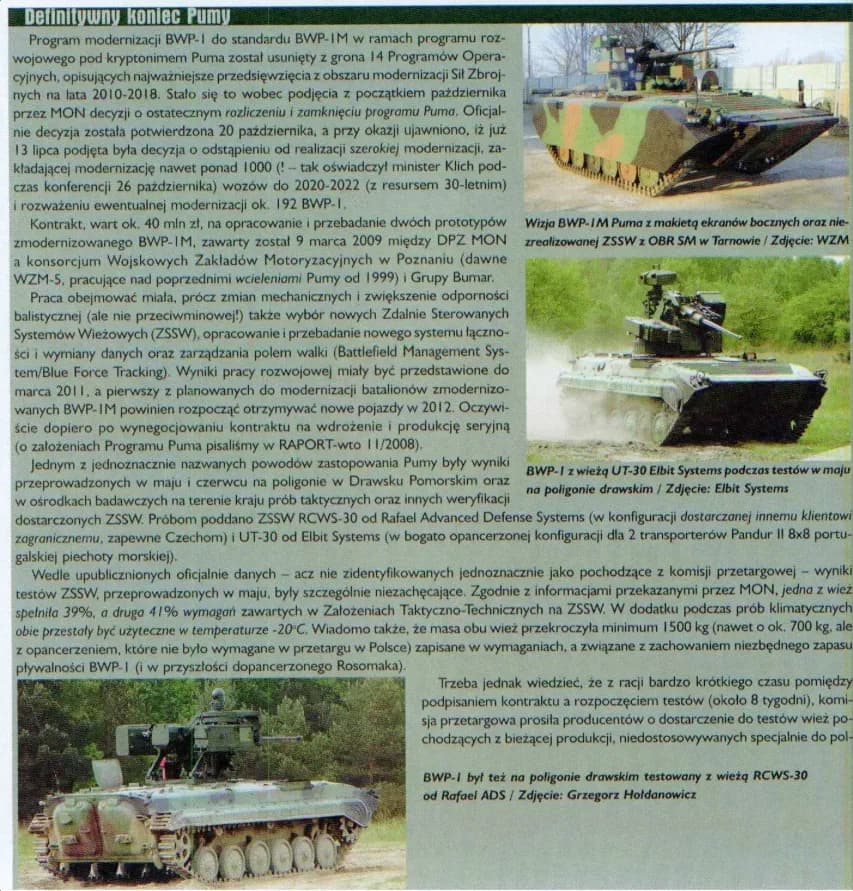
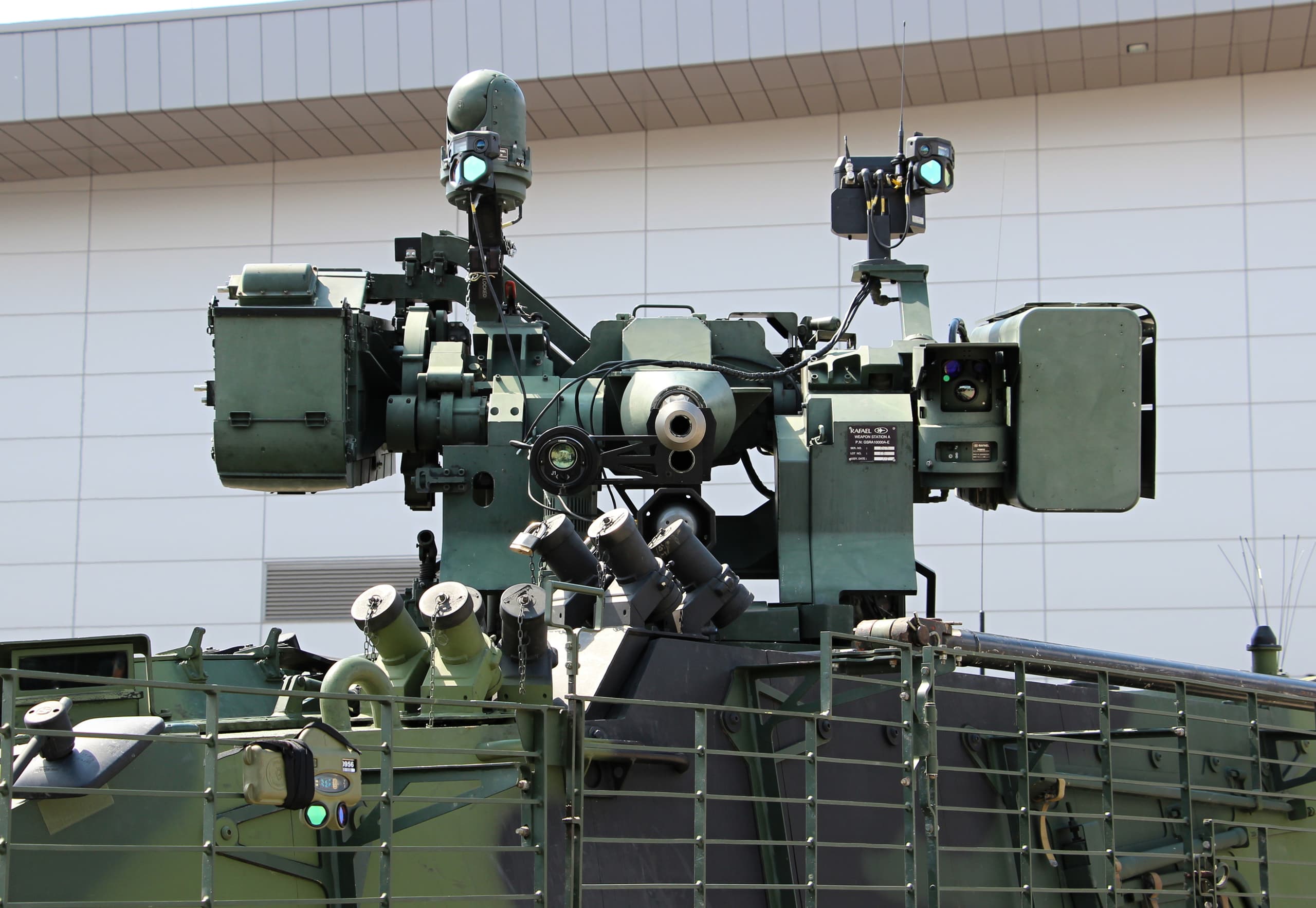
Although the agreement formally concerned the modernization of the chassis co-financed by the DPZ, WZM took the opportunity to test a new configuration of the vehicle with armament. Instead of a conventional manned turret, they integrated the remote-controlled weapon station RCWS-30 developed by Rafael Advanced Defense Systems.
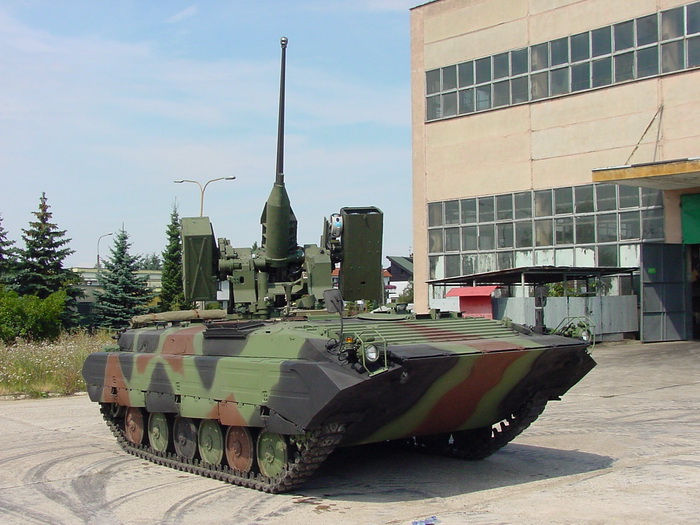
The installation of the RCWS-30 on the Puma was made possible by the flexibility of both partners. Talks began in June 2004 in Paris and quickly led to full agreement on the project. Notably, the Polish Puma became the first non-Israeli vehicle to be fitted with this system previously it had only been installed on M113 armored personnel carriers. An additional advantage was cost: the RCWS-30 was approximately 20–30% cheaper than comparable manned turret systems, making it an attractive alternative to traditional solutions.
On November 10, 2005 the formal decision approving the completion of the R&D project “Modernization of the BWP-1, codename Puma-1” was issued. Unfortunately, it turned into a 3-year break, and the program was finally launched on October 13, 2008. Although not as a modernization program, but another development project that was supposed to end on June 30, 2010. By that time a newer version of Samson RCWS-30 was chosen.
CHARACTERISTICS
ARMAMENT
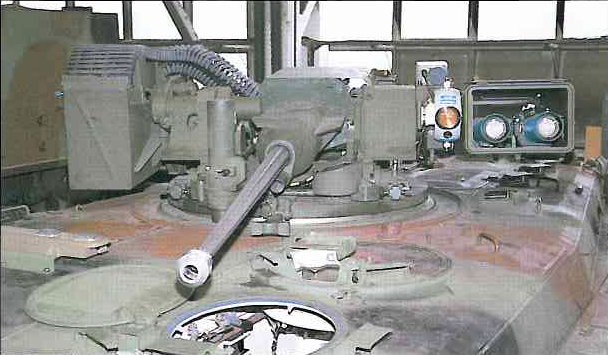
Turret: Samson RCWS-30
- Horizontal guidance speed: 1 rad/s (≈57.3 deg/s)
30 mm Bushmaster Mk.44
- Elevation: -20°/+60°
- Two-plane stabilizer
- Fire rate: 200 rds/m
- Ammo capacity: 200 rds ready racked
- Ammo: Standard 30 mm
- 7,62 mm FN MAG
- Ammo capacity: 460 rounds
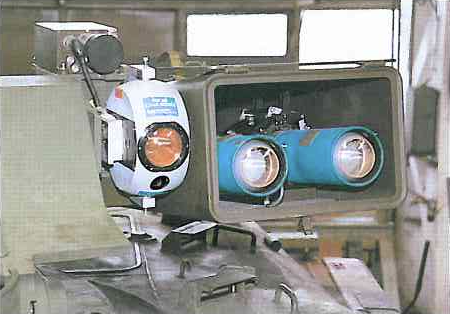
2 x Spike LR launcher
- Ammo capacity: 2 ready to use
MOBILITY
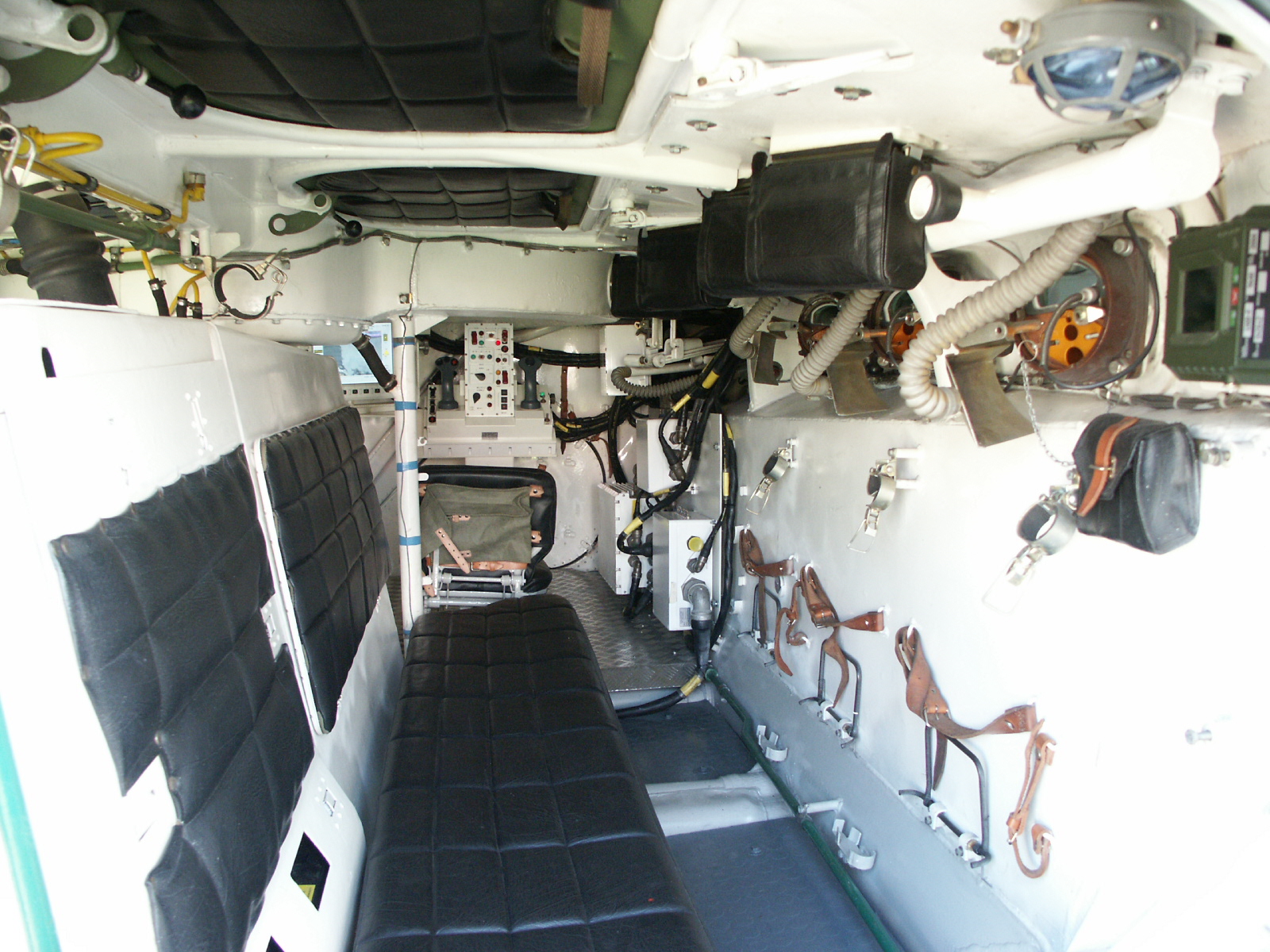
- Crew (3): Driver, Commander, Gunner
- Engine: UTD-20
- power: 221 kW / ≈300 PS @ 2300 rpm
- Transmission:
- Gears: 5 forward, 1 reverse
- Max speed: 65 km/h
- Turret combat weight: 1400 kg
OPTICS, ELECTRONICS
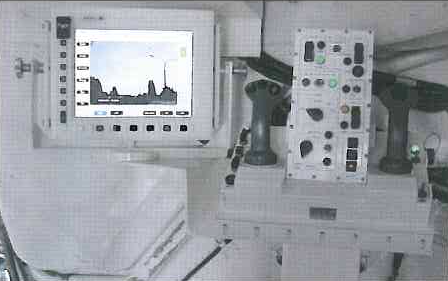
- Gunner optic:
- Daylight camera
- Thermal camera
- 2nd generation
- Videotracker
DIMENSIONS
Overall length: 6735 mm
Overall width : 2940 mm
Height with turret: 2450 mm
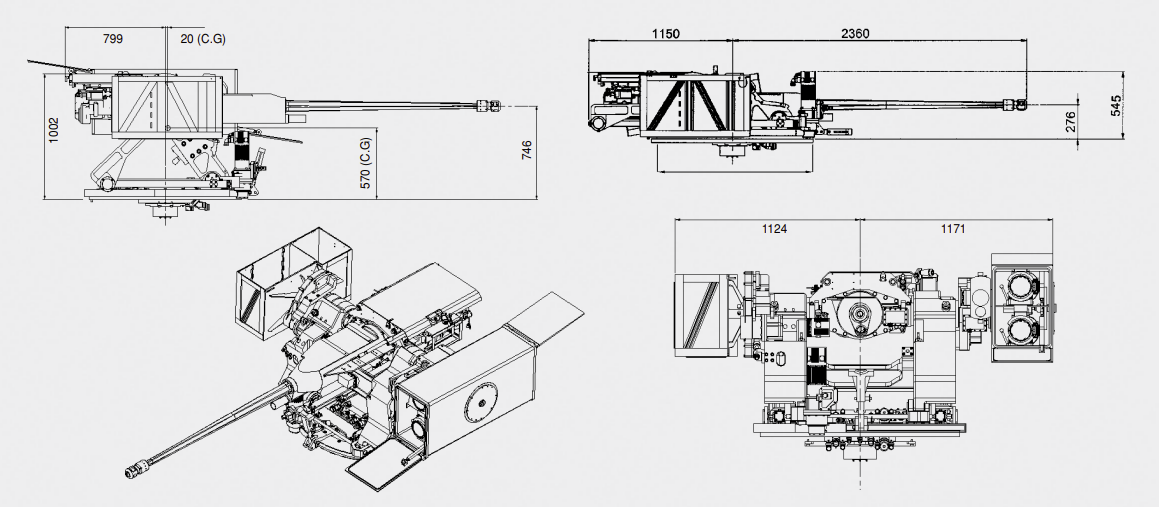
Summarized characteristics
- Crew (3)
- Driver, gunner, commander
- 30mm Bushmaster Mk.44
- Ammo:
- Elevation: -20°/+60°
- Two-plane stabilizer
- Fire rate: (200 rds/m)
- Gunner sight
- 2nd Gen thermals
- Video tracker
- Turret combat weight: 1.4 t
- Engine: UTD-20 221 kW / ≈300 PS @ 2600 rpm
- Max speed: 65 km/h
- Length 6,73 m Width: 2,94 m Height: 2,45 m