- Yes
- No
Introduction
The British Aerospace Harrier II was developed from the Anglo-American AV-8B Harrier II programme, to provide the RAF with a substantially improved successor to the first-generation Harrier GR.3. The new aircraft offered greater range, a larger weapons payload and improved aerodynamic performance, making it particularly suitable for ground attack and close air support. The first British Harrier II, the GR.5, flew on 30 April 1985 and entered RAF service in 1989. Although it shared its heritage with the American AV-8B, the British version was a significant re-design, including new navigation equipment and defensive systems, the Ferranti moving-map display, Marconi Zeus electronic countermeasures system, and re-worked weapons capability. Experience with the GR.5, however, highlighted the need for further improvements, particularly to enable effective operations at night.
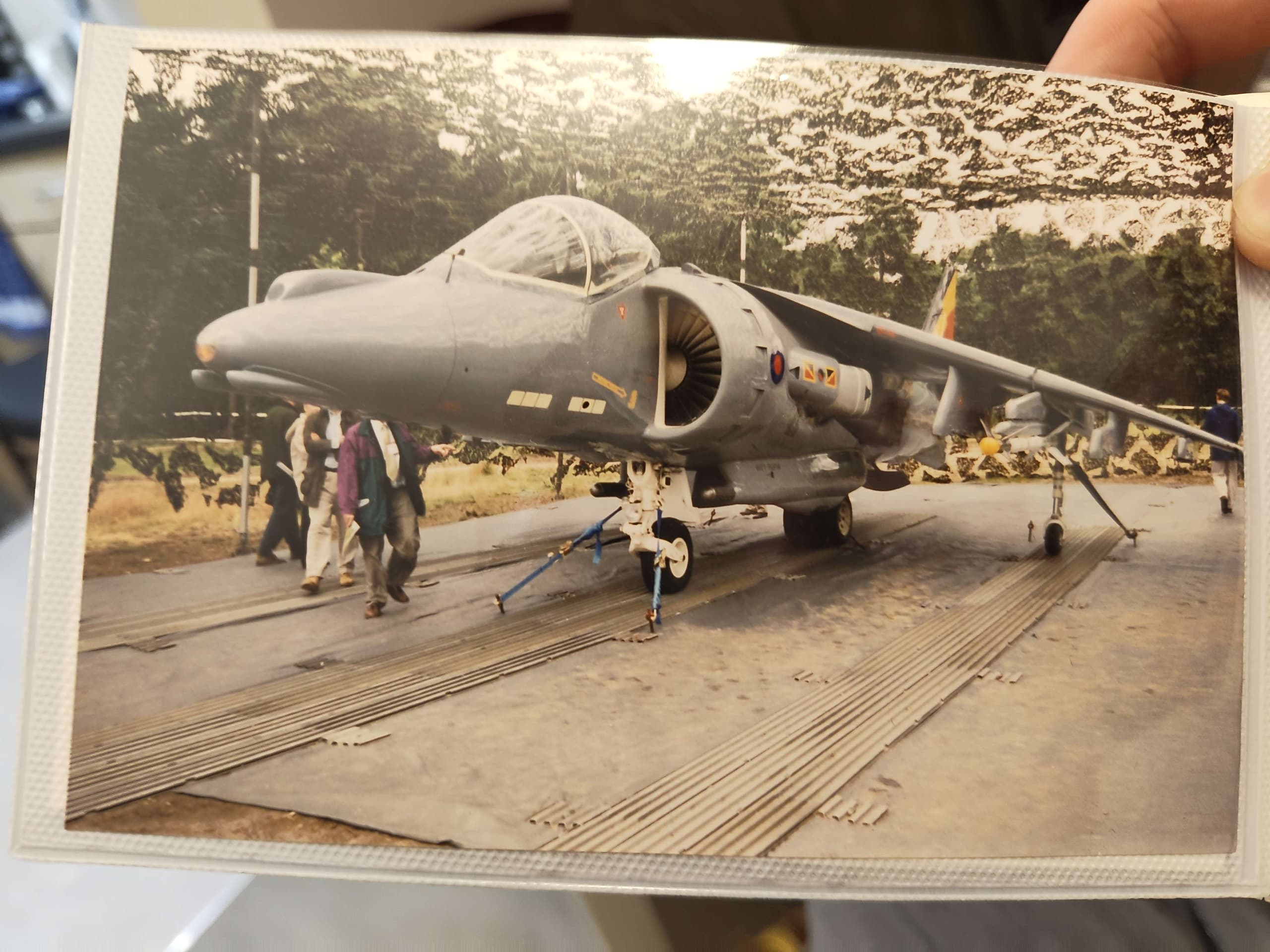
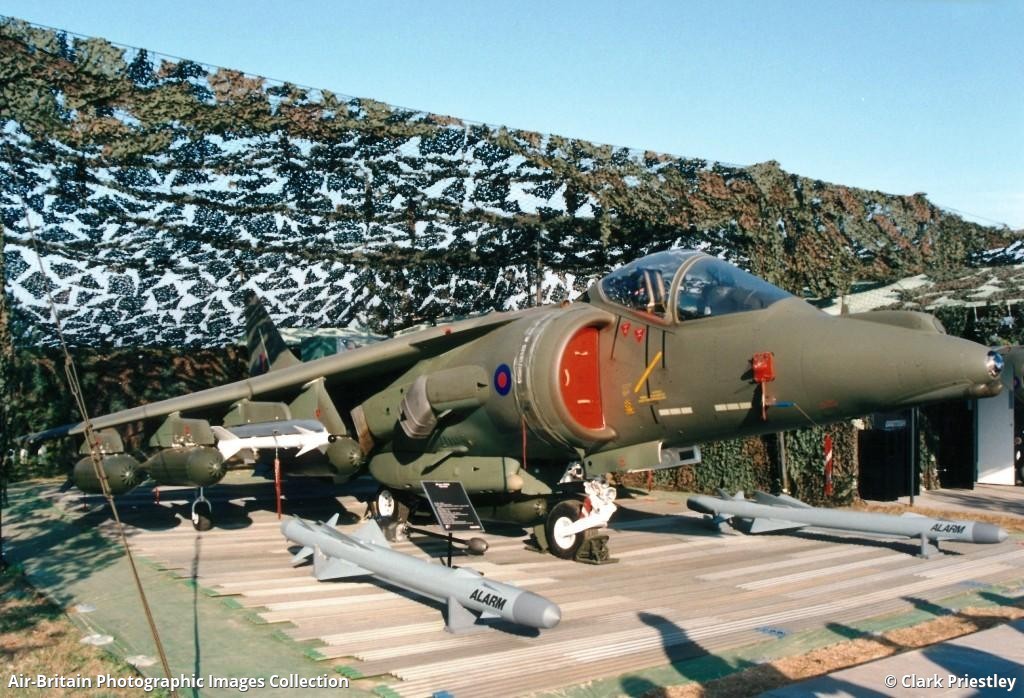
The Harrier GR.5A was an interim development of the GR.5, incorporating modifications in anticipation of the more advanced GR.7. Other than internal electronic architecture, the most noticeable physical modifications are largely to the nose of the aircraft, in preparation for the FLIR (bump over the nose) and forward ECM (the pair of protrusions below the nose) to be fitted to the GR.7s. Despite being fully wired and built for these systems, in the GR.5A specifically, they were not actually fitted. In total, between mid-1989 and mid-1990, 21 GR.5As were built, and their existence was brief, with many being taken back to the factory within 12 months to undergo their conversions to the GR.7 standard.
The GR.5A paved the way for the Harrier GR.7, which added the capabilities needed for day-and-night combat operations. Its upgrades included the long awaited fitting of the a nose-mounted forward-looking infrared (FLIR) sensor, a cockpit compatible with night-vision goggles, improved displays and mission systems, and enhanced electronic countermeasures. The GR.7 first flew in May 1990 and entered RAF service that year; the earlier GR.5 and GR.5A fleets were subsequently brought up to the GR.7 standard.
In-game, in the British tech tree, there is currently an absolutely huge capability gap between RAF Harriers, with the GR.3 at 9.7 and the next RAF Harrier being the GR.7 at 12.3. The T.10 alleviates this somewhat at 11.7, but it’s a rather expensive premium, and still leaves a large gap around the 10.7 area. An early second generation Harrier, a GR.5, with Mavericks and Aim 9Ls, would be fantastic British equivalent other iconic CAS airframes at the BR like the A-10 and Su-25. The GR.5A specifically should be a very appealing option to Gaijin, because unlike the regular GR.5, the GR.5A needs essentially zero external modifications compared to the already in-game GR.7, meaning a historically important aircraft could be added with basically only a new skin, a few bits shuffled round in the cockpit, and altered suspended ordnance.
Specifications
Spoiler
Airframe
Crew: 1
Length: 14.12 m (46 ft 4 in)
Wingspan: 9.25 m (30ft 4 in)
Height: 3.56 m (11 ft 8 in)
Wing area: 22.6 sq m (243 sq ft)
Engine: Rolls-Royce Pegasus 11 Mk. 105 turbofan (21,750 lbf (96.7 kN))
Weight: 18,950 lbs (loaded)
Max takeoff weight: 31,000 lb (14,061 kg)Performance
Maximum Speed: 662 mph (1065 km/h)
Combat range: 300 nmi (350 mi, 560 km)
Ferry range: 1,758 nmi (2,023 mi, 3,256 km) with 4× drop tanks
Service ceiling: 15,000 m (50,000 ft)
Rate of climb: 74.75 m/s (14,715 ft/min)Suspended Armament
2 x 25mm ADEN (100 rounds per gun)
6 x AIM-9G/L/Dechirped L
6 x ASRAAM (trialed)
6 x CRV7/LAU 5002 (42 rockets)
6 x CRV7/LAU 5003 (114 rockets)
6 x SNEB/Matra 155 (108 rockets)
5 x 1000lb Bombs (RET/FF/MFBF)
7 x 540lb Bombs
7 x BL-755 Cluster bombs
5 x CBU-87 Cluster bombs
6 x AGM-65 Maverick ( E/D ) (cleared for use but not fitted)
4 x Paveway II 1000lbs
6 x Paveway II 500lbs
2 x Paveway III 2000lbs
Images
Spoiler
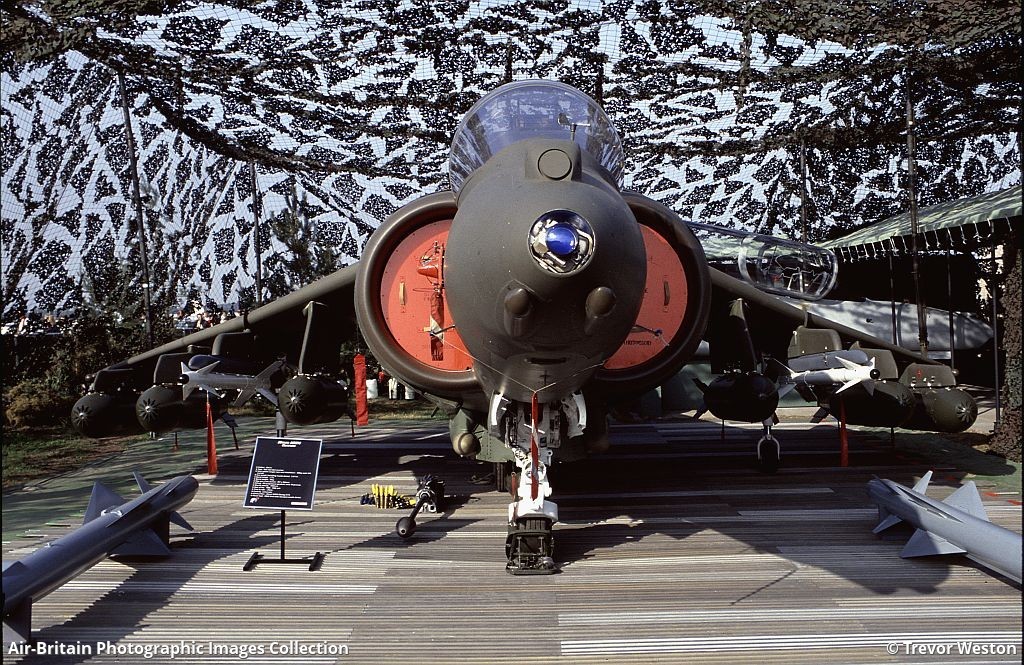
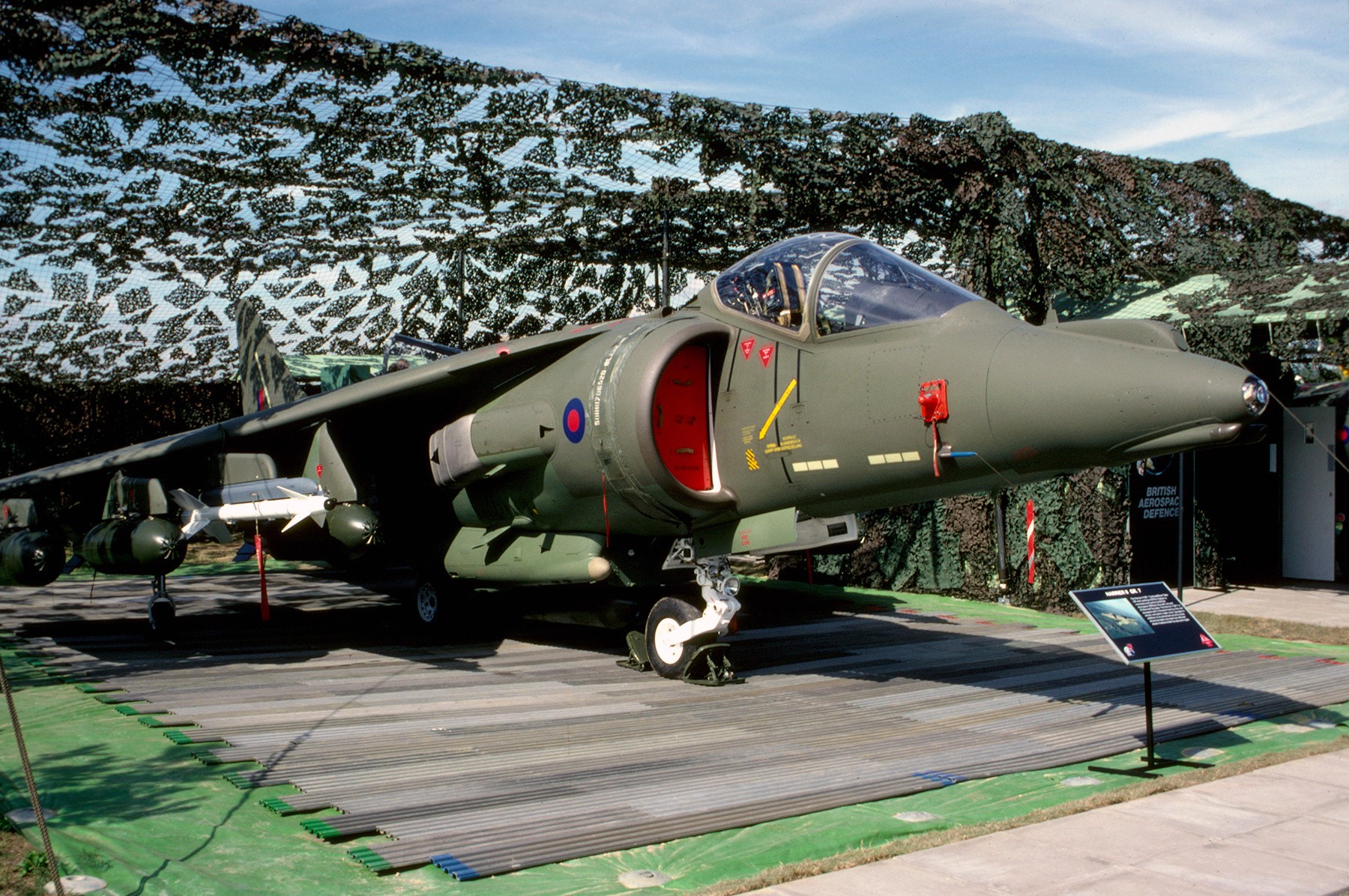
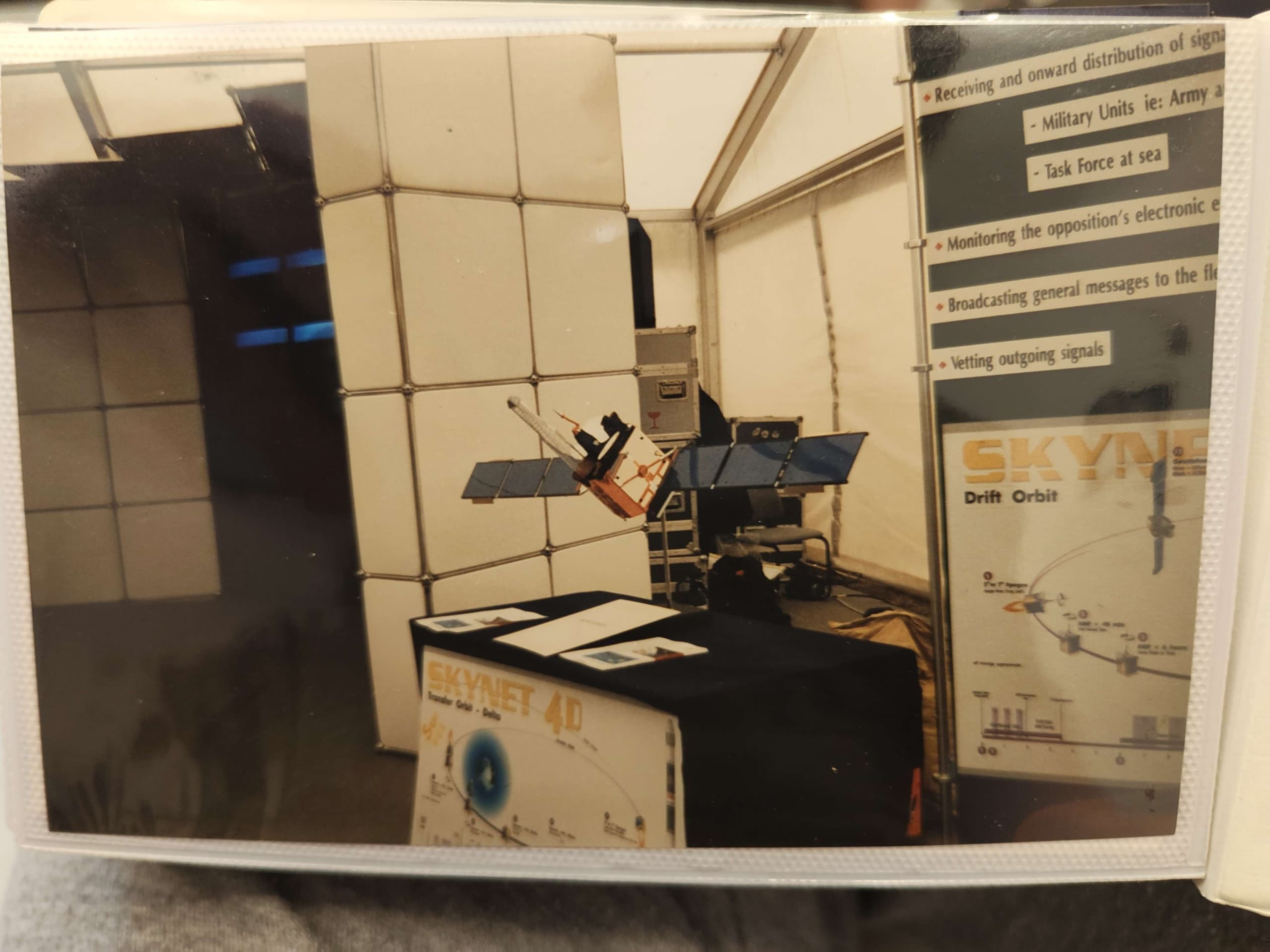
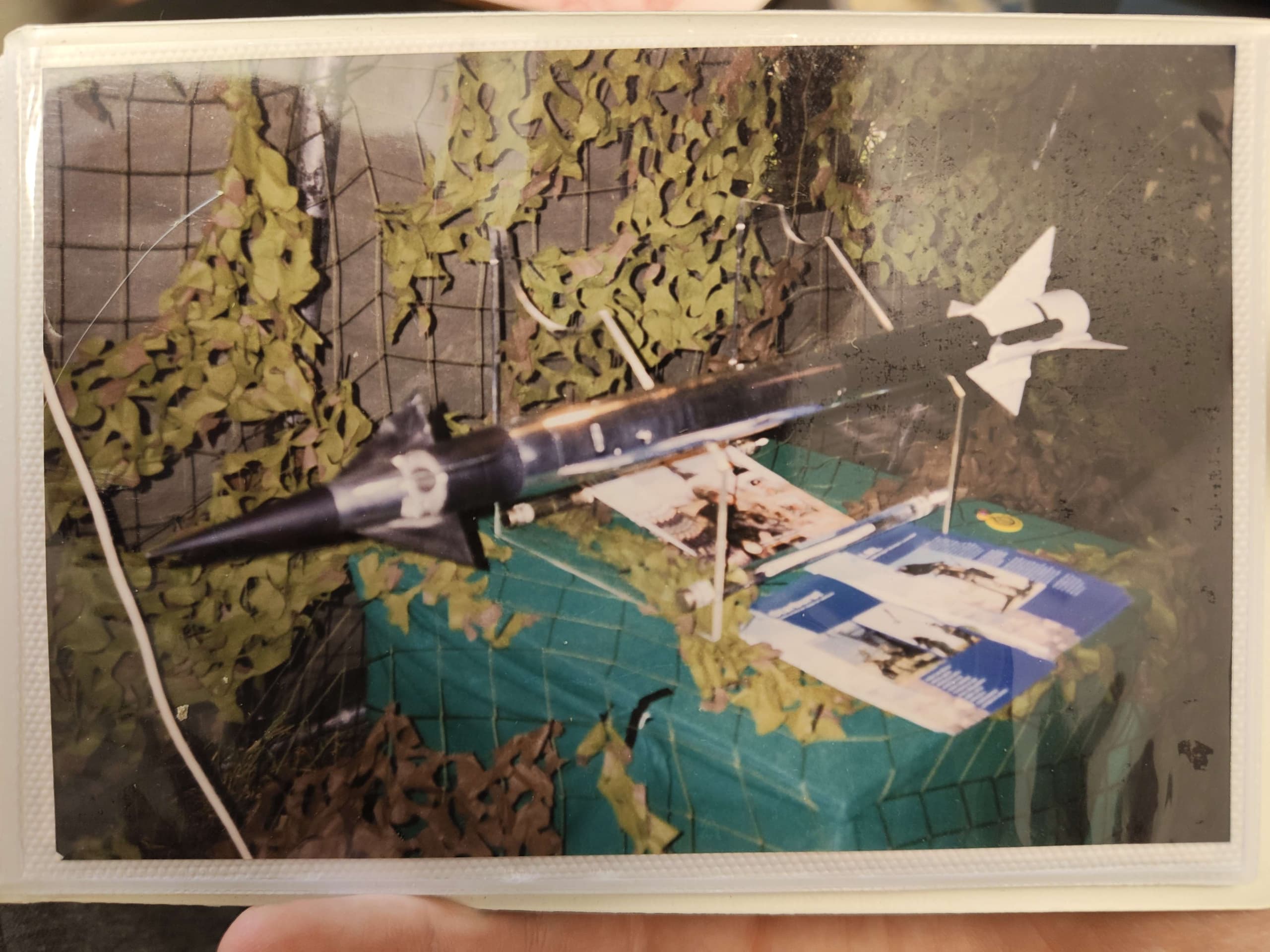
The eagle-eyed among you might notice the information board here describes this aircraft as a GR.7 - however, this photo was taken at Farnborough in 1990, while this airframe, ZD470, didn’t undergo the GR.5A → GR.7 conversion until November 1991. British Aerospace were being a little cheeky and using a GR.5A in-place of a GR.7 for the display
Sources
Spoiler
Harrier GR.5 Manual
Harrier GR.5 Weapons Manual
British Aerospace Harrier GR.5 & GR7 - Aeroguide 26
Combat Aircraft - Harrier GR.7/9 Units in Combat - Osprey Publishing