- Yes, as a tech tree vehicle
- Yes, as a premium vehicle
- Yes, as an event vehicle
- Yes, as a squadron vehicle
- No, I would not like to see the Buckingham in game.
Given caption: “Buckingham B.I KV310 1944-45” (source)
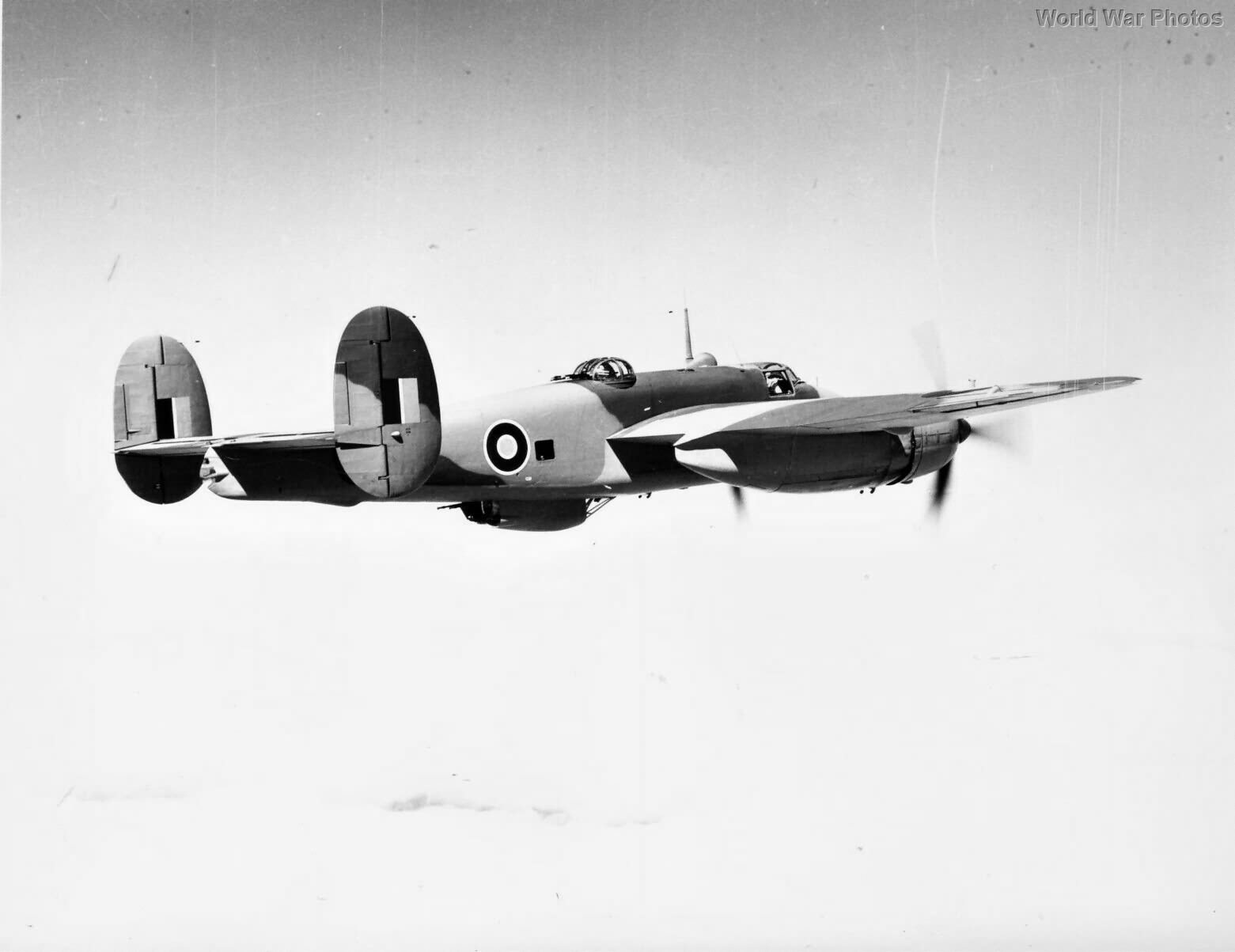
TL;DR
- Intended successor for the Beaufort and progenitor of the Brigand
- Rectifies the Beaufort’s ventral blind spot
- Solid defensive armament
- Lacking performance at altitude
- Up to 4,000 pounds of bombs
Why it should be in the game: The Buckingham’s standout qualities are definitely in terms of gameplay rather than historic importance. It can be considered a sidegrade to the Mosquito Mk.XVI and so it would fit well in the tech tree as a light/medium bomber at ~3.7. The Mosquito is obviously faster but has no defensive armament to speak of. The Buckingham, meanwhile, can deliver the same payload at a respectable speed while being able to protect itself from most angles. It would be a great fit after the Wellingtons in Rank III and could be the first plane in a folder with the Brigand B.1 and TF.1 (the latter of which isn’t in game yet.)
History
Given caption: “1st Prototype Buckingham DX249, September 1944” (source)
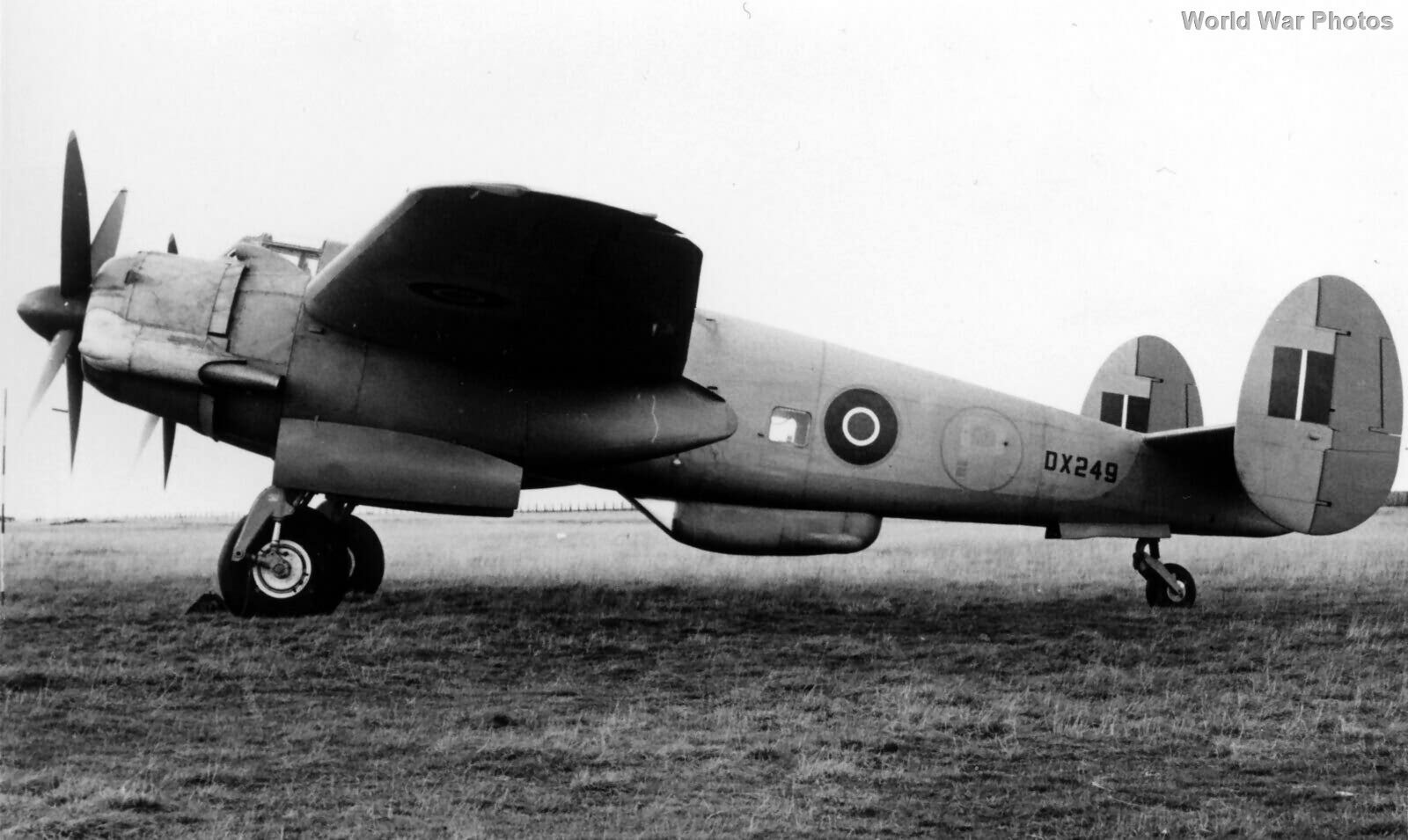
The story of the Buckingham starts like many other tragic tales; it began with an idea that seemed good in theory. Bristol had developed their earlier Beaufort bomber into the Beaufighter, which had appreciable performance gains over the former due to its more powerful engines. In 1939, someone at Bristol had the idea to turn the Beaufighter back into a bomber while keeping the new engines. This design was known as the Type 162 and was projected to have decent performance, albeit with a light bomb load of 1,000 pounds. The low carrying capacity of the Type 162 would be its death sentence, as the RAF wanted more bombs delivered to target faster than the design could ever hope for. With a switch to the even more powerful Centaurus engines and associated redesigns, the Type 162 would become the Type 163. Bristol received the go-ahead to construct four prototypes after presenting the Type 163 mockup in 1941, but the first flight would not occur until two years later in February 1943.
Given caption: “Buckingham B Mark I, KV303, of the Aeroplane and Armament Experimental Establishment, at Boscombe Down, Wiltshire” (source)
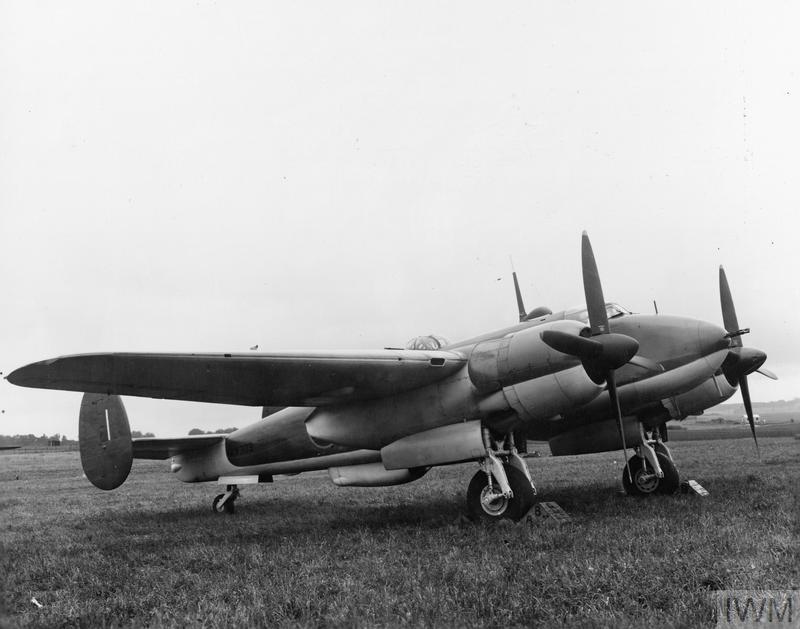
If the Buckingham had got off the ground and flew like a dream, it might have been a success story. Unfortunately it had some severe teething issues. For starters, the design was significantly heavier than the Type 162 was originally prepared for, which led to all sorts of issues in flight. For one, the aileron had to be redesigned to rectify an issue with in-flight vibration. Another issue was weight; if the aircraft’s center of gravity shifted backward, which was expected, it would have serious stability issues. An attempt to fix this was made by redesigning the tail, but it didn’t help with the weight continuing to balloon. Serviceability was poor and the engines were not reliable. All these flaws (and more) kept the Buckingham in development hell until finally, in early 1945, it was cleared for service. The Buckingham could theoretically have served in some capacity, but its competition at this point was simply overwhelming. The RAF was not short on choices for a daytime medium bomber. Therefore an attempt was made to convert it into a fast transport aircraft, which was also not needed. The Buckingham would finally be salvaged with the Buckmaster training aircraft, which actually did see some use.
Given caption: “Buckingham 1945” (source)
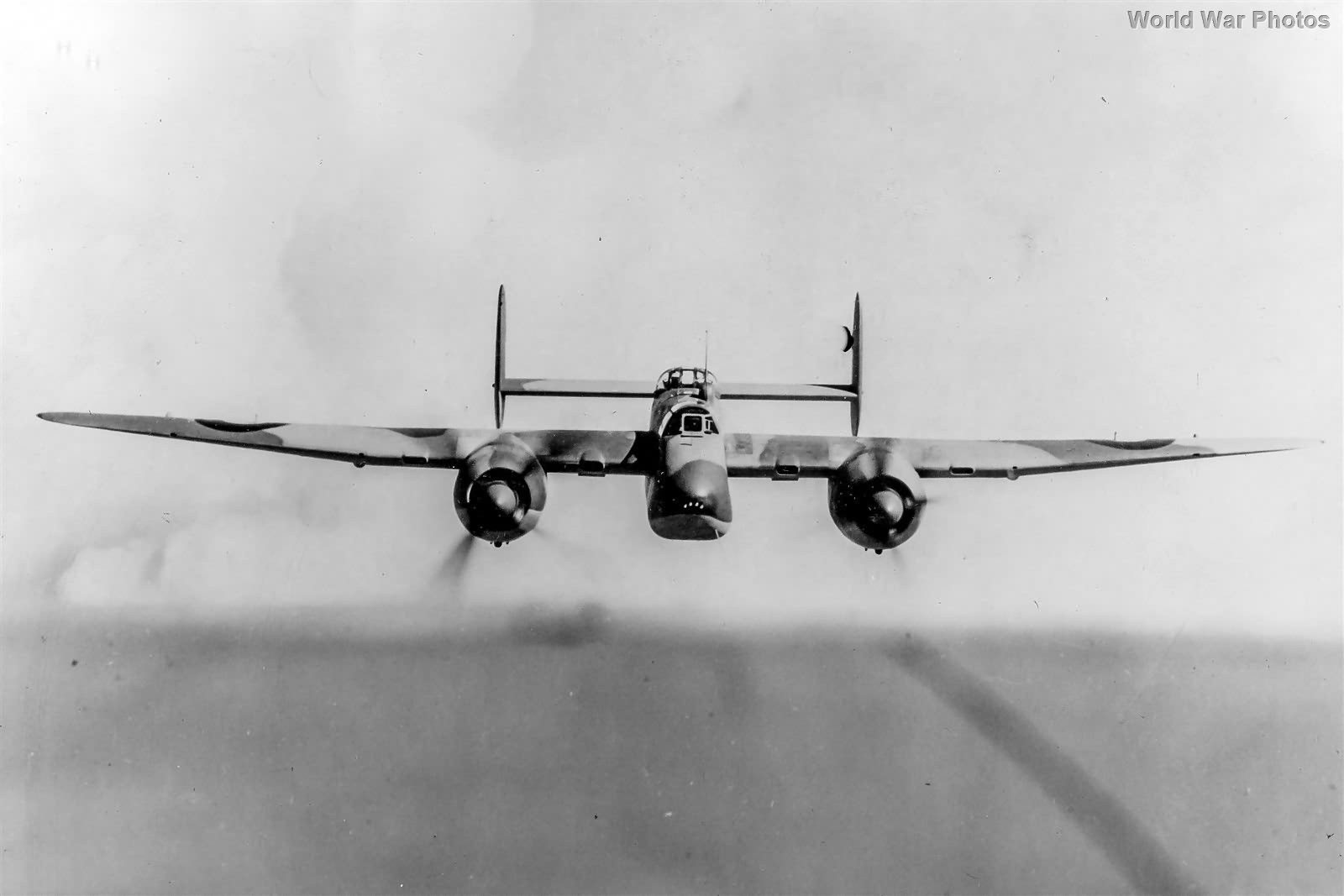
Given how useless it ended up being, the Buckingham was not a complete stinker, and had it not been the victim of some serious weight increases it might have been a capable bomber. The most novel feature of its design compared to its British contemporaries was the crew layout. The bombardier occupied a ventral nacelle which had the bomb sight in the front and a powered turret in the rear. This wasn’t a unique concept but it did allow for the ventral blind spot to be covered without attempting to install a tail gunner position at the very rear of the aircraft. When the bombardier wasn’t fending off enemy aircraft or preparing to drop the plane’s payload, he had a more spacious navigator’s station with observation windows to work in. The next rearmost crew member was the dorsal gunner, whose turret was designed such that he could do his job while the other crew members were still able to pass by. The radio operator sat in between the gunner and pilot. Since the nose didn’t house the bombardier’s position, it was able to accommodate four .303 machine guns, which gave the plane solid defense from the frontal arc as compared to a flexible mount. A nose turret may have been superior but the whole point of moving the bombardier was to give the pilot a better view.
Specifications
Buckingham B Mk I
Dimensions:
- Length: 46 ft 10 in (14.27 m)
- Span: 71 ft 10 in (21.89 m)
- Height: 17 ft 7 in (5.36 m)
Weight:
- 24,042 lb (10,905 kg) empty
- 37,000 lb (16,783 kg) all-up
- 38,920 lb (17,654 kg) maximum
Propulsion: 2 x Bristol Centaurus VII
- 2,400 hp each; 4,800 hp total (takeoff)
Maximum speed:
- 345 mph (555 km/h) @ 11,250 ft (3,249 m)
Armament:
- Guns:
- 4 x 1 .303 caliber Browning machine gun in a fixed nose mount
- 1 x 4 .303 caliber Browning machine gun in a powered dorsal turret
- 1 x 2 .303 caliber Browning machine gun in a powered ventral turret
- Bombs:
- Up to 1 x 4,000 lb bomb
- Up to 2 x 2,000 lb bomb
- Up to 4 x 1,000 lb bomb
- Up to 6 x 500 lb bomb
Crew: 4 (pilot, navigator/bombardier/ventral gunner, radio operator, dorsal gunner)
Additional equipment:
- Bomb sight
Sources
- https://www.britishaviation-ptp.com/Companies/B/bristol_163.html
- Two of a Trio: The Bristol Buckingham Fast Day or Night Bomber and the Brigand Long-range Attack Monoplane, Flight Magazine (1945)
- 4 February 1943 – first flight of Bristol Buckingham medium bomber —
- Bristol Brigand (Including Buckingham and Buckmaster), Tony Buttler