- Yes
- No
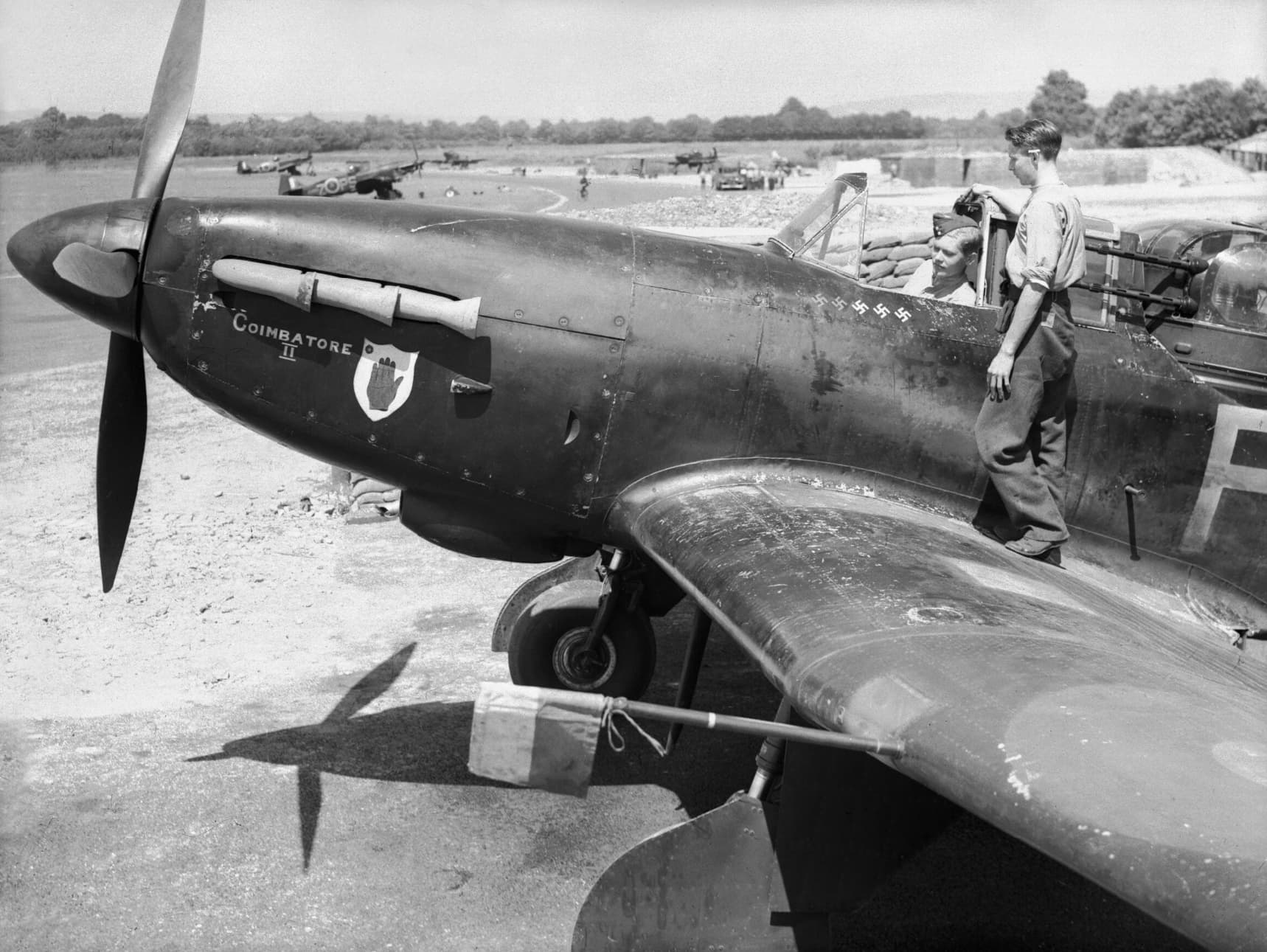
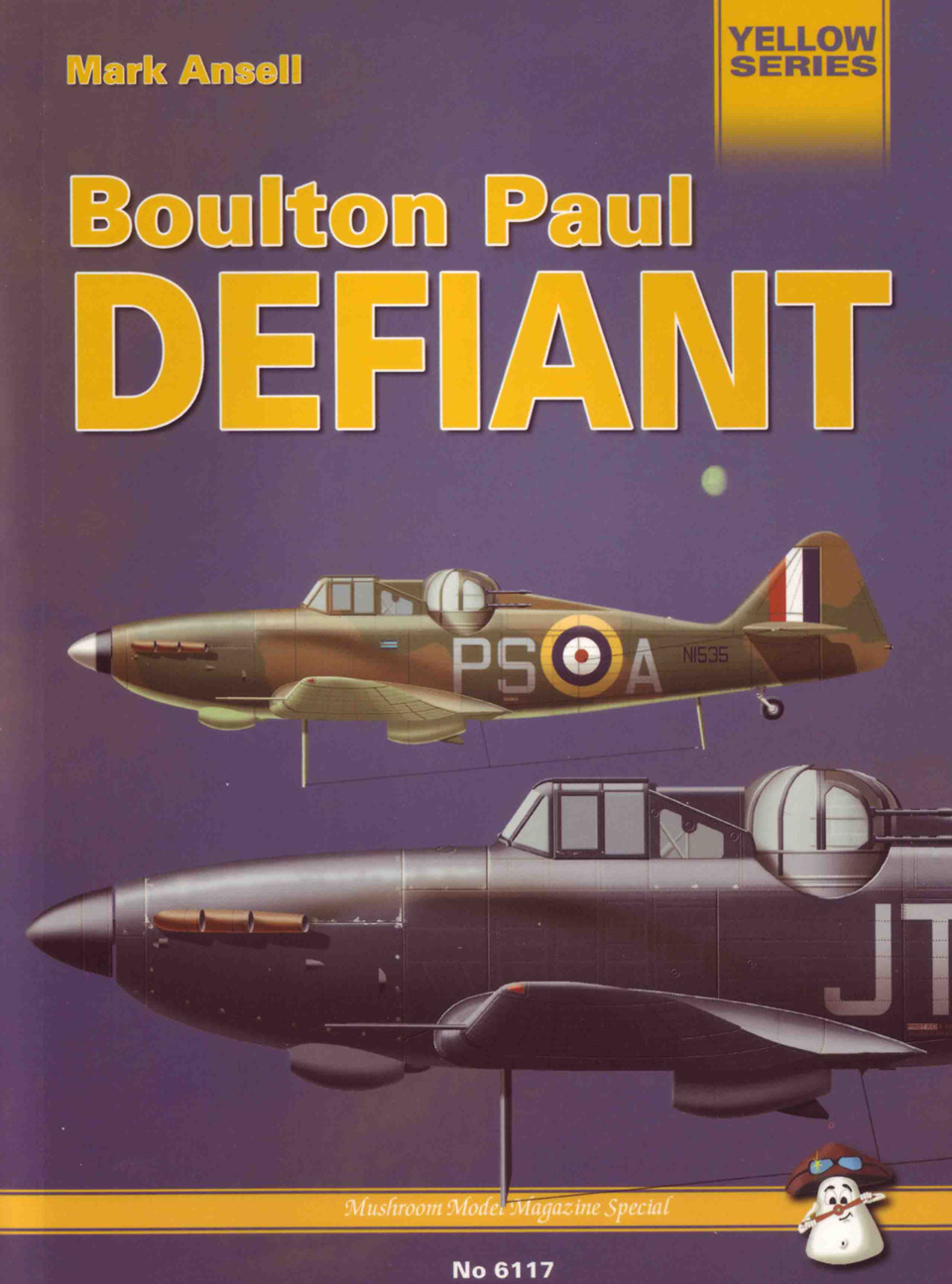
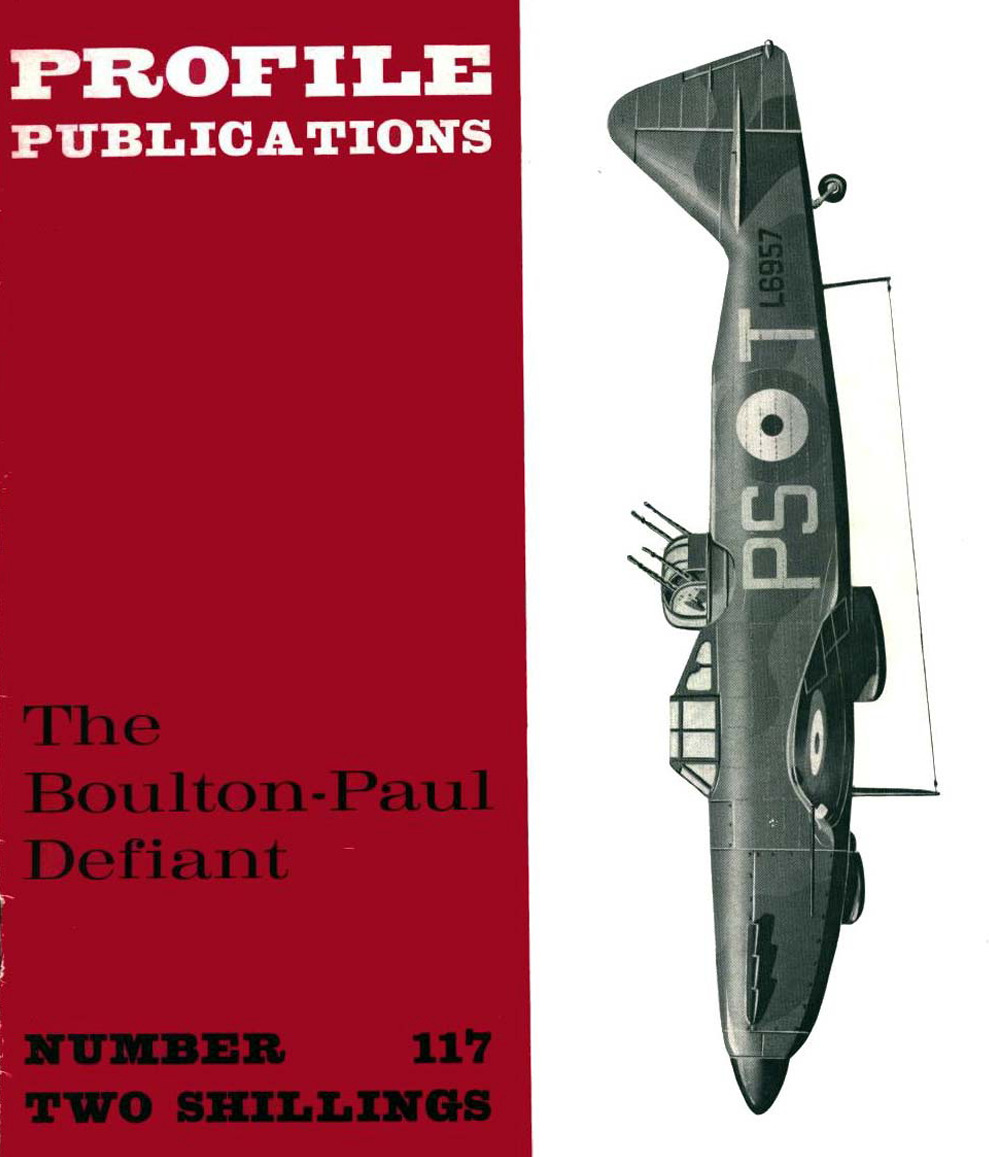
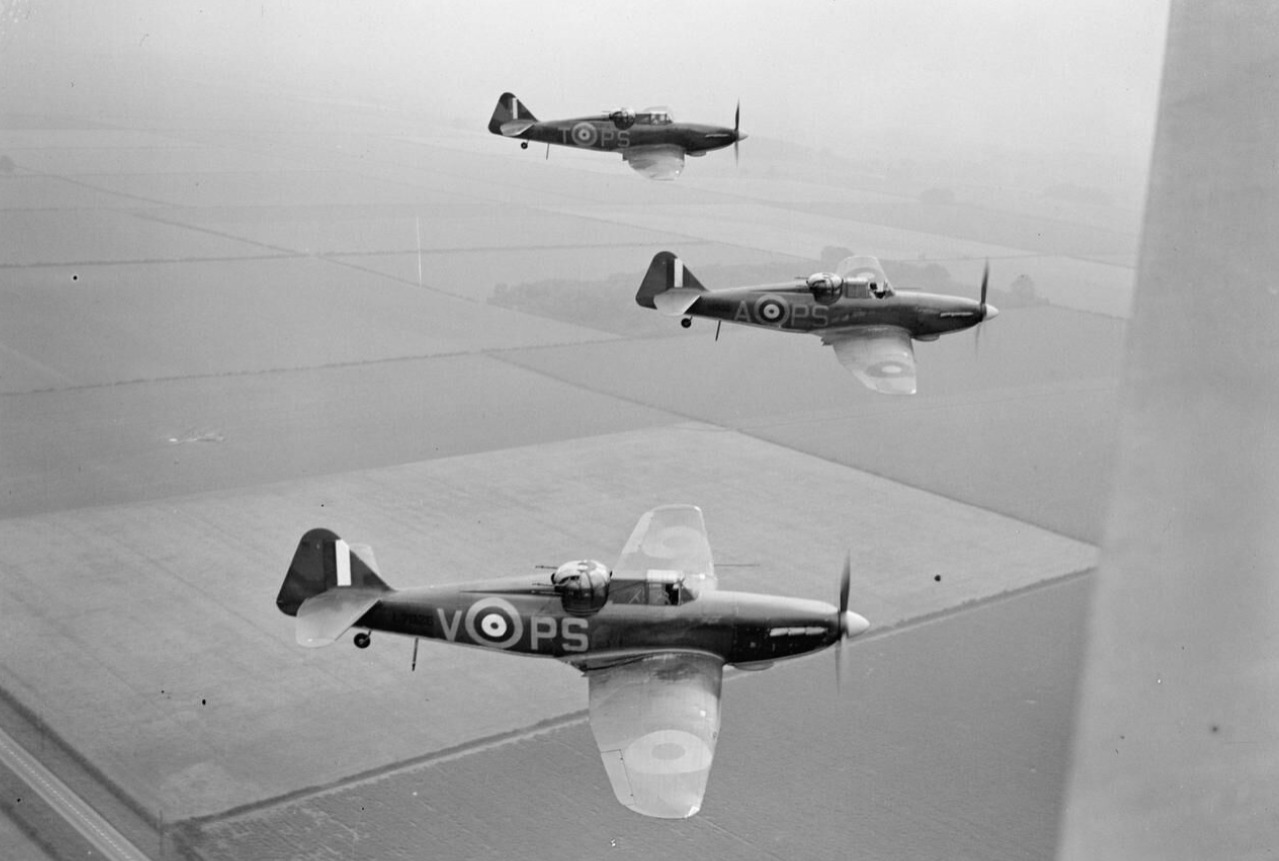
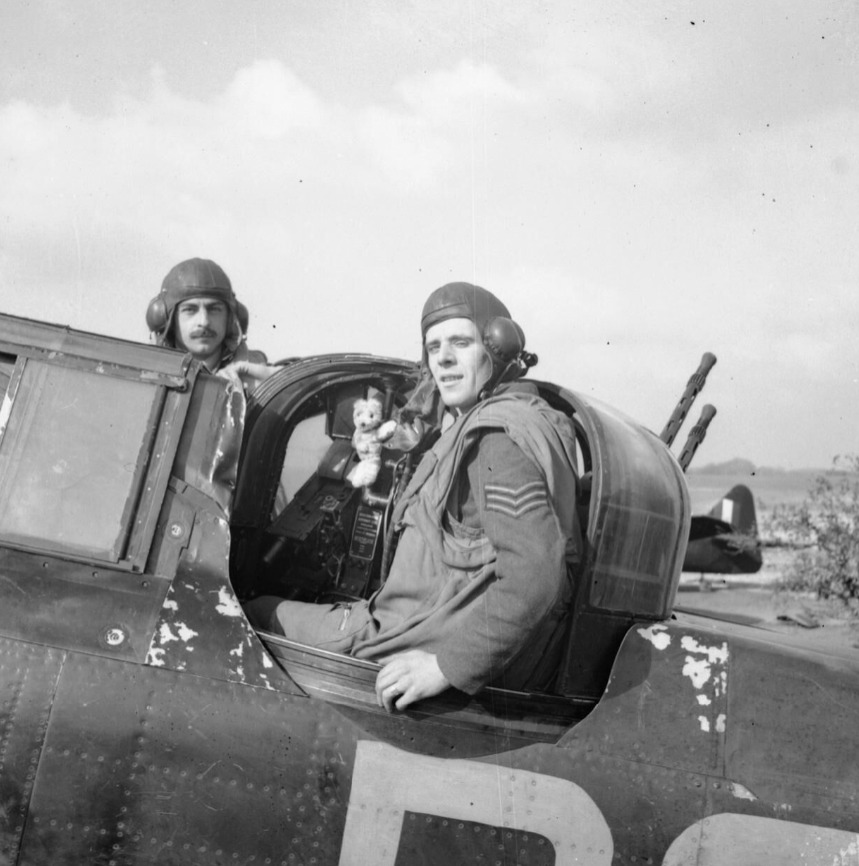
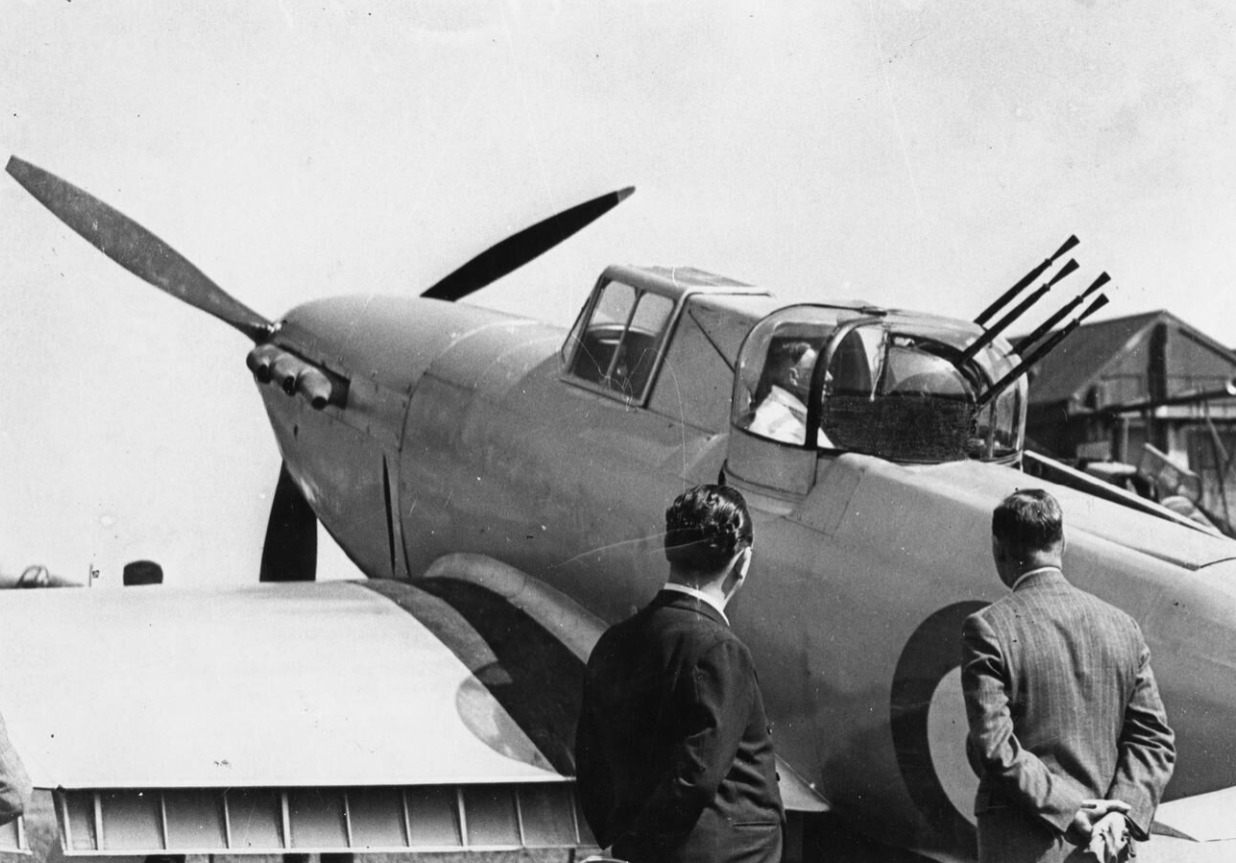
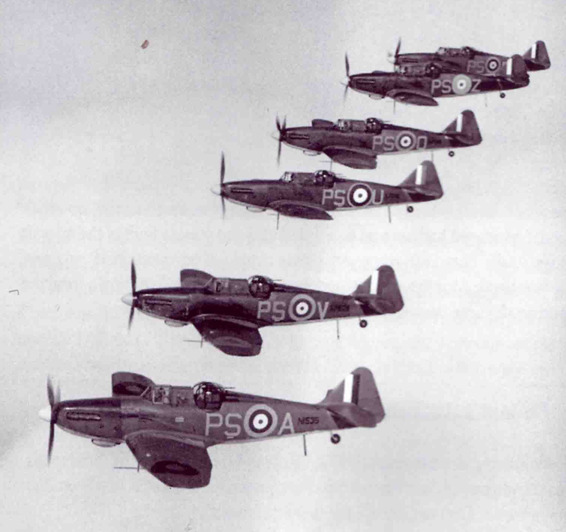
Hello, welcome to a suggestion for a plane I was quite surprised had not had a modern suggestion on the forums made for it: the Boulton Paul Defiant. The Defiant is one of the most famous British aircraft from the outbreak of the Second World War, and I believe it deserves a place in the game due to the unique, yet surprisingly capable playstyle it could bring.
History
Spoiler
The idea of the Defiant comes from a mid-1930s interest in the idea of power-operated aircraft turrets. These were a fairly new development, making their debut on many new bomber designs to counter ever faster enemy interceptors. However, Boulton Paul Aircraft Ltd and, by extension, the RAF believed that fitting one of these new turrets to a fighter would give it greater operational capabilities over existing fighters, allowing it to not only perform traditional dogfights with enemy fighters, but also giving it the ability to engage enemy bombers from a much wider envelope, particularly from below. The Resulting requirement in 1935 for the newly designated F.9/35 fighter stipulated: “the fighter, of clean design, should have its armament concentrated in a power-operated turret.” Additionally, the new aircraft would only be accepted if its performance was slightly below that of emerging fighter designs of the time while maintaining a comparable fuel load, mainly being compared to the new Hurricane aircraft in development at the same time.
This proved to be somewhat of a speciality for Boulton Paul, as the majority of their efforts were concentrated on the development and production of the new turrets; they were able to develop and submit a design for a new aircraft fairly quickly, with the subsequent design being, at least on the surface, quite similar to the Hurricane. It had a wing area of 250 Square feet, compared to 257 of the Hurricane, whilst only weighing 1500 lbs more at full weight (quite impressive considering the turret itself was nearly half that). Overall, 7 designs were accepted for the project, with that being narrowed down to 4, then down to 2 designs that would progress to the prototype stages, that being those of Boulton Paul and Hawker. With production for Boulton Paul’s new prototype commencing in late 1936, the first turretless aircraft (K8310) would take flight on the 11th of August 1937, whilst a second airframe (K8620) would be the first to carry the name Defiant. Meanwhile, Hawker already had their hands full with the design of the Hurricane and other aircraft, which led to delays in their design, the Hotspur, from taking flight until almost a full year later, and still without a turret, which meant despite showing arguably better performance, the Hotspur was discarded in favour of the Boulton Paul Defiant.
Further tests of the Defiant fitted with a turret revealed a top speed of 302 mph and an all-up weight of 7,500 lbs when using the Merlin I engine; however, the Defiant was not immune to the delays that had knocked out the Hotspur. Following the initial tests, it would not be for another 9 months that the prototypes began official acceptance trials. It would also not be until May 1939 that the first Merlin II powered aircraft would take flight, although it did feature most of the major modifications that would feature on the production aircraft. Despite these delays, an order for 87 machines had been placed in 1937, with only 3 being in service for trials by the outbreak of the Second World War in 1939.
By October 1939, the first squadron had been chosen to receive the Defiants. That being the newly reformed No.264 Squadron, who accepted their first aircraft in December. Unfortunately, following poor reliability, the aircraft were grounded in January 1940, and would not resume flying until the following month. 264 Sqn finally became the first operational Defiant Squadron on the 21st of March 1940, with 2 flights being deployed to RAF Wittering the same day. But it would not be until May that the Defiants would first see action whilst being deployed for fighter cover over Dunkirk, from which, while investigating bomb splashes around a destroyer, “A” Flight would shoot down a Junkers Ju-88A. Whilst the following day “B” Flight engaged a formation of Ju-87Bs over the Dutch coastline, shooting down 4 aircraft before being jumped by a large number of Bf-109s, which led to the destruction of 5 out of 6 Defiants, with only L6974 managing to limp home.
Despite the ever-showing obsolescence of the turret fighter design (something that the Royal Navy would also soon find out over Norway with its Blackburn Roc fighters), 264 sqn claimed 65 enemy aircraft shot down in the first month of fighting. which, whilst seemingly an astounding number for such an obsolete aircraft, could be factored down to 2 reasons, the first of which was the Defiant’s striking similarities to the Hurricane I mentioned earlier, which, when paired with the rather surprising lack of German knowledge of the Defiant’s existence, led to many German pilots confusing the aircraft for their Hawker cousin. One of the more notable instances of Defiant success happened on the 29th of May, during which a formation of Defiants hunting enemy bombers was attacked by a large formation of BF-109s; however, with the German Pilots apparently unaware of the Defiant’s turret, or simply mistaking them for the more numerous Hurricanes, they closed in on the aircraft from above and behind as standard when dealing with most RAF fighters, which unfortunately for them was the ideal window for the Defiants turrets to operate, with 48 browning machine guns tearing the german fighters apart, and leading to by far the most succesful day of the defiants life, with 37 of the months overall claims coming from that day alone!
Following the action over Dunkirk, No.141 Squadron would join 264 in operating as the Battle of Britain commenced. Despite increasing German awareness of the aircraft, 264 Squadron had developed tactics that kept the Defiants competitive against the German fighters. 141 Sqn was not nearly as lucky, as by the time they entered the fight, the German pilots were all too aware of the Defiant’s weakness from in front and below, which, with their lack of use of the tactics 264 Sqn had adopted, led to them being devastated in the skies above the Channel. 264 held on for longer, but with increasing losses on the ground, which led to being further outnumbered in the air, the losses of Defiants could not be sustained, leading to their eventual withdrawal from Daylight fighter roles.
The later months of 1940 saw the two Defiant squadrons shift to night-time fighter operations, whilst being joined by No.307 (Polish) Sqn in operating the aircraft; this brought back the Defiant’s relative success rate, in which its dual crew setup allowed for a higher chance of spotting enemy aircraft, with 264 scoring their first probable success on the 15th of August. By the end of the year, there would be 5 Squadrons operating the Defiant in the night fighter role. These aircraft would continue in this role throughout 1941, with 2 major replacements arriving that year, the first being the introduction of the Defiant Mk.IA aircraft, fitted with an AI Mk.IV radar that improved the chances of finding aircraft at night at the cost of slightly increased weight. The second replacement was an all-around improvement in the form of the Mk.II, with the first aircraft being given to 264 Sqn in August; these aircraft were fitted with the more powerful Merlin XX engine, and came standard with the AI Mk.IV radar, which would later be upgraded to the Mk.VI.
Following the introduction of the two new variants, the Defiant Mk.I was gradually phased out in favour of the newer models towards the end of 1941, with many aircraft being relegated to second-line squadrons and Air-sea rescue into 1942. Some were also used in many other roles, including Gunnery training and target tugs, with a few being used to test new Anti-radar equipment that would later see service with Defiant Mk.IIs of 515 Sqn, thus ending the frontline lifespan of the Mk.I.
Images
Spoiler

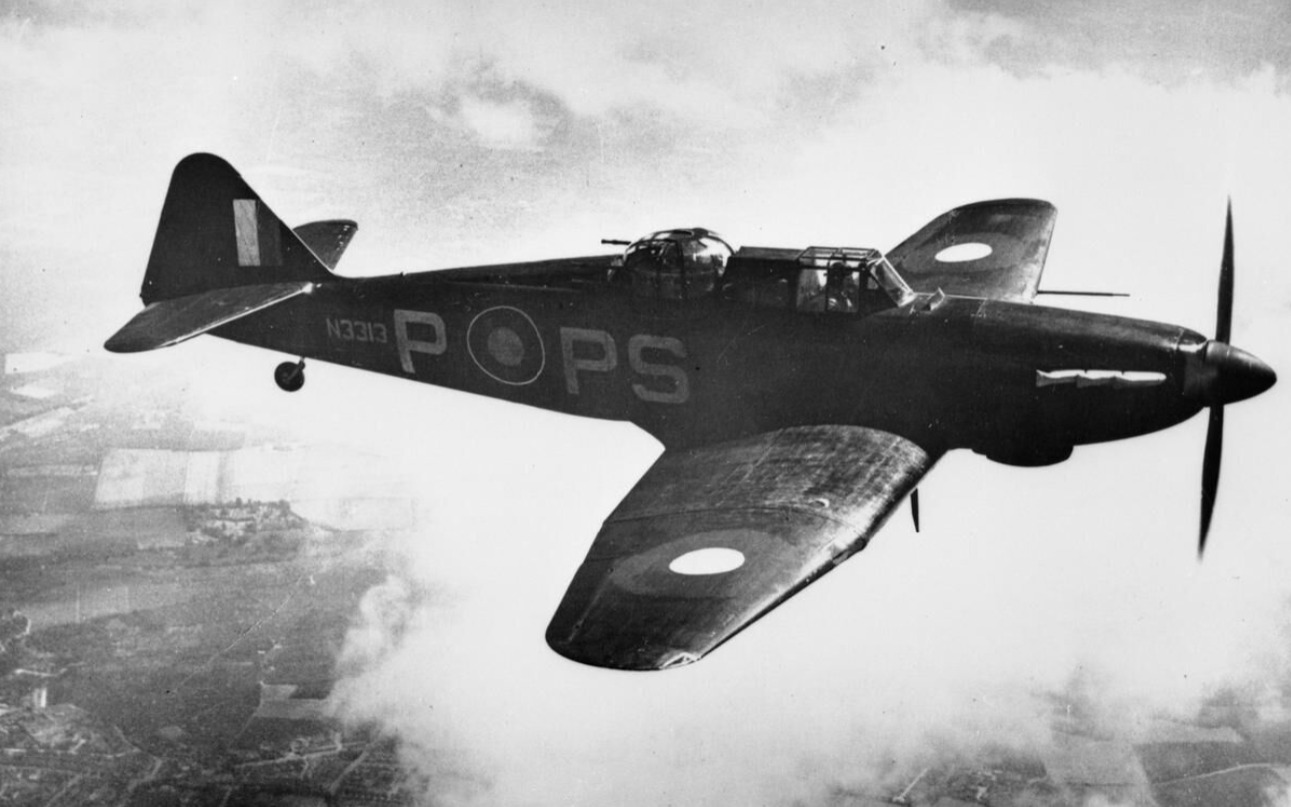
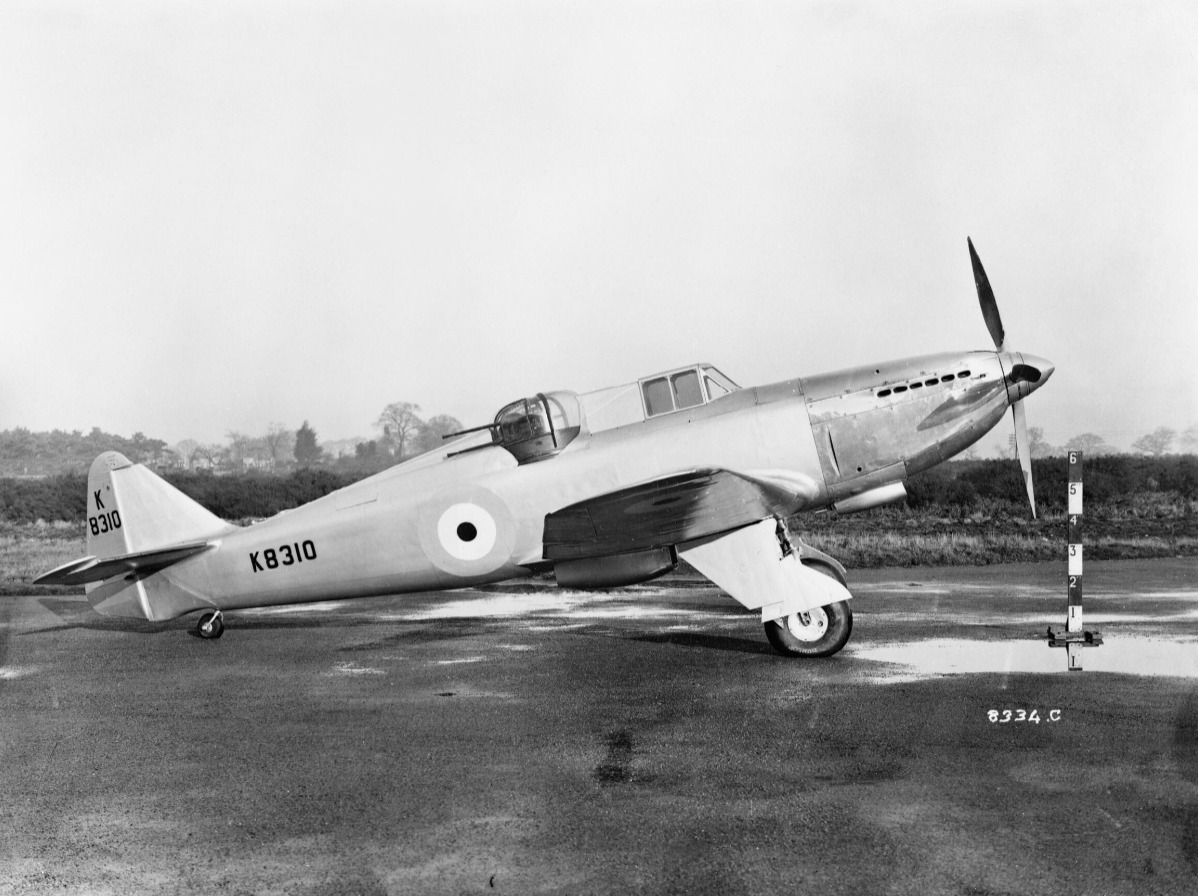
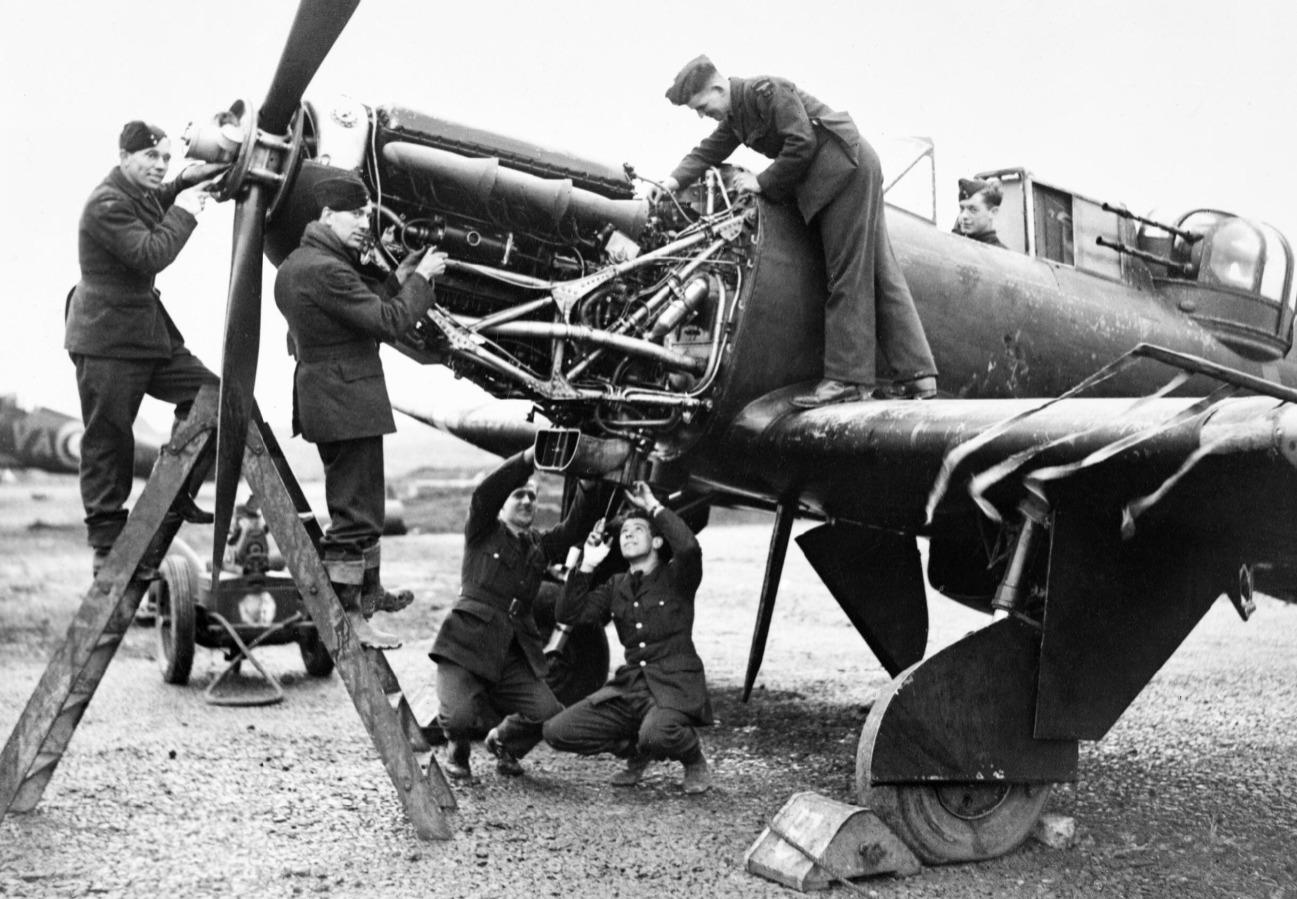
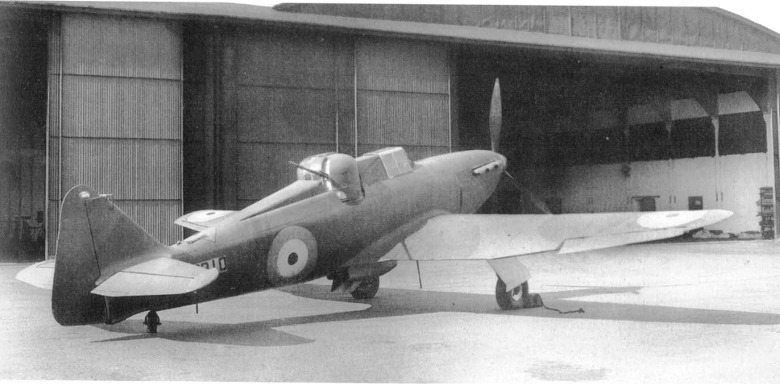
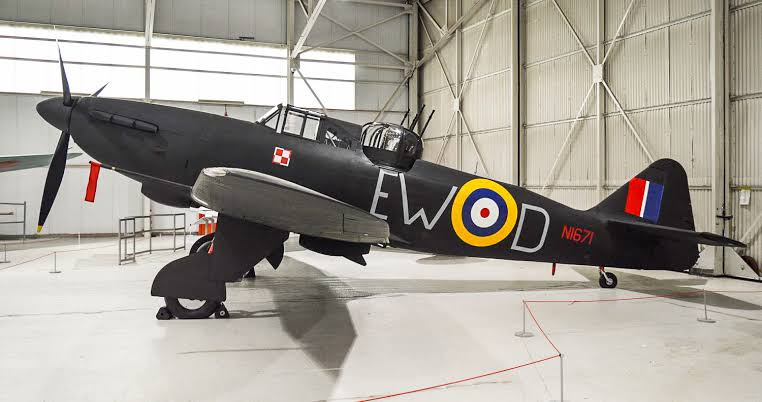
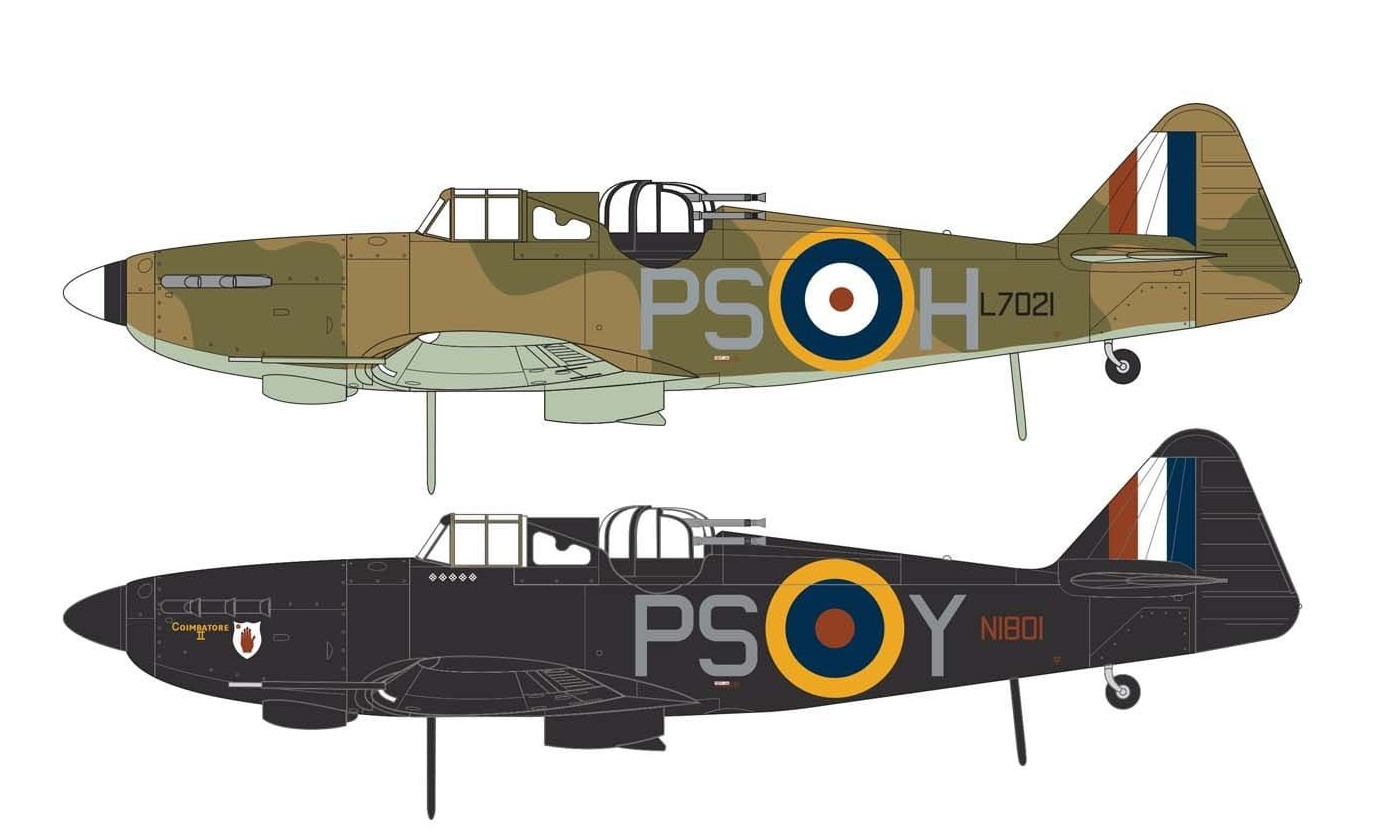
Specifications
Spoiler
General characteristics
- Crew: two: Pilot + Gunner
- Length: 35 ft 4 in (10.77 m)
- Wingspan: 39 ft 4 in (11.99 m)
- Height: 11 ft 4 in (3.45 m)
- Wing area: 250 sq ft (23 m2)
- Empty weight: 6,078 lb (2,757 kg)
- Gross weight: 8,318 lb (3,773 kg)
- Max takeoff weight: 8,600 lb (3,901 kg)
Performance
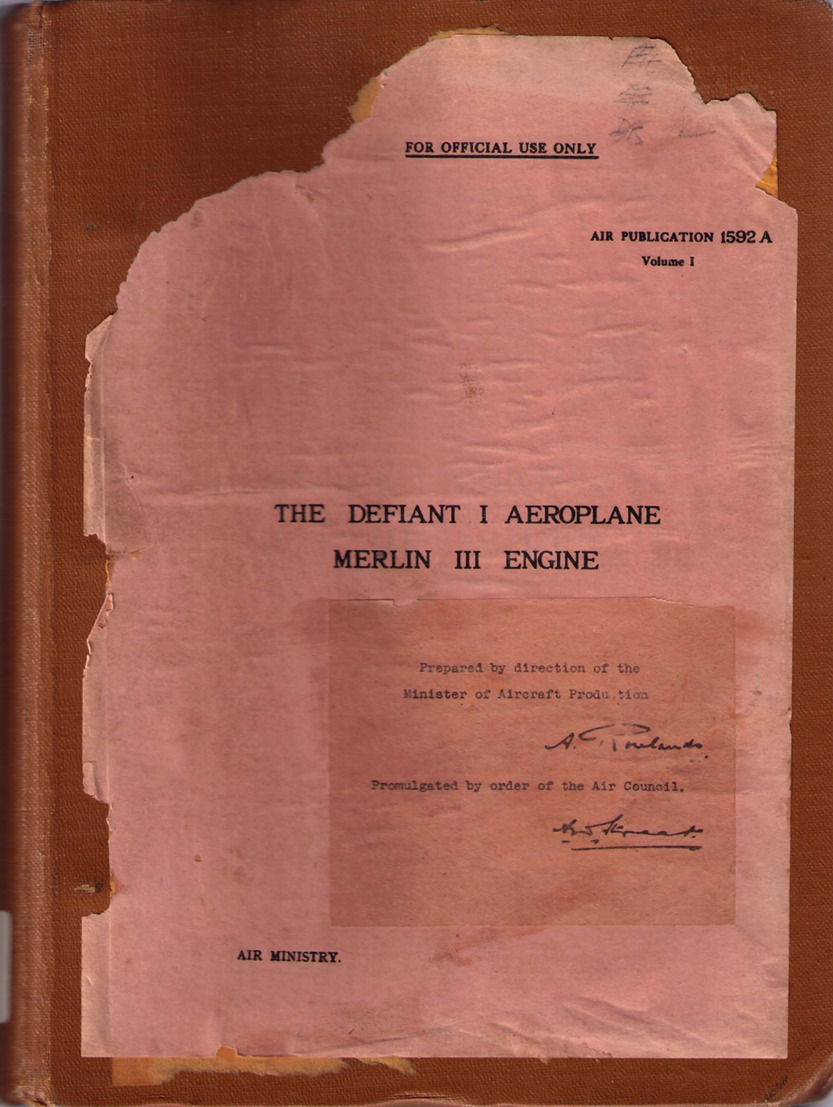
- Powerplant: Rolls-Royce Merlin III engine, 1,030 hp
- Maximum speed: 304 mph (489 km/h, 264 kn) at 17,000 ft (5,200 m)
- Cruise speed: 175 mph (282 km/h, 152 kn) at 15,000 ft (4,600 m)
- Range: 465 mi (748 km, 404 nmi)
- Endurance: 1hr 47min
- Service ceiling: 31,000 ft (9,400 m)
- Time to altitude: 8.5 min to 15,000 ft (4,600 m)
Armament
- 4 x 7.7mm machine guns in dorsal turret

Place in game
Spoiler
I personally feel the Defiant is often overlooked in capabilities, with it not having any forward-firing machine guns or suspended weapons, which makes it seem quite lacklustre from an outside perspective; however, having flown many bombers and heavy fighters at lower BRs, I feel the Defiant could find quite a competitive spot due to it being not much worse than a Sea Hurricane in performance. Its defensive turret would be more than capable of dealing with any Rank I fighters you may encounter, and with it likely being classed as an interceptor or air-defence fighter, it would be quite a potent bomber hunter at the lower ranks if given an airspawn, especially with its surprisingly good climb rate being between that of the Regular and Sea Hurricanes and a similar top speed.
Overall, I feel that, when balanced with its capabilities in the hands of an experienced pilot, it would be an extremely capable plane at the lower ranks. Its historical significance is also quite a major reason why I feel it should be added, given it is arguably the third best-known British aircraft of the Battle of Britain behind the Spitfire and Hurricane. The only issue it may have being at the lower ranks is that it may prove challenging for early players to learn its unique playstyle, so if deemed necessary it could be locked until a player reaches a certain rank, similar to the old French reserve tanks; however, that is no necessity, and the more open for players, the better.
Sources