- Yes
- No
- (independent) BeNeLux tree
- France: BeNeLux subtree
- British Tech tree (event/other)
- other
- no/negative
TL;DR: compact WWI-era Admiralty trawlers used by Belgium (A4/A5/A6). Belgian fit = 1×C. 47 mm + 2× 7.92 mm Maxims.
History
History
Origins (Mersey class). The Mersey class was a standard Admiralty trawler design for patrol, A/S and minesweeping roles. Standard specs included ~45 m length, ~7.24 m beam, ~13 ft draught, triple-expansion steam propulsion (~600 ihp) for ~11 knots, and varied armament centered on a QF 12-pdr.
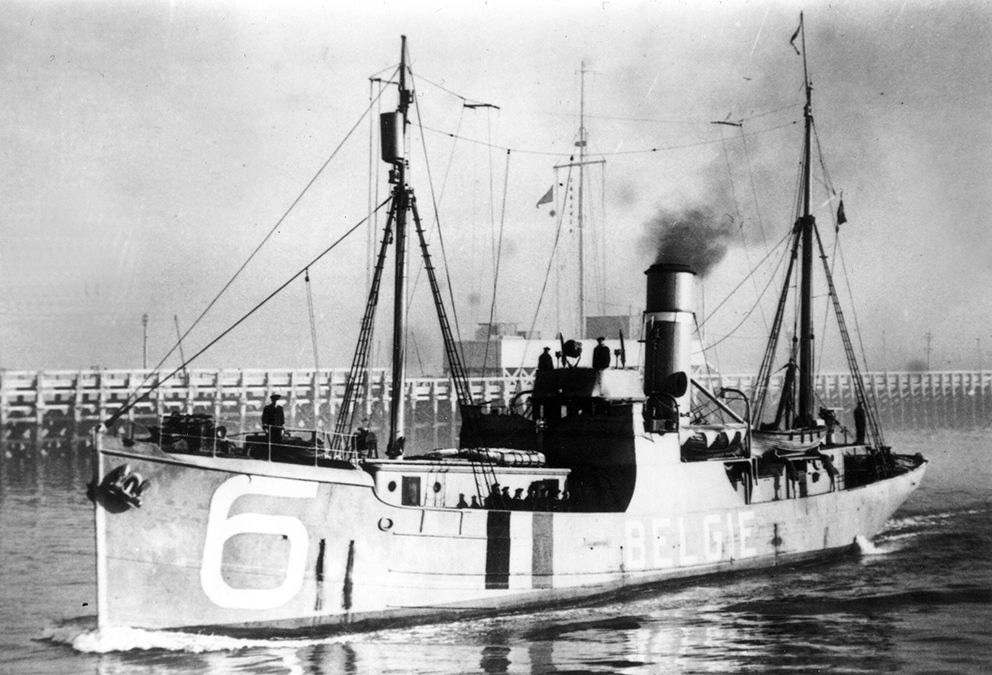
Belgian acquisition & the “A” series. After WWI, several Mersey trawlers were sold out of RN service; Belgium acquired three which later received the wartime A-series patrol numbers (A4, A5, A6). In Belgian use they were armed modestly (47 mm + Maxims) and crewed by ~27. The “A” prefix denoted the older steam series (“ancienne série à vapeur”).
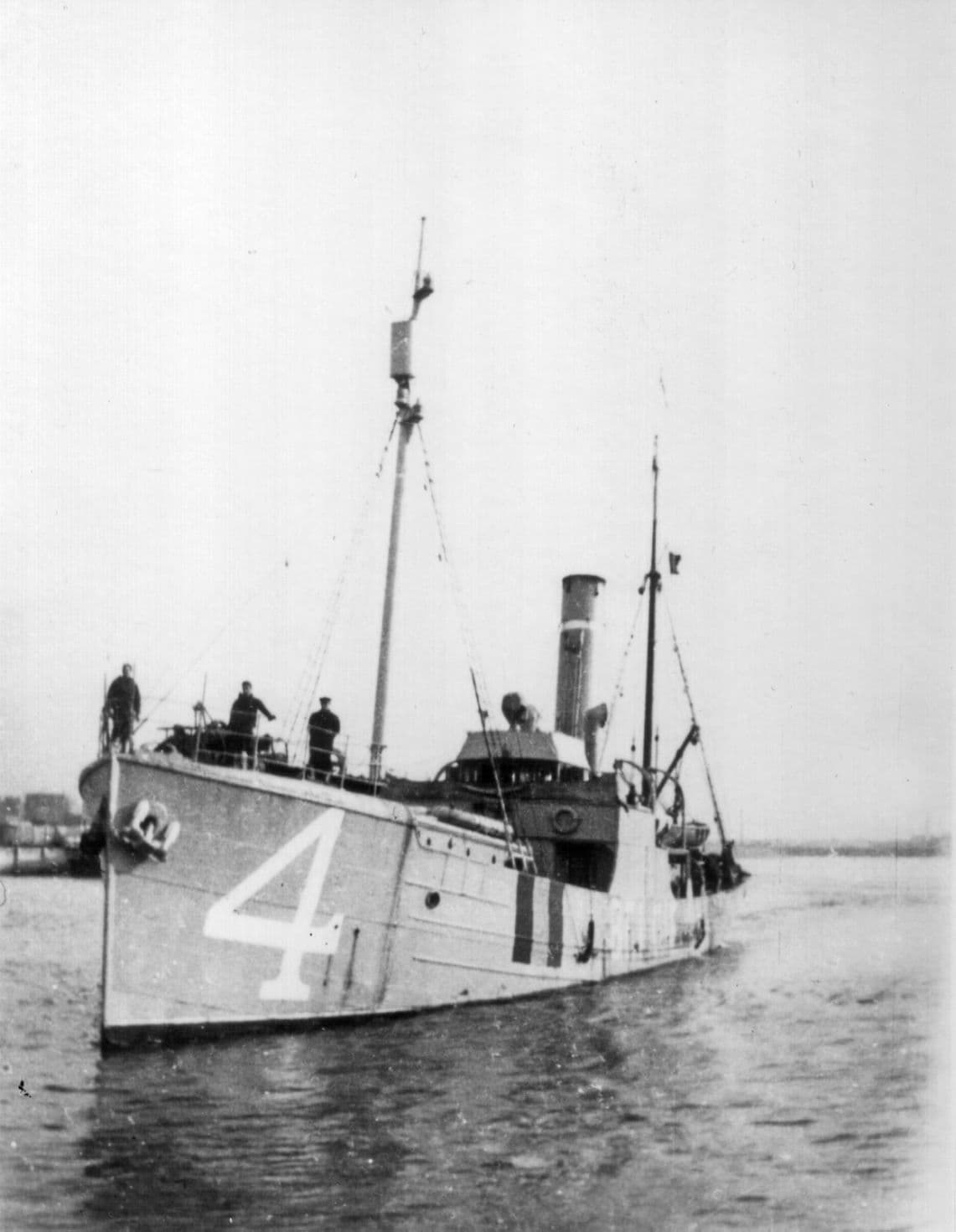
A4 (ex-HMT John Ebbs)—the gold run. Built by Cochrane & Sons (Selby) and launched 2 Oct 1917, A4 (Pilote 4 / Patrouilleur A4) famously evacuated ~40 tonnes of Belgian gold from Ostend to Plymouth during 19–26 May 1940, aiding the Belgian government in exile. After the surrender, the ship and crew self-interned in Bilbao, Spain, returning to Belgium in 1946; scrapped 1948. Belgian fit: 1×47 mm + 2× Maxims.
A5 (ex-HMT James Adams). A sister built by Cochrane & Sons and later sold to Belgium (Pilote 5 / A5). RN fit listed as 1×12-pdr + 3.5-in bomb thrower; Belgian fit 1×47 mm + 2× Maxims; complement ~27. Contemporary notes mention the embarkation of hundreds of personnel in June 1940 amid the retreat.
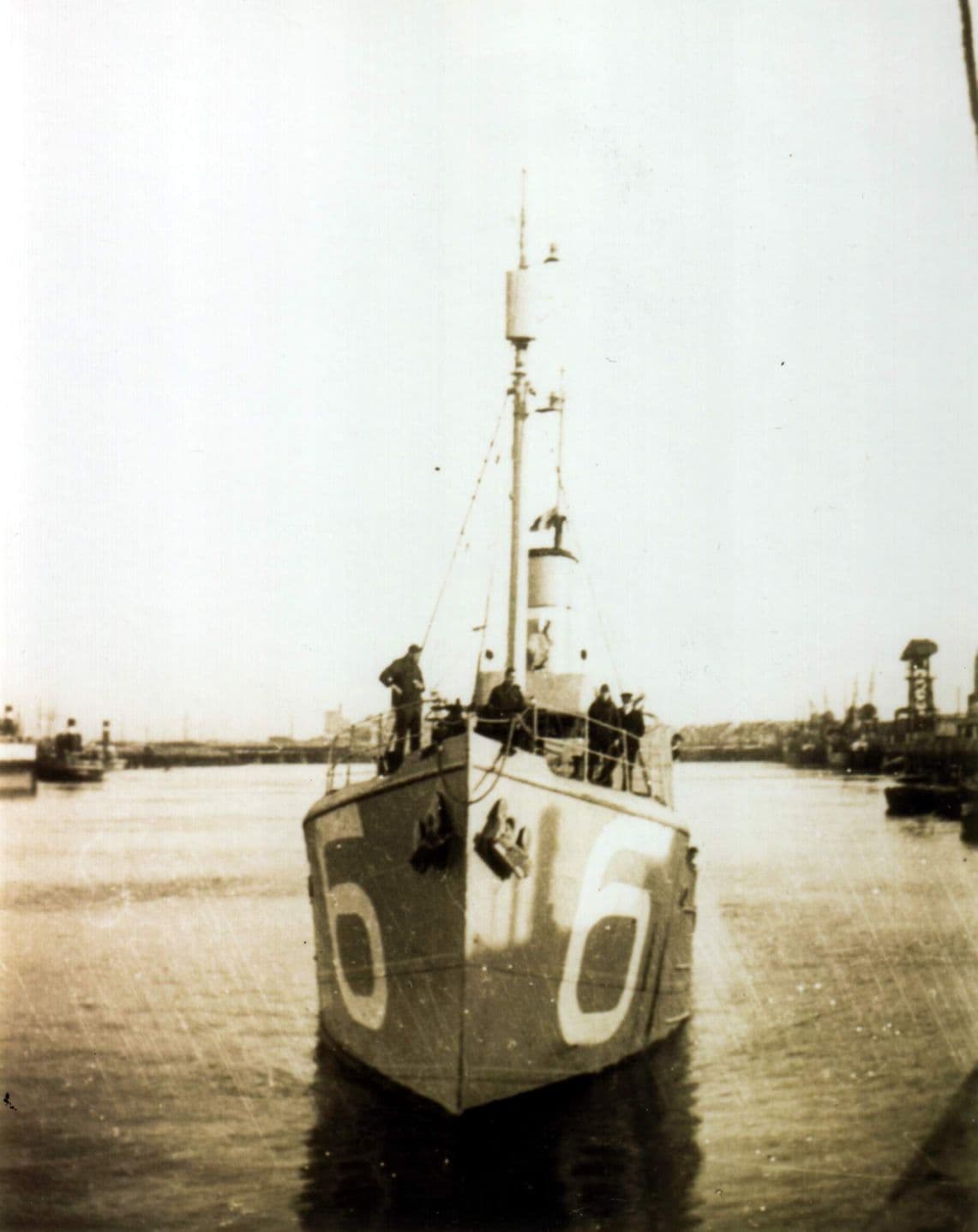
A6 (ex-HMT Brigadier). Another Cochrane-built trawler taken into Belgian service (Pilote 6 / A6). RN fit recorded with a 12-pdr; Belgian fit standardized to 1×47 mm + 2× Maxims.
Post-war fate. The trio’s utility waned quickly after WWII; after repatriation in 1946 they were disposed of within a few years (A4 scrapped 1948; A5/A6 similarly retired).
Specifications
Belgian service (A4/A5/A6, typical)
Complement: ~27.
Speed: ~9–10 kn (reported for A4).
Notes on weights: Some Belgian sources and A4’s page list ~339 t for that ship; class references list 438 t standard.
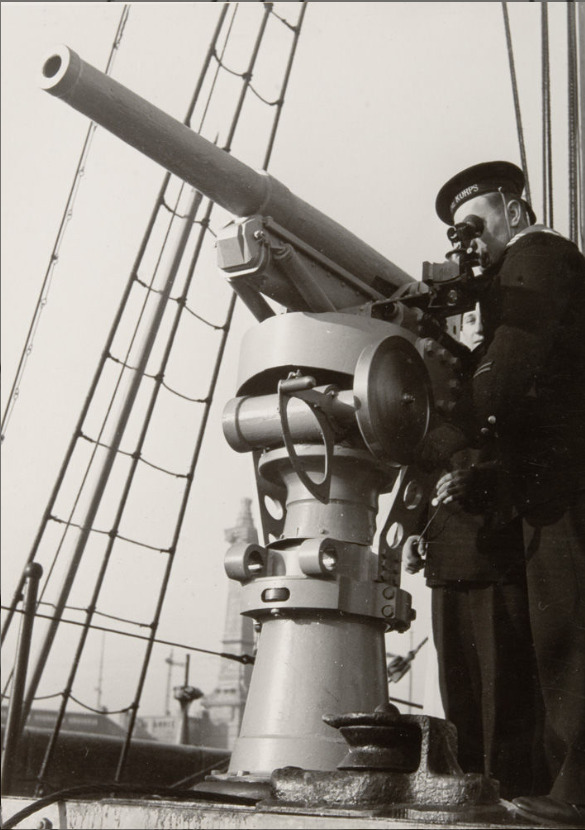
Armament (Belgian fit, A4/A5/A6) Amount & Type Location Main Battery 1× 47 mm (C.47 F.R.C. Mod.31) Aft MGs 2× 7.92 mm Maxim machine guns Mid-ship Belgian munition types for the C.47 F.R.C. Mod.31 gun
Designation Gun Caliber Type Velocity Weight Penetration Notes Fire rate O.E.A. C.47 F.R.C. Mod.31 47 mm HE 450 m/s 1,665 kg n/a TNT filler, Obus Explosif en Acier (O.E.A.) O.R.A.Tr. CC.47 F.R.C. Mod.31 47 mm APBC 675 m/s 1,578 kg 63mm at 0 meters, 0° Obus de Rupture en Acier Traçant (O.R.A.Tr.) Builders: Cochrane & Sons is recorded for these units.
Place in War Thunder
These trawlers would slot neatly at Rank I (BR ~1.0–1.3) in the Coastal Fleet, offering Belgium/BeNeLux an historical 1939–40 patrol craft option. The Belgian fit gives modest firepower (C. 47 mm + 2 MGs) for early-tier convoy defense and objective play.
Regarding nations
BeNeLux
With France now hosting a BeNeLux subtree, these could appear there—or in an independent BeNeLux tree if introduced later.
Pictures

Sources
Sources
- Belgian ship A4. (2024, November 1). Wikipedia. from Belgian ship A4 - Wikipedia
- Mersey-class trawler. (n.d.). Wikipedia. from Mersey-class trawler - Wikipedia
- Marine Belge. (n.d.). A4 John Ebbs. from https://marinebelge.be/a4johnebbs.html
- Marine Belge. (n.d.). A5 James Adams. from https://marinebelge.be/a5jamesadams.html
- Marine Belge. (n.d.). A6 Brigadier. Retrieved August 24, 2025, from https://marinebelge.be/a6brigadier.html
- ZM-FN du 1-2-1946 à nos jours. (n.d.). Belgian-Navy.be Forum. Retrieved August 24, 2025, from ZM/FN du 1.2.1946 à nos jours
- Bernard Vanden Bloock, Belgian Fortifications, May 1940; Appendix B: Weapons, World War II Online - Technical Publications, 2003.