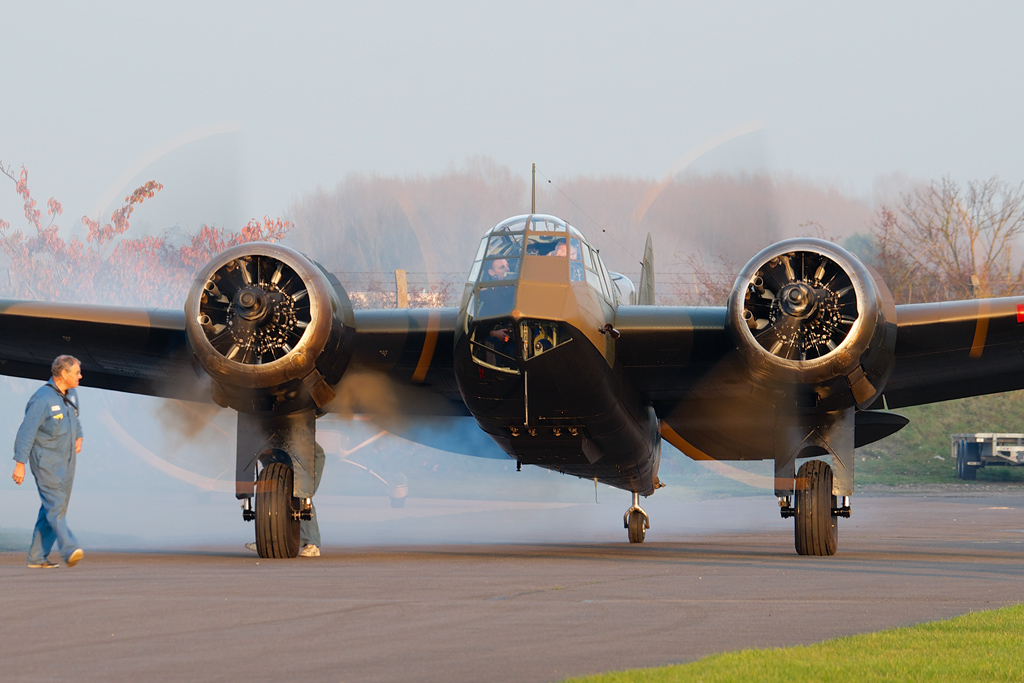
- Yes
- No
Introduction:
Following existing Blenheim bomber suggestions, such as export variants and the Type 160 Blenheim V, this post focuses on the Bristol Blenheim Mk IF, the long-range heavy fighter variant of the Blenheim family. Unlike the Mk IV already in game, the Mk IF was converted specifically for fighter duties to supplement short range aircraft like the Hurricane. It saw widespread early war service with the RAF and played an important role during the opening phase of WWII. Because of its role, armament, and historical importance, I think it would be a very good addition to the British air tech tree.
Vehicle History:
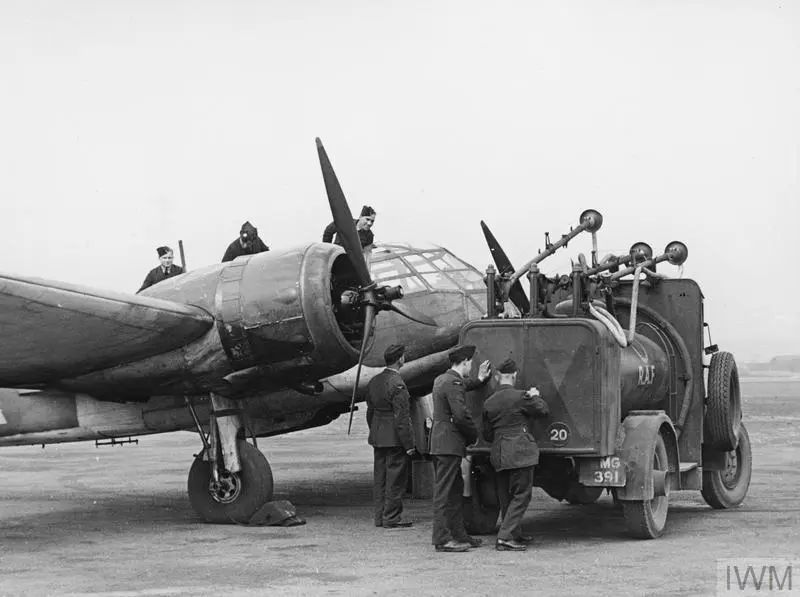
The Blenheim Mk IF was developed from the Blenheim Mk I light bomber, which entered RAF service in 1937. At the time, the RAF lacked a fighter with sufficient range and endurance for long patrols, escort missions, and operations over the North Sea and mainland Europe. As a result, around 200 Blenheim Mk I airframes were converted into the Mk IF heavy fighter configuration.
The primary modification was the addition of a ventral gun pack mounted beneath the fuselage. This pack contained four forward-firing .303 Browning machine guns, greatly increasing the aircraft’s offensive firepower. The Mk IF retained the fixed forward-firing .303 Browning machine gun mounted in the port wing, as fitted to standard Blenheim bombers.
Defensive armament was unchanged, with a dorsal turret mounting a rear-facing .303 machine gun for self defense. Some aircraft were briefly fitted with a small bomb rack behind the gun pack, capable of carrying eight 40 lb anti-personnel bombs, but this installation negatively affected handling and was soon abandoned.
Although heavier and less agile than single engine fighters, the Mk IF offered greater range and endurance. Later in its service life, some Mk IFs were equipped with early AI Mk III or Mk IV airborne interception radar, making them among the first British aircraft to operate as radar-equipped night fighters.
Operational History:
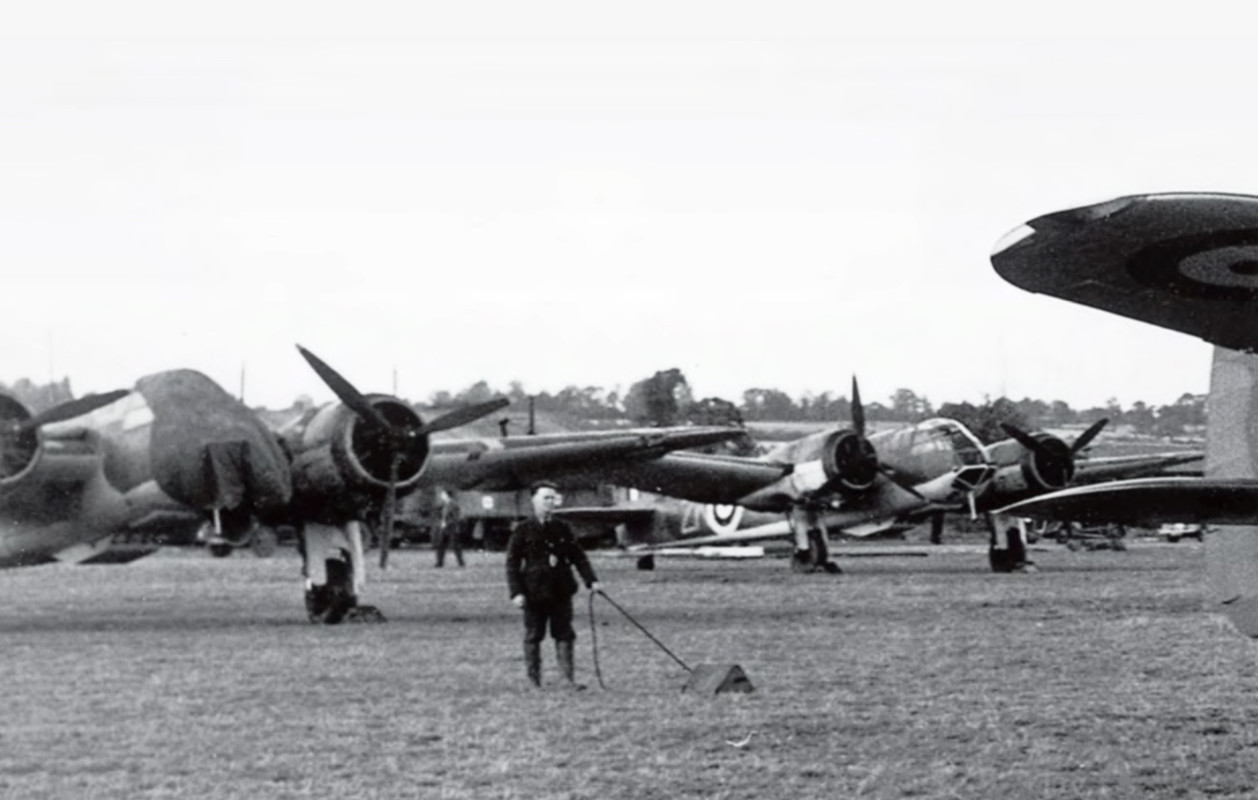
By 1939, at least seven RAF squadrons were operating the Blenheim Mk IF, and within a short time around sixty squadrons had some experience with the type. It quickly became clear that the aircraft was not suited to fighter-versus-fighter combat in daylight, as it was slower and less maneuverable than more common contemporary single engine fighters.
Despite this, the Mk IF proved useful as a long-range escort fighter, naval reconnaissance aircraft, and intruder type attacker. At the outbreak of war, it was the only reasonably well armed UK based fighter with the range needed for missions over mainland Europe. Blenheim Mk IF crews were among the first RAF units to see combat during the Battle of France in May 1940.
Losses in daylight operations were heavy, particularly against German fighters and anti-aircraft fire. As a result, the Mk IF was increasingly withdrawn from daytime combat and reassigned to night fighter duties, where it achieved some success until replaced by the more capable and modern Bristol Beaufighter.
Vehicle Specifications:
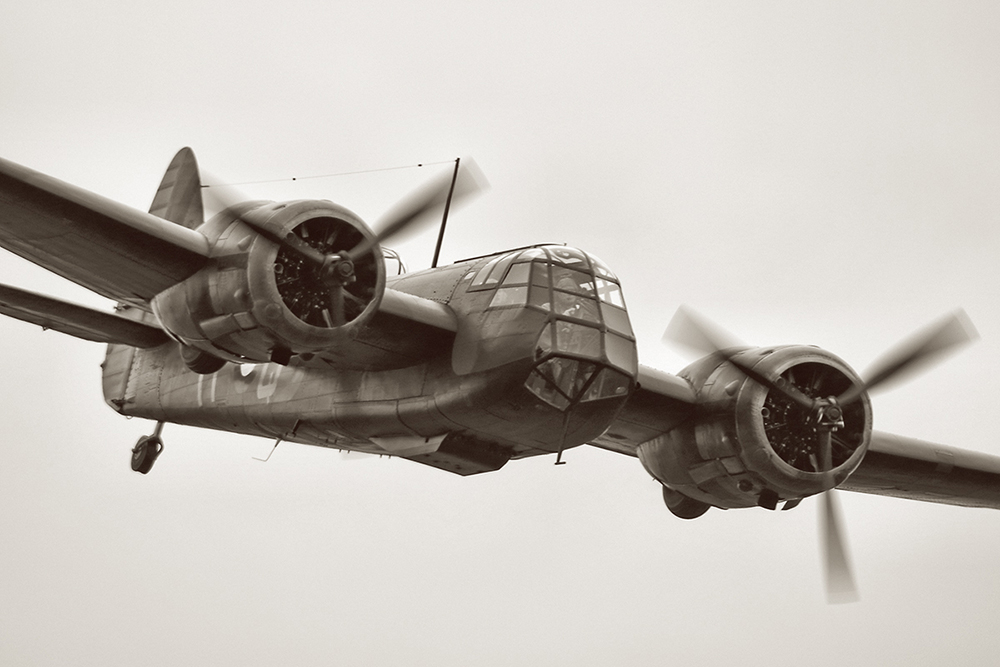
- Crew: 3
- Engines: 2 × Bristol Mercury radial engines
- Armament:
- 4 × .303 Browning machine guns in ventral gun pack
- 1 × .303 Browning in port wing
- Rear-facing dorsal turret-mounted .303 machine gun
- No bomb load