Ahoy you scurvy barnacles. Over time it becomes clear that aiming in War Thunder is not just about experience or reaction time but about how effectively a Captain is able to translate input into controlled and consistent movement. The control system in the game is extremely deep and offers a large amount of flexibility, yet much of it goes unexplored by the majority of players. With the release of the Ninth Wave update this gap has become even more noticeable, as improvements to visuals, feedback and interface systems now reward players who are able to interpret information quickly and apply precise adjustments.
One of the first things worth understanding is how much influence control settings actually have over aiming behaviour. Sensitivity, axis response and camera interaction all determine how your input is translated into movement on screen. When these are not tuned correctly aiming can feel inconsistent, either too slow to react or too unstable for fine correction. When they are adjusted properly the result is a much smoother and more predictable aiming experience, allowing for better tracking and more consistent firing solutions.
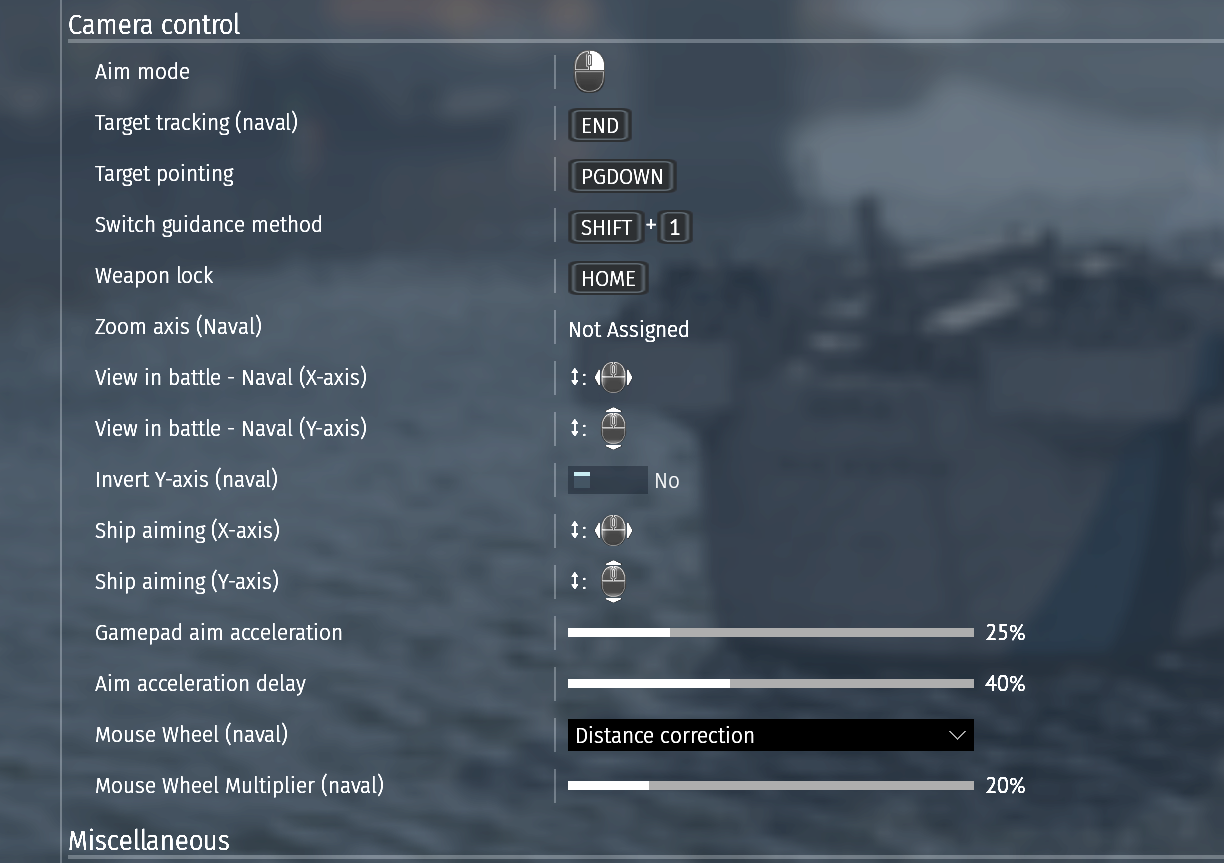
Example of camera Control
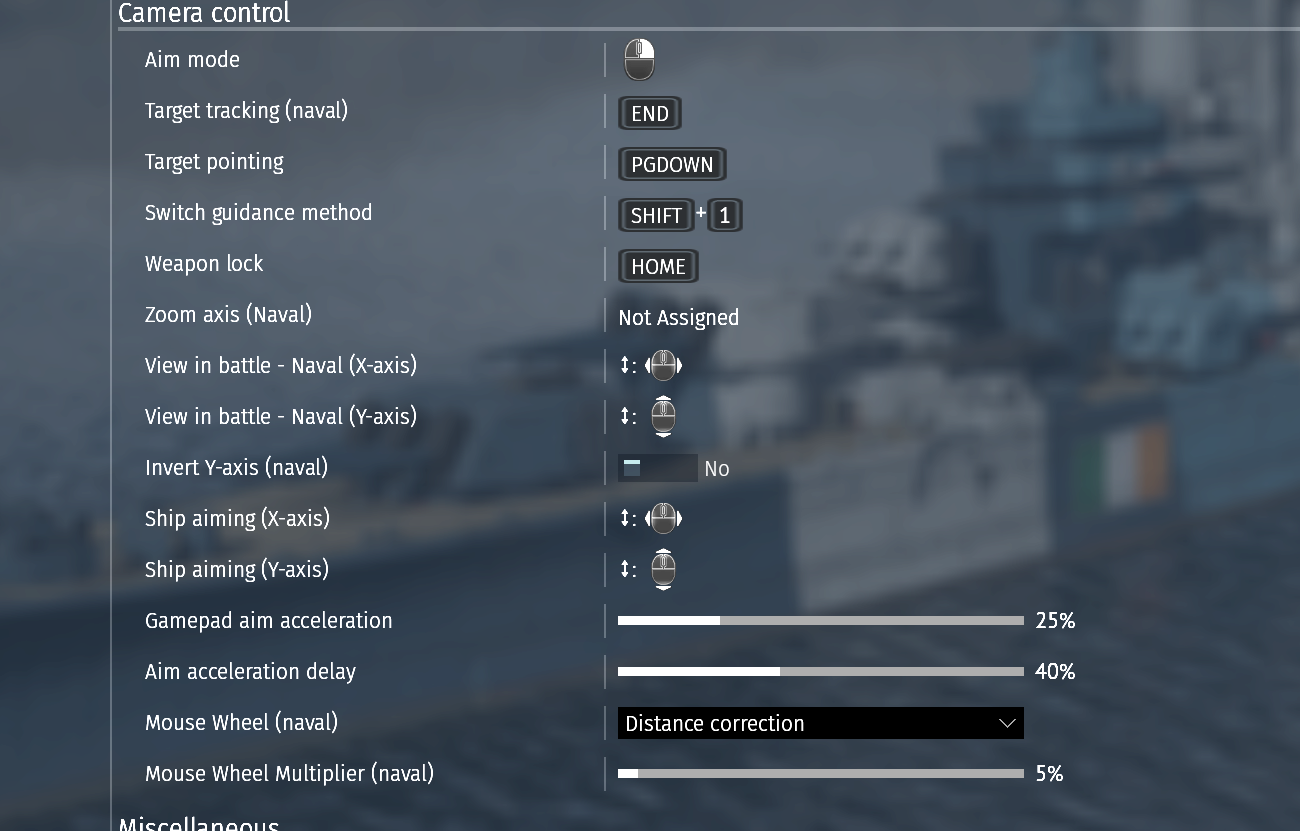
Example Camera Control Key Binding
The complexity of these settings is often underestimated. There are multiple layers that influence behaviour including raw sensitivity, deadzones, nonlinearity and keybind placement. Each of these plays a role in how quickly and accurately a player can respond.
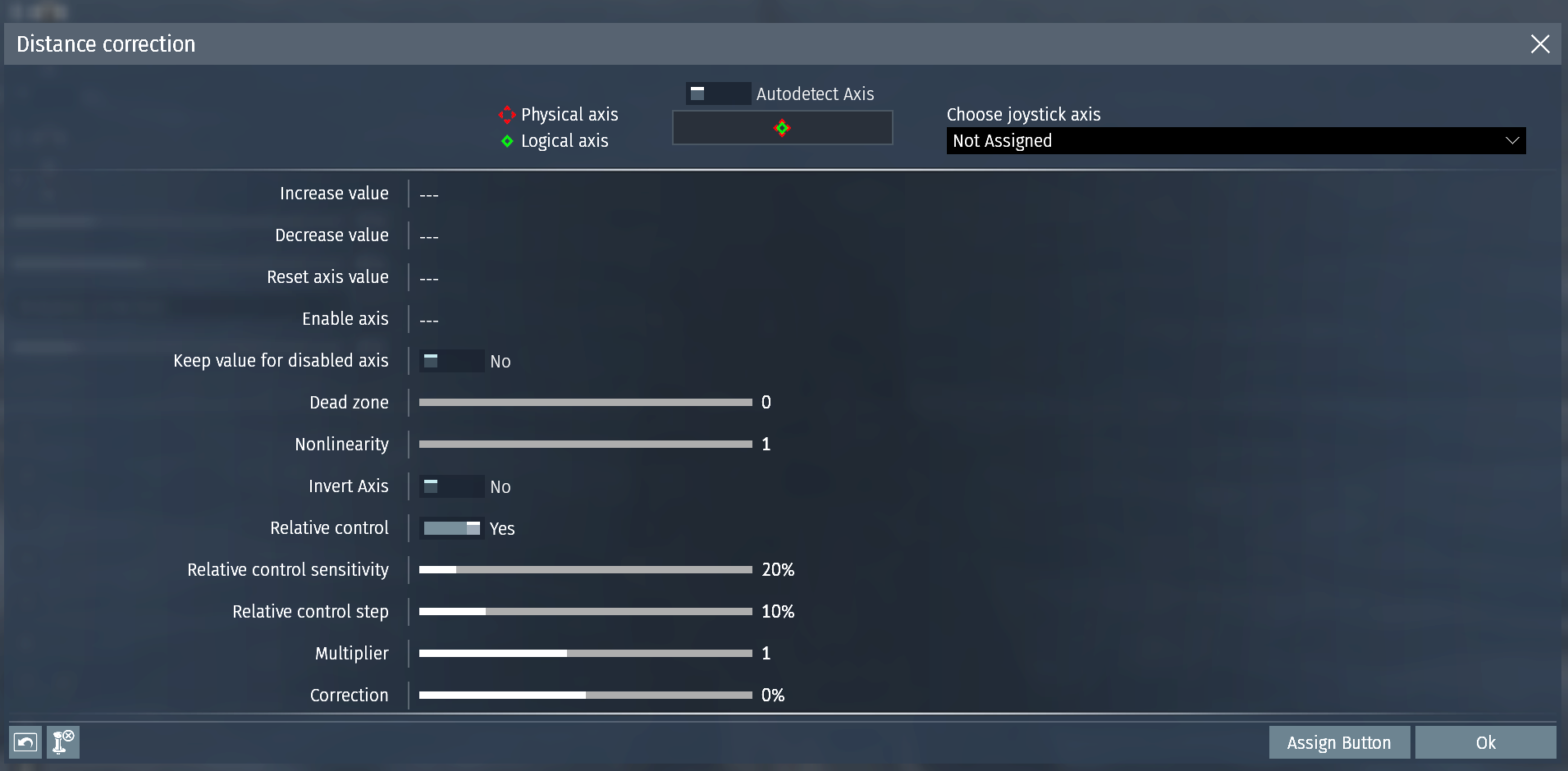
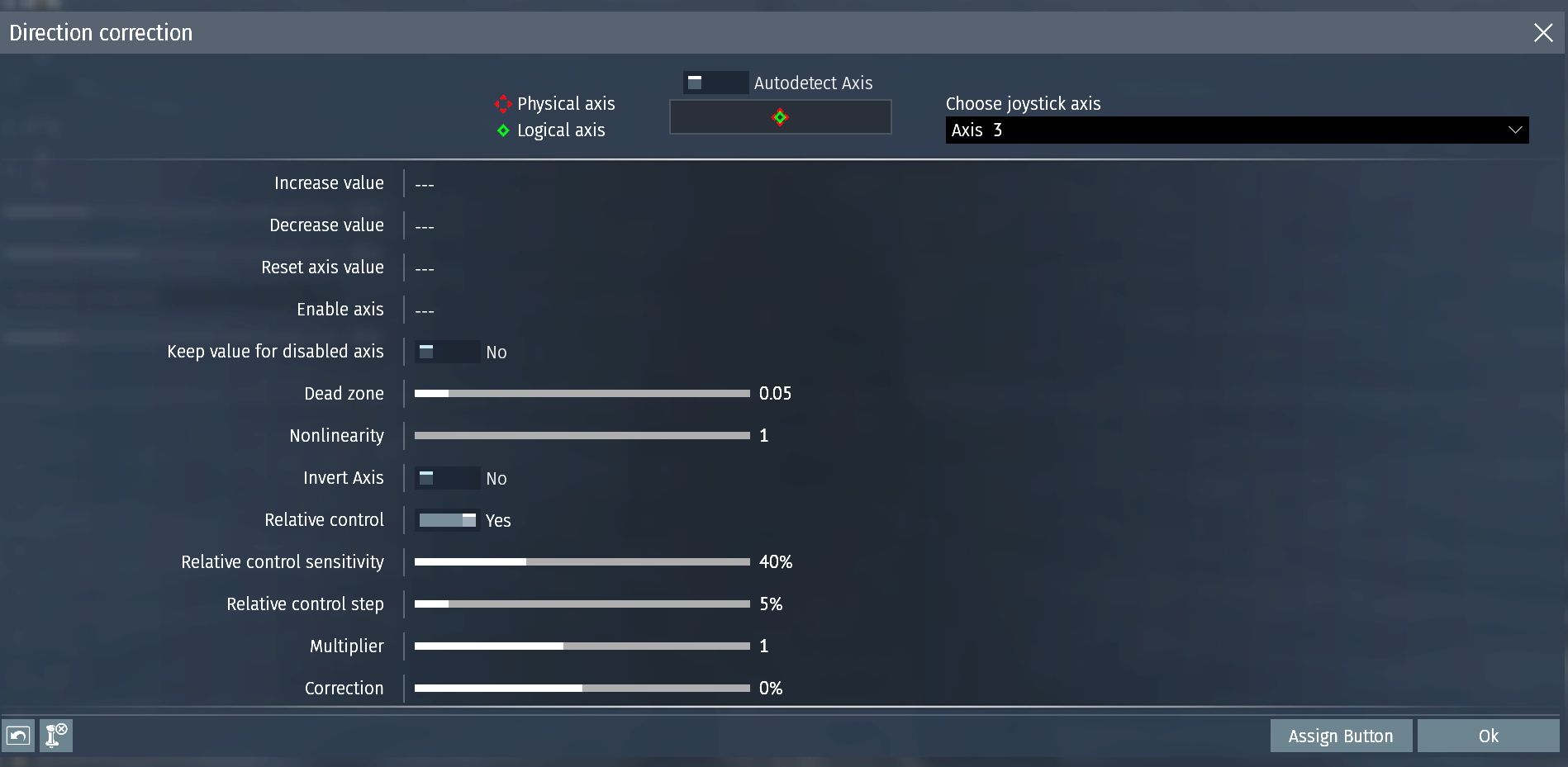
What becomes important is not simply increasing or decreasing values but understanding how they interact. A setup that is too sensitive may allow fast reactions but reduce precision, while a slower setup may improve stability but limit responsiveness.
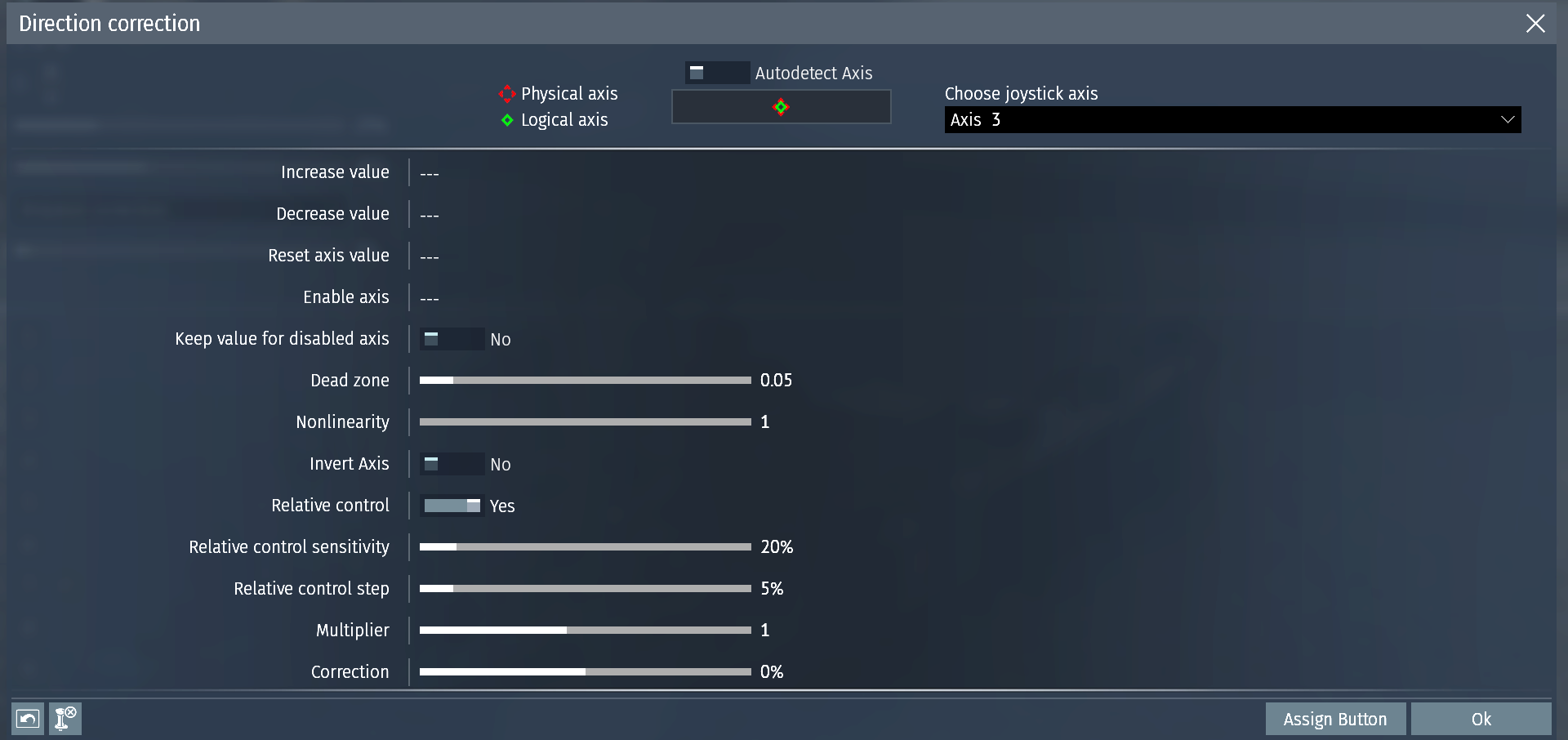

Finding balance is what allows a player to maintain control during both large movements and fine corrections.
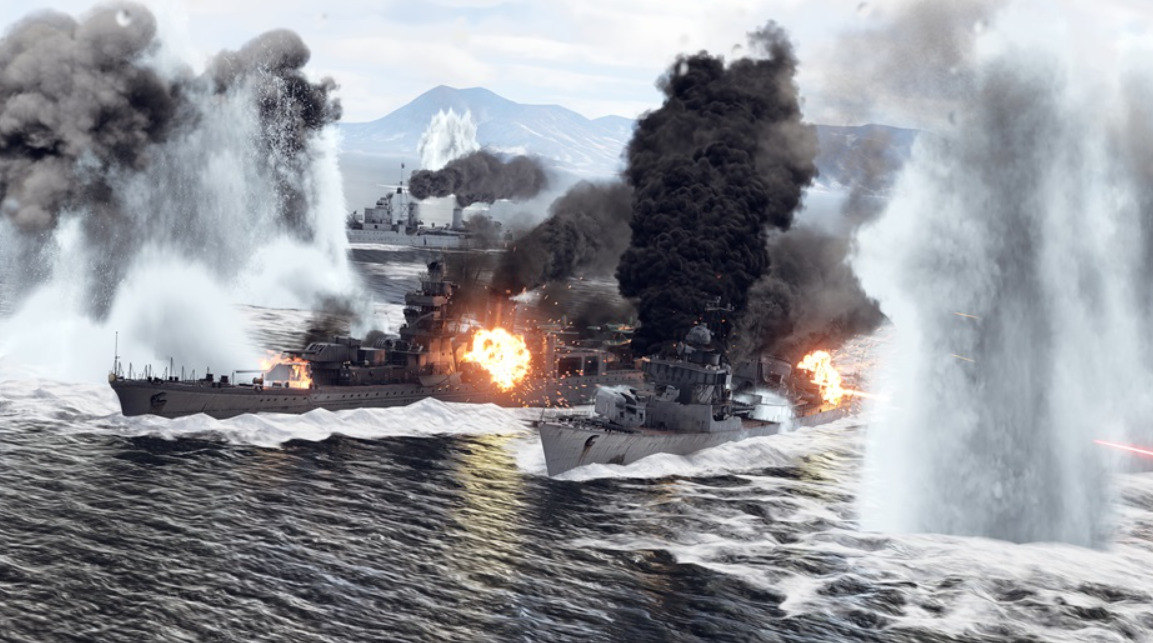
With the Ninth Wave update the importance of visual clarity has also increased. Changes to water rendering, shell impact effects and projectile visibility have made it easier to read engagements at range. Waves now behave more naturally, reflections are clearer and impact effects provide better feedback on where shots are landing. These improvements do not directly change mechanics but they significantly affect how quickly a player can interpret what is happening and adjust accordingly.
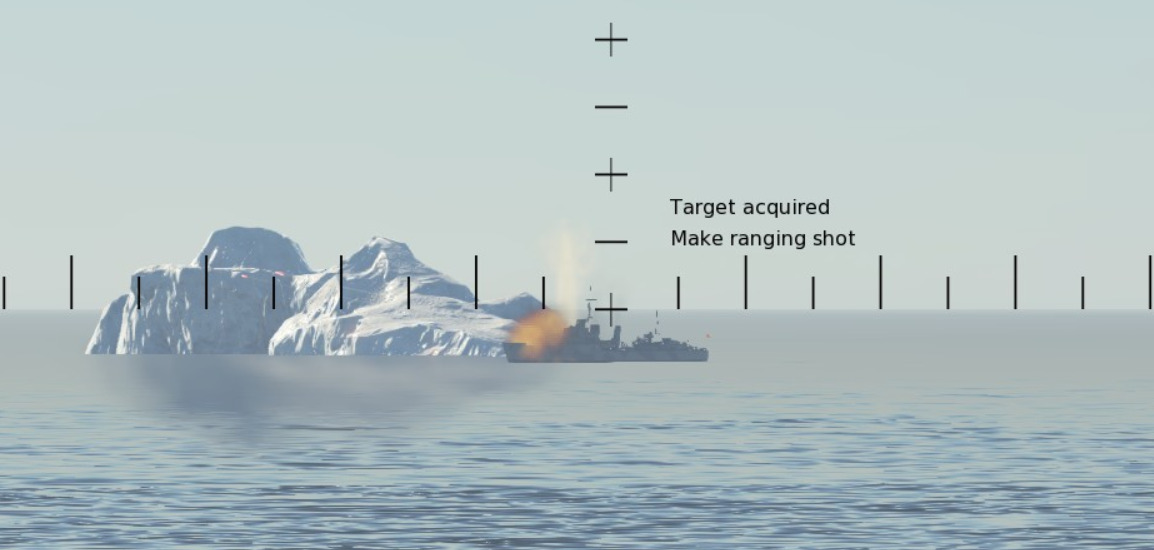
In naval combat especially this becomes very noticeable. A firing solution depends on the ability to observe shell splashes, judge distance and make corrections in a consistent way. With clearer visual feedback players who have stable control setups are able to refine their aim more efficiently. This can create the impression that some players are reacting faster or more accurately, when in reality they are simply able to process the information more effectively and apply smoother corrections.
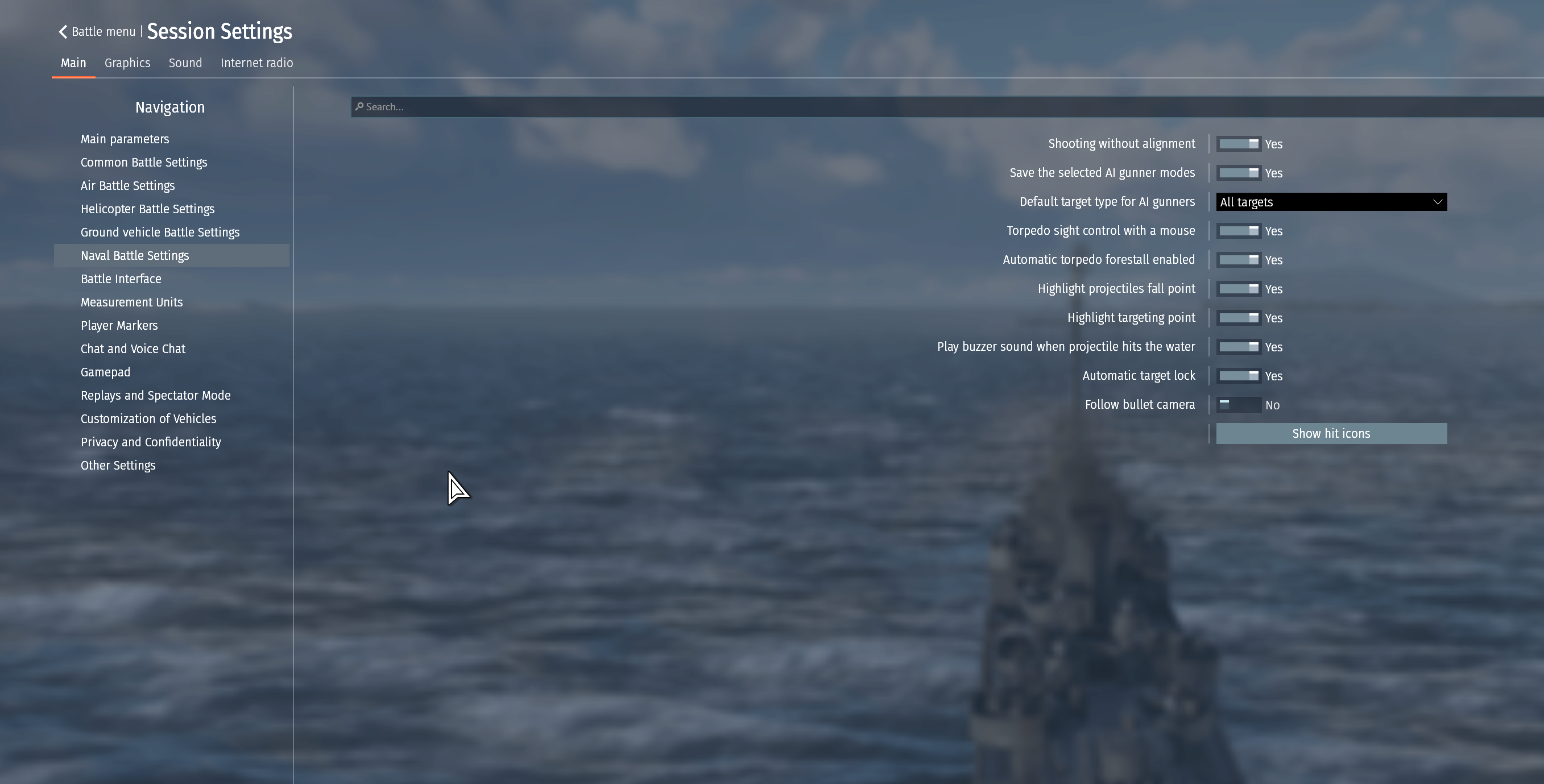
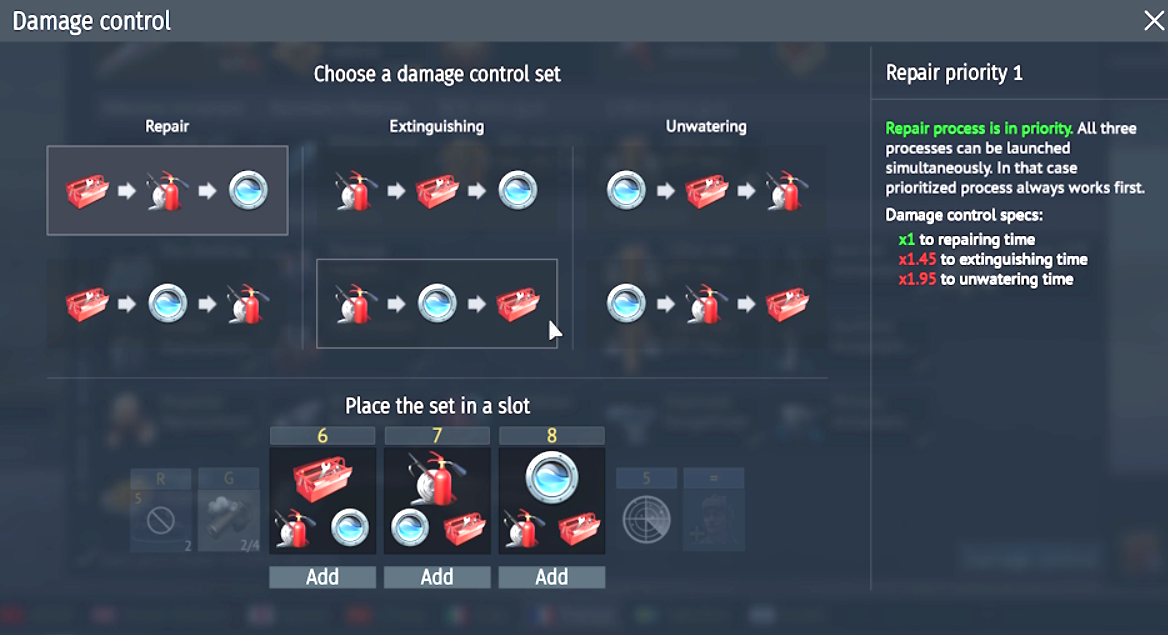
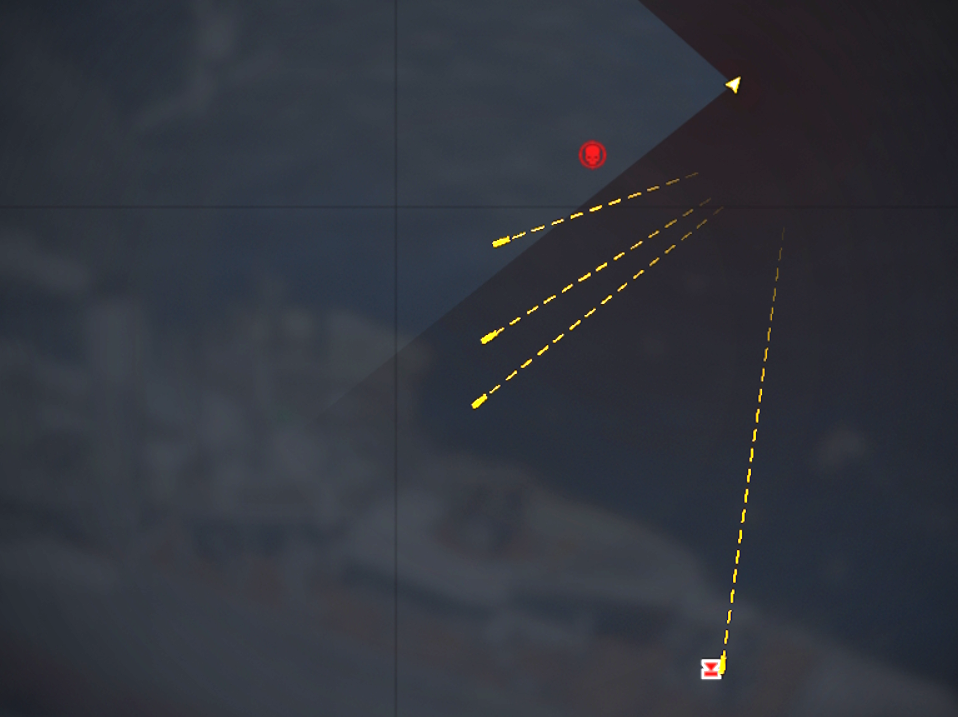
The update has also introduced improvements to interface and feedback systems which further influence performance. The addition of clearer crew indicators, damage feedback and torpedo tracking on the map provides more immediate awareness of what is happening during combat. These systems reduce uncertainty and allow players to make quicker decisions without needing to rely entirely on visual estimation.

When combined with refined controls this creates a noticeable difference in performance. A Captain who can adjust range quickly, maintain stable tracking and interpret feedback efficiently will naturally appear more consistent. This is often where misunderstandings begin. It is not uncommon for Captains to assume that highly accurate or responsive gameplay is the result of something external, when in many cases it is simply the result of configuration and familiarity with the systems available.
War Thunder does operate anti cheat systems and continues to monitor for prohibited behaviour, however the more common explanation for perceived differences in performance is the gap between Commanders who use default configurations and those who take the time to experiment. The control system allows for a level of refinement that can significantly improve how the game feels, but without clear guidance many players never explore these options.
Through testing different setups in a separate control profile it becomes possible to isolate changes and understand their effects. Adjustments to sensitivity can smooth out turret movement, changes to axis response can improve fine control and better keybind placement can reduce the time needed to make corrections. None of these changes replace skill, but they make the connection between input and outcome far more consistent.

The result of this is an aiming system that feels stable and predictable. Maintaining a firing solution becomes less about fighting the controls and more about making informed adjustments. This is particularly important at longer ranges where small errors are amplified and consistency becomes more valuable than speed alone.
The wider issue is that while these tools are available to all players there is very little clear explanation of how they function. This creates a situation where some players unknowingly limit their performance while others gradually refine their setups through experimentation. As updates like Ninth Wave continue to improve visual clarity and feedback systems this difference becomes more visible.
The intention here is not to suggest that there is a perfect configuration or a single correct way to set up controls. Different playstyles will favour different approaches and what works well for one captain may not suit another. What is important is understanding that the control system is a major factor in how aiming behaves and that small adjustments can have a meaningful impact.
What may appear at first to be unusually consistent accuracy is often nothing more than the result of a captain who has taken the time to understand how these systems interact. With clearer visuals, improved feedback and a highly flexible control system the game now rewards those who are able to combine all three effectively.
Hopefully this encourages more players to explore the available settings and share their findings.
The tools are already there, but much of their potential remains unused unless players begin to experiment and understand how each element contributes to the overall aiming experience.
Examples of Player Control Setups and Playstyles in War Thunder
- Precision Tracking Players (Lower Sensitivity / Stability Focus)
Some players intentionally lower their sensitivity to improve fine corrections and long range tracking.
Community guides often recommend moderate sensitivity values because high sensitivity can make the cursor twitchy and harder to control. Adjusting aiming sensitivity changes how responsive the game reacts to mouse or joystick movement, which directly affects accuracy and stability.
The official War Thunder controls documentation also explains that axis sensitivity controls how quickly input reaches full deflection, meaning lower values create smoother gradual movement while higher values respond more immediately.
This type of setup tends to favour:
• long range gunnery
• stable tracking
• precise corrections
These players often rely on smooth aiming rather than rapid movement.
- Fast Reaction Players (High Sensitivity)
Other players intentionally use very high sensitivity so they can move the aiming reticle faster than the turret itself.
In community discussions some players recommend raising aim sensitivity to 100 percent so the cursor can move quickly and allow rapid adjustments even when the turret is still turning.
This style favours:
• quick target switching
• aggressive close range combat
• rapid reaction aiming
However it can also make fine corrections more difficult.
Research:
- Manual Range Control Naval Players
Naval captains often develop completely different control setups because range adjustment is critical.
One commonly suggested configuration is binding the mouse wheel to distance correction, allowing you to manually adjust range without moving the crosshair vertically.
This approach allows:
• keep the target centred
• adjust range independently
• refine firing solutions faster
Many experienced naval players use some variation of this technique.
- Controller Optimisation Captains!
Captains using controllers often rely heavily on deadzone and sensitivity tuning.
Community discussions often mention lowering stick deadzones to remove drift and improve aiming precision when using gamepads. https://www.reddit.com/r/Warthunder/comments/121y6sm/how_do_i_change_the_sensitivity_on_my_controller/?utm_source=chatgpt.com
Example controller configuration shared by Catains:
• Aim sensitivity around 40%
• Camera look speed around 60%
• Zoom sensitivity around 30%
• Camera smoothness around 30%
This type of setup tries to balance responsiveness while maintaining stability on analog sticks.
Further research:
https://www.reddit.com/r/Warthunder/comments/14x9pjy/help_finding_aim_sensitivity/?utm_source=chatgpt.com
- Axis Curve and Nonlinearity Players (Simulator Style)
Simulator or joystick captains often adjust axis curves to create more precision near the centre of movement.
Community advice frequently suggests using response curves or nonlinearity so small stick movements produce smaller control responses, allowing finer control during aiming and manoeuvring.
This setup is common in:
• simulator battles
• joystick users
• Captain’s who prefer gradual control inputs
What This Shows
When you look across the community there is no single universal control setup.
Instead captain’s tend to build setups based on their playstyle:
Precision style
lower sensitivity smoother tracking
Aggressive style
higher sensitivity faster corrections
Naval gunnery style
manual range control optimisation
Controller style
deadzone and response tuning
Simulator style
axis curves and nonlinearity
These different configurations can dramatically change how aiming feels and behaves, which is one reason why players sometimes perceive others as having unusual accuracy when in reality they may simply be using a different control philosophy.
We have also written further about these aspects and if you want to follow that post we explore it from a different perspective Understanding Naval Aiming After Ninth Wave: Settings, Perception and the “Cheating” Debate
And both this guide and Article is a follow up to another interesting post in anticipation of this update what did we predict? , were we discuss things that we are now seeing come to fruition check out the further reading and i think there is a video to go with that one. enjoy Guys hope this Helps you lot out. Naval Enduring Confrontation after 9.0 Convoy abuse, Mines, and how EC could become a true naval campaign - #14 by Sexy_Senpai_Sama
What looks like precision is often just consistency, and consistency comes from control
If anyone else has been experimenting with settings or found something different, I’d be interested to hear how others are approaching it.