Fair enough, it is just abysmal in war thunder.
I mainly play sim and the sea harrier has just about every disadvantage imaginable.
Fair enough, it is just abysmal in war thunder.
I mainly play sim and the sea harrier has just about every disadvantage imaginable.
@Smin1080p_WT
You do know the devs are using cockpit units AOA to represent ADD aoa in game on the Harrier right?
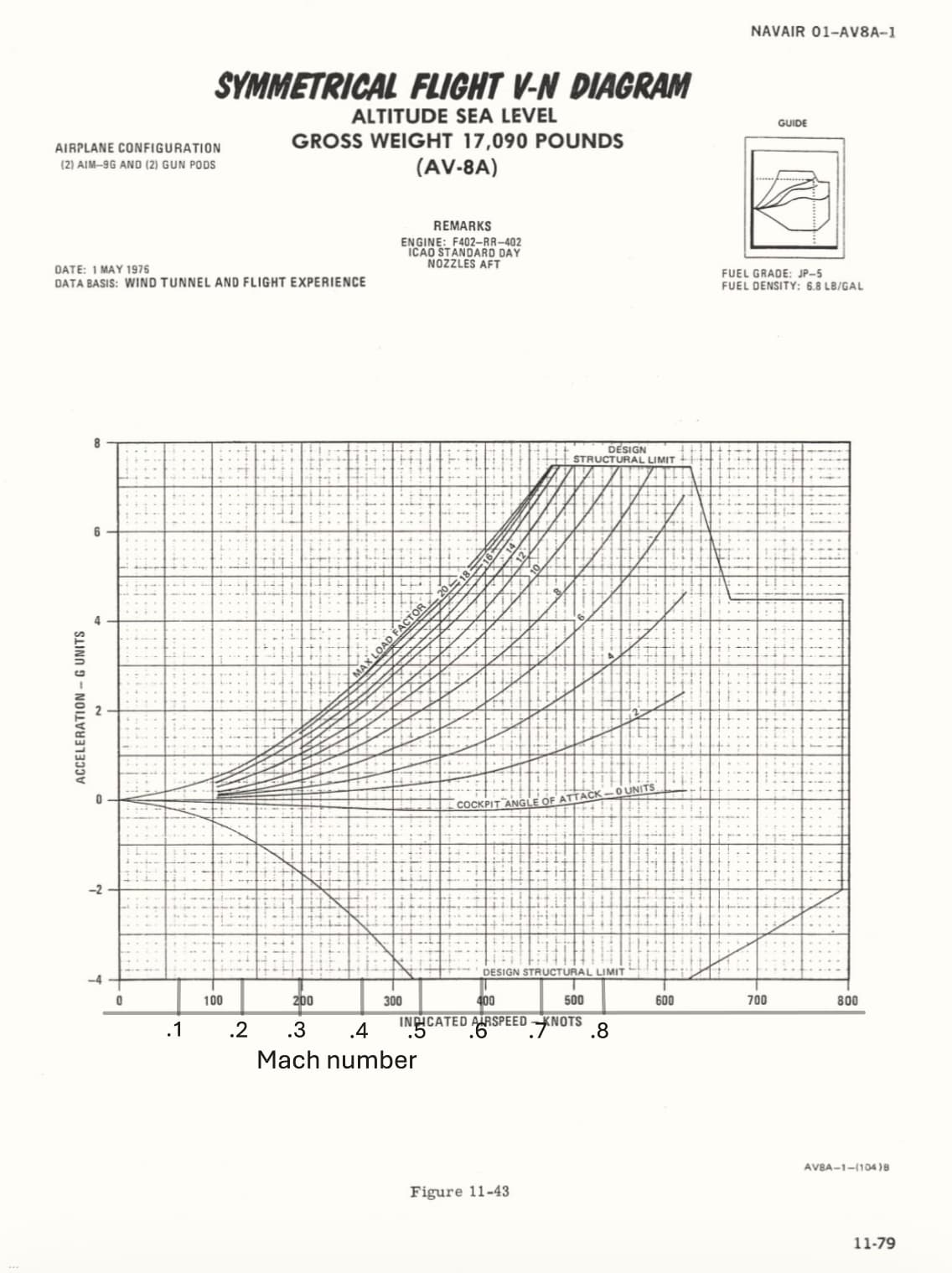
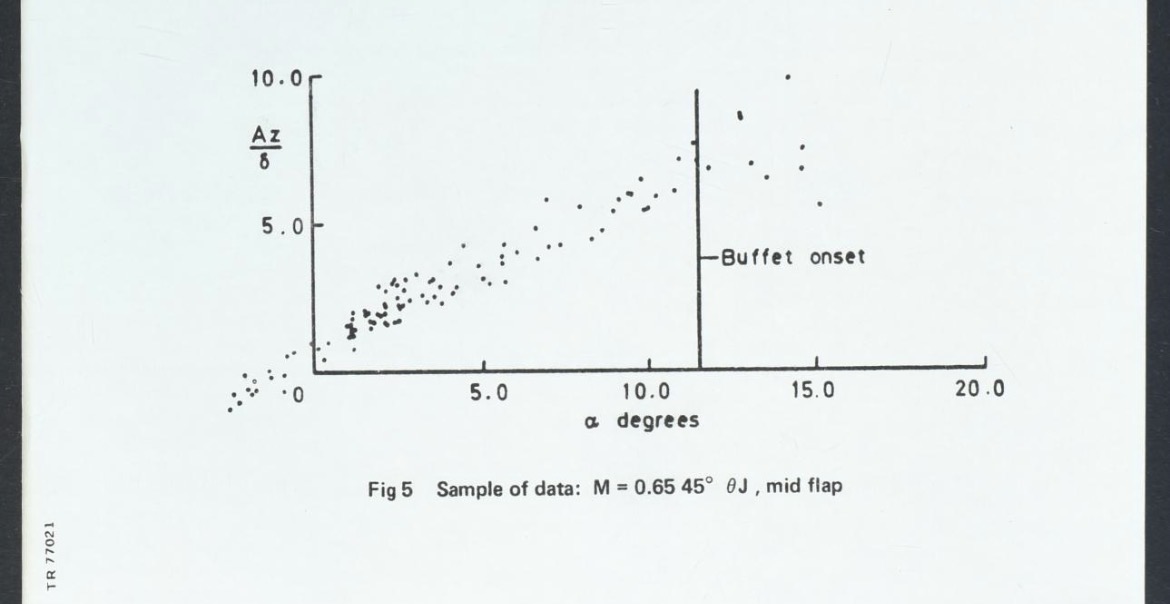
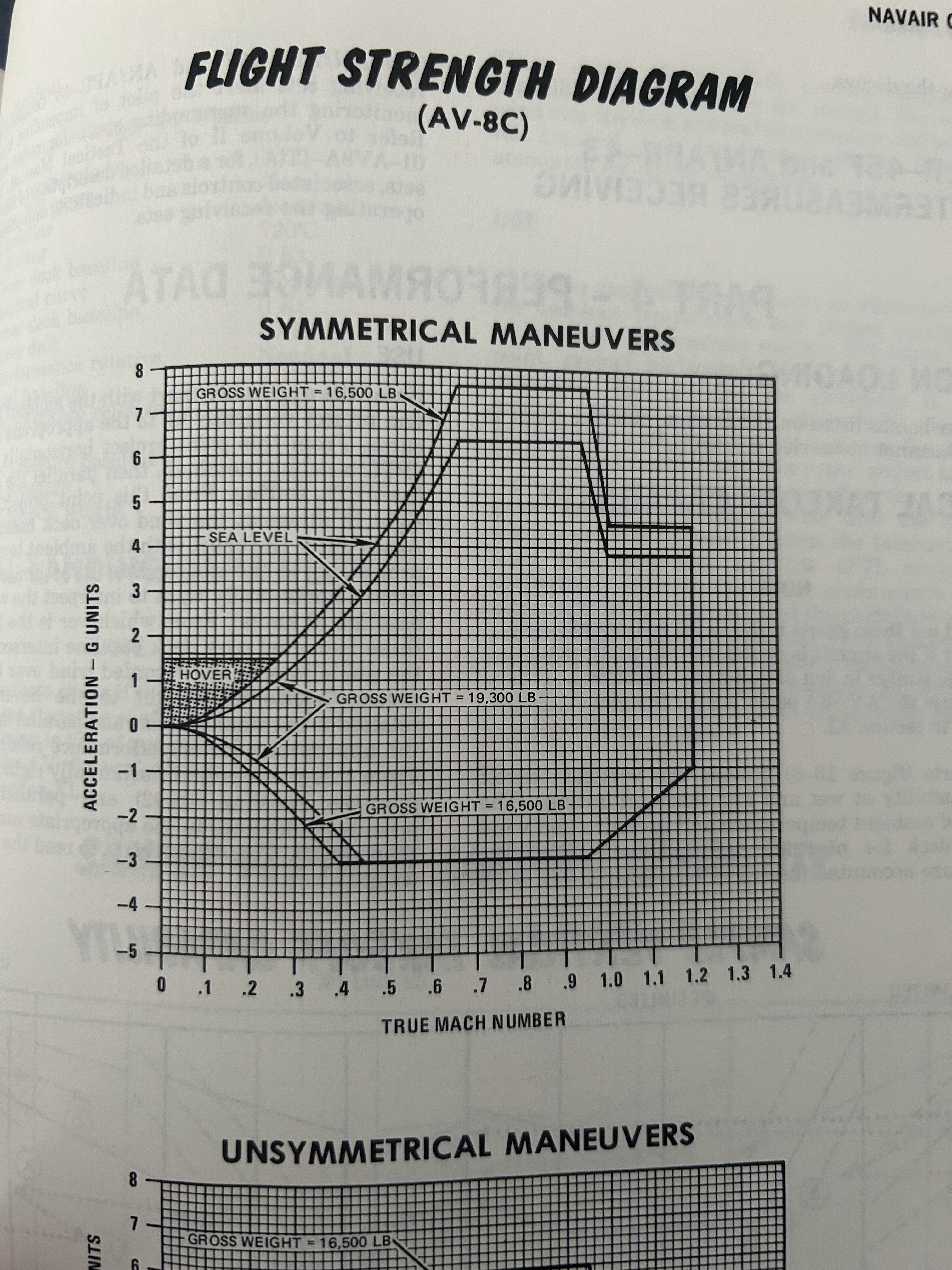
This chart using CPU (Cockpit units AOA) was normalized to buffet AOA. This is an old method used primarily by the Navy for ease of transferring between aircraft types (IE landing on the carrier in an A-4 vs a F-4 would have a standard AOA value)
There is only a 300 lbs difference between these two aircraft. It looks like 20 degrees CPU was used to portray buffet onset AOA for this 1 singular V-N diagram.
As stated before the Harrier has an ADD (Airstream direction detector) this tells aircraft AOA accurately and all readings of ADD are portrayed in every other document.
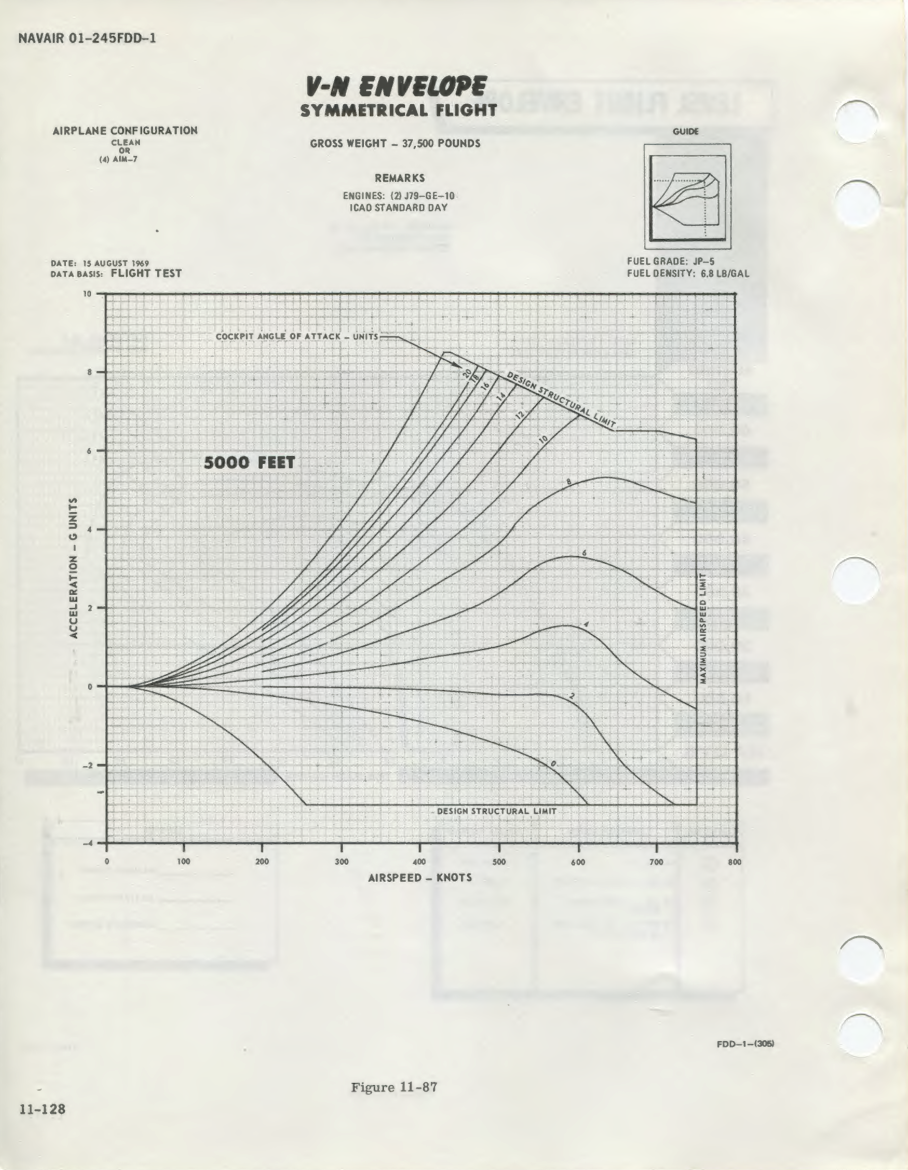
Another example of a V-N diagram would be the F-4 diagram if you look the AOA values almost equal the same G per the 2 aircraft types. However the F-4 includes the stall G were the Harrier doesn’t have this.
Now tell me how 2 aircraft with completely different profiles would have the same G capabilities at 20 degrees AOA from 400 knots to 0.
F-4 note the stall boundary
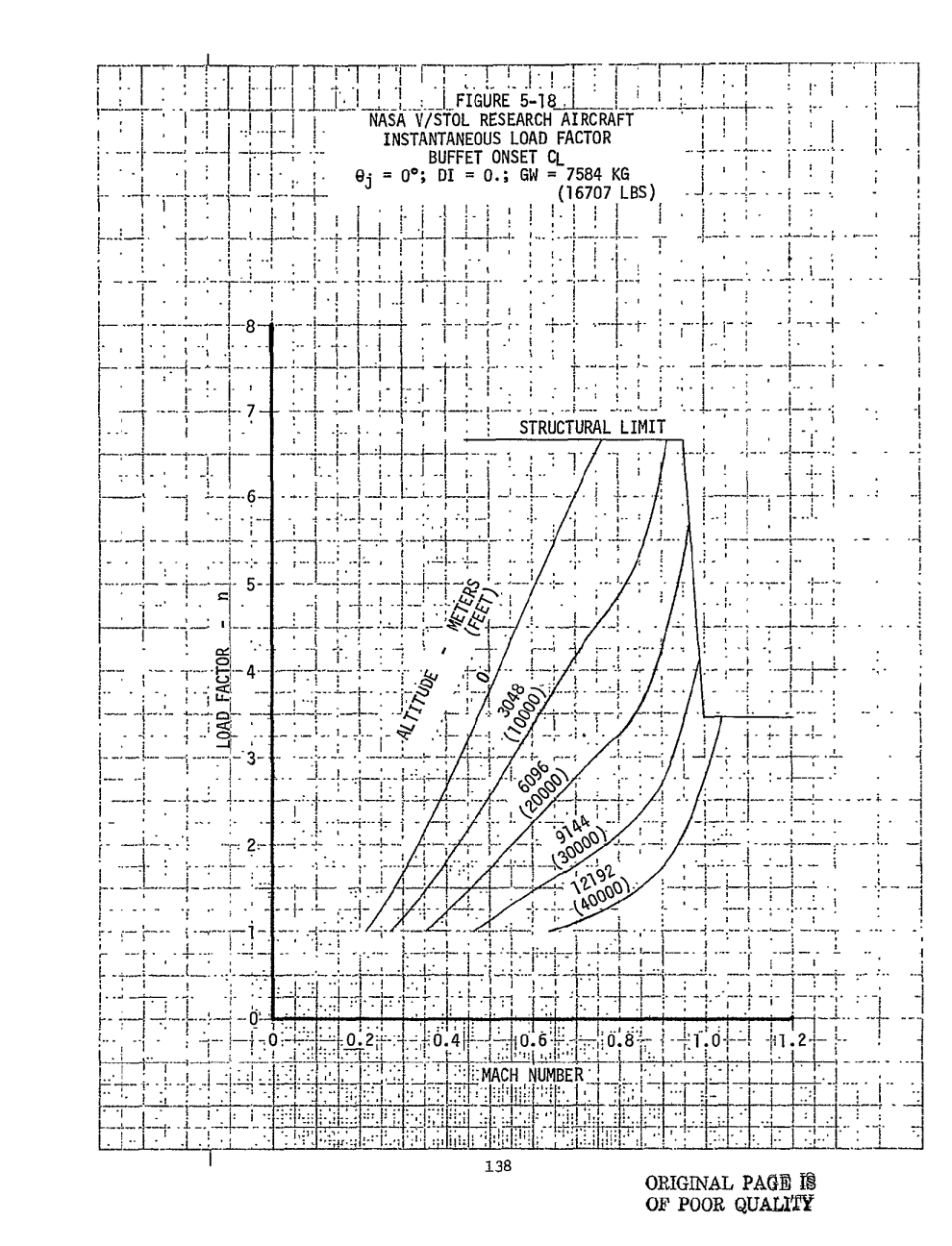
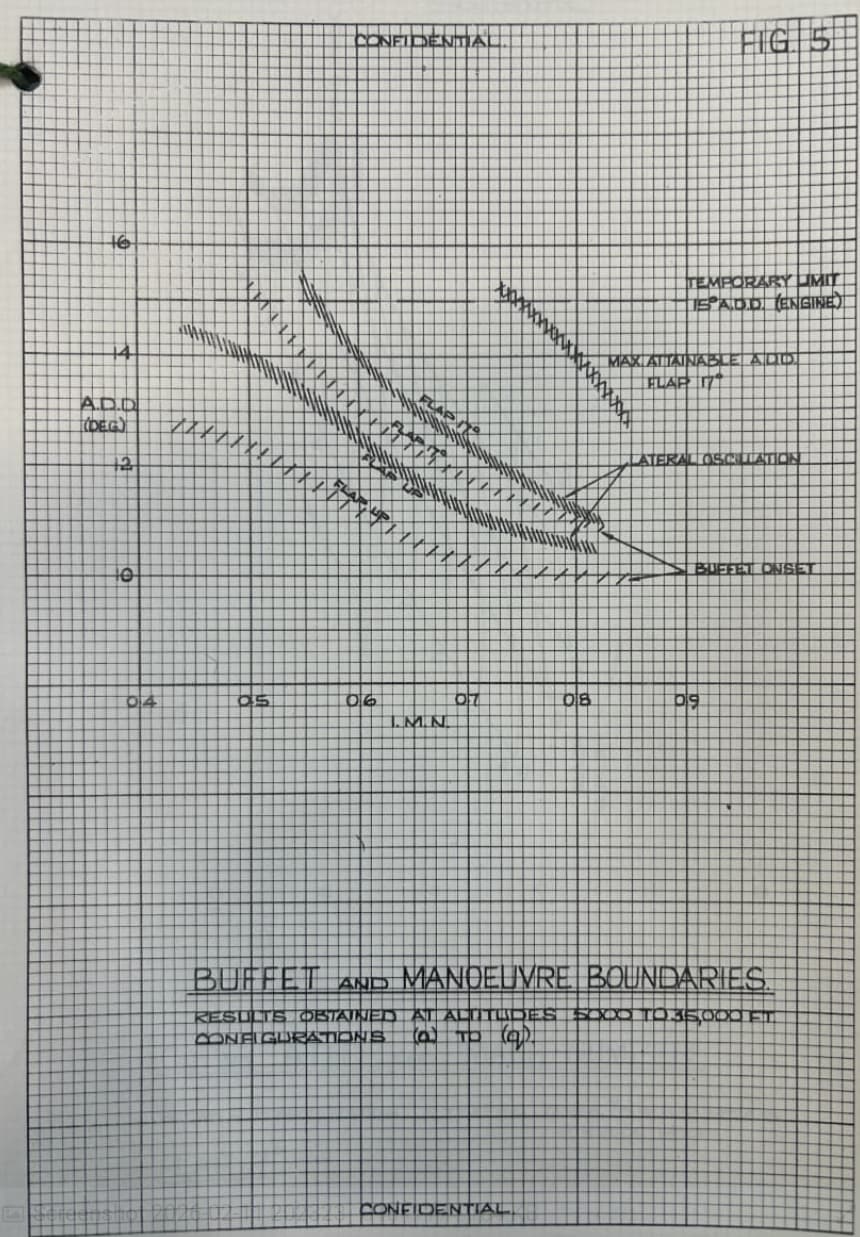
(Buffet onset ADD/AOA for Harrier Gr.1)
Between +19 and -3 units are equal to degrees.
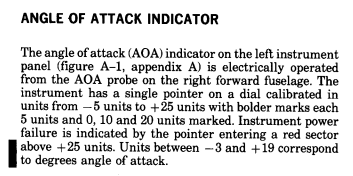
That’s not equivalent to CPU still. (CPU is an u known ratio to ADD for this specific aircraft.)
As I said already the AOA indicator on the Harrier indicates ADD. Read from the airstream direction detector and are equivalent to degrees.
That’s why all other documents say ADD read via the HUD or AOA indicator
15,500 lbs harrier 1 (XV277) the VIFF trials harrier accidentally pulled almost 10G at 430 knots
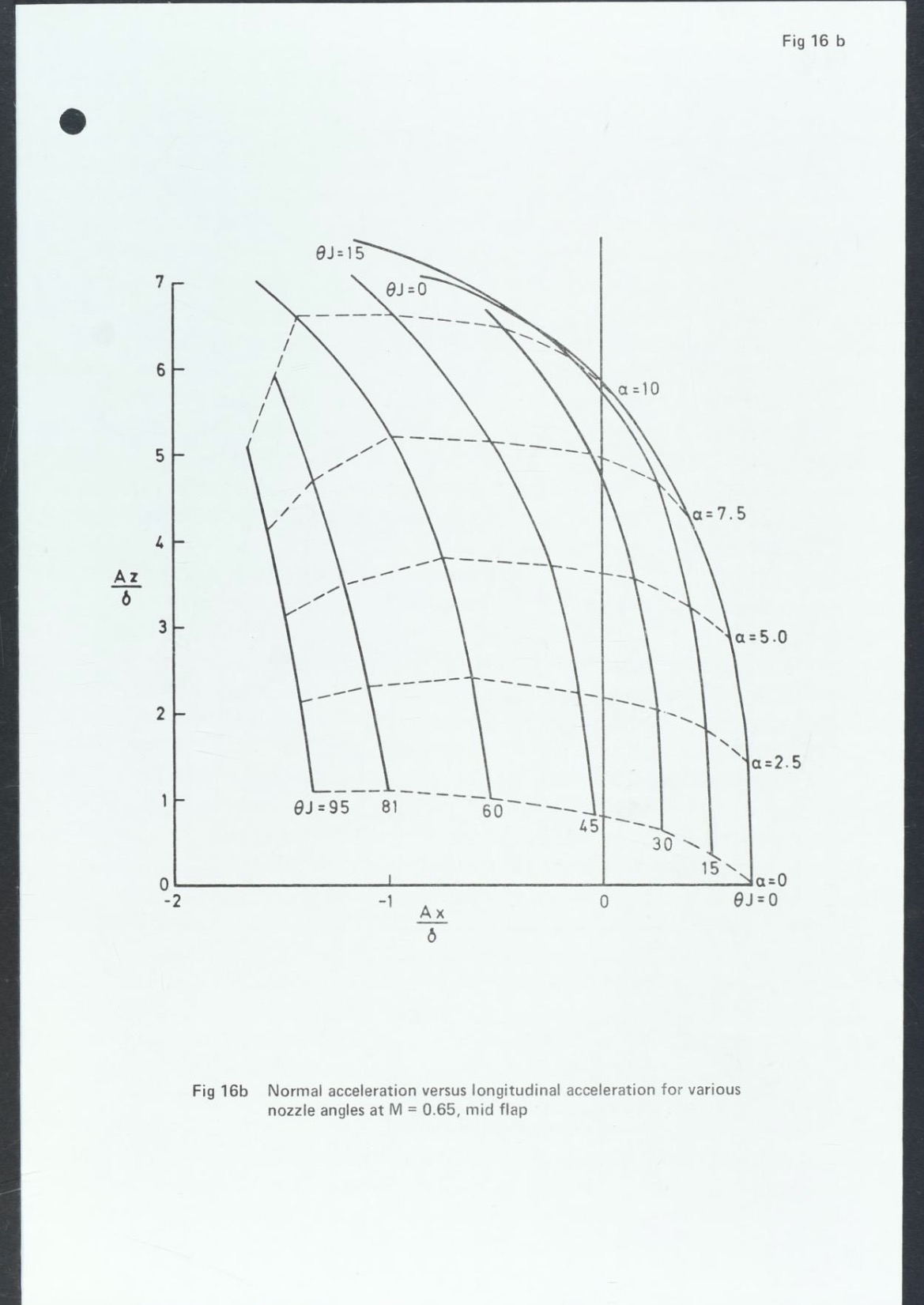
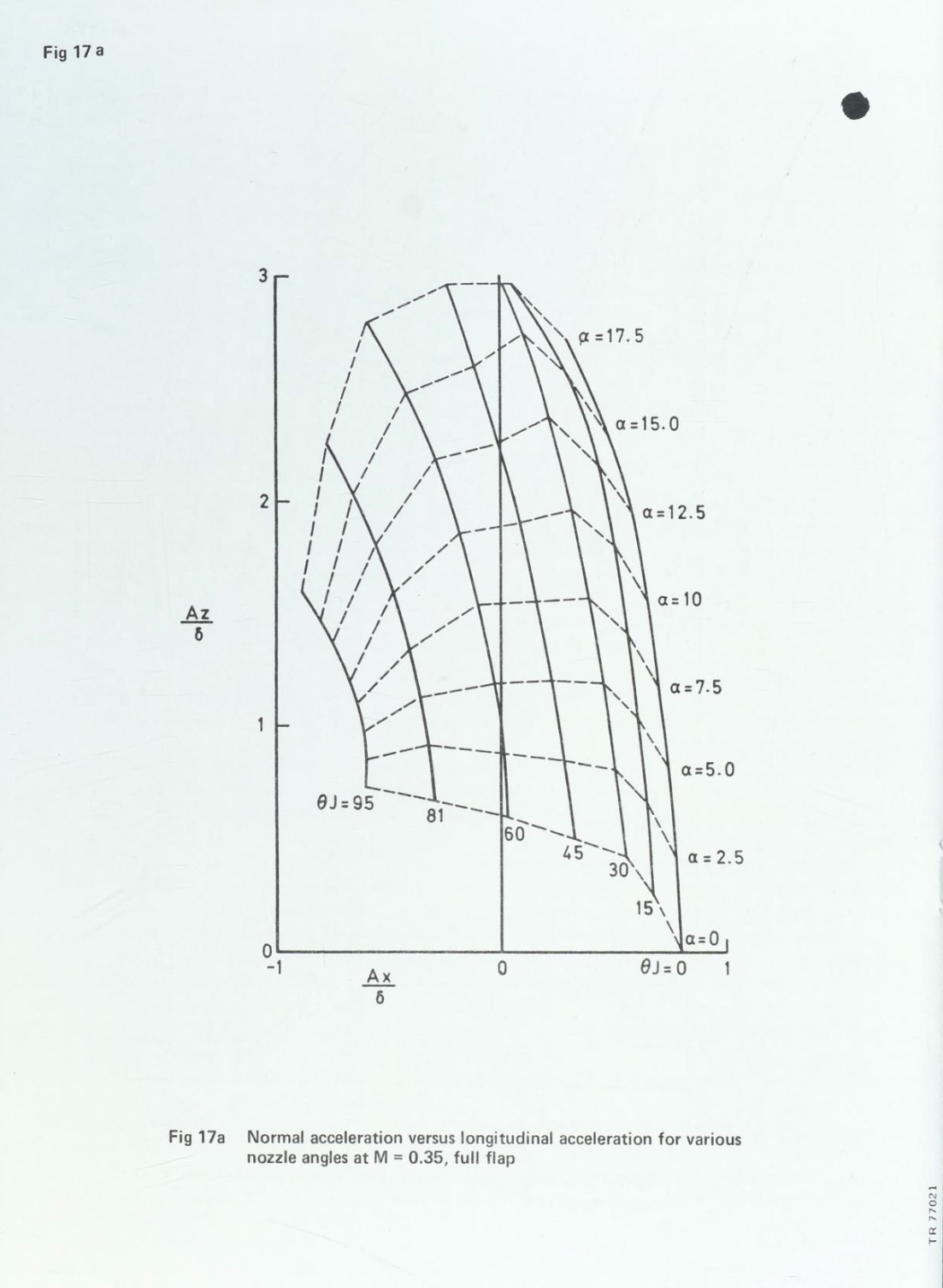
Here is the Accelerations plot superimposed with ADD. (AOA from the air data computer)
10 degrees AOA gives almost 6G
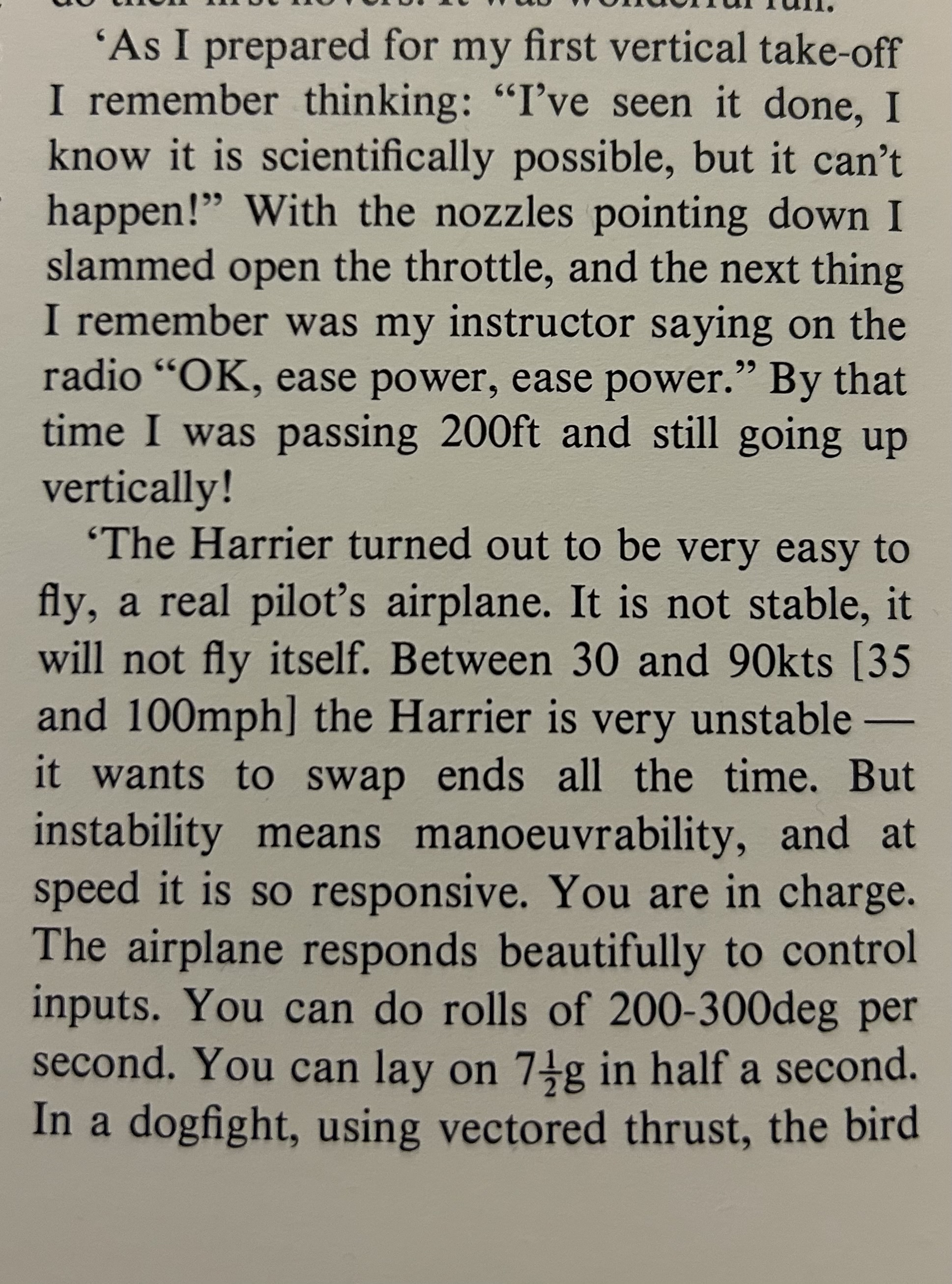
With 7.5-8G being the highest achievable before local wing stalling. (This is the exact same value for all other sources and is the quoted cornering speed.)
17.5 degrees add reading will provide you with
2.75 ish G - also the same as the other sources.
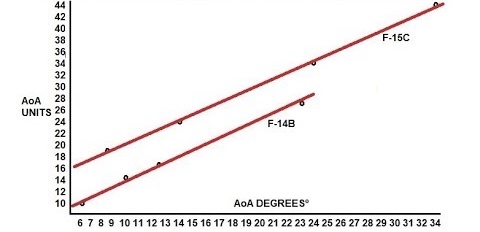
This is the best way to show how it differs is with the various units for the F-15 and 14.
For cockpit units they could have found the buffet onset ADD for 400 knots and called that 20 degrees cockpit angle of attack.
Every aircraft is different and it gets confusing. (A F-15 crashed because of this irl)
However the harrier just tells add like the F-16
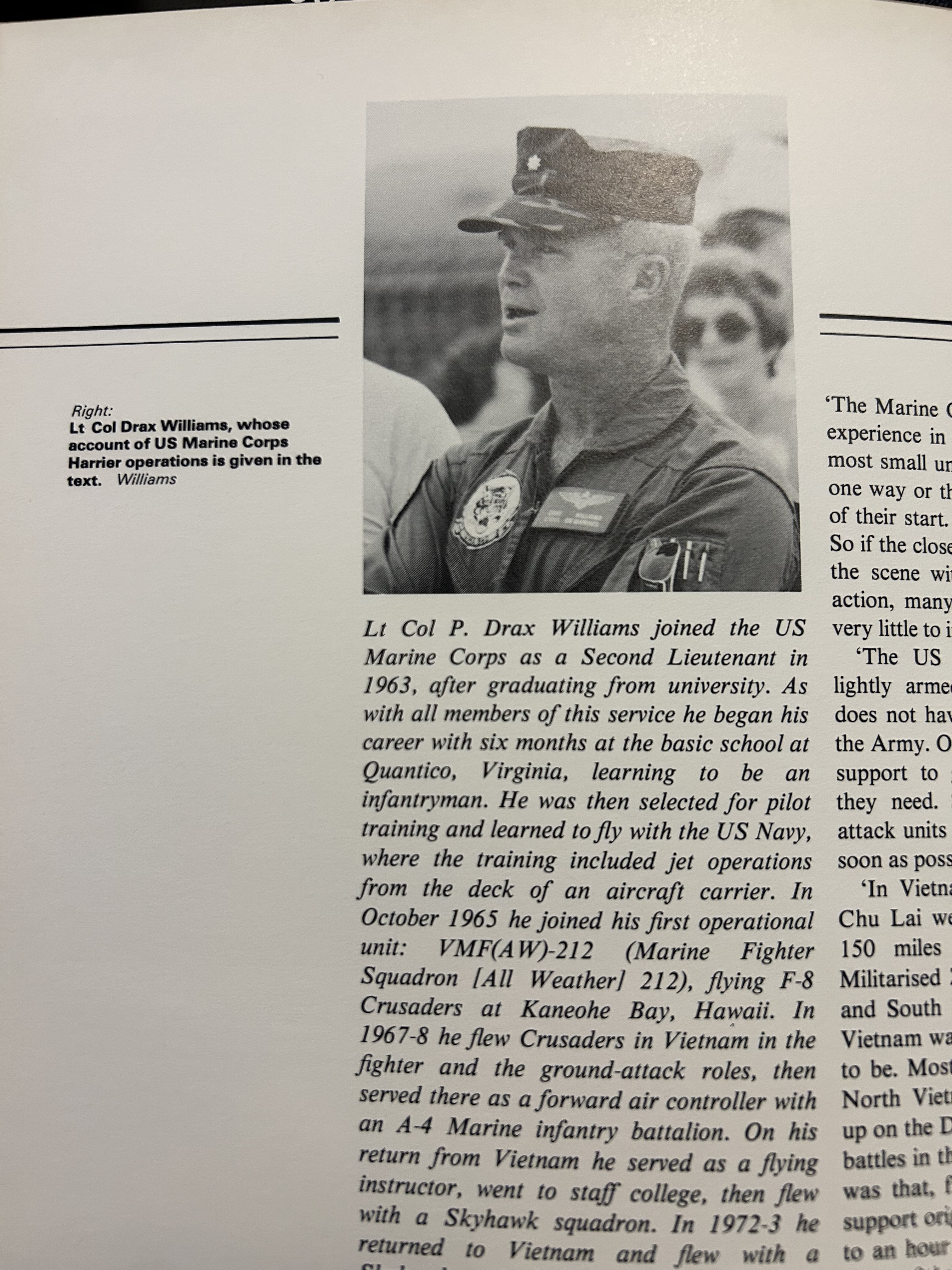
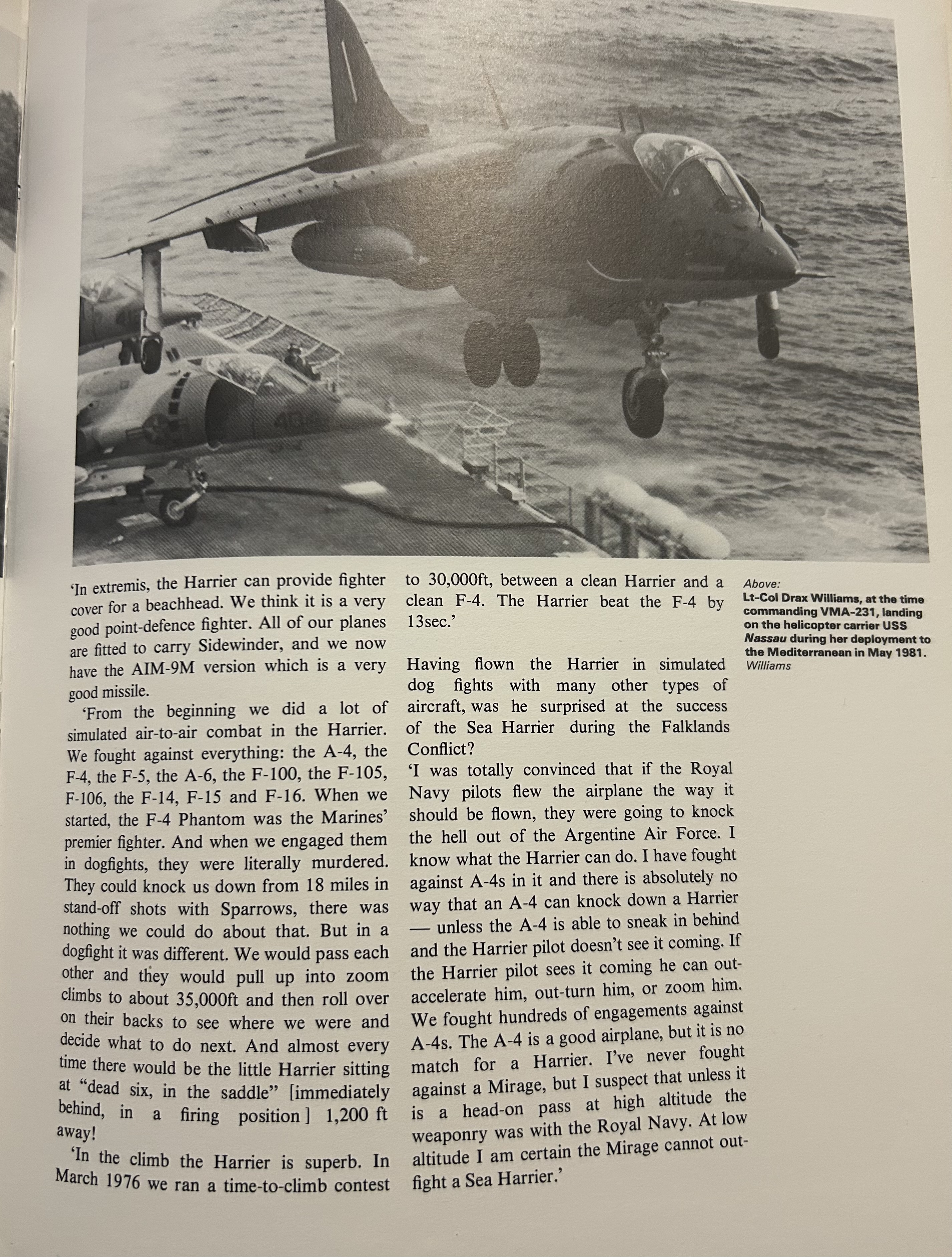
Gaijin knows more than the original commanding officer of the first AV-8A squadron ever, -confirmed.
Gaijin devs are so wise they obviously know that the harrier could never pull 7.5G at its quoted speed.
(Yet alone wind up G faster than the Flanker is stated to wind up)
Yes because pilot reports are infallible sources of truth. This is why F-22 actually does 28 degrees per second sustained turn rate at 20,000 feet.
Maybe look at all the other sources, this just compounds it broski. It’s interesting to hear what pilots have to say about the jet.
All but 1 source claims the same thing and the 1 source that doesn’t has undefined terms.
Your interpretation of the sources and saying that they all agree is not the same as all sources actually agreeing.
Why don’t you just scroll up and read them.
Is the Harrier aerodynamically stable or unstable?
It would be considered closer to “neutral” or relaxed stability.
Lmao okay.
At 500 knots airspeed 1G can be applied with only 1 pound of stick force.
Its got a lot to do with the nozzle and jet interactions as well. More so then being relaxed stability in the way that the F-16 is.
Harrier is not anywhere near relaxed stability like F-16. It is a conventionally stable aircraft. You are just mixing pilot report saying that it’s unstable with it actually being aerodynamically unstable; those are two different things.
Which circles back to my point about interpretation. You are bound determined to hallucinate aspects of the Harrier and make clearly erroneous conclusions based on your lack of understanding.
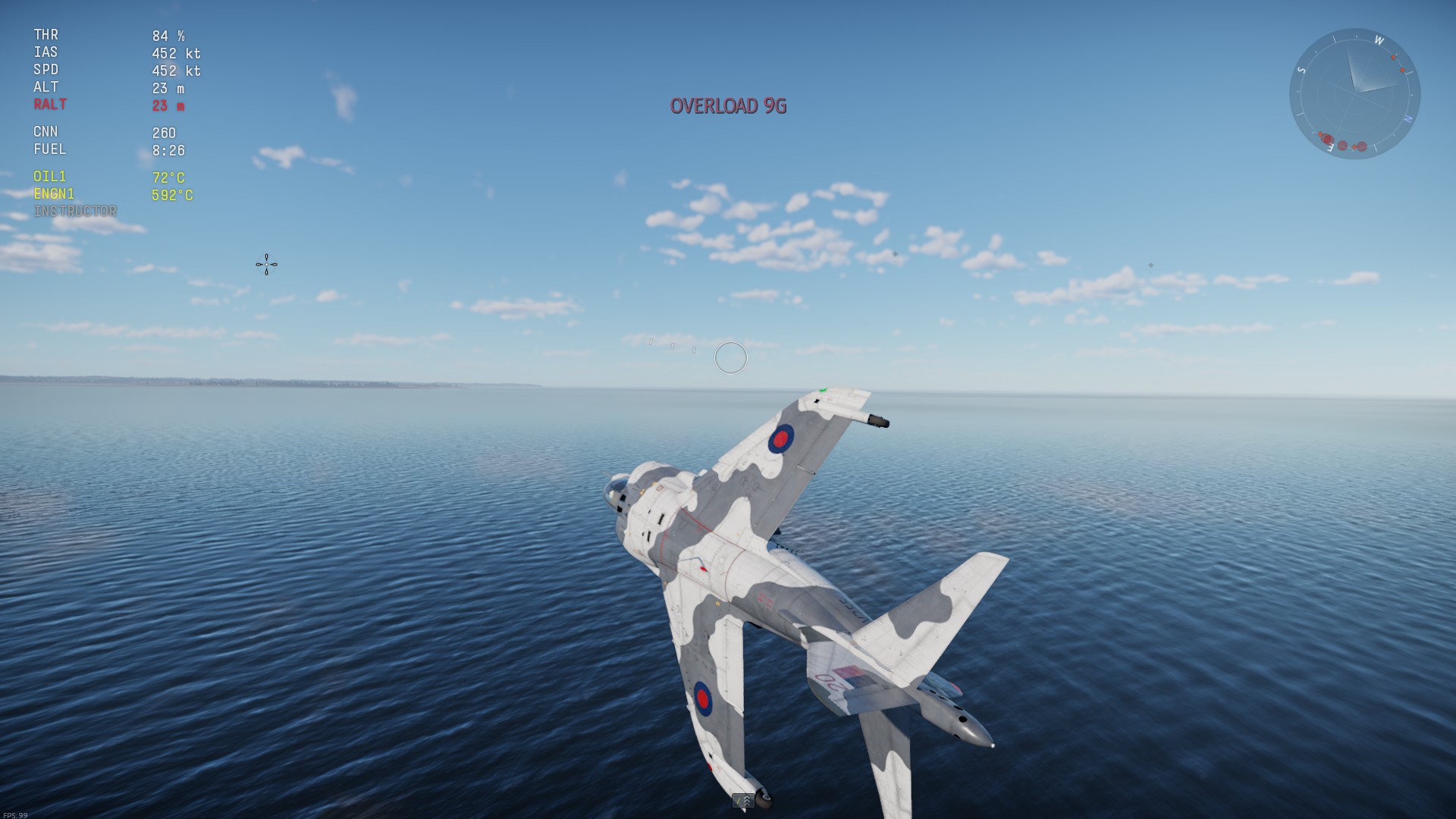
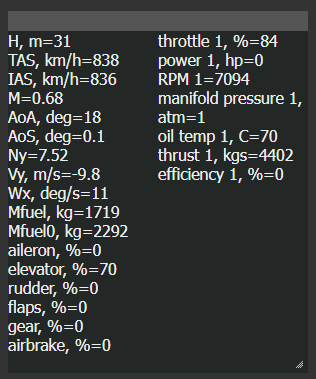
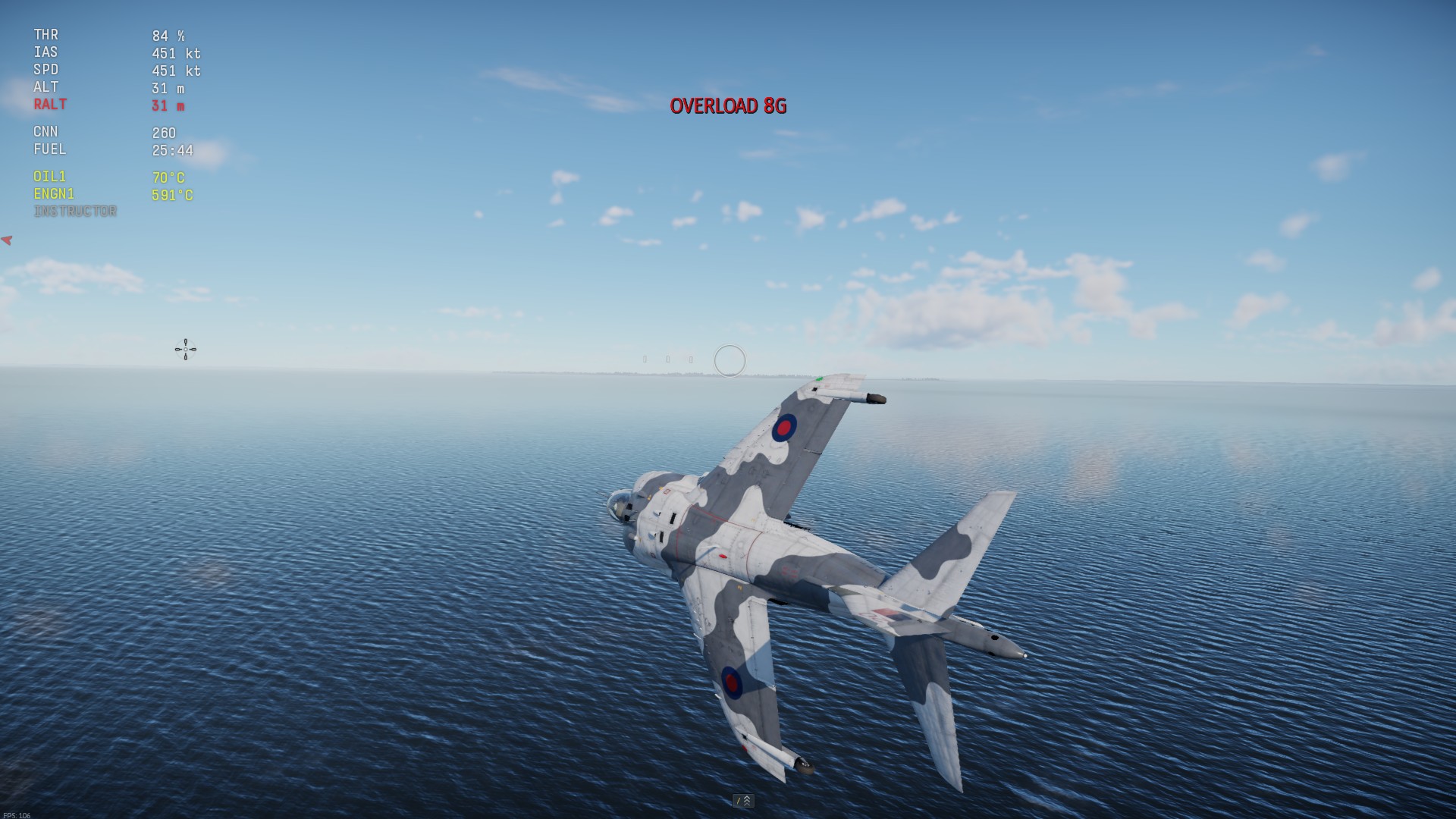
With 8 mins of fuel lol and more AOA then it could pull at those speeds. (14 degrees AOA would be the deep buffet AOA for this Mach number - mouse aim is 18)
Again if the lift is deemed as “fine” then the thrust needs to be increased to the point where it can sustain the desired G.
That would mean you can accelerate to 400 knots at 18 degrees AOA.
It either is or it isn’t.
The answer you gave was to the effect that it wasn’t. You are conflating pilot reports of control responsiveness with the actual stability margin of the plane.
The plane is aerodynamically stable. It is not in any way, shape, or form a relaxed stability airframe.
Did I ever say it was feet pics
Say the word no