- Yes
- No
Cheers to @ForeverAloneRage for almost all the photos and sources for this one
Introduction
The Swingfire missile was a British wire-guided anti-tank missile developed during the 1960s as a successor to the Malkara missile. Following the cancellation of the Orange William project in 1959, Fairey Engineering continued development work alongside a number of British defence companies under the Army’s Project 12 programme. Designed to fire from concealed positions, Swingfire could make an immediate turn of up to 90 degrees after launch, allowing the launcher to remain hidden while the operator guided the missile from a remote sighting position. Among the first of its kind, the development of Swingfire was somewhat protracted, with reliability and guidance issues delaying acceptance until 1969, when the missile finally entered service.

Swingfire performing its signature 90° turn from a Land Rover launch platform.
Once operational, Swingfire became one of the most distinctive anti-tank missile systems of the Cold War. It was deployed on a variety of platforms including the FV438, FV102 Striker, Ferret armoured car, Land Rover and trailer-mounted launchers. Approximately 46,650 missiles were produced, and the system remained in British service until the retirement of the Striker in 2005, having seen operational use during the 1991 Gulf War and the 2003 Iraq conflict.
Alongside the in-service Swingfire carriers, there are a number of additional vehicles that had Swingfire mounted, mainly for promotional or demonstration purposes. A huge amount of money had been invested into Swingfire by the British government and industry, and they had certainly ended up with a highly capable missile, but if some export success could be found then it would end up being quite a lucrative development. So, during and after the development of the Swingfire, it was mounted in both mock-up and functional configurations on a wide variety of vehicles, including the Alvis Stalwart, Supacat ATMP, Westland Lynx, and, the vehicle being covered in this suggestion, the M47 tank.
The M47 was acquired by British Aircraft Corporation (BAC), at this point the designers and manufacturers of the Swingfire, from ex-Belgian stocks in the 1960s. It was first exhibited by BAC at Farnborough airshow, in 1966, with obvious mock-up launchers with no visible wiring or missile tubes or anything of the sort.
1966 configuration, with mock-up launchers
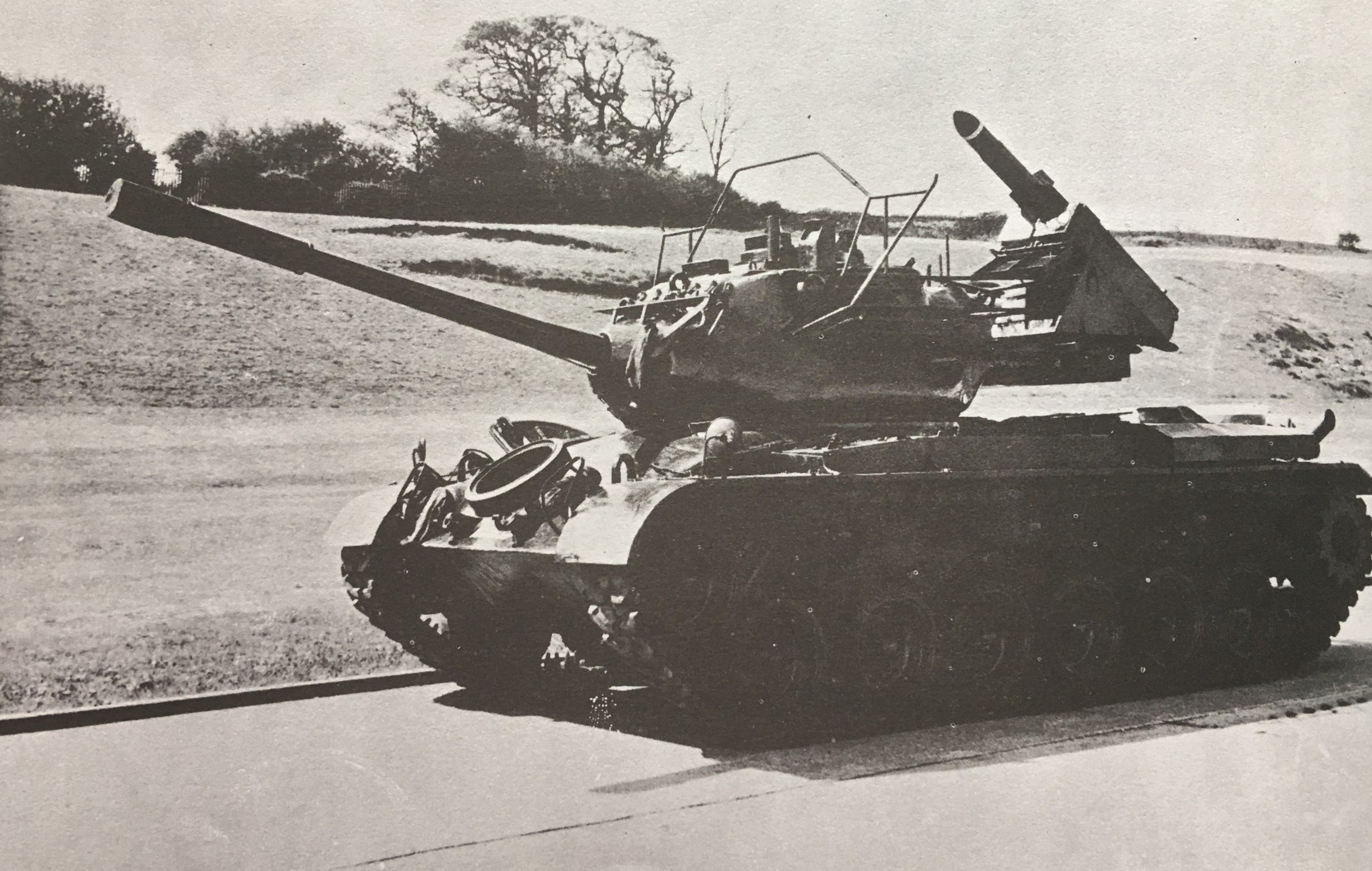
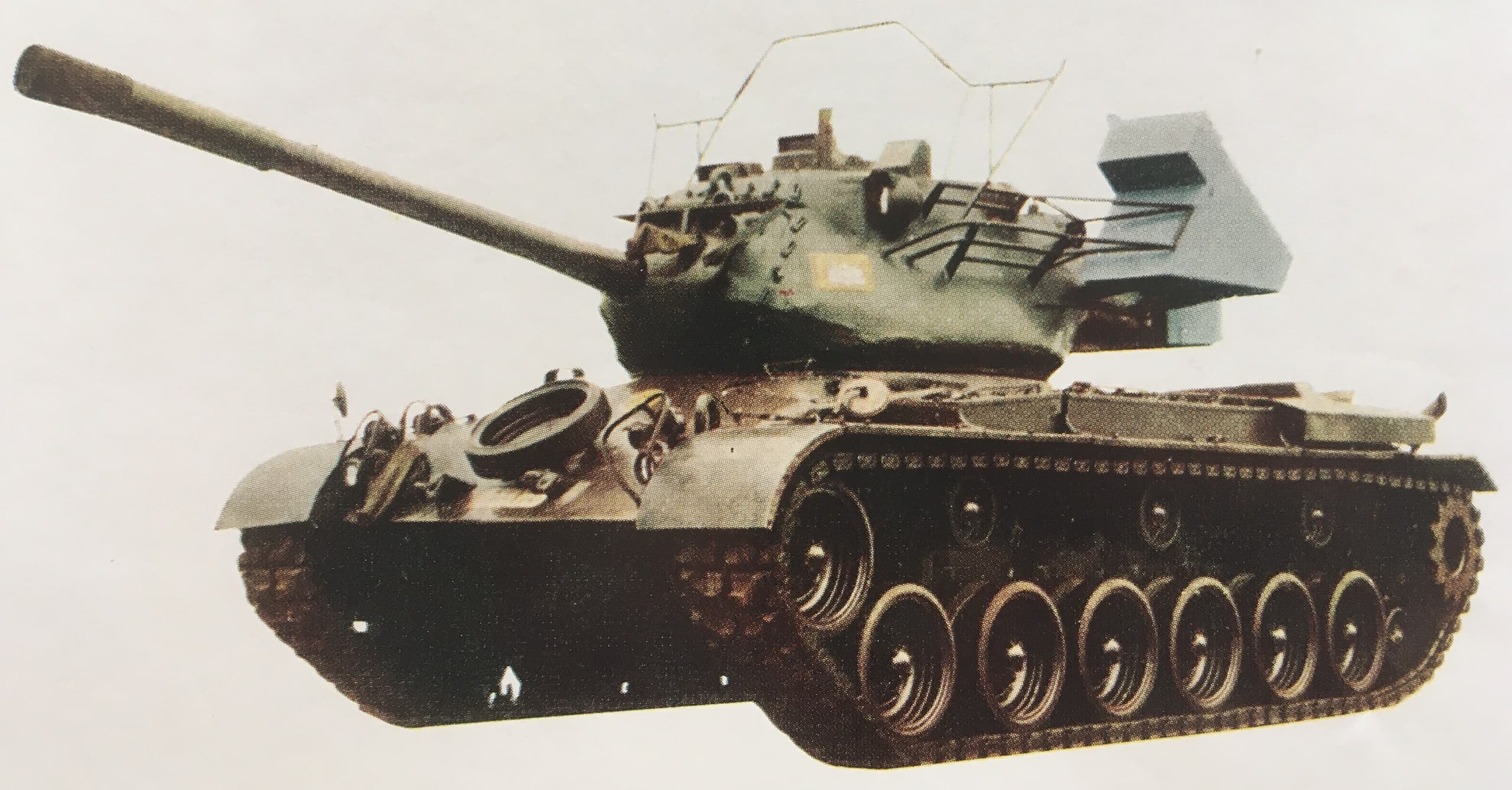
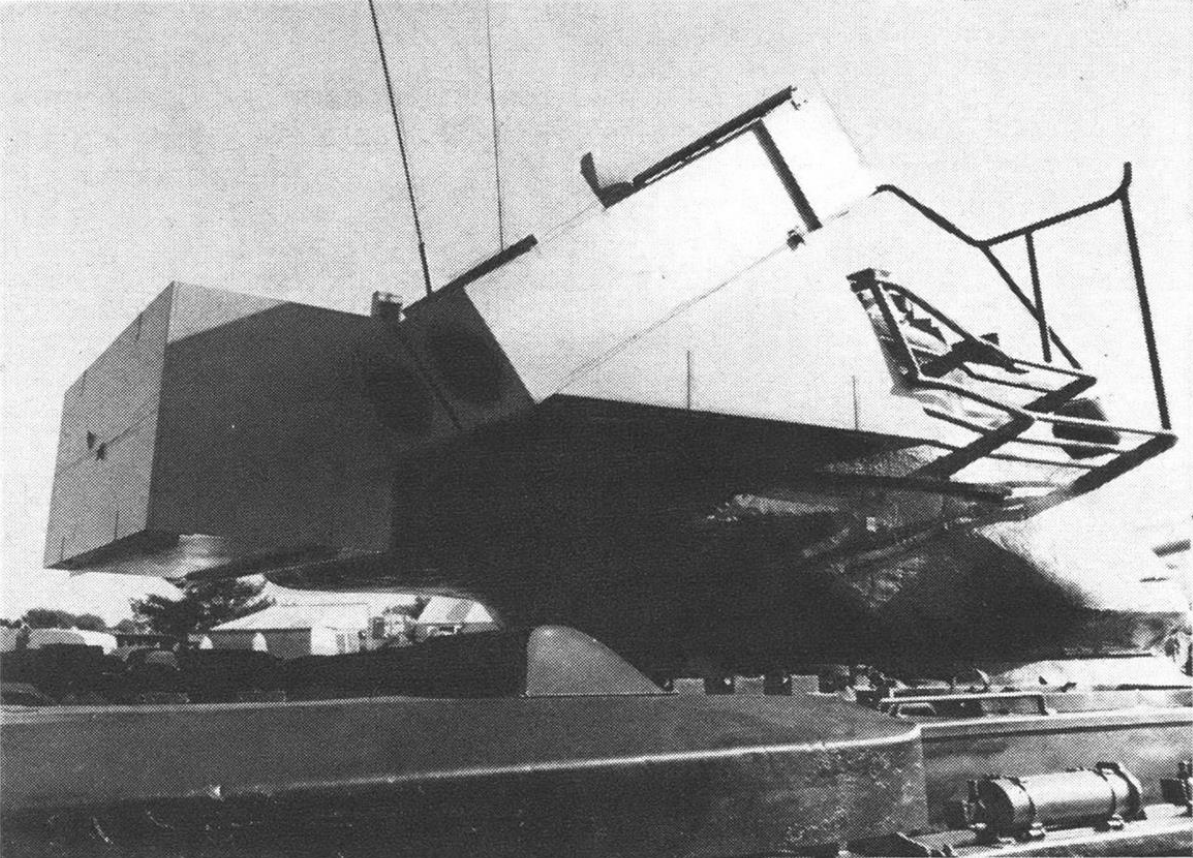
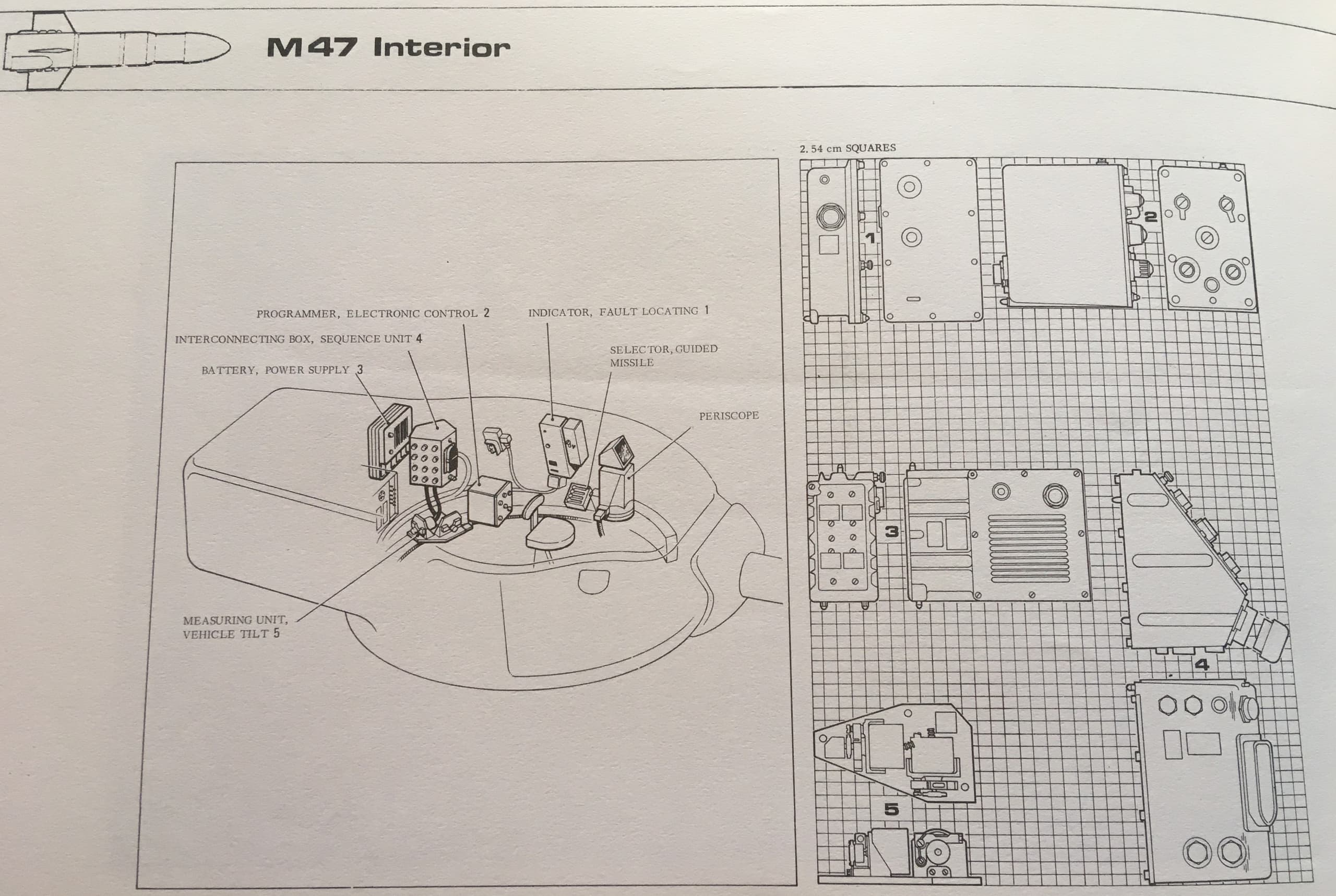
Following this, at an unknown later date (likely late 1960s), it was shown fitted with full launchers, with complete missile tubes and wiring, as well as a box for 4 Swingfire reloads fitted to the rear of the turret. The interior of the M47 turret was also modified with the necessary missile selection and guidance electronics, which necessitated removing the 6 round ready rack in-front of the loader, but the racks to the rear of the turret are retained.
The periscope and optics on the later vehicle are also actually fitted and can be seen on the left hand side of the turret, a fairly notable change compared to the featureless metal box fitted in this position on the mock-up vehicle.
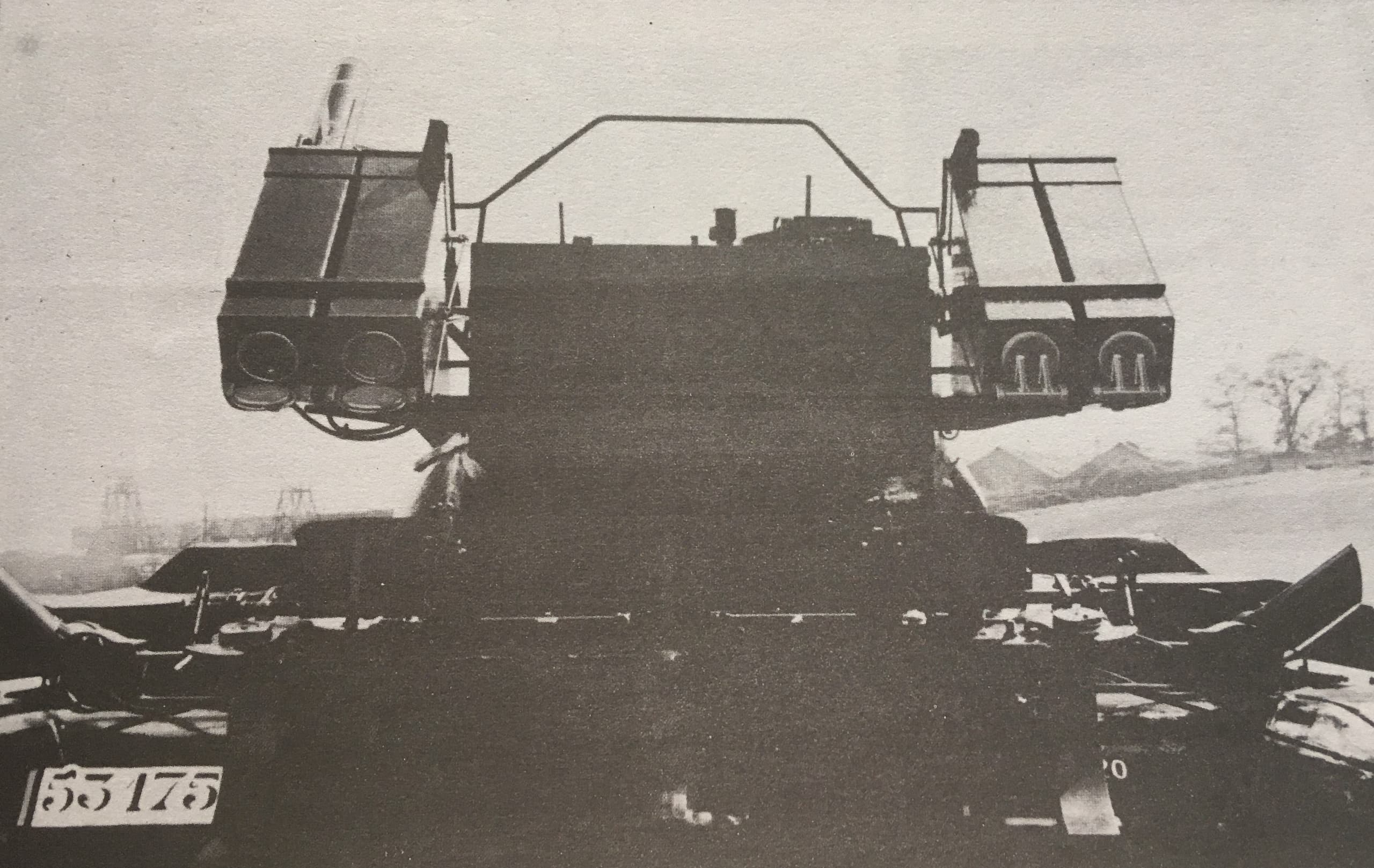
Later configuration, with functional launchers
In-game, the BAC M47 Swingfire would be a unique and interesting option for perhaps a premium, battle pas, or event vehicle to bolster the UK tree and provide some variety around the 7.x area.
Specifications
Spoiler
Generic M47 Specifications

The BAC M47 Swingfire will have the above specifications, in addition to 4x Swingfires ready to fire, and no rooftop .50cal. 4 Swingfire reloads were carried
Images
Spoiler
BAC M47 Swingfire with the later, non mock-up launchers. Wiring can be seen exiting the launcher and entering the turret
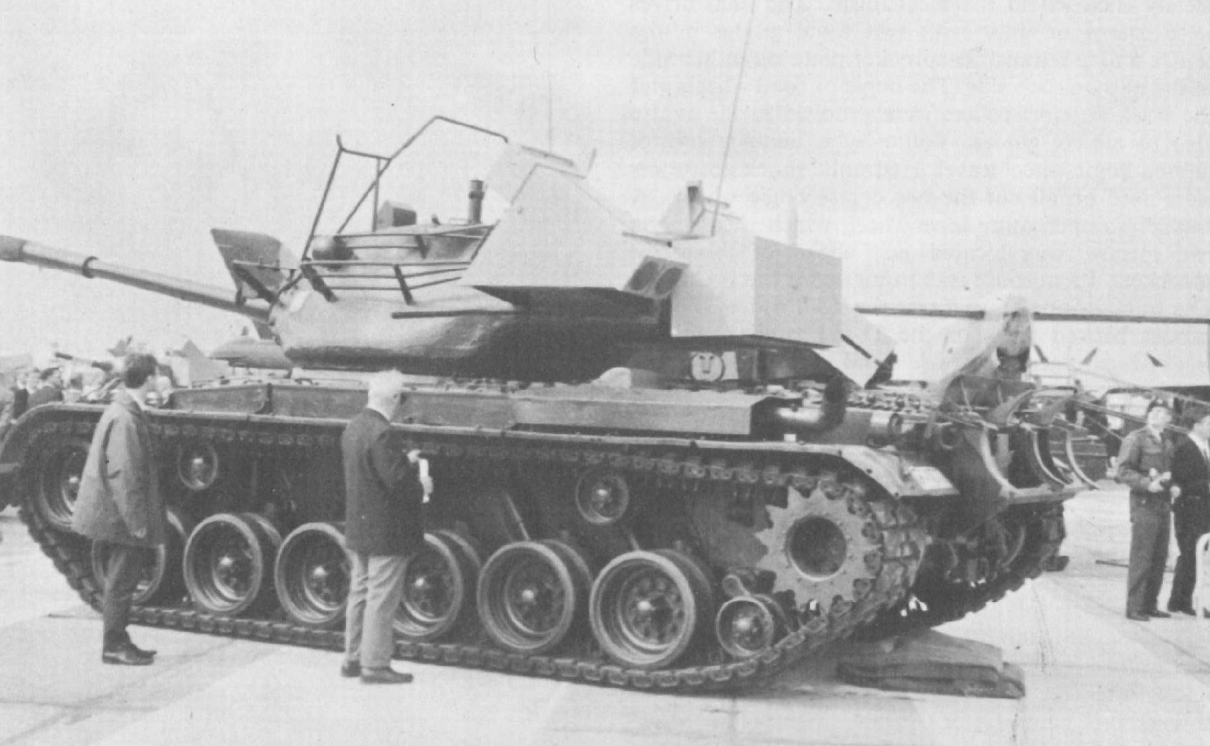
BAC M47 Swingfire with the earlier mock-up launchers, painted bright blue in any colour photography. The complete lack of any kind of functionality if obvious on these launchers compared to the above, such as the complete lack of any actual missile tube.
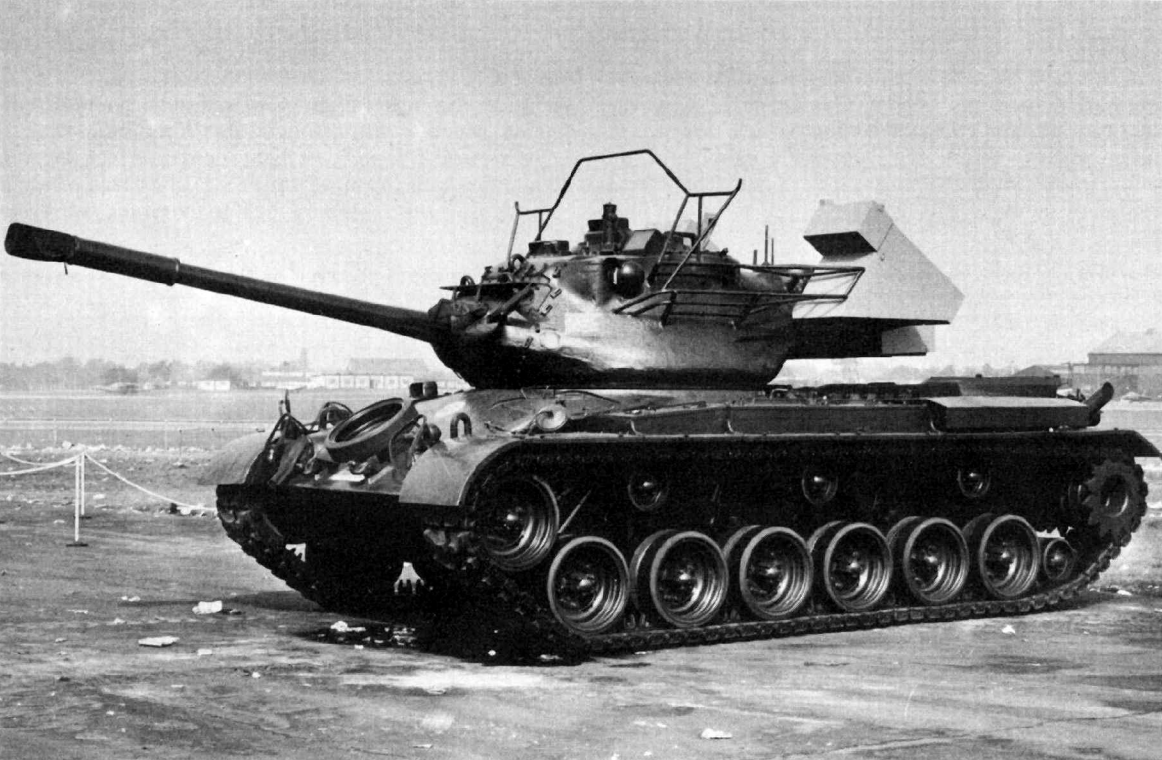
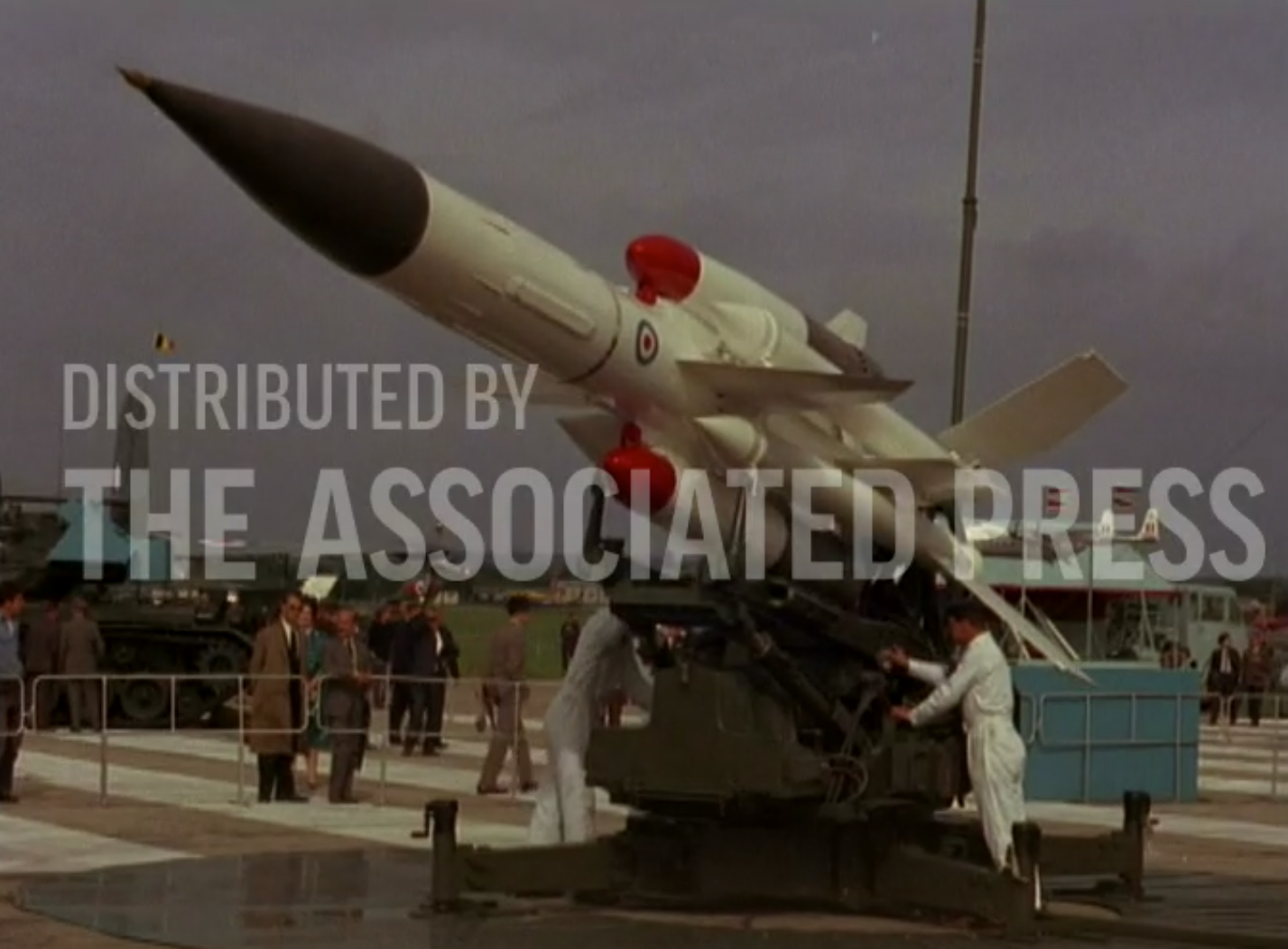
BAC M47 Swingfire (mock-up version) on display at Farnborough, in 1966. It can can bee seen in the background to the left
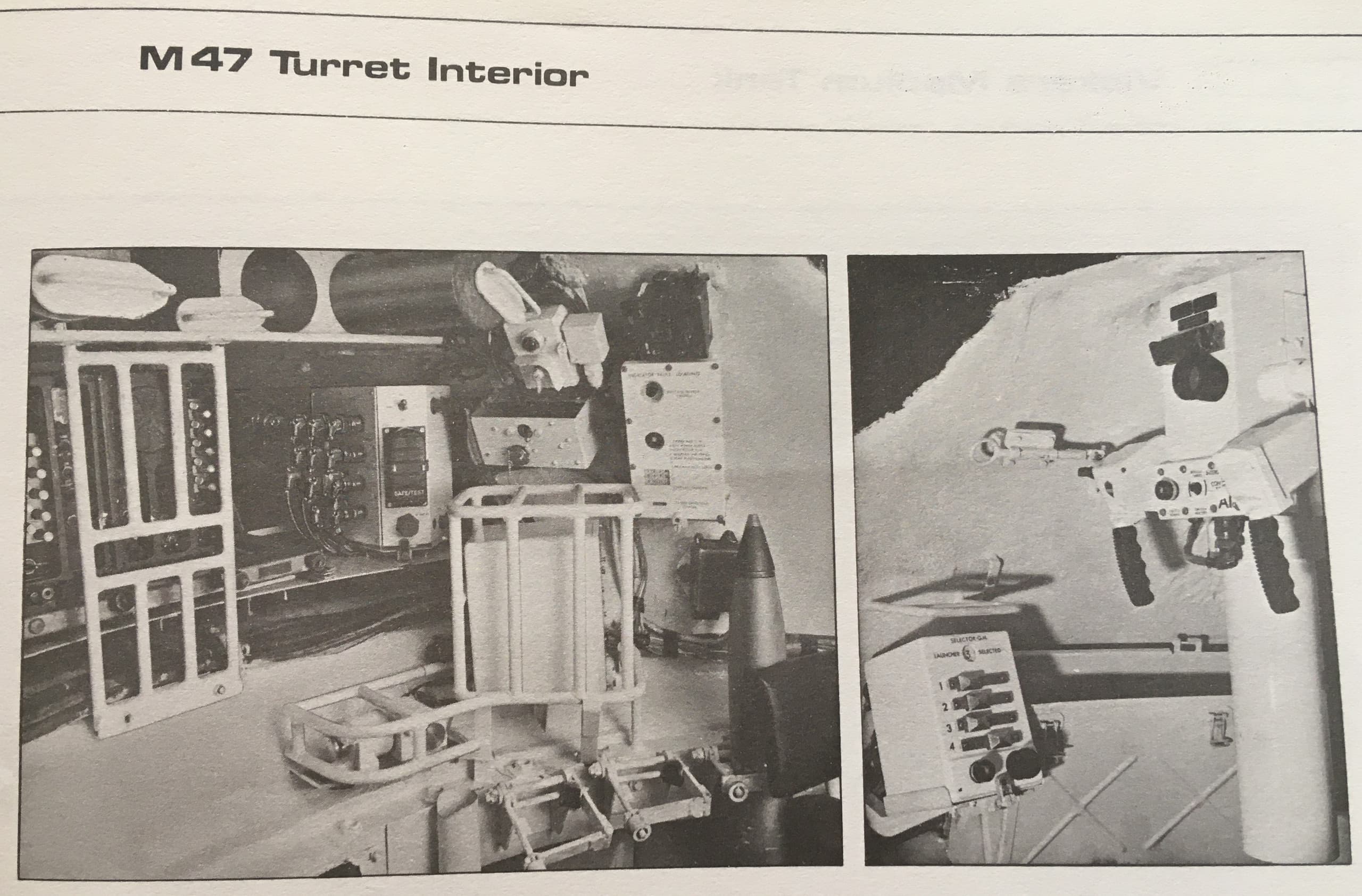
Swingfire guidance and missile selection controls as installed in M47 turret.
Sources
Spoiler
The M47 Patton Tank, Development, Production, and Deployment of the M47, David Doyle
British Aircraft Corporation - Tactical Missile Systems Brochure
BAC Swingfire Brochure