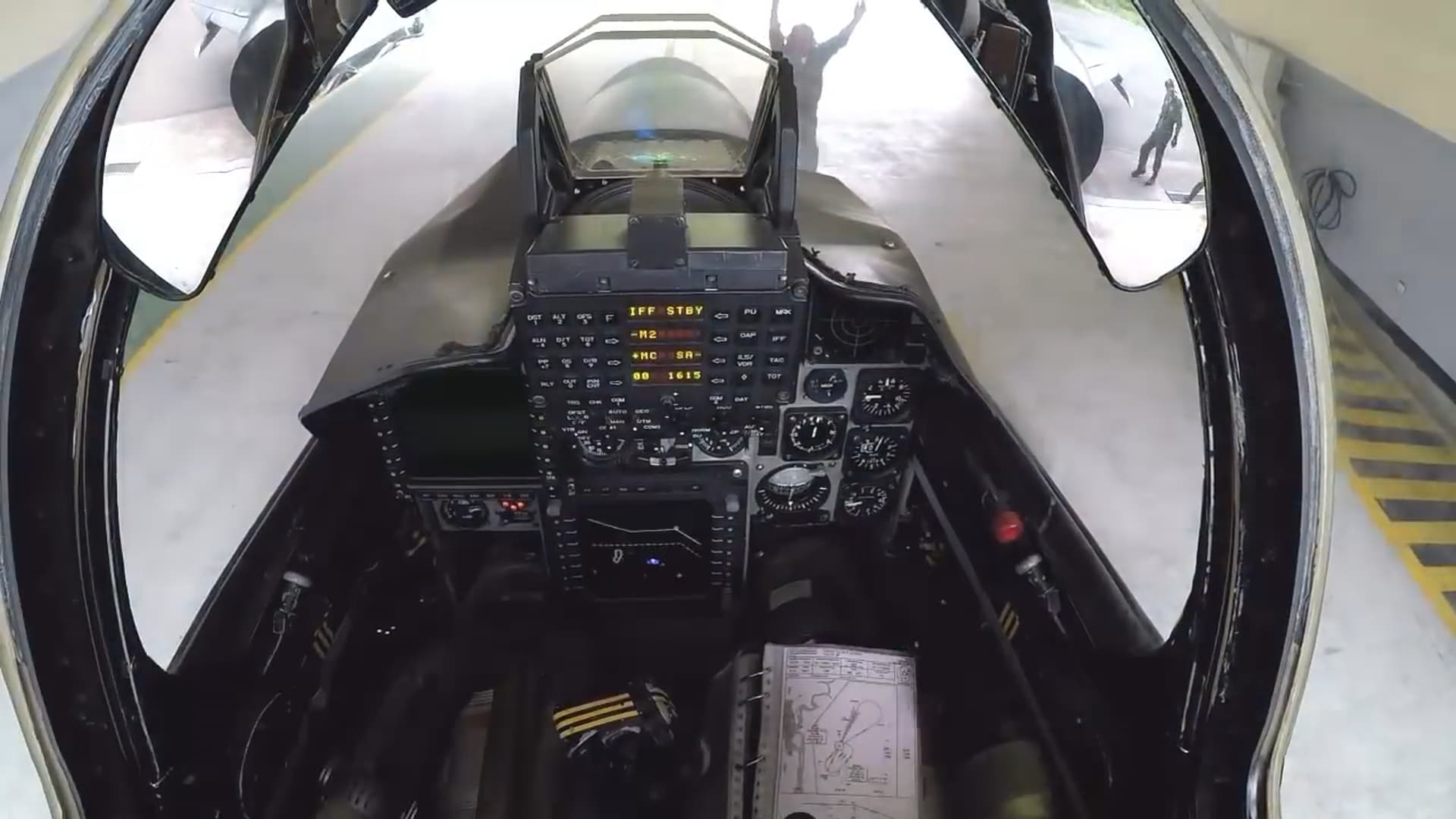
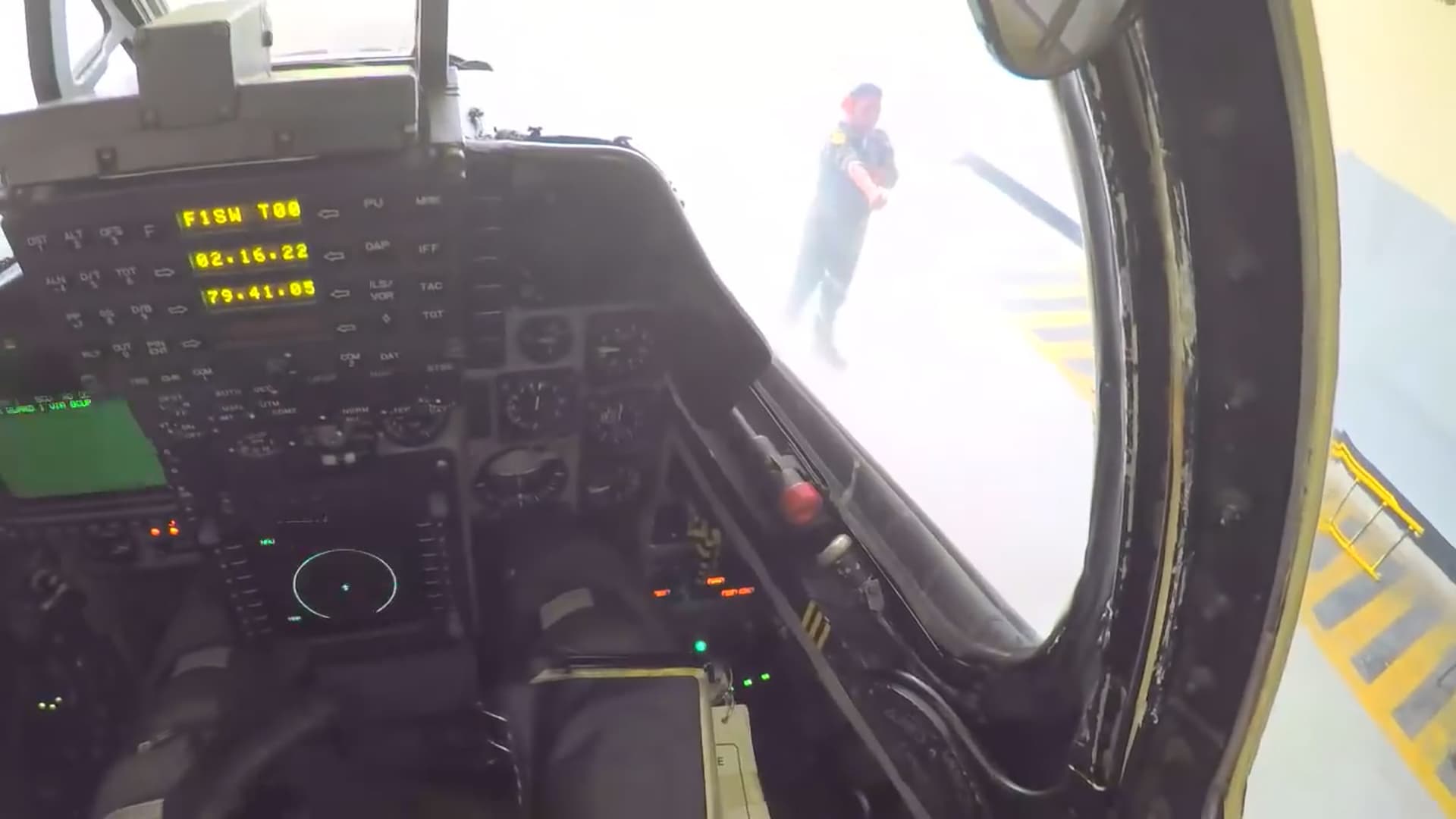
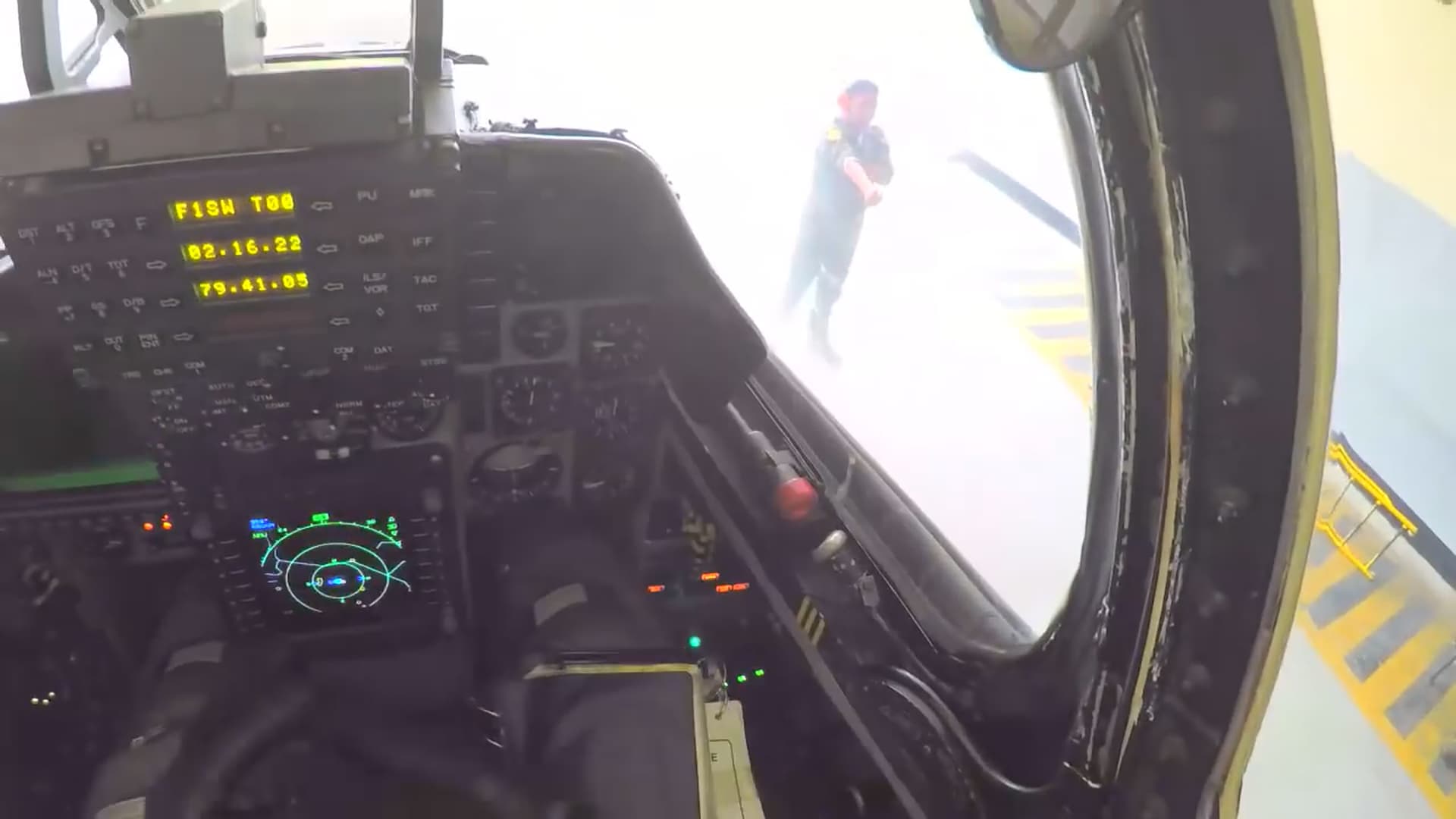
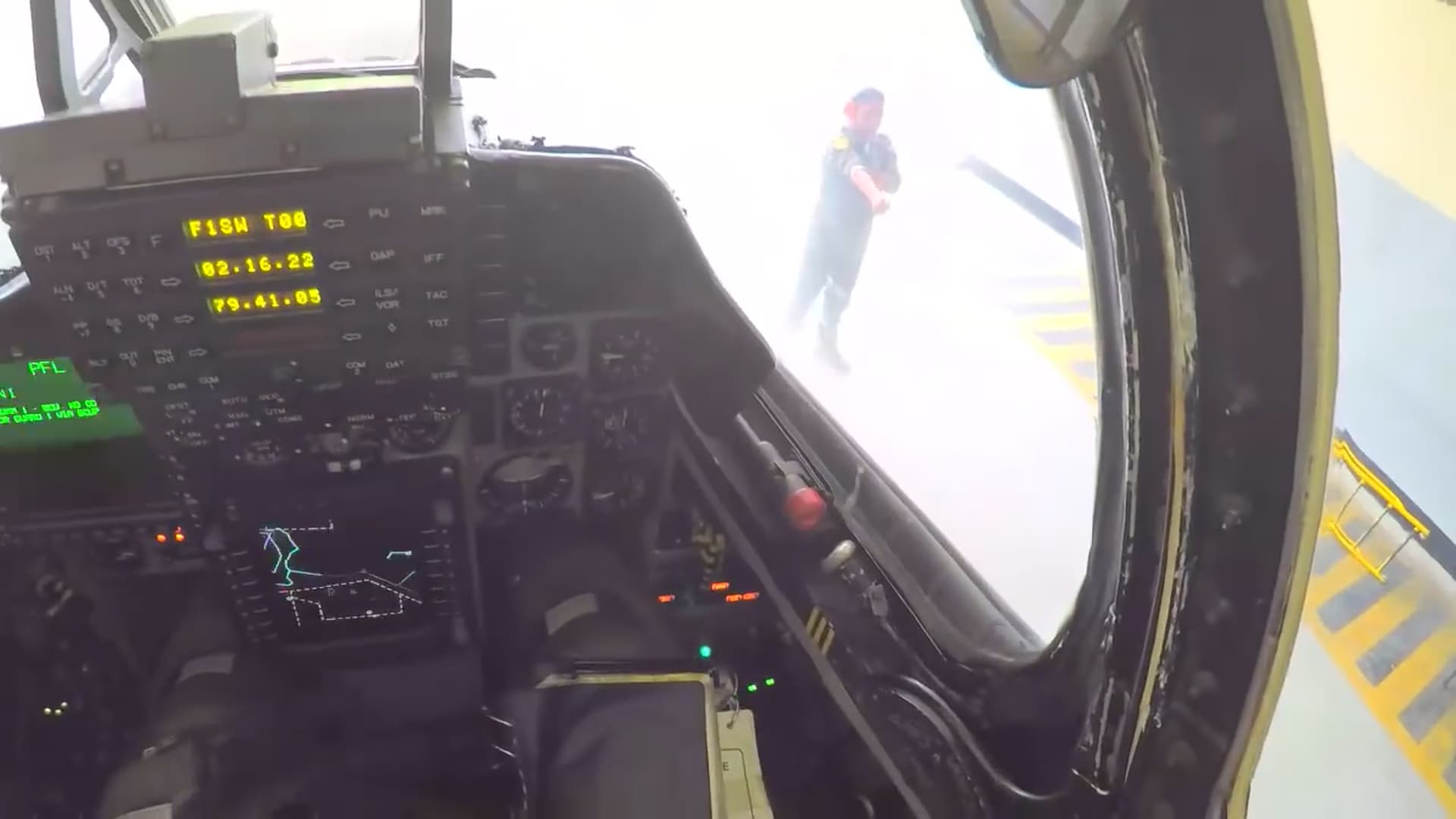
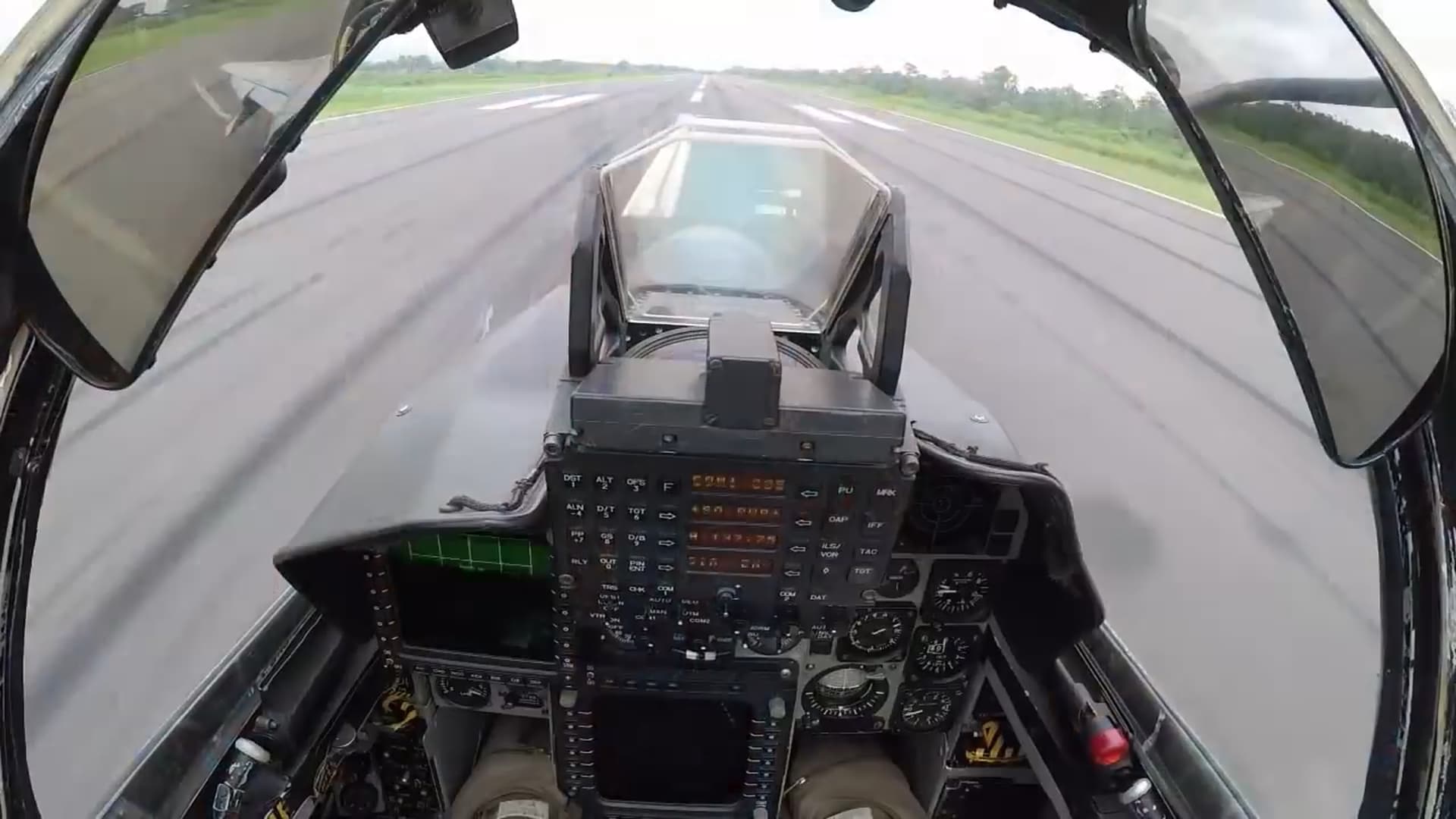
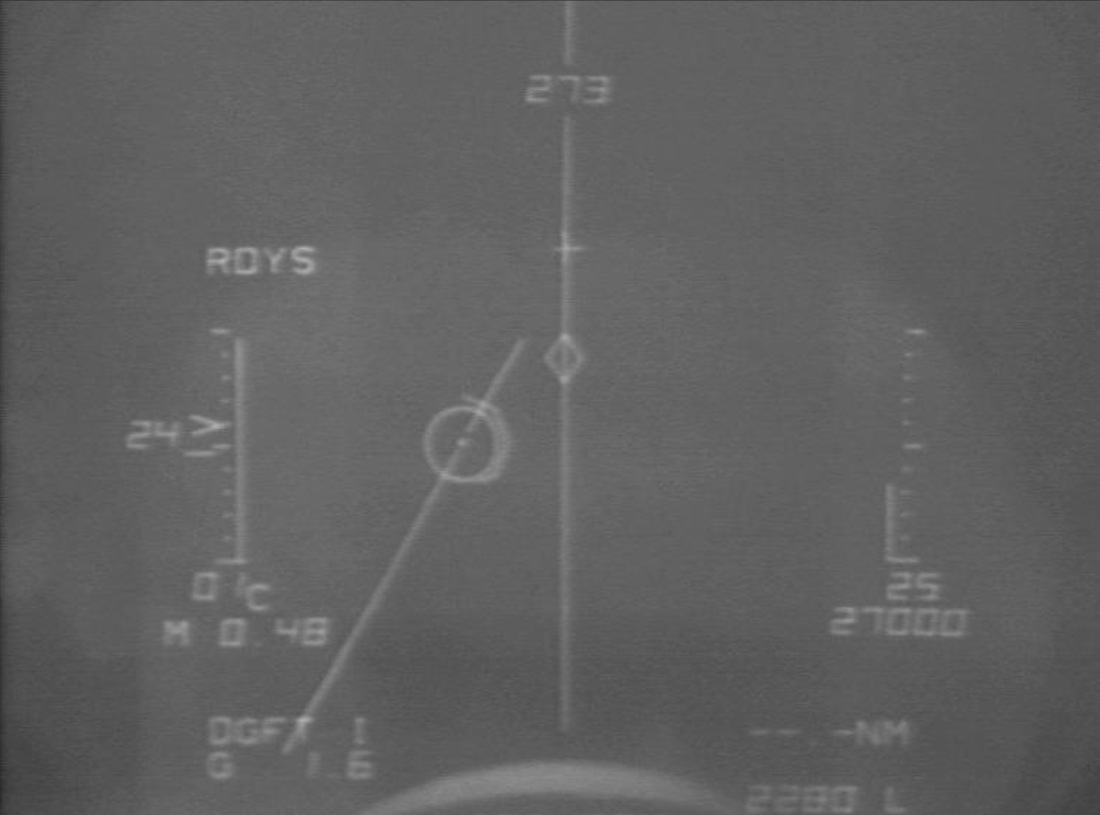
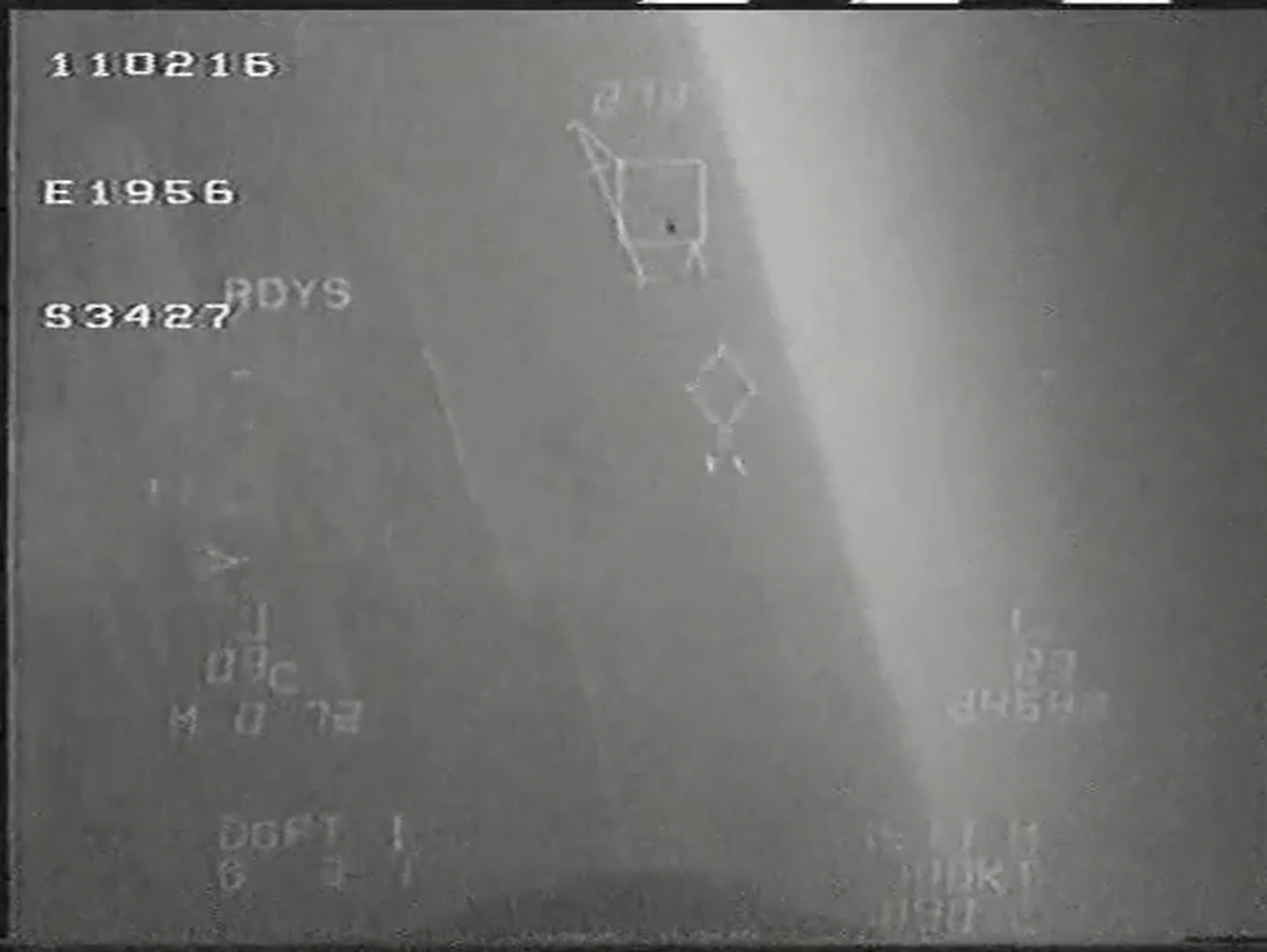
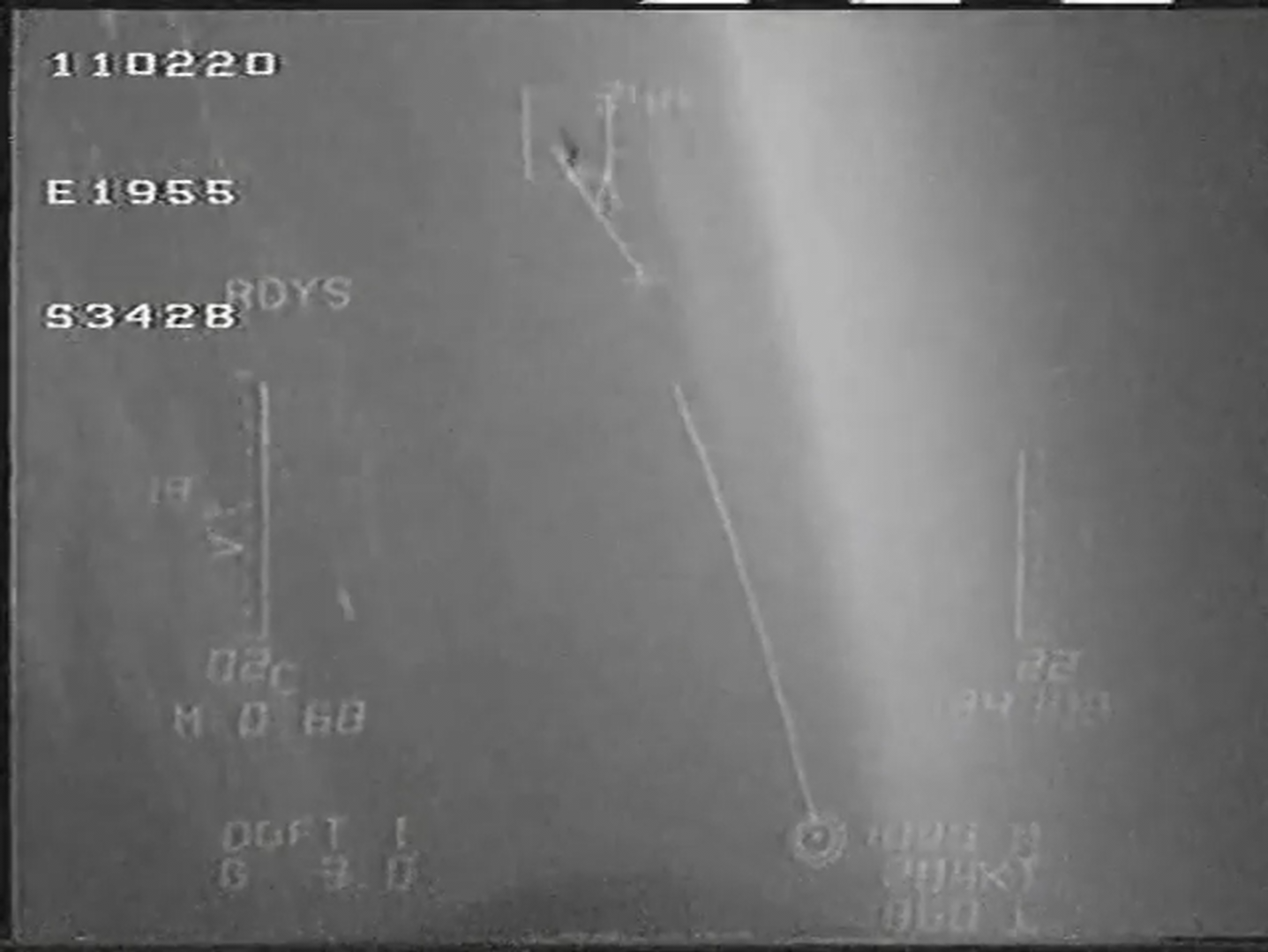
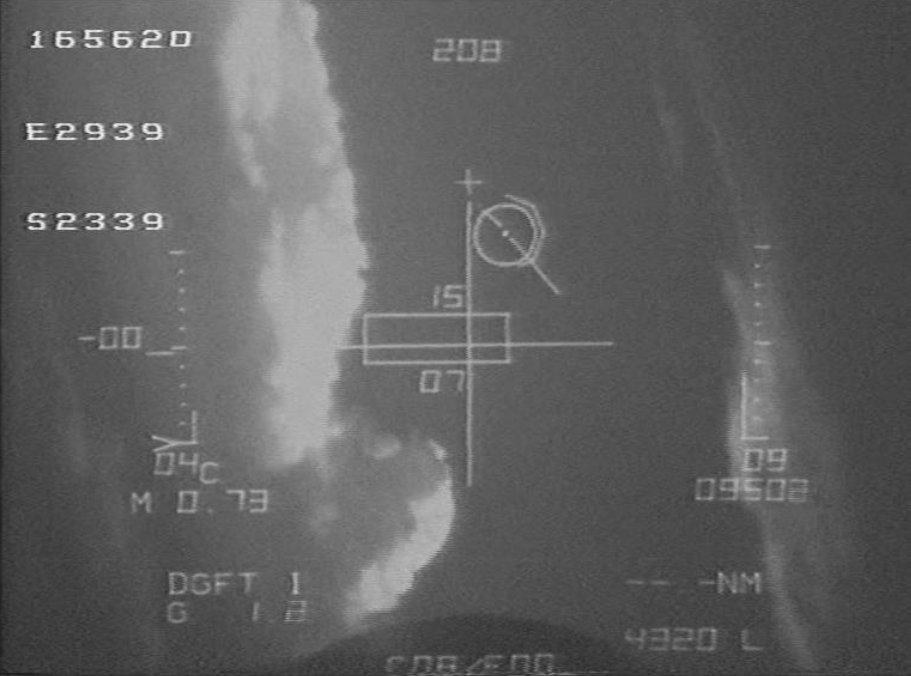
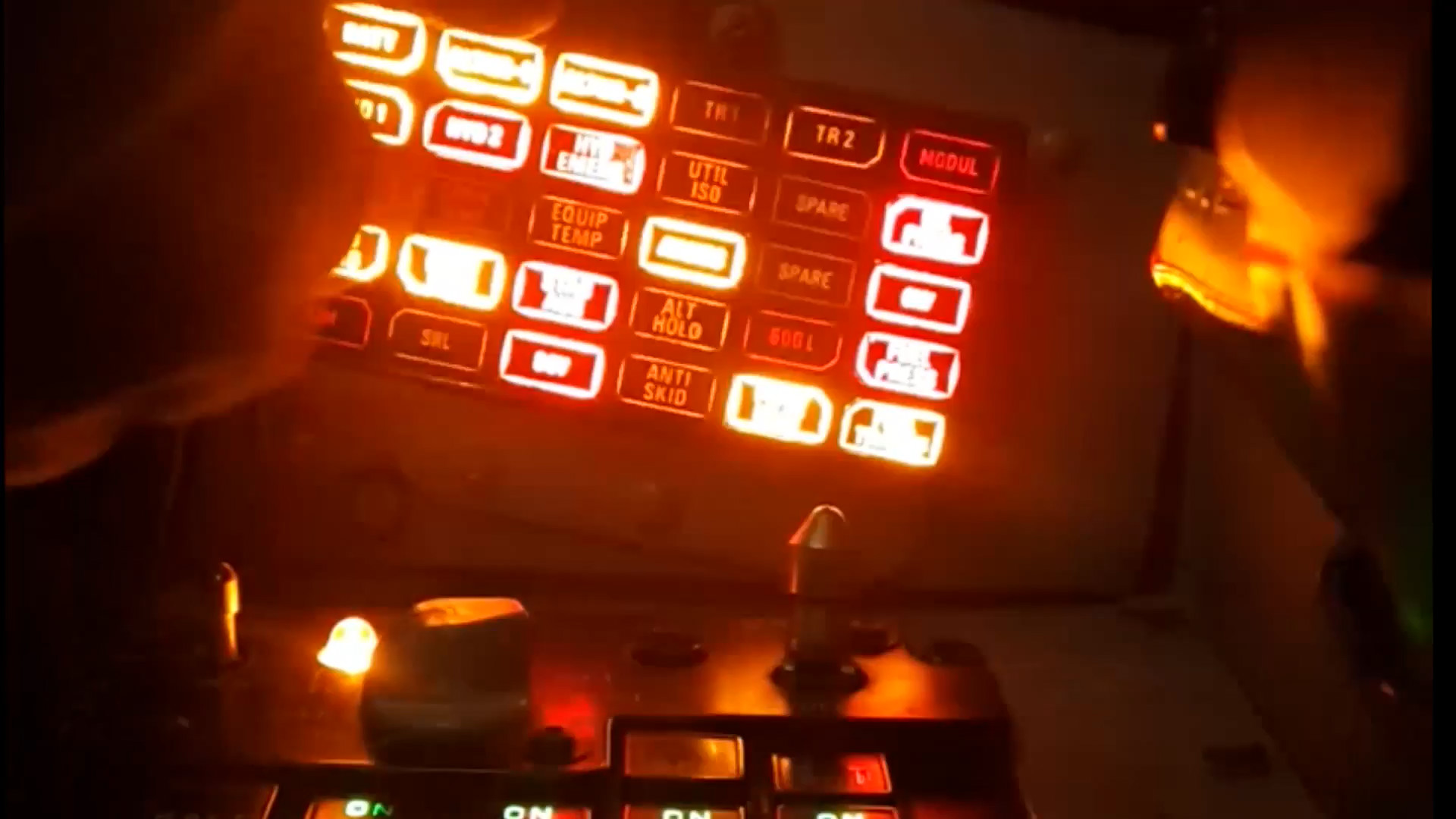
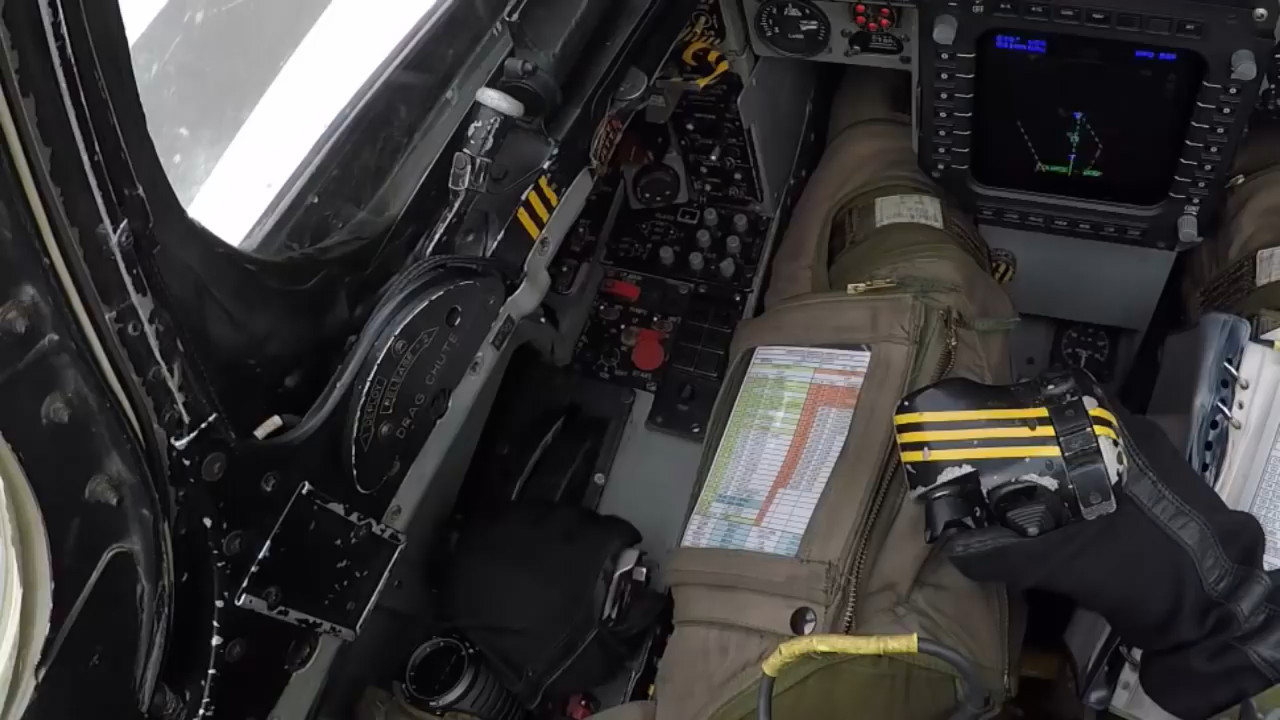
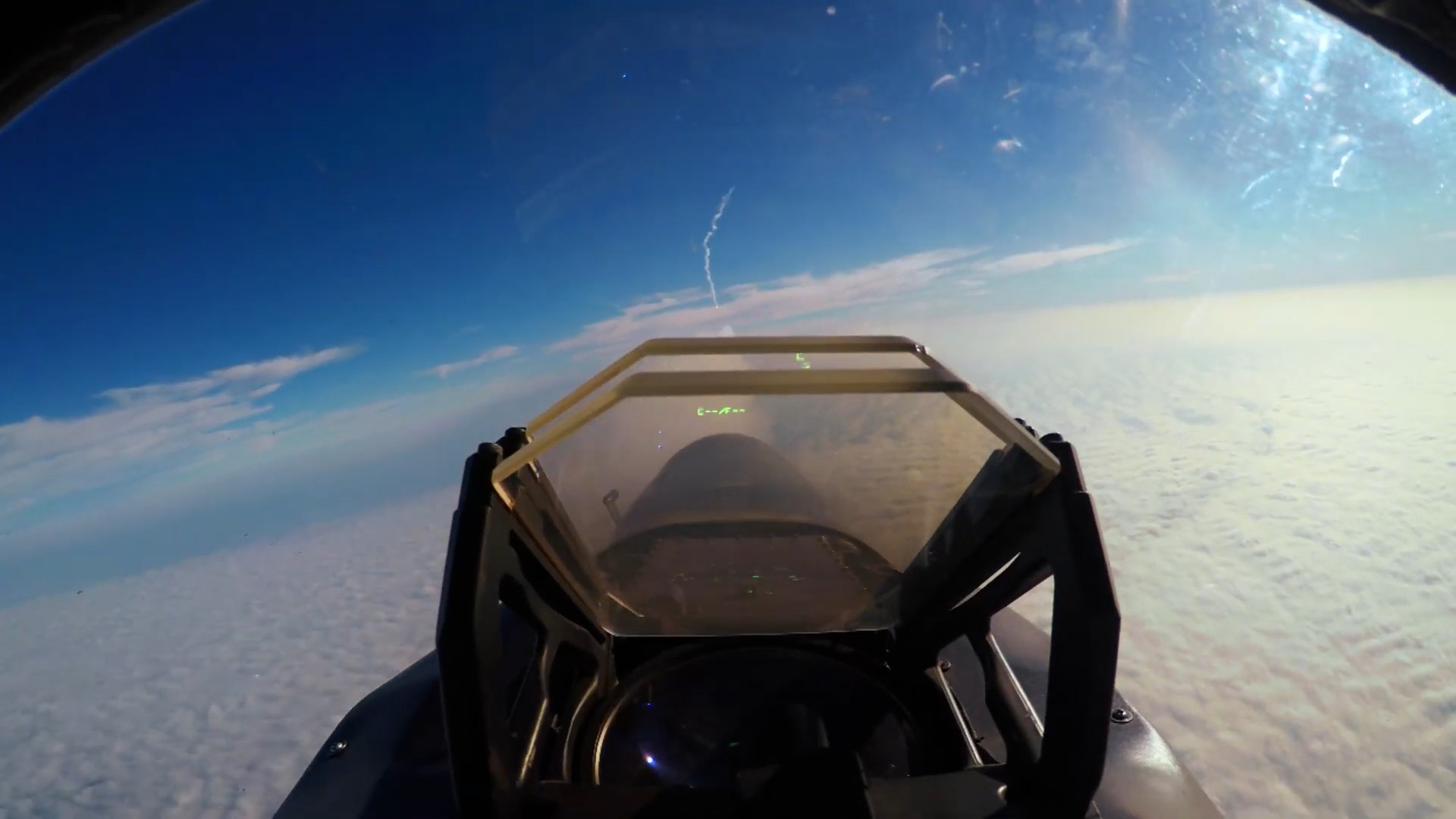
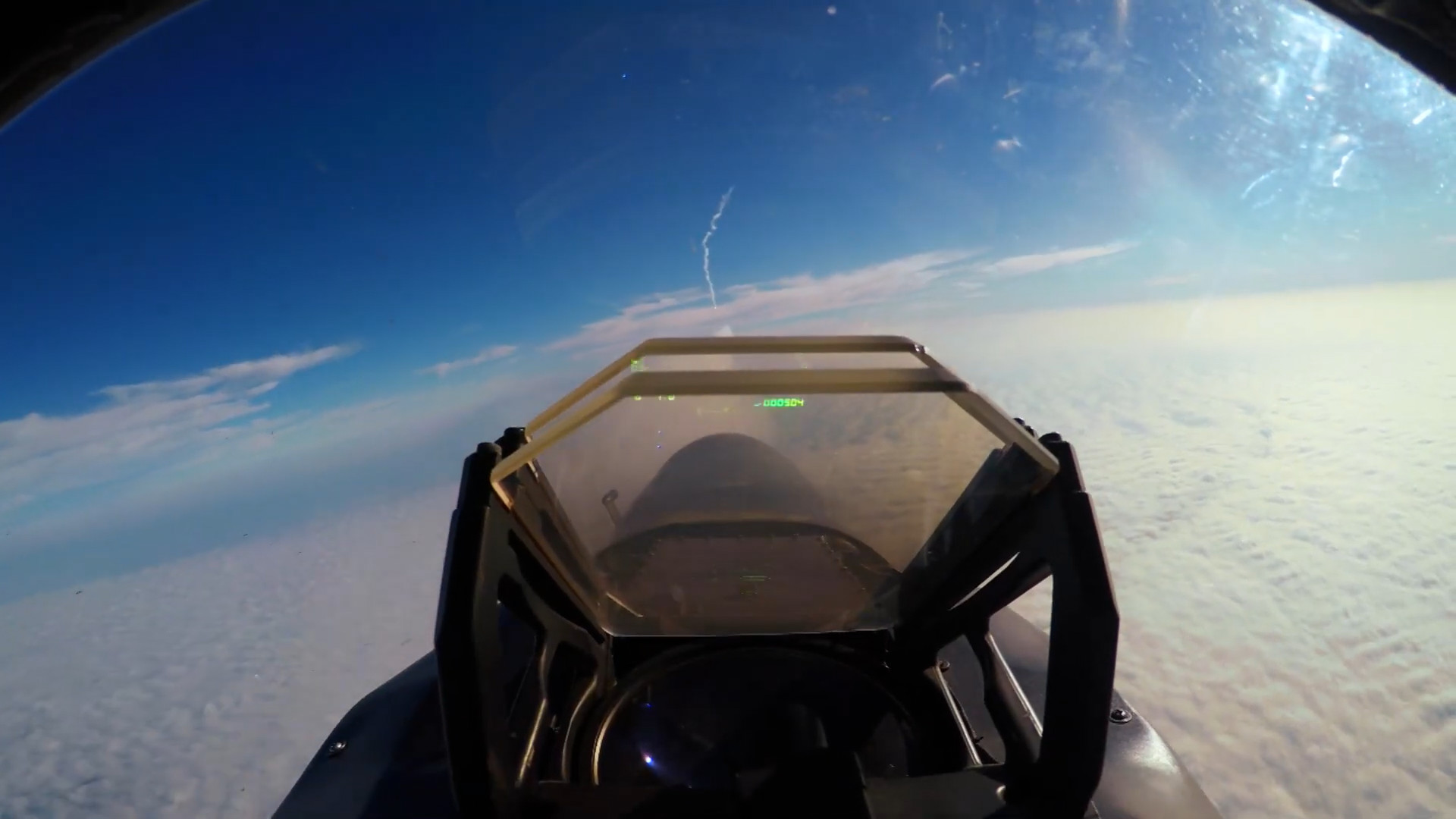
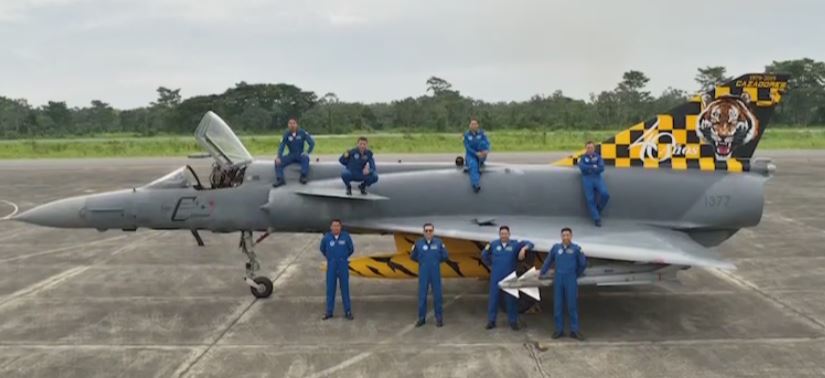
Atlas Cheetah C - "Swartkop Sprinter"

It has but probably rejected by the Devs for the next few years as it was passed 2 years ago when it was needed most

I don’t think so; it could be an excellent event vehicle for the British TT. We shouldn’t lose faith. You know that many suggestions have been around even longer and have already been added to the game.

1 Like

Passed to devs has little-to-no influence on their plans, it’s literally the forum team passing a couple of things to the dev team to gauge community interest

1 Like
DISCLAIMER

The following material IS NOT CATEGORIZED AS CLASSIFIED, it is available for public viewing in statute of the “Ley Orgánica de Transparencia y Acceso a la Información Pública”, or “Law of Transparency and Access to Public Information” in English. These public records are taken straight from the Ecuadorian Ministry of Defense which permit the viewing and download of these documents in their official repositories.]


Greetings everyone, I’ve been researching a bit in regards to the Atlas Cheetah, and found some interesting documents which could bring forward the research of this magnificent aircraft.

As you may already know by now, Ecuador was an operator of the Atlas Cheetah, which adapted quite nicely into the Ecuadorian Air Force’s previous experience with delta canards with Israeli avionics.

I can consider seeing the munitions proposed here being integrated effectively into the Atlas Cheetah, as Gaijin isn’t adverse (for now) to adding hypothetical or derived armament capabilities to aircraft

[See for example the Kfir C.10 Block 60, which never used Python 3, only Python 4/5]

For starters, here is the official record of the contract signed with Denel Aviation:

TRANSLATION: Contract N. 2010-D-035 in Nov-22-10 with Denel Aviation South Africa | ACQUISITION OF GOODS AND SERVICE PROVIDING | Acquisition of 12 supersonic aircraft and 5 years or 5000 hours of warranty of operation for the FAE.

As we can see, the contract for the acquisition for the Atlas Cheetah was signed on November 22nd, 2010, later on put on effect November 21st 2011 according to this document below:

TRANSLATION: Since Nov-21-2011 the 2010-d-035 contract “Acquisition of 12 supersonic modernized combat aircraft with third generation technology, logistical support, training and operational warranty of 5000 hours or five years of operation, whichever may happen first, for the Ecuadorian Air Force” was put into effect.

Now that we have covered a bit of history and contract dates, let’s begin.


Armament Capabilities

As recorded, the Ecuadorian Air Force has integrated the Python 3 and Python 4 missiles, as well as guided bombs, into all of their delta-wing main fighters, these being the Kfir CE and the later acquired Atlas Cheetah.

Unfortunately, I have yet to find images of the Cheetah carrying the Python 4 or the guided Mk-82 bombs, however, we can prove these capabilities using the public records from the Ecuadorian Air Force.

Guided Mk.82 Bombs

According to the following document, the Ministry of Defense signed a contract on December 10th, 2010 for 80 guidance bomb kits to be used on the Mk.82 bombs, according to Wikipedia this would be the Lizard guidance kit, however this is reported through an unreliable source.

TRANSLATION: Contract 2010-d-043 ELBIT SYSTEMS on December 10th, 2010 | Acquisition of 80 laser guidance kits for Mk.82 bombs.

We also have this next pre-contract record to prove useful in regards to the Mk.82 bombs:

TRANSLATION: Registry CBE-MIDENA S/N - 2013 | Contractor Ruling of Strategical Goods | Acquisition of 100 Mk.82 bombs and 90 electromagnetic fuzes .


Python 3 and Python 4 Missiles

The Python 3 missile was integrated by the Ecuadorian Air Force as it is recorded in the following pre-contractual record:

TRANSLATION: CBE-MIDENA S/N - 2013 | Contractor Ruling of Strategical Goods | Python 3 missile integration into Cheetah aircraft.

In regards of the Python 4 missile, we can confirm its integration into the Atlas Cheetah thanks to the following records available.

As the first piece of evidence, we have the service life extension for the Python 3 and Python 4 missiles of the Ecuadorian Air Force, this is noted in the following pre-contractual document:

python missile life update

TRANSLATION: Registry CBE-MIDENA-007-2014 | Ordinary Process | Extension and Certification of service life of the Python 3 and Python 4 missiles .

We also have the official contract record sent to the Chilean company “FAMAE”:

TRANSLATION: Contract No. 2014-d-002 in Aug-01-2014 with the public Chilean company FAMAE | PROVIDED SERVICE | Extension and Certification of the Python 3 and Python 4 missiles belonging to the FAE .
TRANSLATION: Acquisition of armament for the Air Force (FAE Reserved) | In 2021, the Ecuadorian Air Force will reach 100% operative capacity due to: a) It will maintain configuration capacity with the Python III air-to-air missiles, for missions in the Atlas Cheetah “C” aircraft. b) It will maintain operational missiles in suitable conditions for operational missions. Maintain logistical support capacity for Python III and IV missile systems. d) Maintain 5th generation medium range BVR missile capacity for the new supersonic platform of the FAE.

Specifications

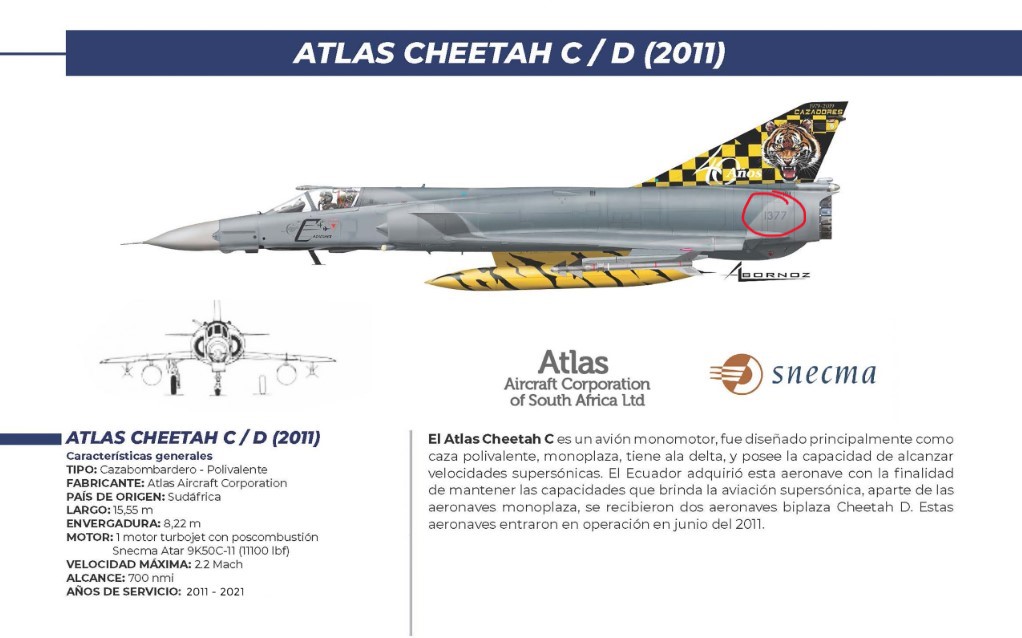
Lastly, in the documents we can find the full specifications of the Atlas Cheetah provided by the Ecuadorian Air Force, in this case, I will provide the most interesting sections of the specifications provided.

Unfortunately, since this is a pretty lengthy section, I will not be providing translations, though if it is REALLY REALLY DEMANDED I will translate this specification sheet for everyone.


cheetah FAE external load
cheetah FAE external load 2
test banks cheetah FAE


Sources:

The sources provided have been saved in my local devices, however I encourage everyone to archive them by themselves in any case the local Ecuadorian repositories may fail.

[Ministerio de Defensa Nacional del Ecuador]

10 Likes

should definitely go in the british tech tree before the south african gripen

2 Likes

It’ll likely go to Great Britain before the Gripen, as they’ve stated South Africa will be a sub-tree for it, I was hoping it would originally go to Israel, but it doesn’t seem to be that way unfortunately.

2 Likes

Just play the Kfir C.10. It’s so unfinished that it’s like a WT Cheetah C but with a better radar, 1 less missile and a different cockpit that is still broken.

I used to enjoy the Kfir C.10 a lot before I started doing research behind its avionics on my own and realize that it’s SOOOOOOOOOO lazily modeled to the point where it pisses me off every time I use it.

No joke, there’s so many things that have been lazily implemented in it, the HUD, the MFD’s, the instruments, the RWR, the missing MAW, to the point where it’s genuinely annoying.

2 Likes

That’s why I stopped doing things like that for my interests. I get so angry and I don’t need that built up anger that can be communicated to those who don’t understand our communities’ interests

I do it because if I don’t, nobody else will.

And because I get to fill my folders with new documents and cool footage.

image

Reference picture of my actual folder where I hold a lot of documents in regards to multiple aircraft.

Also, being bilingual opens up new paths to research information.

2 Likes

good, i mean hopefully we get all cheetah variants as they will help pad out top tier tree, although personally if they do that would like to see them move the fgr2 phantom and the Eurofighter over after the lightening and then drop the tornado f3 early down to rank 7

1 Like

Excellent info. It seems to mostly line up with what I gathered. I’m curious about the DEFAs being specified as 552s, it would be interesting to see if the FAE examined the guns and determined they were 552s or if the SAAF just told them they were 552s and the FAE didn’t question it. If they were in fact 552s instead of 553s it could be a blow to the theory that the Cheetah C is a Kfir modification and not a Mirage upgrade, however the SAAF could just as well have installed 552s which they would have spare parts for.

4 Likes

Greetings, I would certainly have to look into it, though a common thing I’ve heard from pilot, aircrew and other FAE personnel is that since the Kfir CE’s and Atlas Cheetah’s descended from the same lineage (the Mirage III family), it was common to use the decommissioned Kfir CE’s to repair and refurbish the Atlas Cheetah’s over here during the needed cases.

Now, in regards of the documentation to further prove this I don’t really have a definite answer, unlike major superpowers, the Latin American region gatekeeps their documentation a lot and has made it very hard to research aircraft, even those that are export variants.

For now, the FAE hasn’t really published the manual behind the Atlas Cheetah, despite it being out of service for around 5 years, same goes with the Kfir CE, which has been out of service since 2011. The closest thing we have in regards to both in terms of sources are the Ministry of Defence and a few articles from our local universities (which aren’t available digitally and I’d have to go there to retrieve the information).

However there are a few ways to extract information, I’ve realized that there are many Master’s projects and other academic works that have been published that mention the Atlas Cheetah, which could be a valid source in regards to pushing the research forward. However I am not entirely sure of this being the “holy grail” of information one might expect, though a few nuggets of information may come from it.

TL;DR: The Atlas Cheetah much like the IAI Kfir is a reliably difficult aircraft to research, therefore, we must dig-deeper by looking into graduate projects and Master’s degree projects as well as other technical sources to be found.

Author's Additional Notes

For those who have read this far and are willing to put in the effort, worthy universities to look at are those which are specialized in engineering and military sciences, for example the ESPE (Escuela Politécnica del Ejército), ESPOL (Escuela Superior Politécnica del Litoral), ESPOCH (Escuela Superior Politécnica de Chimborazo), UPS (Universidad Politécnica Salesiana), etc.

Ecuadorian universities offer digital repositories to archive previous and approved documents, if the university in question is located in Guayaquil city I COULD pay it a visit in the near future after my semester ends, though I am not certain on this.

2 Likes

I always figured that, while the Cheetah was derived from the Kfir, they were still different/semi parallel developments.

For the Kfir, its lineage goes: Mirage III → Mirage 5 → Mirage 50
↓ → IAI Kfir

And for the Cheetah, it’s: Mirage III → Mirage 5 → Mirage 50
↓ → Atlas Cheetah

Wouldn’t the Kfir and Cheetah be their own separate branch from their respective “sire” aircraft?

If I correctly recall, the Atlas Cheetah descends directly from the South African Mirage III, while the Kfir is more directly related to the Mirage V.

If you really want to get precise, the true descendants of the Mirage 50 are the Venezuelan Mirage 50EV/DV and the Chilean Mirage 50CN Pantera.

It’s either that or I’ve made an interpretation mistake because I’m seeing your post in the mobile version of the forum ahahaha

3 Likes

You know what? I’m kinda invested in this sorta genealogy of the Mirage III, I think I might do an “aircraft tree” of sorts once I get home.

Yeah, that’s what it was supposed to be. For some reason the spacing got all messed up when I posted.
For reference, the Kfir was supposed to be splitting off under the Mirage 5, the Cheetah was meant to be splitting off from the Mirage III

Ohhhh so it’s a formatting issue haha, no worries

1 Like

Greetings Cheetah enjoyers, after a VERY GENEROUS AMOUNT OF INACTIVITY OF MY PART I’ve come to present more information in regards to our dearest feline, in this case, I’ve come to provide pictures, information, and a few insights regarding the Atlas Cheetah’s avionics, I hope the information presented will not only be useful, but also taken into consideration in the future when it comes to bug-reporting.

As always, I’ll take my sweet time properly citing every single aspect from this post, as some elements presented while true, have been provided through not properly cited means AKA someone shared it in a community or with me and forgot the source as well.


MFD Modes

Content

Up until now we can guarantee the existence of a radar and and DataLink display, however, I’ve come to provide some extra pictures regarding these MFD modes, of course, the pictures will be numerous, as the CRT displays are exactly that: CRT, so not everything in the screen may be shown at once.

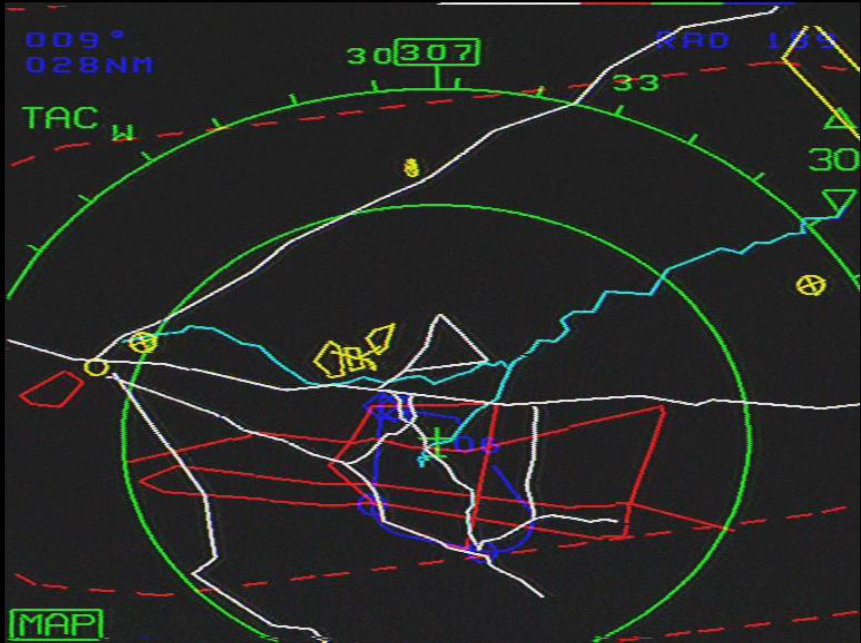
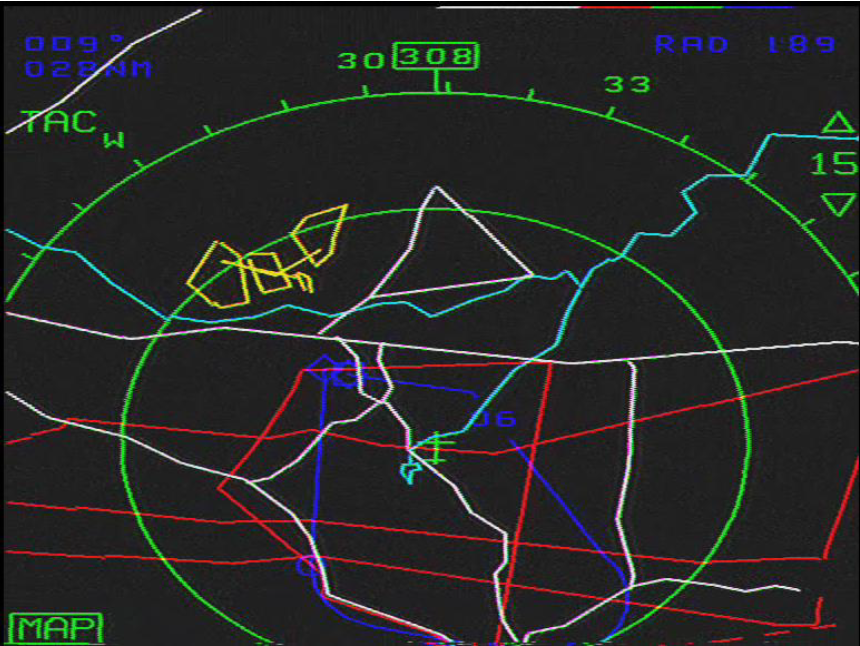
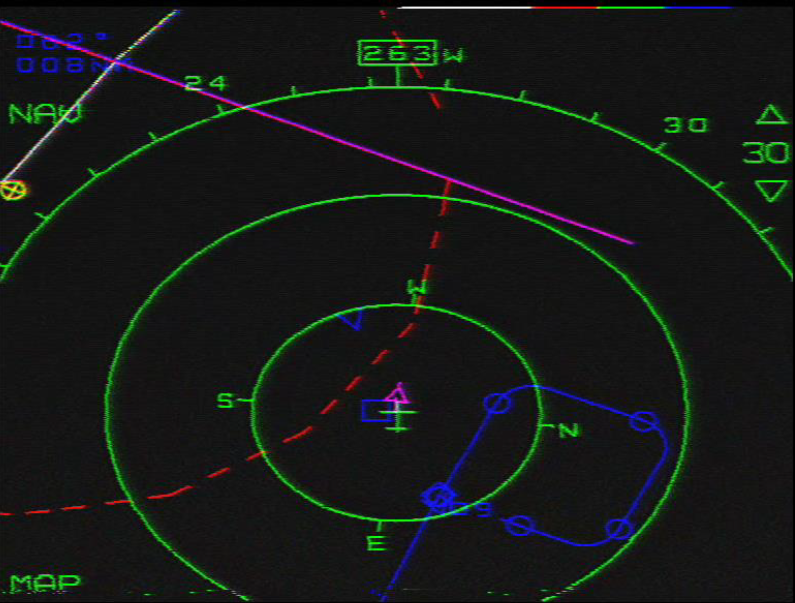
  • Tactical Situation Display
Content

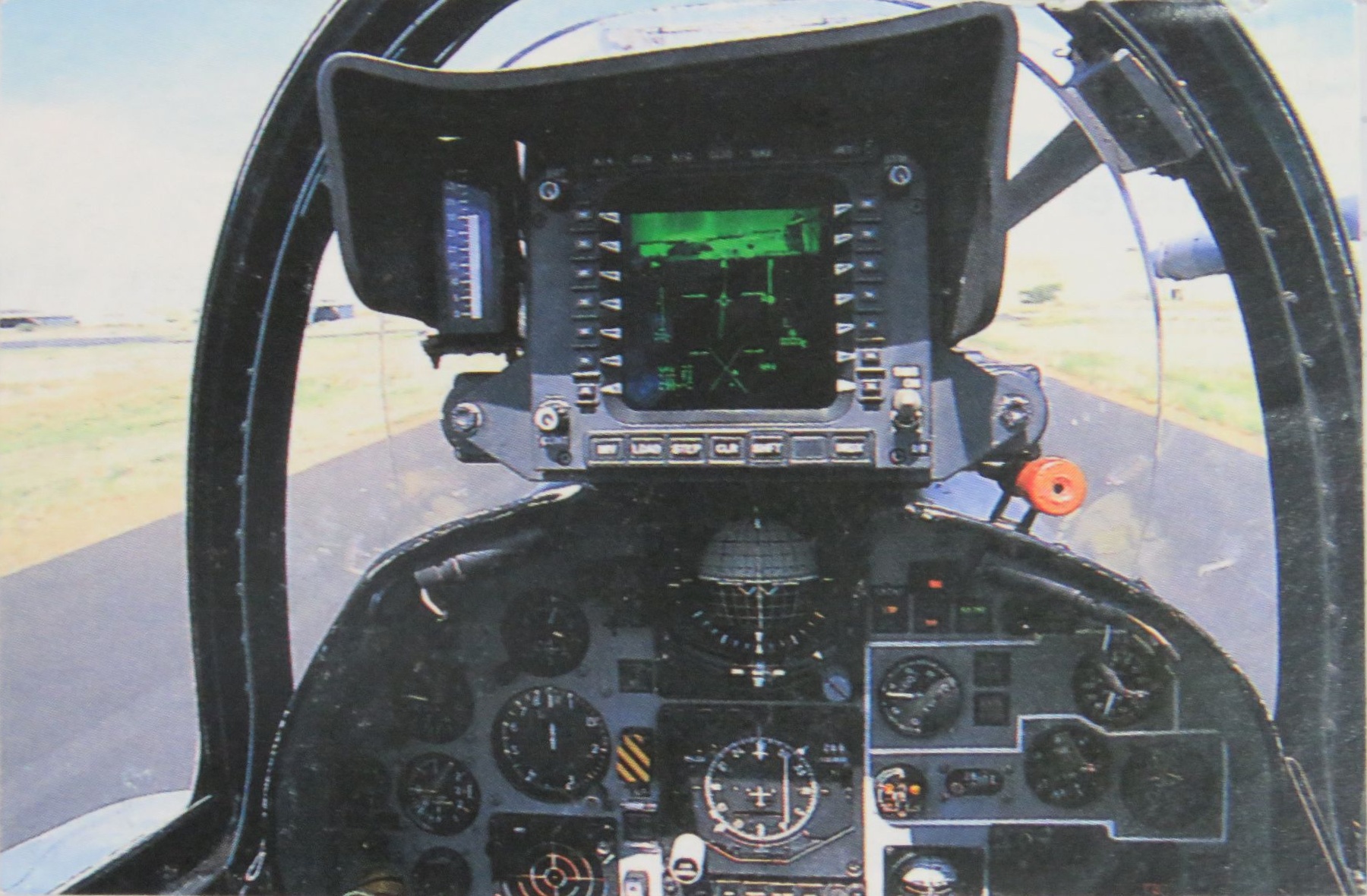
This particular MFD mode provides the pilot information about their geographical location, heading, threats, digital moving map, DataLink and more features associated to the aircraft’s sensors.


Captura de pantalla 2026-01-23 121218

Captura de pantalla 2026-01-23 121207

Captura de pantalla 2026-01-23 121228


  • Fire Control Radar
Content

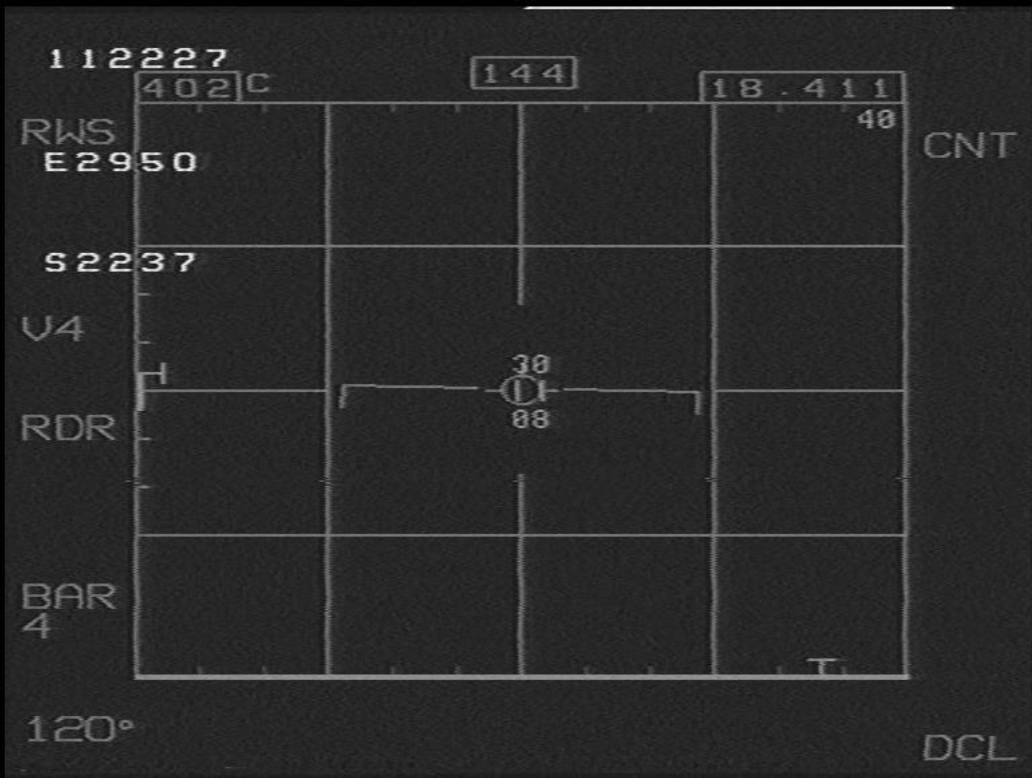
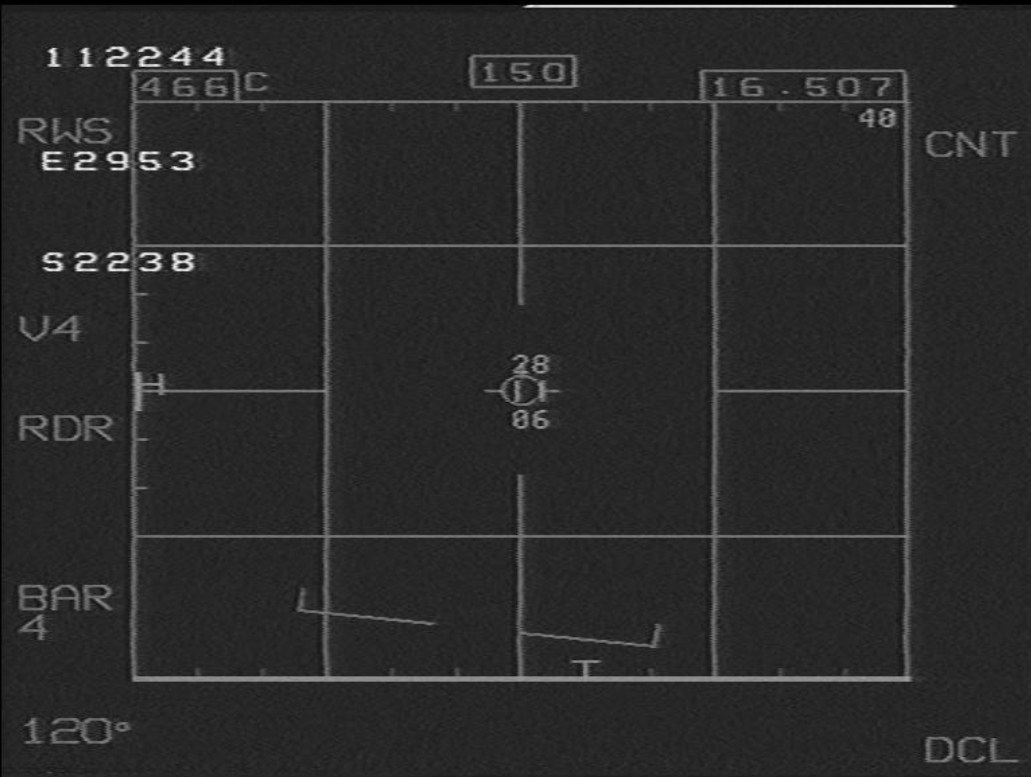
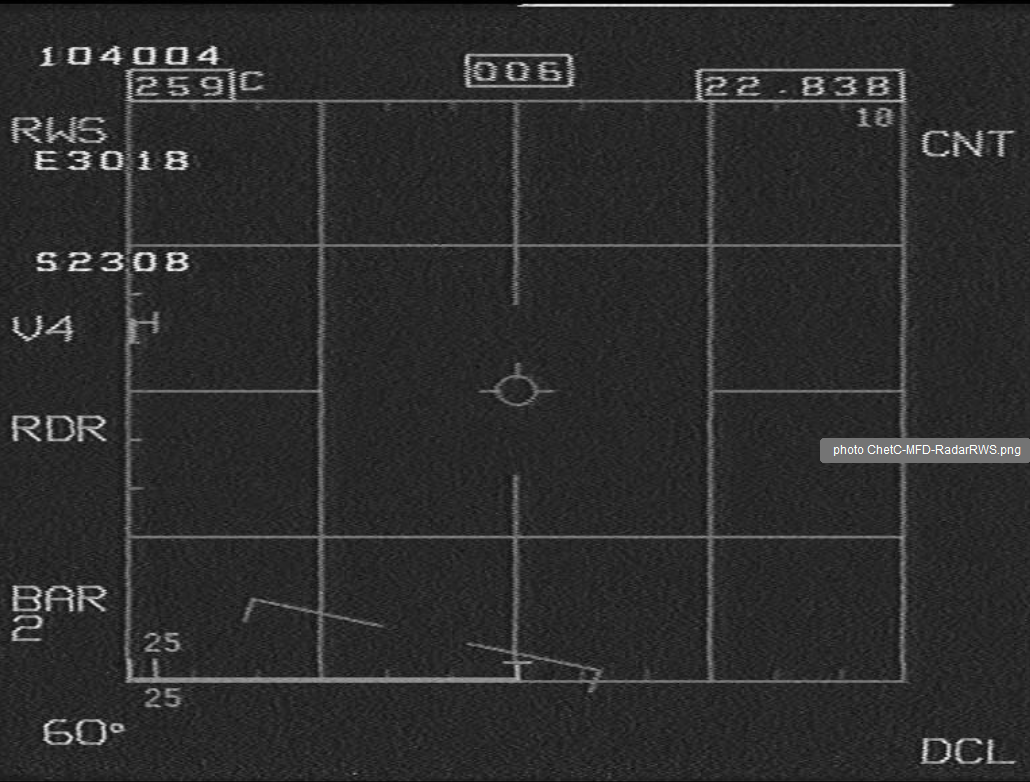
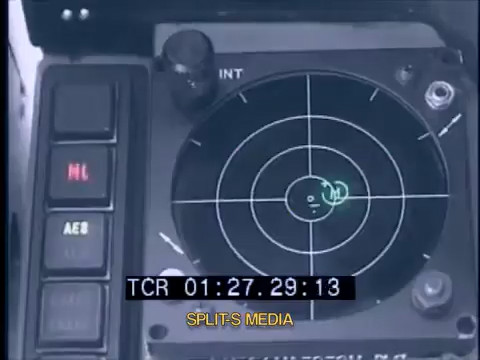
This particular MFD mode provides the pilot information about their radar, in this case the ELTA EL/M-2032 radar, such as range (in nautical miles), target position, scope, scan mode, visual indication of the radar being powered off, etc.


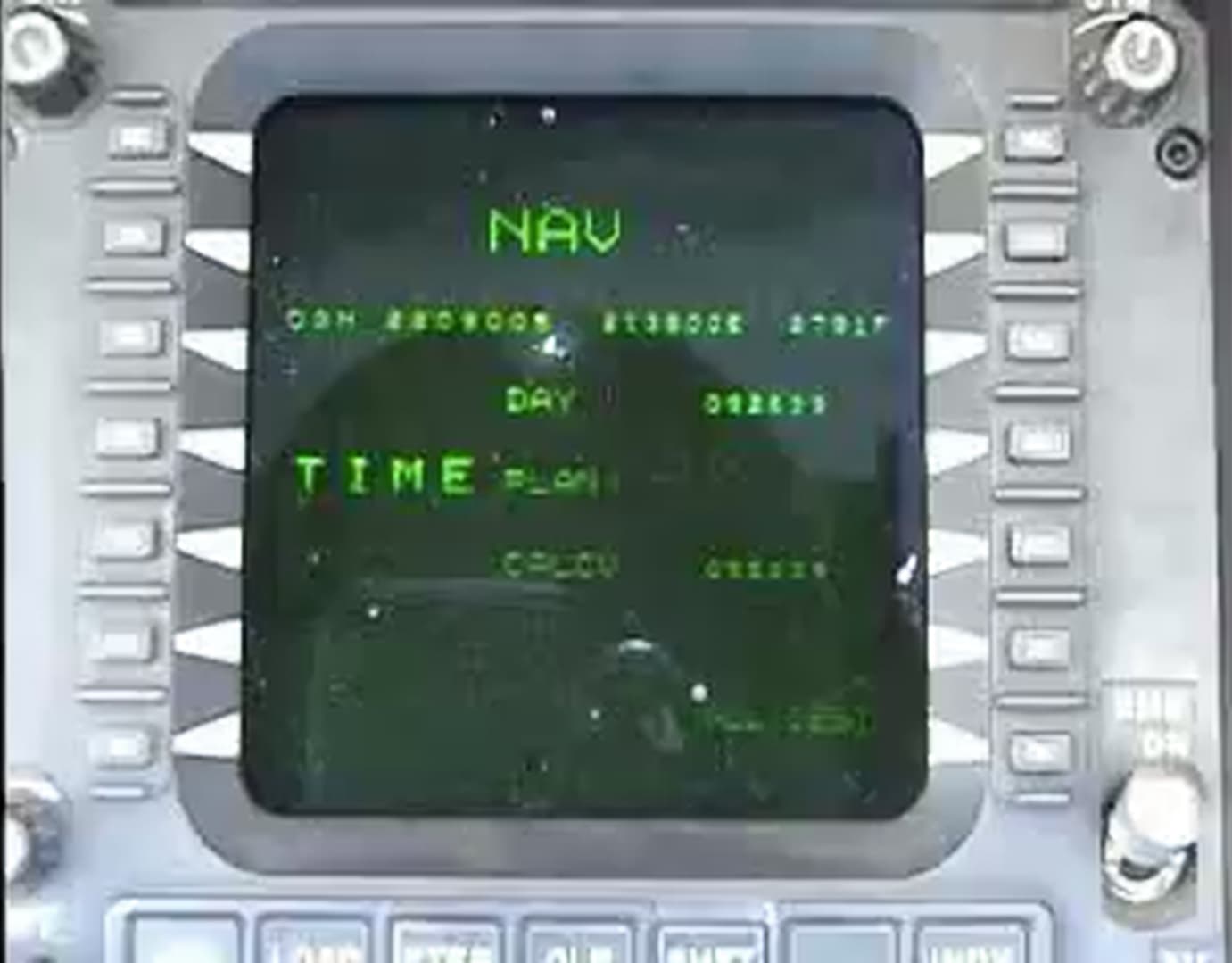
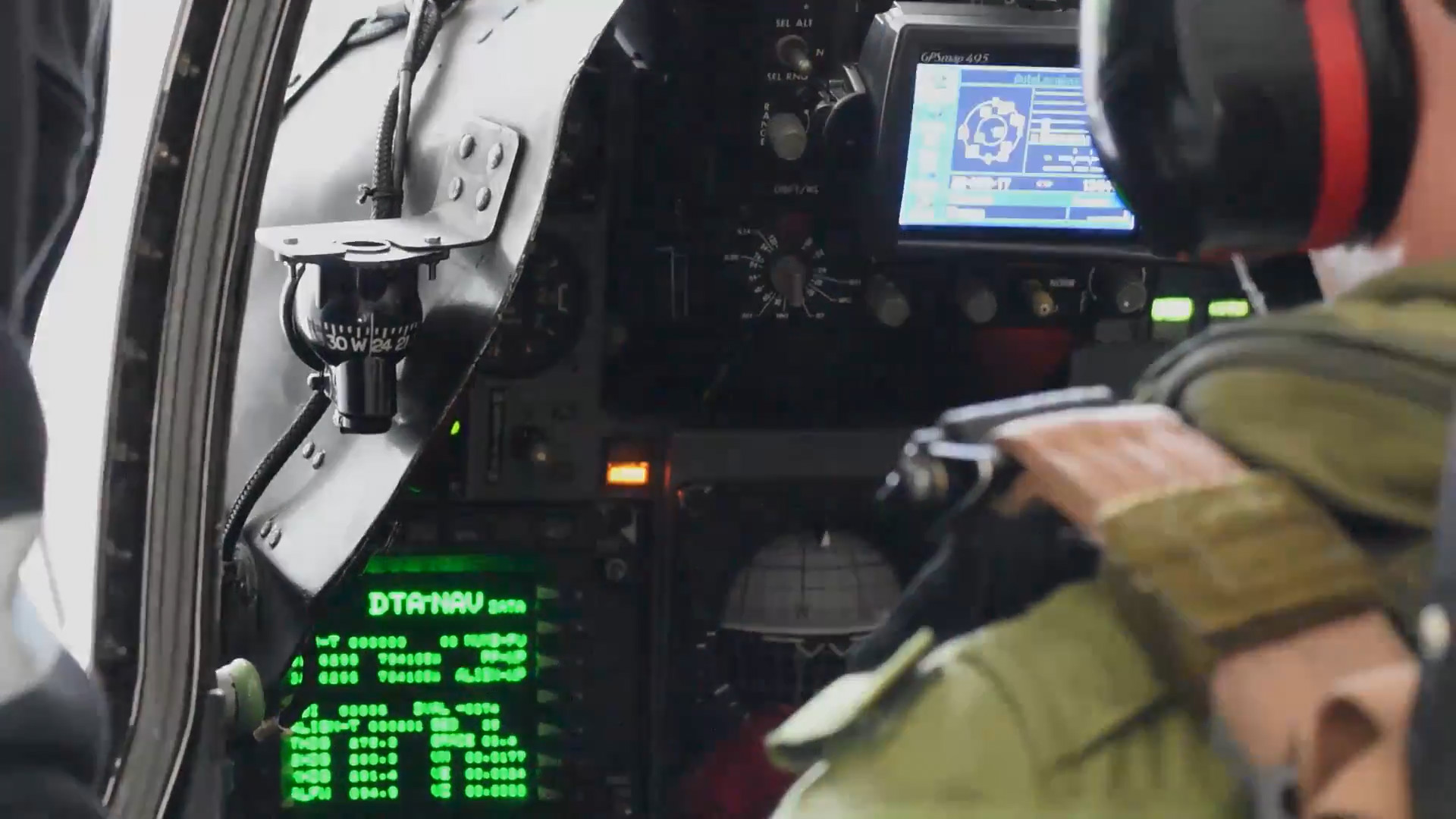
  • Navigation Data
Content

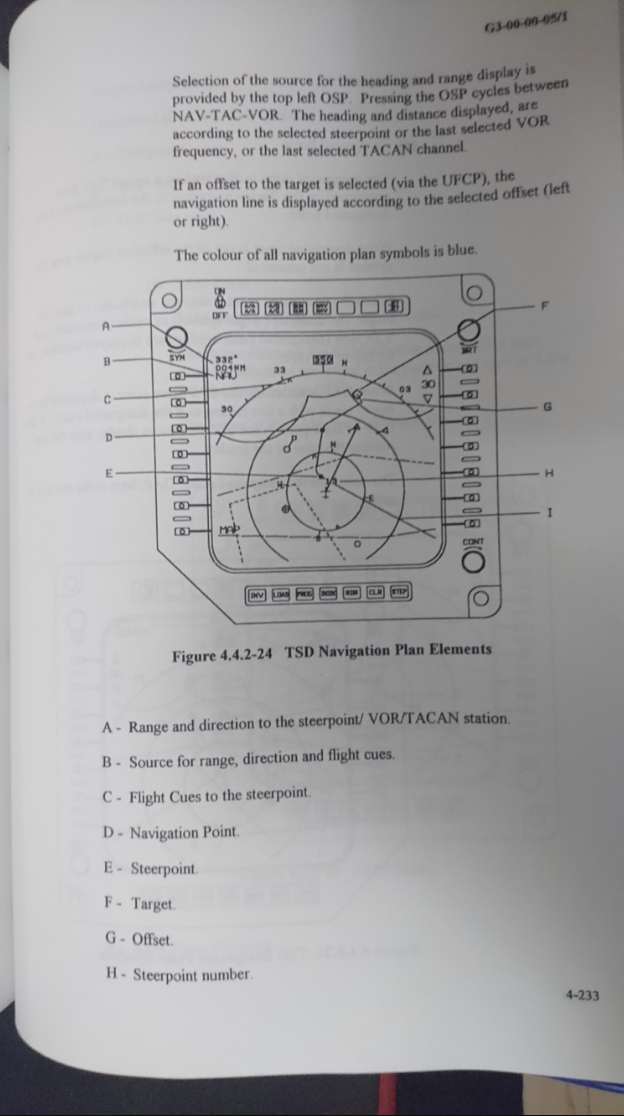
This particular MFD mode provides the pilot information miscellaneous information regarding the date, time, time to point, destination waypoints, etc.


HUD Symbology

Content
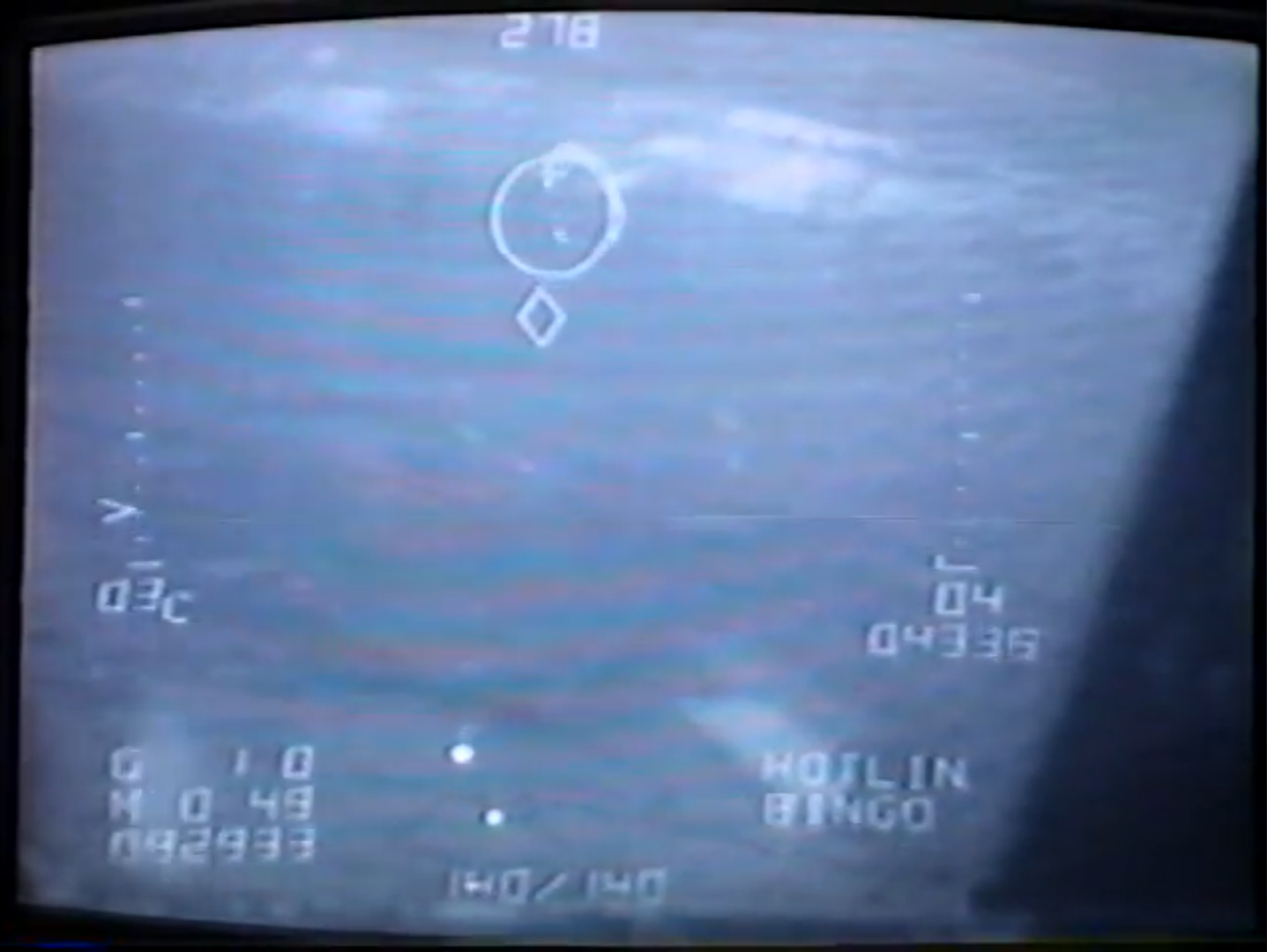
  • HOTLINE
Content

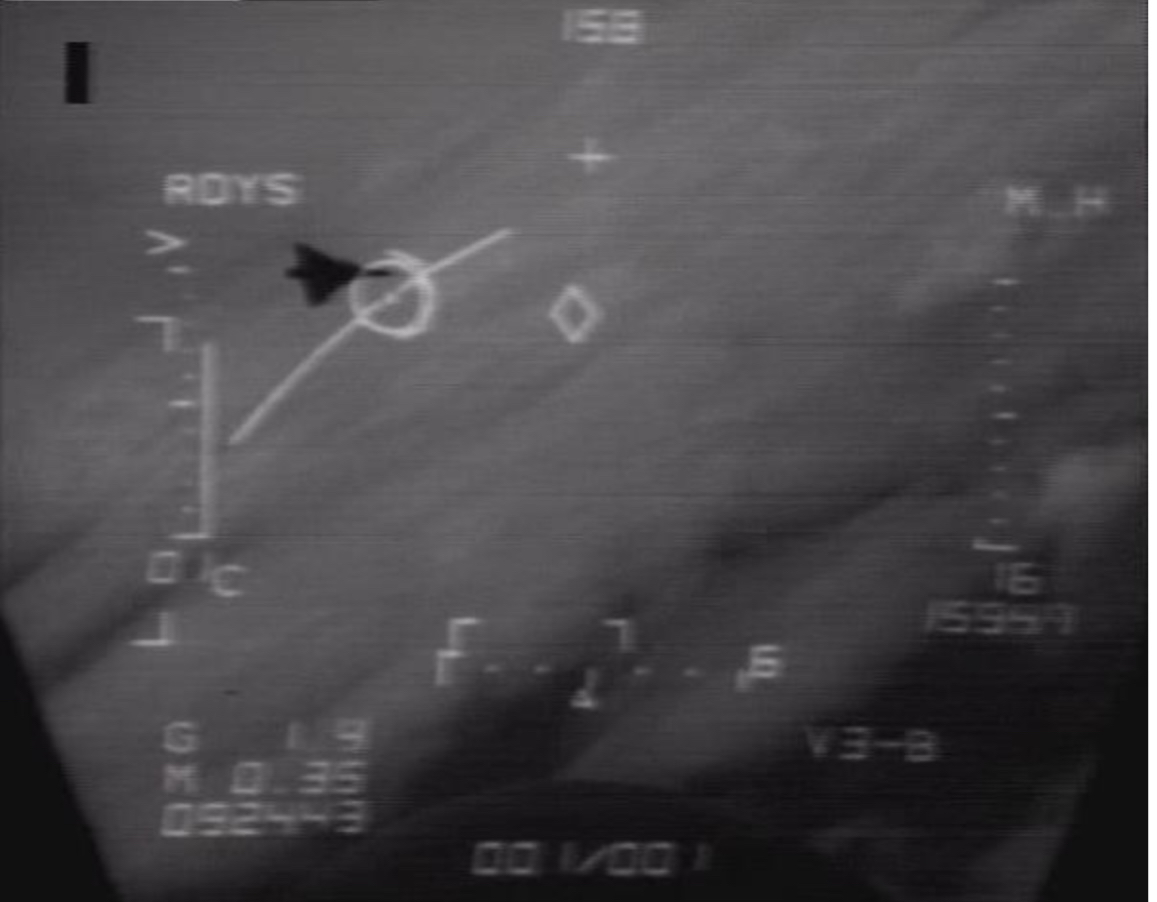
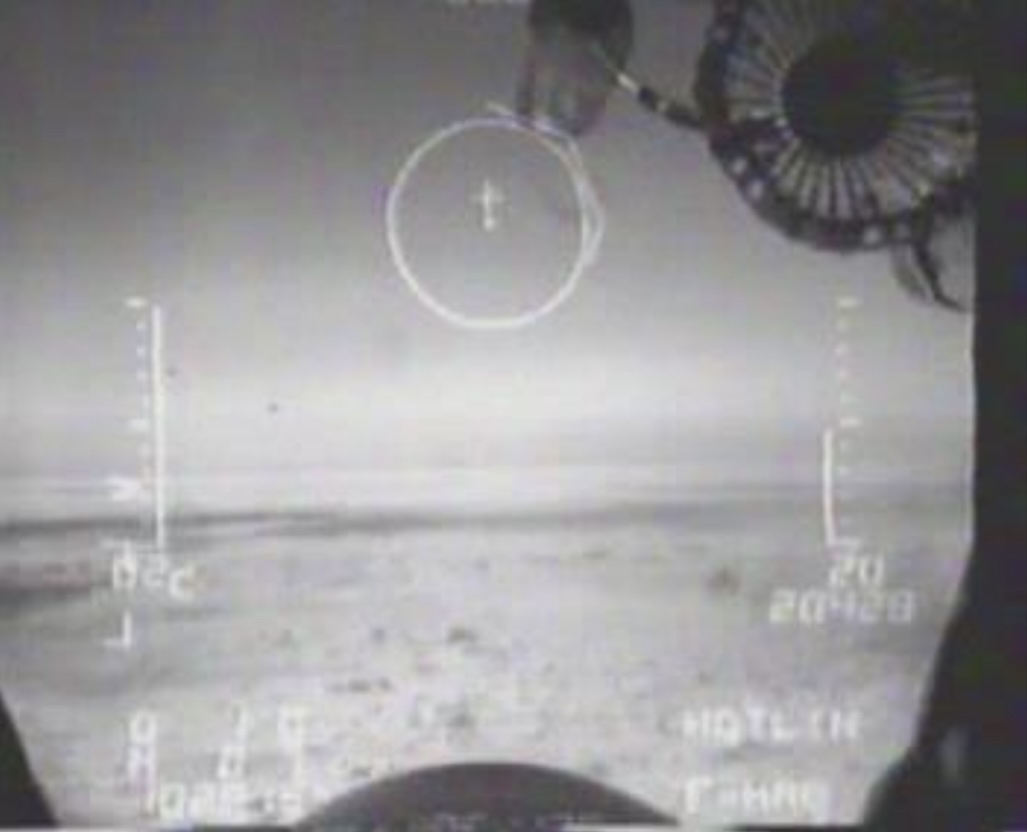
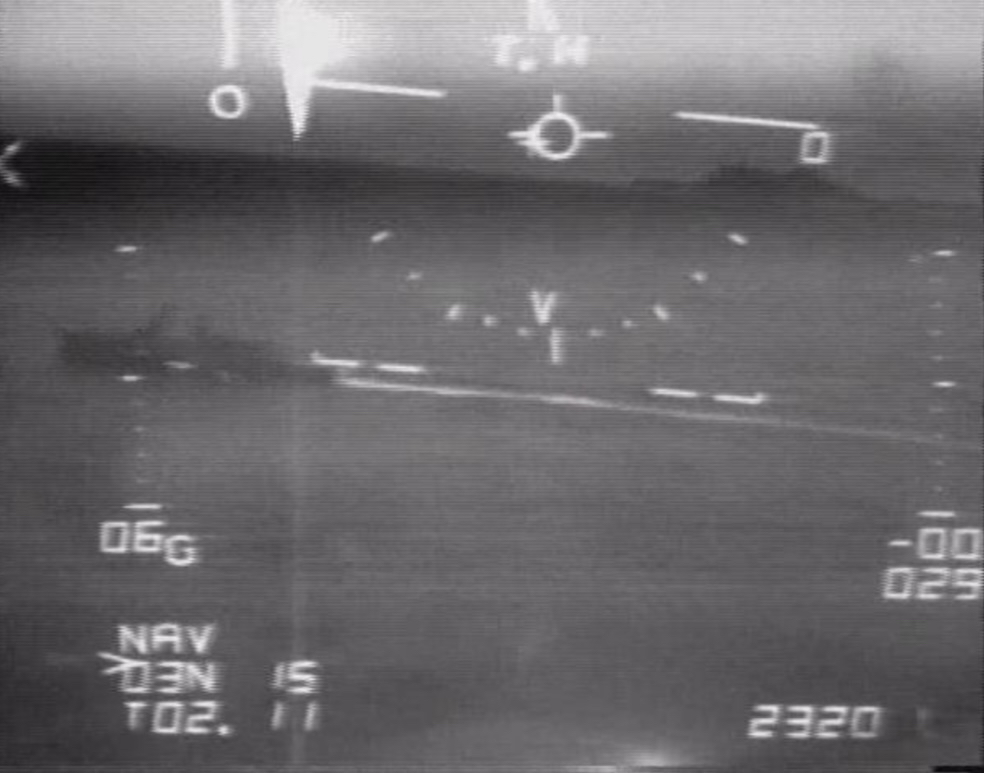
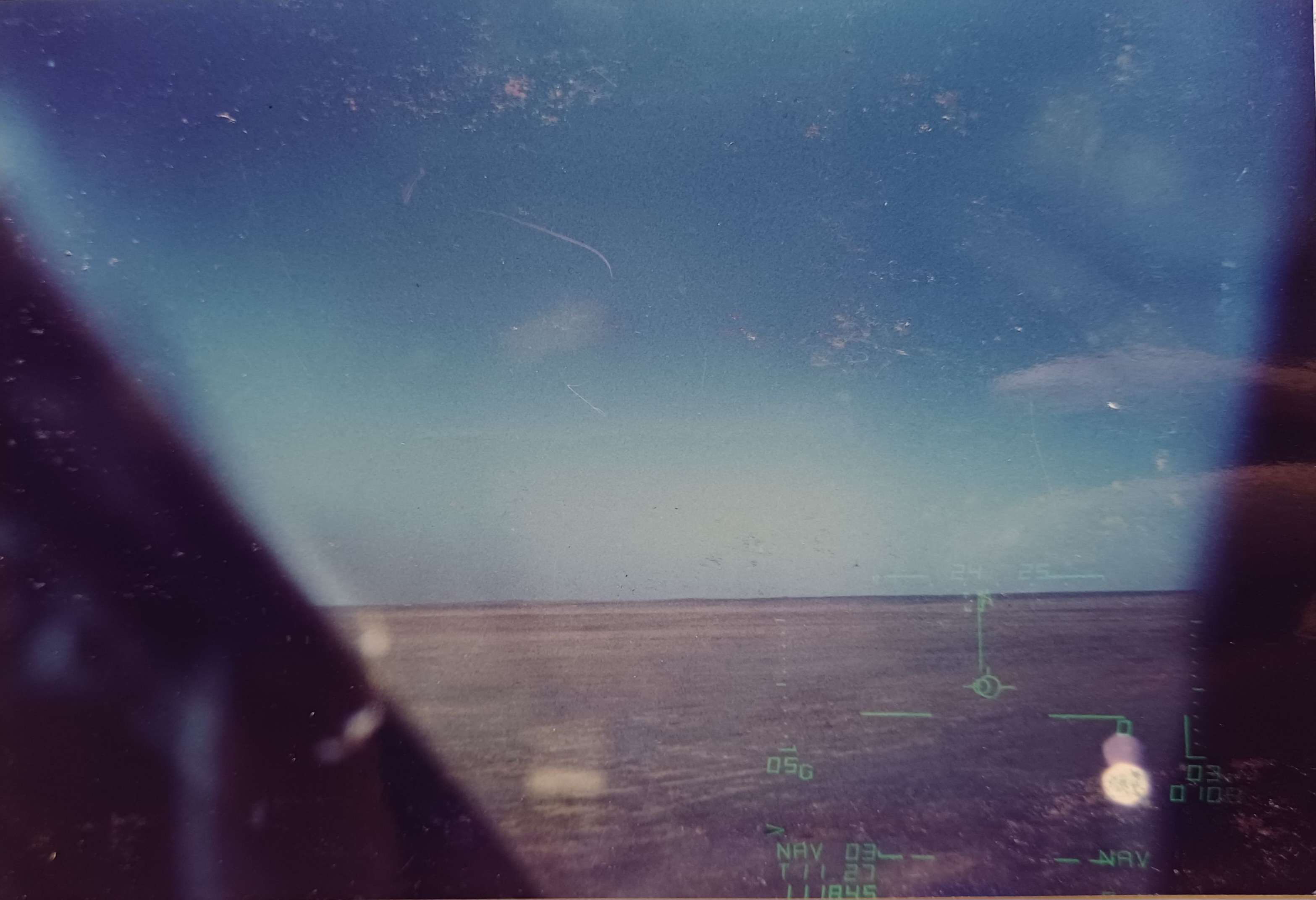
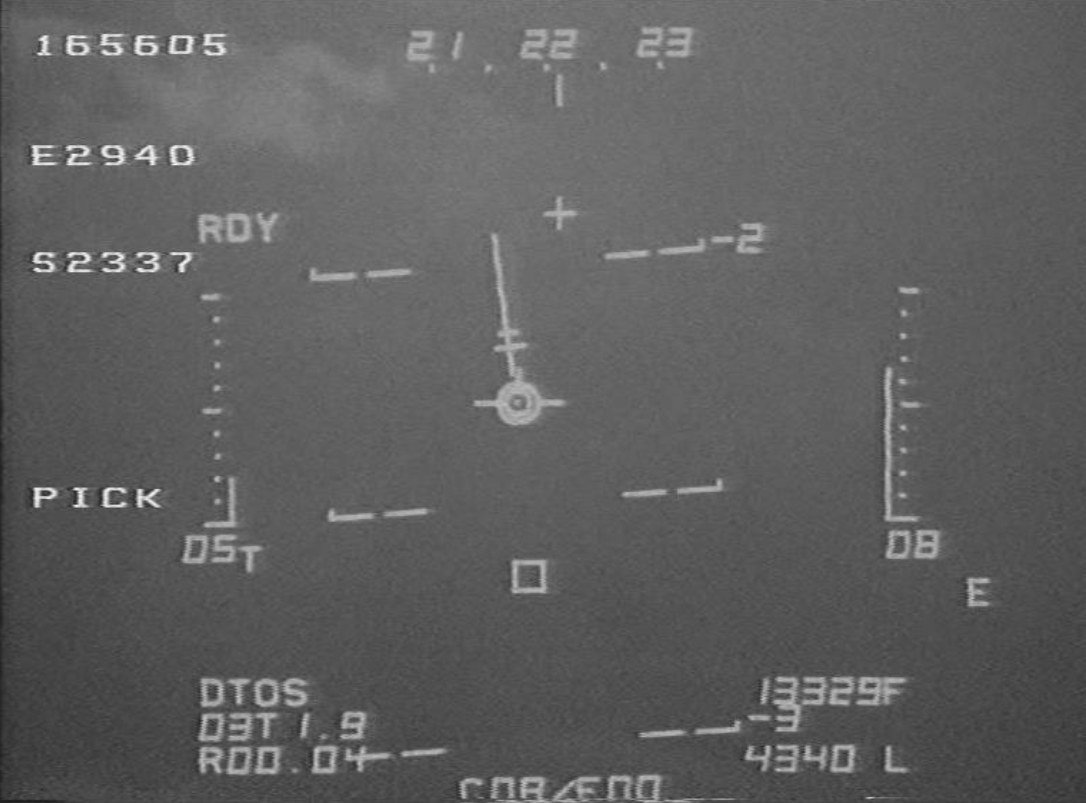
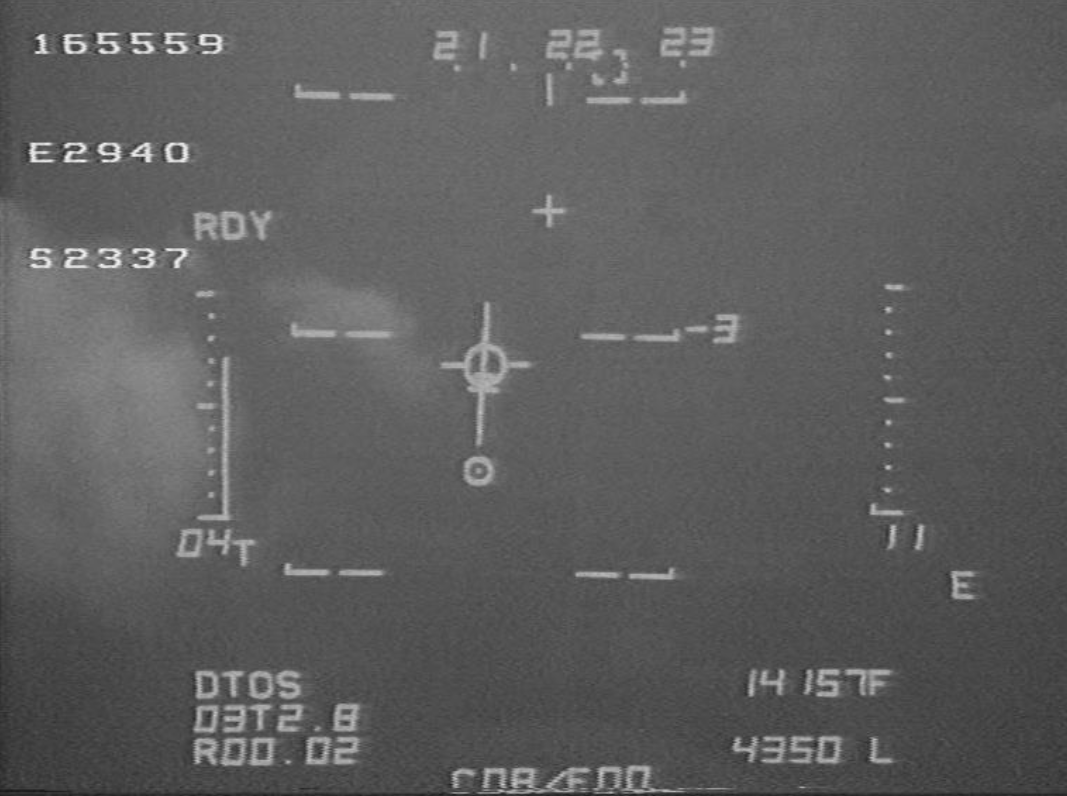
This HUD mode provides the pilot with a lead funnel for aircraft cannon target solutions, missile firing information, ammunition count, speed, Mach number, g-load, etc.


Captura de pantalla 2026-01-23 103730


  • Navigation
Content

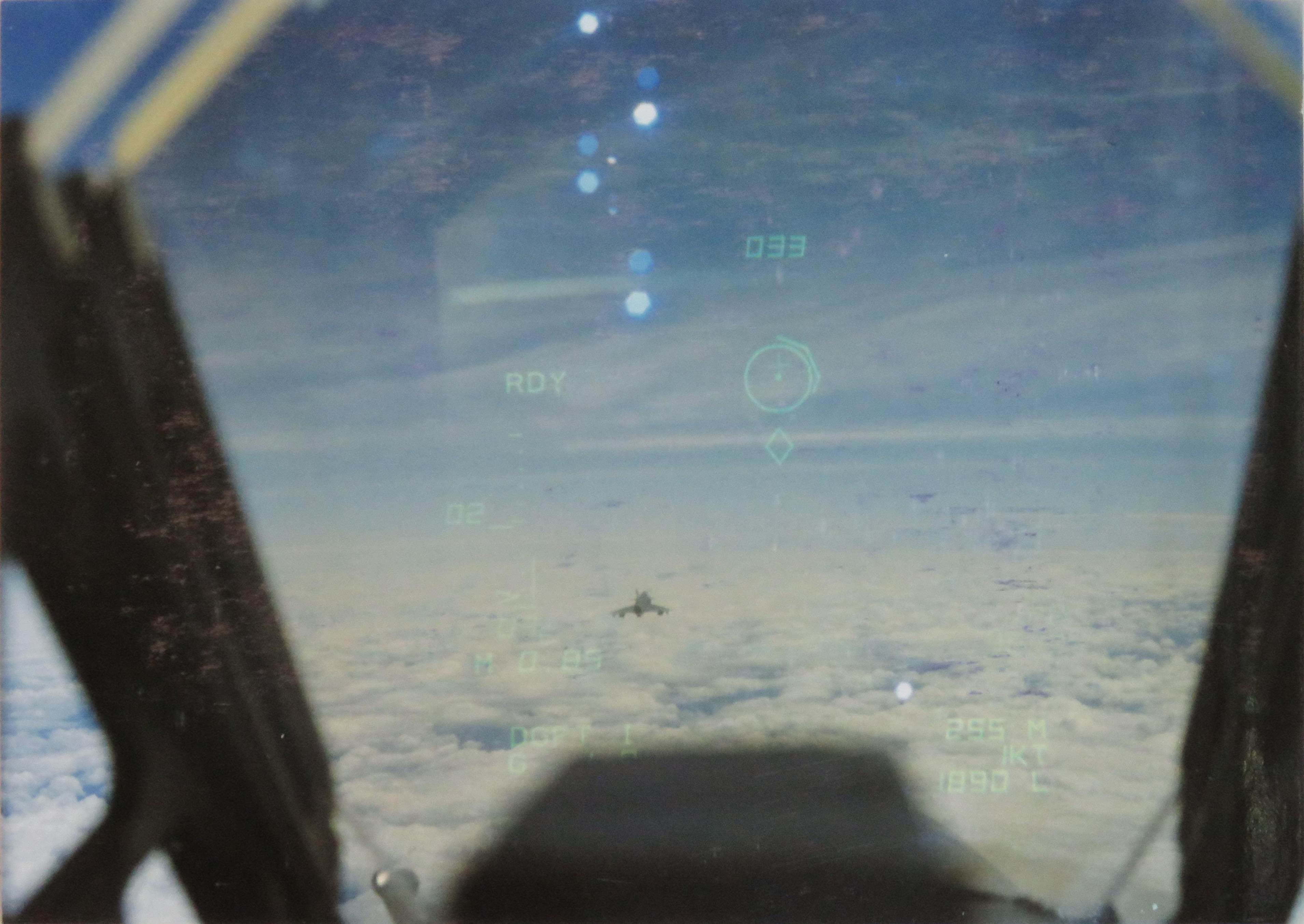
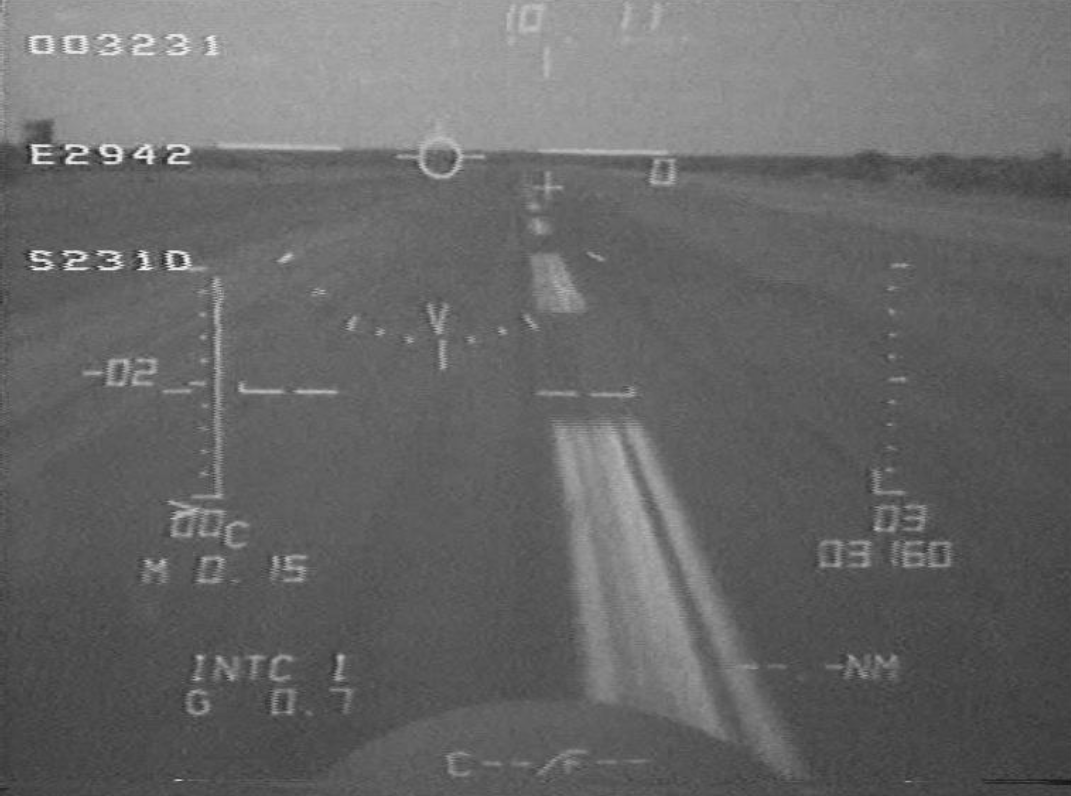
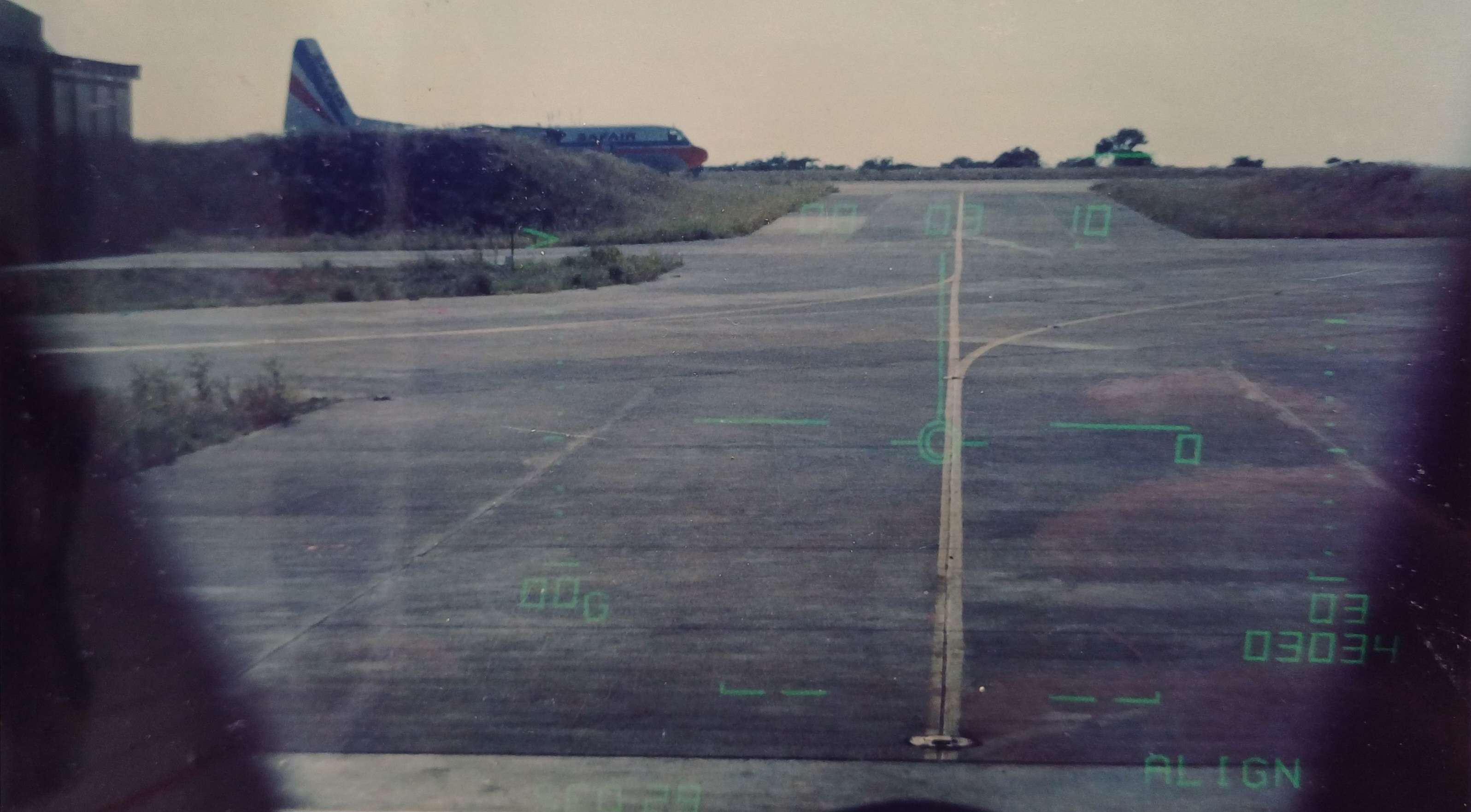
This HUD mode provides the pilot with the basic aircraft information, heading, altitude, attitude, roll degree, Mach number, g-load, etc.


IMG_9398


  • Air-to-Ground
Content

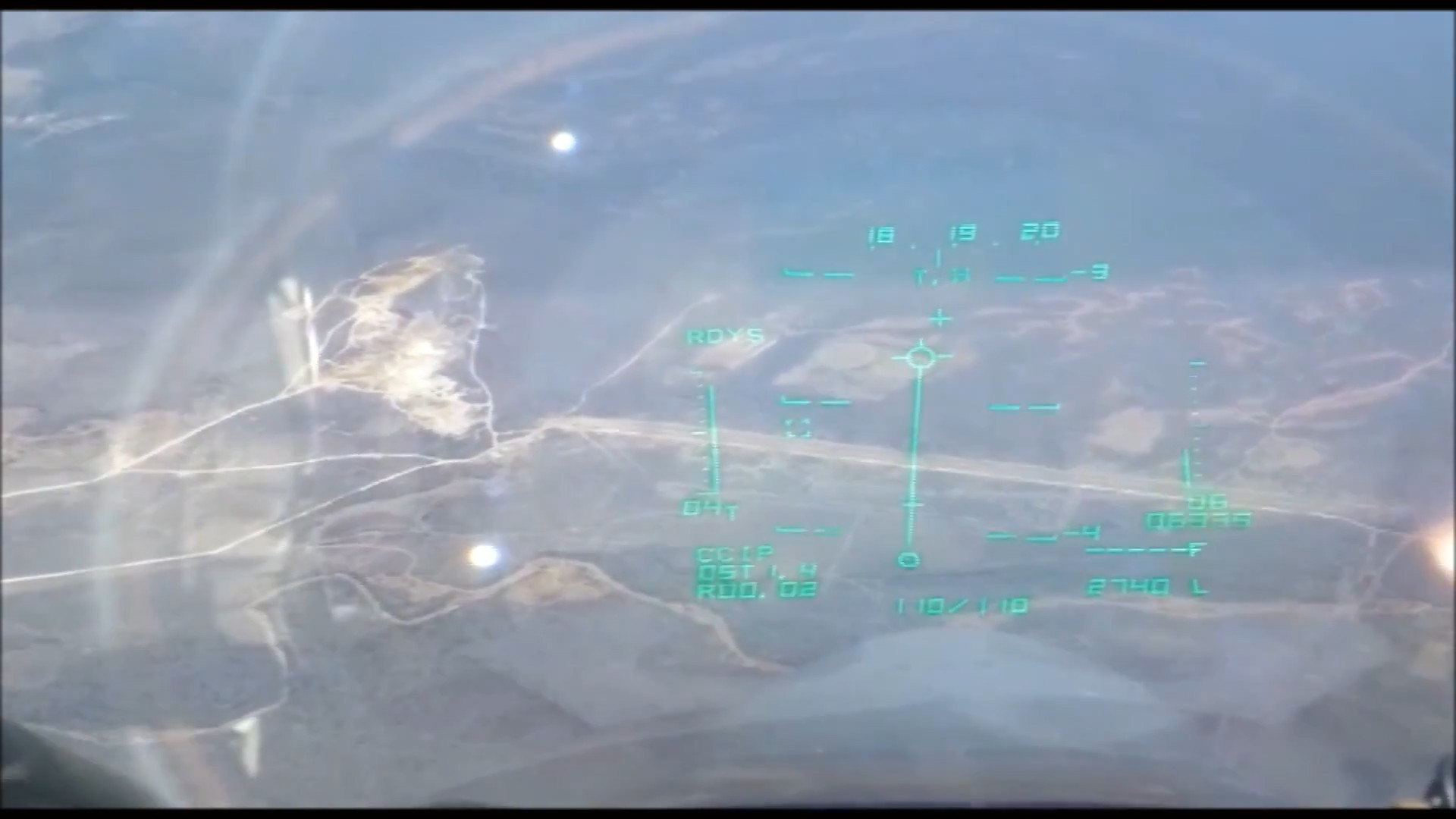
This HUD mode provides the pilot with the necessary information for Air-to-Ground strikes, CCIP, CCRP, visual indication of waypoint, attitude, heading, etc.


Helmet Mounted Display and Sight System

Content

Now, as the suggestion post mentioned, there is (very likely) an HMDS system onboard the Atlas Cheetah, unfortunately I am still not sure which of the ones offered by Cumulus (a Kentron subsidiary company, now part of Denel Dynamics.) or Elbit Systems could or were equipped, for now I’ve been able to find THREE notable HMDS systems for contending this role:

  • ARCHER

SfixwingPR

Image extracted from Kentron’s site, no other media was found regarding the HMD symbology layout other than text descriptions of its capabilities and provided information to the pilot.

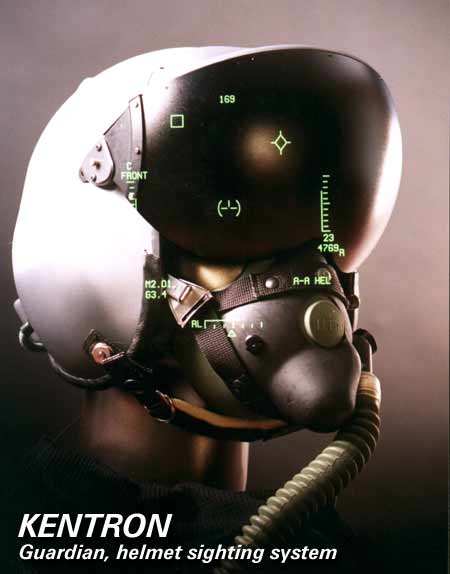
  • GUARDIAN

Guardian1

Image extracted from Kentron’s site, notice the interesting symbology on display, which could be very useful for delivering the native South African missiles.

  • DASH III

imagen

Israeli Helmet Mounted Display and Sight Helmet System provided by Elbit Computers, , the current War Thunder DASH III layout, while useful, still lacks certain pieces of information, symbology and status.


I am certainly hopeful we can find more information on the Cheetah’s specific HMD, as I would, excuse the crude language up ahead, FUCKING HATE HAVING TO BE LIMITED TO THE SHITTY RUSSIAN HMS PLACEHOLDER.

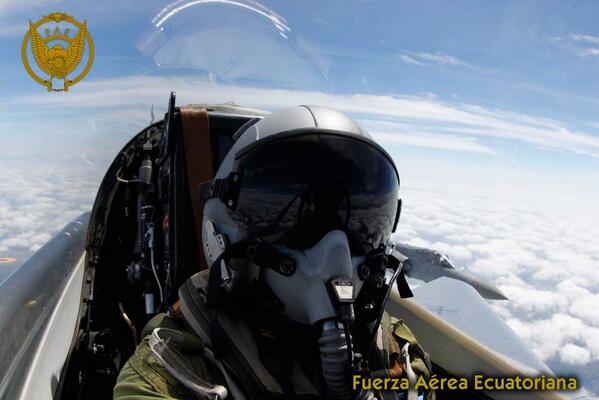
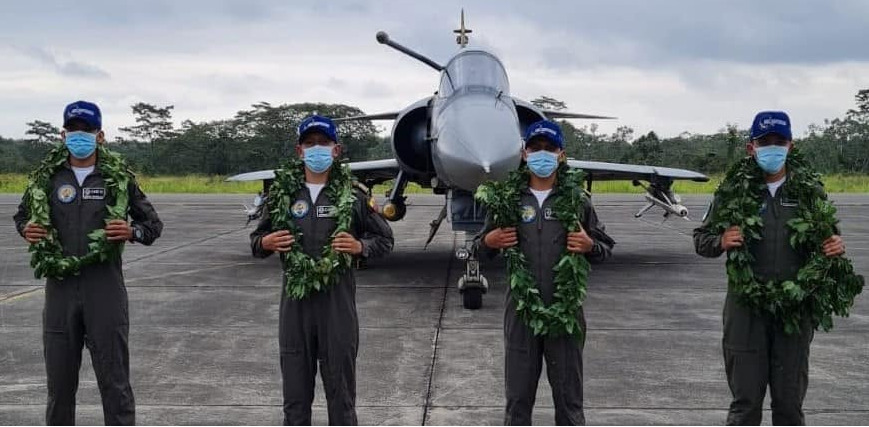
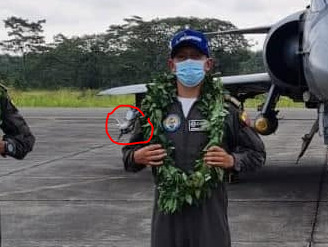
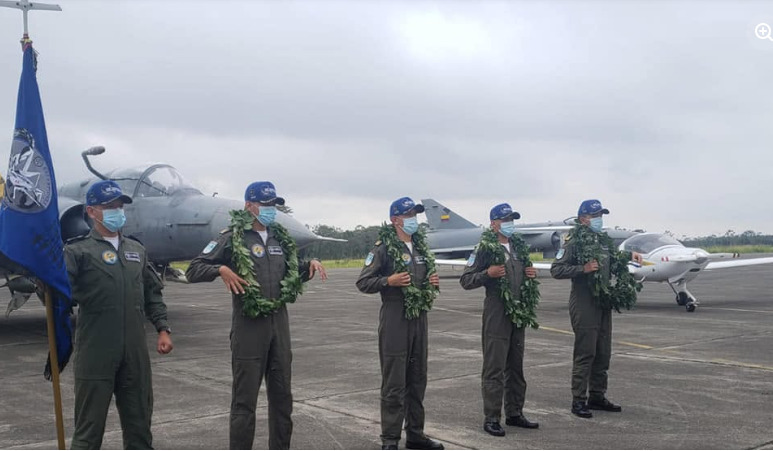
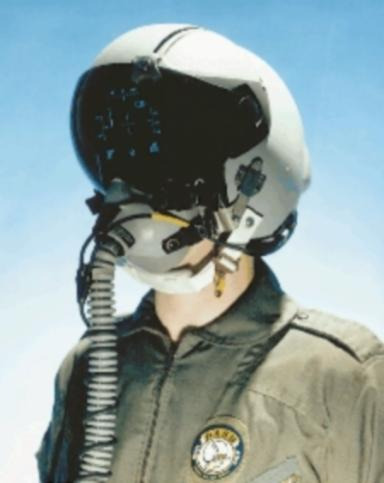
Lastly, this HMDS upgrade appears to be exclusive to the SAAF, the FAE (Spanish for “Ecuadorian Air Force”) didn’t fly the Cheetahs with any HMDS according to several found pictures and footage provided on their official social media and website.

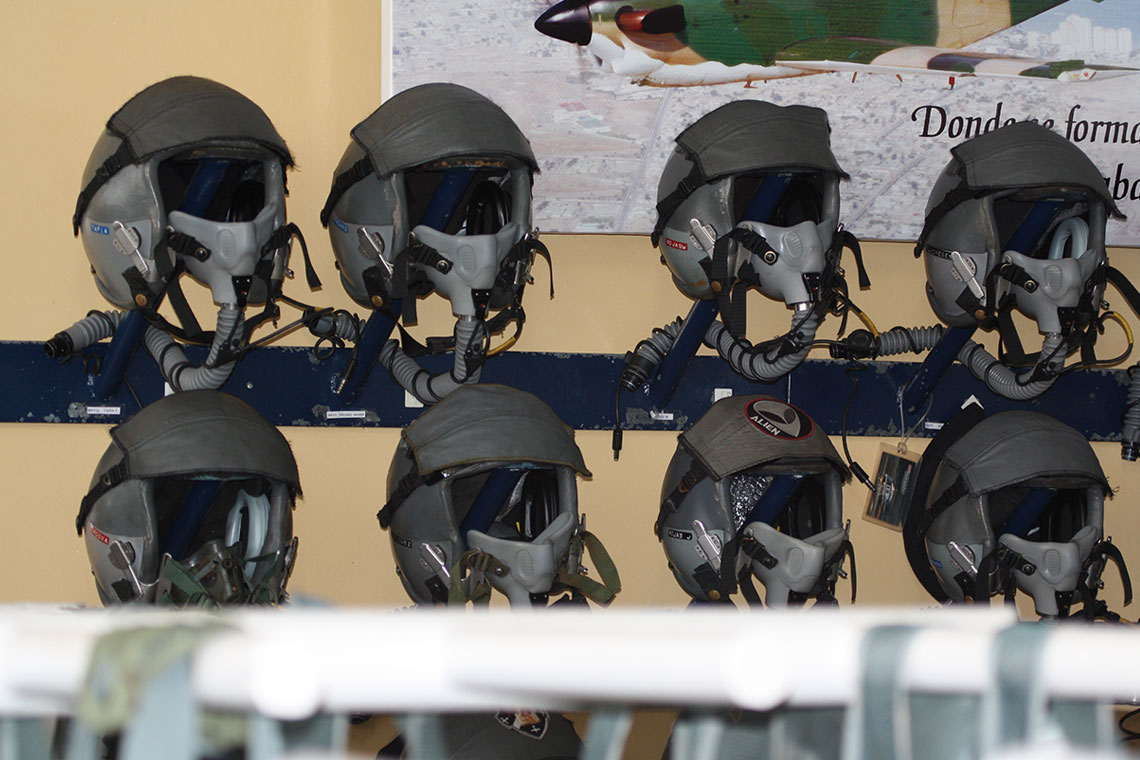
Ecuadorian Air Force HGU-48/P fighter pilot helmets perfectly lined up before use, notice the different patches, markings, etc. Avid lookers might notice the “Alien” patch on top of the cloth cover on one of the helmets.

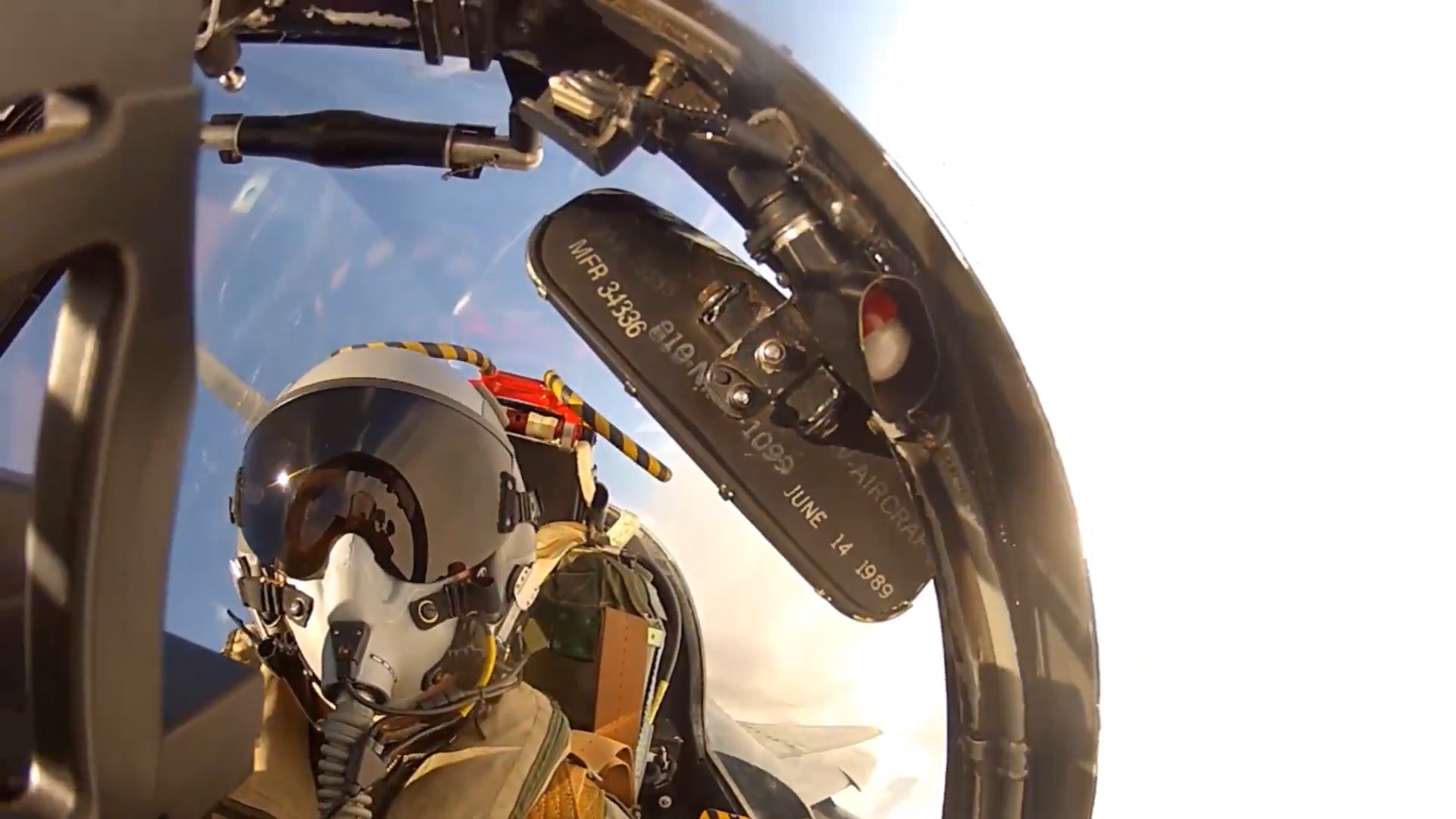
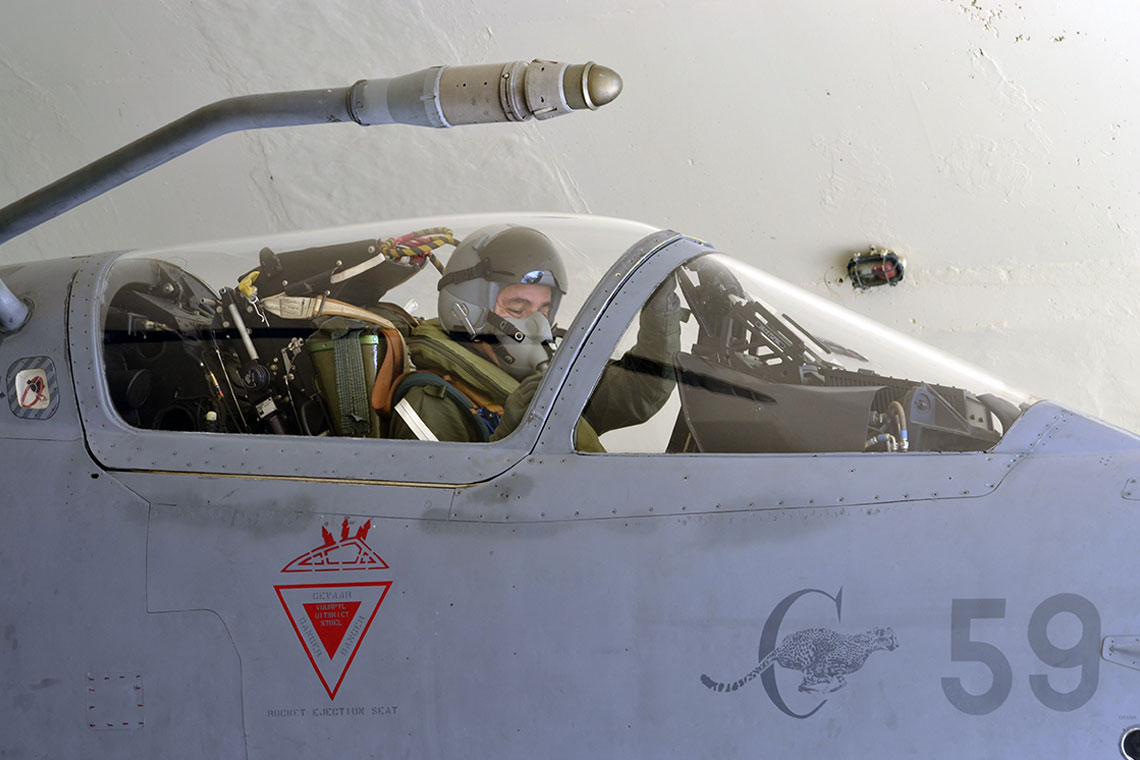
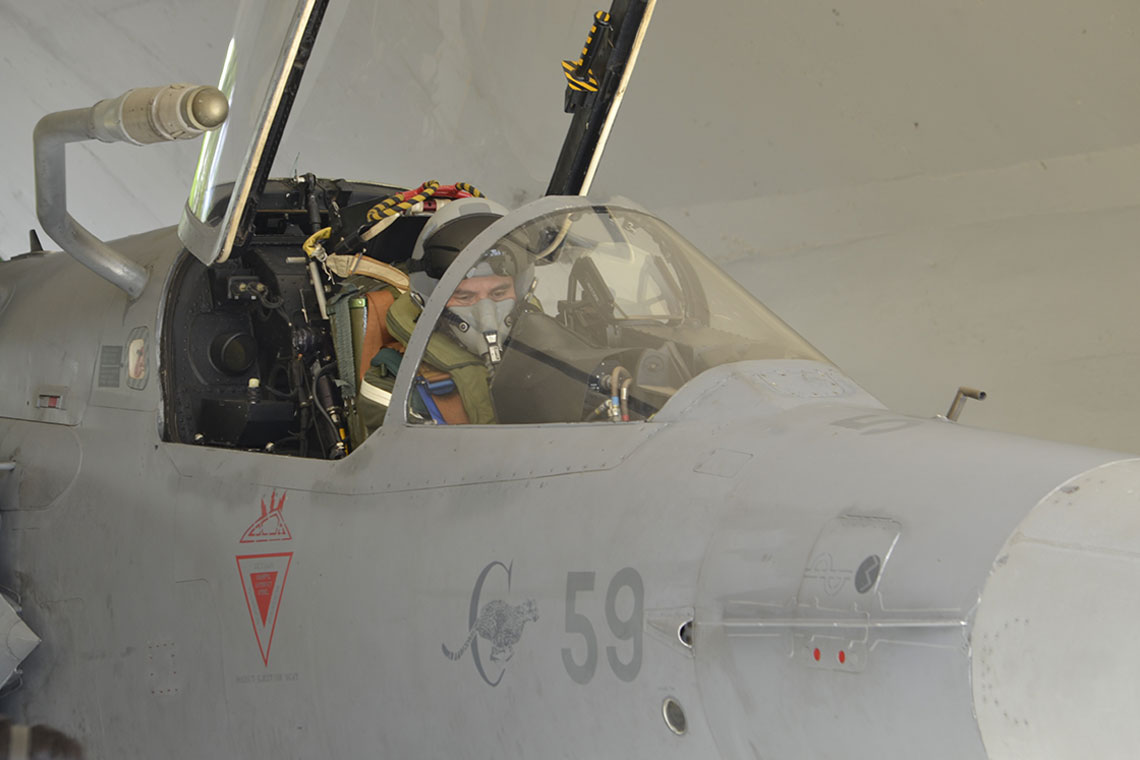
Ecuadorian Air Force pilot onboard their Atlas Cheetah before takeoff, aircraft registry being FAE-1359, the Ecuadorian designation often adds a “1” before the tail registry number, no HMDS present.

Ecuadorian Air Force pilot onboard their Atlas Cheetah before takeoff, another angle has been provided, no HMDS seemingly installed.

Bj12riiCIAAvrHe

Official Ecuadorian Air Force promotional material of an Atlas Cheetah pilot onboard their aircraft, notice the seemingly obvious lack of an HMDS

dsc-5099_1877324_20241127122403

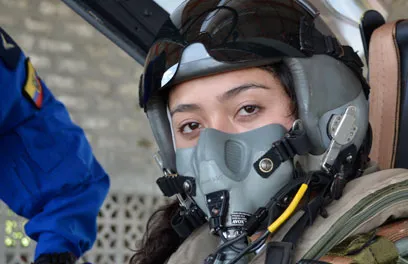
Ecuadorian Air Force Pilot Diana Ruiz beside an Atlas Cheetah with her HGU-48/P helmet, no HMDS seemingly installed on her helmet.

Author’s Note: This precise pilot was the first female Atlas Cheetah and supersonic fighter pilot on the Ecuadorian Air Force, Second Lieutenant Diana Estefanía Ruiz Solís.

Subteniente-Diana-Ruiz-primera-mujer-ecuatoriana-en-pilotear-avión-Cheetah-2

Ecuadorian Air Force Pilot Diana Ruiz beside onboard her Atlas Cheetah, notice her helmet does not carry an installed HMDS just like the previous pictures.

Author’s Note: In 2024, Second Lieutenant Diana Ruiz tragically passed away during an air accident, her training aircraft crashed on a busy street, at La Libertad county, Santa Elena province. Despite the tragedy of her passing, she delivered diligently in her duty as pilot and instructor, may she rest in peace.


Python 4 Missile Compatibility [FAE]

Content

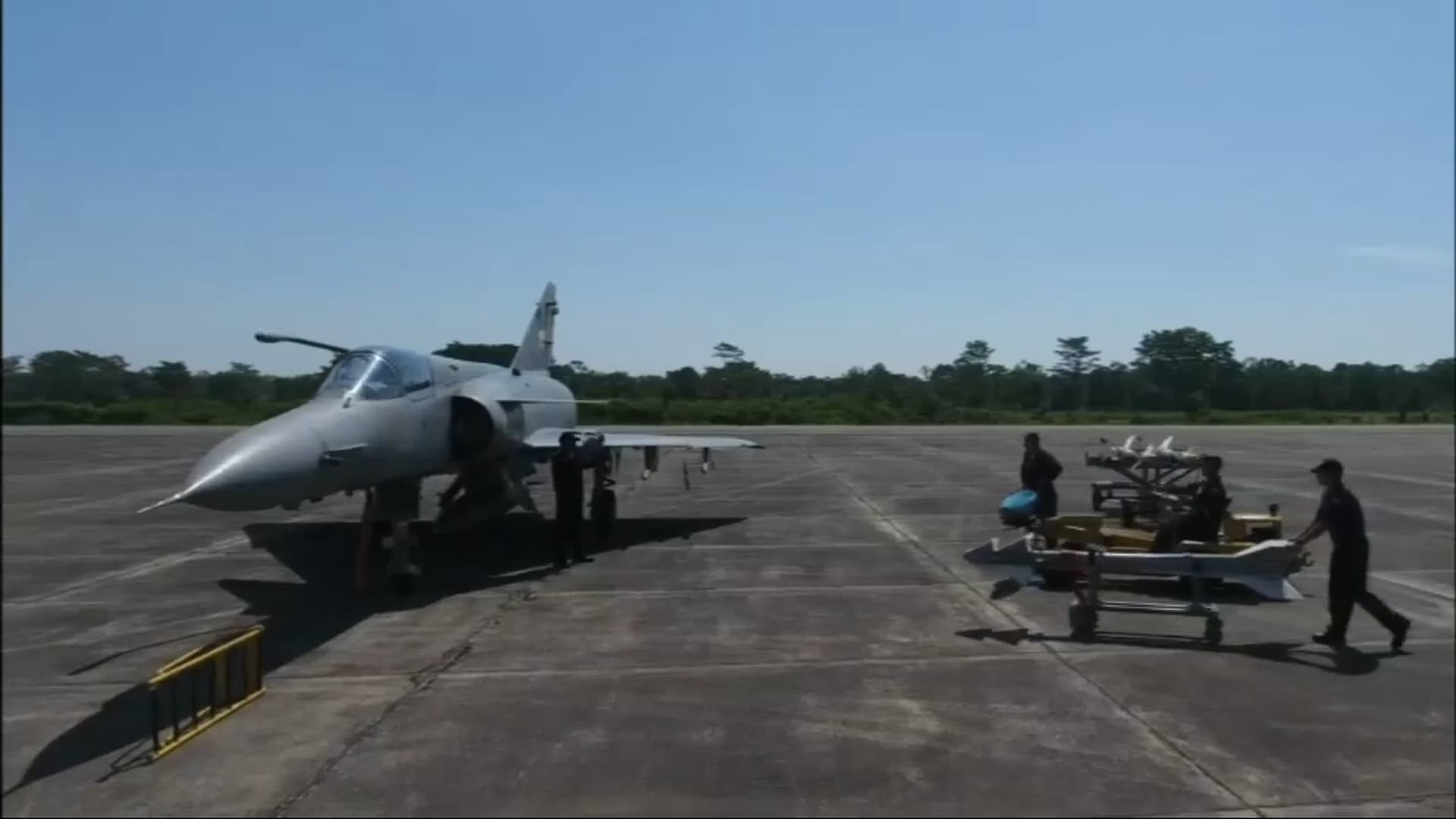
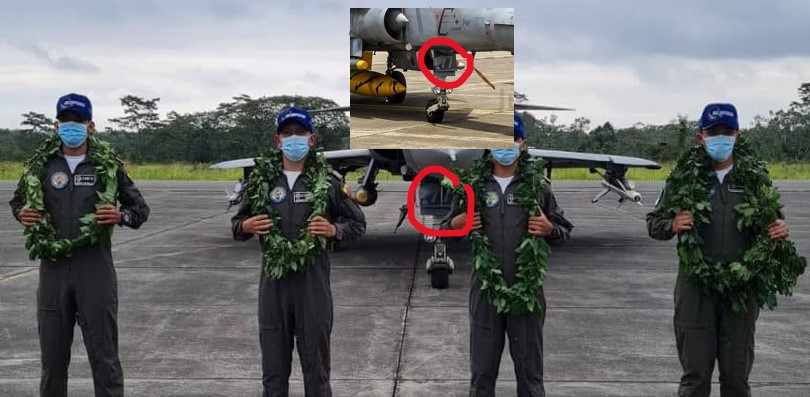
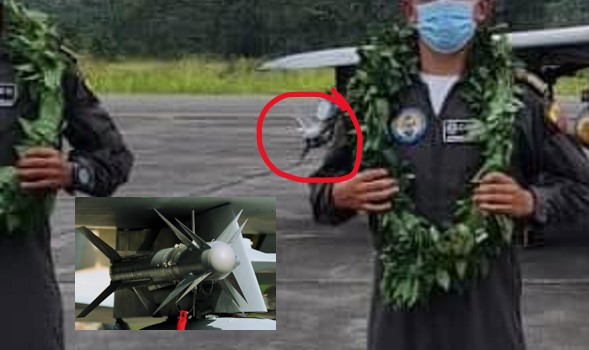
Ecuadorian Air Force aircrew seemingly carrying and about to load a Python 4 missile onto the Atlas Cheetah’s pylons.

While looking at various promotional pieces by the Ecuadorian Air Force’s Official YouTube channel, I found this curious excerpt of a loading of a Python 4 missile, which goes to support my previous statements regarding the integration of this missile by the Ecuadorian Air Force as seen in the contracts.

Another relevant piece of information regarding the Python 4 onboard the Atlas Cheetah is the following excerpt from Revista Pucará Número 12:

“La Fuerza [Aérea Ecuatoriana] también tiene misiles Python IV, pero, si bien se han instalado en los aviones, no realizaron lanzamientos en los Cheetah, a pesar de que estaban en uso en los Kfir y Mirage F1.”

Translating to English:

“The Ecuadorian Air Force also has Python IV missiles, but, despite being installed in the aircraft, they haven’t made any launch trials with the Cheetah’s, considering they were also in use with their Kfir and Mirage F1.”


Analysis

Content

Taking into consideration the avionics shown we can pretty much do some safe assumptions:

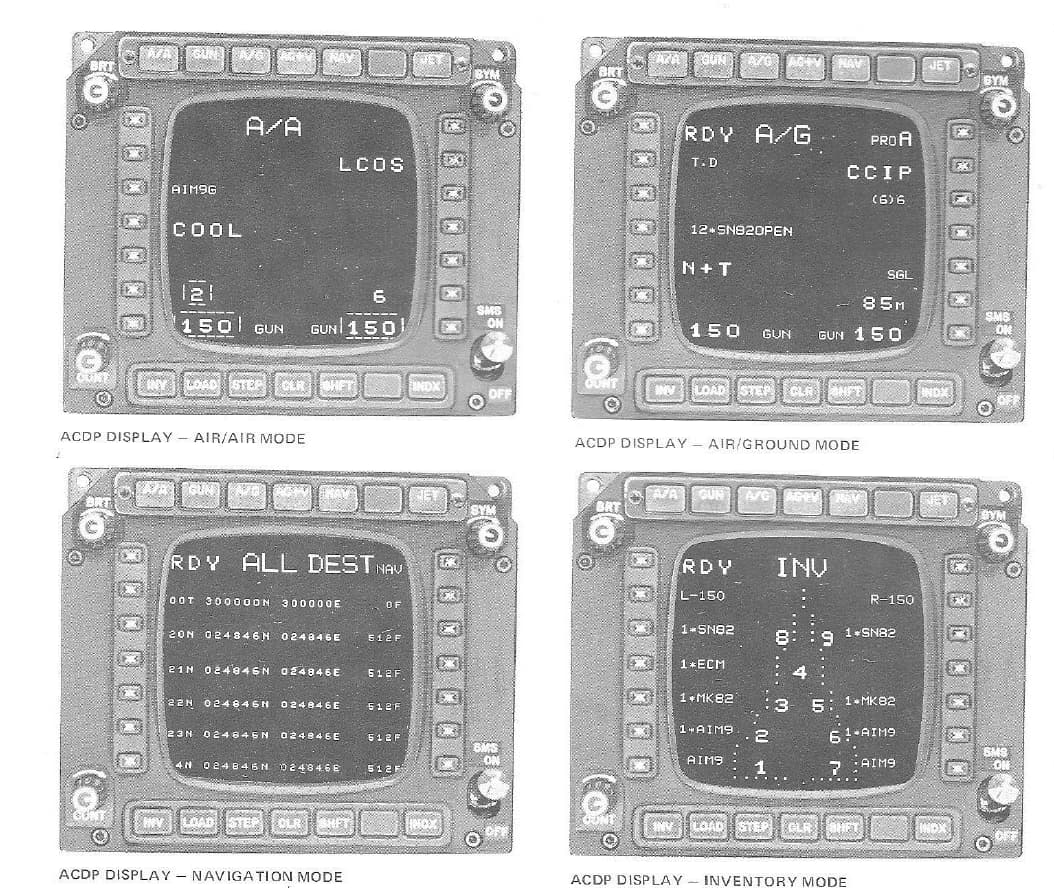
  • The Atlas Cheetah likely uses Elbit’s System 82 WDNS or a similar system
  • The Atlas Cheetah shares the same or similar HUD symbology with the IAI Kfir C.2 / C.7
  • The Altas Cheetah shares the same or similar Tactical Situation Display with the Kfir CE (Kfir C.10)

These assumptions come from the following pictures and information found regarding these similar systems:

  • Elbit’s System 82:
Content

Elbit Computer’s Stores Management System display modes, showcasing the many stores and layouts and display on the Kfir C.7 may offer for missions, proving to be a likely compatible tool for the Cheetah due to the similarity of display modes shown, particularly on the Navigation section, font, etc.

Captura de pantalla 2026-01-23 125525

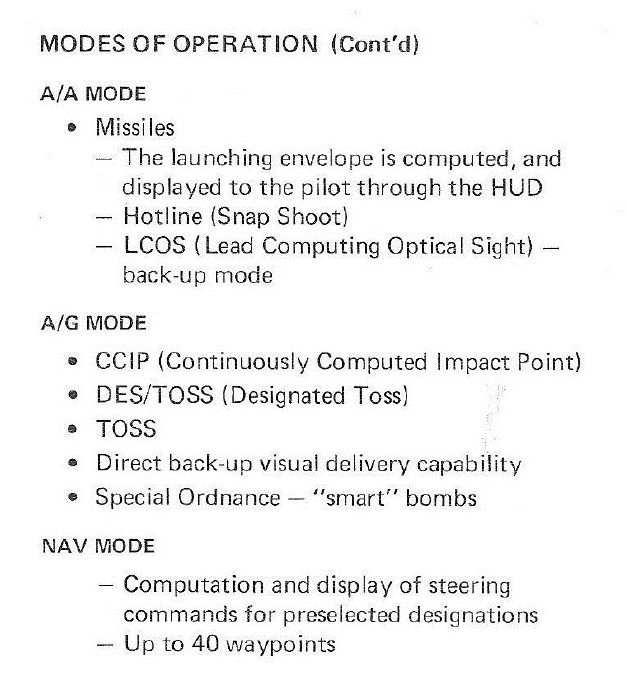
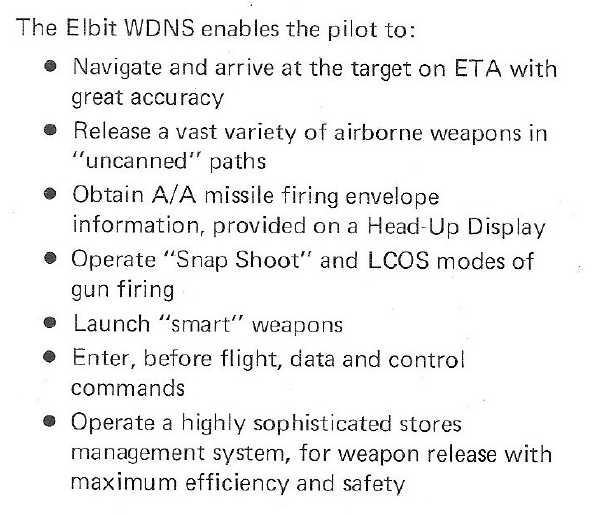
Elbit Computer’s System 82 capabilities, unfortunately the “HOTLINE” symbology layout is not present today in-game in the Kfir family, as it is incorrectly modeled using the A-7’s HUD.

Captura de pantalla 2026-01-23 125534

Elbit Computer’s System 82 capabilities, the many capabilities prove useful and present in the many pieces of footage found both in the Colombian Air Force’s Kfir C.7’s and by the South African Air Force in their Atlas Cheetah C’s.


  • Kfir C.2 / C.7 HUD:
Content

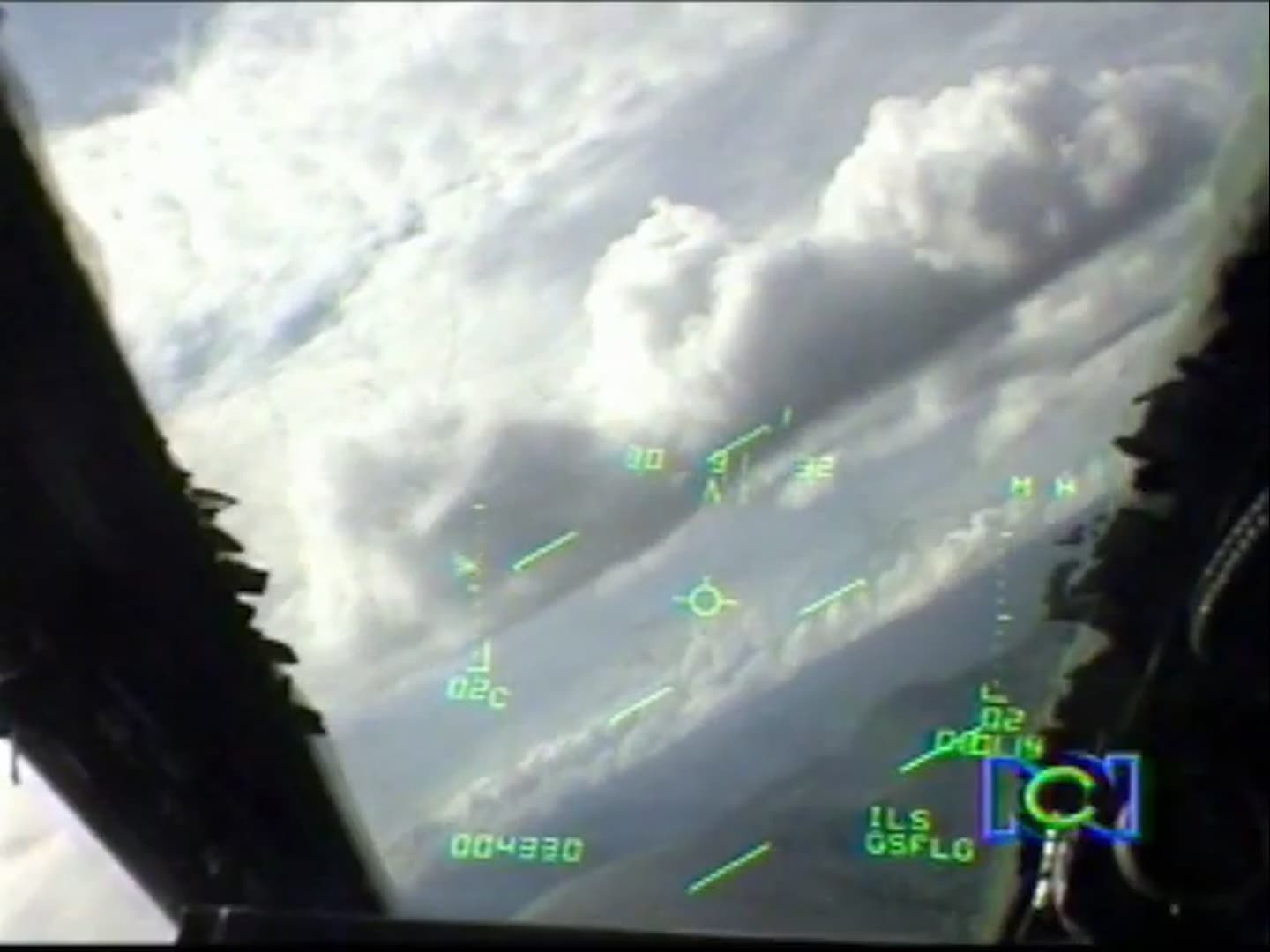
Colombian Air Force Kfir C.7 HUD footage, notice the active HOTLINE symbology.

Colombian Air Force Kfir C.2 HUD Emergency footage, the HOTLINE symbology is on display.

Colombian Air Force Kfir C.7 footage, the navigation HUD mode is on display.


  • Kfir CE (C.10) Tactical Situation Display
Content

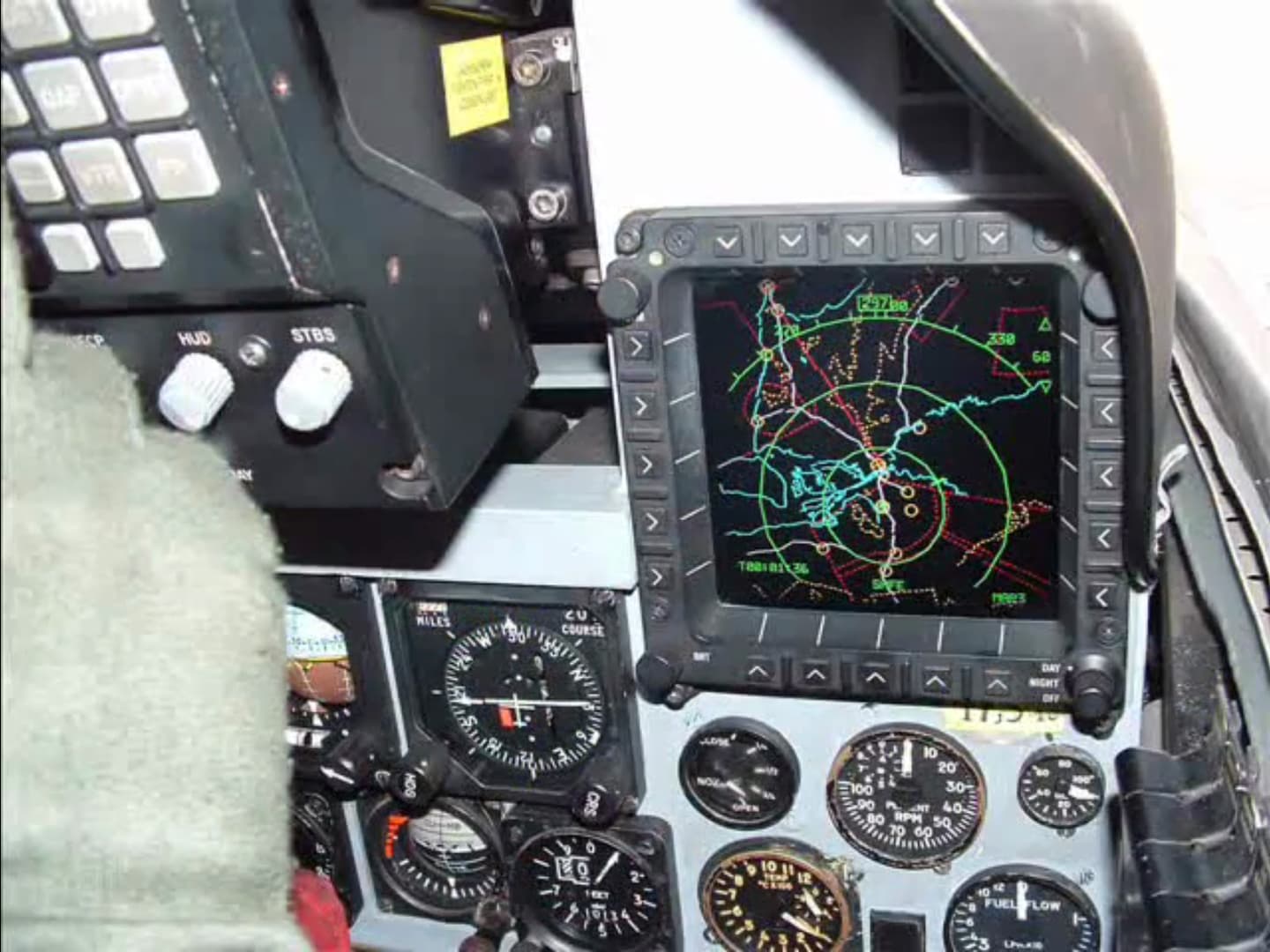
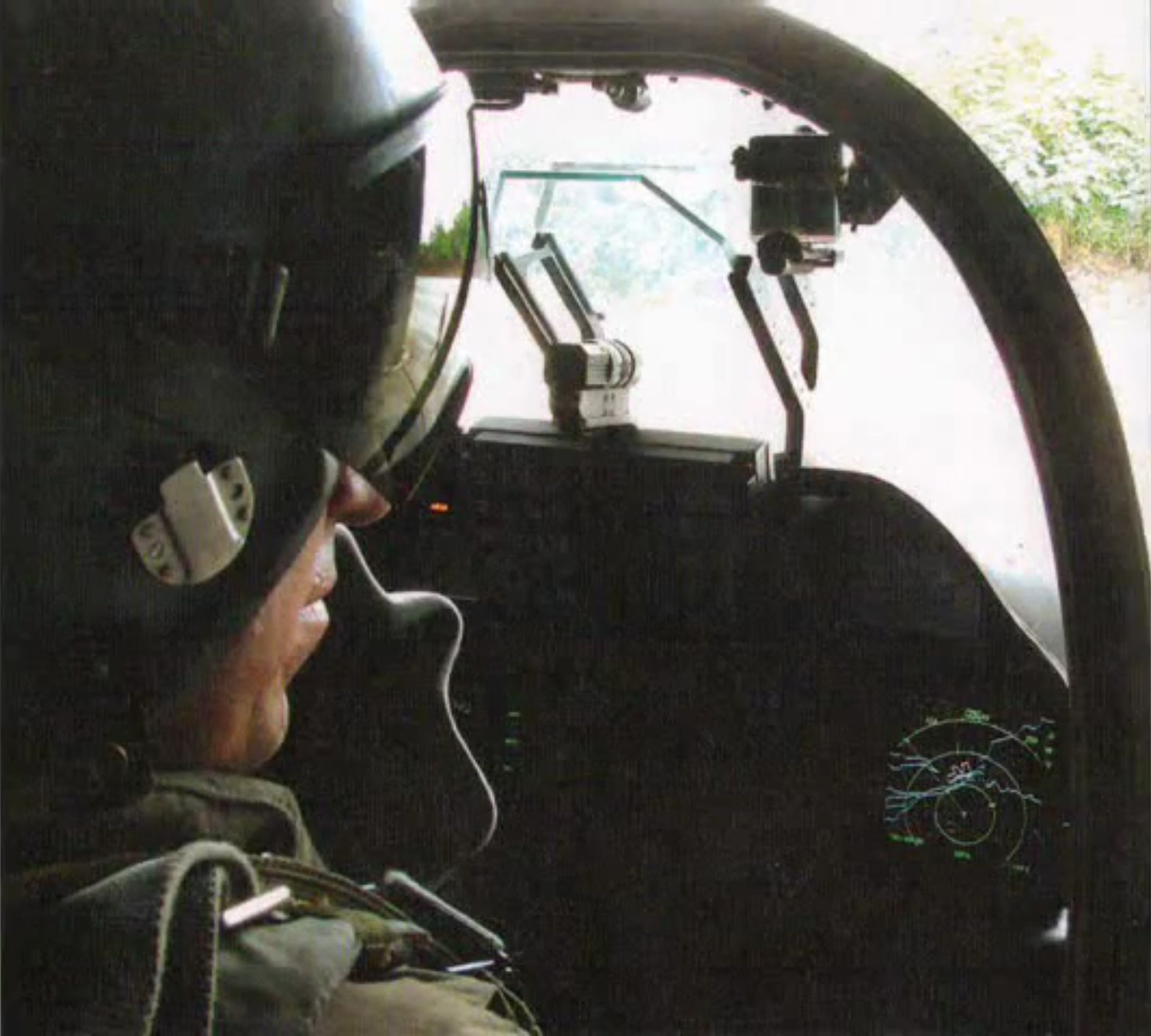
Ecuadorian Air Force Kfir CE, notice the exact same Tactical Situation Display layout from the Atlas Cheetah present on the MFD.

Ecuadorian Air Force Kfir CE, another picture of the Kfir CE’s Tactical Situation Display, notice once more the striking resemblance between the two.

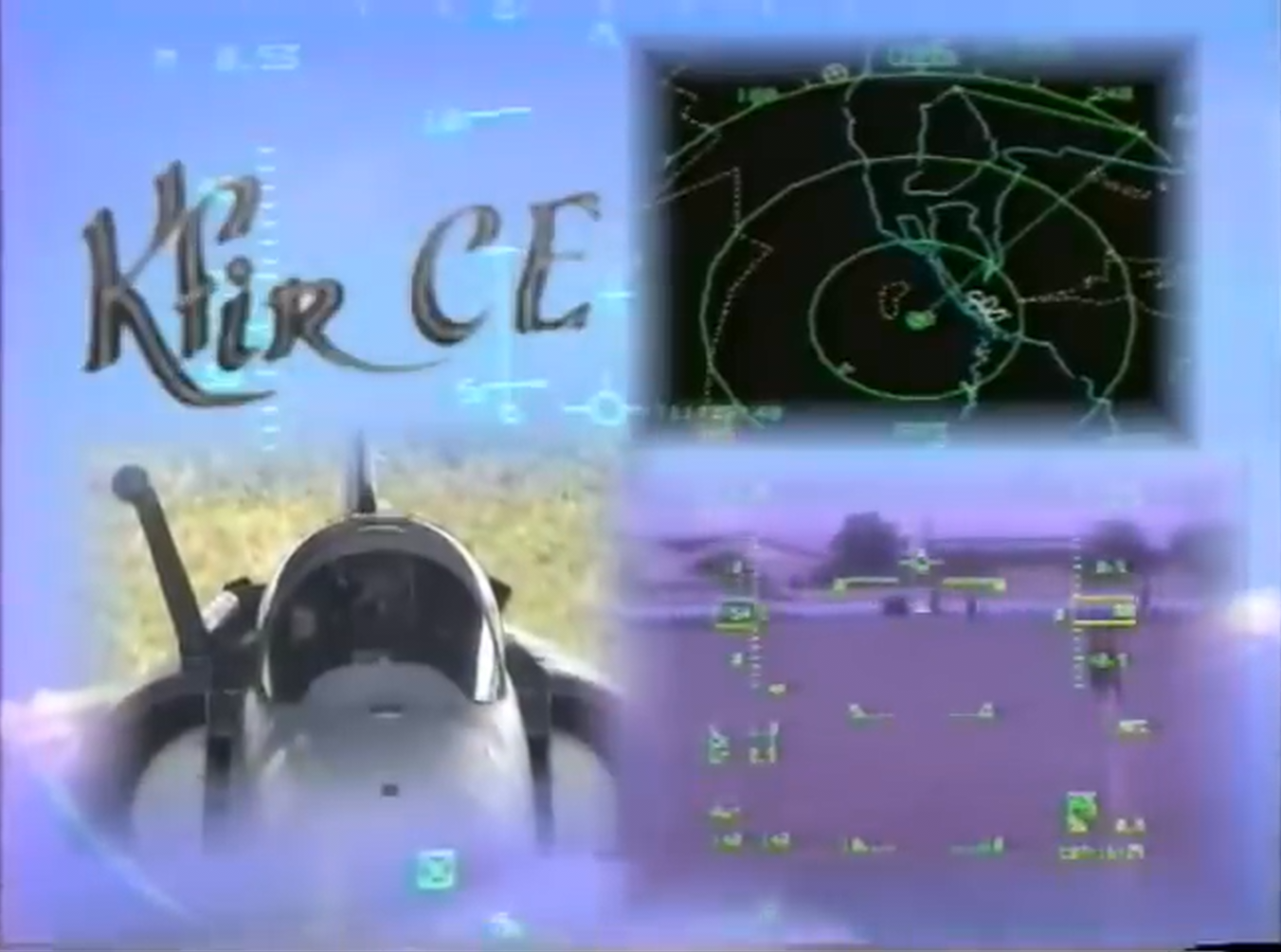
Ecuadorian Air Force Kfir 30th Anniversary video, notice the Tactical Situation Display layout shown at the top right corner, maintaining consistency with the one’s shown before as well as the resemblance with the Atlas Cheetah’s Tactical Situation Display layout.

Author’s Note: For more information regarding the Kfir family of aircraft, please direct your attention to my forum thread where these and many more mentioned capabilities will be mentioned.


Concluding Statement

Content

We can be certainly sure that the Kfir CE, Kfir C.2 and Atlas Cheetah share many avionics and capabilities due to their common Israeli origin and similar overhaul programs.

Due to these similarities I consider it could be possible to contribute findings and information using these alternative aircraft as source material, and which would hopefully mean that, in the near future, once the Atlas Cheetah is added, the Kfir C.2 / C.7’s HUD will be correctly implemented.

Lastly, I would like to encourage everyone to research more in regards to the HMDS’s present, specially the ones provided by Kentron, as the DASH III I’d say is already pretty well documented in the first place, and to research the Python 4 compatibility of the Atlas Cheetah.


Sources

Content

I will be citing every piece of material progressively, as I still have to track down some elements, please pardon me for leaving this section incomplete, it will eventually be filled out completely.

7 Likes

Oh I forgot to also add this:

imagen

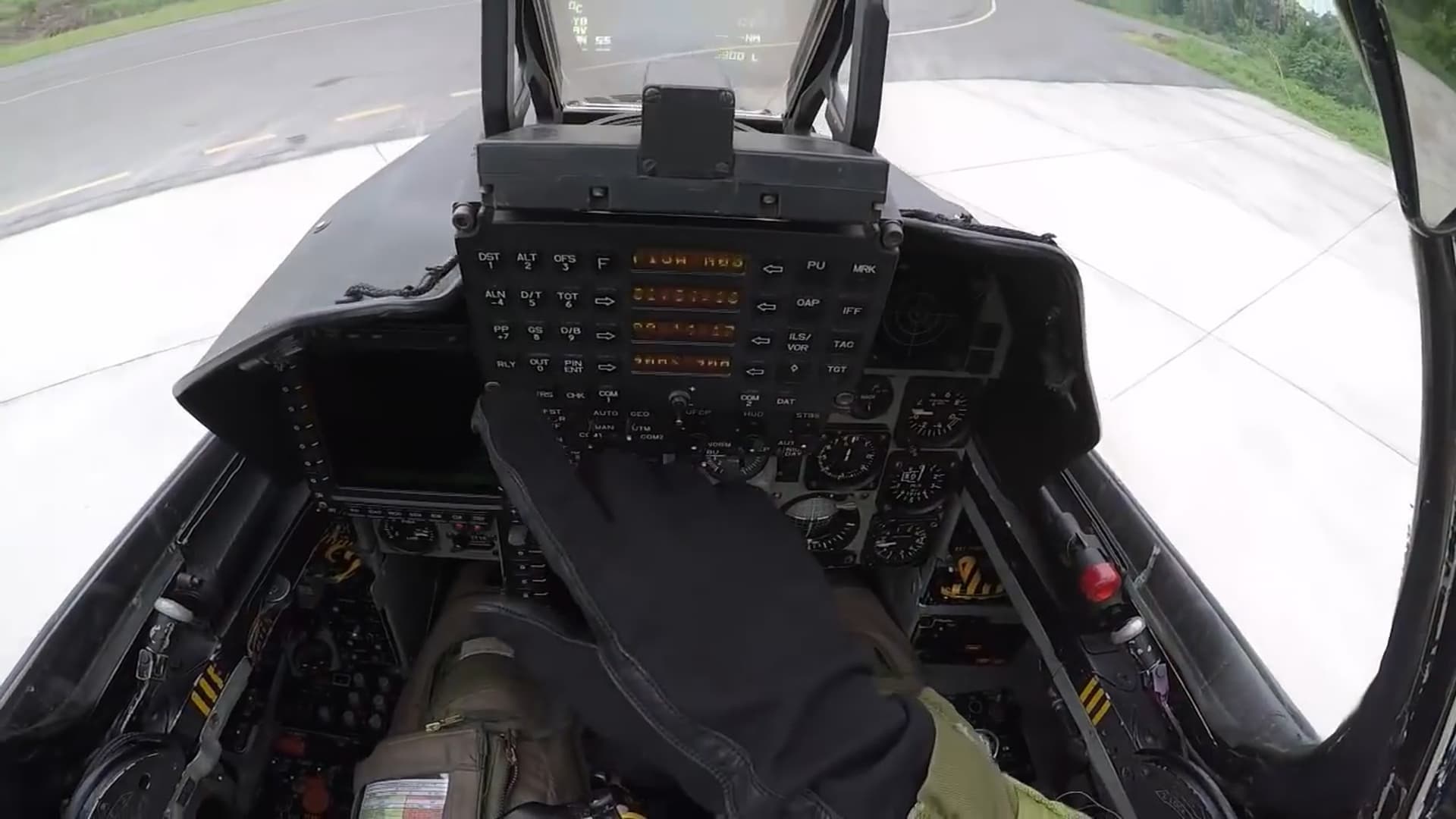
Middle UFCP is the same (or most likely of a similar series) UFCP mounted on the Atlas Cheetah, found on an El-Op (now an Elbit Systems subsidiary) company products brochure.

7 Likes