- Yes - In the Tech Tree.
- Yes - Event/BP.
- Yes - Premium.
- No - I would not like to see HMAS Gayundah in game.
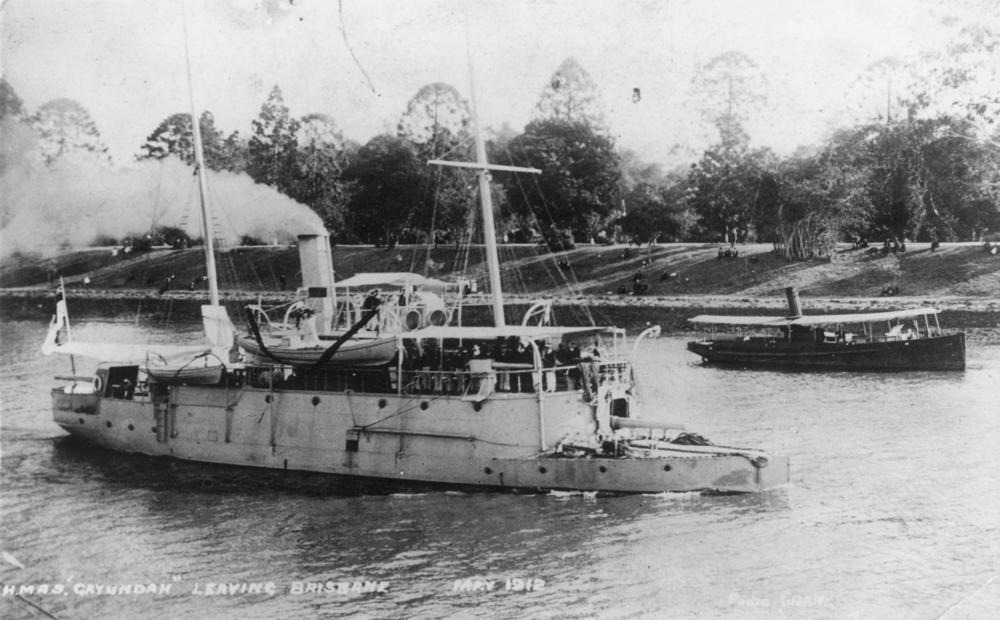
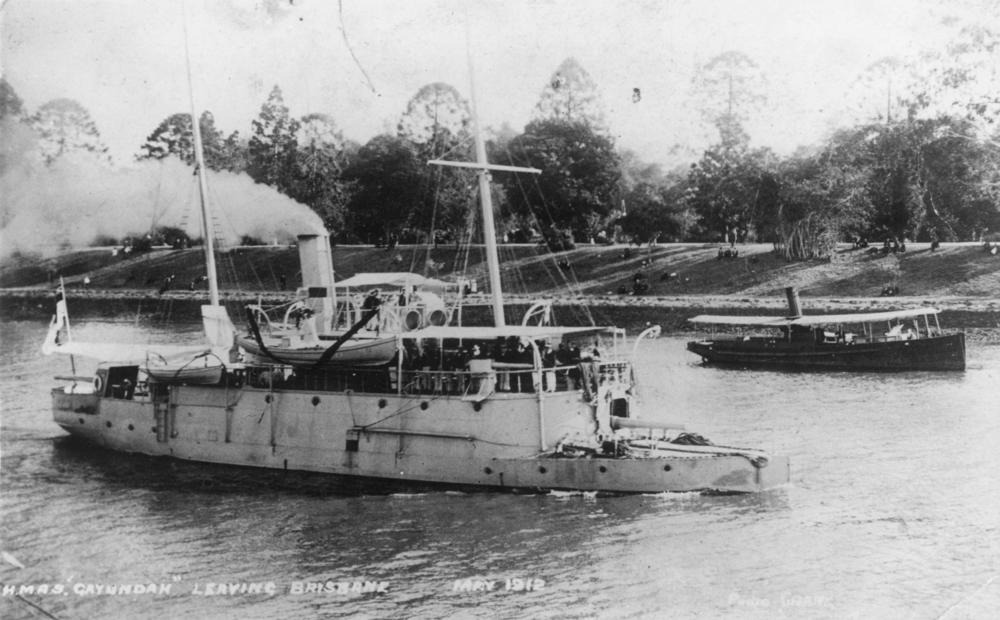
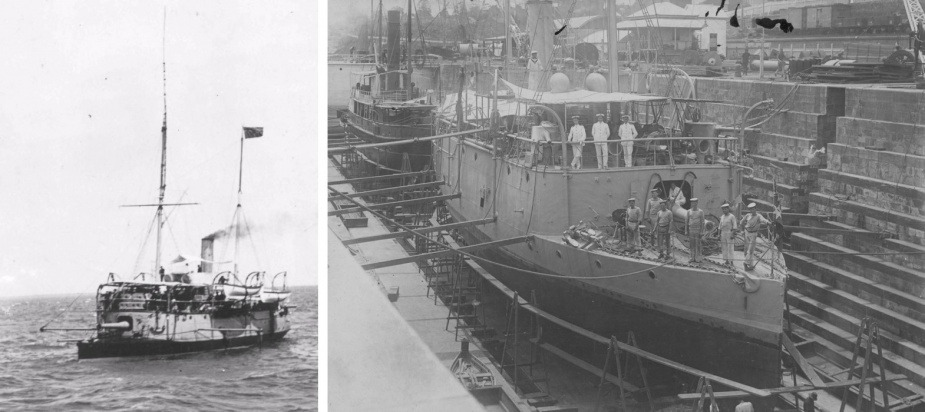
HMAS Gayundah leaving Brisbane, (1912)
Description:
HMAS Gayundah was part of a pair of ‘Flat Iron’ vessels ordered directly for the independent Australian State of Queensland. The pair of B1 type vessel ordered by Queensland, as well as the derivative ordered by the Victorian government, would be acquired as part of the defence boost sought out during the Second Russian Scare, in an attempt to protect local ports and facilities against a perceived threat of a Russian Invasion of both Australia and New Zealand.
These B1 type Flat Iron gunboats would be small yet heavily armed, however not as shallow draft as a monitor, as to allow effective travel between port cities within Queensland. As she was ordered by the independent Australian state of Queensland pre-federation, she would carry the prefix HMQS (His/Her Majesty’s Queensland ship); she was also referenced in reports with the HMCS (His/Her Majesty’s Colonial ship) prefix.
As is common with semi-independent British Colonial navies, the Queenslandic Navy would fall under British Admiralty command in times of War, however it was understood that these vessels would remain on station. In times of peace her operations were controlled by the South Australian Government.
This suggestion is for as she commissioned into the Royal Australian Navy (RAN) in 1911.
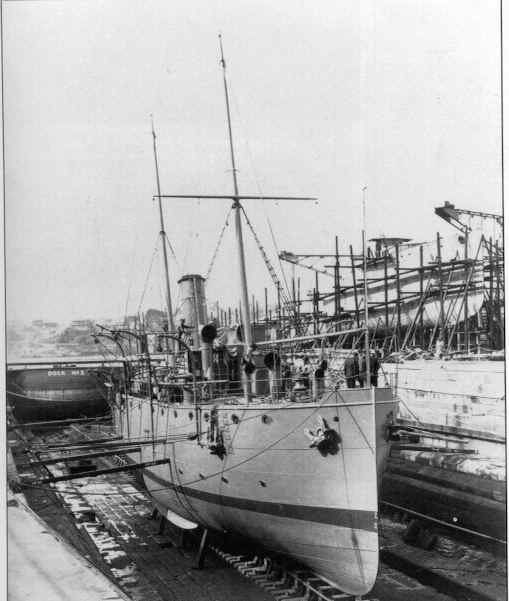
HMAS Gayundah under refit at Cockatoo Island for refit, (1914)

History:
Queensland Maritime Forces Service, and Commonwealth Naval Forces Service:
Laid down by W.G. Armstrong, Mitchell & Co at Newcastle, England, on the 26th of June 1883, she would launch on the 13th of may 1884, finally completing her fitting out and trials, and commissioning on the 28th of October that year. She would sail to Australia in November via the Suez with a schooner-brig rig, (Square rig on the foremast, and fore and aft rigged on the mainmast.) as to save on coal for the voyage.
She would arrive on the 28th of March 1885 at Brisbane. Service would mostly be patrols and training around the Moreton Bay area. As she had been offered for the use of the British Admiralty on the Australia station in 1886, she was permitted to fly the White Ensign. In 1888 however, her captain would refuse to pass on command to his No.1 Lieutenant due to his own dismissal, arguing that he was not under Queensland authority. He would moor the Gayundah in the middle of the Brisbane river and threaten to sail for Victoria. The captain would be arrested by the Police Commissioner.
From September 1892, she would be laid up in reserve due to cost. Although she had paid off for this period of reserve, she would still be crewed as required for training. In 1898 she would recommission under the Queensland Blue Ensign. For this commissioning she would be refitted, replacing her 8-inch main gun with a 6-inch type, and her Nordenfelt 6pdrs were replaced by 12pdrs. She would also replace her 1.5" Nordenfelt MGs with Maxims.
Upon federation of the Australian states in 1901, all naval assets would be combined into a single force. This would be the Commonwealth Naval Forces (CNF), Due to this she would officially gain the prefix HMCS (His/Her Majesty’s Colonial ship). She would however continue operating around Queensland.
In 1903 she would be fitted with a bamboo mast extension for her foremast, allowing for a radio to be fitted with a large aerial. Around this time her yards would be modified, as to no longer allow the use of the sails on the foremast, as it was seen as unnecessary top weight, and inhibited the use of the radio. Her first message to Brisbane read, “Gun drill continued this afternoon and was fairly successful – blowing squally and raining – prize firing tomorrow. Marconi insulators were interfered with by rain but easily rectified and communication since has been good. Good night.”
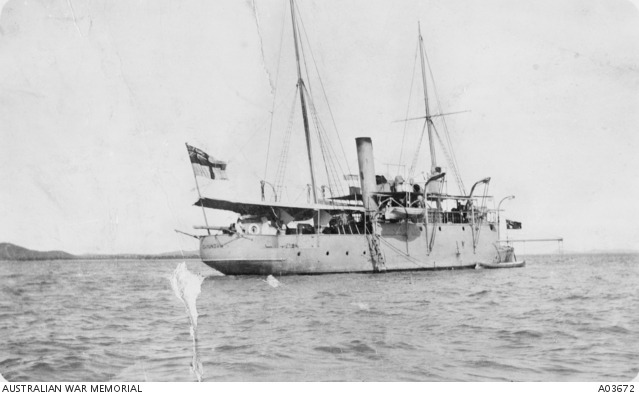
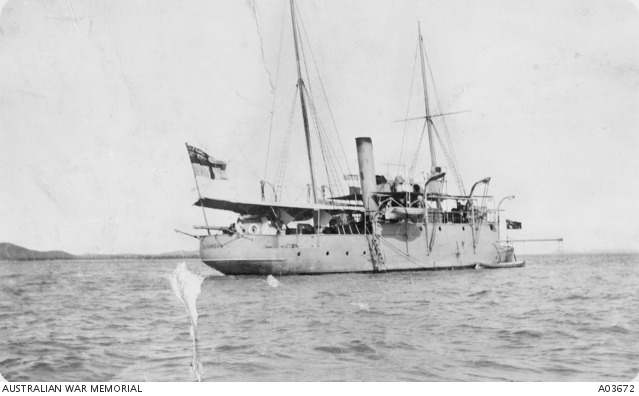
HMAS Gayundah at sea during her WW1 service, (n.d)
Royal Australian Navy and civilian Service:
This would remain so until the creation of the Royal Australian Navy in 1911, when King George V allowed the CNF to use the ‘Royal’ title. Due to this she would recommission with the prefix HMAS, which she would keep for the rest of her military service. After commissioning, she would sail around North Australia, as part of a special cruise as to enforce Australian sovereignty.
In 1913, she would again be in refit, with minor superstructure changes, removal of the fore 6-inch Gun position entirely, being replaced with a raised bow to improve sea keeping, replaced with a single 4.7" gun mounted fore on the deck above. During the First World War (1914-1918), she would perform vessel inspection and guard ship duties, mostly around the Moreton Bay area. In 1915 she would move to Sydney, with one of her 12pdrs being removed for fitting to the HMAS Fantome.
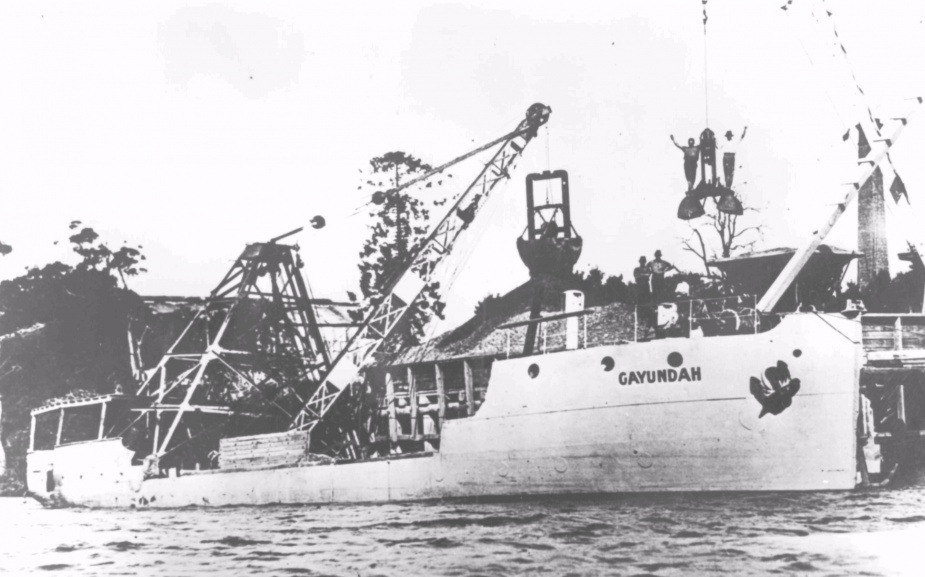
From 1917 to the end of the war she again would assume patrol duties, as the risk of German merchant raiders was high. This period of work would be done in Port Jackson, and later the Spencer Gulf. On the 23rd of August 1918, she would pay off, being sold to the Brisbane Gravel Pty Ltd as a sand and gravel barge in Brisbane. She would sink at her moorings in October 1930, but would be raised.
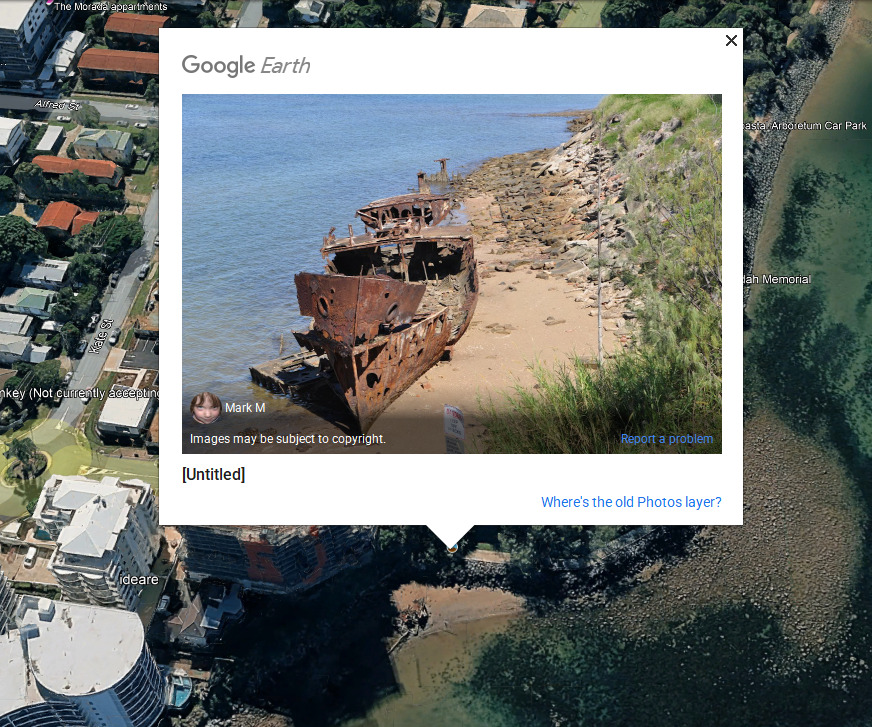
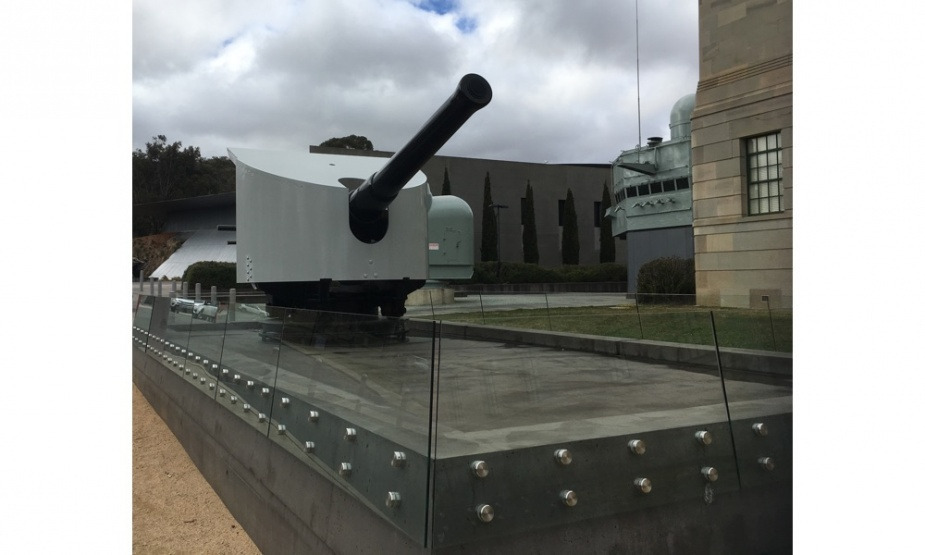
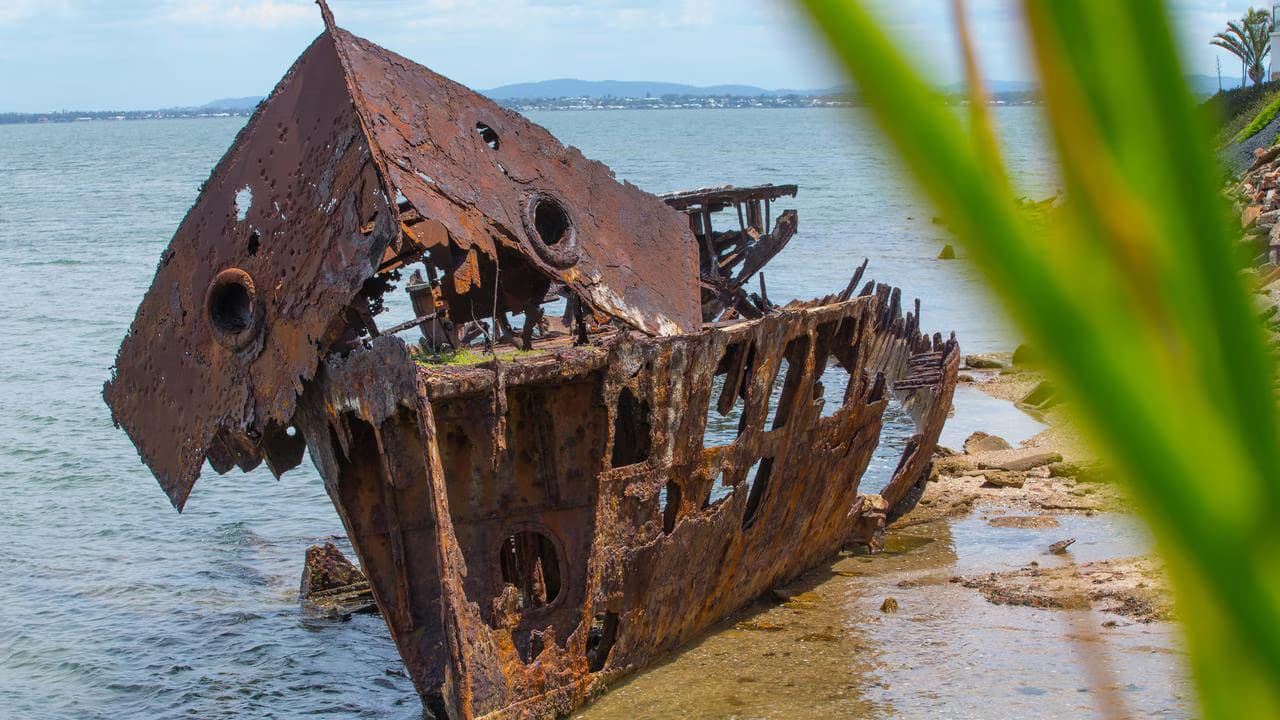
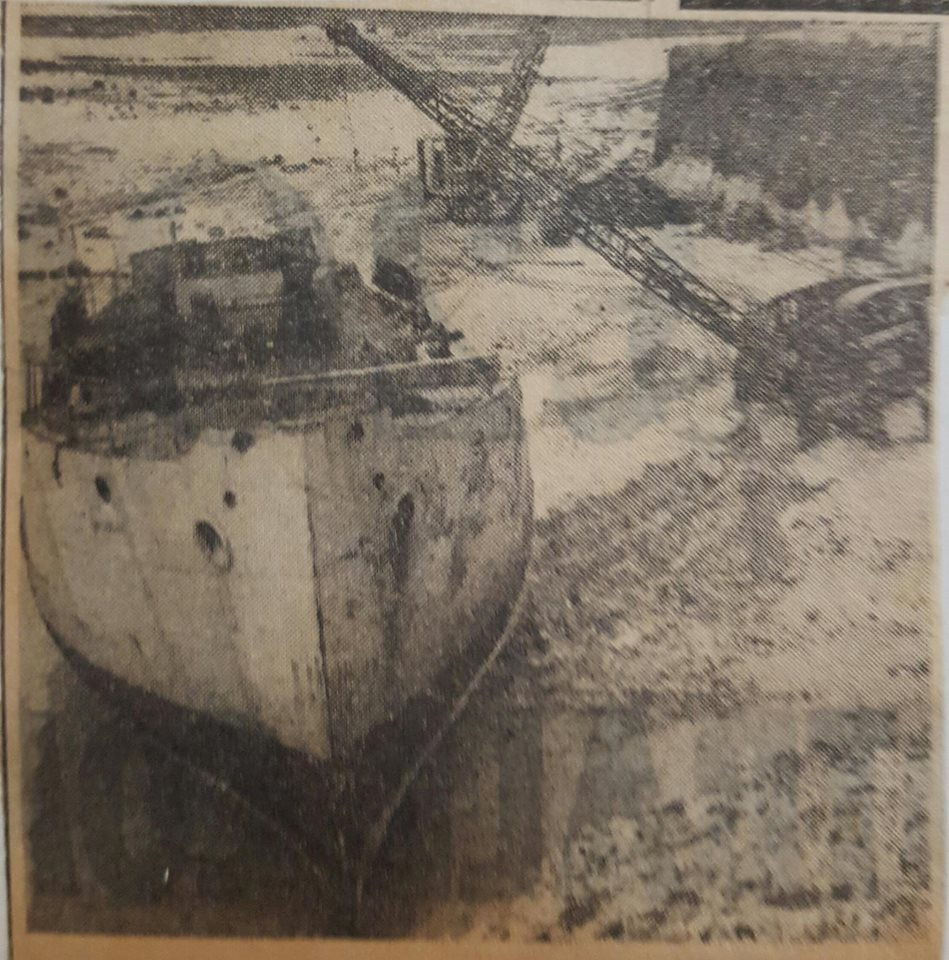
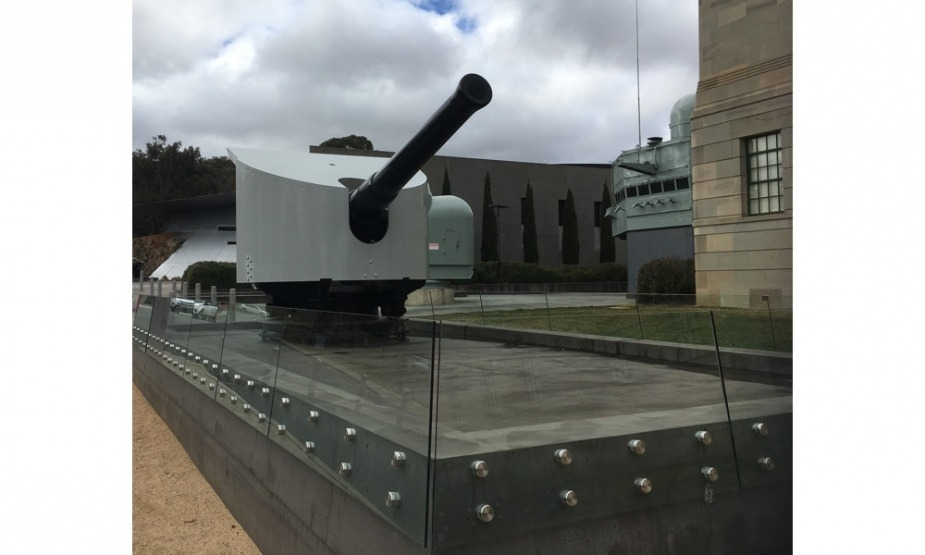
In 1958, she would be towed to a wharf and stripped. Her hulk being sold to the Redcliffe Town Council, on the 2nd of June 1958, she would be beached as a breakwater off Woody Point Cliffs, where she remains visible today. Her 6-inch gun is on display at the Australian War Memorial.
| General Characteristics: | |||||
|---|---|---|---|---|---|
| Name: HMAS Gayundah | |||||
| Country: Australia | |||||
| Type: Gunboat | |||||
| Class name: Armstrong type B1 | |||||
| Year of commission: 1884 | |||||
| Refit: 1911 | |||||
| ----------------------------------------------------------------------------------------------------------------------------------------- | |||||
| Dimensions: | |||||
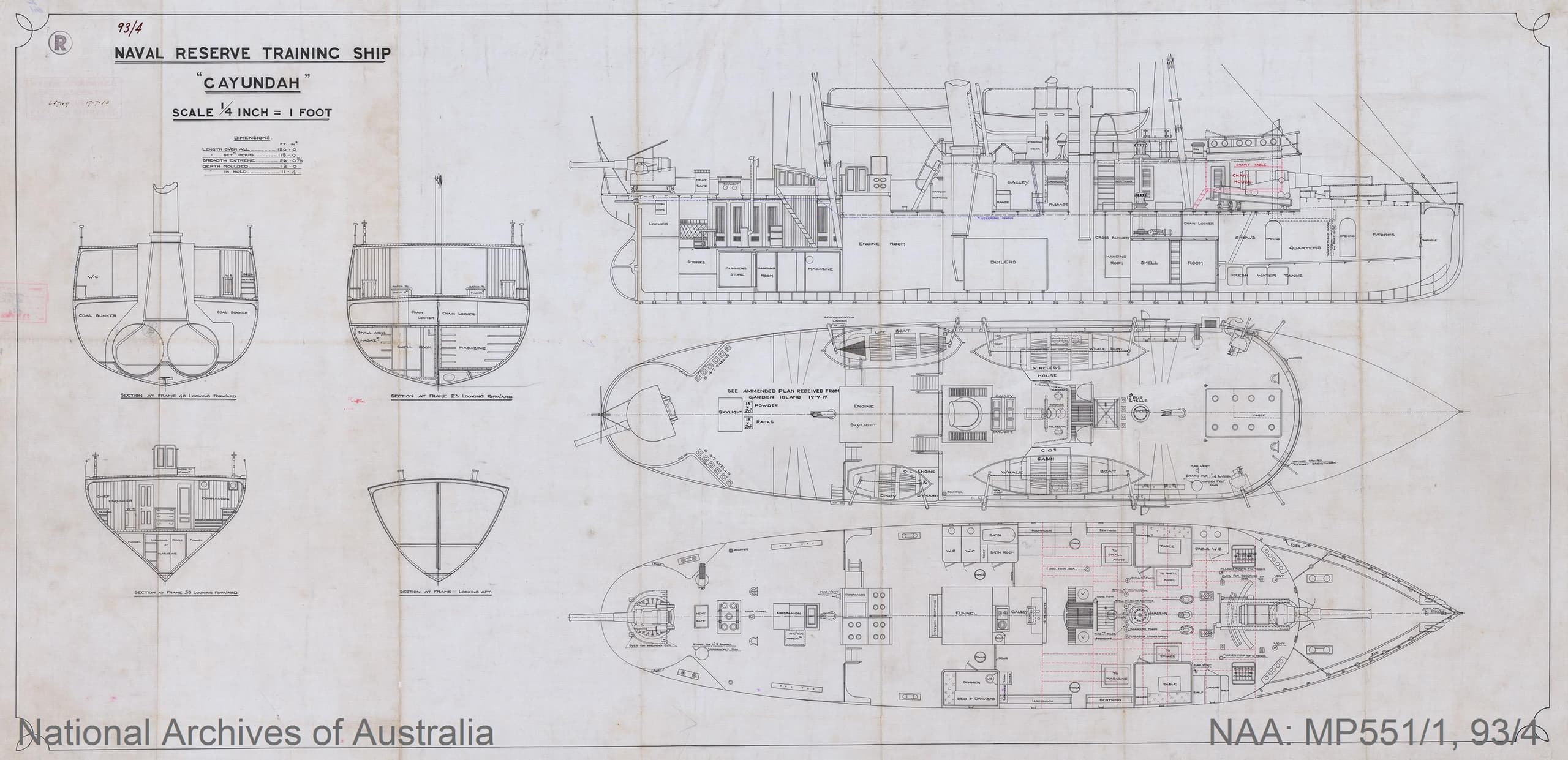
| Length: 120ft (37m) | |||||
| Beam: 26ft (7.9m) | |||||
| Draught: 9ft 6in (2.9m) | |||||
| Displacement: 360t | |||||
| ----------------------------------------------------------------------------------------------------------------------------------------- | |||||
| Propulsion: | |||||
| Powerplant: 2x Compound steam engines, producing 400ihp overall (298kW) across two shafts | |||||
| Speed: 10.5kt | |||||
| Endurance: 608-695nmi, w/ 75t of coal | |||||
| ----------------------------------------------------------------------------------------------------------------------------------------- | |||||
| Armament & sensors: | |||||
| Compliment: 55 | |||||
| Primary armament: 2x1 BL 6-inch Mk.V | |||||
| Secondary armament: 2x1 12pdr 12cwt | |||||
| Tertiary armament: 2x MGs | |||||
| Radar: -nil | |||||
| Sonar: -nil |
The Wreck of the Gayundah sitting in Woody Point.
More photos:
Sources:
Gillett, R. (1983). Australian and New Zealand Warships 1914-1945 (pp.45)
HMQS Gayundah - Wikipedia
https://seapower.navy.gov.au/history/units/hmas-gayundah
Gayundah – HMQS Gayundah