Analyzing the Missile Loadout Capacity of Chinese Flanker Variants Based on Pylon Models

Chinese military publicity rarely showcases images of fighters in fully loaded configurations, making it difficult to ascertain the maximum loadout capabilities of these aircraft. However, much like how in-game weapons such as the KH38 missile can have their loadout schemes inferred from pylon models, we can also draw conclusions about the maximum loadout capacity of Chinese fighters by examining the limited available photos that reveal their pylon types.

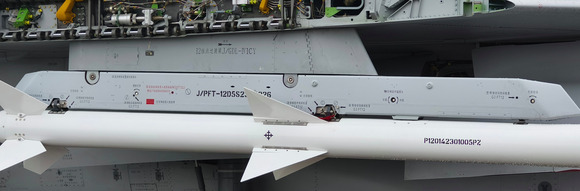
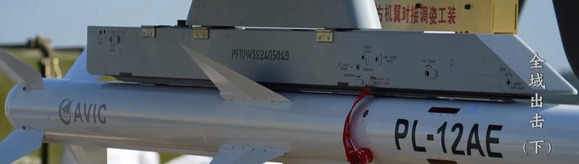
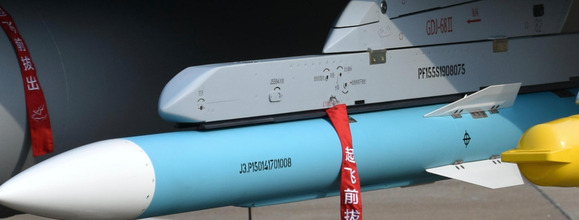
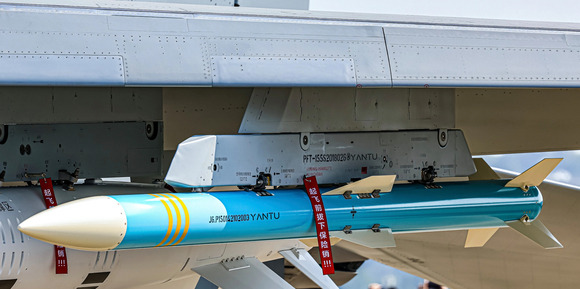
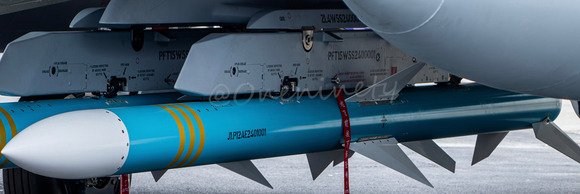
First, we should catalog the commonly used pylon models on Chinese aircraft. Those designed for medium-range missiles (such as PL-12/PL-15) include:
PF12,
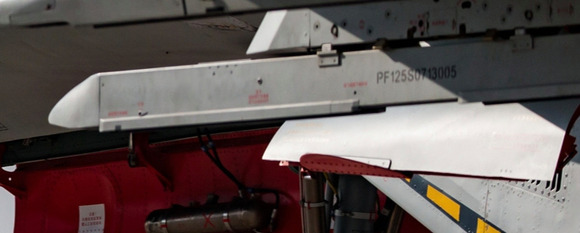
image

PFT12
image

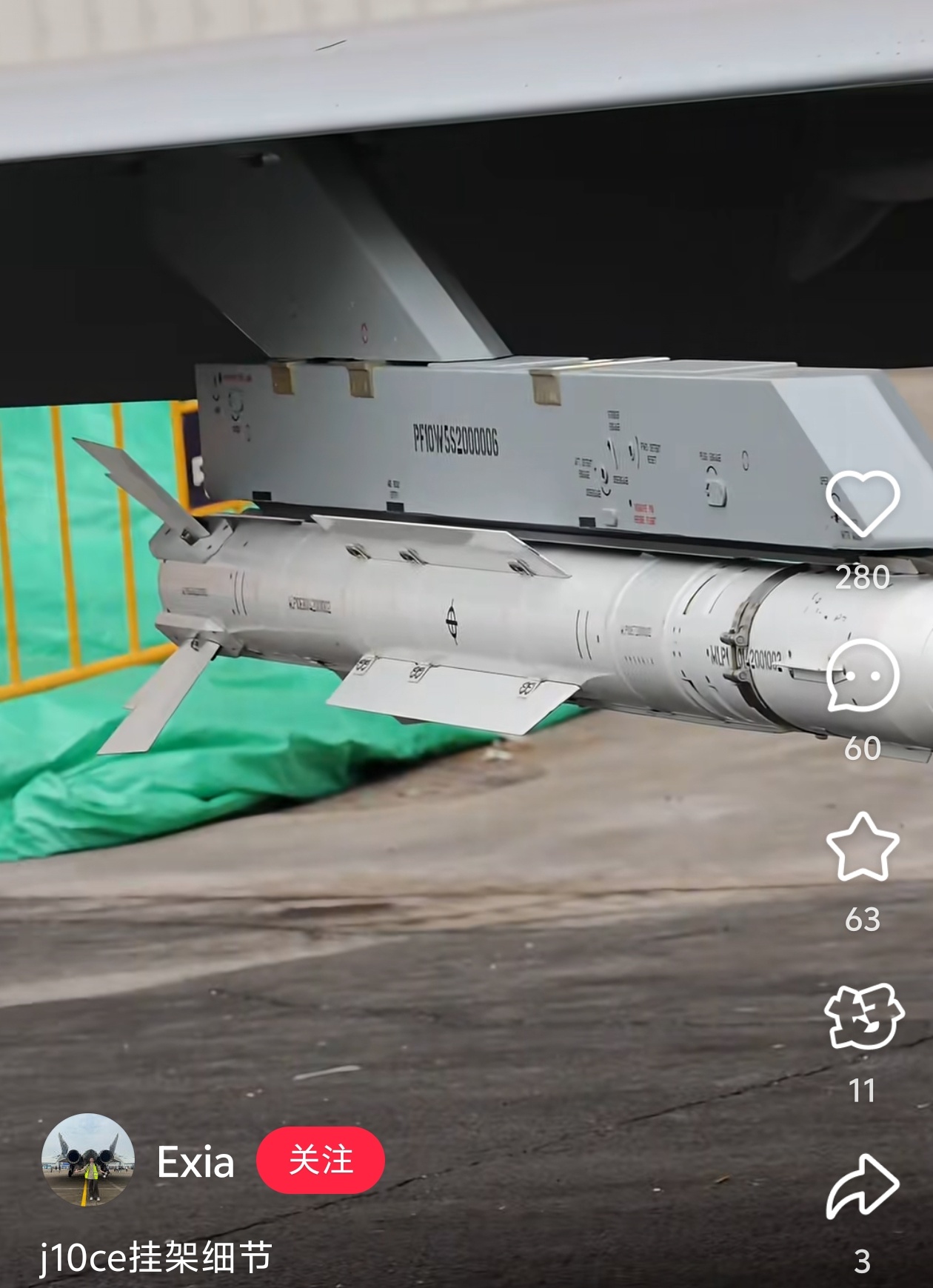
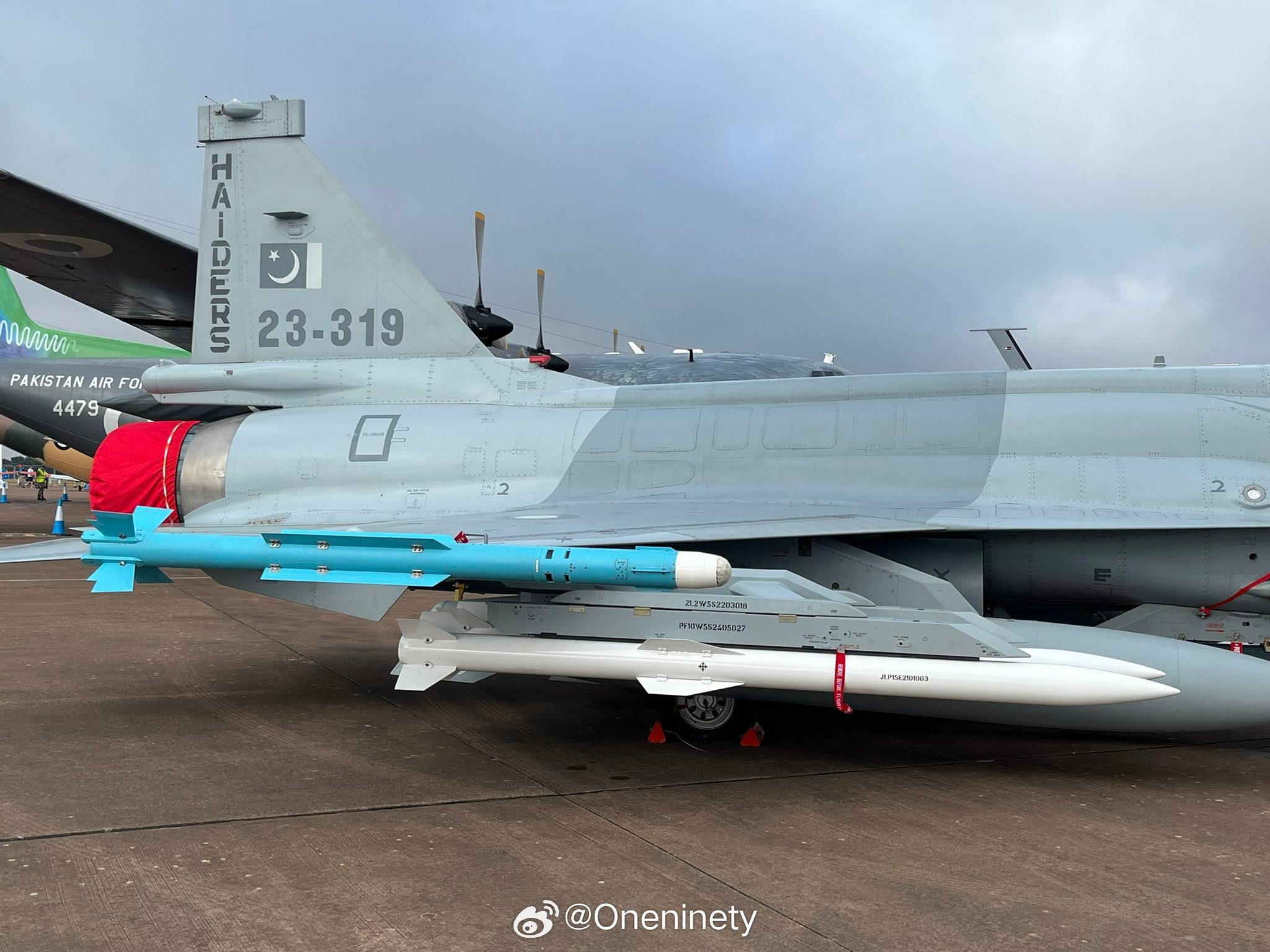
PF10W,
image
image

PF15,
image

PFT15.
image
image

In the game, many Russian Flanker variants are capable of carrying R-77/-1 missiles at the wing Station 2, replacing the typical R-73.
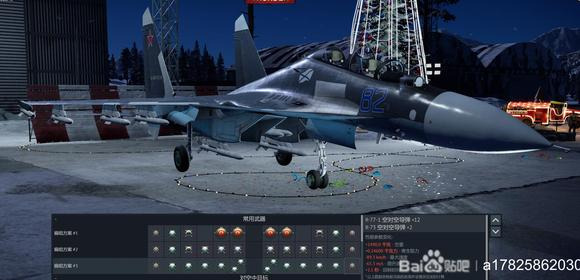
image

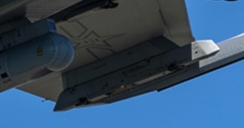
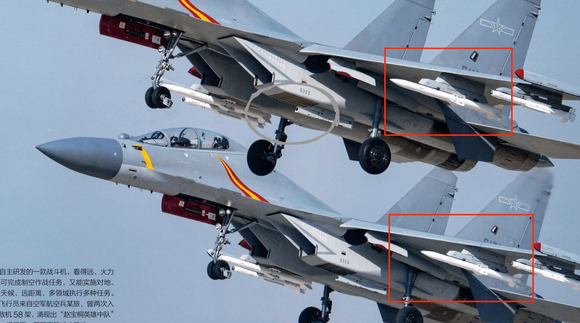
However, in most available photos of Chinese Flankers carrying ordnance, it is rare to see PL-12/PL-15 missiles mounted at wing Station 2 in place of PL-8/PL-10. Yet, from other clear images of aircraft in clean configurations, we can observe that more advanced Chinese Flanker variants like the J-16 and J-15 are fully equipped to utilize the PFT15 pylon at wing Station 2.
image
image
image
image

This confirms that medium-range missiles like the PL-12/PL-15 can indeed be employed at this station, allowing these aircraft to achieve a “10+2” missile loadout configuration without relying on dual-rail compound pylons.

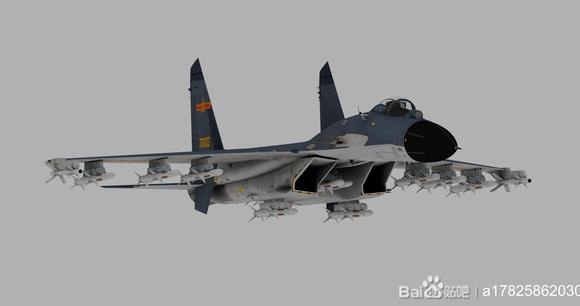
Let’s take it a step further and explore what it would look like if—similar to the in-game Su-27SM—a dual-rail pylon were used on the fuselage station.image
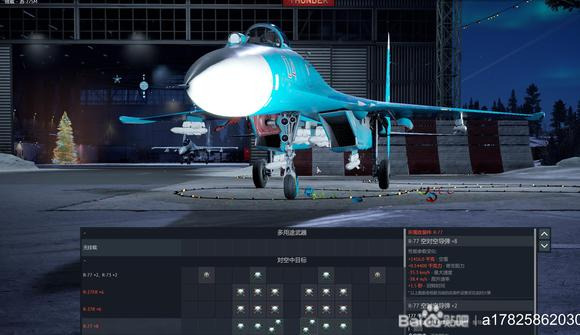
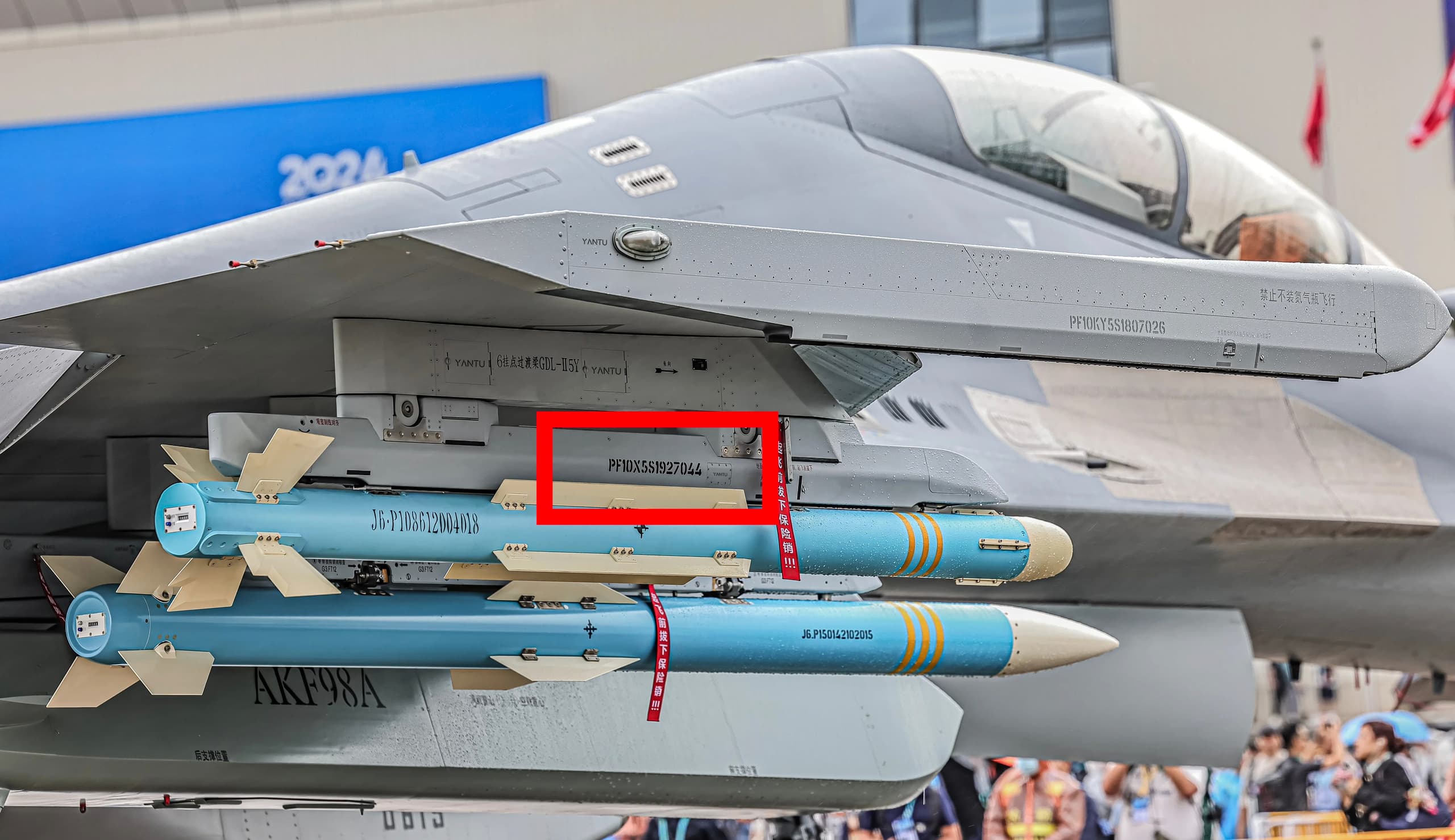
The PFT15 pylon, which can be employed on the J-16, is also incorporated into the composite pylon of the J-10C.
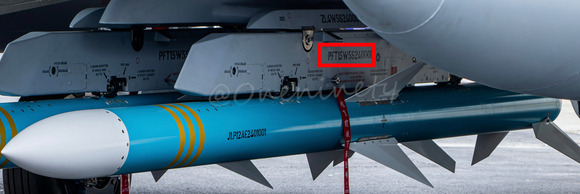
image

As shown in the game files, here are the models of the dual-rail pylons used for the R-77/-1 and the PL‑12.
image
By comparison, the dual-rail pylon designed for the PL‑12 is more compact and lighter.

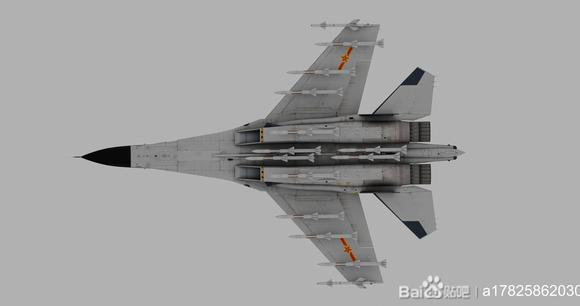
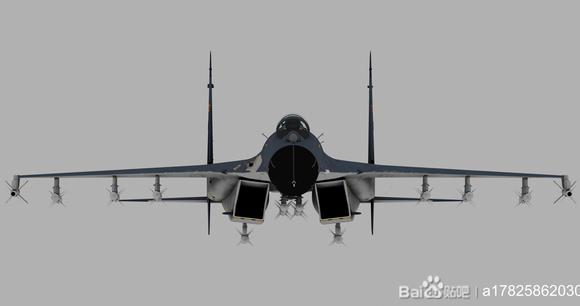
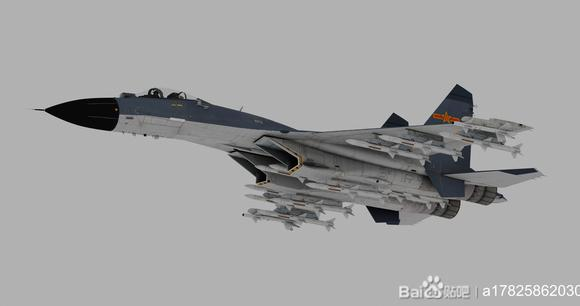
By modifying the model files, we can observe that when the Su-27 series fighters are equipped with dual‑rail pylons carrying the PL‑12, there is no spatial conflict whatsoever.
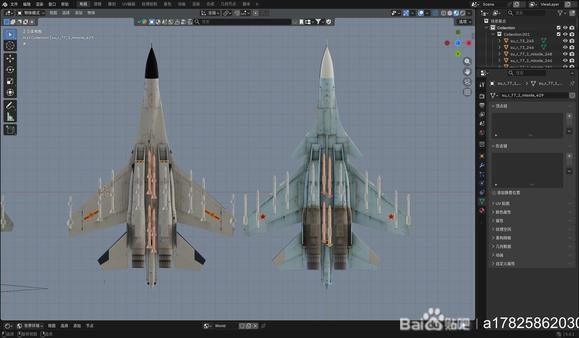
image
If this configuration is combined with the use of wing Station 2—as seen on aircraft like the J‑16 and J‑15—these Chinese Flanker variants could theoretically achieve the same “12+2” missile loadout arrangement as their Russian counterparts.
image
image
image
image

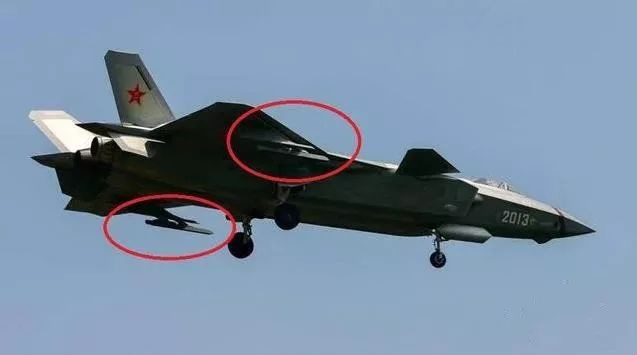
Now, there remains one more issue: the dual-rail pylon for the PL‑12 mentioned earlier is used by the J‑10C in reality, and there are also photos of the J‑20 employing this pylon.
image
However, no photos show Chinese Flanker variants using this composite pylon in actual service.

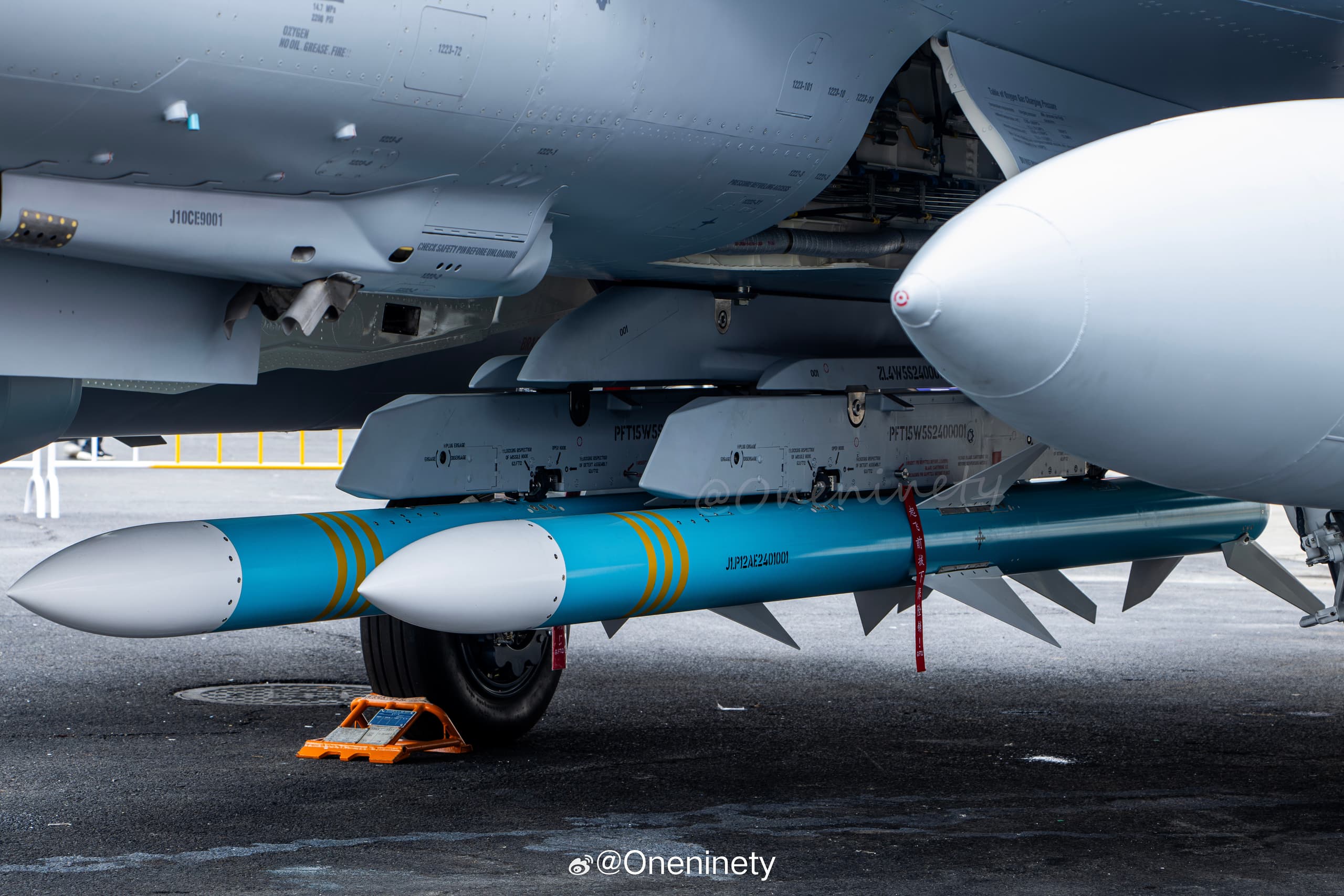
Using this as grounds to deny Chinese Flankers the capability to mount dual‑rail pylons in the game would be both unreasonable and unfair. This is because the in-game Su‑27SM and Su‑30 likewise lack real‑world photos of them using dual‑rail pylons—the dual‑rail pylons equipped on them in the game are in reality used by the Su‑35 fighter. Just like the PL‑12 dual‑rail pylon I compared is actually deployed on the J‑10CE and J‑20, if the Su‑27SM can use the Su‑35’s dual‑rail pylon in the game, then by the same logic, Chinese Flanker variants should also be able to use the J‑10C’s dual‑rail pylon.
20 Likes

one difference, the su-35 was a development of the su-27, while j-16 and other chinese flankers bear no lineage similarity to the j-10c and j-20 other than being made by the same country. Im pretty sure the j-10c/j-20 and the j-16 aren’t even made by the same company unlike all the russian flanker variants.

However, the airframe structure of the Su-35 is not entirely identical to that of the Su-27. The modified airframe of the Su-35 features an additional pair of hardpoints, enhanced structural integrity, and the ability to carry heavier ordnance.

Moreover, as you may know, the Su-35, Su-27SM, and Su-30SM are not all designed and produced by the same factory. Just as they all belong to the Sukhoi design bureau, the J-15/J-16 and J-10/J-20 all fall under the umbrella of AVIC. Given their shared lineage in avionics architecture, their fire control systems possess software-level compatibility that allows for the integration of the vast majority of munitions.

6 Likes

The relationship between Shenyang and Chengdu is no more distant than that between the Komsomolsk-on-Amur Aircraft Plant and the Irkutsk Aviation Plant. Shenyang, Chengdu, Hongdu, and Xi’an all belong to AVIC. They merely have different production specializations, while their technologies are largely shared. In fact, production of the J-10C has even been transferred to Hongdu.

4 Likes

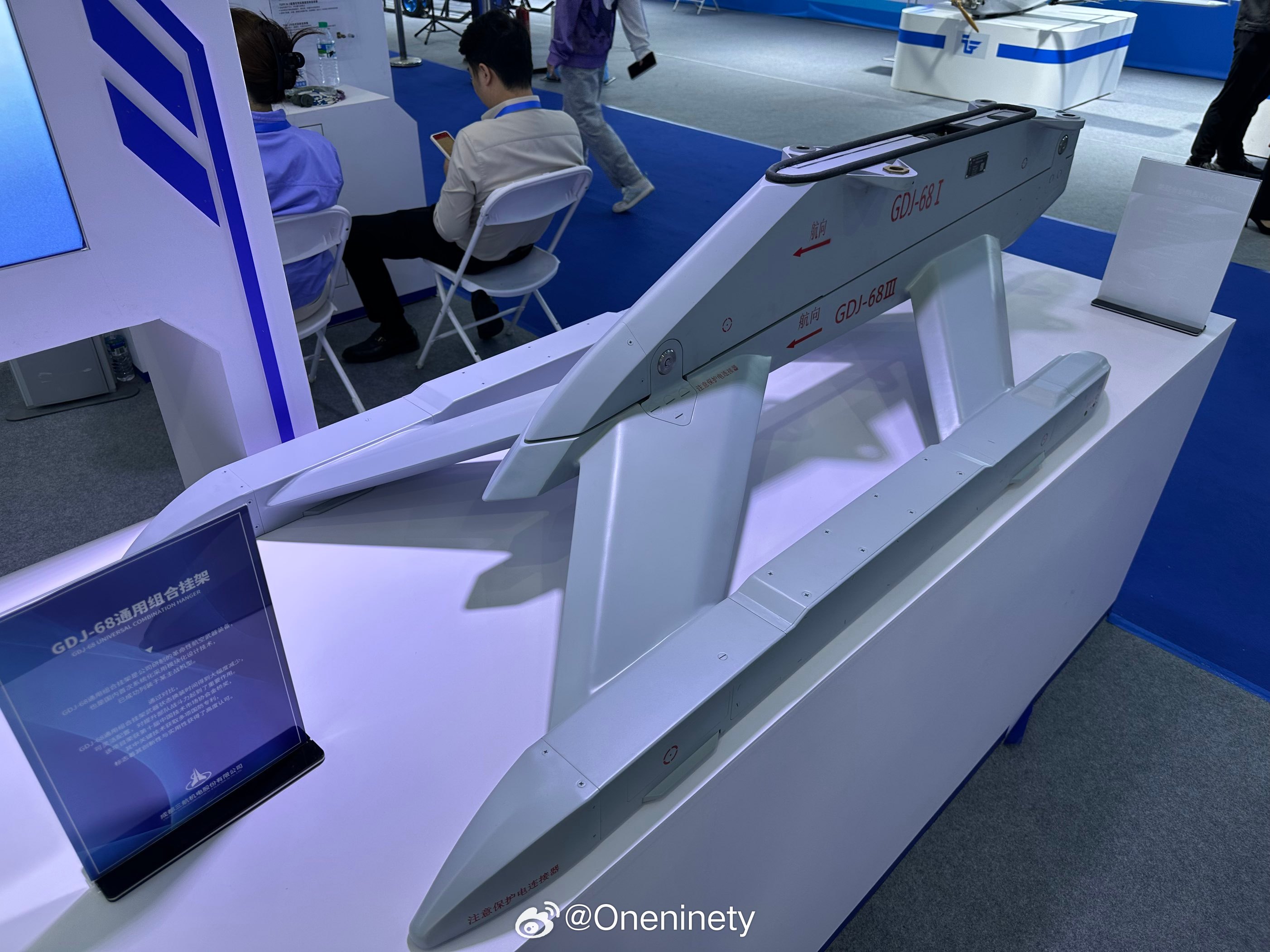
China’s underlying pylon system is universal and is not tied to a specific aircraft manufacturer. To adapt to nearly all other weapon pylons, you generally only need to add a universal adapter pylon to the missile rail. If the airframe is compatible, the weapon pylon can be installed directly.

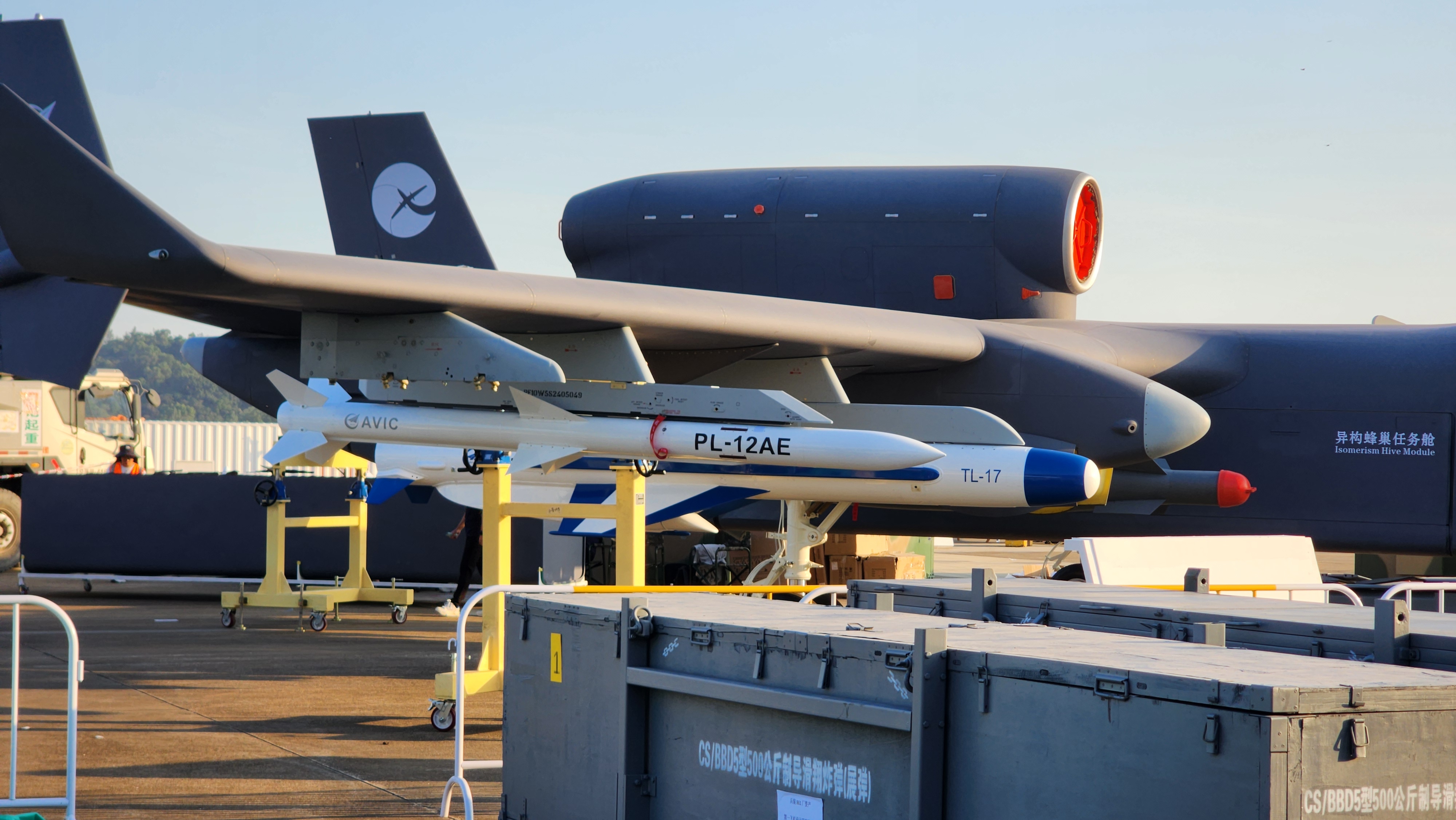
For example, the J-10’s GDJ-68 Universal Combination Pylon acts as the primary pylon level. It connects to other weapon pylons underneath it, forming a chain like this: GDJ-68 Ⅰ → GDJ-68 Ⅲ → PFT-15/pf10w (Pylon) → PL-12AE (Missile).

gdj-68 pylon


(The manufacturer of this pylon is: Chengdu Sanhang Electromechanical Co., Ltd.)

7 Likes

you can also see that the J-16 and J-10C use the PF10x pylon for pl10

pf10x


j16

j10c

It’s even used across different aircraft types (JF-17 Block III, J-10CE, UAV) for carrying both FOX-1 and FOX-3 missiles, designated as the PF10w

pf10w


j10ce with pl10 on pf10w

jf17 with pl15e on pf10w

uav with pl12ae on pf10w

The only difference lies in the primary pylon, which is the “suspension point adapter beam.” China’s weapon integration capability is remarkably strong. It’s already well-known that the PLAAF has integrated the PL-12 missile onto the Su-30MKK/MK2 fighters purchased from Russia. In the game, the Chinese premium Su-30MKK can indeed be equipped with the PL-12.

6 Likes

根据issue区管理员的说法,只要理论技术可行就可以给,那中系j16也应该有12+2

2 Likes

use english please

You’re missing something here—not all Flankers are made in one place. For example, the SU-30SM/SM2 comes from the Irkutsk Aviation Plant, while the Su-30MKK/MK2 and Russia’s own SU-30M2 are built by the Komsomolsk-on-Amur Gagarin Aircraft Plant.

2 Likes

Frankly, I don’t expect the J-11B to be equipped with this dual-rail pylon. Its current performance at BR 13.7 is already quite decent. Our discussion is meant to serve as a reference for future in-game additions such as the J-16, J-11D, and J-15. In reality, these aircraft have undergone structural strengthening similar to that of the Su-35, with added hardpoints and increased load capacity. If they could be paired with this dual-rail pylon upon their introduction to the game, they would be better positioned in terms of performance and role to match up against Russian counterparts like the Su-30SM2 and Su-35.

1 Like

I would rather have dual rail on j-11a and have it like up to 13.7.
Right now it is BY far the best 13.3 km arb, it’s super OP

To be honest, I suspect that the J-11A is too outdated and may not even be technically feasible. It should be noted that both the body and fire control of the J-11A are basically the same as the original J-11 and Su-27. Its compatibility with the R77 relies on the modification of the Belarusian smile, which may cause it to mistakenly recognize the R77 as completed by the R27. If the R27 does not have dual tracks, the J-11A may not be technically feasible
Besides, the strongest aircraft in 13.3 should be SU30MKK. With the same radar and heavier body, PL12 has better overall performance and more quantity than R77, as well as good ground handling capability

1 Like

Su-30MKK:

1 Like

Na su-30mkk don’t have maws and is fat.
J11a more maneuverable and it’s rwr is spherical with maws which makes it easier to notch than with l-150 on su-30mkk