Please note that this is only a draft/backup for my suggestion, suggestion was sent to suggestions and is pending
History
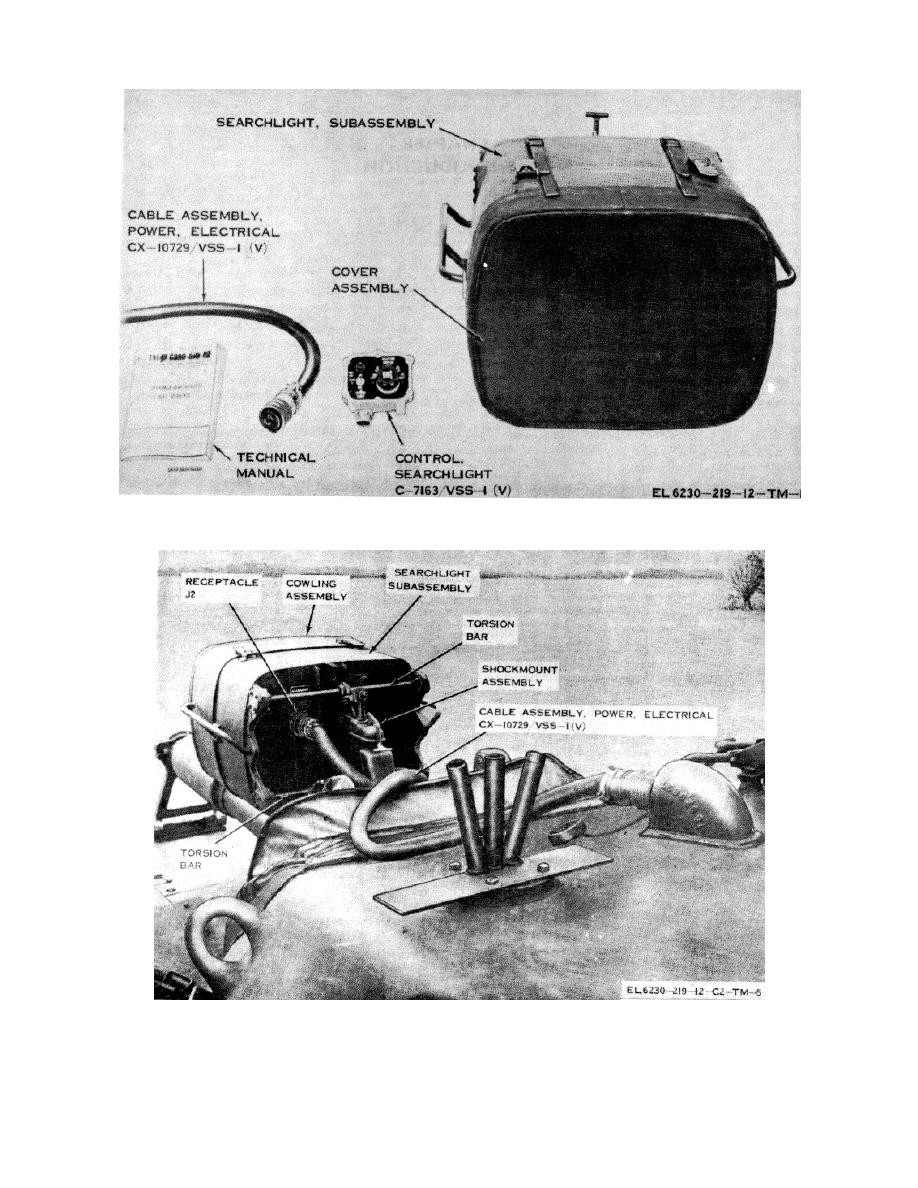
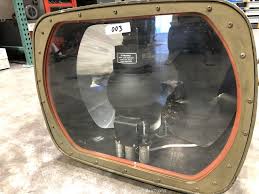
The AN/VSS-1 Xenon spotlight emerged during the Cold War era as a crucial piece of equipment designed to enhance the night-fighting capabilities of US armored vehicles. Before the widespread adoption of modern passive thermal imaging systems, illuminating targets at night for identification and engagement was a significant tactical challenge. The AN/VSS-1, utilizing a powerful Xenon short-arc lamp, was developed to bridge this gap. Its design, capable of providing both intense white light illumination and an invisible infrared (IR) beam via a motorized filter, allowed tank crews to engage targets using early, active IR night vision devices (NVDs) without fully exposing themselves to the naked eye.
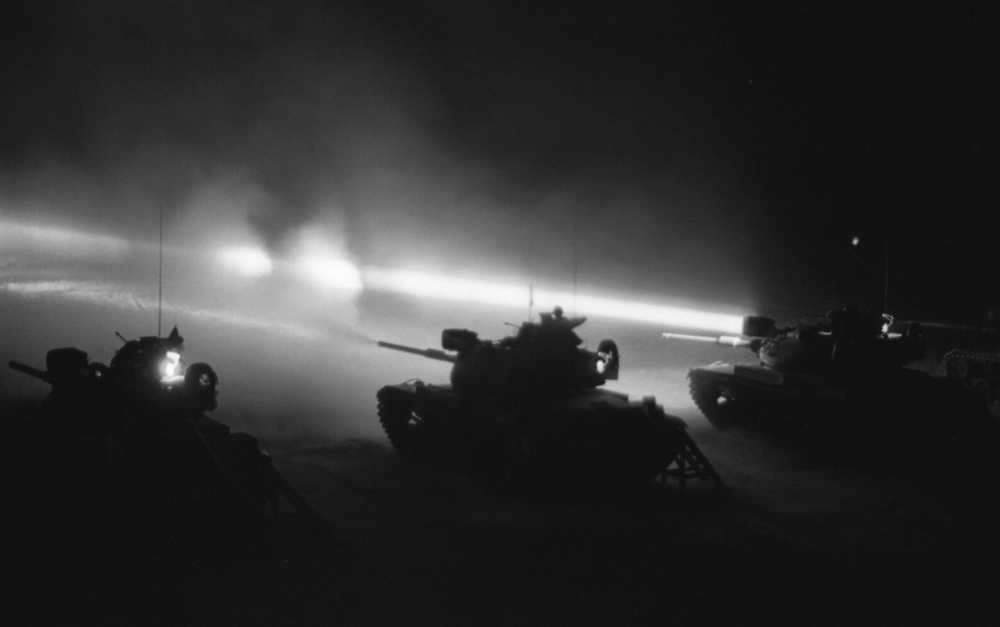
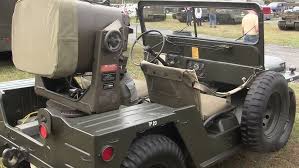
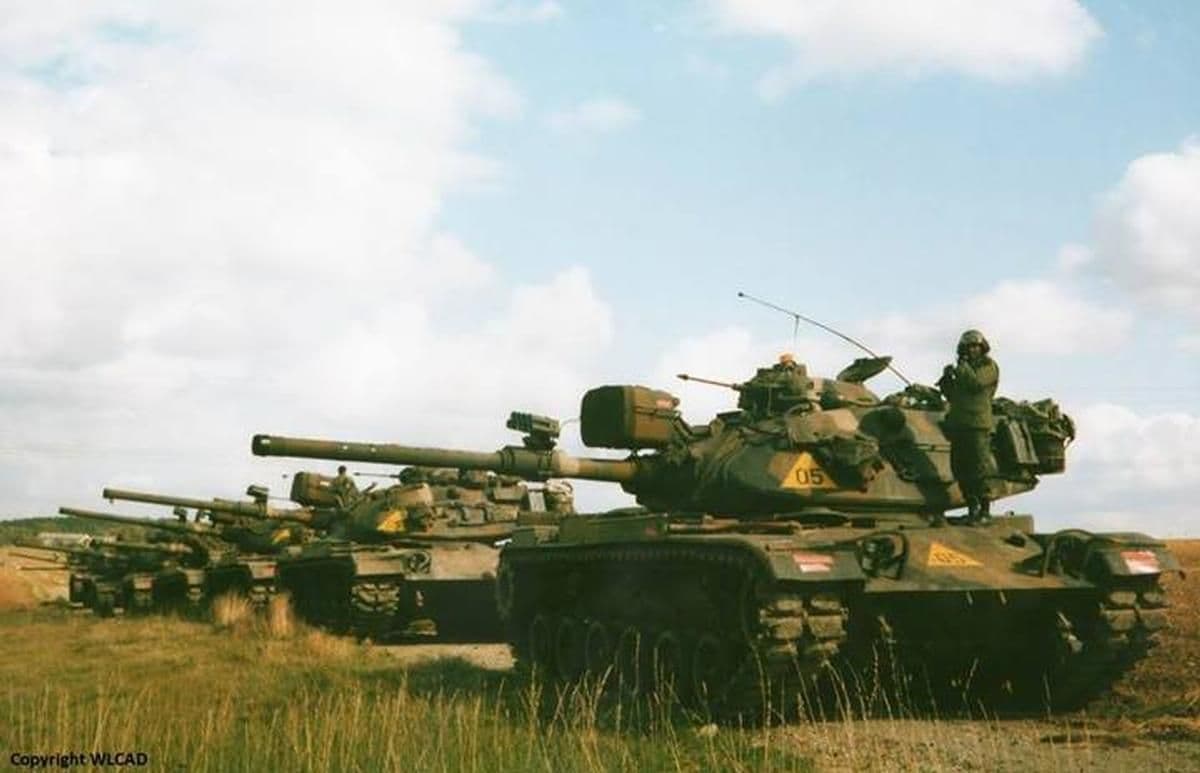
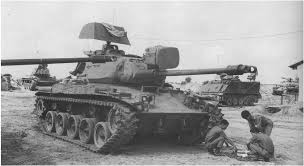
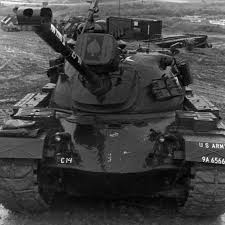
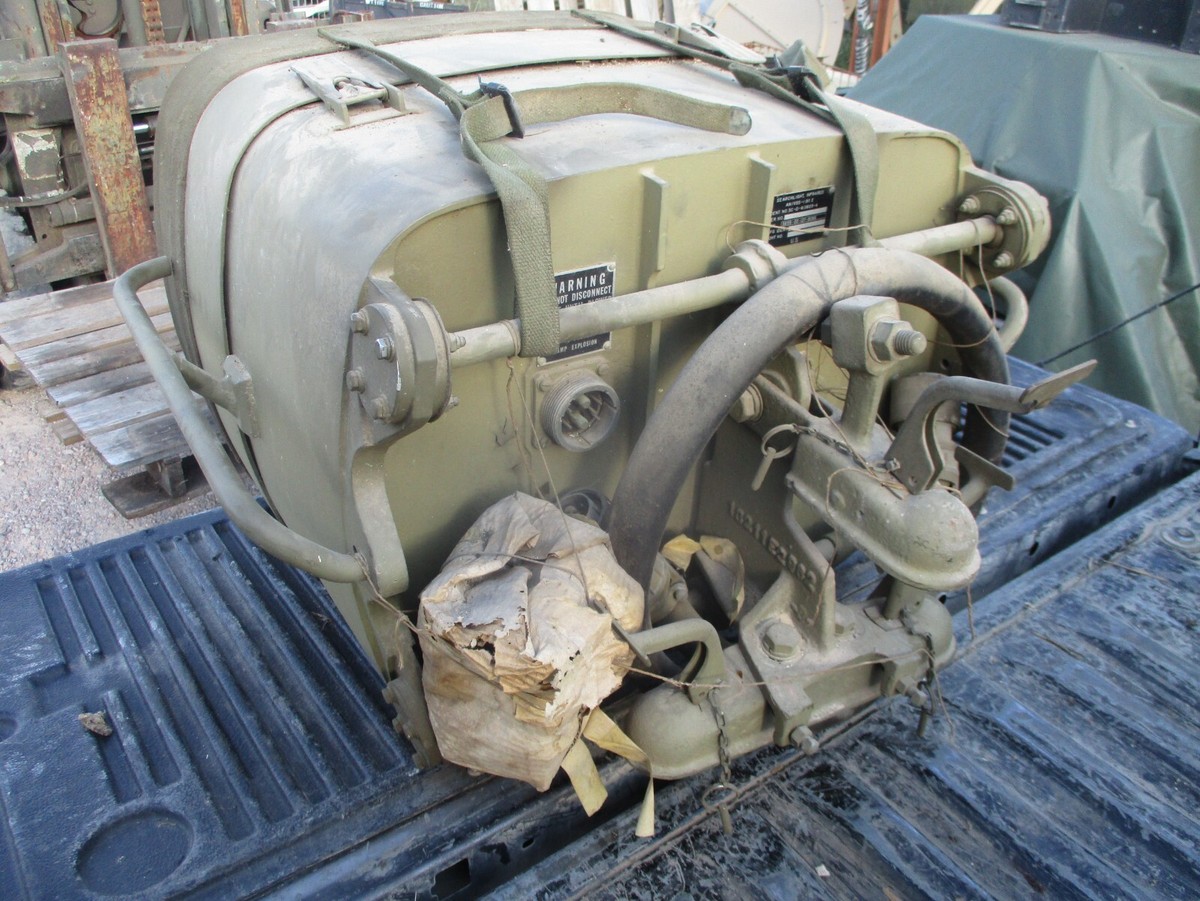
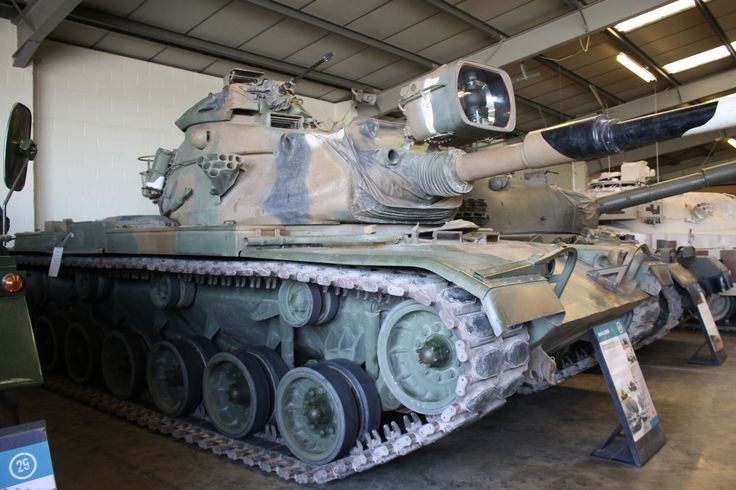
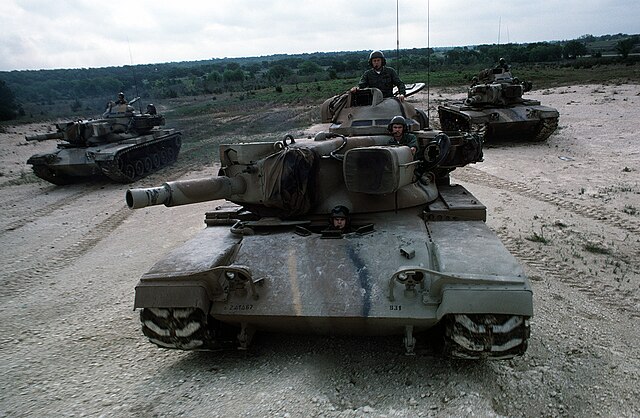
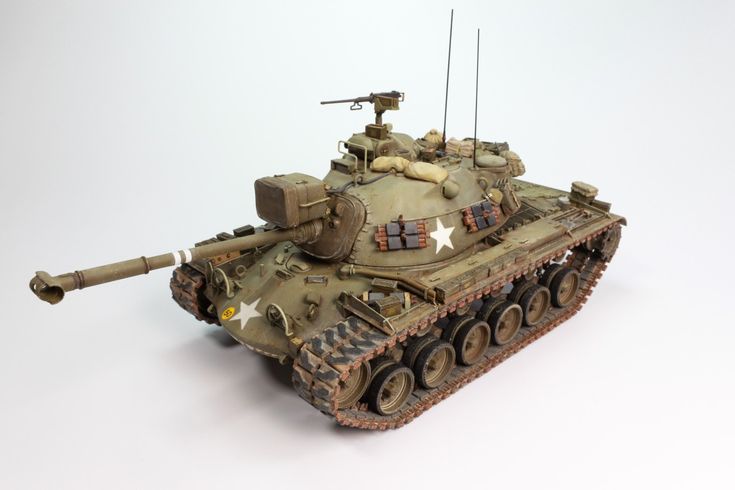
The spotlight was often mounted coaxially above the main gun of several US tanks, such as the M48 (excluding the A1) and the M60 series, and strangely, it was at one point mounted to the M41 as well. The AN/VSS-1, often the larger, square model, was a significant fixture on the M48A3 and early M60/M60A1/A2 variants, allowing them to participate in night combat scenarios. The light unit was engineered to be robust and complex, incorporating a motor-driven variable focus reflector and an air-to-air heat exchanger. This system delivered an output of approximately*100 million to 150 million candlepower (candela) in its “Overdrive” mode, drawing substantial power (around 100-140 Amps) from the tank’s 28-volt DC system. (please note that this exceeds the brightness of the sun)
Operational usage dictated that the AN/VSS-1 be used strategically, as employing the light, especially in white-light mode, immediately betrayed the tank’s position. The IR mode was less conspicuous but still an “active” system, meaning it needed the spotlight to be on to work, making the tank detectable to enemies also equipped with IR sights. The light’s primary function in the IR mode was to provide a tight, powerful beam (as narrow as 0.5 degrees) to illuminate targets for the gunner’s IR night sight at long ranges, for direct fire. The light also featured a wide-beam “flood” setting for improved situational awareness. Strangely enough, the 1978 Field Gunnery manual also mentions using the spotlight by reflecting it off cloud cover to illuminate an area indirectly.
As technology progressed, the role of the AN/VSS-1 began to diminish. While a smaller, lighter successor, the AN/VSS-3A, saw deployment, the ultimate replacement for active illumination came in the form of passive thermal imaging systems (e.g., the Tank Thermal Sight or TTS), which could “see” based on heat signatures without emitting any detectable light. By the mid-to-late 1980s, the M60A3 tanks equipped with TTS rendered the Xenon searchlight largely obsolete in US service, marking the end of its frontline era. Despite this, the AN/VSS-1 remains an extremely iconic feature of early Cold War armored vehicles, representing a critical stepping stone in the development of modern night vision technology.
In game implementation
Now, as to how it would be acquired, I propose that it be unlocked with only one piece available and it be unlocked upon getting A) 100 kills with any tank from the M48/M60 family of tanks (including other nations versions or derivatives), or B) reach rank 5 in the US ground TT.
Sources:
1978 Field Gunnery Manual
TM-11-5855-250-12


- yes
- no