In top-tier or near-top-tier matches, air-to-ground missiles have always been a topic worth discussing. In the game, Russia is the primary user of air-to-ground missiles; in fact, nearly all of the dominant air-to-ground missiles belong to Russia, which stems from differences in military strategy and operational requirements among nations in the real world.In combined arms engagements below full-war scale, this multiplayer format exposes balance flaws among the weapons of various nations.
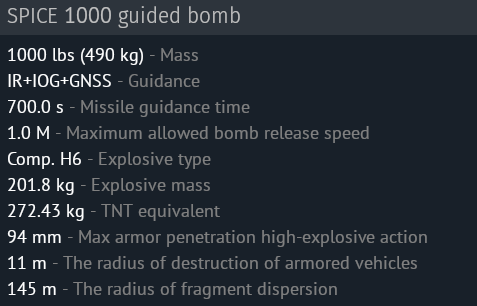
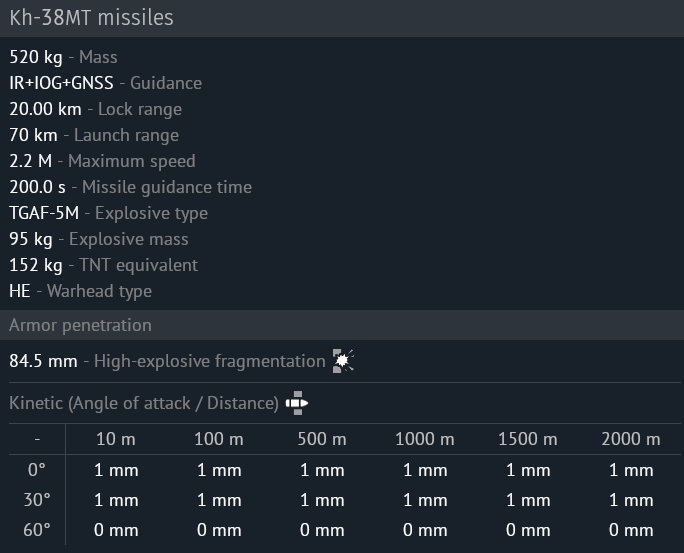
As shown in the figures, most non-Russian air-to-ground missiles are subsonic, which creates a severe imbalance for aircraft operating in the same CAS environment.
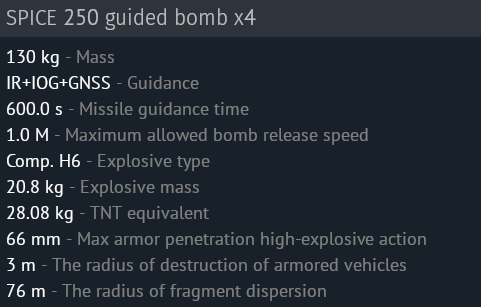
Nevertheless, some subsonic air-to-ground missiles can still compensate for their lack of speed through the launch aircraft’s energy; however, aircraft carrying the AGM-65 generally have low energy output in top-tier CAS environments.
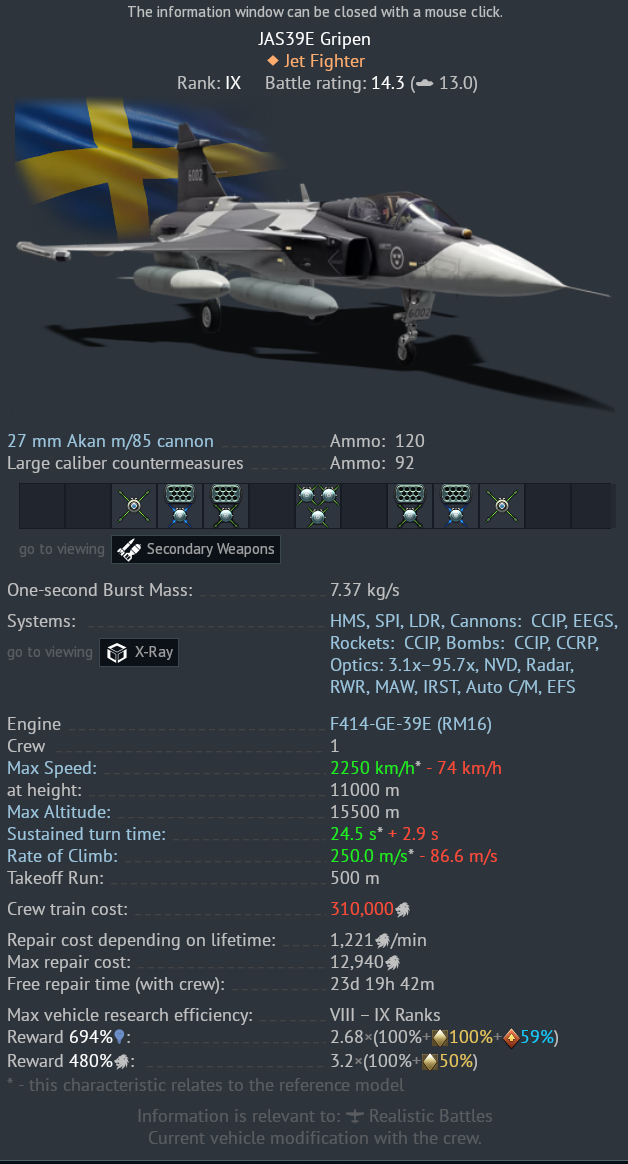
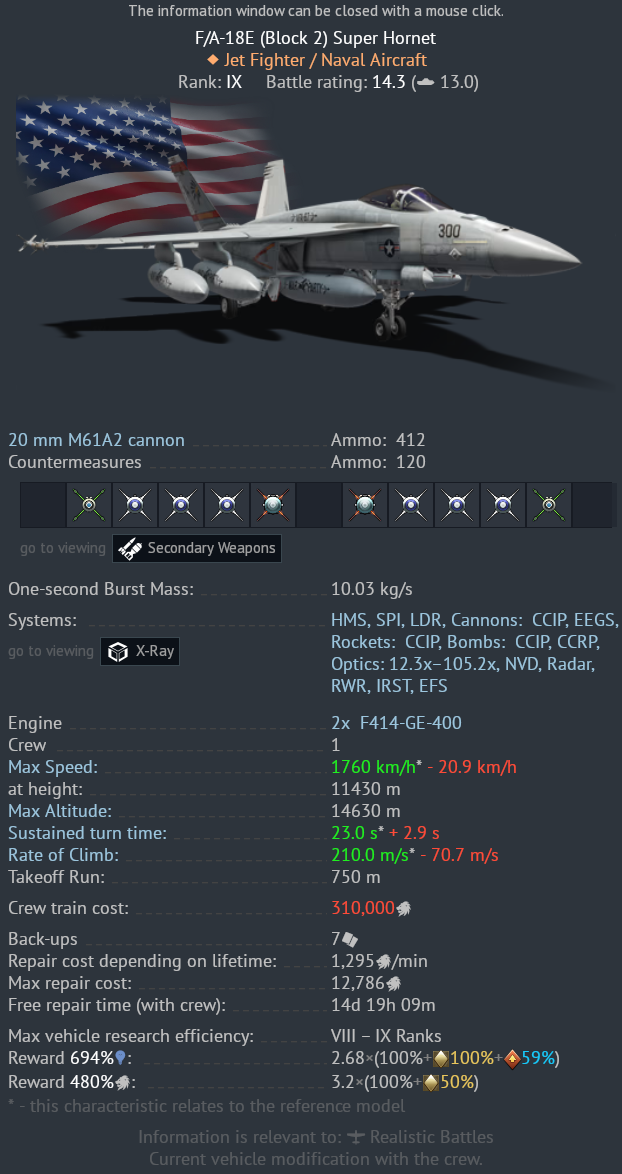
Even a high-energy platform like the F-15E finds itself at a disadvantage due to shortcomings in radar, missile arsenal, or maneuverability.
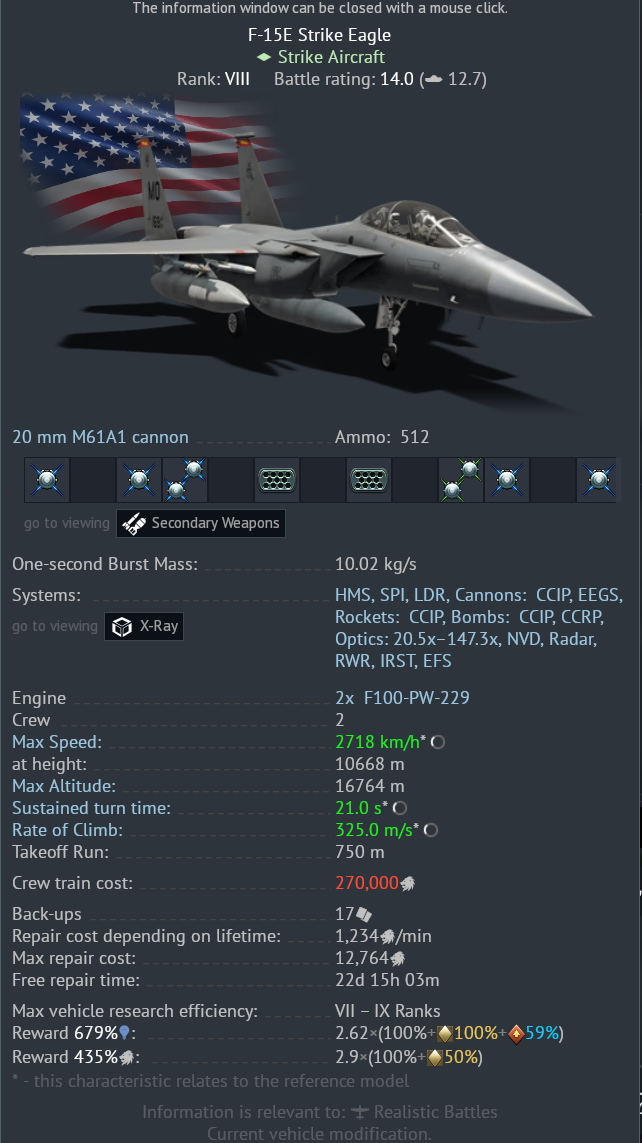
Even high-energy fighters such as the Typhoon and J-10C suffer from reduced efficiency when performing CAS missions, constrained by release speed limits on guided munitions like the GBU-53.
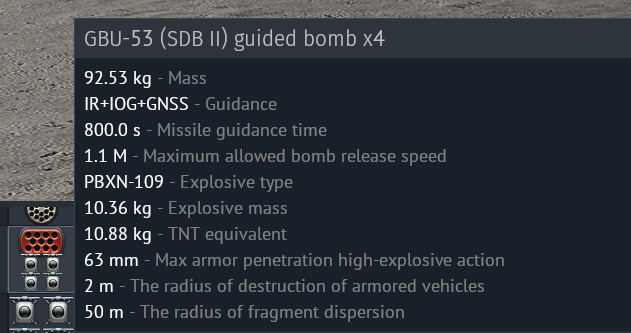
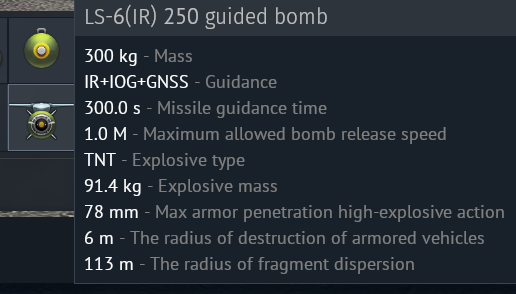
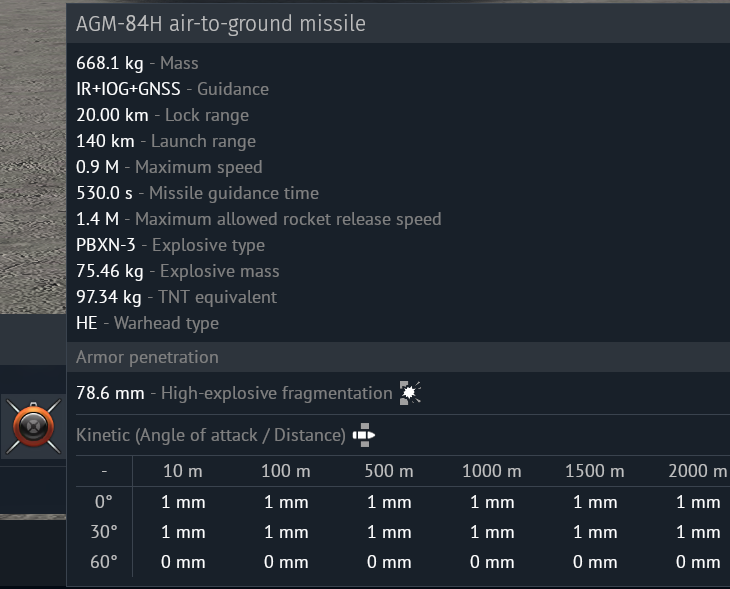
n summary, the game should rebalance air-to-ground missiles — for example, by adding missiles comparable to the TL-17 for other nations, or by introducing subsonic stealthy air-launched standoff munitions.
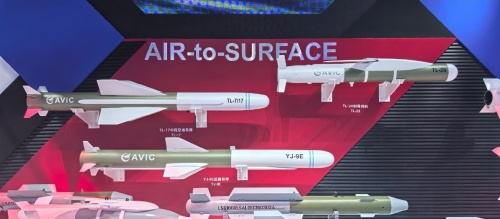
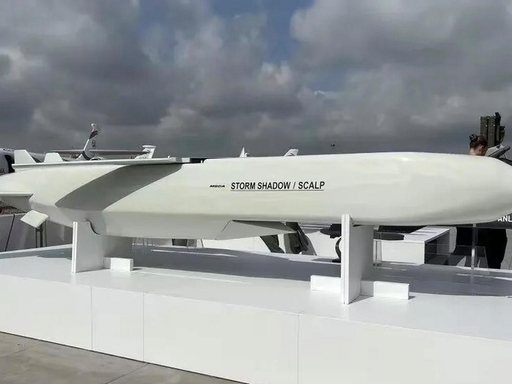
All materials were sourced from online searches. Your guidance and suggestions are welcome.
The article may contain wording or translation errors; your understanding is appreciated